Indoor cat got out? Learn where they usually hide, the best quiet search times, how to use flyers, cameras, and humane traps, and what to do after they’re ...
Article
•
Designer Mixes
Find a Cat That Got Outside

Shari Shidate
Designer Mixes contributor
If your cat just slipped out the door, take a breath. Many indoor cats do not go far at first. They usually hide nearby because the outdoors is loud, bright, and scary. Your best chance of getting your cat back quickly is to search smart, not frantically.
First 15 minutes
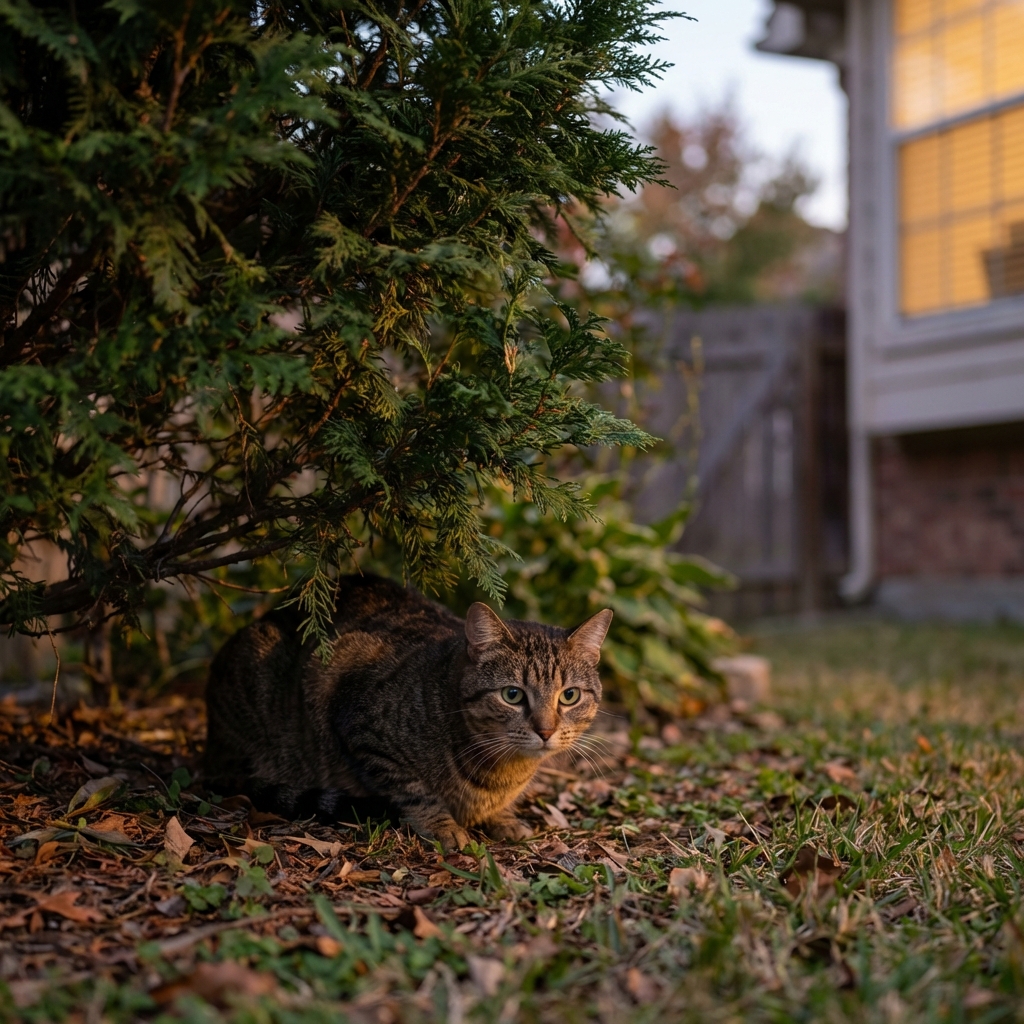
When a cat escapes, the first few minutes matter. Cats often freeze and tuck into the closest hiding place: under a porch, behind shrubs, inside a garage, or beneath a car.
- Do a fast indoor check first. Many “escaped” cats are still inside. Check closets, cabinets, under beds, behind furniture, inside box springs, and in laundry rooms.
- Stay quiet and low. Loud calling can push a scared cat deeper into hiding. Use a calm voice and move slowly.
- Close exit routes. Shut gates, garage doors, and any open sheds if you can do it quickly and safely.
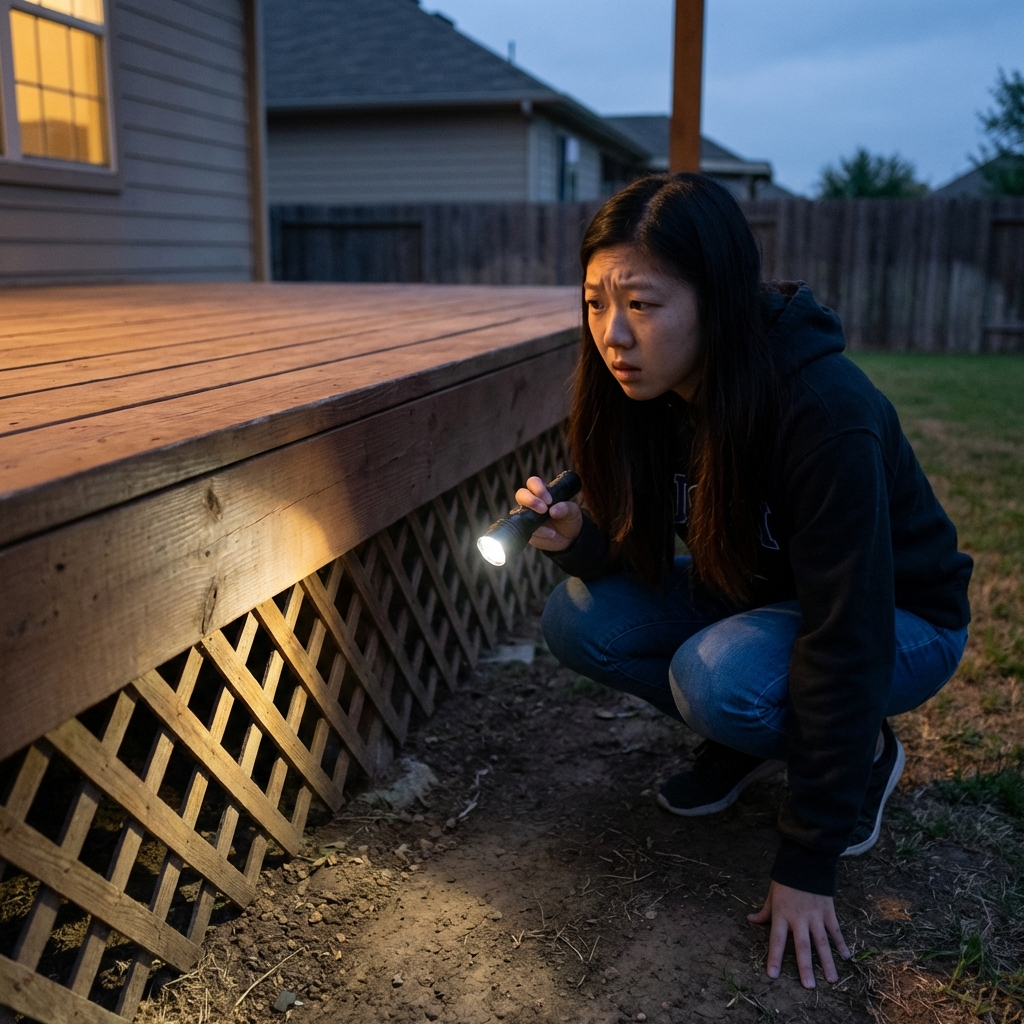
- Check the closest hiding zones first. Look under porches, decks, cars, bushes, and behind trash bins. Use a flashlight even in daylight to catch eye shine.
- Bring a carrier and a towel. If you spot your cat, you can scoop them safely or offer the carrier as a hiding cave. A towel helps with a frightened, wriggly cat.
- Bring one familiar item. A favorite treat bag, food bowl, or the sound of a can opening can help, but do not rely on it alone.
Safety note: If your cat bolts toward a road, do not chase. Chasing triggers flight. Instead, crouch, turn your body slightly sideways, and use a soft voice to invite them back.
How cats act outside
Understanding behavior helps you predict where your cat is hiding.
- Most indoor-only cats hide close. They are often surprisingly nearby, sometimes within a few houses. Focus on tight hiding spots before expanding far.
- They move more at quiet times. Dusk, nighttime, and early morning are when timid cats feel safest to come out.
- They may return near the escape point. Some cats do circle back when things calm down, but others stay hidden nearby for a long time and do not come directly to the door.
Quick search plan (30 to 90 minutes)
1) Do a tight, methodical sweep
Start at your door and work outward in a slow spiral.
- Use a light to scan dark gaps and under vehicles.
- Stop every 20 to 30 feet, kneel, and listen for rustling or soft meows.
- Check warm, protected spaces: crawlspaces, under steps, inside open garages, behind AC units, and in window wells.
2) Recruit help without chaos
One or two calm helpers are better than a big group.
- Ask neighbors to check their garages, sheds, and backyards right away.
- Request they open and close doors slowly so a hiding cat does not get trapped inside without anyone noticing.
3) Try “sit and wait”
After your first sweep, position yourself near the escape point. Many cats will not move while you are walking around, but they may approach once you are still.
- Sit on the ground, speak softly, and avoid direct staring.
- Gently shake treats or tap a familiar food dish.
- Keep the carrier nearby with the door open and a towel inside.
Set up a return station
Your goal is to make it easy for your cat to come back and for you to know they are there.
- Place food and water near the door they escaped from, ideally in a sheltered spot.
- Use a camera if you have one (a doorbell cam or any outdoor camera) to monitor without constant checking.
- Put out a humane cat trap if needed, especially for very shy cats. Many shelters and rescues loan them out.
Trap safety basics: Never leave a trap unattended for long periods. Check it frequently (at least every 30 to 60 minutes, more often in heat or cold). Cover the trap with a towel or sheet once the cat is inside to reduce panic. If you are not experienced, ask a local rescue or shelter for help with placement and monitoring.
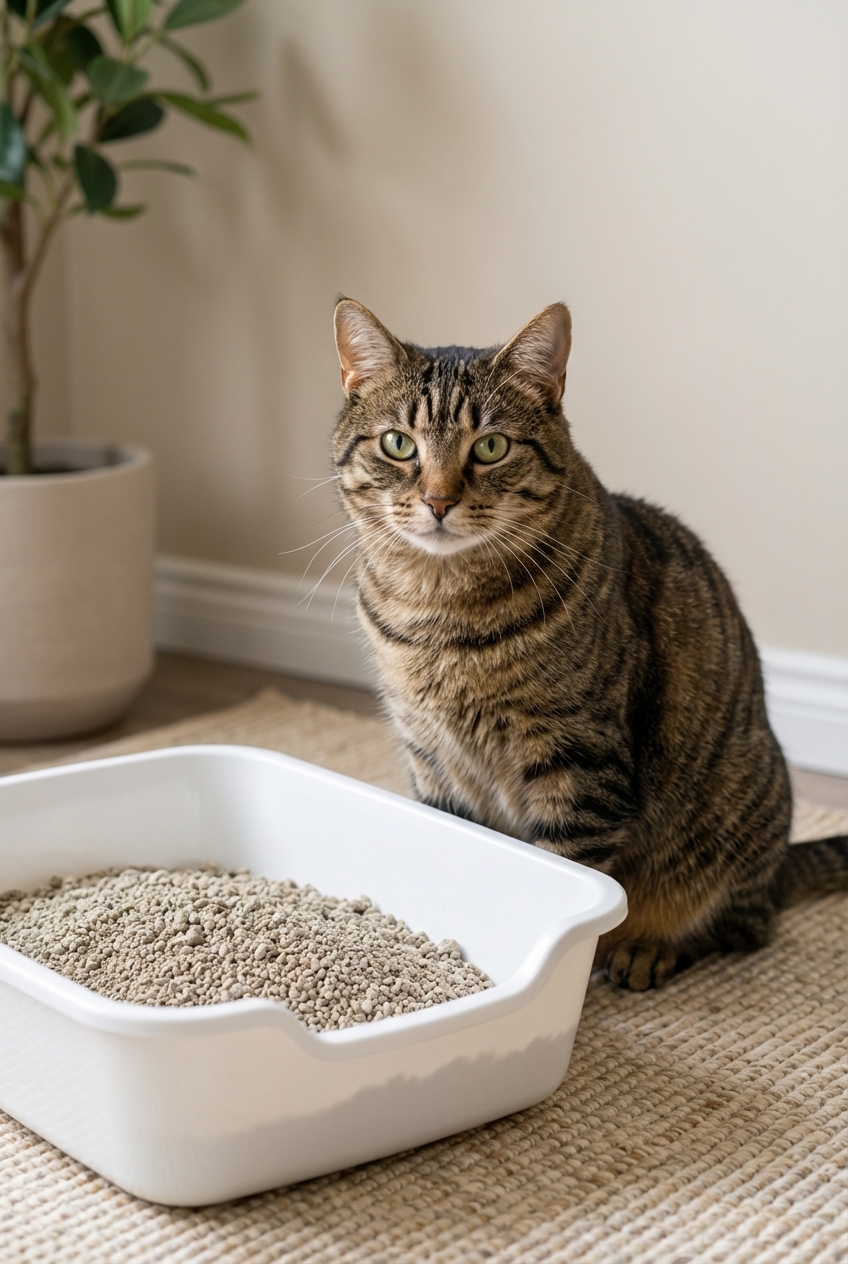
Litter box tip: Advice here is mixed. Some people put the litter box outside, while some behaviorists and shelters caution it can attract other cats and wildlife. A safer option is placing a familiar blanket or bedding with your cat’s scent near your entry point, or rubbing a cloth on your cat’s cheeks and leaving it by the door.

Go out at the right times
For most indoor cats, the best search windows are when the neighborhood is quiet.
- At dusk: Walk slowly, stop often, scan sheltered spots with a light.
- Late evening: Sit near home and listen.
- Before sunrise: Another strong window, especially in suburban areas.
Bring a light and keep your voice calm. Cats can recognize your normal tone and routine sounds.
High-risk situations
Some situations call for extra caution and a faster, more contained plan.
- Newly adopted or newly moved cats: These cats are more likely to stay silent and hide hard. Use a return station and consider a trap sooner.
- Near traffic: Do not chase. Ask for help to quietly block off an area if safe, and use a carrier, treats, or a trap rather than running after them.
- Bad weather: In cold, focus on warm shelter spots (under decks, sheds, crawlspaces, car engines only when parked and cool). In heat, check shade, under bushes, and put water out near home.
If your cat is hiding but will not come
This is extremely common. A frightened cat may recognize you and still be too scared to move.
- Do not grab or lunge. That can cause a panic dash.
- Get low and angle your body sideways. It feels less threatening.
- Use a trail of treats leading toward an open door or a carrier.
- Use a carrier as a safe cave. Place it on its side with a towel inside and a few treats.
If your cat is wedged under a deck or in a tight crawlspace, a humane trap is often one of the safest ways to bring them in, especially for fearful cats.
When to expand the search
If you have not seen your cat within a few hours, expand your radius gradually.
- After 2 to 6 hours: Search 5 to 10 houses in each direction, focusing on hiding places.
- After 12 to 24 hours: Go door to door with a photo. Ask neighbors to check garages and sheds again.
Many lost indoor cats are found very close to home, but it can take time for them to feel safe enough to move.
Posters, online posts, and microchips
Make it easy to help
- Use a clear, close-up photo of your cat’s face and body.
- Include one contact method that is checked often (phone or email).
- List distinguishing traits: collar, ear tip, unique markings, size.
Where to post
- Neighborhood apps and groups (Nextdoor, local Facebook groups).
- Local shelters and rescues.
- Vet clinics nearby.
Call shelters early
- File a lost report with local shelters and animal control.
- Check stray hold listings daily if your area posts them.
- If possible, visit in person. Photos and descriptions do not always match perfectly.
Microchip steps
- Call the microchip company and ensure your info is current.
- Report your cat as lost with the microchip registry if that option exists.
- Remember that any vet clinic or shelter can scan for a chip.
If your cat is not microchipped, do not feel guilty. Focus on getting them home first. Once they are back, microchipping is one of the most reliable safety nets we have.

Check for trapped cats
As a veterinary assistant, I have seen this more times than I can count. Cats slip into garages, sheds, or open vehicles and then get shut in quietly.
- Ask neighbors to open garages and sheds for a minute, then listen.
- Request they check behind stored items, not just the open floor.
- Check your own attic access, laundry room, closets, and cabinets too. Cats are talented at hiding inside.
What not to do
- Do not chase. It increases fear and distance.
- Do not set out poisoned bait or deterrents. These can harm pets and wildlife, and they can make neighbors less willing to help.
- Do not leave doors wide open overnight. Instead, monitor and create a controlled entry plan.
- Do not leave a trap out overnight unattended. If you use a trap, monitor it closely and bring it in when you cannot watch it.
If your cat comes home
Once your cat is back inside, keep them in one quiet room for a bit, offer water, and let them decompress. Then consider a quick health check.
- Look for limping, broken nails, bleeding, or swelling.
- Check for ticks and fleas.
- Call your vet if your cat seems painful, lethargic, or is not eating normally within 24 hours.
Prevention for next time: Consider a microchip, a breakaway collar with ID tag, and a habit of doing a quick cat count before opening exterior doors.
You are not failing if this takes time. Cats are small, quiet, and very good at hiding. A calm, consistent plan is what brings most indoor cats home.