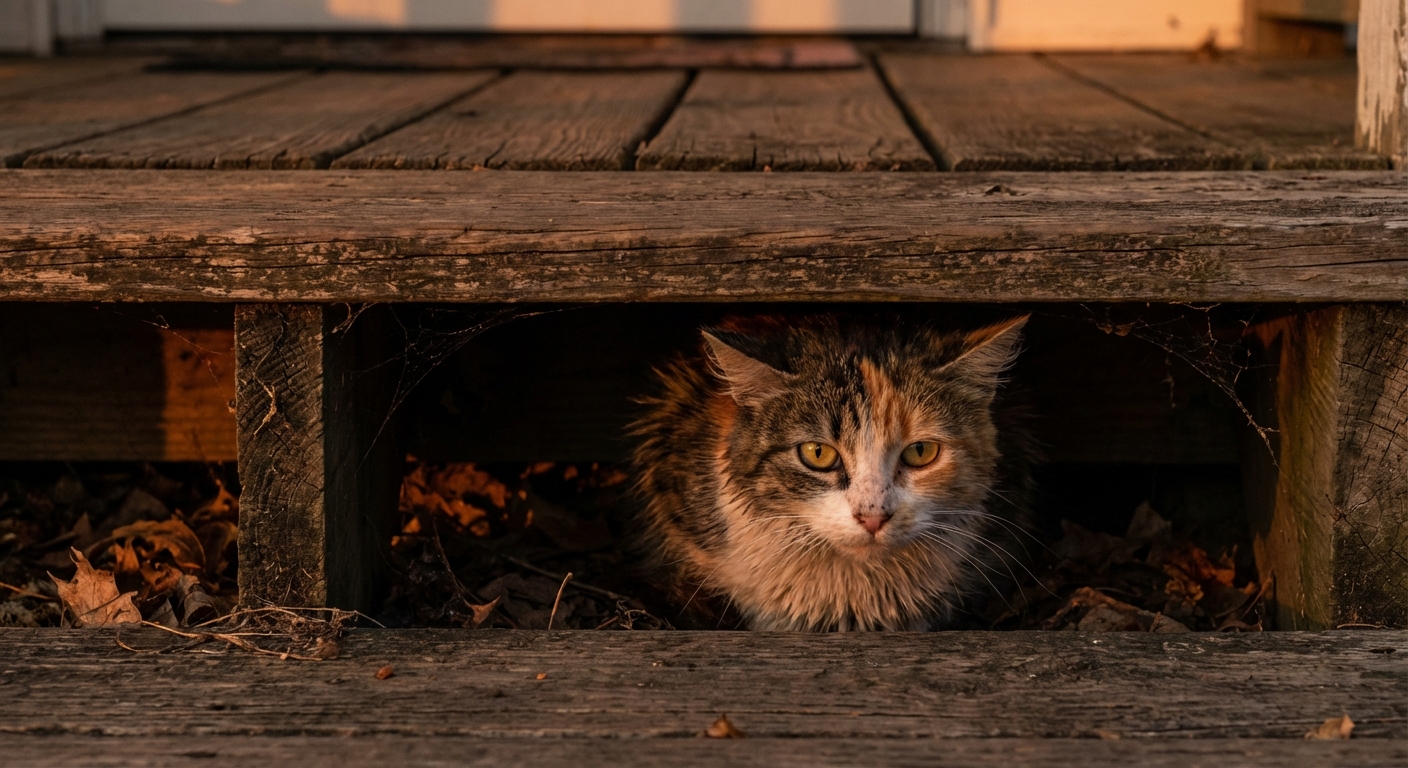
A practical, evidence-based guide to caring for feral cats: how to tell feral vs. stray, stay safe, plan TNR, trap and transport, post-op recovery, feeding, ...
Article
•
Designer Mixes
Feral Cats Explained

Shari Shidate
Designer Mixes contributor
As a veterinary assistant here in Frisco, Texas, I hear the same question a lot: “Is that cat outside a stray, or is it feral?” Knowing the difference matters because it changes what is safest and kindest for the cat, for your pets, and for your family.
This guide gives you a practical definition of a feral cat, what behaviors to look for, and what to do next.
What “feral” means
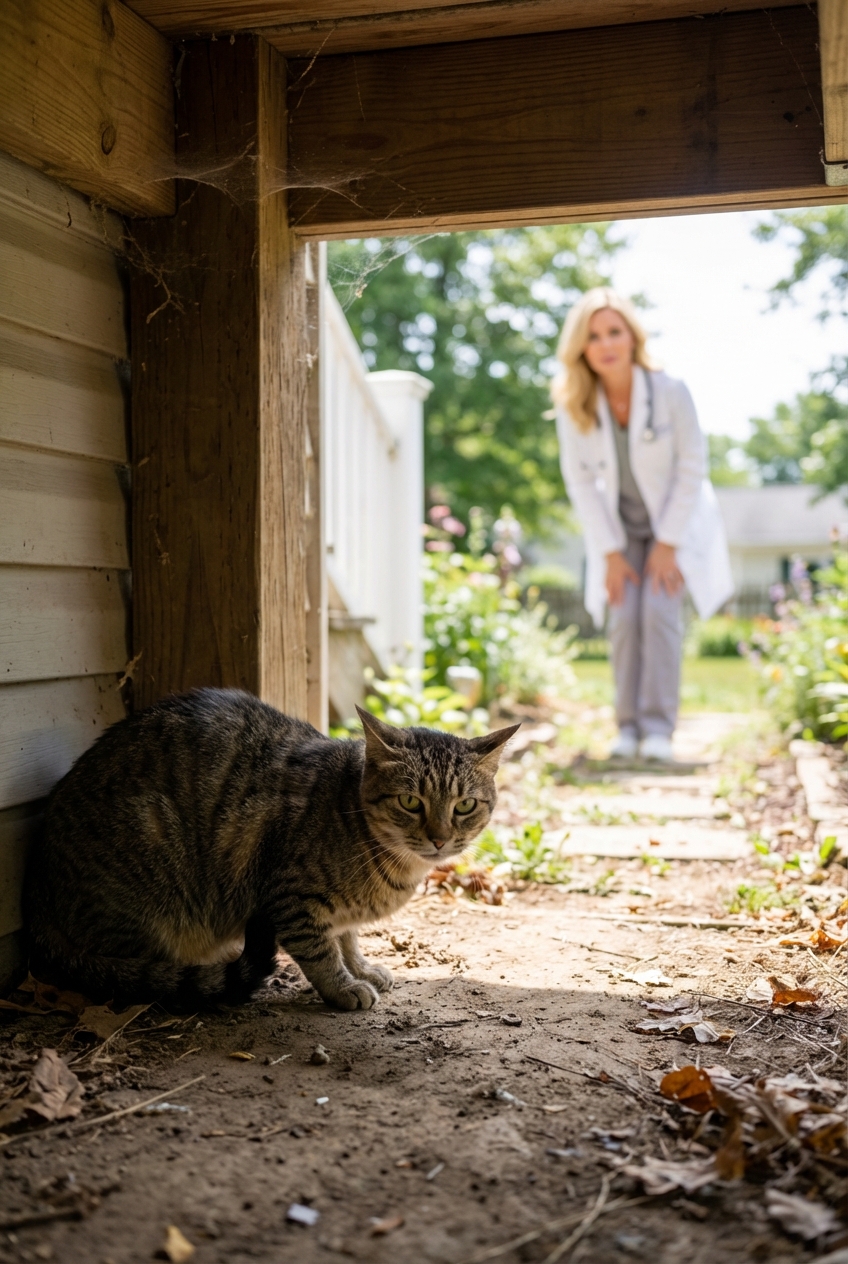
A feral cat is a cat who is not socialized to people and generally does not see humans as safe. Most feral cats either:
- were born outdoors and never learned to be comfortable with people, or
- were once pets but, after time outside, may become increasingly fearful and avoidant.
Practically speaking, a truly feral cat usually cannot be safely handled without specialized equipment. Forcing interaction often increases fear and the risk of injury to the cat and the person.
Feral vs stray vs outdoor pet
These labels get mixed up all the time. Here is a pet-owner-friendly way to separate them.
Feral cat
- Behavior: avoids people, may freeze, flee, or hide immediately
- Handling: typically cannot be touched or picked up safely; professionals may need specialized restraint and, in a clinic, sometimes sedation for an exam
- Where you see them: near hiding places like under decks, sheds, brush lines, storm drains
- Best help: trap-neuter-return (TNR), managed outdoor colony support
Stray cat
- Behavior: may approach cautiously, may meow, may watch you closely
- Handling: sometimes can be lured, contained, and examined with care
- Where you see them: neighborhoods, apartment complexes, near restaurants or dumpsters
- Best help: check for microchip, lost-pet reporting, rescue placement if friendly
Outdoor pet (owned cat allowed outside)
- Behavior: confident, may look well-fed, may walk with tail held upright (sometimes a relaxed “question mark”)
- Handling: often tolerates petting or will rub on objects
- Where you see them: regular routes at similar times, near homes
- Best help: avoid feeding unless you confirm ownership, encourage owners to keep the cat safe and vaccinated
One important note: fear can make a friendly cat act “feral” temporarily. A cat that is injured, sick, or terrified may hide and hiss even if it is normally sweet.
Quick checklist
Use these clues together instead of relying on just one.
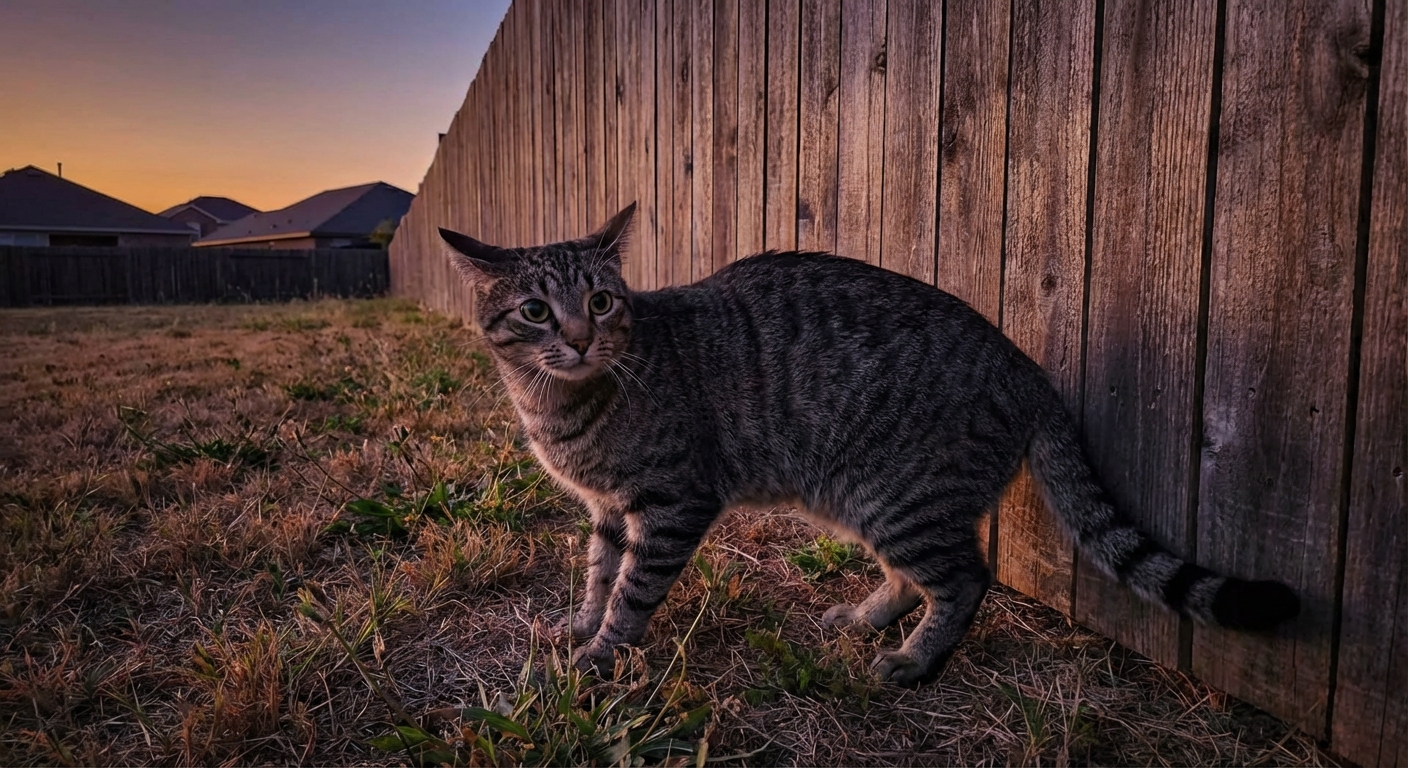
- Distance: will not let you get within several feet before bolting
- Eye contact: watches you intensely but does not blink slowly or relax
- Body language: crouched low, tense muscles, ready-to-sprint posture
- Vocalization: silent or growling; less likely to meow for attention
- Routine: appears most often at dawn, dusk, or nighttime
- Appearance: may have a rough coat, scars, or an ear tip (a flat edge on one ear can indicate TNR)
Ear-tipping is a big clue. An ear-tipped cat has been spayed or neutered through a TNR program in most communities, and it is a good sign someone is trying to manage the population.
Why it matters
Health risks
Feral and unknown cats can carry parasites like fleas and intestinal worms, and infectious diseases such as feline upper respiratory infections. Some issues can also affect people, such as ringworm (a contagious skin fungus) and, through fleas, the tapeworm cycle. Rabies is rare in cats, but it is still possible. Any bite or scratch from an unknown cat should be treated seriously.
For your dog or cat, the bigger day-to-day risks are:
- Fights: abscesses and painful wounds
- Fleas: infestation that comes inside on your pet
- Stress: stalking windows or doors (barrier frustration) and territorial behavior, especially for indoor cats
Behavior and safety
A cornered feral cat may defend itself. Please do not try to pick up an unknown cat, even with gloves. Gloves reduce scratches, but they do not prevent bites, and bites can become infected quickly.
If a person is bitten or badly scratched, wash the area right away and contact a healthcare provider. In many cases, you should also contact local animal control or public health so they can advise on rabies protocols for your area.
What to do next
1) Protect your pets
- Keep cats indoors whenever possible.
- Walk dogs on a leash at night and avoid brushy hiding spots.
- Keep vaccines current and use parasite prevention. Ask your veterinarian which products fit your pet’s lifestyle.
2) Do not rush contact
Slow, respectful distance is kinder and safer. A feral cat’s goal is survival, not companionship, and pushing contact can cause panic and injury.
3) Check for ownership signs
If the cat is approachable, you can do a gentle check from a distance:
- Is the coat clean and the body condition healthy?
- Does the cat come to you, vocalize, or seem comfortable around people?
- Is there a collar (not common but possible)?
If it seems friendly, contact a local shelter, rescue, or veterinary clinic about scanning for a microchip.
4) Consider TNR for true ferals
TNR stands for trap-neuter-return. The cat is humanely trapped, spayed or neutered, vaccinated when available, ear-tipped, and returned to its outdoor home.
Why TNR is recommended for feral cats:
- Reduces fighting and roaming over time
- Prevents litters and can lower community cat numbers when done consistently with strong participation
- Stabilizes colonies, which can reduce nuisance behaviors with ongoing management
If you want to help, start by contacting established TNR groups in your area. They can advise on trapping schedules, baiting, and post-surgery holding.

Kittens and moms
Kittens change the plan, especially if they are very young.
- If kittens look clean, plump, and quiet: mom is often nearby, even if you do not see her. Keep watching from a distance.
- If kittens are very small (eyes closed or barely open): do not move them unless they are in immediate danger. Their best chance is usually staying with mom.
- Do not trap and remove a nursing mom without a plan: separating her from kittens can be life-threatening for the kittens.
- Call a rescue or TNR group: they can help you time trapping so the family stays together and gets the right care.
Feeding wisely
Many compassionate people feed outdoor cats. If you choose to feed, a few practices help reduce unintended problems:
- Feed on a schedule and remove leftovers after 20 to 30 minutes to avoid attracting wildlife.
- Provide clean water, especially during hot Texas summers.
- Pair feeding with TNR. Feeding without sterilization often increases the number of cats over time.
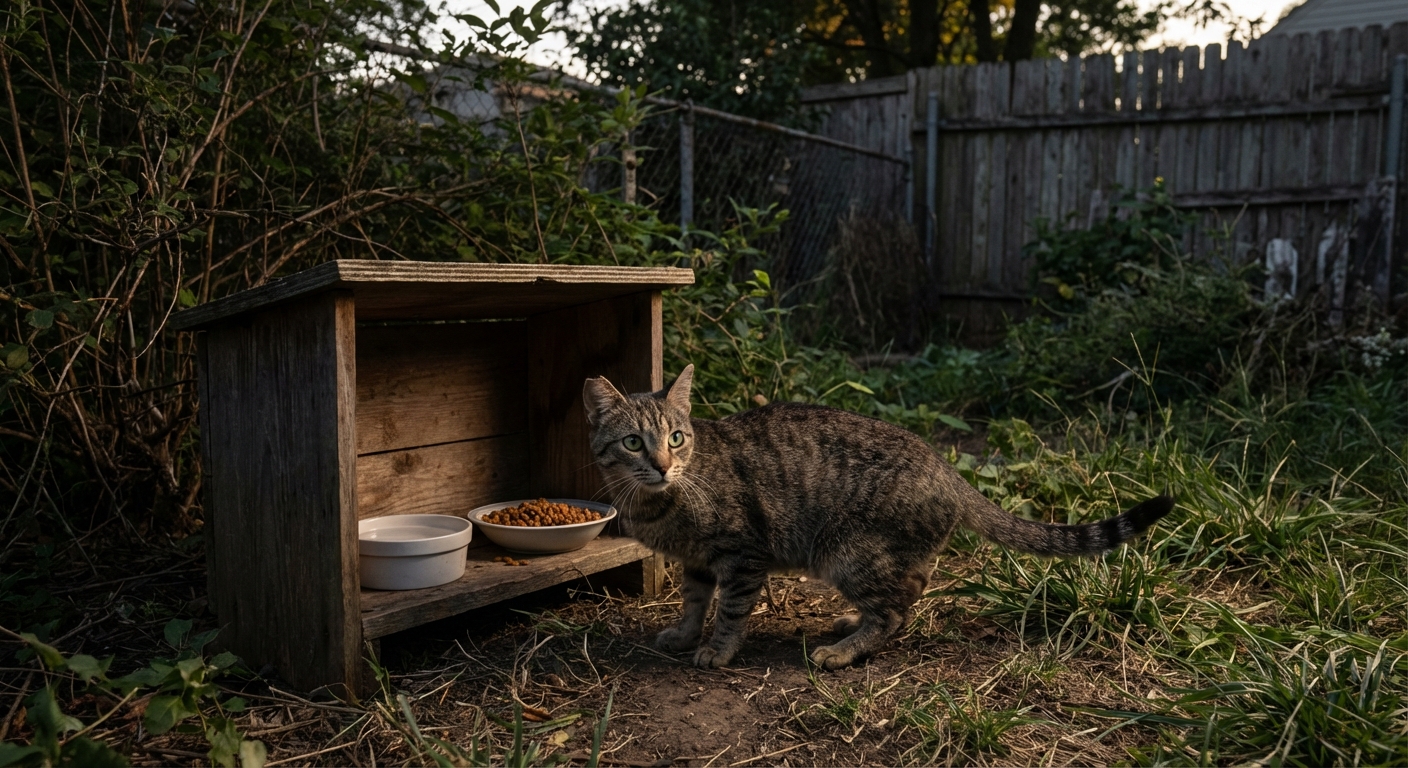
- Use feeding stations placed away from heavy foot traffic and away from your own pet doors.
Heat and cold
North Texas weather can be intense. If you are supporting an outdoor cat, focus on simple, low-risk help:
- Heat: shaded water, multiple water bowls, and a shaded resting spot.
- Cold snaps: a basic outdoor shelter (dry, wind-blocked, and elevated) can help. Keep bedding dry and avoid anything that holds moisture.
If a cat seems weak, disoriented, or unable to escape the weather, call a rescue, animal control, or a veterinary clinic for guidance.
What not to do
- Do not use poison or harmful deterrents. They can injure pets, wildlife, and children, and they are inhumane.
- Do not relocate cats without coordination. Moving cats often leads to suffering and can create problems in a new area.
- Do not trespass to trap or feed. Talk with neighbors or your HOA if needed and keep efforts transparent and humane.
- Do not corner an unknown cat. Give an exit route and keep your distance.
When to call a pro
Please contact animal control, a rescue, or a veterinarian if you notice:
- Obvious injury, limping, open wounds, heavy bleeding
- Labored breathing or severe lethargy
- Neurologic signs such as stumbling, seizures, extreme disorientation
- Kittens who appear orphaned (no mom seen after repeated checks)
- A bite or scratch to a person from an unknown cat
If you are unsure, describe what you see to a local clinic or rescue. A quick phone call can prevent a dangerous situation.
A gentle bottom line
A feral cat is not “bad” or “mean.” It is a cat that has learned humans are unsafe. The most compassionate approach is usually space, safety, and TNR support, while keeping your own pets protected with vaccines, parasite prevention, and smart supervision.
If you want to help but you are overwhelmed, start small. One phone call to a local TNR group is often the first step that makes a real difference.
Note: This article shares general guidance and cannot cover every situation. Local regulations and available resources vary, so when in doubt, check with your veterinarian, animal control, or a local rescue group in Collin County.