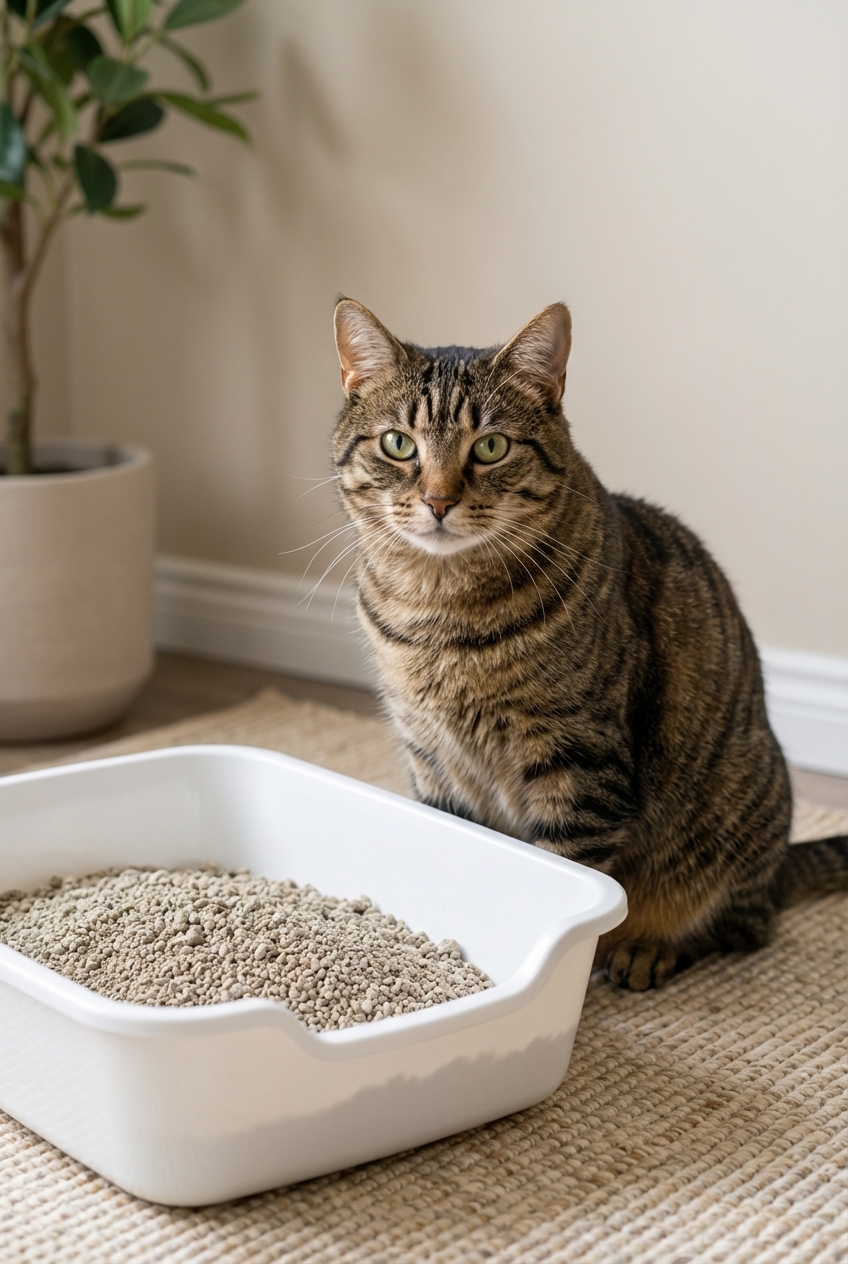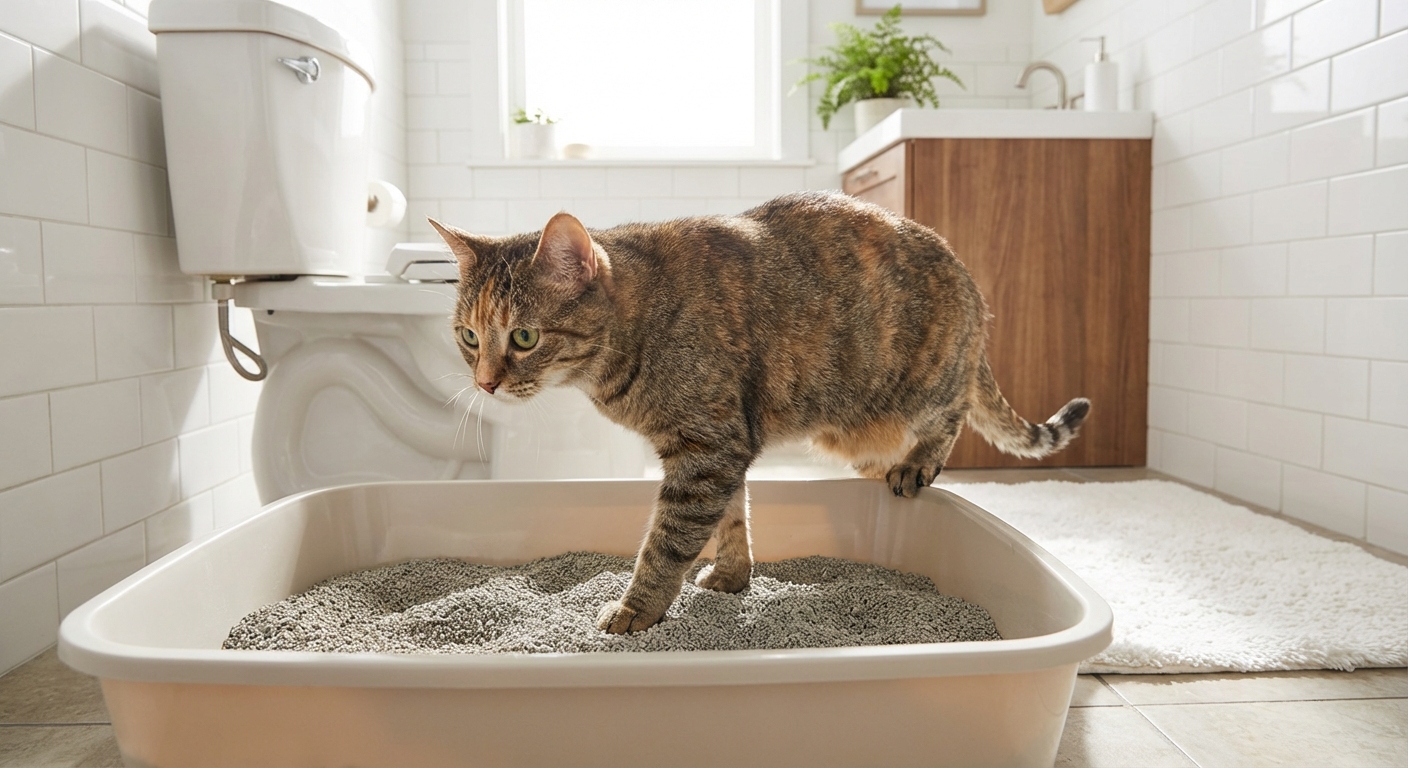
Worried about frequent litter box trips, straining, or blood in urine? Learn cystitis in cats symptoms, emergency red flags, causes like stress or UTIs, and ...
Article
•
Designer Mixes
Feline UTI Symptoms

Shari Shidate
Designer Mixes contributor
If your cat is suddenly making frequent trips to the litter box, crying out, or having accidents outside the box, it is easy to assume it is “just a UTI.” In practice, urinary signs in cats can come from several different problems, and some are emergencies, especially for male cats.
As a veterinary assistant here in Frisco, Texas, I want to help you recognize the signs quickly, understand what they can mean, and know what to do next. The bottom line is simple: urinary issues are common, treatable, and they deserve prompt attention.
Important: Straining can look like constipation. If you are not sure which one you are seeing, treat it as urgent and call a veterinarian.
What people mean by “UTI” in cats
In cats, “UTI” is often used as a catch-all term for lower urinary tract disease. A true bacterial urinary tract infection does happen, but it is uncommon in young, otherwise healthy cats. Cats can show identical symptoms from:
- Bacterial UTI (more common in older cats, cats with diabetes or kidney disease, or those on certain medications). Diagnosis is ideally confirmed with a urine culture.
- Feline idiopathic cystitis (FIC), a sterile inflammation of the bladder often linked with stress and environment
- Urinary crystals or stones (struvite, calcium oxalate, and others)
- Urethral obstruction, most often in male cats, where urine cannot pass
- Less common causes such as bladder polyps, tumors, pain from arthritis affecting litter box use, or anatomical issues
Because the symptoms overlap, the safest mindset is: urinary signs need a veterinarian to sort out the cause.
Common urinary symptoms in cats
Litter box changes
- Straining with little or no urine (possible blockage, especially if repeated)
- Frequent trips to the box, often with small amounts produced
- Small urine clumps compared with your cat’s normal output
- Accidents outside the box (bathroom rug, bathtub, laundry, corners)
- Blood in urine or pink-tinged urine
Pain and behavior signs
- Crying out or yowling while urinating
- Licking the genital area more than usual
- Restlessness, hiding, irritability, or sudden aggression when touched
- Changes in appetite or decreased activity
Urine and body changes
- Strong urine odor (not a reliable sign of infection). Odor can change with concentration, diet, hydration, or even a new litter.
- Dehydration signs such as tacky gums or less interest in drinking
- Vomiting or lethargy (can occur with more severe disease or obstruction)
Emergency signs: go now
If your cat cannot pass urine, this can become life-threatening quickly. Some cats can deteriorate within hours and it can become critical within about 24 hours or less. Please treat the following as urgent:
- Repeated straining with no urine produced
- Crying and posturing like they need to pee, but nothing comes out
- Vomiting, collapse, or severe lethargy
- A firm, painful belly
- Male cats with these signs are at higher risk of obstruction because the urethra is narrower
If you see these signs, go to an emergency vet immediately. Do not wait “to see if it passes.”
What not to do
- Do not try to “express” your cat’s bladder. This can be extremely painful and can cause injury.
- Do not give leftover antibiotics or human medications.
- Do not delay care with home remedies if urine is not coming out.
UTI vs constipation
Cats who are constipated may strain in the litter box and vocalize. Here are a few clues:
- Constipation often includes small, hard stools, no stool for more than a day or two, and straining that may not look like urination.
- Urinary trouble often includes frequent trips, licking the genitals, and small urine clumps or none at all.
When in doubt, call your veterinarian. Straining is never a “wait and see” symptom.
Causes and risk factors
Several factors can increase risk for feline lower urinary tract problems:
- Stress and routine changes (new pet, moving, visitors, construction noise, schedule changes)
- Low water intake, especially in cats who eat only dry food
- Overweight or low activity
- Multi-cat household tension and litter box competition
- Diet and mineral balance (can influence crystals and stone formation)
- Underlying disease such as diabetes or kidney disease, especially in older cats
Many cats with urinary signs are otherwise healthy. That is why the pattern can be so frustrating, and why prevention strategies matter.
How vets confirm the cause
Because symptoms overlap, treatment should be based on testing, not assumptions. Typical diagnostics include:
- Urinalysis to evaluate urine concentration, blood, inflammation, and crystals
- Urine culture to confirm bacterial infection and choose the right antibiotic
- Imaging such as X-rays or ultrasound to look for stones, sludge, or bladder changes
- Bloodwork if your vet is concerned about kidney function, dehydration, or systemic illness
One quick note about urine samples: your veterinarian may recommend a sterile sample (often collected via cystocentesis) when a culture is needed, because it reduces contamination and helps you get a more trustworthy result.
Why this matters: giving antibiotics “just in case” can miss the real cause, delay relief, and contribute to antibiotic resistance. Plus, crystals or stones often need diet changes, pain control, and sometimes procedures, not just antibiotics.
What treatment may look like
Your cat’s plan depends on the cause, but common components include:
- Pain control (important, because urinary inflammation is genuinely painful)
- Urethral relaxation or anti-spasm medication in some cases, prescribed by your veterinarian when appropriate
- Antibiotics only when infection is confirmed or strongly suspected, ideally guided by culture
- Prescription urinary diets to help dissolve certain crystals or prevent recurrence
- Fluids to support hydration
- Hospital care for blocked cats, which may include catheterization and monitoring of electrolytes
If your cat has repeated episodes, ask your veterinarian about whether it sounds more like FIC, stones, or infection. The long-term prevention plan differs for each.
At-home support while you wait
If your cat is still passing urine and you are waiting for an appointment, these steps can help, and they also give your vet better information:
- Track litter box output: number of trips, size of clumps, any blood.
- Encourage water intake: add extra bowls, try a fountain, offer wet food if appropriate.
- Reduce stress fast: keep the home quiet, provide hiding spots, maintain routine.
- Keep the litter box inviting: clean daily, consider unscented litter, and ensure easy access.
- Do not give human medications: many are toxic to cats.
If your cat stops producing urine, becomes very lethargic, or vomits, switch from “support” to “emergency care” immediately.
Prevention tips
Boost hydration
- Feed more moisture-rich food if your vet agrees.
- Use wide bowls, fresh water, and multiple stations around the house.
- Consider a cat water fountain if your cat prefers moving water.
Improve the litter box setup
- Offer enough boxes: a common guideline is one per cat, plus one extra.
- Place boxes in quiet, accessible locations.
- Use unscented litter and scoop daily.
Reduce stress
- Provide vertical space, scratchers, and predictable routines.
- In multi-cat homes, ensure each cat has separate resources: food, water, and resting spots.
Plan for repeat issues
For cats with recurrent episodes, your veterinarian may recommend a urinary diet, supplements, environmental enrichment, and follow-up testing. The goal is not just to “fix today,” but to reduce the chances of the next painful flare.
FAQs
Can a cat have a UTI without blood in the urine?
Yes. Some cats have pain, frequent trips, or accidents without visible blood. Blood can be microscopic and still significant.
Do male cats get UTIs more often?
Male cats are more likely to have a blockage, which is why urinary symptoms in males are taken so seriously. Infection rates vary, and many urinary cases are inflammation or crystals rather than bacteria.
Will a UTI go away on its own?
Some mild inflammation may improve, but you cannot safely assume it will. A true infection needs proper treatment, and an obstruction is an emergency. If you see urinary symptoms, get your cat checked.
What is the fastest way to tell if it is a blockage?
At home, you cannot confirm it with certainty. A key warning sign is repeated straining with little or no urine. Your veterinarian confirms with an exam and tests.
Takeaway
Feline UTI symptoms are really “urinary symptoms,” and they deserve quick, thoughtful care. If your cat is peeing frequently, straining, vocalizing, or having accidents, schedule a vet visit. And if your cat cannot pass urine, go to emergency care right away.
You know your cat’s normal better than anyone. Trust that instinct and act early. Urinary problems are one area where fast help makes a huge difference in comfort and outcome.