From fleas and allergies to ringworm, mites, acne and infections, learn what cat skin problems look like, safe at-home steps, vet tests, and emergency warnin...
Article
•
Designer Mixes
Feline Skin Conditions Advice You Need

Shari Shidate
Designer Mixes contributor
Cat skin issues can feel like a mystery because the signs often look the same at first: itching, scabs, dandruff, hair loss, or overgrooming that leaves bald patches. The good news is that many feline skin conditions are manageable once you identify the trigger, though some can be chronic or relapsing and need long-term control. Below is a veterinary-team style roadmap that helps you notice patterns, avoid common mistakes, and know when it is time for a hands-on veterinary exam.
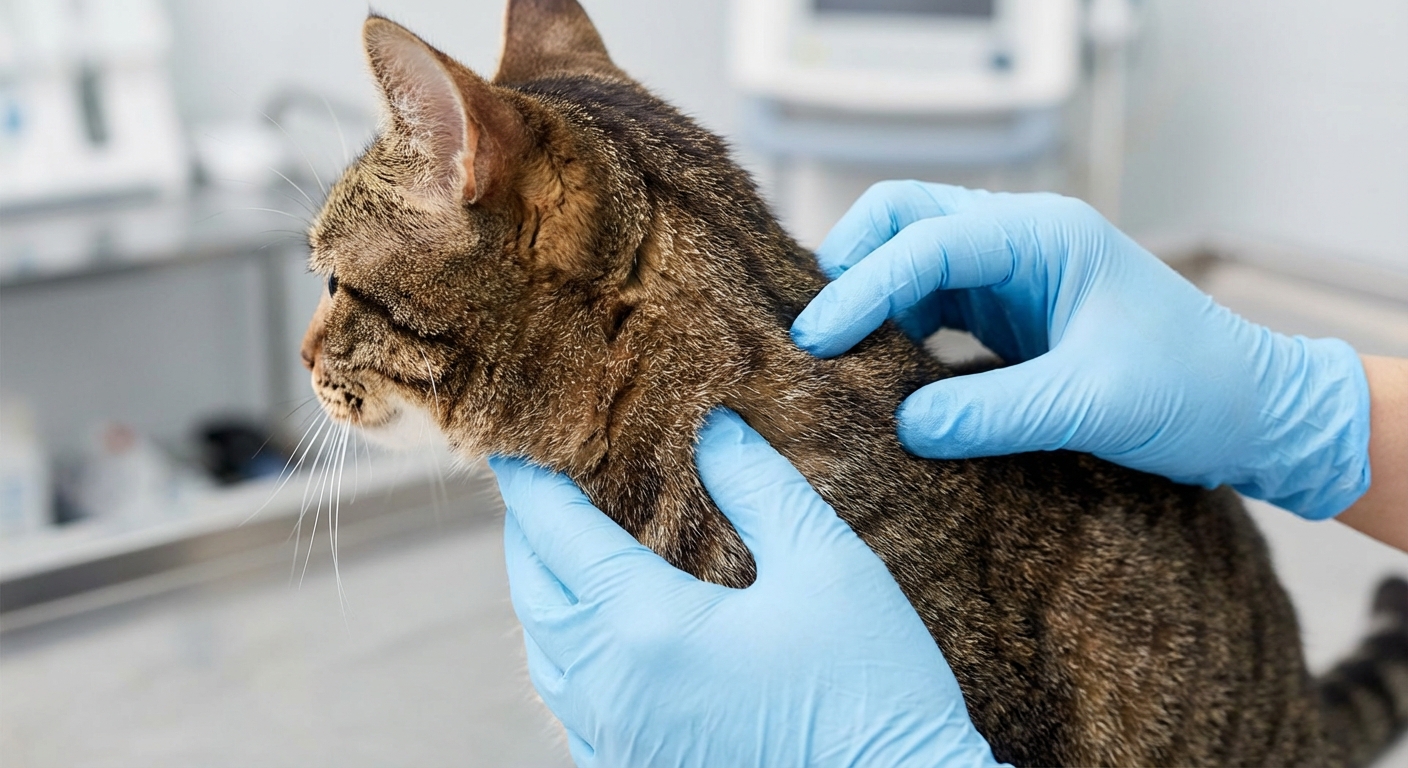
What cat skin problems look like
Cats are masters at hiding discomfort, so skin disease is often discovered late. Here are the most common outward clues:
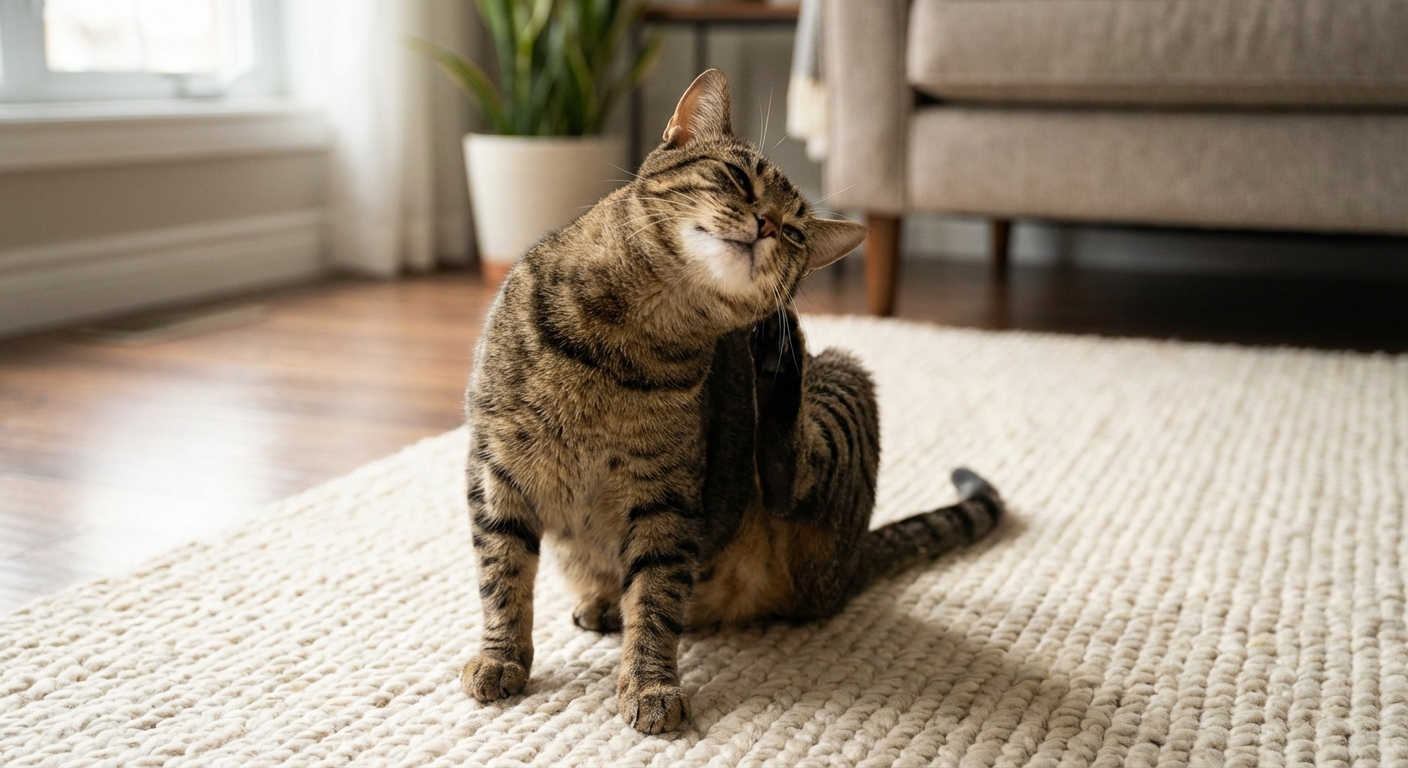
- Itching or overgrooming (especially belly, inner thighs, paws, or tail base)
- Small crusts or scabs you feel before you see, often along the back and neck
- Hair loss (can be patchy, symmetrical, or along the spine)
- Redness around the ears, chin, armpits, or groin
- Blackheads on the chin or lip margin
- Dandruff or greasy coat
- Ear debris with head shaking or pawing at the ears
Because different conditions can share the same symptoms, treating what it looks like can waste time. Your best tool is a short, focused history: when it started, where it is on the body, and what changed in the home (food, litter, new pets, stress, seasons).
Top causes of feline skin issues
1) Fleas and flea allergy dermatitis
This is one of the most common reasons cats itch, even if you never see a flea. Some cats have an allergy to flea saliva, meaning even one bite can trigger days of intense itching and scabs, especially near the tail base and back.
- What owners miss: indoor cats can get fleas from people, dogs, or screened patios.
- What helps: consistent veterinarian-recommended flea prevention for every pet in the household.
- Critical safety note: never use dog-only flea products on cats. Some ingredients (like permethrins) can be life-threatening to cats.
2) Allergies (food, environmental, contact)
Allergies in cats commonly show up as skin disease rather than sneezing, although some cats can have respiratory signs too. You may see facial itch, ear trouble, belly overgrooming, or recurring scabs.
- Food allergy often causes year-round signs, but true food allergy is generally less common than flea allergy or environmental allergy. Food intolerance can look similar but is not the same process.
- Environmental allergy can be seasonal or year-round (pollens, dust mites, molds).
- Contact irritation can come from fragranced litter, harsh cleaners, or certain fabrics.
If you suspect food allergy, ask your vet about a strict elimination diet trial. This is evidence-based and very different from simply switching brands for a week or two.
- Typical timeline: often 8 to 12 weeks.
- Strict means strict: no treats, no flavored meds, no table food, and no “tiny bites” of other pet food.
- Diet choice matters: many over-the-counter limited ingredient diets are not equivalent to a prescribed hydrolyzed or veterinary novel-protein trial.
3) Mites, lice, and ringworm
External parasites and fungal infections are easy to confuse with allergies.
- Mites (including ear mites) can cause crusting, intense itching, and ear debris.
- Ringworm can cause circular hair loss, broken hairs, dandruff, or mild itch. Importantly, it can spread to people.
- Lice are less common but can happen, especially in cats with poor coat condition or crowded living situations.
These conditions typically require confirmation tests and targeted treatment, not trial-and-error home remedies.
4) Bacterial or yeast infections
In cats, infections are often secondary, meaning they occur because something else damaged the skin barrier first (allergies, parasites, overgrooming). You may notice odor, greasy fur, pimples, or raw areas.
Antibiotics or antifungals may be needed, but the long-term win is treating the underlying cause so the infection does not keep returning.
5) Stress, pain, and overgrooming
Cats can groom for comfort. Stress-related overgrooming often creates smooth, broken-hair bald patches, commonly on the belly and legs. The tricky part is that pain (arthritis, dental pain, bladder discomfort) can also drive overgrooming.
- Clues: big life changes, new pets, schedule shifts, moving, construction noise, or boredom.
- Helpful supports: predictable routines, more play, vertical space, hiding areas, and sometimes veterinary-prescribed anxiety support.
6) Feline acne
Feline acne commonly shows up as blackheads on the chin, sometimes with redness, swelling, or infection. Plastic bowls, skin irritation, and secondary infection can all play a role. Your vet can recommend safe cleansing, bowl changes, and treatment if it is inflamed or recurring.
7) Eosinophilic granuloma complex (EGC)
EGC is a group of skin reactions that often ties back to allergies (fleas, food, or environmental triggers). It can look like raised plaques, small crusted bumps, or firm lesions on the lips, belly, thighs, or inside the mouth. It typically needs veterinary diagnosis and a plan that addresses the trigger plus inflammation control.
8) Less common systemic causes
Some coat and skin changes can be driven by internal disease or deficiencies, especially when paired with weight loss, increased thirst, vomiting, diarrhea, or lethargy. Examples include hyperthyroidism, diabetes, and other systemic illnesses. Your vet may recommend bloodwork if the overall picture suggests more than a primary skin problem.
Home checks you can do
These simple steps give your veterinarian better information and can prevent flare-ups.
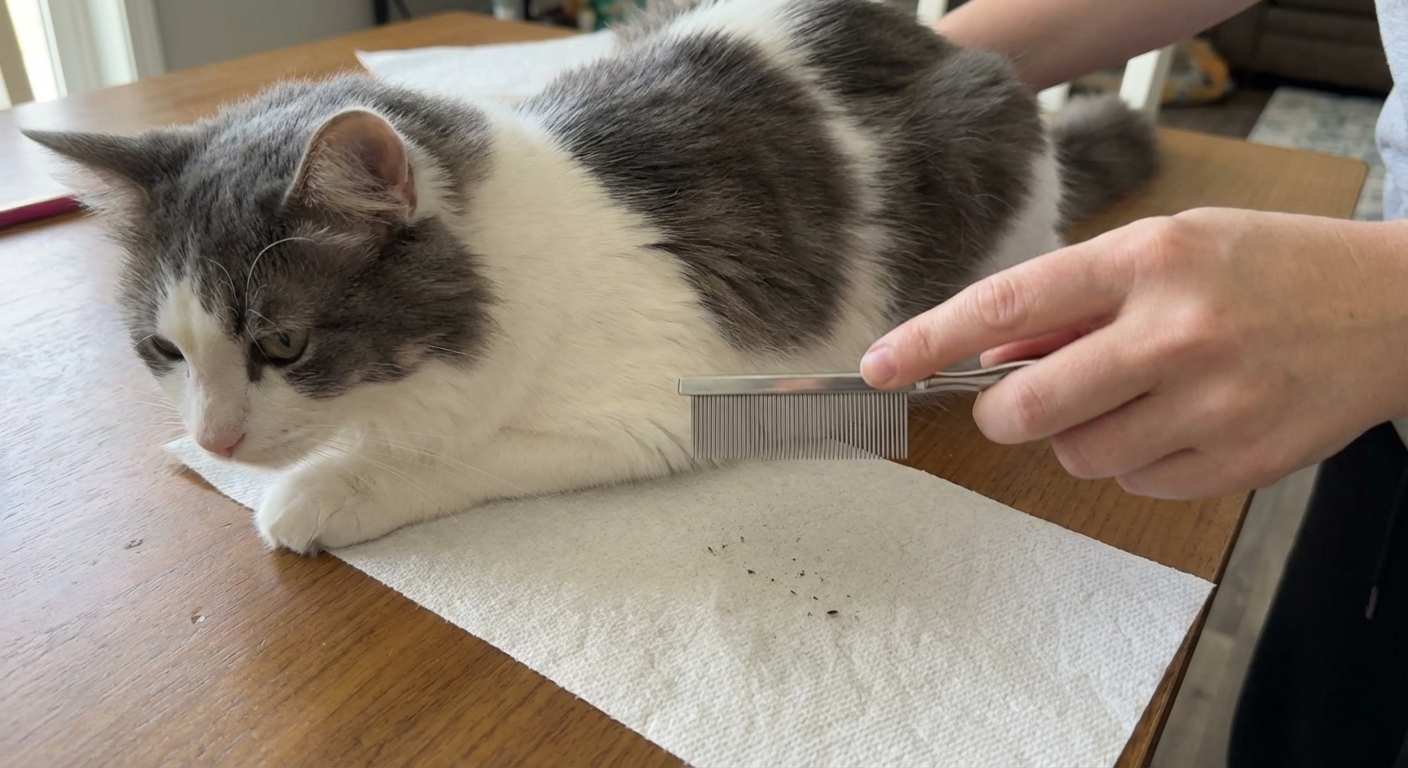
- Run a flea comb along the back and base of the tail. Look for black specks that smear red when wet (flea dirt).
- Check ears for dark debris, strong odor, or redness.
- Look at the chin for blackheads, redness, or swelling (possible feline acne).
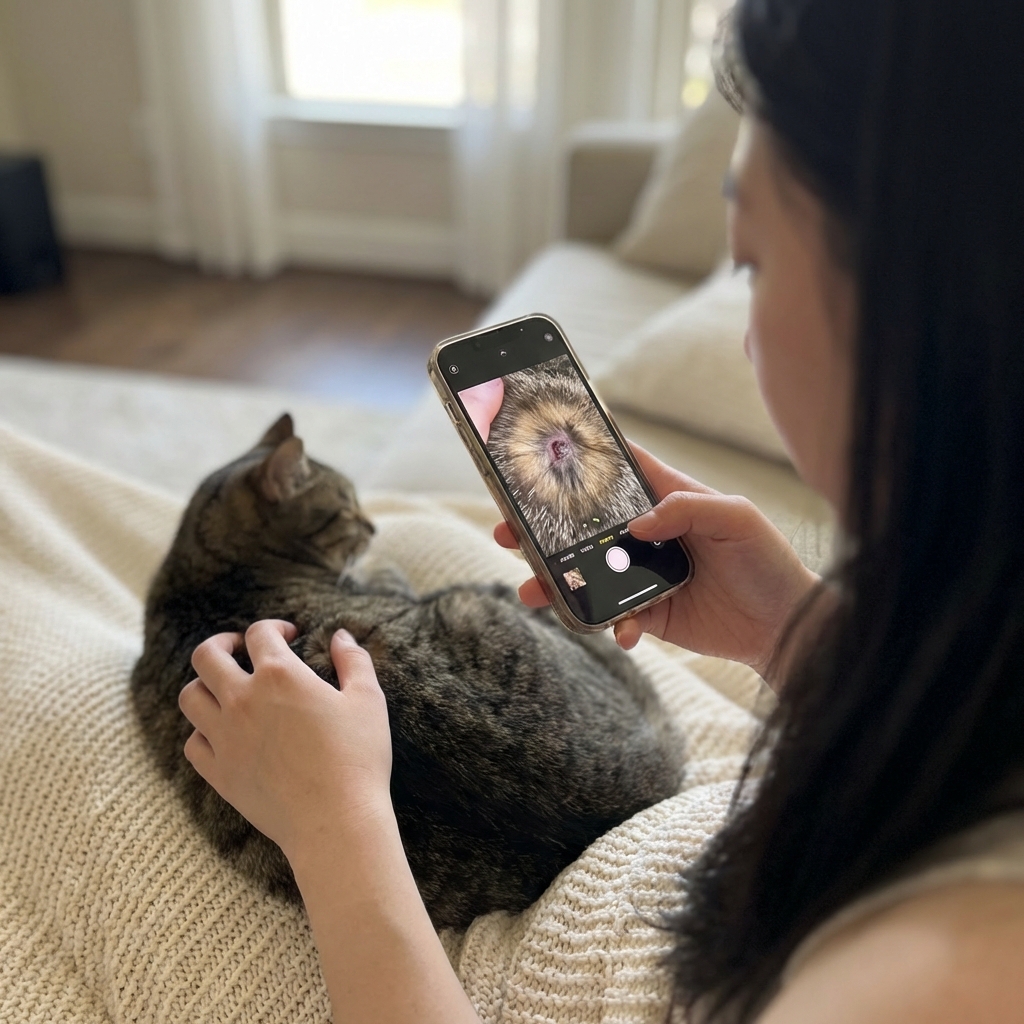
- Take photos weekly in the same lighting to track progress and pattern changes.
- Track the overgrooming: where your cat focuses, time of day, and anything that seems to trigger it (after litter changes, new treats, etc.).
Nutrition and the skin barrier
Skin is an organ that depends on overall nutrition, hydration, and essential fatty acid balance. While diet will not fix every skin condition, it can support a healthier skin barrier and coat, and may help some cats feel more comfortable during flare-ups.
Supportive nutrition basics
- High-quality animal protein as the foundation, since cats are obligate carnivores.
- Omega-3 fatty acids (EPA and DHA) can support skin comfort and coat quality. Ask your vet for a cat-appropriate product and dose.
- Consistent feeding and slow transitions to avoid digestive upset that can complicate skin inflammation.
- Hydration matters. Many cats do better with some wet food or added water, depending on their overall health plan.
Important: Do not add random supplements just in case. Some human products contain ingredients that are unsafe for pets, and dosing can be very different for cats. Vitamin D and certain concentrated vitamins can be especially risky if misused. When in doubt, bring the label to your veterinary visit.
Bathing and topical care
Topical care can be helpful, but cats are sensitive and they groom everything you put on them. If you try a topical product, choose one designed for cats and keep it simple.
- Avoid essential oils unless specifically prescribed. Many are toxic to cats.
- Skip human anti-itch creams unless your veterinarian tells you exactly what is safe.
- Use fragrance-free cleaning products in the home when skin issues are flaring.
- Ask before bathing: bathing can worsen some conditions and stress can increase overgrooming.
If your cat has open sores, oozing, swelling, or seems painful, do not attempt home topicals first. Get seen.
What your vet may do
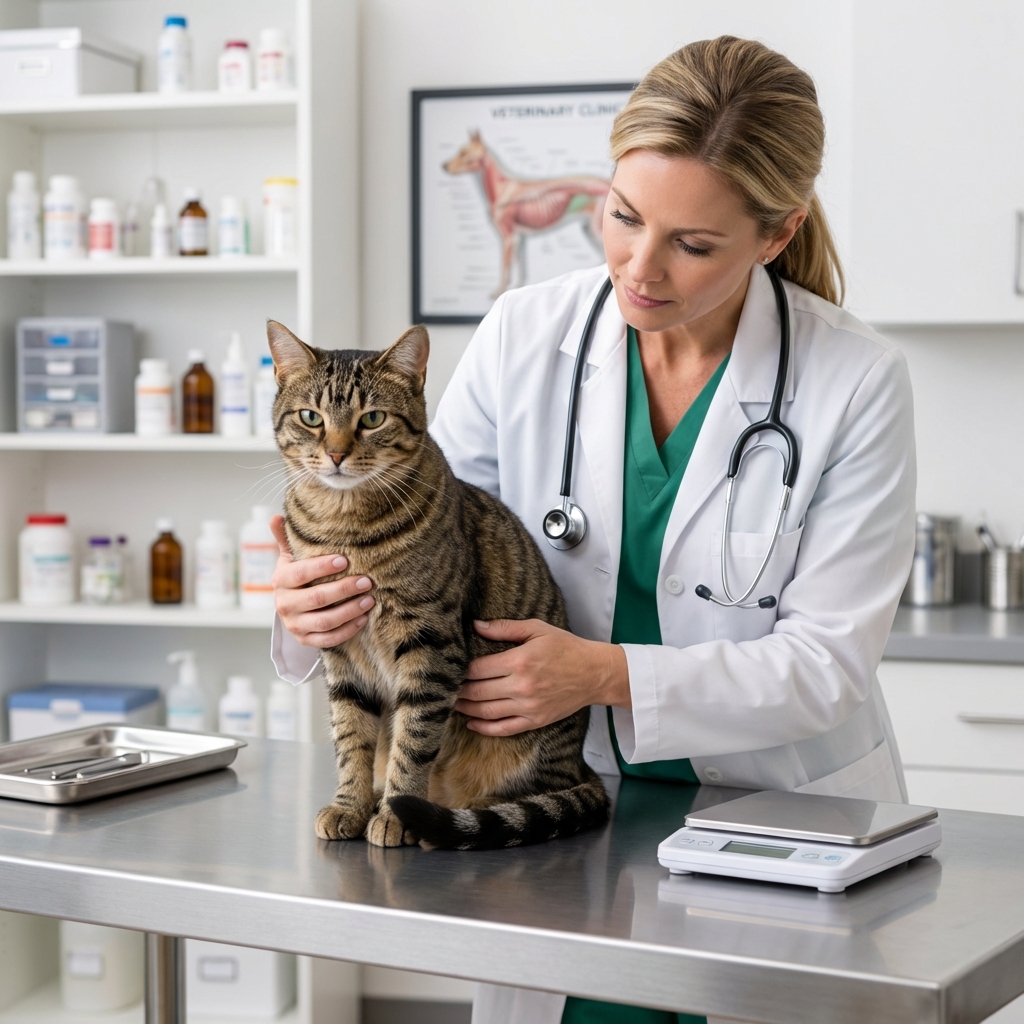
Skin workups are often about ruling out the most common, most treatable causes first, then getting more specific. Depending on your cat’s signs, your veterinarian may recommend:
- Parasite control plan (often a structured flea control trial for all pets)
- Skin cytology to look for bacteria or yeast and guide medication
- Skin scraping or hair exams to check for mites and other parasites
- Ear cytology when ears are involved, so treatment targets the right problem
- Dermatophyte testing for ringworm (culture and or PCR, plus a Wood’s lamp exam when appropriate)
- Elimination diet trial when food allergy is on the list
- Bloodwork if systemic illness is a concern or if skin disease is recurring and unexplained
These are not extra. They are often the fastest way to stop the itch and prevent repeat flare-ups.
When to see the vet
Skin issues can become infections quickly, and some causes are contagious. Make an appointment promptly if you notice any of the following:
- Rapidly spreading hair loss or sores
- Pus, foul odor, or moist, rapidly worsening skin lesions
- Ear swelling, head tilt, or intense ear pain
- Significant scabbing in a kitten, senior cat, or immune-compromised cat
- Any suspicion of ringworm, especially if people in the home have new itchy rashes
- Weight loss, increased thirst, vomiting, diarrhea, or lethargy alongside skin changes
A practical action plan
If you are feeling overwhelmed, here is a step-by-step plan you can start this week.
- Start consistent flea prevention for all pets in the home, per your veterinarian, using cat-safe products.
- Document the pattern with photos and notes: location, severity, triggers, diet, and litter.
- Reduce irritants: switch to unscented litter, fragrance-free detergents, and cat-safe cleaners.
- Book a vet visit if signs persist beyond 7 to 10 days, worsen, or include any red flags.
- Follow the plan fully if your vet prescribes treatment or a diet trial. Partial treatment often leads to partial results.
Most feline skin conditions are not about finding one magic shampoo. They are about identifying the trigger, supporting the skin barrier, and staying consistent long enough to see real change.