
Feline Panleukopenia (Cat Distemper): Symptoms, Treatment, Survival

Hearing the words feline panleukopenia, often called cat distemper, can be terrifying, especially if your cat is a kitten and is suddenly vomiting, having diarrhea, and acting “not like themselves.” This disease is caused by a highly contagious virus that attacks the gut and immune system, and it can become life-threatening fast.
The hopeful news is this: quick veterinary care and strong supportive treatment can save lives, and vaccination prevents most cases. Below, I will walk you through how cats catch it, what symptoms look like, how vets treat it, and what survival can look like in the real world.
What is feline panleukopenia?
Feline panleukopenia is caused by feline parvovirus (FPV). The virus primarily targets rapidly dividing cells, which is why it hits the intestinal lining and bone marrow so hard. That combination can lead to severe dehydration, infection risk, and sudden decline.
The term panleukopenia refers to a major drop in white blood cells (leukopenia), which are needed to fight infection. This is one reason secondary infections can become a serious complication.
How cats catch it
FPV spreads through contact with infected material, especially:
- Feces, vomit, urine, and saliva
- Shared litter boxes, food bowls, bedding, carriers, and toys
- Hands, clothing, and shoes that have contacted contaminated surfaces
One of the hardest parts is that FPV is very tough in the environment and can persist on surfaces for many months, and sometimes a year or longer in protected areas. That means an indoor-only cat can still be exposed if the virus is unknowingly brought in on shoes or on an item that came from an infected environment.
High-risk situations include shelters, rescues, multi-cat households, and any home with a new kitten or new cat whose vaccine history is unknown.
Incubation and contagious period
After exposure, the incubation period is often around 2 to 10 days. Cats can start shedding virus around the time they become sick, and they may continue shedding for a period of time even as they begin to feel better. Your veterinarian can tell you what isolation timeline makes sense for your specific situation, especially if you have other cats at home.
Why kittens are most vulnerable
Kittens are at the highest risk because:
- Their immune systems are still developing.
- They can lose fluids rapidly from vomiting and diarrhea.
- If they are unvaccinated or behind on vaccines, they may have little protection.
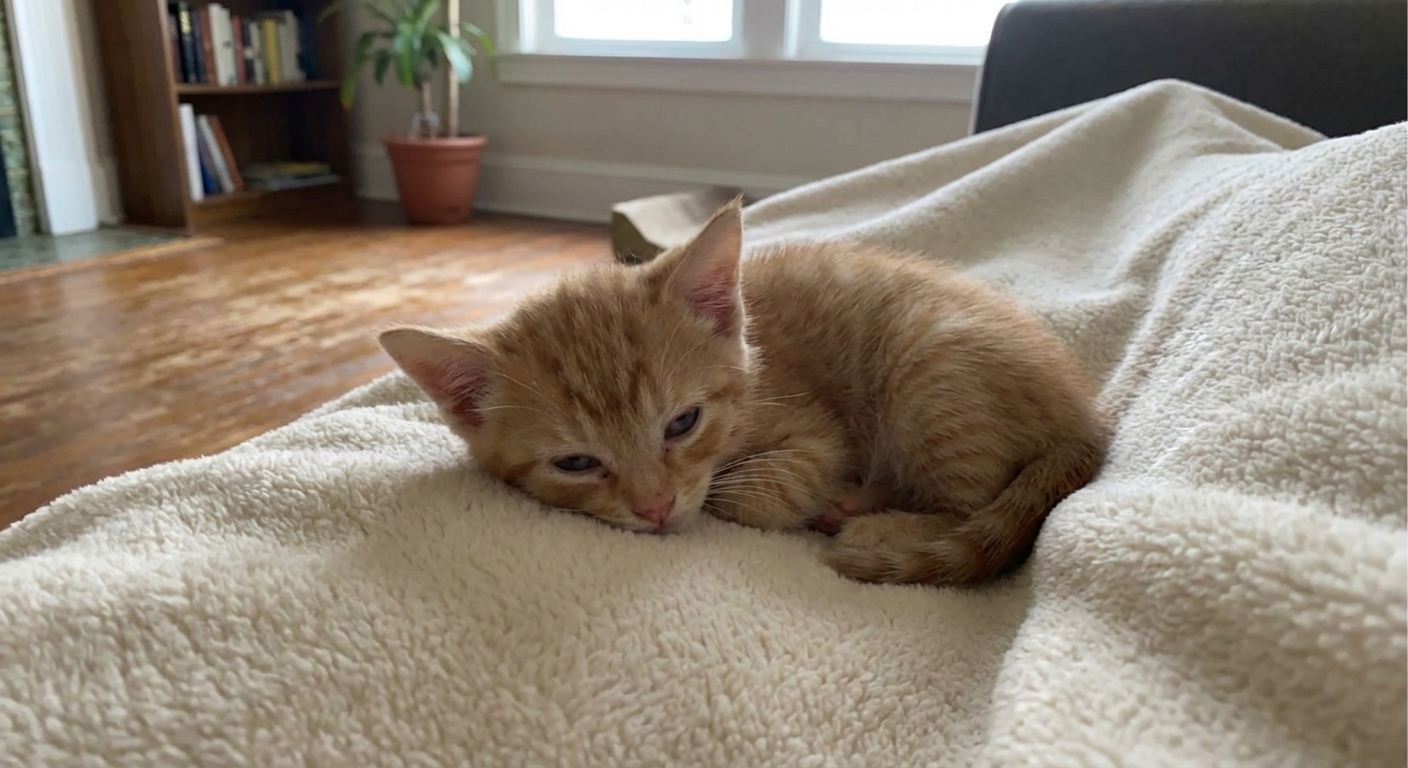
Kittens can decline very quickly, sometimes within 24 to 48 hours. If you suspect panleukopenia, treat it as an emergency.
Symptoms to watch for
Panleukopenia can look like a sudden, intense stomach bug, but it is much more serious. Common symptoms include:
- Vomiting
- Diarrhea, sometimes severe and sometimes with blood
- Lethargy and hiding, weakness, unwillingness to move
- Fever early on, and sometimes low body temperature later in severe cases
- Loss of appetite
- Dehydration (dry gums, sunken eyes, poor skin “snap back”)
- Abdominal pain, hunched posture
Because this virus damages the gut lining, cats can become dehydrated quickly and may also be vulnerable to bacteria moving from the gut into the bloodstream.
If your kitten is vomiting or has diarrhea and is acting sleepy, limp, or “checked out,” do not wait it out at home. Call an emergency vet or your regular clinic right away.
How vets diagnose it
Your veterinarian will usually combine history, physical exam, and testing. Common diagnostic steps include:
- Fecal testing for parvovirus-type antigens (similar technology to some dog parvo tests). These tests can be very helpful, but they are not perfect. False negatives can happen (for example, early or late in disease). False positives are uncommon, but in some situations can occur after a recent modified-live vaccination.
- Complete blood count (CBC) to look for low white blood cell counts (leukopenia), which is common in panleukopenia.
- Blood chemistry to assess dehydration, electrolytes, blood sugar, and organ function.
- Parasitology and other tests to rule out causes like parasites, toxin exposure, or other infections.
- PCR testing may be recommended in some cases as a confirmatory option, especially if initial results do not fit the clinical picture.
If your vet suspects FPV, they will typically recommend starting supportive care immediately, even while results are being confirmed, because time matters.
Treatment options
There is no medication that instantly “kills” feline panleukopenia in the way antibiotics kill bacteria. Treatment is focused on supporting the body while the immune system clears the virus and preventing complications.
Core supportive treatments
- Fluids: Often IV fluids to correct dehydration and support circulation.
- Electrolyte and glucose support: Vomiting and diarrhea can cause dangerous imbalances and low blood sugar, especially in kittens.
- Anti-nausea medications: To reduce vomiting and make it possible to reintroduce nutrition.
- Gut protectants: To help protect irritated GI lining as it heals.
- Antibiotics: Not to treat the virus, but to prevent or treat secondary bacterial infections when white blood cell counts are low and the gut barrier is compromised.
- Nutritional support: Early nutrition when safe can help recovery. Vets may use appetite support, assisted feeding, or feeding tubes in some cases.
- Warming support: Sick kittens can struggle to regulate temperature.
Some clinics may consider additional therapies (such as interferon or other adjuncts), but evidence and availability vary, and these are not universally used. The most important life-saving pieces are still fluids, nausea control, nutrition support, and careful monitoring.
Isolation and infection control
Because FPV is highly contagious, clinics use strict isolation protocols. At home, you should follow your vet’s guidance carefully, especially if you have other cats.
Important note: Not all disinfectants kill parvoviruses well. For many homes, vets commonly recommend either:
- Diluted bleach (about 1:32, which is roughly 1/2 cup bleach in 1 gallon of water), used only on bleach-safe surfaces
- Accelerated hydrogen peroxide products labeled effective against parvoviruses
Whatever you use, follow the label or your veterinarian’s instructions for contact time and cleaning steps. In general, you must remove all organic material first (stool, vomit, litter dust), then disinfect. Avoid guessing, because “smells clean” does not mean “virus-free.”
Also ask your veterinarian how long your cat should remain isolated and how to handle shared spaces. These decisions depend on your household, vaccine status of other cats, and how severe the case is.
Survival rate and prognosis
Survival depends on several factors, including the cat’s age, how quickly treatment starts, and how severe dehydration and leukopenia are.
- Kittens generally have a higher risk of severe disease and death compared with healthy vaccinated adults.
- Early aggressive supportive care can significantly improve odds.
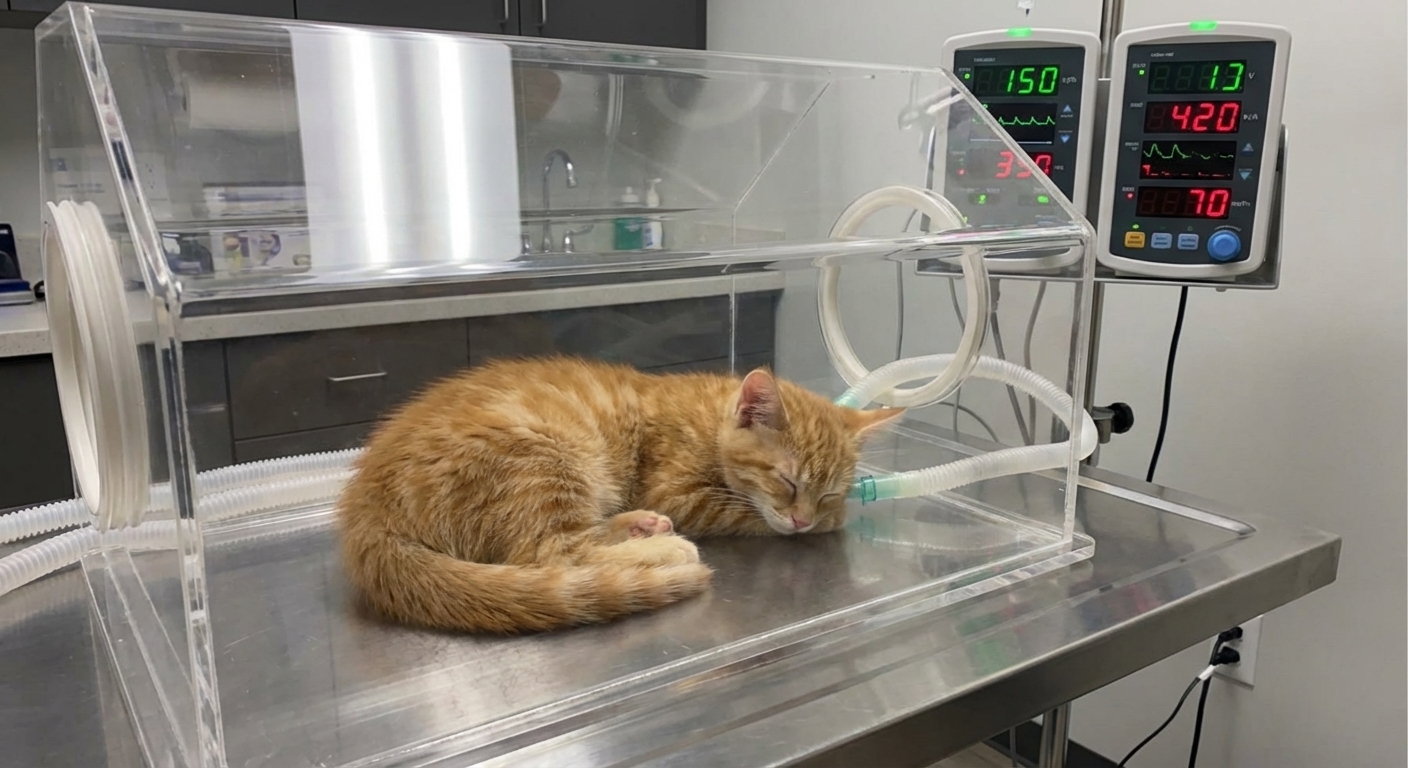
- The first 3 to 5 days are often the most critical window.
Your veterinarian is the best person to estimate prognosis for your individual cat, based on exam findings and lab values. If your cat is stable, keeping fluids down, maintaining blood sugar, and white blood cell counts begin to recover, those are encouraging signs.
Home care after hospitalization
If your cat is well enough to go home, recovery can still be a process. Your vet may recommend:
- Small, frequent meals with a bland or prescription GI diet
- All medications exactly as prescribed (anti-nausea meds, antibiotics, probiotics if recommended)
- Quiet rest in a warm, low-stress room
- Strict litter box monitoring, including stool consistency and frequency
- Recheck visits to monitor hydration, weight, and bloodwork if needed
If vomiting returns, diarrhea worsens, your cat refuses food, or you see weakness or collapse, contact your vet immediately.
Preventing panleukopenia
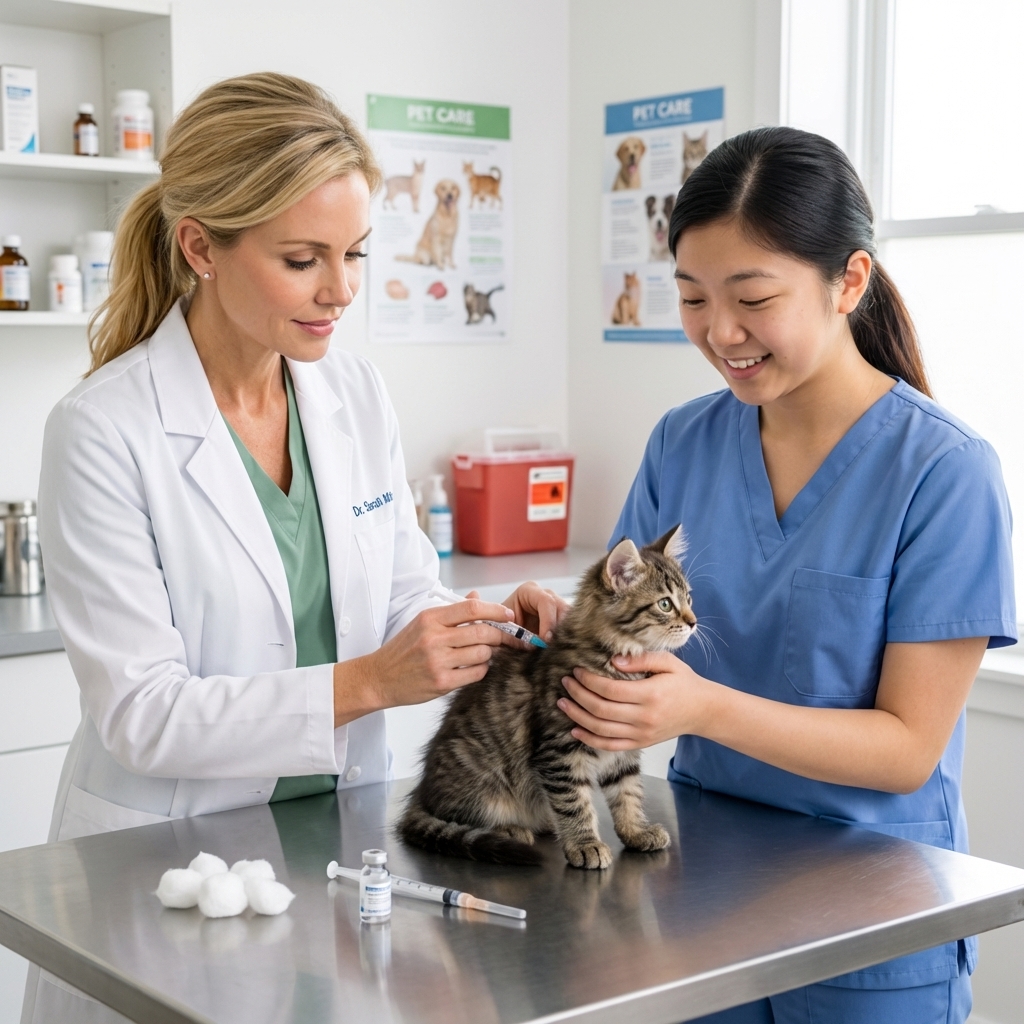
The most effective prevention is vaccination. Panleukopenia is considered a core feline vaccine, typically included in the FVRCP series.
General vaccine timing (confirm with your vet)
- Kittens: A series of vaccines starting around 6 to 8 weeks of age, then boosters every 3 to 4 weeks until about 16 to 20 weeks, depending on risk. Boosters continue through this age range because maternal antibodies (passed from mom) can temporarily block early vaccines in some kittens, and the later doses help ensure protection “sticks.”
- Adults: Initial series if unvaccinated, then a booster often around 1 year later. After that, many cats follow boosters about every 3 years for core vaccines, but your veterinarian may tailor the schedule based on lifestyle, risk, and medical history.
Even indoor-only cats benefit from protection because this virus can be tracked into the home.
Pregnancy and newborn kittens
FPV can also affect pregnancy. If a pregnant cat is infected, the virus can harm developing kittens. One important outcome to know about is cerebellar hypoplasia, where kittens may survive but have lifelong coordination issues (often described as a “wobbly” gait). If you are caring for a pregnant cat or very young kittens, involve your veterinarian early if there is any exposure risk.
If you have multiple cats
If one cat is suspected or confirmed to have panleukopenia, call your veterinarian right away for household guidance. In general, precautions often include:
- Immediate isolation of the sick cat
- Contacting your vet about the vaccine status of other cats
- Careful cleaning and disinfection using products effective against parvoviruses (with proper contact time)
- Hand hygiene and changing clothes after handling the sick cat
Do not bring in new kittens or unvaccinated cats until your vet confirms it is safe.
When to seek emergency help
Go to an emergency vet if your cat or kitten has any of the following:
- Repeated vomiting, inability to keep water down
- Profuse diarrhea or diarrhea with blood
- Extreme lethargy, collapse, or trouble standing
- Signs of dehydration (dry sticky gums, sunken eyes)
- Very young kitten with any GI symptoms
With panleukopenia, hours matter. Getting help early can be the difference between a short hospital stay and a critical emergency.
A gentle bottom line
Panleukopenia is one of the scariest feline illnesses because it spreads easily and can move quickly, especially in kittens. But I have also seen cats pull through with dedicated veterinary care and supportive treatment.
If your cat is sick right now, please call your veterinarian or an emergency clinic and describe the symptoms clearly. And if you have a healthy kitten at home, the best gift you can give them is staying on track with vaccines and avoiding exposure risks until that series is complete.