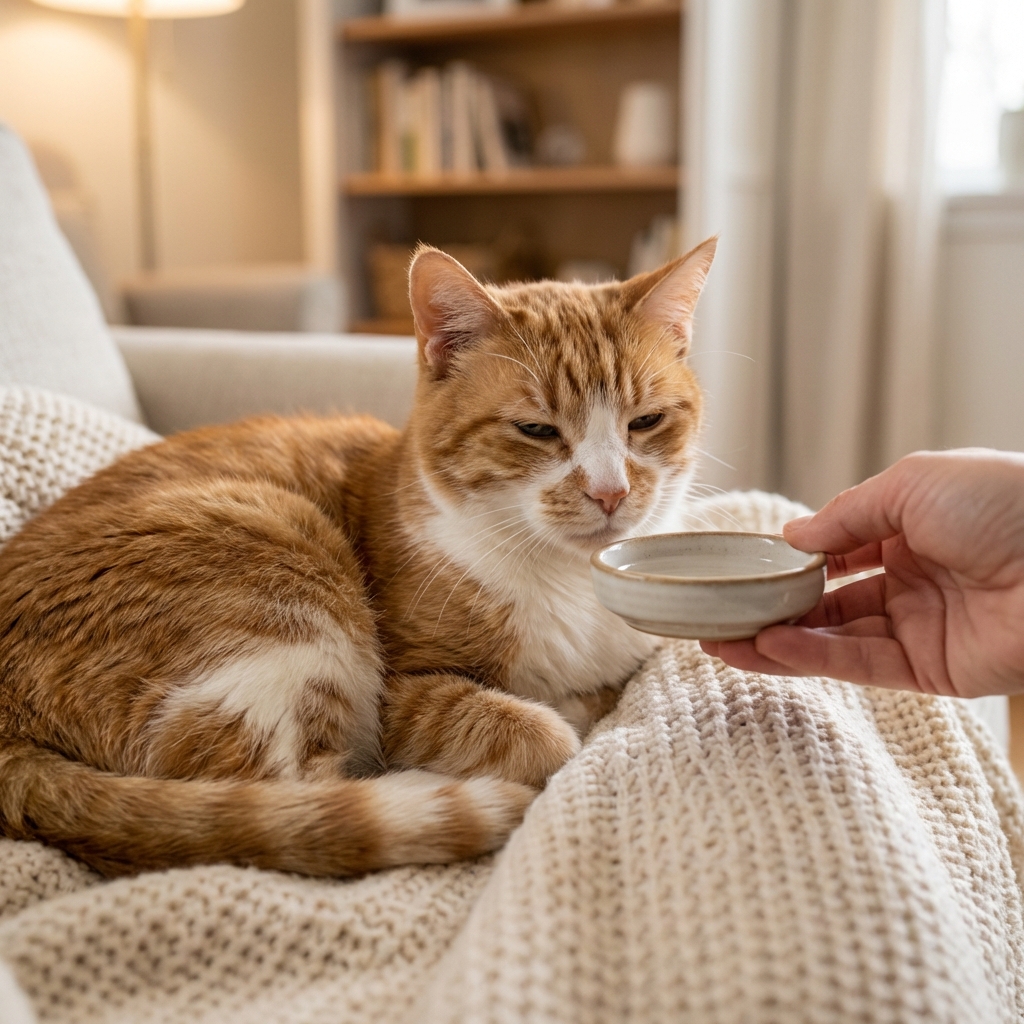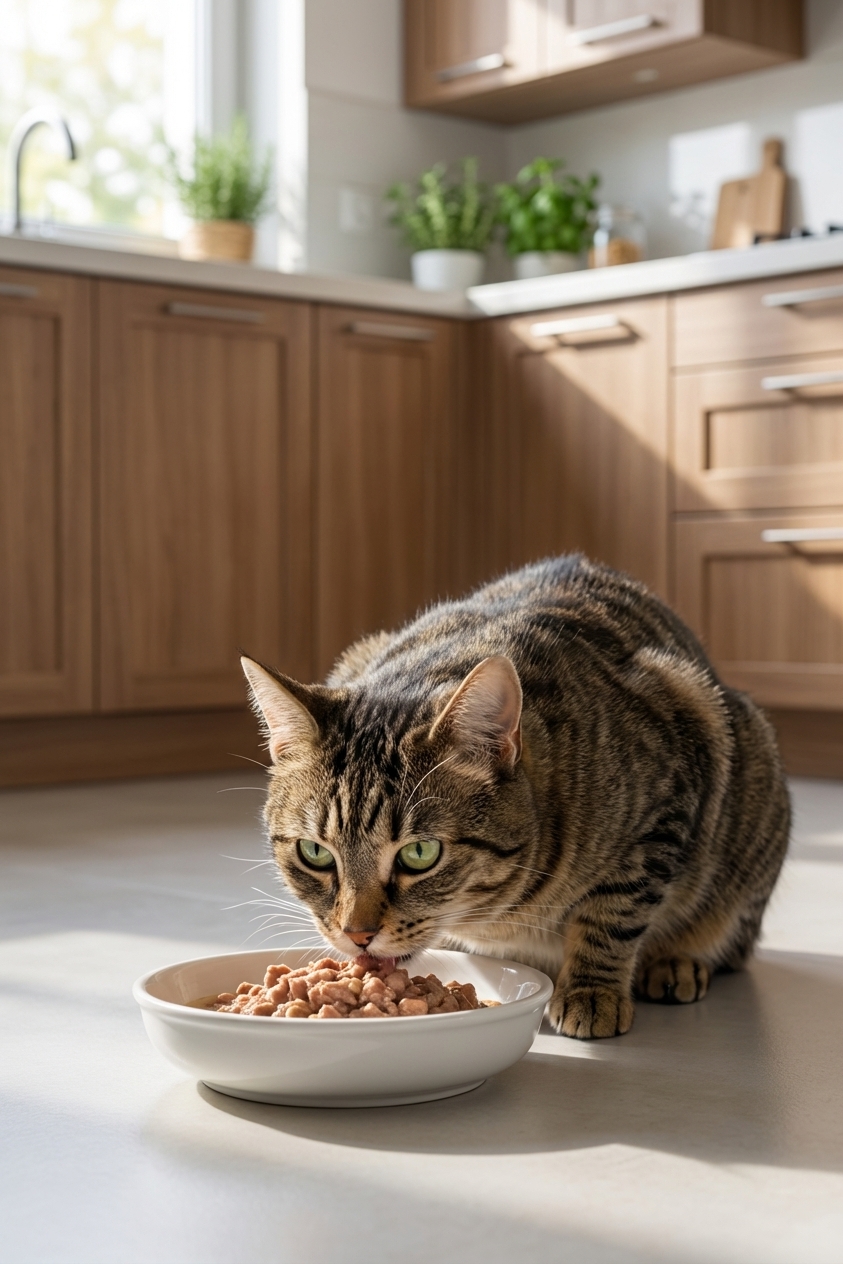
Learn what to feed a cat with pancreatitis, from wet GI diets and hydration-boosting strategies to small frequent meals, safe transitions, and foods to avoid.
Article
•
Designer Mixes
Feline Pancreatitis Symptoms: What to Watch For

Shari Shidate
Designer Mixes contributor
When a cat feels “off,” it can be subtle. A little less interest in food. More hiding. A grumpy reaction to being picked up. One condition that often starts this way is feline pancreatitis, an inflammation of the pancreas that can range from mild to life-threatening.
As a veterinary assistant, I want you to know two things: pancreatitis is treatable, and you are not “overreacting” if your gut tells you something is wrong. The sooner your vet can evaluate your cat, the better the odds of a smoother recovery.
This article is for education and support, not a substitute for a veterinary exam and diagnosis.
What the pancreas does
The pancreas is a small organ that has a big job:
- Digestive support: It releases enzymes that help break down fats, proteins, and carbohydrates.
- Blood sugar regulation: It produces hormones like insulin.
When the pancreas becomes inflamed, those digestive enzymes can activate too early and irritate surrounding tissue. Cats can feel nauseated, painful, and weak, and they may stop eating, which is especially risky for felines.
Common symptoms
Cats rarely read the textbook, so symptoms can be vague. Many cases look like “not themselves.” Here are the most common signs people notice.
Appetite changes
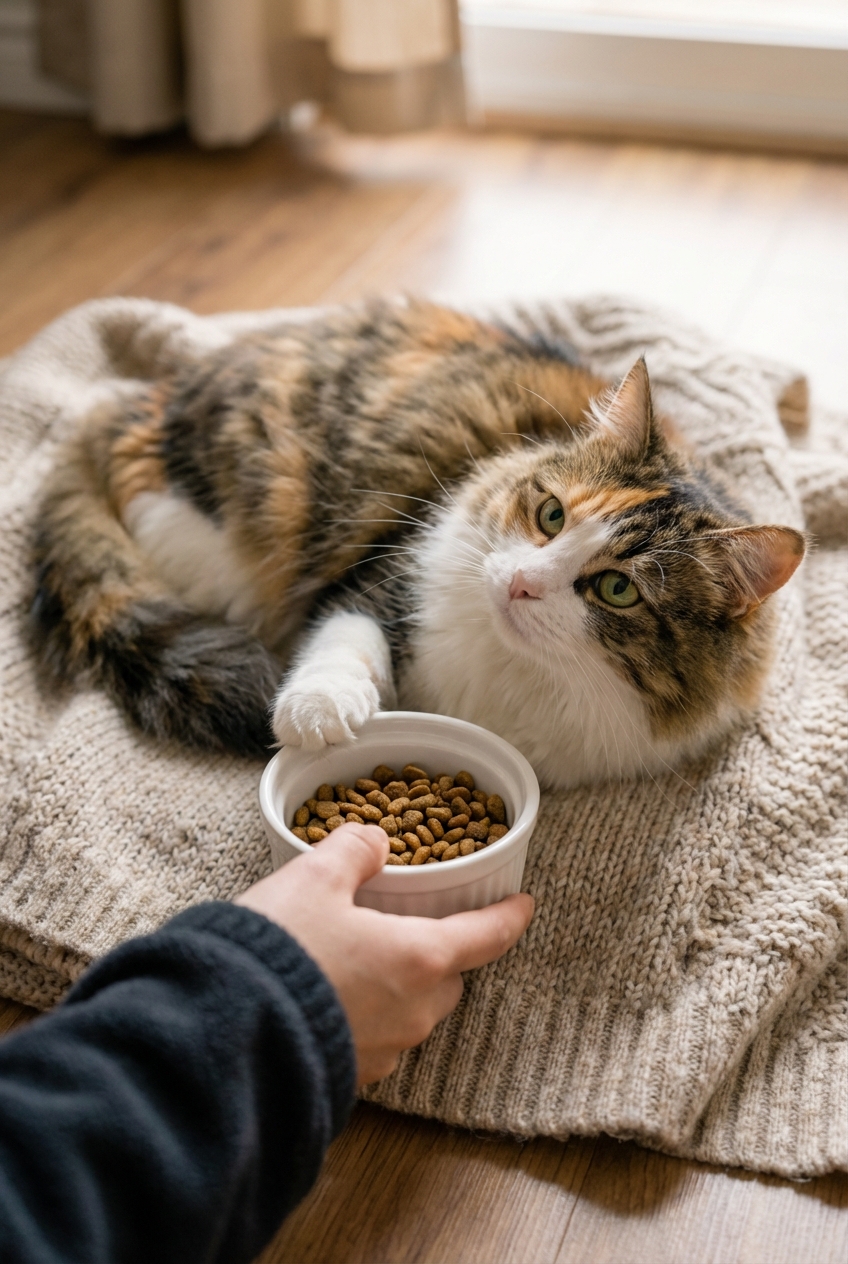
- Eating less or refusing food
- Sniffing food then walking away
- Sudden pickiness, even with favorite treats
Why this matters: Cats that do not eat for 24 to 48 hours (and sometimes as little as a couple of days, especially if overweight) can be at risk for hepatic lipidosis (fatty liver disease), which can become an emergency.
Lethargy and hiding
- Sleeping much more than usual
- Hiding under beds or in closets
- Less social behavior, less grooming
Vomiting or nausea
- Vomiting can happen, but some cats never vomit
- Signs of nausea can include drooling, lip-smacking, or turning away from food
Diarrhea or stool changes
Some cats develop diarrhea, softer stool, or changes in stool frequency. Others have normal stool even with pancreatitis.
Abdominal pain
Cats may not cry out. Instead, watch for:
- Hunched posture
- Reluctance to be held
- Guarding the belly
- Sudden irritability
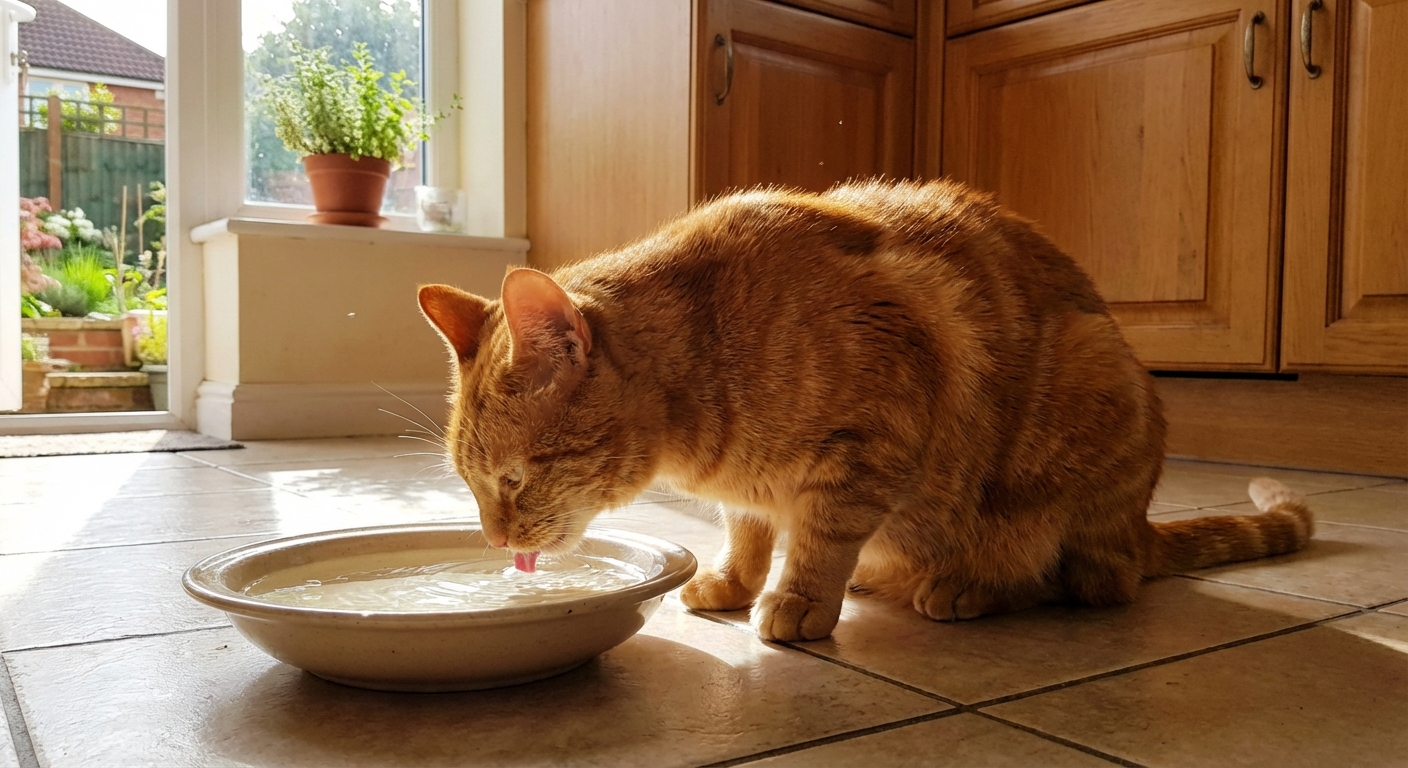
Dehydration
- Less drinking
- Dry or tacky gums
- Skin that does not spring back quickly when gently lifted
- Eyes that may look a bit sunken in some cats
Dehydration can worsen nausea and slow recovery, so your veterinarian may prioritize fluids early.
Less common signs
These can occur depending on severity and any underlying disease:
- Fever or low body temperature
- Weight loss over weeks
- Jaundice (yellow tint to gums, whites of eyes, or ears)
- Difficulty breathing in severe cases
If you see jaundice, collapse, open-mouth breathing, or profound weakness, seek urgent veterinary care.
Why it is missed
Compared with dogs, where pancreatitis often comes with obvious vomiting and belly pain, cats can be much quieter. Some cats show only:
- Not eating
- Lethargy
- Hiding
Those signs overlap with many other issues, including dental pain, kidney disease, intestinal disease, toxin exposure, and stress. If your cat seems unwell, it is worth getting checked rather than guessing at home.
Causes and risk factors
Sometimes we never find a single clear cause. In cats, pancreatitis is often associated with other inflammatory conditions.
Common associations
- Inflammatory bowel disease (IBD)
- Cholangitis (inflammation of the bile ducts and liver area)
- Diabetes mellitus
- Rare infectious causes in some cases (for example, Toxoplasma gondii)
- Medication reactions or toxin exposure (less common)
You may hear the term “triaditis,” which refers to concurrent inflammation of the pancreas, liver and bile system, and intestines. Cats can have overlap, which affects both diagnosis and treatment.
How vets diagnose it
So what happens at the vet? Diagnosis is usually based on a combination of history, physical exam, and testing. No single test is perfect, so your vet may recommend a few tools together.
Common tests
- Bloodwork: evaluates hydration, electrolytes, liver values, kidney values, glucose, and infection or inflammation patterns.
- fPLI (feline pancreatic lipase immunoreactivity): a pancreas-focused blood test that can support the diagnosis.
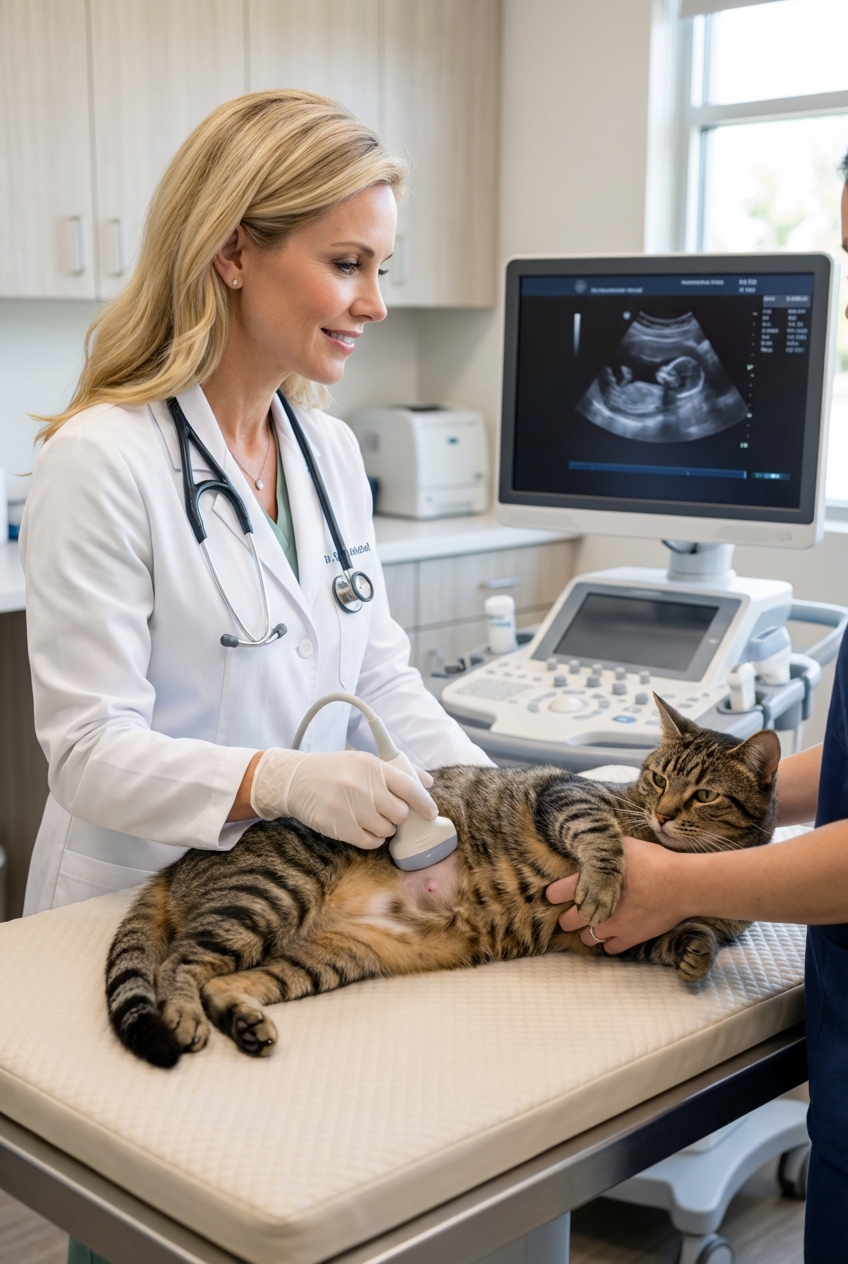
- Ultrasound: can assess the pancreas and check for intestinal or liver involvement, fluid, or other concerns.
- Urinalysis: helps evaluate kidney function and hydration and may support diabetes screening.
How it is treated
Treatment depends on severity, underlying conditions, and how well your cat can eat and stay hydrated.
Common treatments
- Fluids: to correct dehydration and support circulation.
- Anti-nausea medication: to reduce nausea and vomiting so cats feel able to eat again.
- Pain control: pancreatitis can be painful, and pain management helps appetite and healing.
- Appetite support: medication and strategies to restart eating safely.
- Nutritional support: some cats need assisted feeding for a short period if they will not eat on their own.
- Vitamin B12 (cobalamin): sometimes recommended, especially if intestinal disease is suspected.
- Antibiotics: not always needed. Pancreatitis is often inflammatory rather than bacterial, so antibiotics are generally reserved for cases where infection is suspected (such as certain types of cholangitis) or there are complications like sepsis.
At home, your biggest job is often supportive care: giving medications as directed, tracking appetite and litter box changes, and keeping stress low.
Home monitoring
If your cat is being treated for pancreatitis, or your vet is investigating it, keep simple notes. This helps your veterinarian adjust treatment faster.
- Food intake: what, how much, and whether appetite is improving.
- Water intake: more, less, or unchanged.
- Vomiting: frequency, timing, and appearance.
- Stool: diarrhea, constipation, color changes.
- Energy level: hiding, playfulness, responsiveness.
- Medications given: time and dose.
If your cat refuses food for 24 hours, vomits repeatedly, seems painful, or becomes very quiet and withdrawn, call your veterinarian promptly.
Feeding tips
Nutrition is a cornerstone of recovery, but it has to be realistic for your cat’s stomach and stress level.
What often helps
- Offer small, frequent meals instead of one large portion.
- Warm wet food slightly to increase aroma (make sure it is not hot).
- Keep it calm: feed in a quiet space away from other pets.
- Do not force-feed without guidance. It can increase stress and food aversion.
Diet choices are individualized. Unlike dogs, a strict low-fat diet is not automatically “the rule” for cats with pancreatitis. Your vet may recommend a specific diet depending on whether there is IBD, diabetes, or liver involvement. For cats, the “best” diet is the one that is medically appropriate and reliably eaten.
Outlook
Some cats have a single episode and recover fully. Others experience flare-ups, especially if there is underlying intestinal or liver disease.
Chronic pancreatitis is also common in cats, and signs can be intermittent. Your cat may seem better for a while, then have another stretch of poor appetite or lethargy. The best long-term plan is usually a partnership: routine monitoring, a stable diet plan your cat tolerates, and quick action when symptoms return.
Reducing setbacks
- Keep veterinary follow-ups and recommended rechecks.
- Manage related conditions like diabetes or IBD closely.
- Maintain a healthy body weight with vet guidance.
- Avoid sudden diet changes unless directed by your veterinarian.
When to seek urgent help
Please treat these as red flags:
- No eating for 24 hours, especially in an adult cat that normally eats well
- Repeated vomiting or inability to keep water down
- Marked lethargy, collapse, or weakness
- Yellow gums or eyes
- Signs of significant pain or distress
- Difficulty breathing
Extra caution: Kittens, senior cats, and cats with diabetes or other chronic illness may need veterinary advice sooner than 24 hours without food.
If you are unsure, call your vet. In feline pancreatitis, earlier supportive care often means less suffering and a smoother recovery.
Quick FAQ
Can cats have pancreatitis without vomiting?
Yes. Many cats with pancreatitis primarily show decreased appetite and lethargy, with little or no vomiting.
Is pancreatitis contagious?
No, pancreatitis itself is not contagious. However, certain infections that contribute to illness can be transmissible in rare situations, so your vet may ask about other pets in the household.
Can pancreatitis become chronic?
It can. Some cats experience recurring inflammation. Managing underlying conditions and responding quickly to early symptoms can help reduce flare-ups.