Bad breath in cats isn’t just “stinky”—it can signal dental disease, stomatitis, kidney disease, or diabetes. Learn odor clues, safe home checks, and...
Article
•
Designer Mixes
Feline Leukemia Symptoms

Shari Shidate
Designer Mixes contributor
As a veterinary assistant, I have seen how confusing and scary it can feel when a cat is “just not themselves.” Feline leukemia virus, often shortened to FeLV, is one of the most important illnesses to recognize early because it can quietly weaken a cat’s immune system and lead to secondary infections, anemia, and even certain cancers.
The tricky part is this: FeLV symptoms can look like many other common cat problems. Below, I’ll walk you through the most common signs, the “red flags” that deserve prompt veterinary care, and what testing and next steps usually look like.
What FeLV is and why symptoms vary
FeLV is a contagious retrovirus that spreads mainly through close cat-to-cat contact, especially saliva. Mutual grooming, sharing bowls, and bite wounds are common routes.
One helpful detail: efficient transmission usually requires prolonged close contact. Brief or casual contact is generally lower risk, although any exposure is worth discussing with your veterinarian if you are unsure.
Symptoms vary because FeLV can affect cats in different ways:
- Some cats show no symptoms at first while the virus is active in the body.
- Some cats have cycles of feeling better and worse as infections come and go.
- Some cats develop long-term complications like anemia, chronic infections, or lymphoma.
That’s why it helps to focus on patterns: repeated illness, slow recovery, and gradual decline can be clues.
Common symptoms of feline leukemia
These are signs pet parents frequently notice at home. None of them prove FeLV on their own, but they are important reasons to talk with your vet, especially if more than one is happening.
Low energy and hiding more
FeLV can leave cats feeling tired and “off.” You might notice decreased play, longer naps, less interest in interaction, or hiding in unusual places.
Loss of appetite and weight loss
A cat with FeLV may eat less, seem picky, or drop weight over weeks to months. Weight loss can be subtle at first, especially in long-haired cats.
Fever that comes and goes
Because FeLV affects immune function, cats can develop recurring fevers from secondary infections. Fever is not something you can reliably confirm at home. Your veterinarian checks a cat’s temperature with a rectal thermometer. At home, you may mainly notice lethargy, reduced appetite, and “not quite right” behavior.
Pale gums (possible anemia)
FeLV can suppress bone marrow, leading to anemia. Pale or white gums, weakness, faster breathing, and less stamina are all possible.
Swollen lymph nodes
Lymph nodes under the jaw, in front of the shoulders, or behind the knees may feel enlarged. This can occur with infection, inflammation, or cancer.
Repeated infections
One of the biggest clues is recurring illness, such as:
- Upper respiratory infections (sneezing, congestion, runny nose)
- Eye infections (discharge, squinting)
- Skin infections or slow-healing wounds
- Ear infections that keep returning
Dental and mouth problems
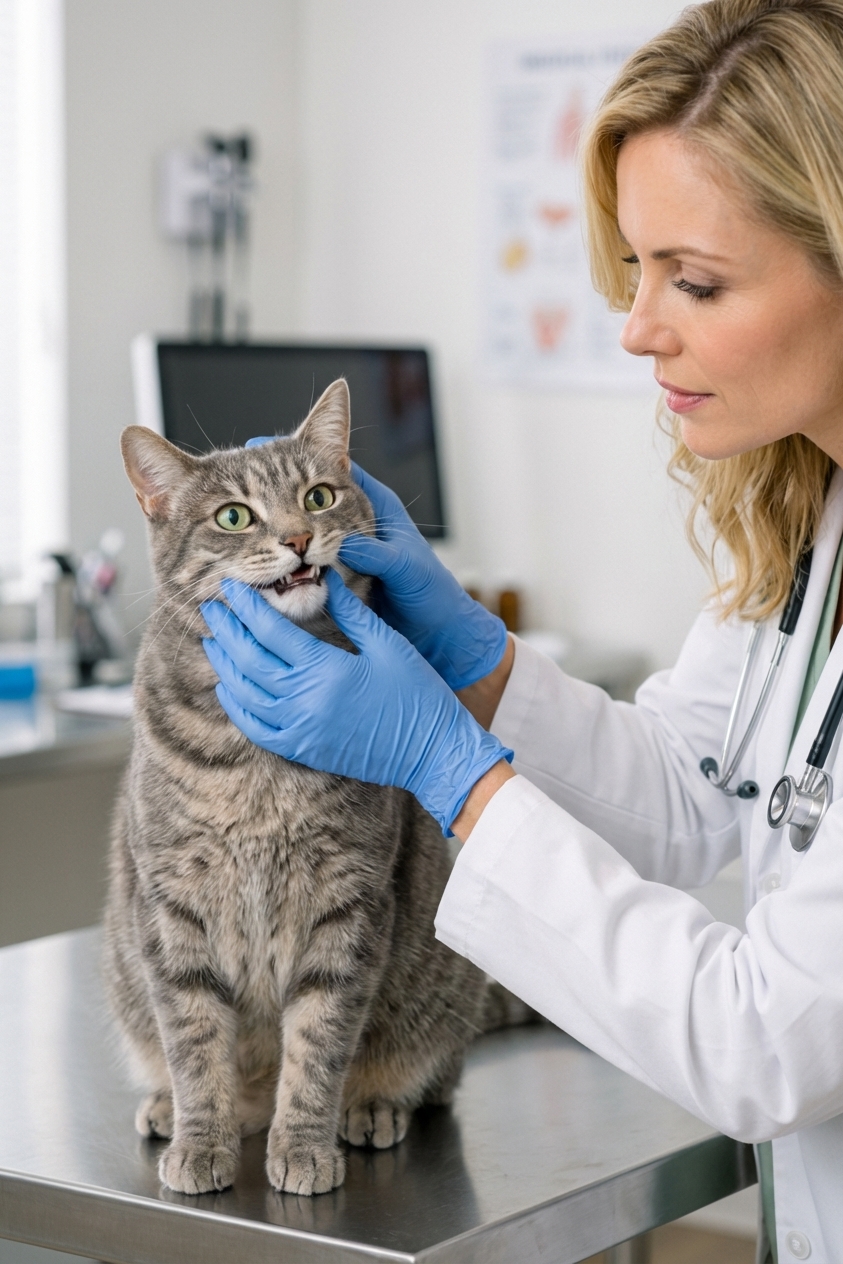
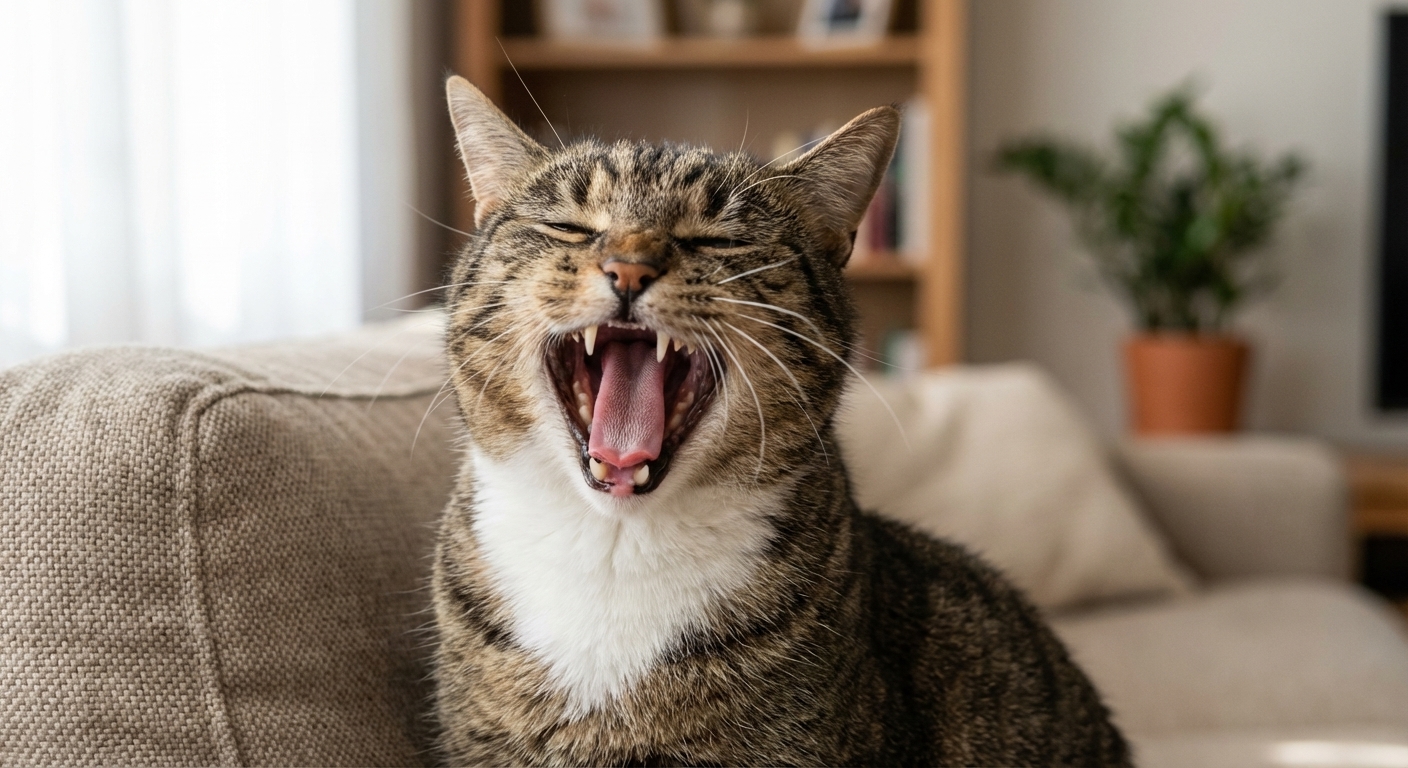
FeLV-positive cats may develop gingivitis or stomatitis. You might notice bad breath, drooling, pawing at the mouth, bleeding gums, or reluctance to eat crunchy food.
Less obvious symptoms
Some FeLV-related signs are easy to miss or assume are “just aging” or “just stress.” Keep these on your radar.
Digestive changes
- Chronic or intermittent diarrhea
- Vomiting that becomes more frequent
- Increased gas or noisy digestion
Coat and skin changes
A dull coat, increased dandruff, or reduced grooming can happen when a cat feels unwell. Skin infections may also be more common.
Behavior changes
Some cats become irritable, less tolerant of handling, or unusually clingy. Pain from mouth disease or general malaise can drive these changes.
Red flags: seek care fast
If you notice any of the following, it is wise to call your veterinarian quickly. These signs can be associated with FeLV complications, but they can also signal other urgent conditions.
- Difficulty breathing, open-mouth breathing, or rapid breathing at rest
- Severe lethargy or collapse
- Not eating for 24 hours (or significantly less for more than a day). Kittens, seniors, and cats with other illnesses should be seen sooner.
- Yellow tint to gums, eyes, or skin (jaundice)
- Sudden weight loss or a noticeable abdominal swelling
- Persistent vomiting or diarrhea, especially with dehydration
- Bleeding (nosebleeds, bruising, blood in stool)
Symptoms by body system
FeLV can affect multiple organs, so symptoms often cluster in a few predictable categories.
Immune suppression
Frequent infections, slow healing, recurring fevers, chronic respiratory issues.
Blood and bone marrow
Anemia signs like pale gums, weakness, decreased appetite, poor exercise tolerance.
Cancer risk
FeLV is associated with higher risk of certain cancers such as lymphoma. Signs may include enlarged lymph nodes, weight loss, poor appetite, vomiting, diarrhea, or a mass depending on the location.
Reproduction and growth
In breeding situations, FeLV can contribute to infertility and pregnancy loss. Infection in pregnant cats (queens) can be linked to resorption, abortion, stillbirths, or weak kittens that do not thrive. For most pet households, this shows up more as prevention planning and community cat care.
Kittens vs adult cats
Yes, symptoms can differ.
- Kittens are often more susceptible to infection and to developing persistent infection. They may show failure to thrive, chronic respiratory infections, poor weight gain, persistent diarrhea, or just seem more fragile than littermates.
- Adult cats may look healthy for a long time, then develop recurring infections, anemia, or unexplained weight loss over time.
Because kittens are more vulnerable, early testing and vaccination discussions are especially important.
How FeLV is diagnosed
You cannot diagnose FeLV based on symptoms alone. The good news is that testing is straightforward.
Common tests your vet may recommend
- FeLV antigen test (often a SNAP test): A quick blood test that can be run in the clinic (it detects FeLV p27 antigen).
- Confirmatory testing: If the result is unexpected or your cat may have been recently exposed, your veterinarian may recommend follow-up testing such as a repeat SNAP in 30 to 60 days, and or lab-based tests like IFA (immunofluorescent antibody) and or PCR depending on the situation.
- Additional lab work: A complete blood count (CBC) to check anemia and white blood cells, a chemistry panel to evaluate organ function, and sometimes a urinalysis.
Screening tests can occasionally be positive early in infection or, rarely, due to other factors. That is why follow-up testing matters, especially if a cat looks healthy or exposure was recent.
If your cat is sick and tests positive, your veterinarian will often look for treatable secondary issues, like bacterial infections, parasites, or dental disease, because supportive care can make a big difference.
What to do if you suspect FeLV
If your cat is showing symptoms that concern you, here are practical next steps you can take right now. Also, a quick reminder from my side of the exam room: this article can guide you, but it cannot diagnose your cat. Your veterinarian is the one who can confirm what is going on.
1) Book a vet visit and ask about FeLV testing
Bring a brief timeline of symptoms: when appetite changed, weight trends, any vomiting or diarrhea, sneezing, mouth odor, or behavior changes.
2) Limit contact with other cats
Until you have answers, keep your cat indoors and separated from other cats in the home when possible. Use separate food and water bowls and litter boxes.
3) Support hydration and nutrition
Offer wet food, warm food slightly to increase aroma, and keep fresh water available. Avoid forcing food, but do note how long appetite is reduced.
4) Avoid raw diets
From an evidence-based safety standpoint, raw foods carry a higher bacterial risk, which can be especially problematic for cats with weakened immunity.
If FeLV is confirmed
Household basics
- Keep FeLV-positive cats indoors to reduce exposure to infections and to protect other cats in the community.
- Do not mix FeLV-positive and FeLV-negative cats in the same space unless your veterinarian has guided you through risk reduction. The safest plan is separate households or strict separation.
- FeLV-positive cats can often live with other FeLV-positive cats since there is no added FeLV risk between them, although good hygiene and stress reduction still matter.
- Protect FeLV-negative cats: Ask your vet about FeLV testing and FeLV vaccination for any FeLV-negative cats in the home, based on their exposure risk.
- Retesting after exposure: Many clinics recommend testing new cats and retesting cats that had a recent exposure window, since early infections may not show up immediately.
A common worry
FeLV does not infect people, dogs, or other non-feline pets. It is a cat-only virus.
What to expect long term
FeLV outcomes vary. Some cats clear the infection or control it well and can live good quality lives for years. Others develop progressive infection and become more vulnerable to anemia, infections, and cancer over time.
What helps most is the approach you can control:
- More frequent veterinary checkups: Your vet may recommend wellness exams and periodic lab work to monitor trends.
- Prompt attention to small symptoms: A little sneeze that lingers, mild diarrhea that keeps returning, or subtle weight loss can matter more in FeLV-positive cats.
- Stress reduction: Predictable routines, gentle introductions, and enriched indoor living can help support immune health.
If you remember one thing: FeLV symptoms often look like “ordinary cat issues” at first, but the pattern is what raises suspicion. Repeated infections, weight loss, and low energy are worth a conversation with your veterinarian.
Prevention basics
Even though this article focuses on symptoms, prevention is part of protecting the cats you love.
- Test new cats before introducing them to resident cats.
- Consider FeLV vaccination: It is commonly recommended for kittens and for cats with exposure risk (outdoor access, community cat contact, or FeLV-positive housemates). For low-risk, indoor-only adult cats, FeLV vaccination is often considered non-core. Your veterinarian can help you decide based on lifestyle.
- Reduce roaming and fighting by keeping cats indoors when possible.
When to call your vet
Call your veterinarian if your cat has lingering fatigue, appetite changes, weight loss, repeated infections, mouth pain, or pale gums. If breathing looks abnormal, your cat stops eating, or seems weak or collapsed, seek urgent care.
You do not have to figure this out alone. With the right testing and support, many cats can feel better than you might expect, and you can make informed choices for both your cat and any other cats in the home.