
Feline Leukemia (FeLV): Stages, Treatment, and What to Expect

If your cat has just been diagnosed with feline leukemia virus (FeLV), it is completely normal to feel overwhelmed. As a veterinary assistant, I have seen how scary this diagnosis sounds, and I have also seen FeLV-positive cats live happy, comfortable lives with the right plan and the right expectations.
If you are reading this and wondering, “Do I need to euthanize right away?” please take a breath. A positive test is not an automatic end point. Many cats feel well for a long time, especially with good monitoring and prevention.
This guide goes beyond symptoms and walks you through FeLV stages (progressive, regressive, abortive), how veterinarians treat and support FeLV-positive cats, what “prognosis” really means in real life, and how to keep everyone safer in a multi-cat home.
Quick note: This article is general education and is not a substitute for veterinary care. Your veterinarian’s recommendations should always come first for your cat.
What FeLV is (and what it is not)
FeLV is a contagious retrovirus that can weaken a cat’s immune system and can interfere with normal blood cell production. Some cats clear the virus, some keep it under control, and some develop ongoing infection that leads to illness over time.
FeLV is not the same as FIV (feline immunodeficiency virus). They are different viruses with different patterns. FeLV is generally easier to spread between cats than FIV because it is commonly transmitted through close, friendly contact.
How FeLV spreads
FeLV is most often spread through saliva with prolonged close contact. Common routes include:
- Mutual grooming
- Sharing food and water bowls
- Bite wounds (possible, especially in outdoor or fighting cats)
- From an infected mother cat to kittens (during pregnancy or nursing)
About litter boxes and surfaces: Spread through shared litter boxes or household objects is considered uncommon. It is mainly a concern if there is significant saliva contamination in close quarters (for example, cats that groom each other and share resources tightly). Routine hygiene and separating resources reduce risk.
FeLV does not infect people, dogs, or other non-feline pets.
FeLV stages: abortive, regressive, and progressive
You may hear your veterinarian talk about FeLV “outcomes” or “stages.” This matters because it helps explain why one FeLV-positive cat seems perfectly fine while another becomes sick.
Abortive infection (cleared infection)
In an abortive infection, the cat’s immune system clears the virus before it can establish an ongoing infection. These cats typically:
- May have had a brief exposure and mild or no signs
- Do not continue shedding virus
- Often test negative on standard screening later, although special tests may show past exposure
Bottom line: some cats truly fight it off.
Regressive infection (controlled infection)
With regressive infection, the virus may integrate into the cat’s body, but the immune system suppresses active viral replication. These cats often:
- May test positive initially, then later test negative on antigen tests
- May be antigen-negative but still provirus-positive on PCR (meaning viral genetic material is present)
- Usually shed little to no virus after control is established
- Can stay clinically well for long periods
- May have reactivation if severely stressed or immunosuppressed
Some regressive cats can have intermittent low-level antigen detection, so your veterinarian may individualize follow-up testing.
Bottom line: the virus is “there,” but quiet.
Progressive infection (ongoing infection)
In progressive infection, the virus continues replicating and circulating. These cats are more likely to:
- Remain persistently FeLV-positive on repeat testing
- Shed virus and infect other cats
- Develop FeLV-related disease over time (anemia, immune suppression, certain cancers)
Bottom line: this is the higher-risk course, and supportive care plus prevention of secondary problems really matter.
Testing and confirmation
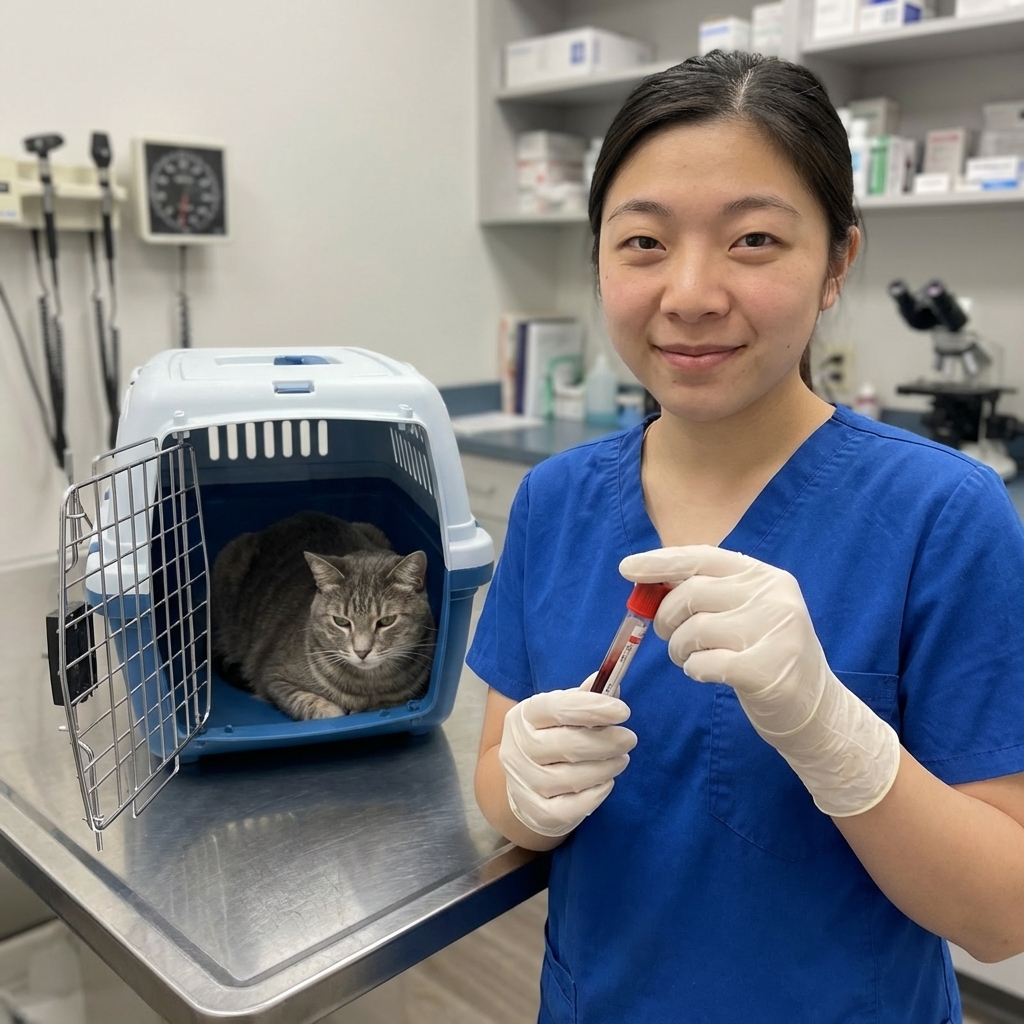
Most clinics start with a rapid in-clinic screening test (often called an ELISA or SNAP test). If the first test is positive, your veterinarian may recommend confirmatory testing or retesting. Timing matters, because early infection and transient antigenemia can look different depending on when exposure happened and how your cat’s immune system responds.
Common tests you may hear about
- ELISA/SNAP: Detects FeLV antigen in blood. It is an excellent first-line screening test. A positive result means antigen is detectable at that moment. False positives can occur, and some cats test positive early and later become negative if they control or clear infection.
- IFA: Looks for infection in certain blood cells. A positive IFA often supports a more established infection and is more consistent with progressive infection.
- PCR: Detects viral genetic material (provirus). This can help clarify regressive infections and complicated cases (for example, antigen-negative but suspected exposure).
Retesting timing: Many veterinarians recommend repeating antigen testing and or sending confirmatory testing after a waiting period (often around 6 to 12 weeks). Your vet will choose the best timing based on your cat’s risk, health, and initial results.
If your cat feels well and tests positive, do not assume the worst based on one test. Ask your vet what stage they suspect and what confirmatory plan makes the most sense.
Symptoms and complications
FeLV itself is not a “symptom.” Many of the issues come from immune suppression, anemia, or secondary infections. Some cats have no obvious problems at first.
Possible signs
- Weight loss or poor appetite
- Lethargy and decreased playfulness
- Recurring fever
- Pale gums (possible anemia)
- Enlarged lymph nodes
- Chronic diarrhea or vomiting
- Respiratory infections, mouth inflammation, skin infections
- Slow wound healing
Common FeLV-associated conditions
- Anemia (low red blood cells)
- Opportunistic infections (upper respiratory infections, dental disease, skin issues)
- Lymphoma and other cancers
- Bone marrow suppression affecting blood cell production
Treatment options
There is no single medication that “cures” FeLV in the way antibiotics cure a bacterial infection. Treatment is usually about preventing and treating the complications FeLV can trigger, and supporting quality of life.
Supportive care (the foundation)
Supportive care is what keeps many FeLV-positive cats feeling good for longer. Depending on your cat’s needs, your veterinarian may recommend:
- Prompt treatment of infections (antibiotics when bacterial infection is suspected, antifungals when indicated)
- Parasite prevention (fleas, intestinal parasites, and ear mites matter more when immunity is compromised)
- Dental care to reduce chronic inflammation and infection
- Nutrition support, including calorie-dense diets if weight is dropping
- Fluids for dehydration (at the clinic or sometimes at home)
- Anti-nausea meds and appetite support when needed
- Pain control for inflammatory conditions or cancer-related discomfort
Antivirals and immune-modulating therapies
Some veterinarians may discuss antiviral or immune-modulating approaches. These decisions depend on your cat’s clinical signs, lab work, and overall health. Options your vet might mention include:
- Interferon (certain formulations are used in some cases as immune modulation)
- Antiretroviral medications (used off-label in select cases, with careful monitoring for side effects)
Evidence for these options is mixed, and they are not universally recommended for every FeLV-positive cat. If they come up, ask your veterinarian what the goal is (for example, fewer infections or improved appetite), what side effects to watch for, and what monitoring is needed.
FeLV-related cancer care
If your cat develops lymphoma or another FeLV-associated cancer, treatment may include:
- Chemotherapy protocols tailored for cats
- Steroids to reduce inflammation and improve comfort
- Supportive medications to control nausea and maintain appetite
Many families are surprised to learn that cats can tolerate chemotherapy better than people in many cases. Side effects can still happen, and monitoring is important, but the goal is typically comfort and quality of life.
Life expectancy
This is the question every loving cat parent asks. The honest answer is that life expectancy varies a lot depending on whether infection is abortive, regressive, or progressive, plus age, overall health, and whether complications develop.
In general, cats with progressive infection are at higher risk for illness over time, and some will have a shortened lifespan. Cats with regressive infection may do well for years, especially with excellent preventive care and an indoor lifestyle.
What affects prognosis most
- Stage or outcome pattern (progressive vs regressive vs abortive)
- Bloodwork findings, especially anemia and white blood cell changes
- Presence of secondary infections or cancer
- Stress level and overall stability of the home environment
- Consistent veterinary monitoring to catch problems early
If you want a truly personalized outlook, ask your vet what your cat’s current bloodwork suggests and what red flags would change the plan.
Home care
Home care is where you can make a real difference. Think low stress, high prevention, close observation.
Keep your cat indoors
Indoor-only life reduces exposure to pathogens and prevents FeLV spread to other cats. It also reduces injuries and bite wounds that can become serious infections.
Nutrition and food safety
- Feed a complete, balanced diet that your cat eats well.
- Avoid raw diets for FeLV-positive cats due to the higher risk of foodborne pathogens.
- Track weight monthly. Even small losses can matter.
Reduce stress
- Keep routine predictable: feeding times, litter box placement, quiet resting areas.
- Provide enrichment that fits your cat’s energy level: window perches, puzzle feeders, gentle play.
- Use feline-friendly handling and carrier training to reduce vet-visit stress.
Plan proactive vet care
Many veterinarians recommend regular wellness exams and periodic lab work for FeLV-positive cats, even if they look fine. A common cadence is an exam about every 6 months with bloodwork as your vet recommends (often a CBC and chemistry, sometimes urinalysis), especially if anything changes at home.
Ask about baseline screening
Your veterinarian may recommend baseline screening for issues that can overlap with FeLV or affect immune health, such as FIV testing and parasite testing, plus a good dental and oral exam.
Know when to call the vet
Call promptly if you notice:
- Not eating for 24 hours, or a significant drop in appetite
- Hiding, weakness, or sudden behavior changes
- Labored breathing, persistent coughing, or nasal discharge
- Vomiting or diarrhea lasting more than a day
- Pale gums, yellowing of eyes or skin, or unexplained bruising
- Any lump that is growing
Multi-cat households
This is where things can feel emotional and complicated. The goal is to protect FeLV-negative cats while keeping your FeLV-positive cat living a loved, enriched life.
Best option: separate groups
The most reliable prevention is separation. If you have FeLV-negative cats, the safest plan is:
- Provide a separate living area for the FeLV-positive cat (a bedroom or office works well).
- Use separate food and water bowls, litter boxes, and grooming tools.
- Wash hands after handling, especially before interacting with FeLV-negative cats.
If separation is not possible
Sometimes homes cannot fully separate cats. If that is your situation, talk with your veterinarian about realistic risk reduction. Helpful steps often include:
- Vaccinate FeLV-negative cats if your veterinarian recommends it.
- Reduce saliva-sharing opportunities: do not allow shared food bowls, water bowls, or treat licking.
- Provide multiple resources in different locations to reduce crowding and conflict.
- Discourage mutual grooming between FeLV-positive and FeLV-negative cats (this can be difficult, but supervised time and separation when you cannot monitor can help).
- Keep cats calm and prevent fighting (bite wounds raise risk).
Even with management, close-contact households still carry risk. Your veterinarian can help you weigh what is feasible and safest for your specific group.
Vaccinating other cats
FeLV vaccination is an important tool for cats at risk of exposure. Many veterinarians recommend FeLV vaccination for all kittens, then continuing boosters for cats who remain at risk as adults. Booster timing depends on the product and your cat’s risk level, so ask your veterinarian what schedule fits your household.
No vaccine is 100 percent protective, so vaccination plus management is typically better than relying on vaccination alone.
FeLV-positive cats living together
FeLV-positive cats can often live with other FeLV-positive cats. Still, introductions should be slow to reduce stress and prevent fighting. Stress and injuries can trigger illness and infections.
Cleaning basics
- Scoop daily and wash boxes regularly.
- Routine household cleaners are usually sufficient.
- FeLV is an enveloped virus and is relatively fragile. Under typical conditions it tends to survive minutes to hours in the environment, and standard detergents and disinfectants inactivate it.
Prevention
Yes, FeLV can often be prevented. Prevention centers on testing, smart introductions, and vaccination for at-risk cats.
- Test new cats before introducing them to resident cats.
- Vaccinate kittens and adults at risk of exposure (outdoor cats, cats with unknown-contact risk, or households where exposure could occur).
- Keep cats indoors to reduce exposure and spread.
Coping and decisions
An FeLV diagnosis can bring a lot of fear, and sometimes guilt. Please know this: many FeLV-positive cats still enjoy a good quality of life, and your steady care truly matters.
A helpful next step is to ask your veterinarian for a clear, written plan that covers:
- Which stage or outcome pattern is most likely for your cat right now
- What monitoring schedule they recommend (exams, bloodwork)
- Which signs mean call today versus monitor at home
- Your options if complications arise, including comfort-focused care
You do not have to predict the whole future today. Focus on the next right step for your cat, and build from there.
Quick FAQ
Is FeLV always fatal?
No. FeLV is serious, but some cats clear it (abortive) or keep it suppressed (regressive). Cats with progressive infection have higher risk for serious disease, but many still have meaningful time with supportive care.
Can my FeLV-positive cat live with my FeLV-negative cat?
It is not recommended without strict risk reduction, because close contact can spread the virus. The safest approach is separation, plus vaccination of FeLV-negative cats if your vet recommends it.
Should I euthanize right away after diagnosis?
Not automatically. If your cat feels well, is eating, and has stable bloodwork, many veterinarians will recommend monitoring and supportive care. Decisions should be based on quality of life and medical complications, not the label alone.
Next steps
If your cat was just diagnosed, here is a calm, practical checklist:
- Ask your vet which FeLV tests were run and whether confirmatory testing is needed.
- Ask when they want to repeat testing (often around 6 to 12 weeks, depending on the situation).
- Schedule baseline lab work if not already done (CBC, chemistry, and often urinalysis).
- Ask whether FIV testing and parasite testing are recommended for your cat.
- Make your home plan: indoor-only, low-stress routine, excellent parasite control.
- If you have other cats, discuss separation and FeLV vaccination with your vet.
- Track appetite, energy, weight, and litter box habits weekly.
Your FeLV-positive cat needs you steady and informed, not perfect. With thoughtful care and regular veterinary support, many cats continue to purr, play, and enjoy life.