
Feline Diabetic Remission: What It Means and What Owners Actually Do

If your cat has diabetes, the word remission can feel like hope and pressure at the same time. Hope that insulin might not be forever. Pressure because you may wonder if you are doing enough, doing it right, or missing something important.
As a veterinary assistant, I like to keep this simple and practical: remission is not magic, and it is not something you can force by trying harder. It is often supported by getting blood glucose into a healthy range consistently long enough that the pancreas can start doing more of the work again, under close veterinary guidance. Some parts of this are in your control (routine, diet choices, monitoring). Some parts are not (other diseases, how much insulin resistance your cat has, how their pancreas responds).
One more modern note: while many cats are treated with insulin, newer oral diabetes medications may be an option for some cats in some situations. Your veterinarian will help you decide what is appropriate and safe for your specific cat.

What remission means
Diabetic remission means your cat’s blood glucose stays in a safe range without insulin injections for a period of time, as confirmed by your veterinarian. In other words, the diabetes is well controlled without insulin, but your cat still has a history of diabetes and can relapse.
Some clinics use a practical definition like euglycemia without insulin for at least 2 weeks. Others use slightly different timeframes or testing combinations. The key is that your veterinarian defines remission based on your cat, your monitoring method (meter vs CGM), and the full clinical picture.
Remission is not a cure
Some cats can stay in remission for months or years, but the underlying tendency toward diabetes may remain. Weight gain, higher carbohydrate intake, inflammation, certain medications (especially steroids), and other illnesses can push a cat out of remission. Some cats also have stronger drivers of insulin resistance (for example acromegaly, chronic pancreatitis, or other inflammatory disease), which can make remission less likely or shorter-lived.
How vets confirm it
Remission is confirmed with a combination of:
- Consistently normal or near-normal glucose readings at home and/or in the clinic
- Improved clinical signs (less thirst and urination, stable appetite, better energy)
- Veterinary lab work when appropriate, such as fructosamine to assess average glucose over roughly the prior 1 to 3 weeks in cats
Important: owners should never stop insulin suddenly without a plan. Cats can develop dangerously high glucose again, and in some cases diabetic ketoacidosis (DKA) can occur.
Who is most likely
Not every cat will go into remission, and that is not a failure. It often depends on how early the diabetes is caught, how quickly effective treatment starts, and whether there is an underlying cause of insulin resistance that needs attention.
What can improve the odds
- Early, tight control of blood glucose soon after diagnosis (with safe monitoring and dose adjustments)
- Low-carbohydrate diet (often canned or carefully selected therapeutic options) under veterinary direction
- Healthy weight or safe weight loss if overweight
- Consistent medication dosing and monitoring (insulin for many cats, or an oral medication plan when appropriate)
- Addressing other conditions like dental disease, pancreatitis, infections, hyperthyroidism, acromegaly, or other inflammatory disease
Realistic odds
In published discussions and clinical experience, remission rates vary widely. You will often see ranges roughly in the 20% to 60% ballpark, especially when diabetes is caught early and managed intensively with an appropriate diet and a carefully monitored treatment plan. Your veterinarian can help you interpret what that means for your cat, because insulin type, monitoring approach, and concurrent disease can shift those odds quite a bit.
A kinder way to think about it is this: remission is possible, not promised, and the same steps that support remission also support better quality of life and fewer complications even if ongoing treatment is still needed.
Diet and weight
Diet and weight are not extras in feline diabetes care. They directly influence insulin sensitivity and daily glucose swings.
Why low carbohydrate matters
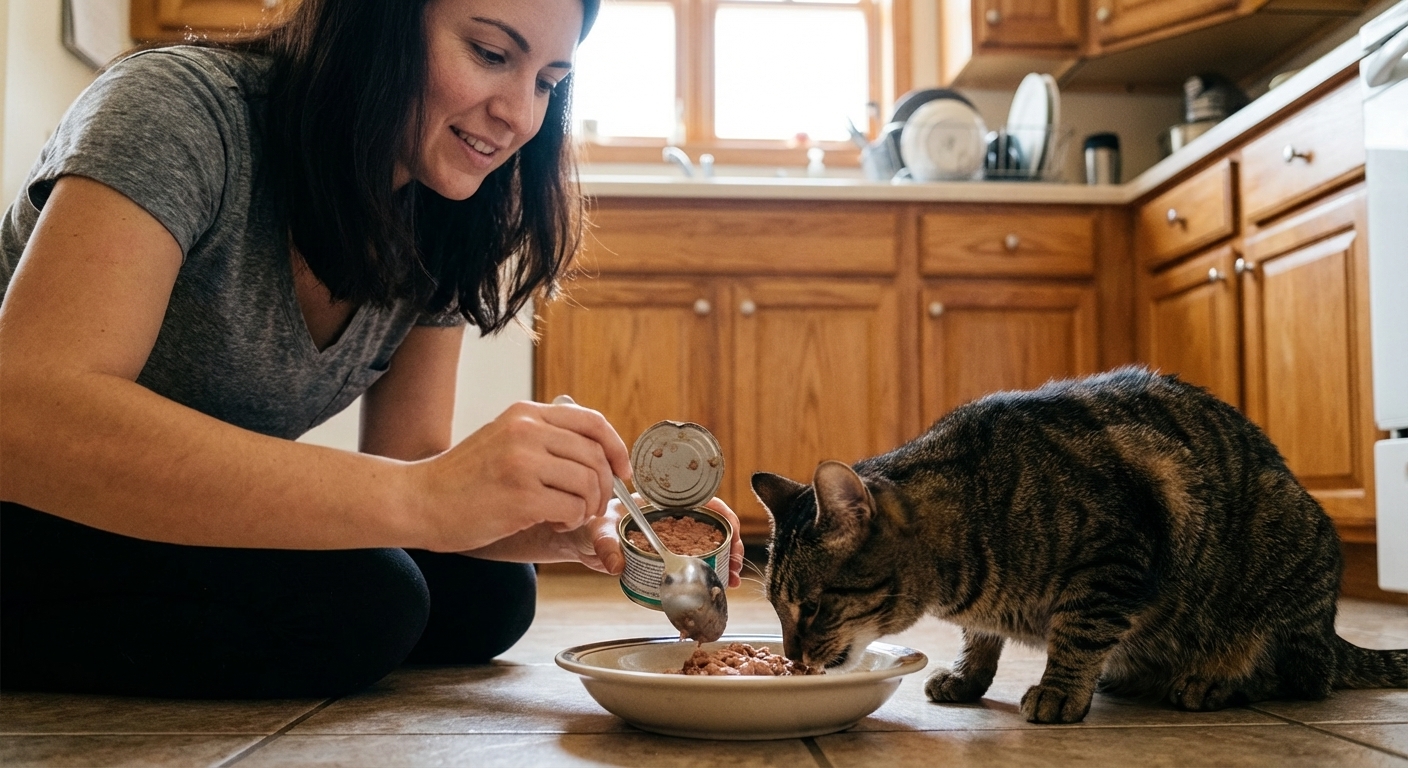
Cats are obligate carnivores. Many diabetic cats do better with diets that are higher in protein and lower in carbohydrates, because carbs can drive post-meal glucose spikes. Your veterinarian may recommend a specific therapeutic diet or help you choose an appropriate over-the-counter option that fits your cat’s needs and medical history.
If your cat has kidney disease, pancreatitis, food allergies, or GI issues, the “best” diet may look different. This is exactly why it should be a vet-guided decision.
Weight loss helps, but keep it safe
If your cat is overweight, even modest weight loss can improve insulin sensitivity. But cats should not crash-diet. Rapid weight loss increases risk of hepatic lipidosis, a life-threatening liver condition.
Most vets will recommend:
- Measured meals instead of free-feeding
- A calorie target and weigh-ins
- Slow, steady loss with a weekly target set by your vet
- Rechecking medication needs as the cat slims down, because requirements can drop
Home glucose monitoring
Home monitoring can sound intimidating, but many cat owners find it becomes routine. It also gives your vet better information than occasional in-clinic readings, since stress can elevate glucose in cats.
What owners do at home
- Spot checks at vet-recommended times (often around dosing changes)
- Curves (a series of readings over a day) to understand how low and how long the medication works
- Tracking trends in an app, notebook, or shared spreadsheet to send to the clinic
Tools to discuss with your vet
- Handheld glucometer with ear or paw-pad sampling
- Continuous glucose monitor (CGM) worn on the skin for several days to about 10 to 14 days, depending on the device and how well it stays on
Monitoring is not about chasing perfect numbers every hour. It is about preventing dangerous lows, guiding safe dose adjustments, and recognizing when a cat may be heading toward remission. Your vet will also define what “safe range” means for your cat based on the meter or CGM being used and your cat’s overall health.
Signs glucose may be too low
If glucose runs too low, it is an emergency. Call your veterinarian or an emergency clinic right away if you see:
- Weakness, wobbliness, tremors
- Disorientation
- Seizures
- Sudden extreme sleepiness or collapse
Ask your clinic ahead of time for a written hypoglycemia plan so you are not trying to think through it in a panic. Follow their instructions exactly.
What remission looks like
Remission often happens gradually. A common pattern is that medication needs start to decrease and glucose readings look more consistently normal, especially when diet has been optimized and weight is improving.
Owner jobs during the window
- Keep the diet consistent (same food, same schedule, no surprise treats)
- Keep weighing your cat regularly
- Stay in touch with your vet about readings and behavior changes
- Do not stop insulin without a clear vet plan, even if numbers look great
- Have a plan for appetite changes, because eating less while on insulin can raise hypoglycemia risk
Many cats in remission still benefit from periodic glucose checks, because relapse can be subtle at first.
Relapse: what to watch for
Relapse can happen, and it does not mean you did anything wrong. It often means insulin resistance increased again, or another medical issue is pushing glucose upward.
Early signs owners notice
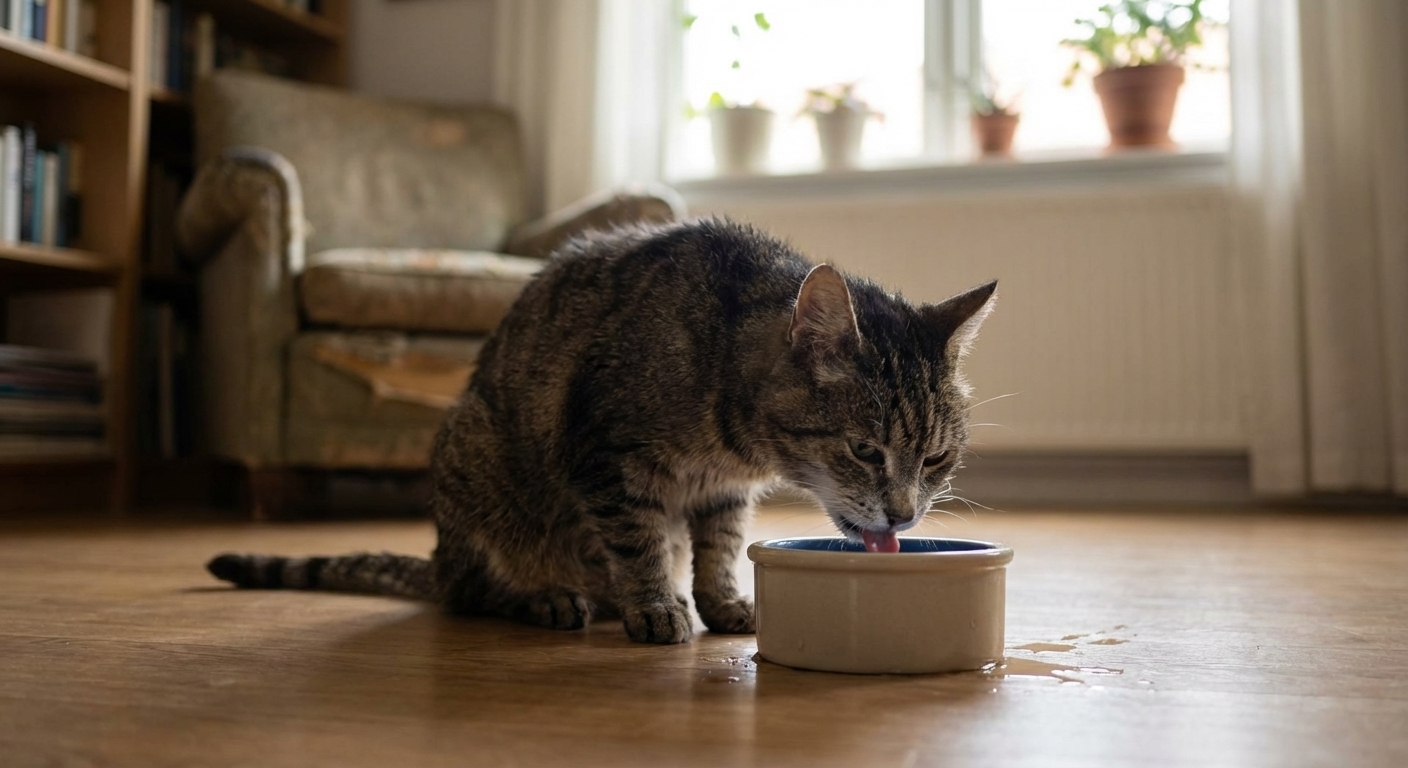
- Increased thirst and drinking from unusual sources
- More frequent or larger urinations, or accidents outside the litter box
- Ravenous appetite or sudden appetite changes
- Weight loss even though your cat is eating
- Less grooming, dull coat, lower energy
Urgent red flags
Seek veterinary care urgently if you see:
- Vomiting, not eating, lethargy
- Rapid breathing, dehydration
- A sweet or “acetone” breath odor
These can be signs of DKA, which is an emergency.
How it fits your plan
If you have already read our general overview on diabetes in cats, think of remission as the next layer. The foundation still matters:
- Consistent dosing schedule for insulin or any prescribed oral medication
- Thoughtful nutrition selection
- Monitoring and rechecks
- Managing other health issues that affect glucose
Remission is simply the point where those steps have supported your cat well enough that insulin may no longer be required, at least for now.
Quick questions
How long does remission last?
It varies. Some cats stay in remission for months or years. Others relapse sooner, especially if weight returns, the diet changes, steroids become necessary, or another illness develops. The best protection is consistent routine and periodic monitoring.
Does my cat still need a diabetic diet in remission?
Usually, yes. Most cats do best staying on the same low-carbohydrate, portion-controlled plan that helped them stabilize. Think of it as maintaining the conditions that keep remission possible.
How often should we recheck?
Your veterinarian will set this based on your cat’s history and whether you are using a meter or CGM. Many clinics recommend more frequent check-ins during medication changes and less frequent monitoring once things are stable, with extra checks if signs return.
A gentle takeaway
The most helpful mindset I have seen in owners is this: aim for control, and let remission be the bonus. Your cat does not need perfection. They need consistency, safe adjustments, and a team approach with your veterinarian.
If you are feeling overwhelmed, start with one stabilizing habit this week, like consistent meal timing or learning one simple home glucose check. Small steps done faithfully add up to real change.
Medical note: This article is for education and support and is not a substitute for veterinary diagnosis or treatment. Always consult your veterinarian before changing insulin, oral diabetes medications, diet, or monitoring routines.