Support steadier glucose with high-protein, low-carb homemade meals. Get macro targets, safe ingredients, what to avoid, portion guidance, and 4 simple recip...
Article
•
Designer Mixes
Feline Diabetes Overview

Shari Shidate
Designer Mixes contributor
As a veterinary assistant here in Frisco, Texas, I have seen how scary the word diabetes can feel for cat parents. The good news is that many cats do very well with diabetes when it is caught early and managed consistently. Some cats even go into remission with the right mix of diet, insulin when needed, weight support, and at-home monitoring.
This overview walks you through what feline diabetes is, what signs to watch for, how it is diagnosed, and the most pet-friendly ways to manage it at home. Always partner with your veterinarian, especially before changing insulin, diet, or dosing schedules.
What is feline diabetes?
Most diabetic cats have diabetes mellitus, meaning their body cannot properly regulate blood sugar (glucose). In many cases, the cat either does not produce enough insulin, or the body’s cells do not respond well to insulin. Insulin is the hormone that helps move glucose from the bloodstream into the body’s cells for energy.
When insulin is not doing its job, glucose builds up in the blood and spills into the urine. That can lead to excessive thirst and urination, weight loss, and an increased risk of problems like infections, neuropathy, and (in severe cases) diabetic ketoacidosis (DKA).
Type 1 vs. Type 2 in cats
Feline diabetes is most similar to Type 2 diabetes in people, where insulin resistance plays a major role. Excess body weight, inactivity, and long-term inflammation can contribute. Some cats may also have decreased insulin production over time.
Common symptoms cat parents notice
Diabetes can be subtle at first. These are the big signs I encourage families to watch for:
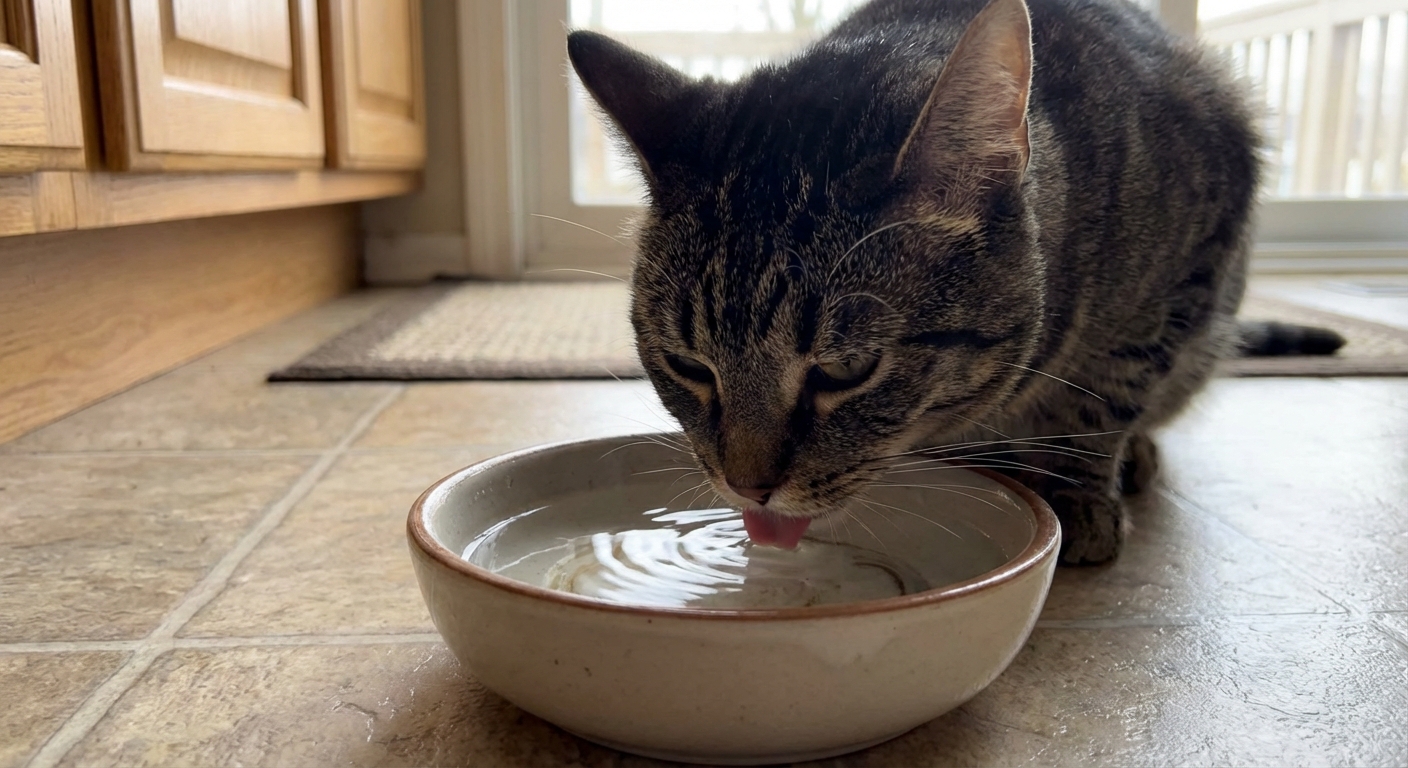
- Drinking more water than usual
- Urinating more, larger clumps in the litter box
- Weight loss even though appetite is normal or increased
- Increased hunger, begging for food
- Lethargy or decreased play
- Poor coat quality or dandruff
- Weakness in the back legs or walking “down” on the hocks (diabetic neuropathy)
If you notice rapid decline, vomiting, severe lethargy, or not eating, call your veterinarian right away. Those can be signs of complications that need urgent care.
What causes diabetes in cats?
Diabetes is usually multi-factorial, meaning there is not just one cause. Common contributors include:
- Excess body weight and reduced activity
- Nutrition and calorie excess that contribute to weight gain (some dry foods are higher in carbohydrates than many cats need, but diet is individual and carbs alone are not the whole story)
- Pancreatic disease or chronic inflammation
- Hormonal conditions (less common, but possible)
- Medications such as corticosteroids and some progestins that can increase insulin resistance
- Age (middle-aged to senior cats are more commonly affected)
- Male cats and some breeds may be at higher risk (some studies suggest Burmese cats have increased risk in certain regions)
How vets diagnose diabetes
Diagnosis is typically based on a combination of clinical signs and lab testing. Your veterinarian may recommend:
- Blood glucose testing (often elevated in diabetic cats)
- Urinalysis to look for glucose in the urine and check for infection
- Fructosamine testing to evaluate average blood sugar over the previous 1 to 2 weeks
- Blood chemistry and CBC to assess overall health and rule out other issues
One important nuance: cats can have stress hyperglycemia, meaning their blood sugar rises from anxiety at the vet. That is why fructosamine, repeat testing, and trends over time can be so helpful.
Treatment goals
Managing feline diabetes is about helping your cat feel good and protecting their health long-term. Practical goals often include:
- Reducing excessive thirst and urination
- Stabilizing appetite
- Maintaining a healthy weight and muscle mass
- Avoiding dangerous low blood sugar events
- Supporting the possibility of remission when appropriate
Many cats can live happy, normal lives with diabetes. The biggest “secret” is consistency: consistent meals, consistent insulin timing, and consistent monitoring.
Diet
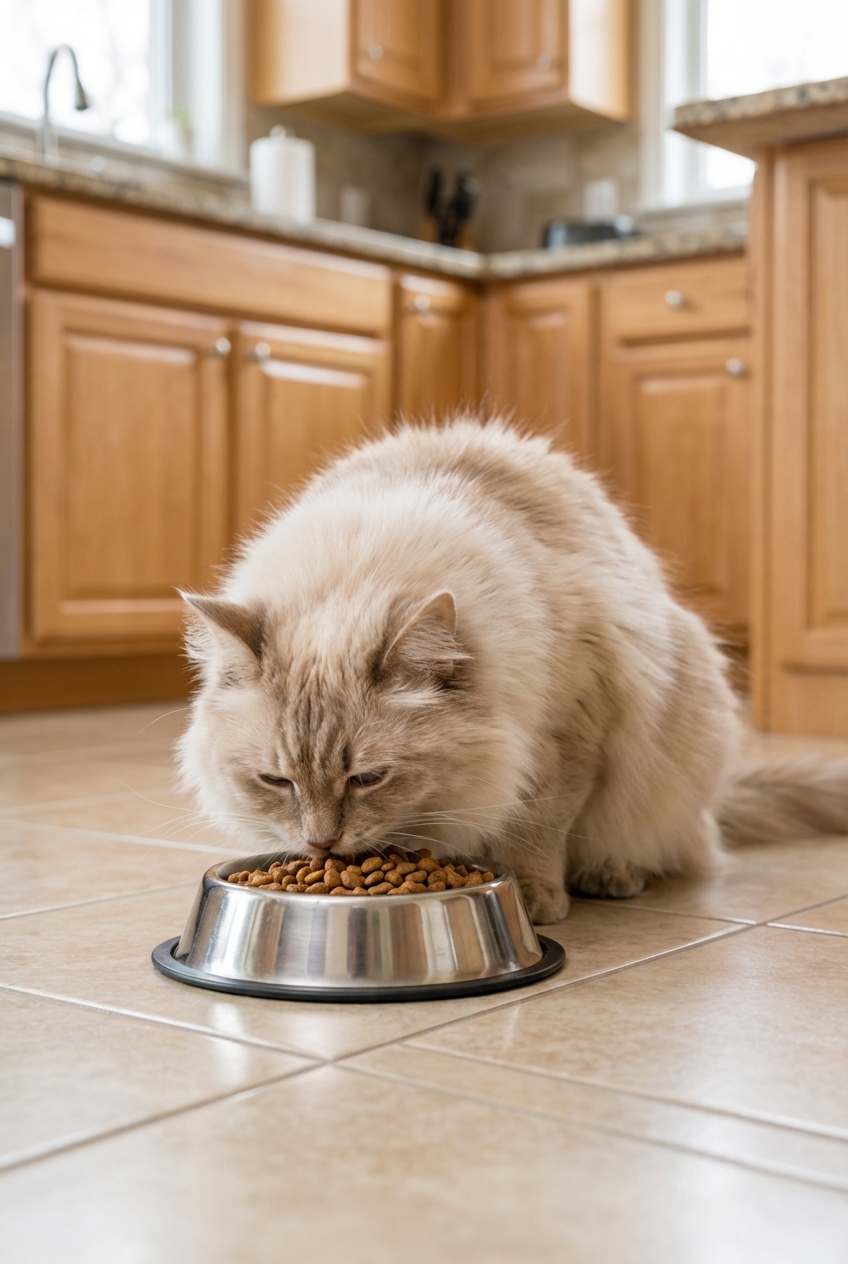
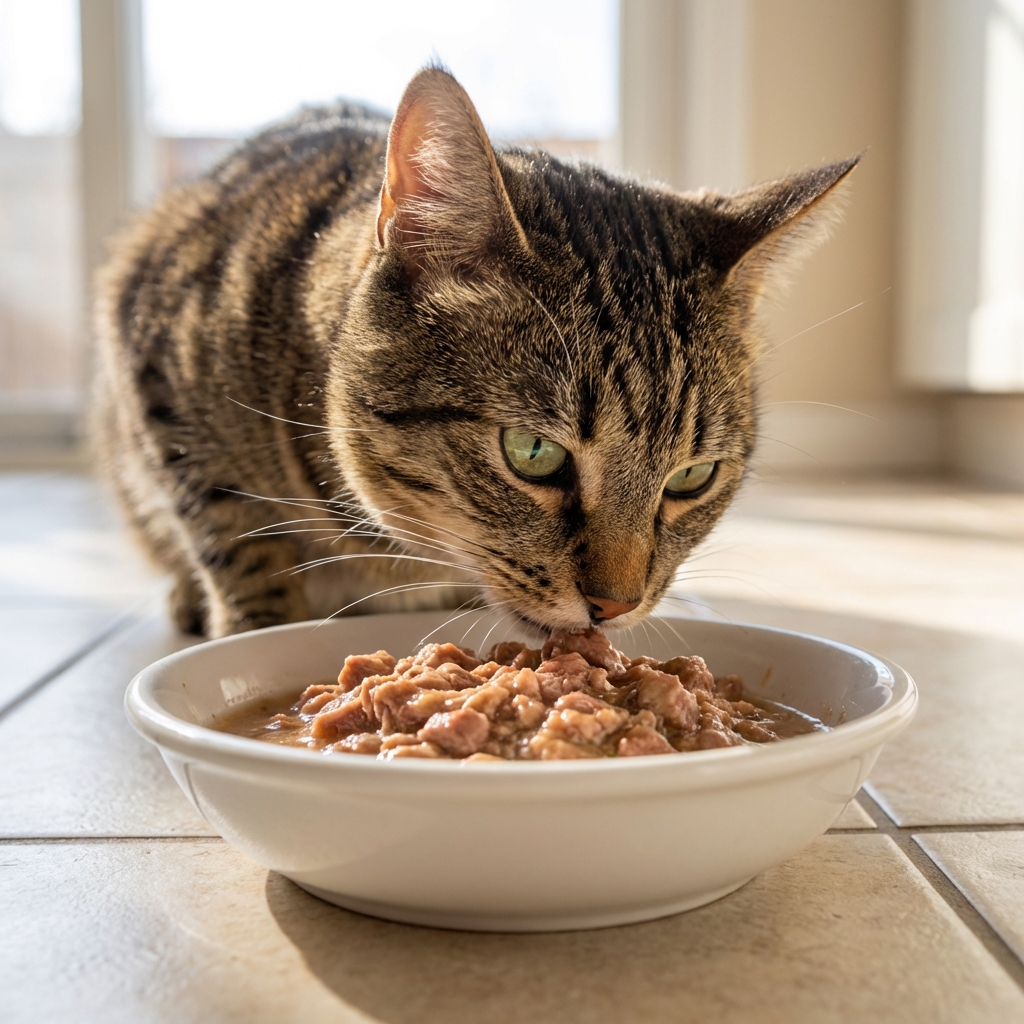
Cats are obligate carnivores, which means they are designed to thrive on animal-based protein. For many diabetic cats, veterinarians often recommend a high-protein, lower-carbohydrate diet, commonly in the form of wet food.
Why wet food often helps
- Lower carbs in many canned options compared to kibble
- Higher moisture supports hydration and urinary health
- Better satiety for some cats, which can support weight goals
Diet safety note
If your cat is already on insulin, do not switch foods suddenly without your veterinarian’s guidance. Lowering dietary carbs can reduce insulin needs, and the insulin dose may need adjustment to prevent hypoglycemia.

Insulin basics
Many diabetic cats need insulin, especially at diagnosis. Your veterinarian will choose an insulin type and starting dose based on your cat’s weight, labwork, and clinical signs. Common options used in cats may include long-acting insulins such as glargine, PZI, or others, and the “best” choice is the one your veterinarian feels fits your cat’s needs and your household routine.
Diet and insulin work together. Once diet is steady, your veterinary team can fine-tune insulin more safely.
Tips for easier injections
- Pair insulin with a routine: same spot, same time, calm voice.
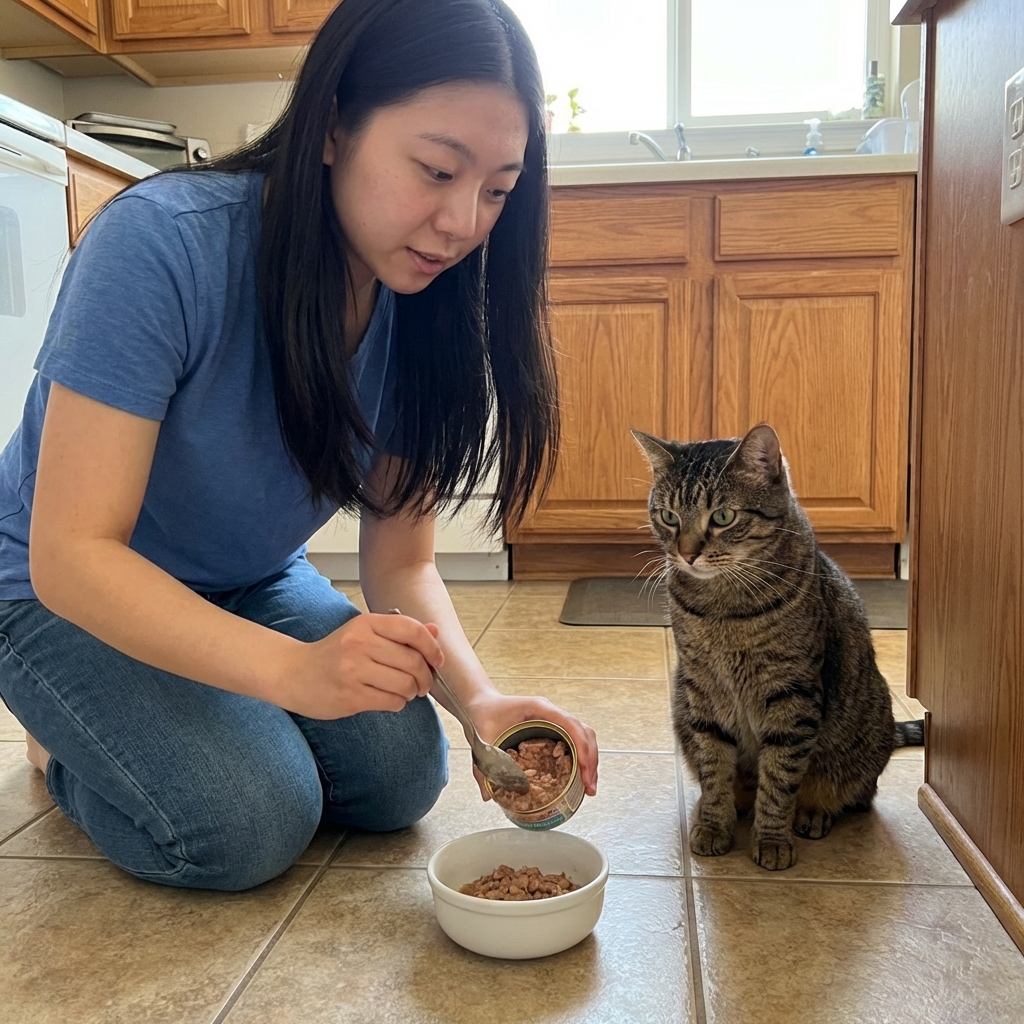
- Use a food positive association: offer a meal, then give the injection while your cat is eating if your veterinarian approves timing.
- Rotate injection sites as instructed to prevent skin irritation.
- Store insulin properly and handle it gently. Some types should not be shaken.
- Ask for a demonstration at your clinic. A quick coaching session can make all the difference.
With practice, most families find injections become a simple, 30-second part of daily life.
Monitoring at home
Monitoring helps your veterinarian adjust treatment while keeping your cat safe. It also helps you catch trends early, before they become emergencies.
Home blood glucose checks
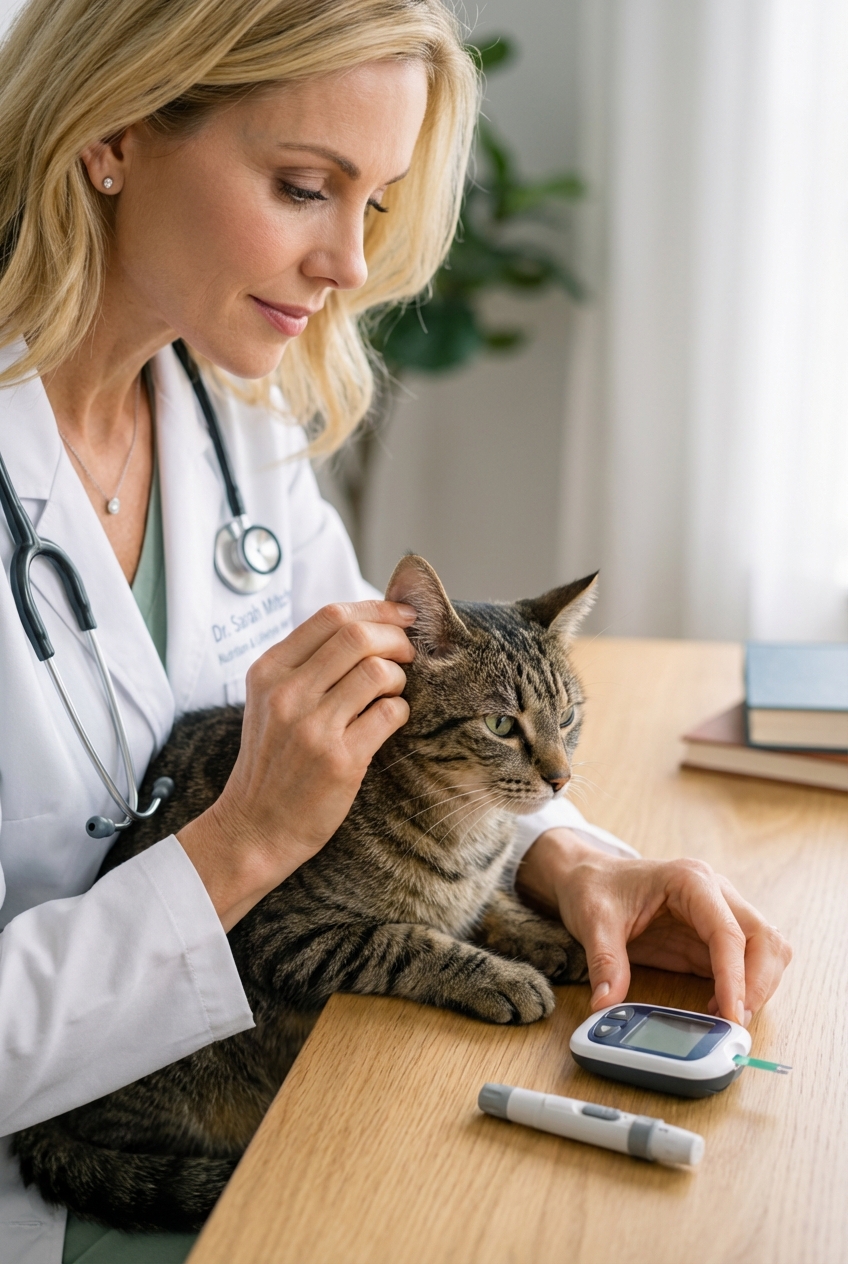
Many cat parents learn to check a tiny blood sample from the ear. It can sound intimidating, but with the right technique and a calm approach, many cats tolerate it well.
Continuous glucose monitors
Some clinics place wearable sensors that track glucose trends, and many families can use them at home too. These devices typically measure interstitial glucose (not direct blood glucose), so there can be a small lag behind blood readings. Even so, the trend information can be incredibly helpful for safer dose adjustments.
What you can track daily
- Water intake (is it decreasing toward normal?)
- Urination and litter box output
- Appetite
- Energy and behavior
- Weight (weekly is often helpful)
Follow-up and rechecks
Diabetes regulation is a process, not a one-visit fix. Your veterinarian may recommend rechecks, fructosamine testing, and glucose curves (done in-clinic or at home, depending on what is safest and most accurate for your cat). It is normal for the plan to change during the first few weeks as your cat’s body responds.
Low blood sugar emergency
Low blood sugar (hypoglycemia) can happen if a cat gets too much insulin, does not eat, vomits, or has changing insulin needs. It can become life-threatening quickly.
Possible signs
- Sudden weakness or wobbliness
- Disorientation
- Tremors
- Seizures
- Collapse
What to do
Follow your veterinarian’s emergency instructions. Many vets recommend having a fast sugar source at home (such as corn syrup or honey). If your cat is conscious and can swallow normally, you may be instructed to rub a small amount on the gums while you arrange urgent care. Never force liquid down your cat’s throat. Even if your cat seems to improve, seek emergency veterinary care right away, because blood sugar can drop again.
Complications and related issues
Diabetic neuropathy
Some cats develop hind-limb weakness and walk with their heels down. Better glucose control is key. Your veterinarian may also recommend supportive therapies.
Urinary tract infections
Glucose in urine can raise infection risk. If your cat is urinating outside the box, straining, or seems painful, call your vet.
Diabetic ketoacidosis
DKA is a serious emergency caused by insulin deficiency combined with illness or poor intake. Signs can include vomiting, dehydration, rapid breathing, and severe lethargy. Immediate veterinary care is needed.
Other conditions that affect control
Some cats have other health issues that make diabetes harder to regulate, such as dental disease, pancreatitis, hyperthyroidism, or (more rarely) acromegaly or Cushing’s disease. If regulation feels unusually difficult, your veterinarian may suggest additional testing.
Remission
Yes, some cats can go into remission. Remission means the cat maintains normal blood sugar without insulin. It is more likely when diabetes is diagnosed early and managed with:
- Appropriate diet (often lower carbohydrate)
- Healthy weight support
- Consistent insulin use early on if prescribed
- Regular monitoring and dose adjustments
Even if remission happens, ongoing healthy nutrition and checkups remain important because diabetes can return.
Daily routine
Consistency makes diabetes management feel less overwhelming. A common daily structure looks like:
- Morning: meal, insulin if prescribed, quick note of appetite and litter box output
- Midday: fresh water check, play session or gentle movement
- Evening: meal, insulin if prescribed, brief check-in on energy and behavior
- Weekly: weight check, review notes for trends to share with your veterinarian
You do not have to be perfect. You just have to be consistent, observant, and willing to adjust with your veterinary team.
Never do these
- Do not change the insulin dose (or stop insulin) without veterinary guidance.
- Do not start a new diet suddenly if your cat is on insulin.
- Do not ignore skipped meals. If your cat will not eat, vomits, or seems unwell around insulin time, call your veterinarian right away for instructions.
- Do not give human over-the-counter medications unless your veterinarian specifically tells you to.
When to call your vet
- Your cat stops eating or vomits repeatedly
- You notice weakness, collapse, tremors, or seizures
- Water intake and urination suddenly increase again after improving
- Your cat seems painful, hides more, or shows major behavior changes
- You cannot give insulin as directed or you suspect a dosing mistake
If something feels off, trust your gut and call. Early help prevents emergencies.