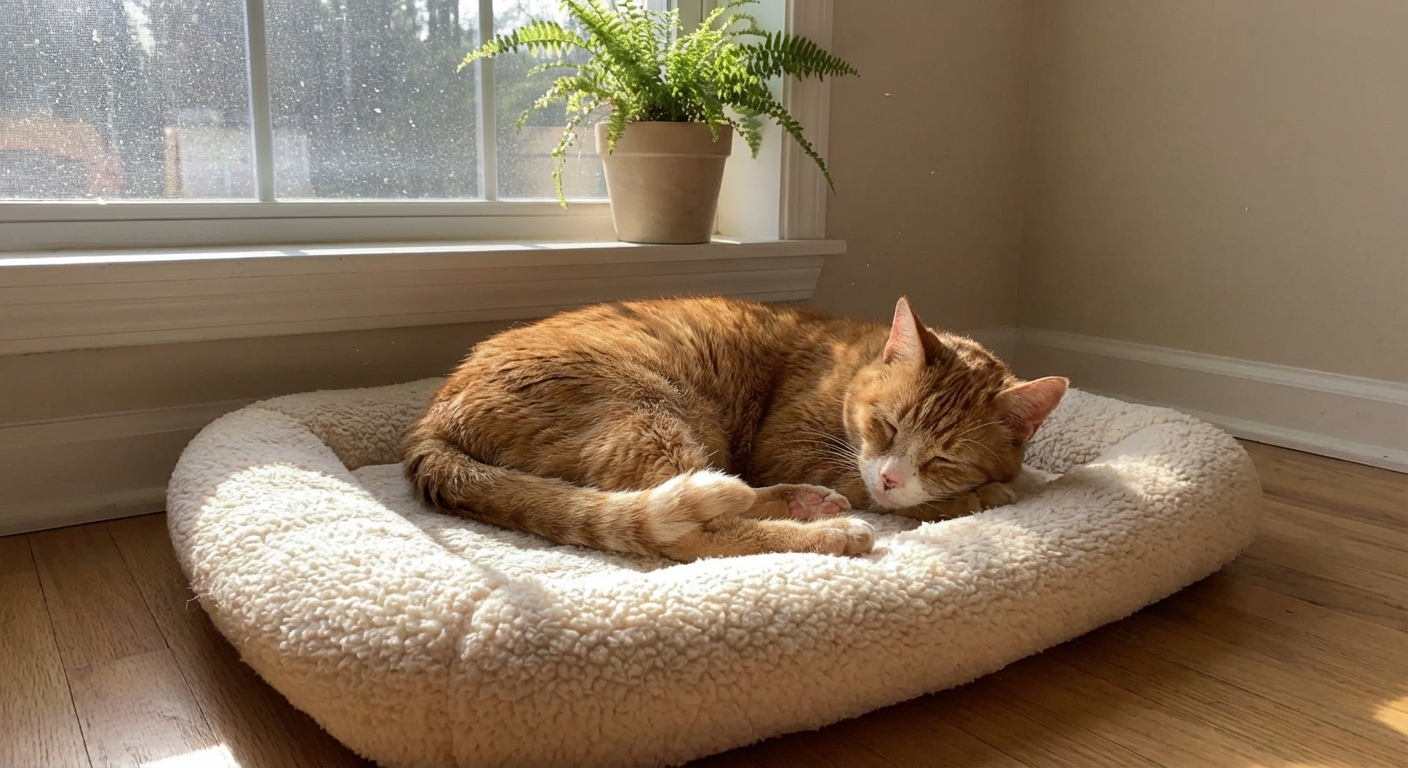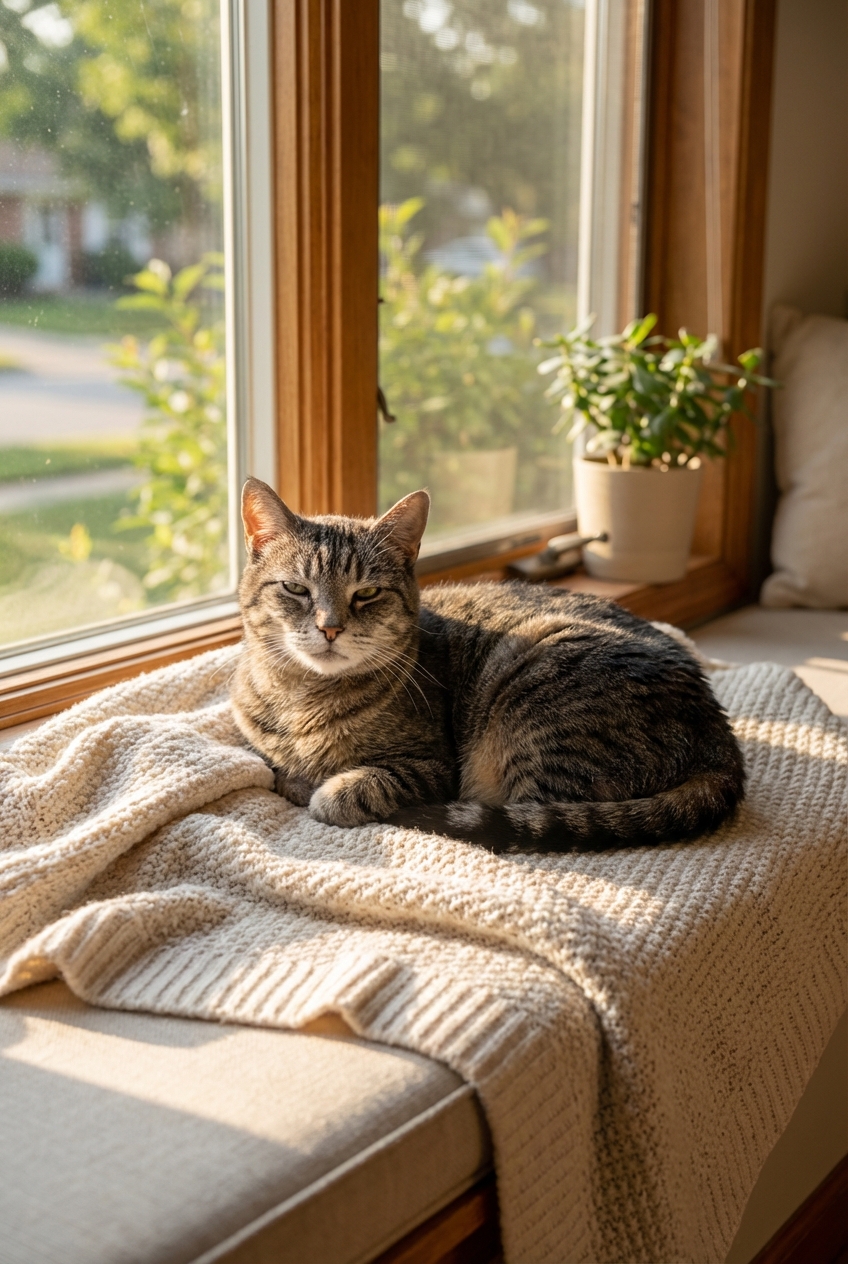
Worried your senior cat seems confused or yowls at night? Learn feline cognitive dysfunction (CDS) signs, DISHA checklist, stages, vet rule-outs, and home ca...
Article
•
Designer Mixes
Feline Dementia Symptoms

Shari Shidate
Designer Mixes contributor
As a veterinary assistant here in Frisco, Texas, I talk with a lot of families who worry their senior cat is “just getting old” or “being difficult.” Sometimes it is normal aging. But sometimes the changes fit a real medical condition called feline cognitive dysfunction (often compared to dementia in people).
The good news is this: when we recognize the signs early and involve your veterinarian, many cats can feel more comfortable and stay engaged with family life longer.
What it is (and what it is not)
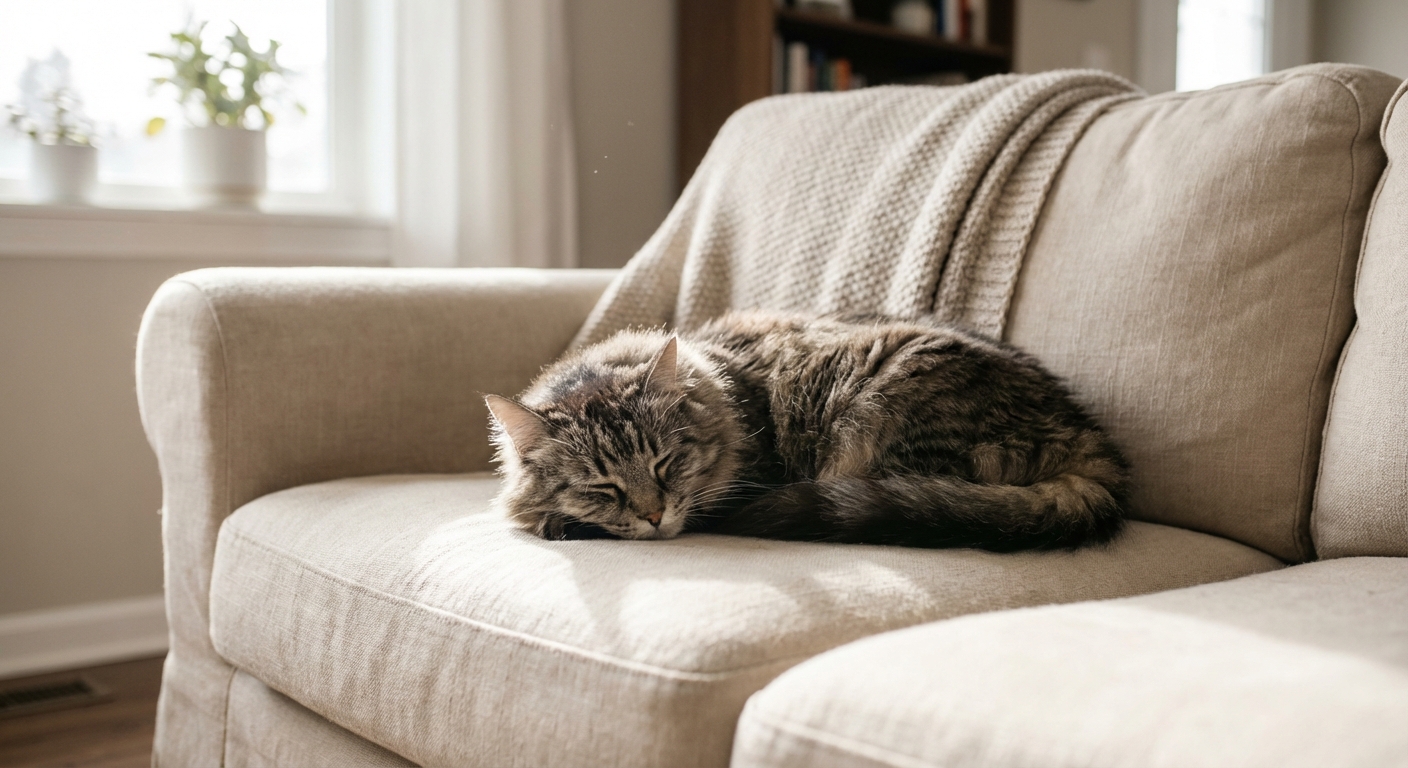
Feline cognitive dysfunction (FCD) is an age-related decline in brain function that can affect memory, learning, sleep patterns, and behavior. Risk increases with age, so we tend to see it in senior and geriatric cats most often.
Here is the crucial part: dementia-like signs can look very similar to other health problems, including:
- Hyperthyroidism
- Chronic kidney disease
- High blood pressure
- Arthritis and chronic pain
- Diabetes
- Dental pain
- Vision or hearing loss
- Urinary tract infection or urinary tract inflammation
- Brain disease (including tumors) and neurologic disorders
That is why symptom checking should always include a medical workup, not just a behavior label.
Quick note on age terms: Many clinics consider cats around 11 years and older “senior” and around 15 years and older “geriatric,” but categories can vary a bit. If your cat is in that range and you notice changes, it is worth a conversation.
Signs your vet looks for
Veterinary teams often think about cognitive dysfunction using a symptom framework similar to the “DISHA” pattern used in senior pets: Disorientation, altered Interactions, Sleep-wake changes, House soiling, and Activity changes or Anxiety. Not every cat shows every sign, and symptoms can start subtly.
1) Disorientation and confusion
This can look like your cat is getting “lost” in familiar places.
- Staring at walls or into space for longer periods
- Getting stuck behind furniture or in corners
- Standing in a room and seeming unsure why they are there
- Not recognizing familiar routes to food, water, or the litter box
2) Changes in social interaction
Some cats become clingier, others become more withdrawn.
- Seeking constant reassurance, following you more than usual
- Reduced interest in petting or play
- Irritability or “grumpiness” that is out of character
- Changes in how they respond to familiar people or other pets
3) Sleep-wake cycle disruption
This is one of the most common complaints I hear from cat parents.
- Restlessness at night
- Sleeping more during the day
- Nighttime vocalizing, especially loud or unusual yowling
- Waking up startled, pacing, or wandering
4) House soiling and litter box changes
If your cat starts missing the box, do not assume it is “spite.” In many cases, there is confusion, mobility pain, or a urinary issue involved.
- Urinating or defecating outside the litter box
- Accidents that happen very close to the box
- Seeming unsure where the box is located
- Not covering waste like they used to
5) Activity level and anxiety changes
These shifts can be easy to miss because they often come on gradually.
- Pacing, especially in the evening
- Repetitive behaviors (wandering the same route)
- Increased startle response or new anxiety
- Reduced grooming or changes in coat condition
- Less interest in toys, climbing, or exploring
When to call the vet quickly
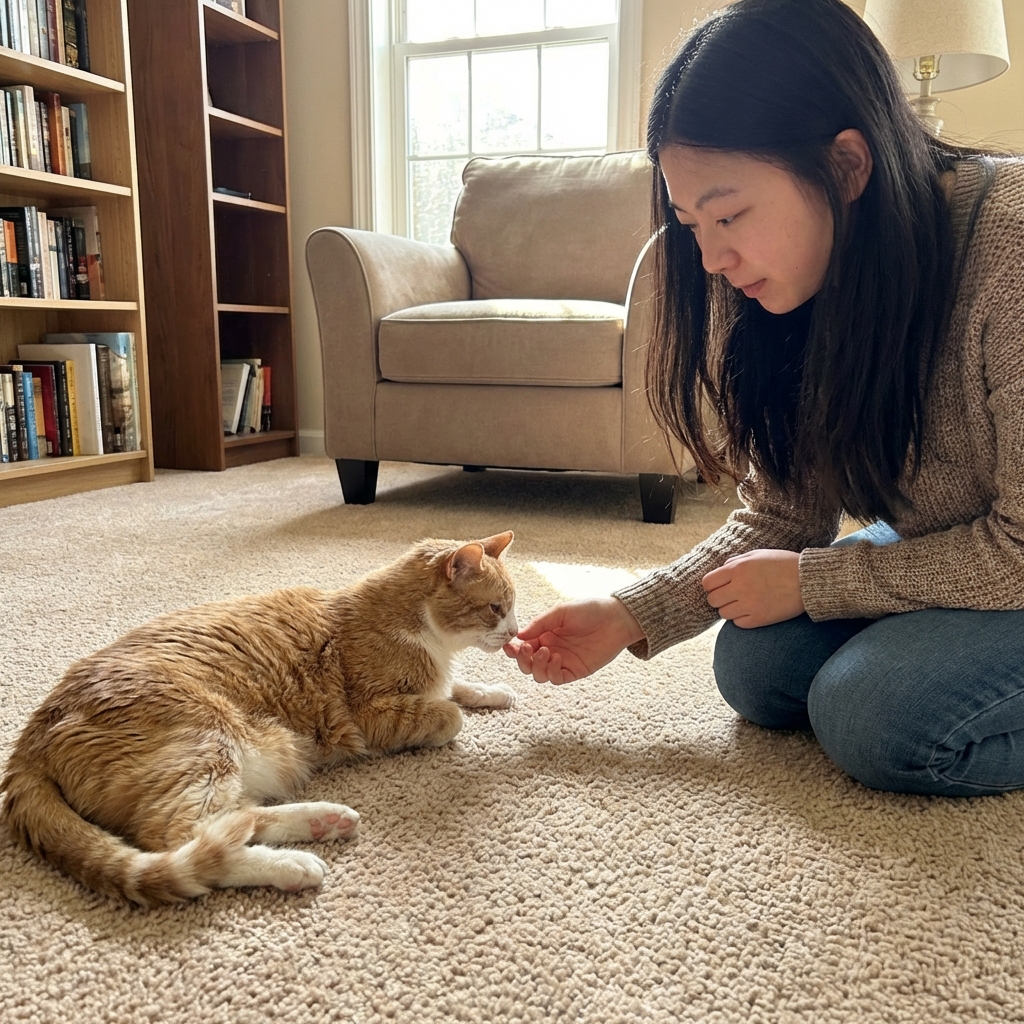
Some signs can overlap with cognitive decline but may also signal urgent or painful problems. Contact your veterinarian promptly if you notice:
- Sudden disorientation or abrupt behavior changes
- Straining to urinate, frequent trips to the box, or crying in the box
- Any complete refusal to eat, especially lasting 12 to 24 hours (sooner for kittens, cats with chronic disease, or if your cat seems unwell)
- Weight loss, increased thirst, or vomiting
- Weakness, falling, head tilt, seizures, or abnormal eye movements
- High-volume vocalizing paired with distress
In cats, waiting too long can turn a treatable issue into a crisis. When in doubt, call.
How diagnosis works
There is not one single test that “proves” cognitive dysfunction. Instead, your veterinarian will typically diagnose FCD by ruling out other causes first and looking at the full pattern of changes over time.
- Taking a detailed history of behavior changes and timing
- Performing a physical exam and neurologic screening
- Checking blood pressure
- Running lab work (often including CBC, chemistry panel, thyroid testing, and urinalysis)
- Considering a pain evaluation, especially for arthritis
- Recommending imaging or referral in certain cases
What to expect at the appointment: In many senior cats, the first goal is to rule out common drivers like pain, thyroid disease, high blood pressure, kidney disease, and urinary issues. In some cases, your vet may recommend additional urine testing (like a culture) or imaging, depending on what they find.
This process matters because many medical conditions can mimic dementia, and some are very treatable once identified.
What you can do at home
If you suspect cognitive changes, you can start helping your cat today while you schedule a veterinary visit.
Make the home easier to navigate
- Keep food, water, and litter boxes in consistent locations
- Use night lights in hallways and near litter boxes
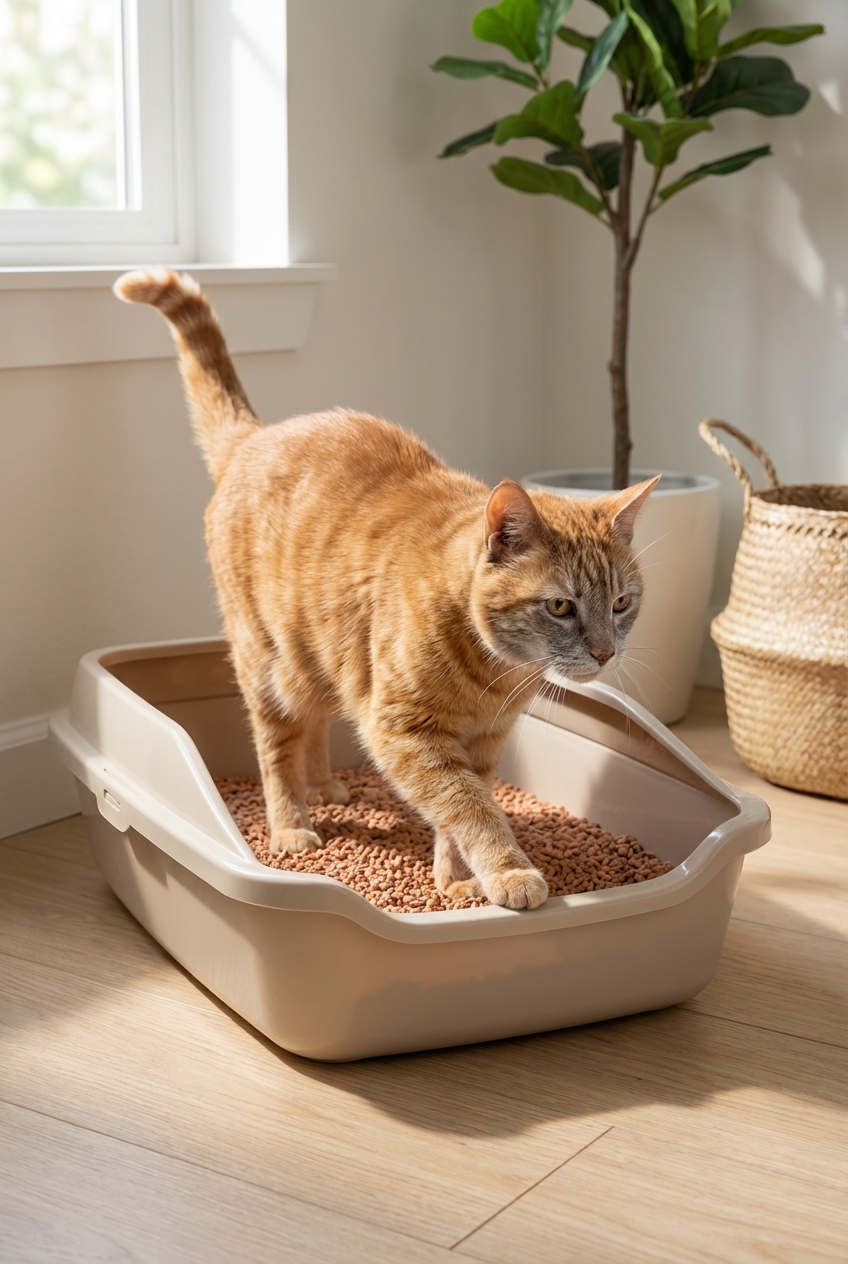
- Choose low-entry litter boxes for stiff or arthritic cats
- Reduce clutter in common walking paths
- Limit access to hazards if your cat seems unsteady (stairs, balconies, slick floors)
Set up litter boxes for success
- Provide enough boxes (a common rule is one per cat, plus one extra)
- Consider larger boxes with a low entry and stable footing
- Keep litter type and box location consistent if your cat is easily confused
- If your cat is missing the box, try uncovered boxes in quiet, easy-to-reach areas
Support calmer nights
- Offer an evening play session (gentle, not overstimulating)
- Feed a small meal later in the evening if your vet approves
- Create a predictable bedtime routine
- Use soothing background sound (a fan or soft white noise)
Track symptoms like a pro
Bring notes to your appointment. A simple log is incredibly helpful.
- When the behavior happens (time of day)
- What triggers it (guests, noises, moving furniture)
- Eating, drinking, weight changes
- Litter box patterns and stool quality
- Video clips of pacing, vocalizing, or disorientation (if safe to capture)
Treatment options
Management is usually a combination approach, tailored to the individual cat and their other health conditions. I also like to set expectations kindly and clearly: there is no single, reliably effective “anti-dementia” medication for cats. When we see improvement, it is often because we treated an underlying medical issue, reduced pain, lowered anxiety, and made the environment easier to handle.
- Medical care: Treating underlying conditions like thyroid disease, high blood pressure, kidney disease, pain, or urinary issues can dramatically improve behavior.
- Pain control: Arthritis is extremely common in senior cats and can contribute to irritability, sleep disruption, and litter box avoidance.
- Diet and supplements: Your veterinarian may recommend diets or supplements aimed at brain support (often antioxidants, omega-3 fatty acids, or other targeted nutrients). Some options have limited cat-specific evidence, and quality varies, so always ask your vet before starting anything new.
- Environmental enrichment: Predictable routines, gentle play, and low-frustration enrichment (short sessions, lick mats, simple food puzzles) can help cats stay engaged without becoming overwhelmed.
- Anxiety support: Pheromone products or veterinarian-prescribed medications may be appropriate for some cats.
Progress often looks like fewer nighttime disruptions, better litter box consistency, and a cat that seems more settled in their space.
Follow-up matters: Senior cats often do best with regular rechecks, especially if blood pressure, thyroid levels, kidney values, appetite, or weight are changing. Your vet can recommend a schedule based on your cat’s needs.
FAQs
At what age does feline dementia start?
It is most often recognized in senior and geriatric cats, and risk increases with age. Some cats show subtle signs in their later senior years, while others do not show noticeable changes until they are quite old.
Is loud nighttime meowing always dementia?
No. It can also be related to hyperthyroidism, high blood pressure, pain, hearing loss, vision changes, or anxiety. It is a symptom worth checking out, not a diagnosis by itself.
Can cognitive dysfunction be cured?
It is typically not “curable,” but it is often manageable. The goal is comfort, function, and quality of life, and that can improve a lot with the right plan.
Next step
If your gut is telling you something is off, trust that instinct. Start a quick symptom log, make a few home adjustments for safety, and schedule a senior cat exam. The earlier we sort out what is happening, the more options you usually have to help your cat feel like themselves again.
Reminder: This article is educational and not a substitute for veterinary care. If your cat has sudden symptoms or urinary trouble, seek veterinary help right away.