Know what normal breathing looks like, how to count resting respiratory rate, and which signs mean urgent care. Covers URI, asthma, pneumonia, heart-related ...
Article
•
Designer Mixes
Feline Cough: Causes, Clues, and Care

Shari Shidate
Designer Mixes contributor
Coughing in cats can be confusing and a little scary, especially because cats are masters at hiding illness. A cough can be as mild as an occasional throat-clearing hack or huff, or as intense as a repeated, forceful episode that looks like your cat is trying to hack something up. The key is this: coughing is a symptom, not a diagnosis. What helps most is noticing patterns and getting the right help early.
As a veterinary assistant, I always tell pet parents to focus on what you can observe at home: what the cough sounds like, how often it happens, and what else is going on with breathing, appetite, energy, vomiting, and litter box habits. Those details can help your vet narrow down the cause faster.
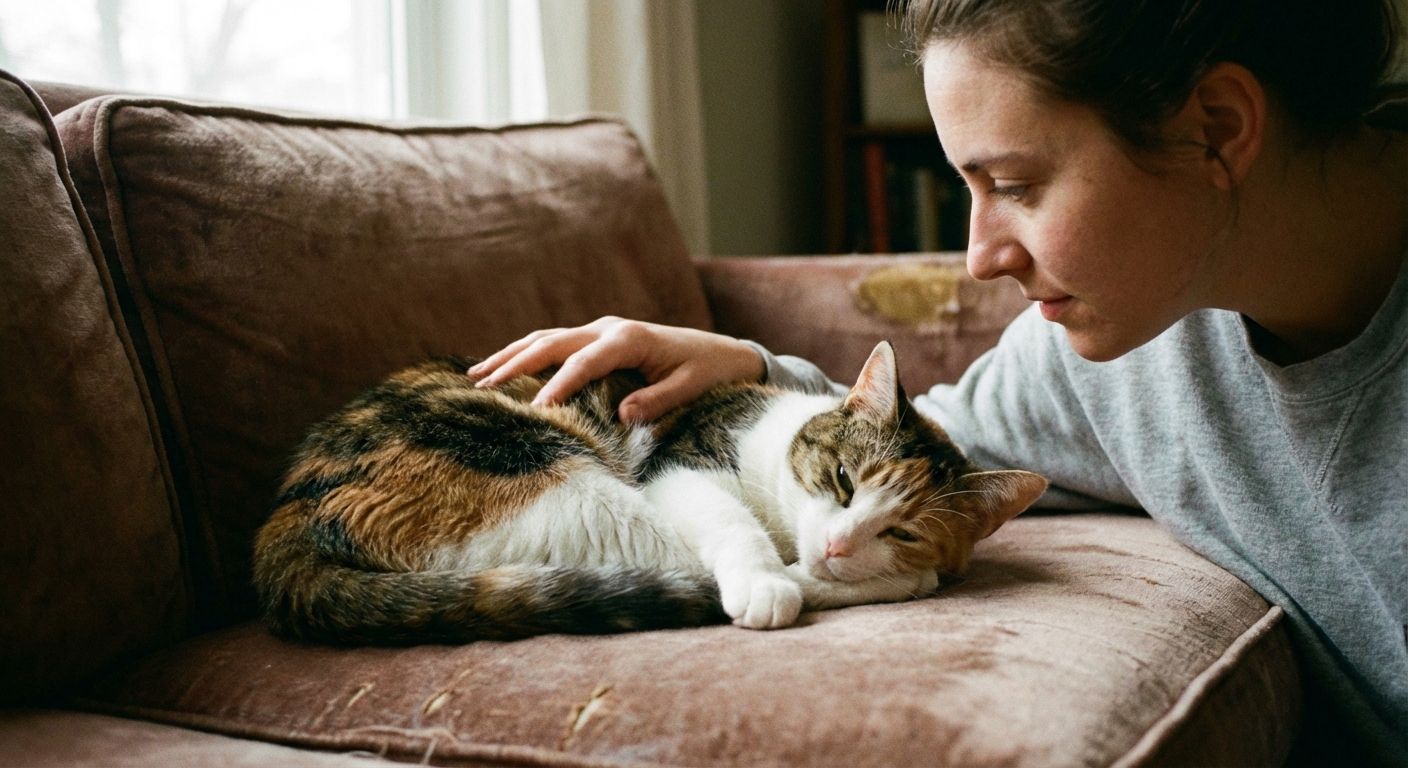
What a cat cough can sound like
Cats cough for a variety of reasons, and the sound can overlap with other behaviors. Many people mistake coughing for hairball gagging, and vice versa.
Coughing vs hairballs
- Cough: Often a dry, hacking sound, sometimes in repeated bursts. Your cat may crouch low with neck extended.
- Hairball gagging: More of a retching pattern, sometimes with swallowing motions. It may end with a hairball or stringy saliva or foam.
- Wheezing: A whistling sound, especially on exhale, can point toward lower-airway irritation such as feline asthma.
If your cat has repeated unproductive retching, especially with foam and no hairball produced, treat it as a medical clue, not just “normal hairball stuff.” It can go along with nausea, airway disease, or other issues that need a vet visit.
Don’t forget reverse sneezing
Reverse sneezing can look dramatic, but it is different from a cough. Cats may stand still with an extended neck and make repeated snorting or honking inhalations, like they are trying to pull air in quickly. It can happen with nasal irritation and post-nasal drip. If you are not sure which one you are seeing, a video helps a lot.
If you can safely do so, record a short video of the episode on your phone. In the clinic, that video is pure gold for helping us identify whether we are seeing cough, gag, reverse sneezing, or true respiratory distress.

Common causes of coughing in cats
There is no single “most common” reason for every cat, but these are frequent culprits we see in practice. Some are minor and some need quick medical care.
Feline asthma or chronic bronchitis
Feline asthma is a common cause of chronic or recurring cough. It is an inflammatory condition of the lower airways. Cats may cough, wheeze, breathe faster than normal, or have episodes triggered by dust, smoke, fragrances, and stress.
Upper respiratory infection
Viral and bacterial upper respiratory infections more often cause sneezing, congestion, nasal discharge, and watery eyes. Some cats can also develop a cough, especially if irritation extends into the throat or lower airways, but coughing is not always present.
Heart disease and fluid in or around the lungs
Not all coughing is “just respiratory.” Some heart conditions can lead to fluid accumulation that affects breathing. Cats are less likely than dogs to cough from heart disease, and coughing is not a reliable hallmark in cats. More commonly, cats with cardiac disease show faster breathing at rest, breathing effort, or sudden open-mouth breathing, so any breathing change should be taken seriously.
Parasites (lungworms) or other infections
In some areas and lifestyles, parasites can be involved. Outdoor access, hunting, and exposure to intermediate hosts can increase risk. Your veterinarian may recommend fecal testing or specific treatments based on your cat’s history.
Irritants in the home
Smoke, scented candles, diffusers, cleaning sprays, dusty litter, fireplace soot, and even construction dust can inflame sensitive airways. Some cats are simply more reactive than others.
Foreign material or vomiting-related irritation
Occasionally, inhaled debris or aspiration related to vomiting can trigger coughing. This is one reason we pay attention to vomiting frequency, swallowing issues, and any change in appetite or weight.
Tumors or polyps
Less common, but important to rule out in older cats or in coughs that steadily worsen over time.
Other possibilities
Some cough-like episodes are related to dental disease, oral inflammation, or nausea. Nasal disease with post-nasal drip can also cause throat irritation that looks like coughing. Only an exam and the right tests can sort these apart.
Red flags: when coughing is an emergency
Please do not wait if you see any of the signs below. Cats can decompensate quickly when breathing is compromised.
- Open-mouth breathing (not after intense play, and especially at rest)
- Blue, gray, or very pale gums
- Rapid breathing at rest, or belly heaving with each breath
- Increased effort like flared nostrils, an extended neck, or your cat seeming unable to get comfortable
- Weakness, collapse, or extreme lethargy
- Coughing fits that do not stop or happen back-to-back
- Refusing food and water with breathing changes
- Weight loss or ongoing vomiting along with coughing
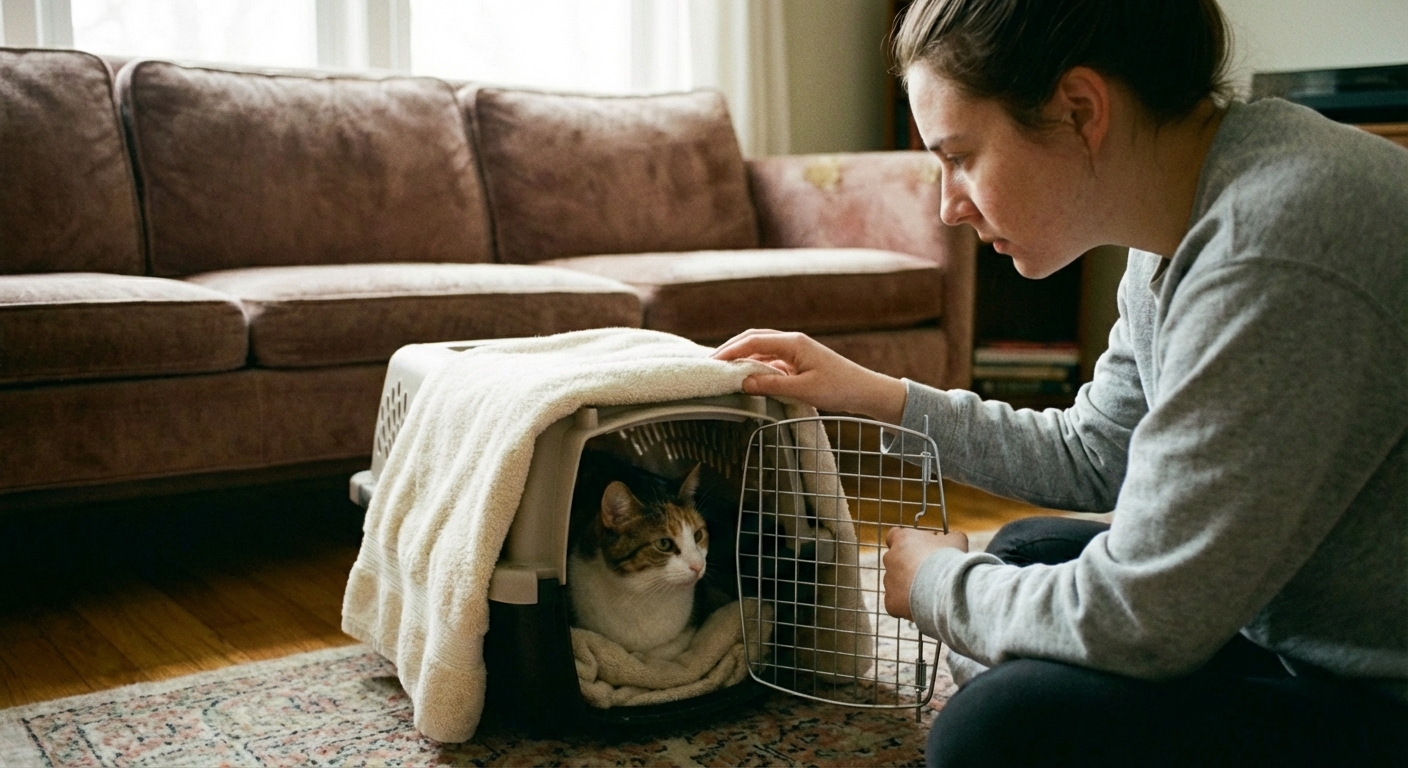
If you are unsure, err on the side of caution and call an emergency clinic. A calm, quiet carrier and minimizing stress can make a real difference for a struggling cat.
What your veterinarian may do
Diagnosing a feline cough is a bit like detective work. The “best” test depends on your cat’s age, environment, and how stable their breathing is at the time of the exam.
History and exam
Your vet will ask about frequency, triggers, litter type, fragrances in the home, recent boarding, vaccination status, and whether your cat goes outdoors. They will also listen carefully to the lungs and heart.
Chest X-rays
Radiographs can reveal asthma patterns, pneumonia, fluid, masses, or heart enlargement. This is a very common next step for persistent cough.
Fecal testing or parasite screening
When lungworms or other parasites are possible, your veterinarian may recommend fecal testing or an empiric deworming plan based on risk.
Heart evaluation
If there is concern for heart disease, your vet might recommend bloodwork, blood pressure, or an echocardiogram with a cardiologist.
Airway sampling
In some cases, a bronchoalveolar lavage (BAL) or other sampling helps identify infection, inflammatory cells, or less common causes. This is typically done under anesthesia with careful monitoring.
At-home steps while you schedule care
Home care is not a substitute for diagnostics when a cough is persistent, but these changes can reduce airway irritation and help you gather useful information.
1) Reduce inhaled irritants
- Stop smoking indoors and avoid vaping around pets.
- Pause plug-in air fresheners, diffusers, incense, and strong candles.
- Switch to low-dust, unscented litter.
- Use gentle, unscented cleaners and keep your cat away until surfaces are fully dry.
2) Support hydration and comfort
- Offer fresh water in multiple locations.
- Consider a cat water fountain if your cat enjoys running water.
- Use a cool-mist humidifier if your home is very dry, and clean it exactly as directed to prevent mold or bacterial buildup. Avoid adding essential oils.
3) Track patterns like a pro
Write down:
- How many coughing episodes per day or week
- Time of day (after play, after litter box, during grooming)
- Any wheeze, gag, or swallowing behavior
- Appetite, energy, vomiting, and weight changes
- Resting respiratory rate when your cat is asleep
How to count resting breathing rate
When your cat is asleep or truly resting, watch the chest rise and fall. Count breaths for 30 seconds and multiply by 2. Many resting cats fall around 16 to 30 breaths per minute. A sustained rate over 30, a rising trend over a few days, or any visible effort is a good reason to call your veterinarian promptly.

Treatment options
Treatment depends entirely on the cause. This is why getting the diagnosis right matters. Here are common approaches your veterinarian may recommend.
For feline asthma or chronic airway inflammation
- Inhaled steroids to reduce inflammation with fewer whole-body side effects than long-term oral steroids.
- Bronchodilators to open airways during flare-ups.
- Environmental control to reduce triggers like dust and fragrances.
If your cat is prescribed an inhaler, your veterinary team can teach you how to use a spacer device at home. Most cats can learn this gradually with calm handling and positive reinforcement.
For infections
- Supportive care for viral illness
- Antibiotics when bacterial infection is suspected or confirmed
- Sometimes additional testing if pneumonia is a concern
For parasites
- Targeted deworming medication and prevention strategies
- Follow-up testing if symptoms persist
For heart-related causes
- Medications to reduce fluid and support heart function when indicated
- Ongoing monitoring and possibly referral to a veterinary cardiologist
A few important “don’ts”
- Do not give human cough medicine unless your veterinarian specifically instructs you to.
- Do not use essential oils or scent therapy around a coughing cat.
- Do not force “steam therapy” in a bathroom with a hot shower without veterinary guidance. Heat and stress can make breathing worse for some cats.
- Do not delay care if your cat’s breathing rate or effort is changing, even if the cough seems mild.
Your cat’s cough is data. With a few careful observations and the right veterinary workup, you can usually get from “mystery symptom” to a clear plan.
Prevention and long-term management
Not every cough is preventable, but many triggers are. Small changes often add up to big relief for sensitive cats.
- Keep vaccinations current based on your veterinarian’s recommendations.
- Use year-round parasite prevention if your cat’s lifestyle puts them at risk.
- Choose low-dust litter and avoid harsh fragrances.
- Schedule wellness exams so subtle breathing changes are caught early.
- Maintain a healthy weight, since extra weight can make breathing more difficult.
Frequently asked questions
Is it normal for cats to cough?
An occasional isolated cough can happen, but a recurring cough is not something to dismiss. If your cat coughs more than once in a while, or the pattern is changing, schedule a veterinary visit.
Can hairballs cause coughing?
Hairballs typically cause gagging and retching, but airway irritation can occur alongside frequent grooming and vomiting. If you are seeing repeated episodes with no hairball produced, treat it as a true cough until proven otherwise.
Should I give my cat human cough medicine?
No. Many human medications are unsafe for cats, and suppressing a cough without diagnosing the cause can delay critical treatment. Always ask your veterinarian first.
Next steps
If your cat’s cough is new, frequent, or paired with any breathing change, I recommend scheduling a veterinary exam soon and bringing a video if you can capture one safely. With the right plan, many cats with chronic coughing, especially asthma, can live comfortable, happy lives.