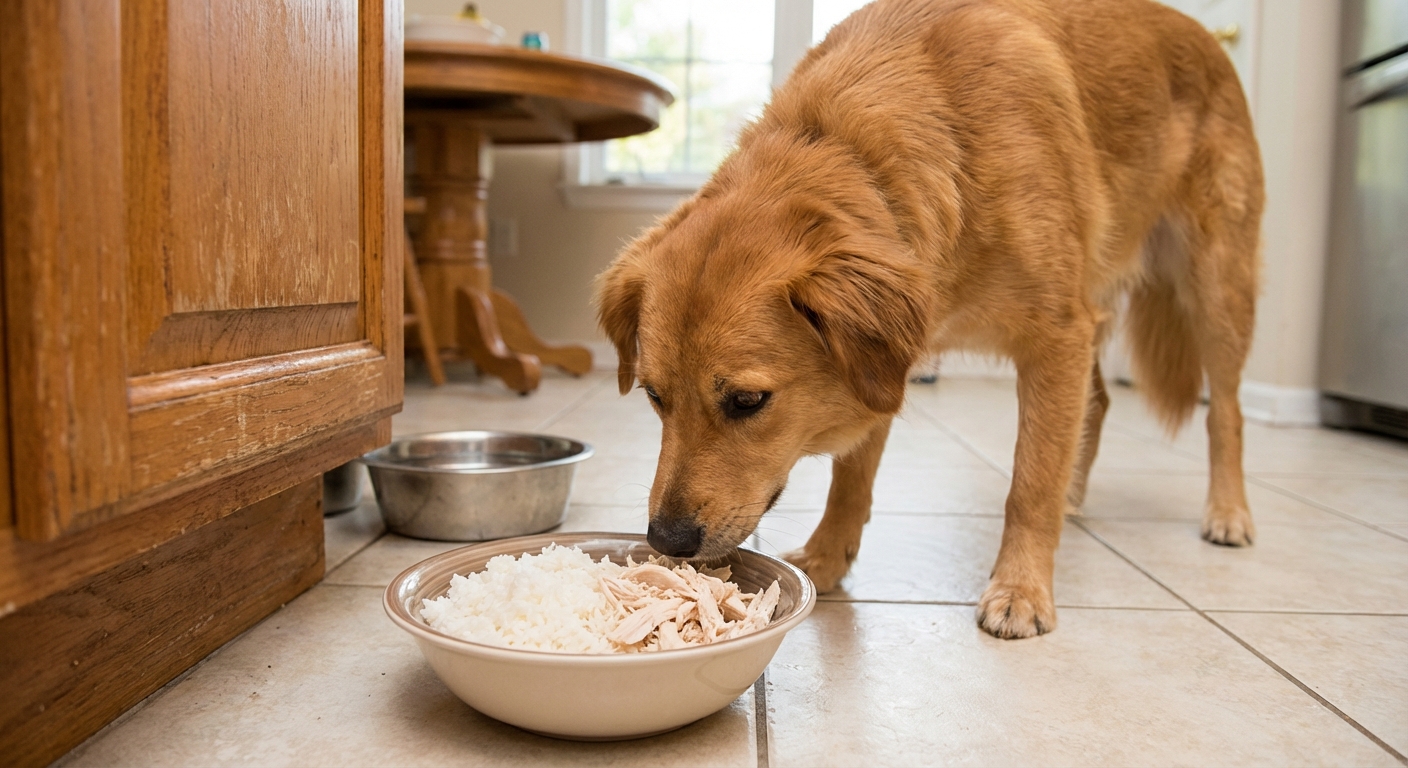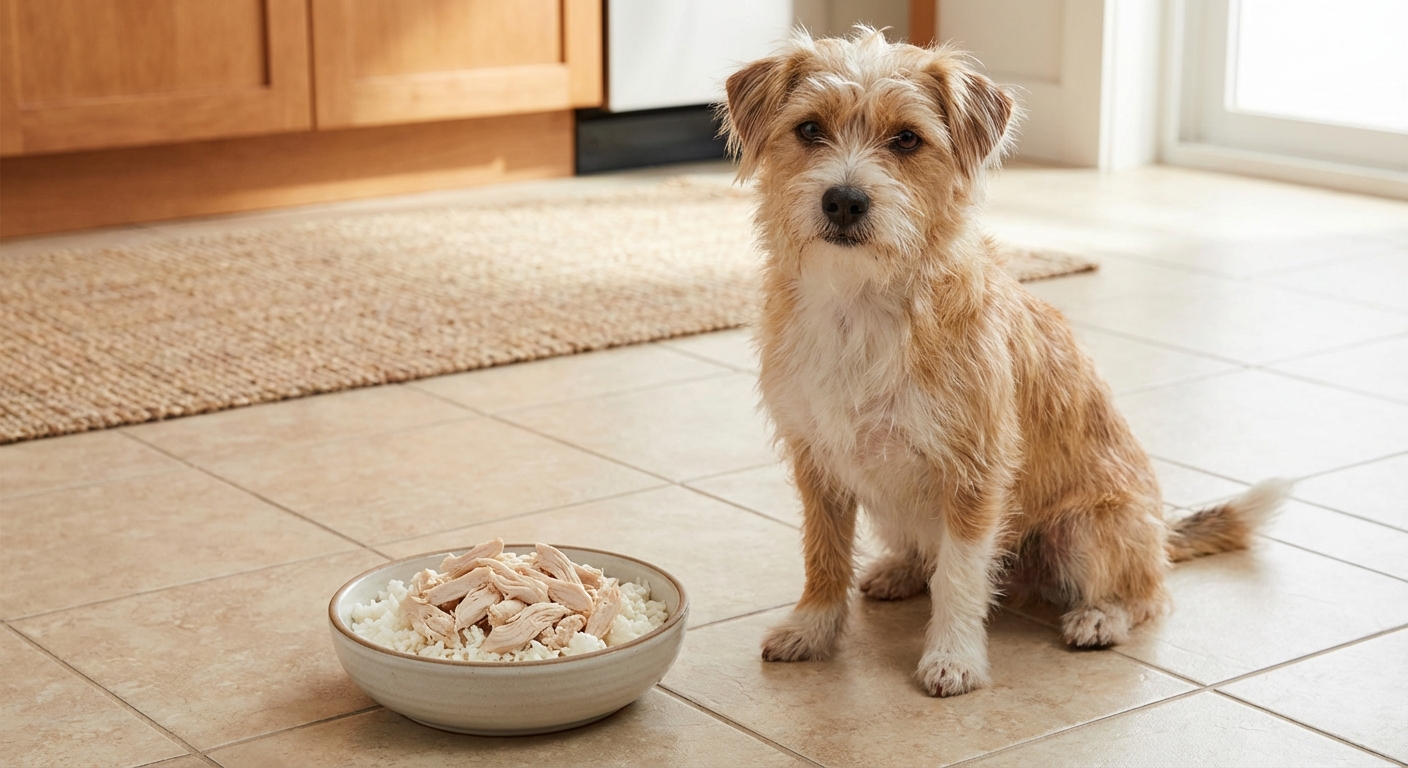
Chicken and rice can soothe mild stomach upset and help dogs transition back to normal food. Learn safe recipes, portions, how long to feed it, and when to c...
Article
•
Designer Mixes
Feed a Dog With Diarrhea

Shari Shidate
Designer Mixes contributor
Seeing diarrhea in your dog can feel scary and urgent. As a veterinary assistant, I want you to know two things can be true at once: many mild cases improve quickly at home, and some cases need a veterinarian right away. This handbook will help you decide what to feed, what to avoid, how much to offer, and when to stop home care and seek help.
Important: This is general education and not a substitute for a veterinary exam. If your dog is very young, very old, pregnant, has chronic disease, or is on medications, call your veterinarian early. Diarrhea can dehydrate dogs faster than people realize.
First: Is this an emergency?
Before focusing on food, check for red flags. These symptoms mean you should call your vet or an emergency clinic now, even if your dog is still eating.
- Blood in the stool (bright red) or black, tarry stool (can be digested blood and is urgent)
- Repeated vomiting, or cannot keep water down
- Marked lethargy, weakness, collapse, or painful belly
- Signs that may include dehydration: tacky or sticky gums, sunken-looking eyes, reduced energy, decreased urination
- Diarrhea in a puppy (especially under 6 months), or any unvaccinated dog
- Known toxin exposure (xylitol, grapes/raisins, rodent bait, human medications)
- Suspected foreign body (chewed toys, socks, bones, corn cobs)
- Diarrhea lasting more than 24 to 48 hours, or recurring episodes
If none of the above applies and your dog is otherwise bright, hydrated, and interested in food, supportive feeding can be appropriate while you monitor closely.
Why diarrhea happens
Diarrhea is a symptom, not a diagnosis. Common triggers include dietary indiscretion (trash, fatty foods), sudden food changes, stress, parasites, bacterial overgrowth, viruses, food sensitivities, pancreatitis, or inflammatory bowel disease.
The goal of feeding during diarrhea is to:
- Support hydration and electrolytes
- Reduce gut irritation while still providing energy
- Offer easily digestible protein and gentle carbohydrates
- Support a healthier gut microbiome with appropriate fiber and probiotics
Hydration first
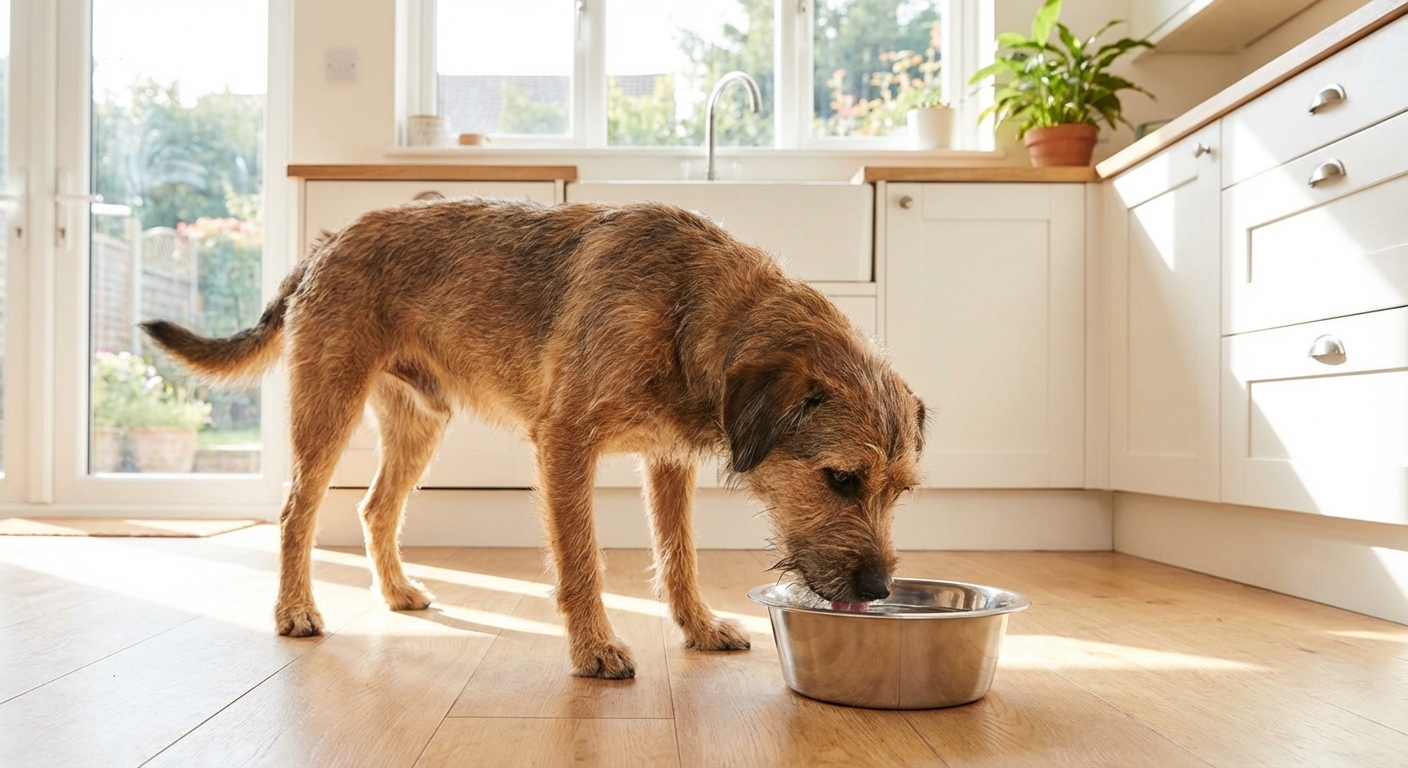
Water is non-negotiable. If your dog is losing fluid in stool, you must replace it. If vomiting prevents your dog from keeping water down, that is a reason to seek veterinary care.
At-home hydration tips
- Offer fresh water frequently. Some dogs drink more when water is cool and the bowl is cleaned.
- Try small, frequent sips if your dog drinks too fast and vomits.
- Ice cubes can help slow intake for some dogs.
- Ask your vet before using electrolyte solutions. Some human products have sweeteners that are dangerous for dogs.
Quick dehydration check: Gently lift the skin over the shoulders. If it snaps back quickly, hydration is more likely okay. If it stays tented, that is a concern and a reason to call your vet. This test is not perfect. Age, body condition, and breed can affect it, so use it alongside gum moisture, your dog’s energy level, and whether they are peeing normally.
Should you fast?
For many adult dogs with mild diarrhea and no vomiting, you do not need a long fast. The modern approach is often gut rest plus gentle nutrition rather than skipping meals entirely. In plain terms, that means smaller portions, lower fat, and fewer ingredients.
- Adult dogs: Some veterinarians may recommend a short pause of about 8 to 12 hours in select cases (for example, nausea), then starting small bland meals. If you are unsure, call and ask before fasting.
- Puppies and toy breeds: Fasting can be risky due to low blood sugar. Feed small bland meals and call your veterinarian.
What to feed: bland basics
A bland diet is simple, low-fat, and easy to digest. Think: gentle protein plus a gentle carbohydrate base.
Best proteins (choose one)
- Boiled skinless chicken breast, shredded
- Boiled lean turkey
- Very lean ground meat, cooked and drained well (higher-fat options can trigger pancreatitis in predisposed dogs)
- Low-fat cottage cheese (only if your dog tolerates dairy)
- Scrambled egg cooked without butter or oil (simple and often well tolerated)
Best carbohydrate bases (choose one)
- White rice (classic option, highly digestible)
- Boiled peeled potato (no butter, no seasoning)
Simple starting ratio
Many dogs do well with about 1 part protein to 2 parts carbohydrate base for the first day, then gradually increase protein as stools firm up. The “right” ratio varies by dog, so let the stool be your guide.
How much to feed
Start small. For the first 24 hours of bland feeding, offer small meals 3 to 6 times a day rather than one or two large meals. These are starting points, so adjust based on your dog’s size, metabolism, and usual daily intake.
- Small dogs: 1 to 2 tablespoons per meal to start
- Medium dogs: 1/4 to 1/2 cup per meal to start
- Large dogs: 1/2 to 1 cup per meal to start
If your dog keeps it down and diarrhea improves, increase portion size gradually over 1 to 3 days.
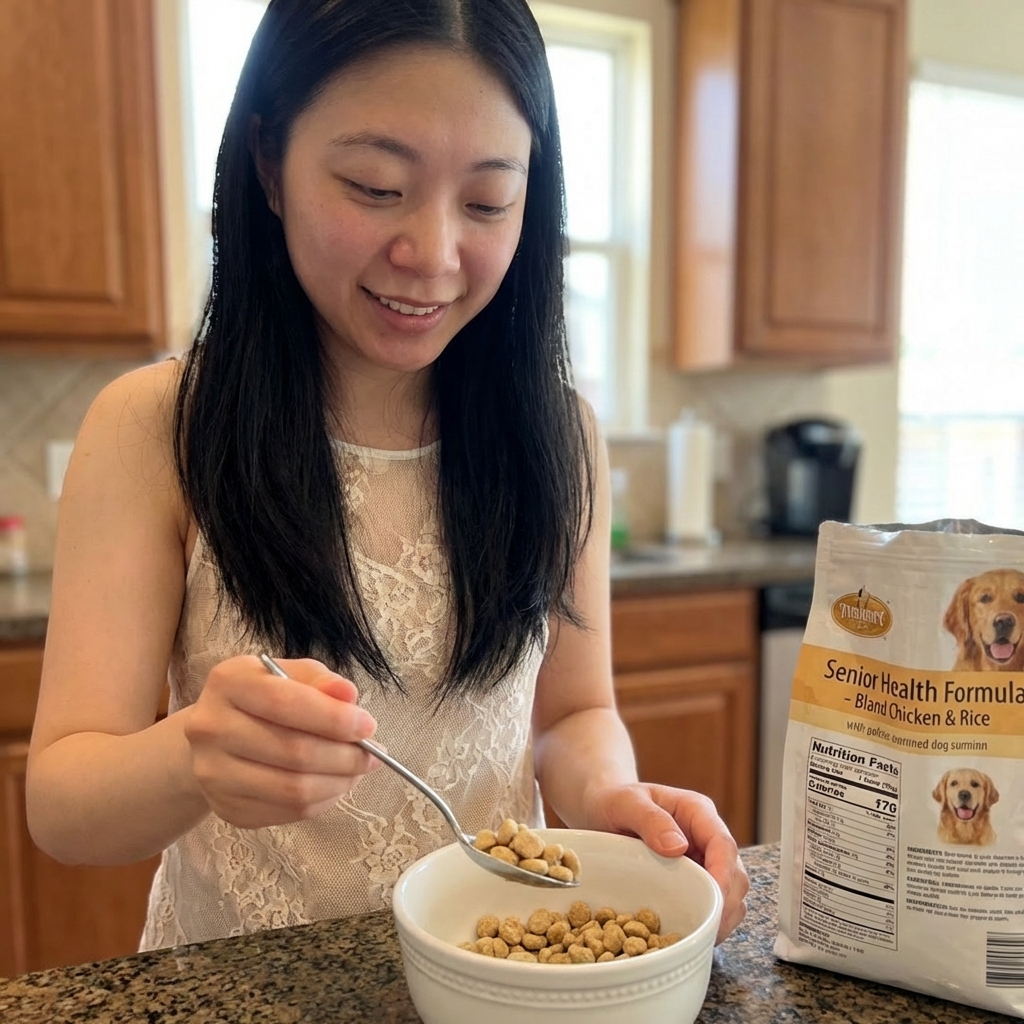
How long to stay bland
Typically 2 to 3 days after stools normalize. If your dog is not improving within 24 to 48 hours, contact your veterinarian.
What to expect
In many mild cases, stool starts to improve within 24 to 48 hours and your dog should remain bright, reasonably hydrated, and willing to eat. If your dog is getting worse at any point, becomes weak, stops drinking, vomits repeatedly, or you see blood, stop home care and call your vet.
What not to feed
When a dog has diarrhea, certain foods can prolong inflammation or trigger pancreatitis.
- High-fat foods: bacon, sausage, rich treats, fried foods
- Milk or rich dairy (unless your vet advised and your dog tolerates it)
- Spicy or heavily seasoned foods
- Raw diets during acute diarrhea (higher bacterial risk)
- Broths with onion, garlic, or their powders
- “People food” scraps, especially greasy leftovers
- New treats or chews, especially rich ones
Reminder: Onions, chives, and garlic are toxic to dogs and can cause anemia. Do not use them.
Fiber and pumpkin
Fiber can be a gentle tool for some dogs with mild diarrhea. Plain canned pumpkin (not pie filling) contains mixed fiber and may help some dogs form better stool, but not every gut responds well. It is optional, not required.
How to use pumpkin
- Small dogs: 1/2 to 1 teaspoon with meals
- Medium dogs: 1 to 2 teaspoons with meals
- Large dogs: 1 tablespoon with meals
If diarrhea worsens or your dog becomes gassy and uncomfortable, stop and call your vet. Added fiber may not be appropriate with infection, parasites, or suspected pancreatitis.
Probiotics
There is some evidence that certain veterinary probiotics may shorten the duration of diarrhea in dogs, especially stress-related diarrhea or mild, uncomplicated cases.
- Choose a veterinary-formulated probiotic when possible.
- Use as directed for 5 to 14 days, depending on product and your dog’s history.
- If your dog is immunocompromised or very ill, talk to your veterinarian before using probiotics.
If your dog is on antibiotics, probiotics may still help, but timing can matter. Ask your vet for spacing recommendations.
Simple meal plans
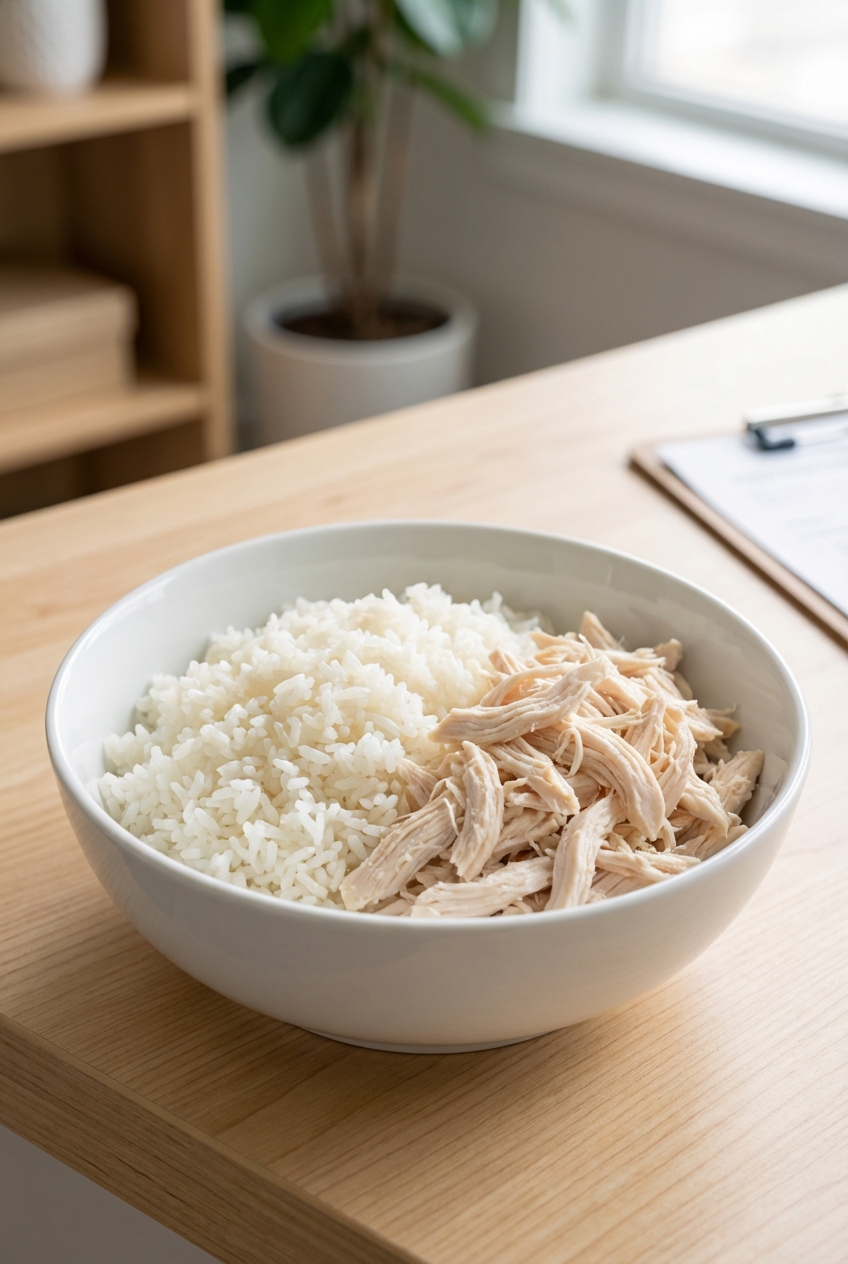
Option 1: Chicken and rice
- Boiled skinless chicken breast, shredded
- White rice, fully cooked and soft
- Optional: a small measured amount of plain pumpkin (see the Fiber section for doses)
Option 2: Turkey and potato
- Lean ground turkey, cooked and drained
- Boiled peeled potato, mashed plain
Option 3: Egg and rice
- Scrambled egg cooked without oil
- White rice
Keep it simple: no butter, no oils, no seasoning. Your dog can go back to delicious variety once their gut is calm again.
Back to normal food
Once stools are formed for 24 to 48 hours and your dog is acting normal, transition slowly to avoid a relapse.
- Days 1 to 2: 75% bland diet, 25% regular food
- Days 3 to 4: 50% bland diet, 50% regular food
- Days 5 to 6: 25% bland diet, 75% regular food
- Day 7: 100% regular food
If diarrhea returns at any step, go back to the previous ratio for 24 to 48 hours and contact your vet if the pattern continues.
If it keeps coming back
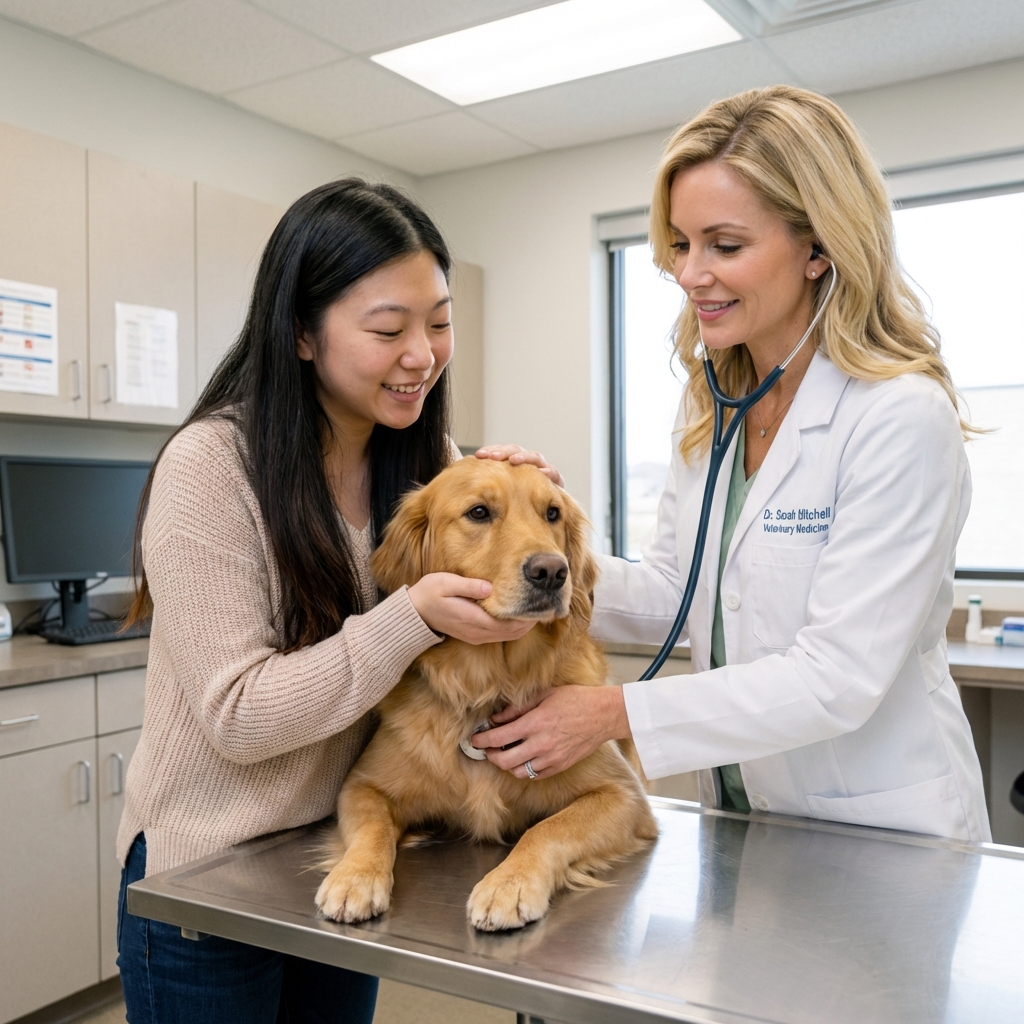
If diarrhea keeps returning, feeding alone is not enough. You need answers. Common next steps at the clinic include:
- Fecal testing for parasites and Giardia
- Diet history review, treat audit, and food trial if needed
- Bloodwork to assess hydration, inflammation, and organ function
- Testing for pancreatitis when signs fit (vomiting, belly pain, greasy stool)
- Discussion of long-term gut support diets or prescription options
Chronic loose stool can also be linked to stress, allergies, inflammatory bowel disease, endocrine disease, or issues with absorbing nutrients. A tailored plan from your vet makes a big difference.
Track the stool
I always tell pet parents: your dog’s poop is information. Track it for a few days.
- Frequency: how many times per day
- Volume: small frequent amounts versus large piles
- Consistency: pudding-soft, watery, formed but soft
- Color: normal brown versus black, pale, or bright red streaks
- Extras: mucus, worms, foreign material
If you can bring a fresh stool sample to your vet, do it. Ideally, bring one that is only a few hours old. If you need to store it briefly, seal it in a bag or container and refrigerate it until your appointment. This speeds up the path to the right treatment.
Medication warnings
Do not give human anti-diarrhea medications unless your veterinarian specifically instructs you to. Some can be dangerous in dogs, especially in herding breeds, small dogs, and dogs with certain medical conditions. If your dog needs medication, your vet will choose something appropriate for the cause and your dog’s size and health status.
The bottom line
For many mild cases, the proven approach is simple: prioritize hydration, feed small bland meals, avoid fats and treats, consider a vet-grade probiotic if appropriate, and transition slowly back to normal food. Most importantly, trust your instincts. If your dog seems “off,” is getting worse, cannot keep water down, or you see blood, call your veterinarian. Quick action can prevent dehydration and bigger complications.
When in doubt, choose safety: a quick call to your vet is never a waste, and it can save your dog a lot of discomfort.