Compare wet vs dry cat food with vet-informed pros and cons. Learn how moisture affects urinary and kidney health, how carbs and calories differ, and when co...
Article
•
Designer Mixes
Family-Friendly UTI in Cats: Symptoms, Care and Litter Box Help

Shari Shidate
Designer Mixes contributor
When a cat gets a urinary tract infection (UTI) or any urinary problem, the whole family feels it. You might notice your sweet cat suddenly peeing outside the litter box, crying in the box, or licking their private area more than usual. It is stressful, confusing, and honestly a little scary.
As a veterinary assistant, I want you to know two important things: many urinary issues are treatable, and some urinary signs can be an emergency. This guide will help you recognize symptoms, know when to call the vet right away, and support your cat at home with family-friendly routines and simple, kind habit-building tips.
UTI or something else?
People often say “UTI” when a cat has any urinary trouble, but cats can have several conditions that look similar. Some are infections, and many are not. The symptoms overlap, but the treatment can be very different.
Quick definitions in plain language: FLUTD means lower urinary tract problems (the bladder and urethra). FIC is inflammation of the bladder that is often stress-related and not caused by bacteria.
- Bacterial UTI: less common in many younger, otherwise healthy cats, and more likely in older cats or cats with underlying issues (like diabetes or kidney disease).
- FLUTD: an umbrella term for bladder and urethral problems.
- Idiopathic cystitis (FIC): bladder inflammation often linked with stress; very common in younger to middle-aged cats.
- Urinary crystals or stones: can irritate the bladder or block urine flow.
- Urethral obstruction: most common in male cats (but possible in females too); this is an emergency.
Because these problems can look alike at home, the safest plan is to treat urinary signs as “needs a vet visit” instead of “wait and see.”
Symptoms families notice
Here are the most common urinary symptoms in cats. You do not need to see all of them to take action.
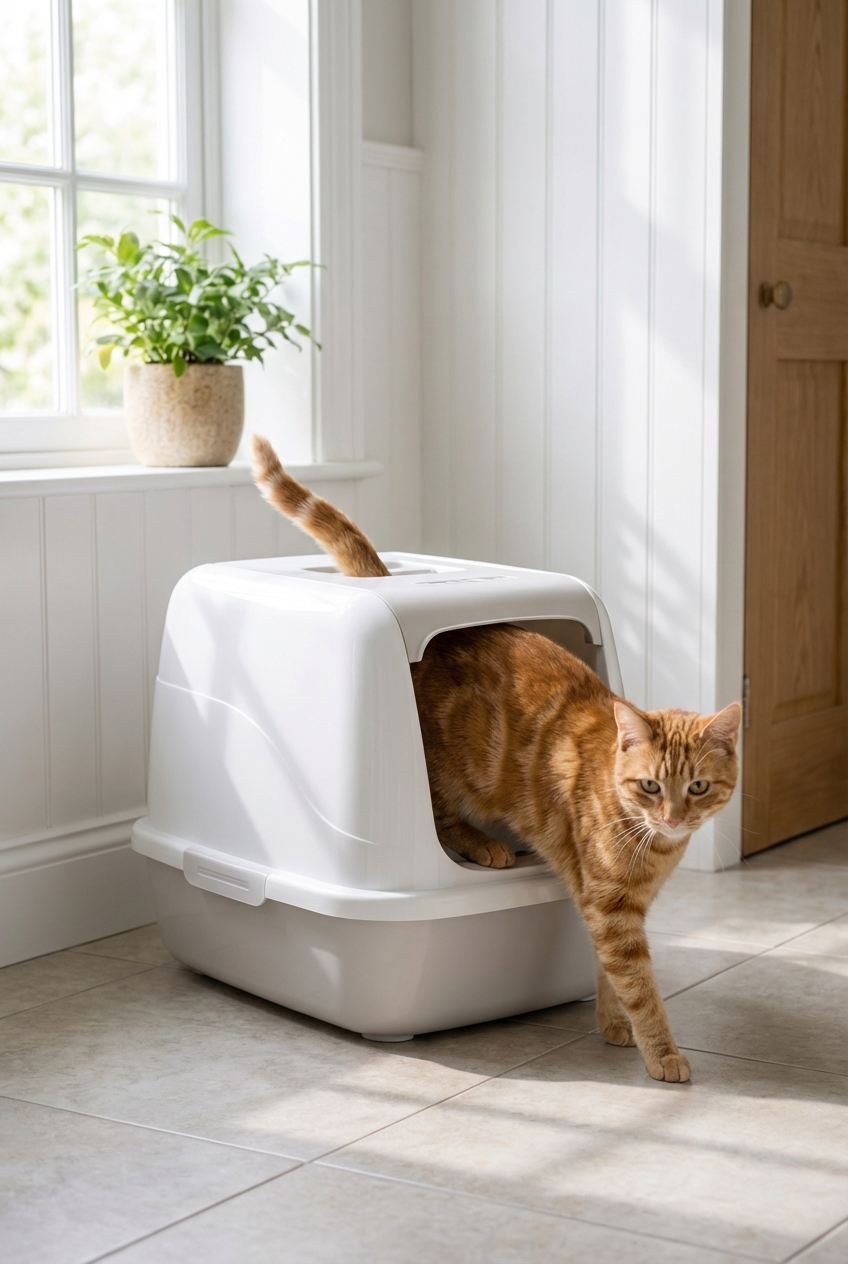
- Frequent trips to the litter box, especially with little urine produced
- Straining to urinate or taking a long time in the box
- Crying or yowling while urinating
- Blood in urine or urine that looks pink or rust-colored
- Peeing outside the litter box, sometimes on cool surfaces like bathtubs or tile (a common pattern with discomfort, but not diagnostic)
- Excessive licking of the genital area
- Strong-smelling urine (nonspecific and can vary with concentration, diet, and hydration)
- Behavior changes like hiding, irritability, or reduced appetite
When it is an emergency
If your cat cannot pass urine, treat it as an emergency. A urinary blockage can become life-threatening quickly, especially for male cats.
Small amounts vs none
This is the tricky part: a blocked cat may still pass a few drops. From the outside, it can look like “trying to pee” with almost nothing coming out. If you are unsure whether your cat is producing a normal stream, it is safest to get checked right away.
Go to an emergency vet now if you notice:
- Repeated straining with no urine or only a few drops produced
- A hard, painful belly or your cat cries when picked up
- Vomiting, extreme lethargy, collapse, or acting “drunk”
- Hiding and refusing food and water along with straining
If you are not sure whether urine is coming out, assume it is not and get seen immediately.
What the vet may do
A good urinary workup is designed to answer one big question: is this infection, inflammation, crystals, stones, or obstruction?
- Urinalysis to look for blood, inflammation, crystals, and urine concentration
- Urine culture to confirm a bacterial UTI and choose the right antibiotic
- X-rays or ultrasound to check for stones
- Bloodwork if your cat is older, very sick, or there is concern for kidney disease or diabetes
Your clinic may collect a urine sample using a sterile method. Often this is done by cystocentesis (a small needle into the bladder) because it reduces contamination and improves test accuracy.
If it is a true bacterial UTI, antibiotics are often needed. If it is idiopathic cystitis, treatment may focus more on pain control, stress reduction, and hydration.
Family note: Please do not use leftover antibiotics or human UTI medications. They can be unsafe for cats and can also make it harder to treat the real cause.
Home care while you wait
If your cat is passing urine and acting stable, here are supportive steps you can take right away. These do not replace veterinary care, but they can help your cat feel more comfortable.
Encourage hydration
- Offer fresh water in multiple locations, especially quiet areas.
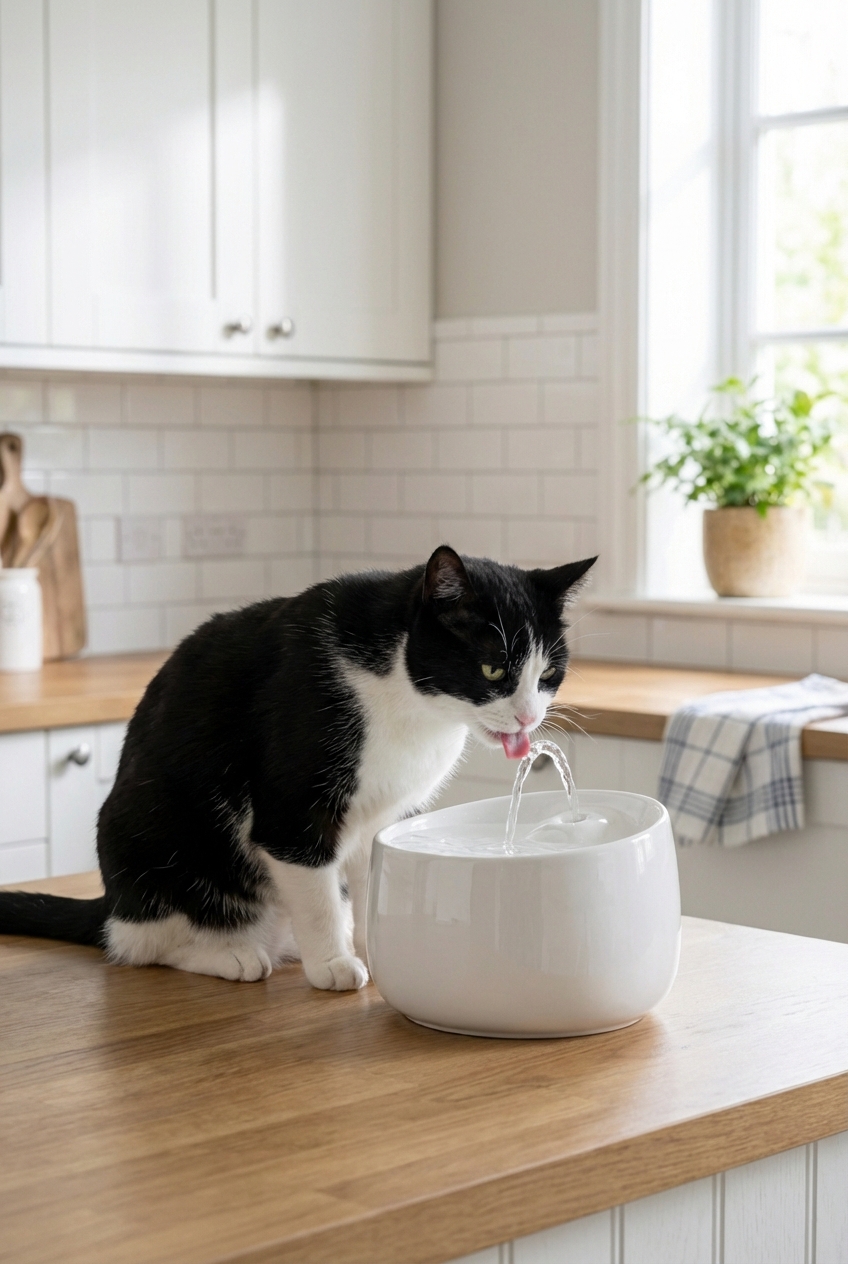
- Try a pet water fountain if your cat likes moving water.
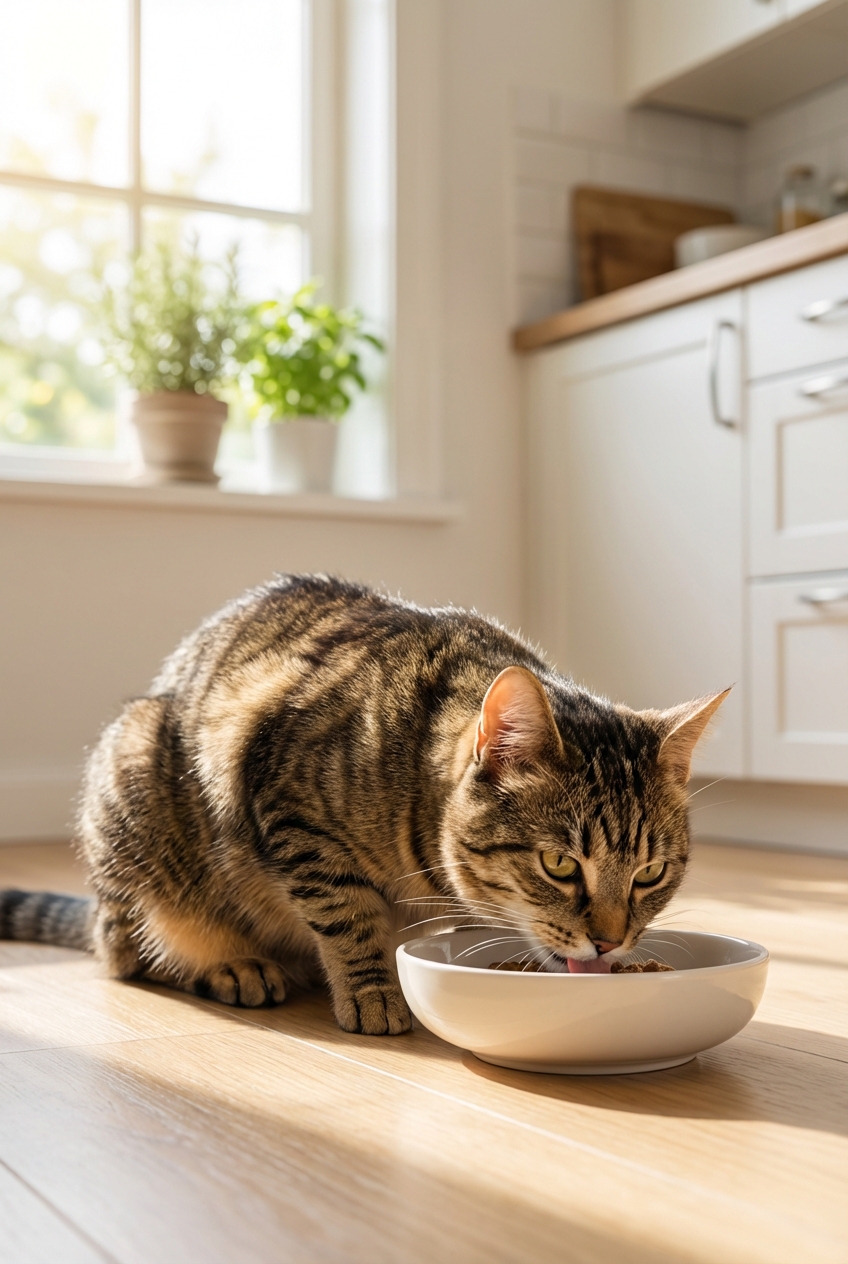
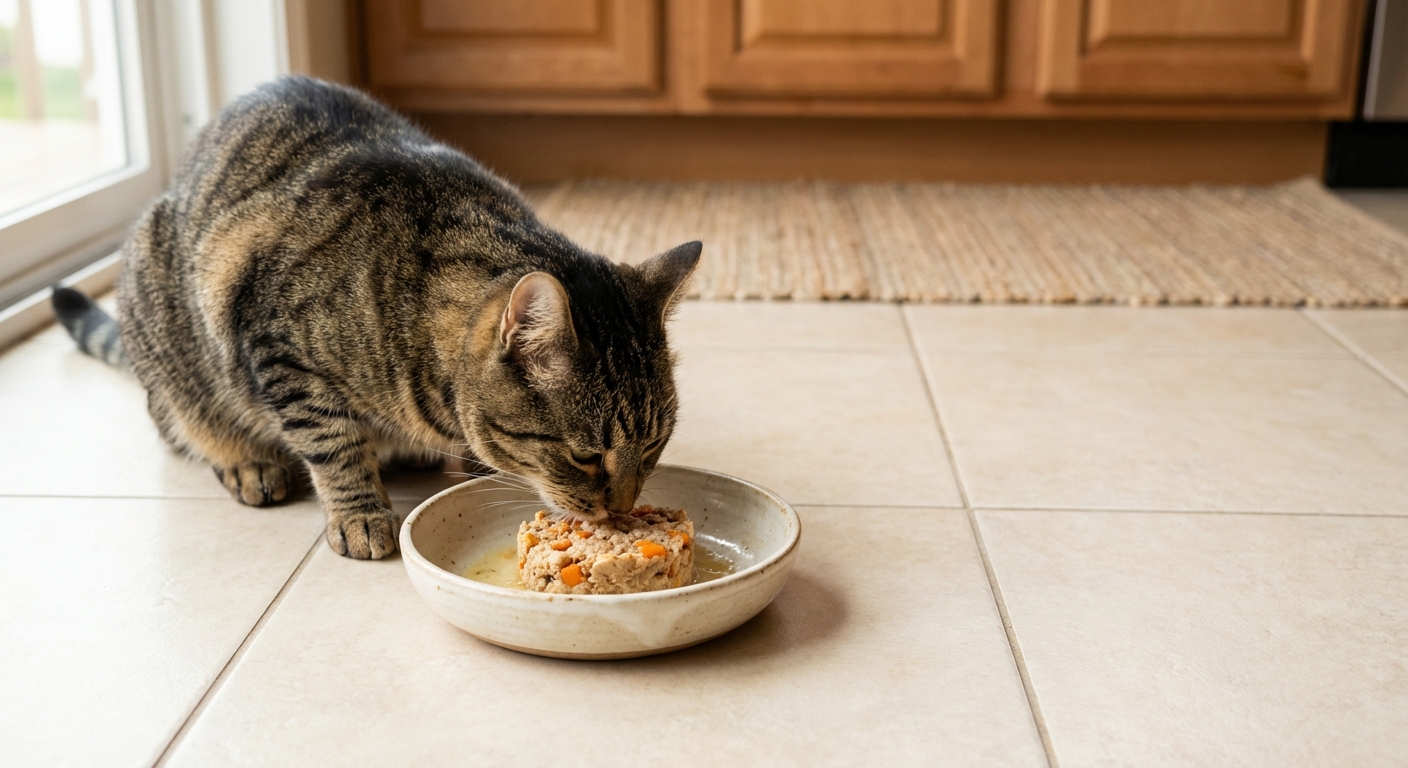
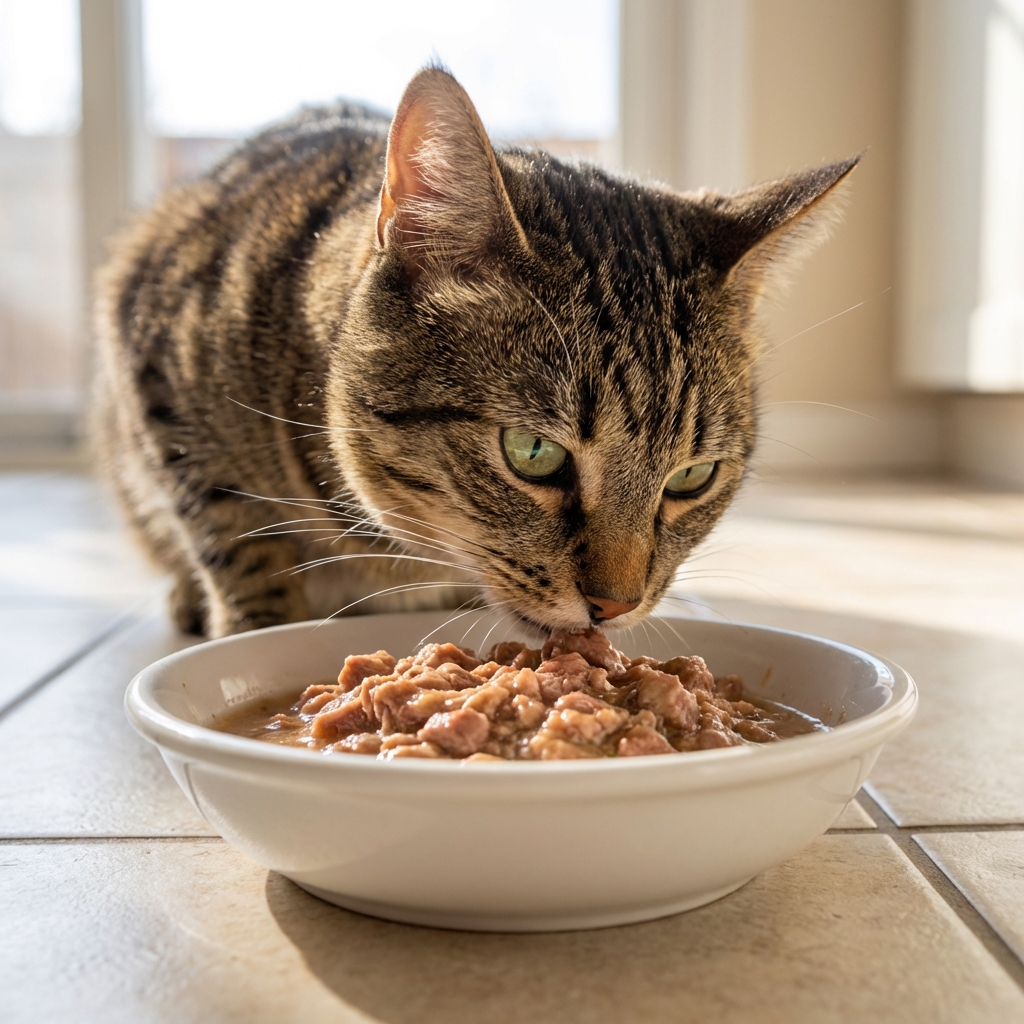
- Add a little extra water to wet food to increase moisture intake.
- Feed more wet food if your veterinarian agrees. Hydration matters for urinary health.
Make the litter box inviting
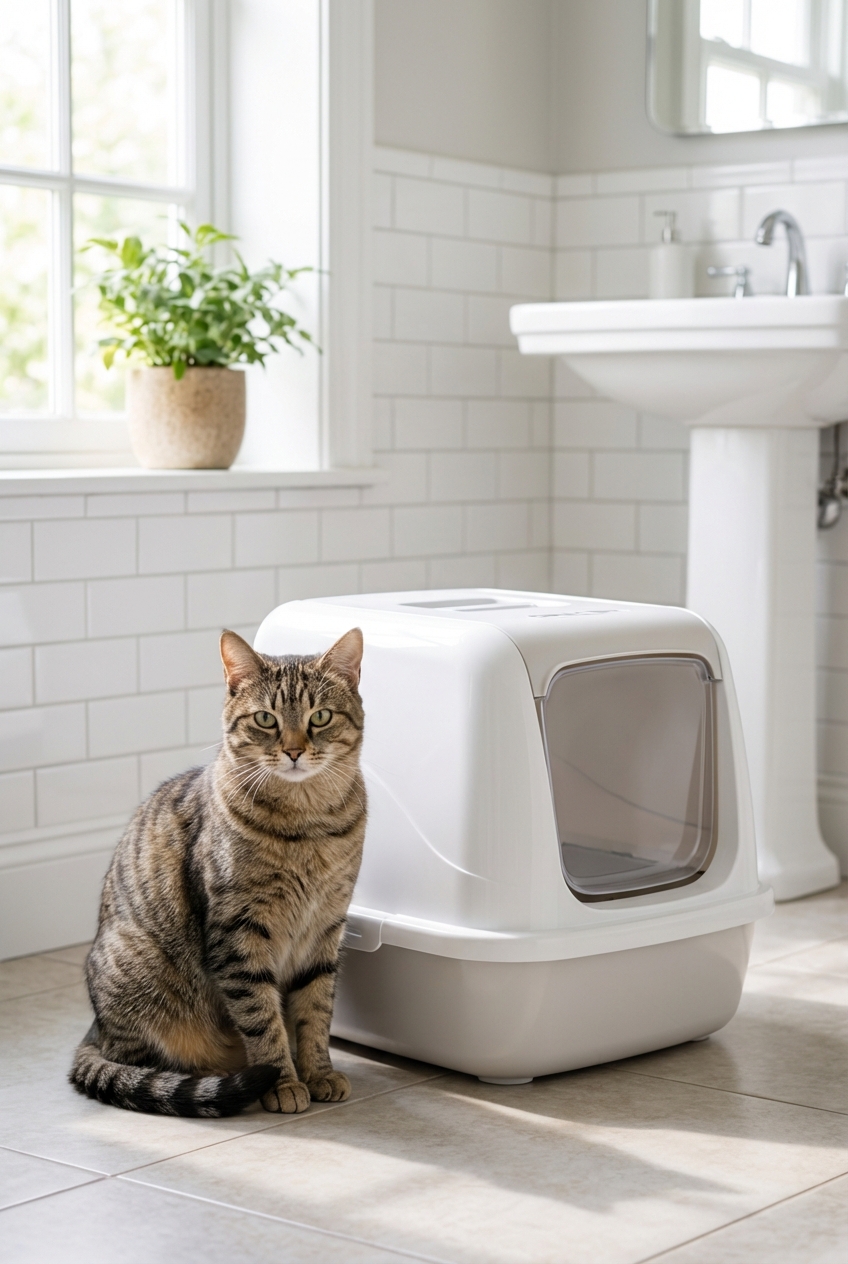
- Scoop at least once daily. Twice daily is even better during flare-ups.
- Use unscented litter. Strong fragrances can discourage sensitive cats.
- Make sure boxes are easy to enter, especially for older cats.
- Place boxes away from noisy appliances and busy kid traffic.
Reduce stress
- Give your cat a calm “recovery room” with food, water, a litter box, and a cozy hiding spot.
- Keep routines consistent: feeding times, play times, and quiet time.
- Use gentle interactive play (like a wand toy) to relieve tension without overhandling.
What not to do
- Do not delay care if your cat is straining, producing very little urine, or seems painful.
- Do not give human UTI meds, leftover antibiotics, or pain relievers unless your vet specifically instructs you.
- Skip essential oils and strong fragrances near your cat or litter boxes.
- Avoid supplements marketed for UTIs (like cranberry or D-mannose) unless your vet recommends them for your cat’s specific situation.
- Do not force water by syringe unless your veterinarian directs you. This can cause choking or stress.
Rebuilding litter box habits
One of the hardest parts for families is the peeing outside the box. It can feel like a behavior problem, but with urinary discomfort, it is often your cat’s way of saying, “I hurt.” Punishment can increase stress and make urinary issues worse.
Step 1: Assume pain first
If accidents start suddenly, treat it as a medical issue until proven otherwise. Once your cat feels better, you can rebuild litter box confidence.
Step 2: Set up success
- Add a box temporarily. A good rule is one box per cat, plus one extra.
- Place a box near the accident area at first, then gradually move it to the best long-term spot.
- Choose a large, open box if your cat seems cramped or anxious.
Step 3: Clean like a pro
Use an enzymatic cleaner made for pet urine. Regular cleaners can leave behind scent cues that tell your cat, “This is a bathroom.”
Step 4: Reward the right choice
When you notice your cat using the box, quietly offer a small treat afterward or gentle praise. The goal is to rebuild a positive association without adding pressure.
Step 5: Kid-friendly house rules
- No chasing the cat, especially near litter boxes.
- Give the cat a “no-touch zone” room or corner.
- Teach kids that meowing in the litter box can mean pain, not misbehavior. Tell an adult right away.
Prevention habits
Once your cat is feeling better, prevention becomes the name of the game. Many urinary problems recur, especially stress-related cystitis.
Nutrition and moisture
- Ask your veterinarian whether a urinary-support diet is appropriate for your cat’s specific diagnosis.
- Prioritize moisture. Many cats benefit from increasing wet food or adding water to meals.
- Avoid frequent abrupt food changes. Transition gradually over 7 to 10 days unless your vet advises otherwise.
Weight, play, and routine
- Maintain a healthy weight. Obesity is associated with higher urinary risk in many cats.
- Offer short play sessions daily. Think 5 to 10 minutes a couple times per day.
- Keep litter boxes clean and accessible, especially in multi-level homes.
Stress support for sensitive cats
- Stick to predictable routines.
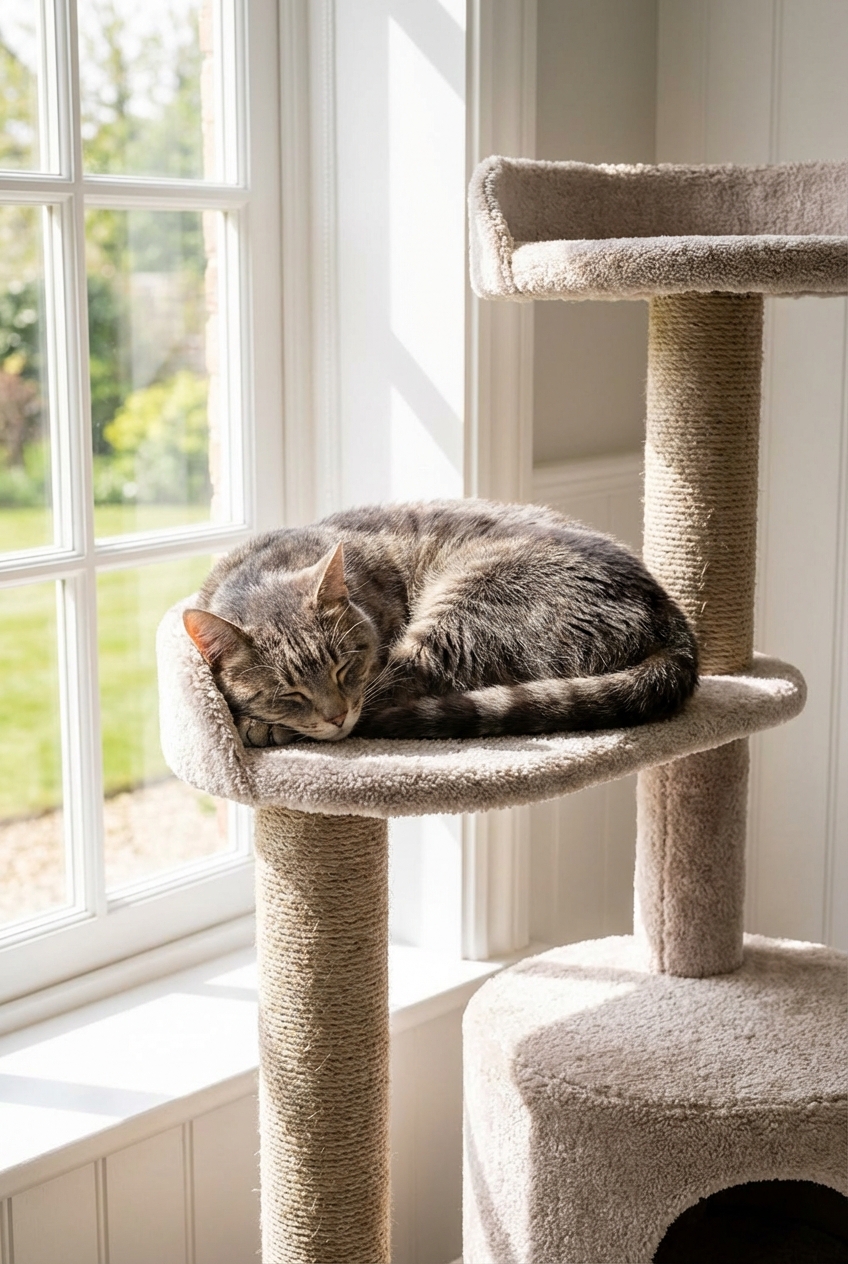
- Provide vertical space like a sturdy cat tree.
- Use slow introductions for new pets, babies, or home changes.
Questions for your vet
- Is this a confirmed bacterial UTI, or could it be idiopathic cystitis or crystals?
- Was a urine culture done, and do we need one?
- Does my cat need pain medication and any urethral relaxants if indicated?
- Should we change foods, add wet food, or consider a prescription urinary diet?
- How will we monitor for recurrence, and what signs mean I should come back immediately?
- If antibiotics are prescribed, do we need a recheck urinalysis or culture after finishing them?
A gentle takeaway
Urinary issues in cats are common, and they are not your fault. If your cat is showing UTI-like symptoms, you are already doing the right thing by paying attention. Focus on three priorities: get veterinary guidance, increase comfort and hydration, and make the litter box feel safe and easy again.
If you want one simple plan for today: take a quick video of your cat’s litter box behavior, scoop and refresh the box, offer extra water or wet food, and call your vet for the next available appointment. And if your cat is straining with no urine or only drops, go in now.