Vet-assistant tips to ease dog allergy itch safely at home: rinses, oatmeal baths, omega-3s, cool compresses, and lick prevention—plus remedies to avoid an...
Article
•
Designer Mixes
Family-Friendly Home Remedies for Itchy Dogs

Shari Shidate
Designer Mixes contributor
If your dog is licking, scratching, or rubbing their face on the rug like it is their full-time job, you are not alone.
In my work as a veterinary assistant here in Frisco, Texas, I see itchy skin every single week. The good news is that many mild itch flare-ups can be soothed at home with simple, low-risk steps, as long as you know what to watch for and when to call your vet.
This guide focuses on safe, evidence-based home care you can start today, plus the red flags that mean it is time for a professional exam. These tips are meant for mild itch and are not a substitute for diagnosis when your dog is uncomfortable, worsening, or developing sores.
First, figure out the type of itch
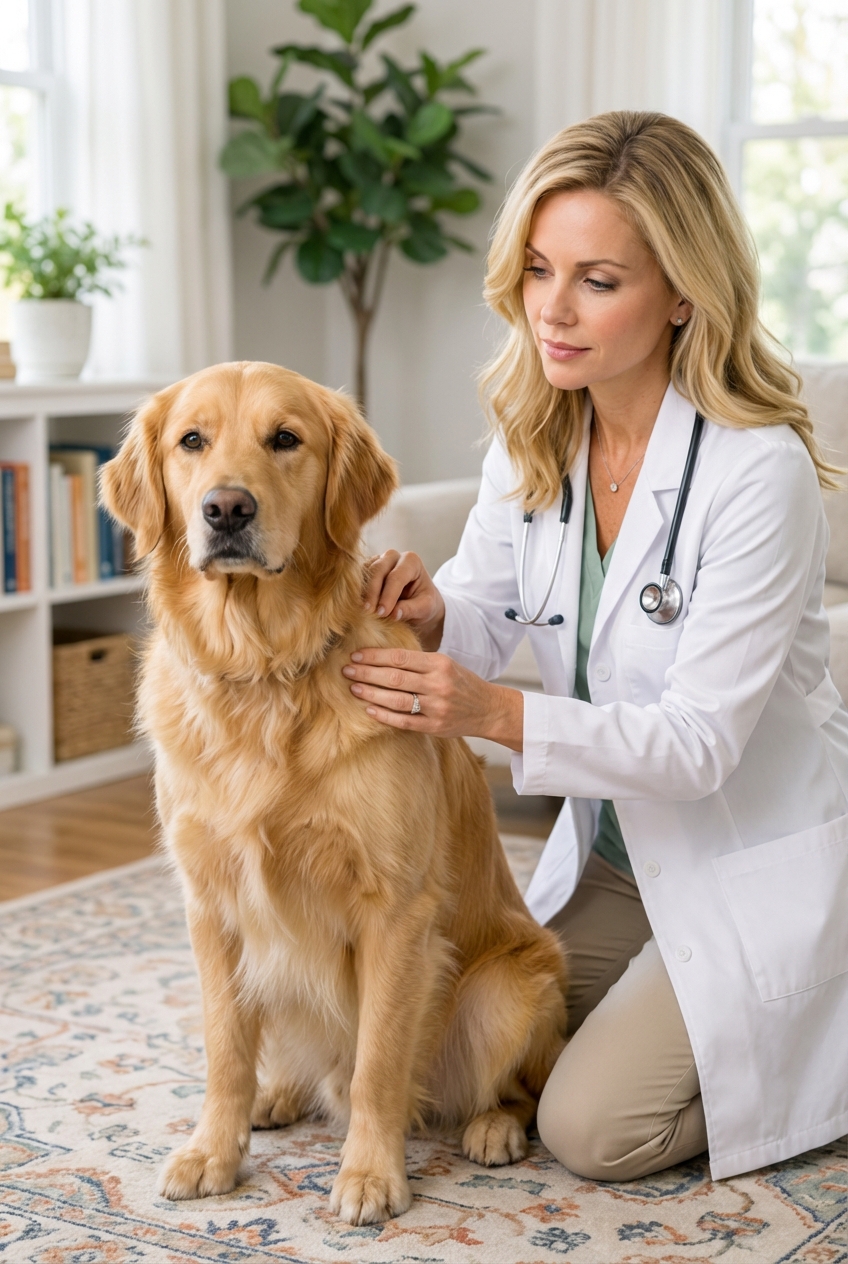
Itchy skin is a symptom, not a diagnosis. Home remedies work best when the itch is mild and you can remove the trigger. The most common causes I see are:
- Fleas or flea allergy dermatitis: Some dogs react intensely to even one bite.
- Environmental allergies (atopy): Pollen, grasses, molds, and dust mites can cause itch that may be seasonal or year-round.
- Dry skin or an irritated skin barrier: Overbathing, harsh shampoos, cold weather, or low humidity.
- Food sensitivity: Less common than environmental allergies, but possible.
- Skin infections: Bacteria or yeast often follow after licking and scratching break the skin.
- Mites or ringworm: Some conditions are contagious to other pets and people.
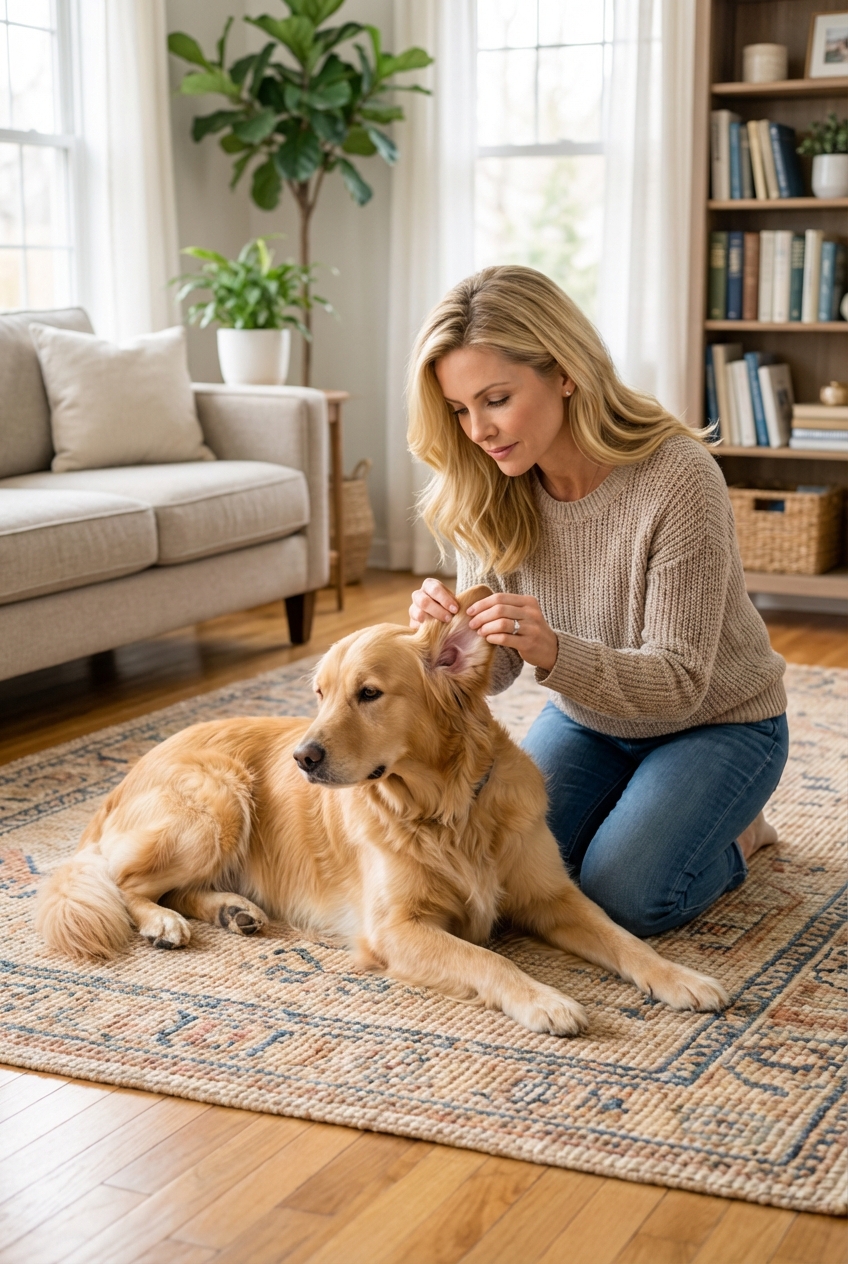
Quick home check: Look for flea dirt (tiny black specks that may turn reddish-brown when wet), redness between toes, ear odor, greasy skin, flaky dandruff, scabs, or hair loss. Flea dirt is a strong clue, but not a perfect test. If you see open sores, oozing, or your dog seems painful, skip home remedies and call your vet.
When home care is OK
Home care is reasonable when
- Itch is mild to moderate and your dog is otherwise acting normal.
- No open wounds, no foul odor, and no thick crusting.
- Your dog is eating and drinking normally.
- You can keep them from chewing and making things worse.
Call your vet today if you notice
- Swollen face, hives, vomiting, trouble breathing (possible allergic reaction).
- Hot spots (wet, raw patches), bleeding, or pus.
- A strong “corn chip” or rancid odor that can be associated with yeast overgrowth, especially on paws or skin folds.
- Head shaking, painful ears, or discharge (ear infections need proper meds).
- Itch that keeps your dog from sleeping or is worsening over 24 to 48 hours.
- Hair loss in circles or anyone in the household developing itchy spots (possible ringworm, though mites and allergies can look similar).
Home remedies should soothe and protect skin, not mask a growing infection. If it is not clearly improving within 48 hours, get it checked.
Helpful at-home options
These options are gentle, inexpensive, and generally safe when used correctly. Choose one or two to start, then reassess.
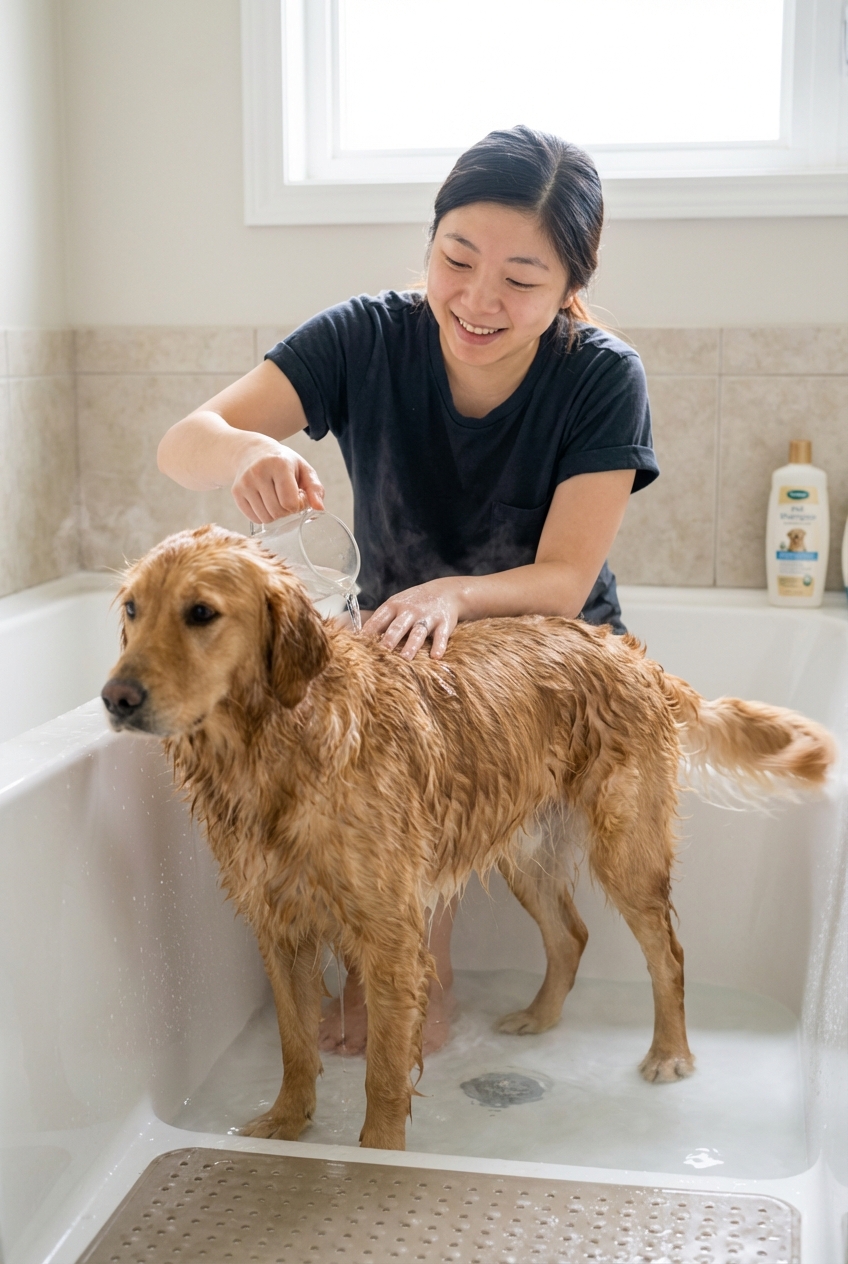
1) Lukewarm oatmeal bath
Colloidal oatmeal can calm itch by supporting the skin barrier and reducing irritation. You can buy colloidal oatmeal made for pets, or make a simple version at home.
- Grind plain oats into a very fine powder (a blender works).
- Add to a tub of lukewarm water until it feels silky.
- Soak your dog for 10 minutes, avoiding eyes and inside the ear canals.
- Rinse as needed based on your dog’s coat and skin, then towel dry thoroughly. Avoid leaving the coat damp.
Tip: Hot water can make itching worse. Lukewarm is your best friend.
2) Cool compresses
If the itch is in one area, a cool compress can reduce the urge to scratch.
- Use a clean washcloth dampened with cool water.
- Hold it on the area for 3 to 5 minutes.
- Repeat a few times daily.
Important: Do not use ice directly on skin.
3) Rinse off allergens
For environmental allergies, the goal is to remove pollen and other irritants before they sit on the skin. This is one of the most effective, low-risk habits for many households.
- Wipe paws, belly, and legs with a damp cloth after walks.
- Or do a quick lukewarm rinse (no full shampoo needed).
- Dry well between toes.
4) Gentle dog shampoo routine
Overbathing can dry skin, but appropriate bathing can reduce allergens and microbes. For many itchy dogs, a gentle bath every 1 to 2 weeks during flare season can help. Look for pet shampoos labeled for sensitive skin, oatmeal, or ceramides. Avoid heavy fragrance and avoid using human shampoos.
If your veterinarian prescribes a medicated shampoo protocol, follow that plan even if it is more frequent.
5) Omega-3s for skin support
Omega-3 fatty acids (EPA and DHA) have evidence for reducing inflammation and supporting skin and coat health over time. This is not an instant fix, but it can make flare-ups less intense.
- Use a pet-specific fish oil with clear dosing by weight.
- Introduce slowly to avoid loose stool.
- Store properly to prevent rancidity (cool, dark place).
Safety note: At higher doses, omega-3s may increase bleeding risk and can interact with anticoagulant medications. Fish oil also adds fat and calories, so dosing matters, especially for dogs with a pancreatitis history. When in doubt, ask your veterinarian to recommend a dose and product.
6) Stop the lick cycle
Sometimes the best home remedy is simply stopping the damage. Licking and chewing create a cycle that leads to hot spots and infections.
- Use an e-collar (cone), inflatable collar, or a recovery suit.
- Keep nails trimmed to reduce skin trauma.
- Distract with enrichment: frozen food toys, sniff walks, short training sessions.
What to avoid
I know the internet means well, but some popular “natural” ideas can make skin worse or be unsafe for kids and pets in the home.
- Essential oils on the skin or in diffusers: Many are irritating and some are toxic to pets, especially cats.
- Apple cider vinegar on raw skin: It stings and can worsen inflamed areas.
- Hydrogen peroxide: Damages healthy tissue and delays healing.
- Human anti-itch creams without vet guidance: Some ingredients are unsafe if licked.
- OTC human meds without vet guidance: Many products and doses are not dog-safe, and some can be dangerous depending on your dog’s size and health history.
- Random diet changes: Sudden switches can cause GI upset and do not diagnose food allergies.
If you suspect something contagious
If you are worried about mites (mange) or ringworm while you wait for your vet visit, use common-sense hygiene to protect the rest of the household.
- Wash hands after handling your dog and avoid close face-to-face contact until evaluated.
- Limit wrestling between pets and avoid sharing bedding.
- Wash bedding on hot and vacuum areas your dog frequents.
Many contagious skin issues are very treatable, but they need the right diagnosis and medication.
Simple itch log
If your dog is itchy more than once in a while, start tracking patterns. This helps your veterinarian pinpoint the cause faster.
- Where is the itch? Paws, ears, belly, rump, face?
- When does it happen? After walks, at night, after meals, after baths?
- What changed this week? New detergent, grooming product, treats, boarding, yard treatment?
- What helps and for how long? Oat bath, rinse, cone, bedding wash?

Prevent flare-ups
Stay consistent with flea prevention
Even indoor dogs can get fleas. Talk with your veterinarian about a prevention plan that fits your dog and your area. In Texas, fleas can be a year-round issue.
Wash the basics
- Wash bedding weekly in hot water when your dog is flaring.
- Vacuum rugs and couches regularly.
- Switch to a fragrance-free laundry detergent if you suspect contact irritation.
Keep paws clean and dry
Paw licking is one of the top early signs of allergies. Wiping and drying paws can reduce both pollen exposure and yeast overgrowth between toes.
When it keeps coming back
Chronic itch often needs a layered approach: parasite control, skin and ear checks, allergy management, and sometimes prescription medication. There is no shame in that. In fact, getting ahead of itch usually prevents infections and saves money in the long run.
If your dog’s itch is frequent, ask your veterinarian about:
- Skin cytology (quick test for bacteria and yeast)
- Flea allergy vs. environmental allergy patterns
- Food trial guidance (a true elimination diet, done the right way, often 8 to 12 weeks with no extra treats or flavored meds)
- Prescription itch control options when appropriate
Bottom line: Start gentle, protect the skin barrier, and watch for red flags. Most families can make meaningful progress with a few consistent habits, and your dog will absolutely feel the difference.