A vet assistant explains how omega-3s (EPA and DHA) support dogs’ skin, coat, joints, and some heart conditions—plus how to dose by weight, read labels, ...
Article
•
Designer Mixes
Family-Friendly Hair Loss in Dogs

Shari Shidate
Designer Mixes contributor
Seeing extra hair on the couch, in the car, or on your kid’s hoodie can be alarming. The good news is that many causes of hair loss in dogs are treatable, and some situations are as simple as a seasonal shed or basic coat and skin support. The key is knowing what’s normal, what’s not, and when to loop in your veterinarian.
Hair loss vs. shedding: what’s normal?
Most dogs shed to some degree. True hair loss, also called alopecia, usually means the coat is thinning in patches, the hair is breaking off, or bald spots are appearing.
Common “normal” shedding patterns
- Seasonal shedding in spring and fall, especially in double-coated breeds.
- More shedding indoors due to consistent home temperatures and lighting.
- Temporary coat changes after stress, travel, or illness. In some dogs, extra shedding or thinning can show up weeks later, so track it and call your vet if it persists.
Signs it may be true hair loss
- Patchy bald spots or clearly thinning areas
- Red, flaky, smelly, or moist skin
- Intense itching, rubbing, or chewing
- Hair loss around the eyes, muzzle, belly, tail base, or ears
- Recurrent ear infections or skin infections
Quick pattern clue: Symmetric thinning on both sides of the body often points toward hormonal or internal causes. Focal patches and sores more often point toward parasites, infection, irritation, or self-trauma.
The most common causes of hair loss in dogs
Hair loss is a symptom, not a diagnosis. Here are the top culprits we see in veterinary practice, in plain language.
1) Allergies (environmental or food)
Allergies are one of the biggest reasons dogs lose hair, especially from licking and scratching. Environmental allergies often flare seasonally, while food allergies can happen year-round.
- Clues: itchy paws, face rubbing, recurrent ear infections, red belly, hair thinning from chewing
- Next steps: your vet may recommend flea control (even if you do not see fleas), a diet trial, or allergy medications
2) Parasites: fleas, mites, and more
One flea bite can set off big itching in sensitive dogs. Mites, like those that cause mange, can also lead to patchy hair loss.
- Clues: hair loss near tail base, scabs, intense itch, other pets itchy too
- Next steps: reliable vet-recommended flea prevention and testing for mites such as skin scraping and other mite checks if your vet suspects them
3) Skin infections (bacterial or yeast)
Infections can be primary, but very often they are secondary to allergies. Yeast commonly causes a musty odor and greasy skin.
- Clues: odor, redness, dandruff, thickened skin, “hot spots,” crusts or scaly rings (some bacterial infections can form ring-shaped lesions that can look like ringworm)
- Next steps: your vet may do cytology (a quick microscope check) and prescribe medicated shampoo, topical therapy, or oral meds
Hormones and medical causes
Some hair loss is not itchy at all. That is a big hint to consider hormonal or internal causes.
Hypothyroidism
Low thyroid hormone can cause thinning hair, often in a symmetric pattern on the trunk and tail, plus lethargy and weight gain. Itching is not always present unless a secondary skin infection develops.
- Clues: low energy, weight gain, dull coat, recurrent infections, “rat tail” appearance
- Diagnosis: bloodwork
Cushing’s disease
Excess cortisol can lead to thin skin, hair loss, panting, increased thirst and urination, and a pot-bellied look.
- Clues: thin coat with minimal itching, increased thirst, frequent urination, pot-bellied appearance
- Diagnosis: blood and urine testing, sometimes specialized endocrine tests
Ringworm (fungus)
Despite the name, ringworm is not a worm. It can cause circular hair loss and can spread to people, especially children and immunocompromised family members.
- Clues: round patches, broken hairs, mild itch, other pets affected, family members with new circular rashes
- Next steps: vet testing and a treatment plan that includes environmental cleaning
Other causes to keep in mind
Not every bald spot is allergies or hormones. These also come up often in real life:
- Friction and pressure: calluses on elbows and hocks, collar or harness rubbing, licking where a strap sits
- Matting and coat breakage: tight mats can trap moisture and irritate skin, and hair can snap off when combed out
- Behavior and pain: persistent licking from anxiety, boredom, arthritis pain, or a sore spot (sometimes called a lick granuloma)
- Post-clipping coat changes: some double-coated breeds can regrow unevenly after shaving or heavy clipping
- Breed and genetics: some dogs develop pattern baldness or genetic coat conditions (your vet can help sort this out)
Family-friendly checklist: what you can do at home first
If your dog is bright, eating normally, and the skin does not look infected, you can start with a few safe, supportive steps while you schedule a visit if needed.
1) Start with flea control you can trust
Even indoor dogs can get fleas. Talk with your veterinarian about a consistent flea prevention plan. This is one of the simplest “rule-outs” and it prevents a lot of misery.
2) Gentle grooming and coat support
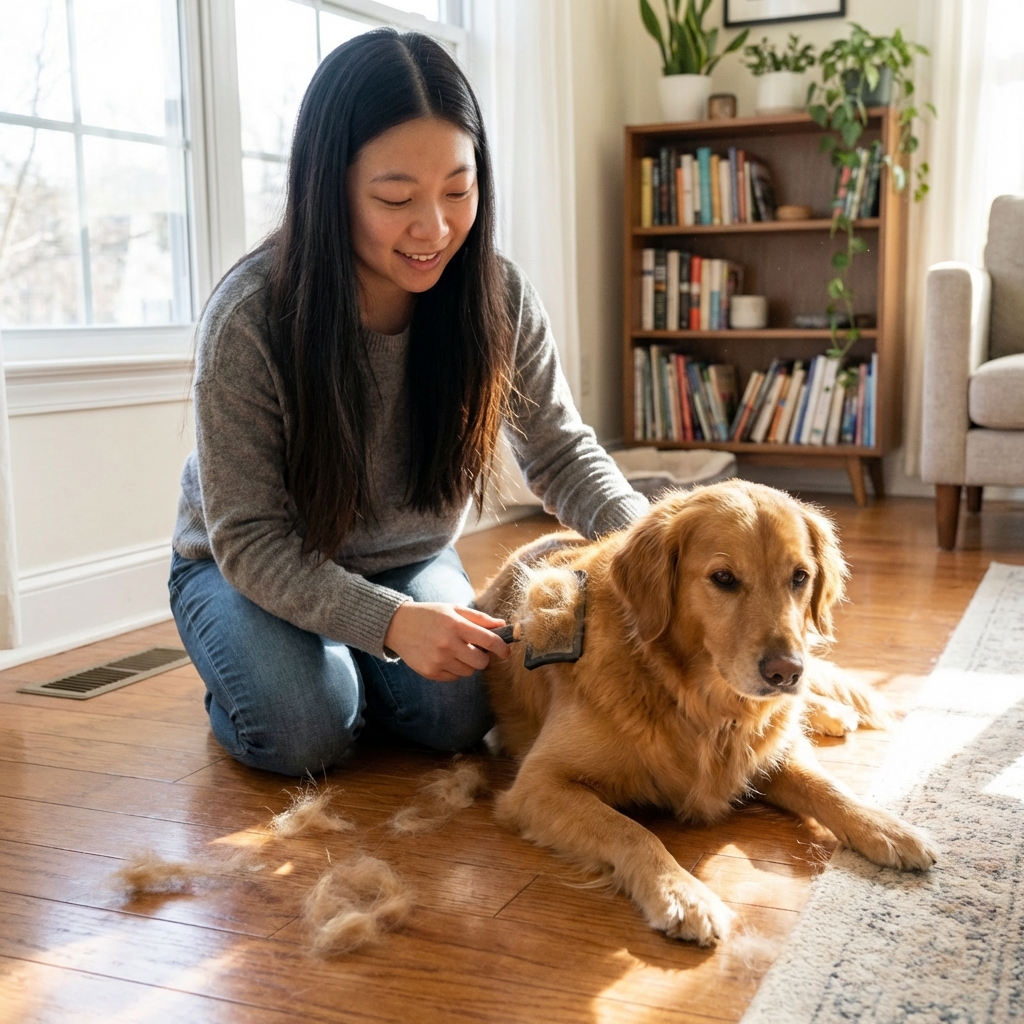
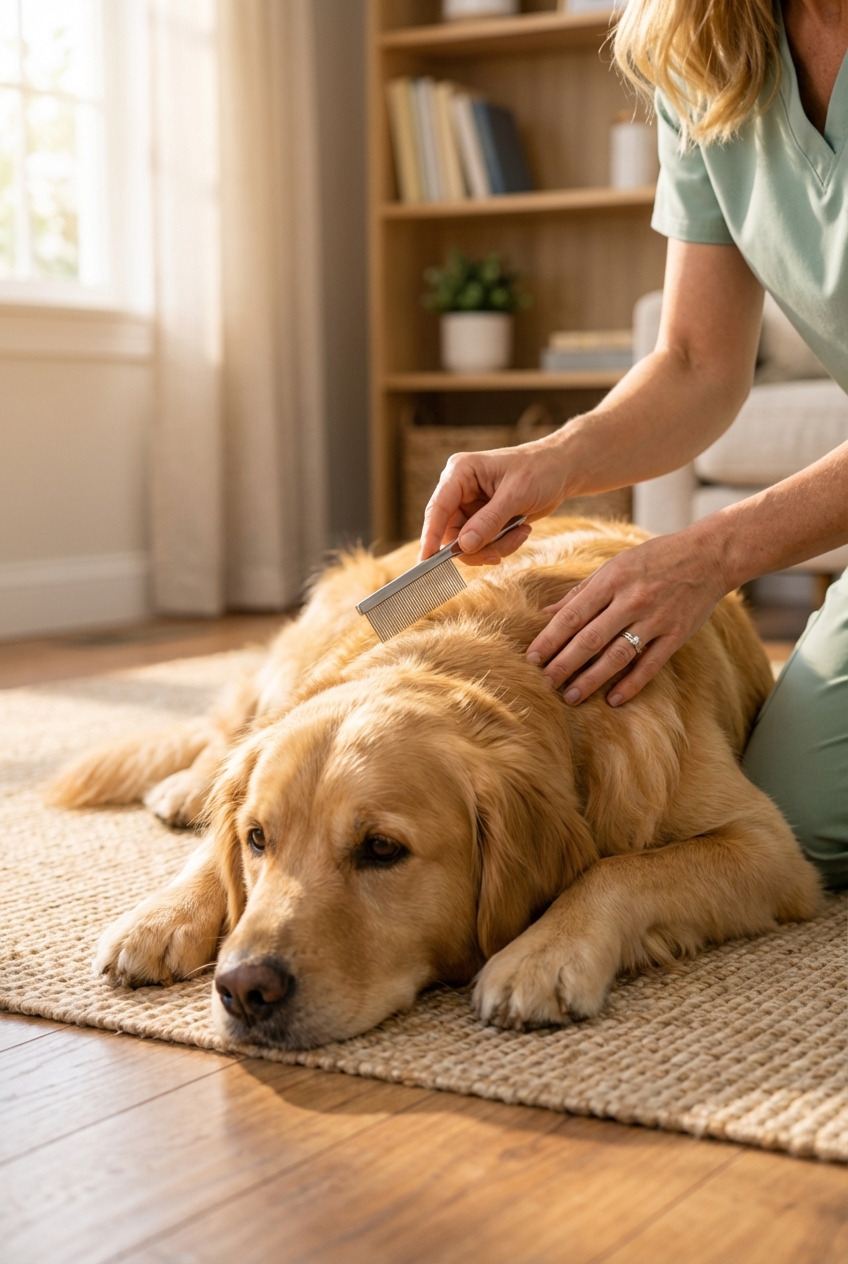
- Brush regularly to reduce matting, remove dead hair, and distribute natural oils.
- Use a dog-specific shampoo. Human products can be too harsh or drying and may irritate the skin.
- If you suspect skin infection, do not “try everything.” Over-bathing and random products can worsen irritation.
3) Nutrition that supports skin and coat
Skin is an organ, and it needs real nutrition. Many dogs do well on diets with high-quality protein and balanced fatty acids. True nutritional deficiencies are less common in dogs eating a complete and balanced diet, but diet quality still affects coat health.
- Protein matters: hair is made largely of protein (keratin), so inadequate nutrition can show up as a dull, brittle coat.
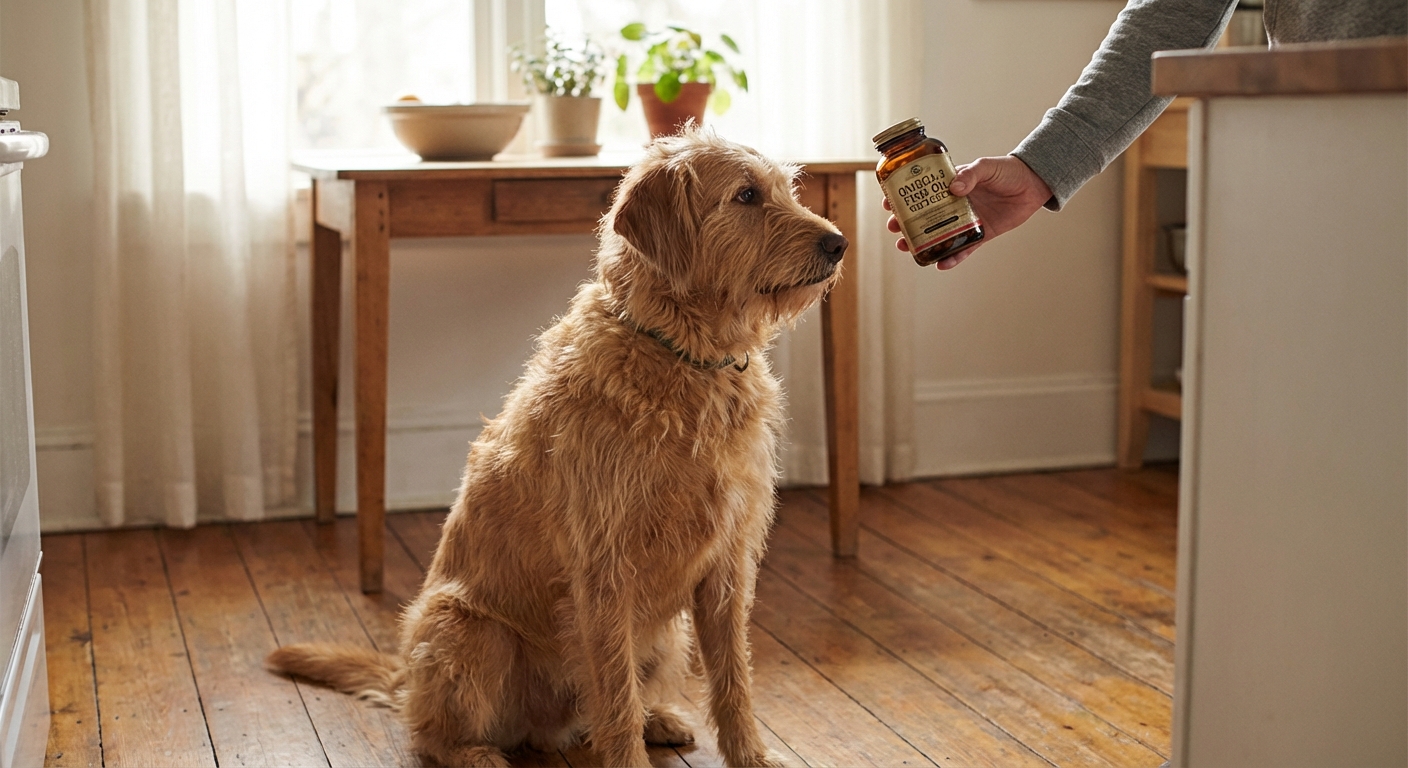
- Omega-3s: your vet may recommend fish oil for itch and inflammation. Use a pet-formulated product and correct dosing, since more is not always better.
- Go slow with changes: transition food gradually over 7 to 10 days to protect the gut.
Action step: Take three photos today in good lighting, one close-up of the skin, one of the whole body, and one of any “hot spot” areas. Bring them to your vet visit so you can track progress.
4) What to avoid
- Avoid over-the-counter steroid creams unless your vet tells you to use them.
- Avoid essential oils or heavily fragranced products on irritated skin.
- Avoid sharing human antifungal creams “just in case.” Ringworm look-alikes are common, and the wrong product can delay the right diagnosis.
When to call the vet quickly
Hair loss is not always an emergency, but these situations deserve prompt veterinary guidance.
- Open sores, oozing, bleeding, or a strong odor
- Rapidly spreading bald patches
- Severe itching that disrupts sleep
- Puppies, seniors, or immune-compromised dogs
- Possible ringworm exposure, especially in homes with children or immunocompromised people
- Signs of illness such as vomiting, diarrhea, lethargy, or loss of appetite
What your veterinarian may recommend
Families often feel relieved once there is a clear plan. A thoughtful workup saves time and money in the long run because it targets the real cause.
Common diagnostic steps
- Skin cytology to check for bacteria and yeast
- Skin scraping and other mite checks when mites are a concern
- Fungal testing if ringworm is suspected
- Bloodwork to evaluate thyroid and overall health
- Diet trial (typically 8 to 12 weeks) if food allergy is suspected
Treatment can include
- Prescription parasite prevention
- Medicated shampoos and topical therapies
- Antibiotics or antifungals when warranted
- Anti-itch medications, allergy immunotherapy, or targeted supplements
- Hormone treatment if an endocrine disorder is confirmed
Helping kids understand
Hair loss can look scary to children, especially if the skin is red or patchy. Keep it simple and reassuring.
- “Buddy’s skin is irritated, like when we get a rash.”
- “The vet is helping us find what is bothering him so his fur can grow back.”
- “We can help by giving medicine on time and being gentle with brushing.”
If ringworm is suspected, teach handwashing after petting and pause close face snuggles until your veterinarian says it is safe.
Bottom line
Most hair loss problems in dogs improve with the right diagnosis and a steady, consistent plan. Start by noticing the pattern, supporting the skin with gentle grooming and good nutrition, and partnering with your veterinarian for testing when needed. You are not overreacting. You are being a thoughtful pet parent.