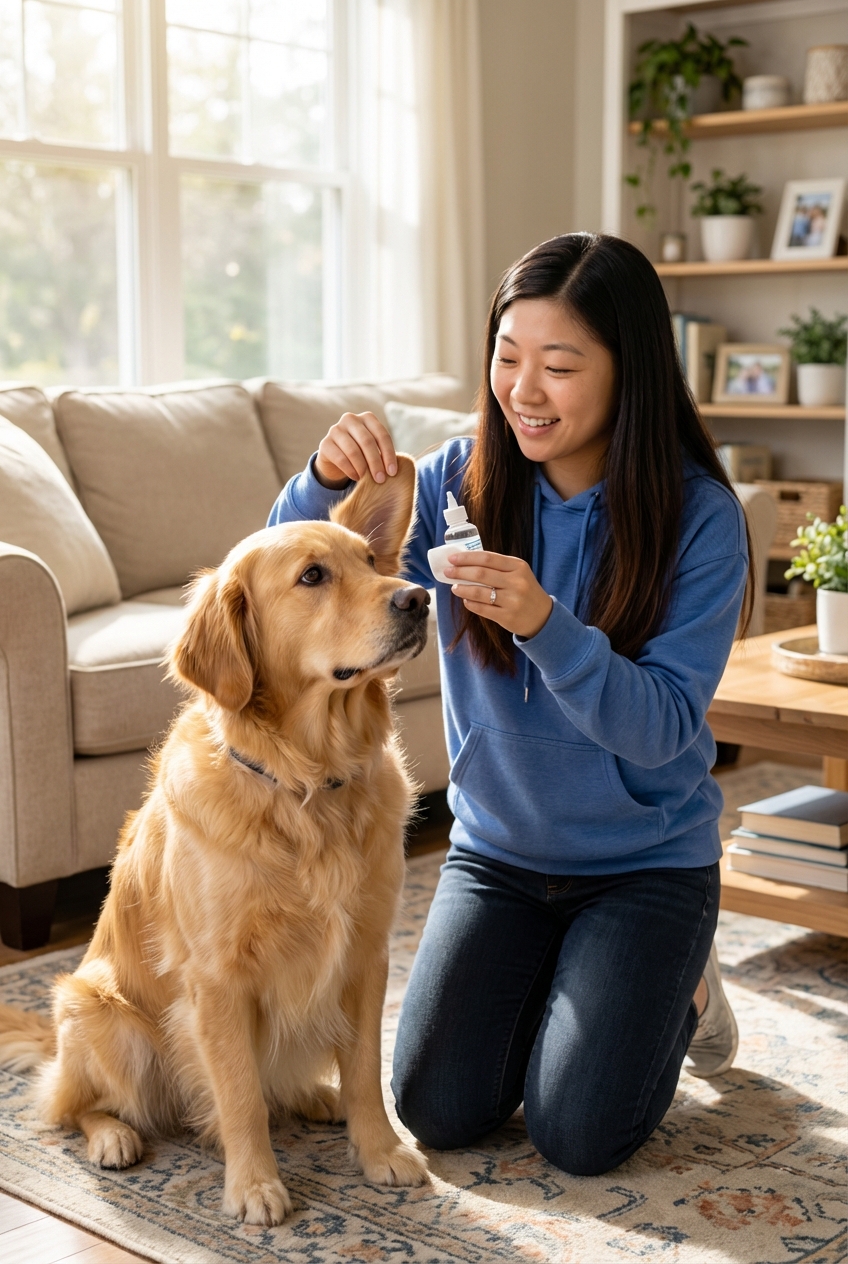
A practical vet-assistant guide to ear mites in dogs—spot the signs, confirm diagnosis, choose effective medications, clean ears safely, treat all pets, an...
Article
•
Designer Mixes
Family-Friendly Ear Mite Treatment for Dogs

Shari Shidate
Designer Mixes contributor
Ear mites are one of those “tiny problem, big misery” issues. They are microscopic parasites that can make a dog’s ears unbearably itchy, leading to head shaking, redness, and that classic dark, crumbly debris that looks a bit like coffee grounds.
The good news is that ear mites are very treatable. The key is doing it safely, thoroughly, and in a way the whole family can help with, without stressing your dog out.
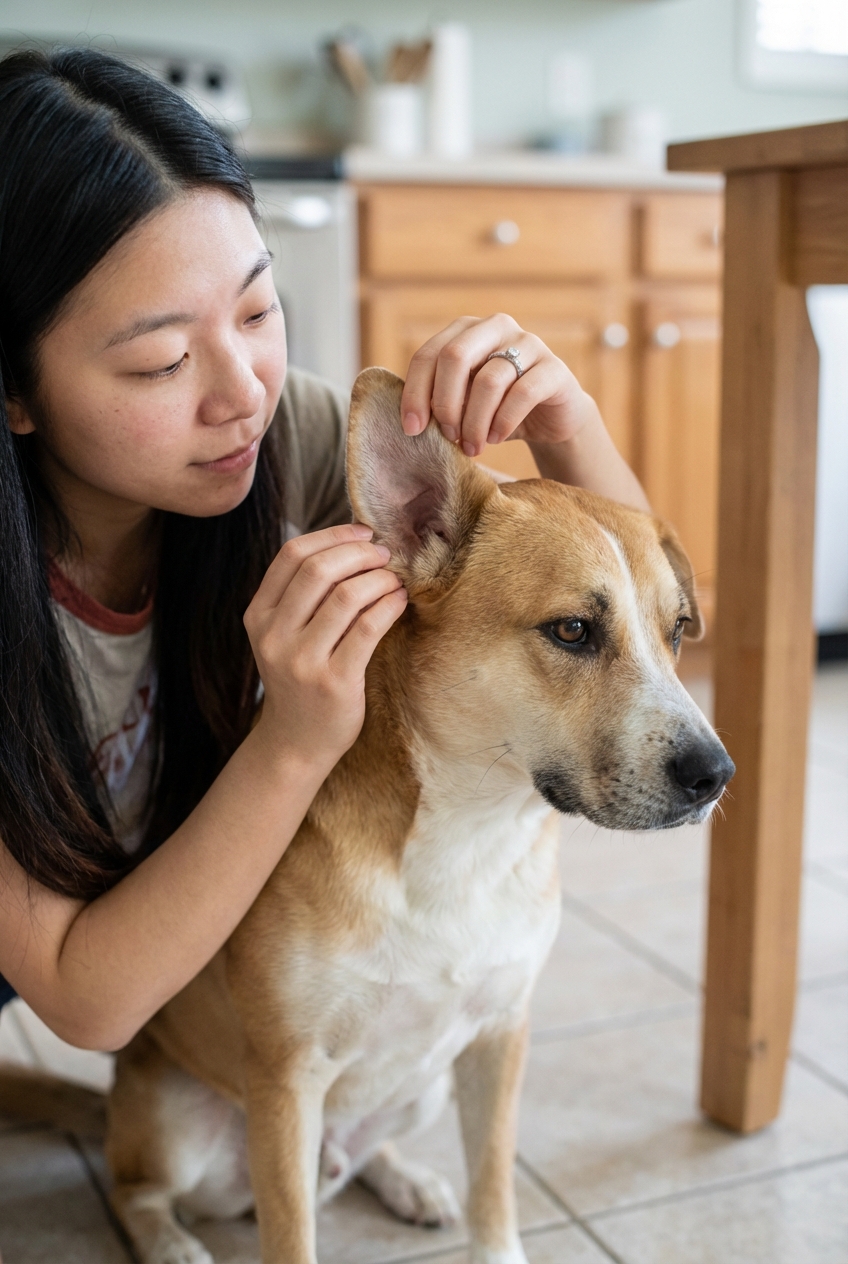
What ear mites are and how dogs catch them
Ear mites (most commonly Otodectes cynotis) live on the skin surface in the ear canal and feed on skin debris. They are highly contagious between animals. Dogs usually pick them up through close contact with an infected pet, especially in multi-pet settings like shelters and rescues, foster homes, boarding facilities, and grooming salons (it is the animal-to-animal contact that matters, not the place itself).
While mites prefer the ears, some dogs also get itchy skin on the head, neck, or around the ears from irritation and scratching. That does not automatically mean the mites have “spread” everywhere, but it is a common pattern owners notice.
Can people catch ear mites?
It is uncommon for ear mites to live on people long-term. However, mites can cause temporary skin irritation in humans in rare cases. In a family setting, the main concern is usually that mites spread from one pet to another, not from pets to people.
Are ear mites the only cause of itchy ears?
No, and this is important. Yeast infections, bacterial infections, allergies, foreign material (like a foxtail), ear polyps, and even ear canal anatomy can cause similar signs. If you treat for mites but the real issue is yeast or bacteria, your dog stays uncomfortable and the ear can worsen.
Signs that strongly suggest ear mites
Many families first notice ear mites because the dog seems suddenly “extra itchy” around the head and neck. Common signs include:
- Intense scratching at the ears or rubbing the head on carpet or furniture
- Head shaking or head tilt
- Dark brown or black debris in the ear that can resemble coffee grounds
- Redness and inflammation of the ear canal or ear flap
- Crusty skin around the ears from scratching
- Hair loss near the ears or on the neck from self-trauma
If your dog is crying, yelping when you touch the ear, has a strong odor, swelling, pus-like discharge, or seems off balance, that is a “call your vet today” situation. Ear mites can trigger secondary infections, and those can become painful quickly.
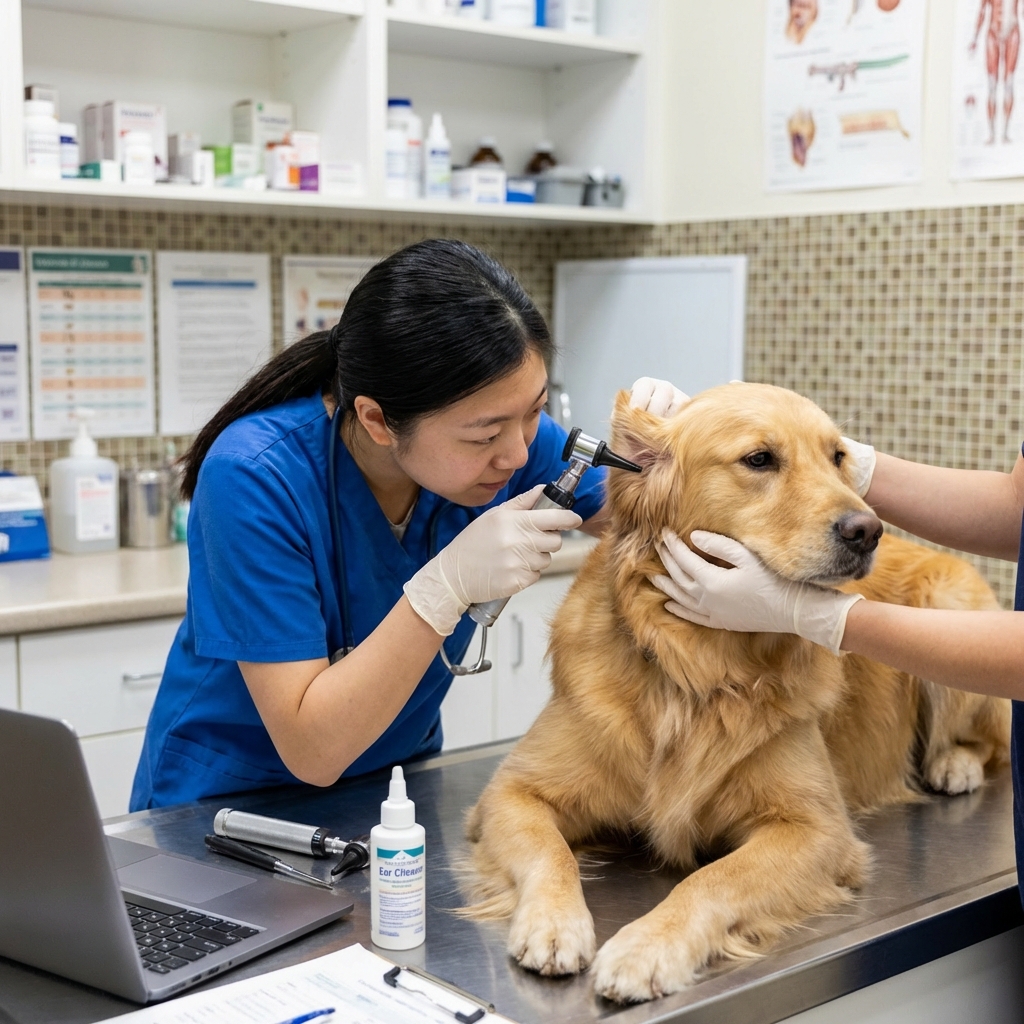
Diagnosis matters
In clinic, we see a lot of ears that look like mites but are actually yeast, bacteria, or allergy inflammation. The most reliable approach is a veterinary exam that may include:
- Otoscope exam to look for inflammation, debris, and possible eardrum issues
- Microscope check of an ear swab to identify mites or infection organisms
A helpful note: mites can be missed on a single swab, especially if there is lots of debris. Your vet may still treat based on the overall picture if the signs fit.
This exam also helps confirm the eardrum is intact before certain cleaners or medications are used.
Family-friendly treatment plan
Plan on two things: getting the right diagnosis and then finishing the full treatment. Many dogs feel less itchy within a few days of starting the correct medication, but the full course often runs longer, and some treatments require repeat dosing.
Step 1: Use a vet-recommended medication
Veterinarians can treat ear mites with prescription ear medications and, in many cases, certain oral or topical parasite preventives that also kill mites. What is used varies by country, product labeling, and your dog’s age and medical history, so follow your veterinarian’s guidance on the most appropriate, approved option for your pet.
These prescription approaches are popular because they are often:
- Effective against mites and sometimes other parasites
- Less messy than frequent ear drops in some cases
- Easier for families to administer correctly
Step 2: Clean the ears if your vet says it is appropriate
Cleaning helps remove debris and can help medications contact the ear canal better. That said, if the ear is very inflamed or ulcerated, cleaning can be painful and may not be recommended right away. Let your veterinarian guide you on whether to clean, how often, and which product to use.
Important safety note: Do not put random home remedies in the ear. Avoid hydrogen peroxide, essential oils, vinegar mixes, or alcohol-based products unless your veterinarian explicitly recommended them. These can sting, inflame tissue, or be unsafe if the eardrum is compromised.
How to clean ears at home
- Adult: Hold the bottle and apply the vet-approved ear cleaner as directed.
- Adult: Gently massage the base of the ear for 20 to 30 seconds to loosen debris.
- Dog: Let them shake their head. This is normal and helpful.
- Older child: Hand you cotton balls or treats.
- Adult: Wipe the visible parts only with cotton balls or gauze. Do not push cotton swabs down the canal.
Step 3: Be cautious with OTC ear mite drops
Many over-the-counter “ear mite” drops can be irritating, may not fully solve the problem, and can delay proper treatment if a yeast or bacterial infection is actually present. Also, never use a dog-labeled ear product on a cat (and vice versa) unless your veterinarian tells you it is safe. If you are not sure what you are dealing with, an exam is the fastest route to real relief.
Step 4: Treat all pets in the home if your vet advises it
Ear mites spread easily. If you have a dog and a cat, or multiple dogs, your veterinarian may recommend treating everyone even if only one pet is showing symptoms. This is one of the biggest reasons mites come right back.
Step 5: Wash bedding and reduce reinfestation
Mites prefer living on the pet, so environmental cleaning is usually supportive rather than the main “cure.” Still, basic cleaning can reduce irritation triggers and help you feel more in control during treatment:
- Wash pet bedding, blankets, and soft toys in hot water.
- Vacuum areas where your dog naps frequently.
- Wipe down crates and hard surfaces with routine household cleaners.
Step 6: Recheck if symptoms persist
Even when mites are gone, the ear canal may remain inflamed or infected. If your dog is still itchy after treatment, it is time for a follow-up exam. Often the next step is treating a secondary yeast or bacterial infection, or addressing underlying allergies.
What not to do
- Do not “guess and treat” for mites without an exam if your dog is painful, has odor, or has pus-like discharge.
- Do not use cotton swabs deep in the canal. It can pack debris downward and can injure the ear.
- Do not over-clean. Too much cleaning can irritate tissue and slow healing.
- Do not stop early. Follow the full course your veterinarian prescribes, even if your dog seems better.
Comfort care while treatment works
Ear mites can make dogs miserable. Along with proper medication, these simple comfort steps help:
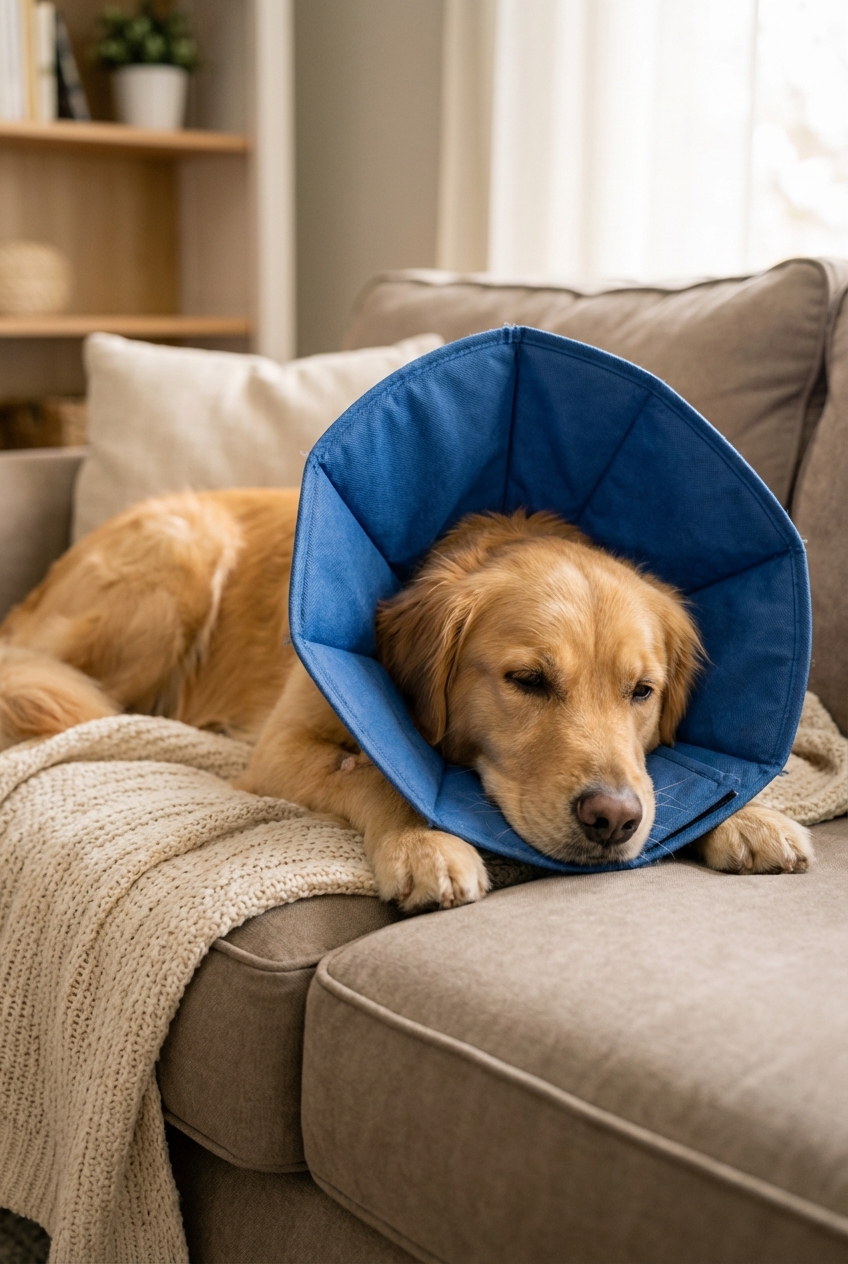
- Use an E-collar if your dog is scratching hard enough to cause scabs or bleeding.
- Keep nails trimmed to reduce self-injury.
- Offer calm distractions like a frozen lick mat or a stuffed food toy during ear cleaning routines.
- Reward generously. A tiny treat after each step can change the whole experience.
When to call the vet urgently
Please contact your veterinarian promptly if you notice:
- Head tilt, stumbling, or balance problems
- Swelling of the ear flap or a “puffy” ear (possible aural hematoma)
- Severe pain, crying, or aggression when the ear is touched
- Foul smell, yellow or green discharge, or bleeding
- No improvement after starting treatment as directed
Prevention
You cannot prevent every ear issue, but you can reduce risk and catch problems early.
- Do quick weekly ear checks during cuddle time. Look for redness, heavy wax, or debris.
- Be cautious with new pet introductions. If you foster or adopt, schedule a wellness check early, and ask about parasite treatment for all pets.
- Keep up with vet-approved parasite prevention year-round, especially in multi-pet homes.
- Address allergies with your vet if ear infections keep returning. Chronic itch is often not mites.
If your dog’s ear looks dirty, itchy, and uncomfortable, you are not overreacting. Getting a quick diagnosis and the right medication is one of the fastest ways to bring real relief.