Vet assistant guide to kitten constipation: signs, common causes, safe at-home steps like hydration and pumpkin, what to avoid, and urgent red flags to call ...
Article
•
Designer Mixes
Family-Friendly Constipated Kitten Care and Training Tips

Shari Shidate
Designer Mixes contributor
There is nothing quite like the panic of realizing your tiny kitten has not pooped in a day or two. The good news is that constipation in kittens is fairly common, often fixable, and often preventable once you understand the basics. As a veterinary assistant, I love helping families handle this calmly and safely, especially when kids are involved.
This guide focuses on home care you can do today, what not to do, when to call your veterinarian, and simple training routines that help a kitten become a confident, consistent litter box user.
First, is your kitten actually constipated?
Kittens can look uncomfortable for several reasons, so it helps to define constipation clearly.
Common constipation signs
- Straining in the litter box with little or no stool produced
- What straining can look like: an arched back, crouching and pushing, staying in the box longer than usual, or going in and out repeatedly
- Small, hard, dry stools
- Crying in the litter box or leaving and returning repeatedly
- Reduced appetite, hiding, or low energy
- A firm, bloated belly
Constipation vs. diarrhea, or something more urgent
If you see frequent trips to the litter box, straining, and only tiny drops of urine, this can be a urinary emergency in cats. A true urethral blockage is much more typical in adult male cats, but kittens can still have urinary pain, inflammation, or infection. If your kitten seems painful, is vocalizing, or you notice little to no urine, call a veterinarian or emergency clinic right away.
Also, if your kitten is straining and you see mucus, blood, or watery stool, you may be dealing with intestinal parasites or diarrhea instead of constipation.
Important: Vomiting plus no stool, a painful belly, or sudden lethargy can also point to an intestinal blockage (such as string or a toy). That needs urgent veterinary care.
Why kittens get constipated
Constipation usually comes down to a few main triggers. Some are simple and fixable, and some need veterinary help.
- Dehydration: Kittens can dry out quickly, especially if they are eating mostly dry food or not feeling well.
- Diet changes: Sudden switches may slow the gut or upset digestion.
- Not enough litter box access: Too few boxes, scary locations, a box that is hard to climb into, or a box that is not kept clean.
- Stress: New home, new pets, loud kids, or a recent move.
- Hair ingestion: This can contribute, especially in long-haired kittens or cats that groom a lot.
- Parasites: Roundworms are common in kittens and can affect digestion and stool quality.
- Medical causes: Pain, pelvic injury, congenital issues, illness-related dehydration, or rarer motility disorders (these are not always preventable).
Safe, family-friendly home care
If your kitten is bright, reasonably comfortable, eating at least a little, and not vomiting, you can try these gentle steps for a short window while you monitor closely.
Quick safety note: This home care is for mild constipation. If you are unsure, or your kitten seems painful or unwell, call your vet.
1) Add moisture the easy way
- Switch to wet food for a few meals, even if it is temporary.
- Add warm water to wet food to make a soft “stew.”
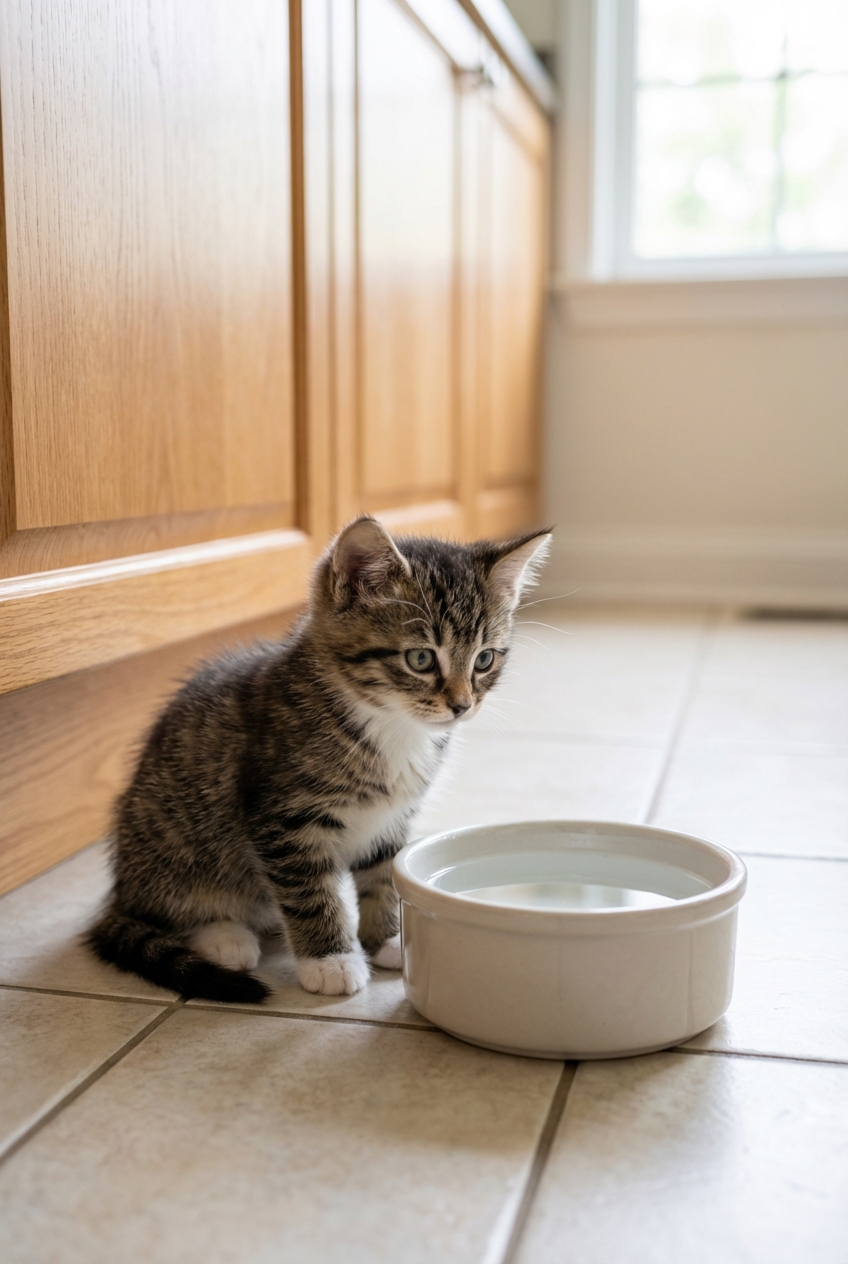
- Offer a pet water fountain if your kitten seems uninterested in bowls.
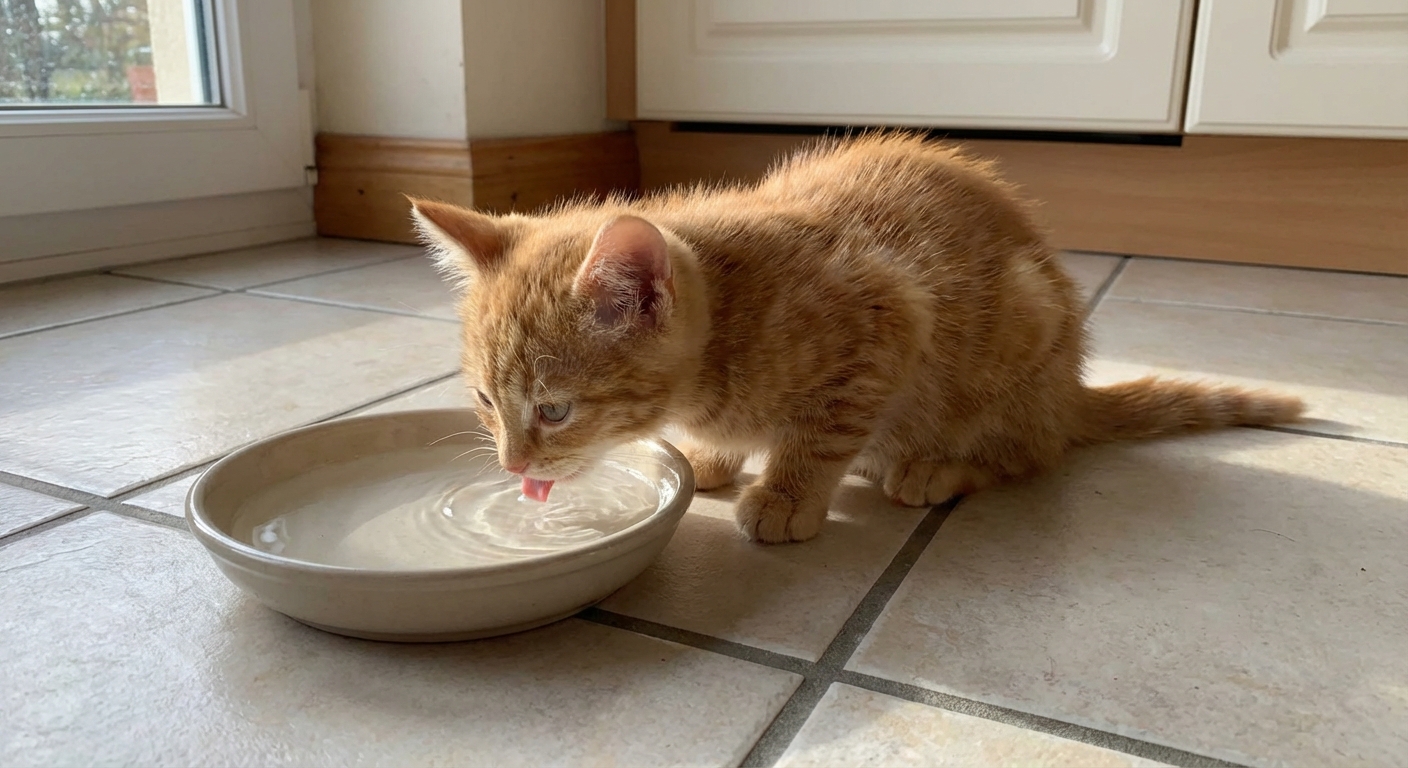
Hydration is a reliable first-line step because stool needs water to stay soft and move normally.
2) Gentle belly movement and play
Movement supports gut motility. Encourage short play sessions with a wand toy or a soft ball. For calm kittens, you can do a light, gentle tummy rub, but stop if your kitten resists or seems painful.
3) Optimize the litter box setup
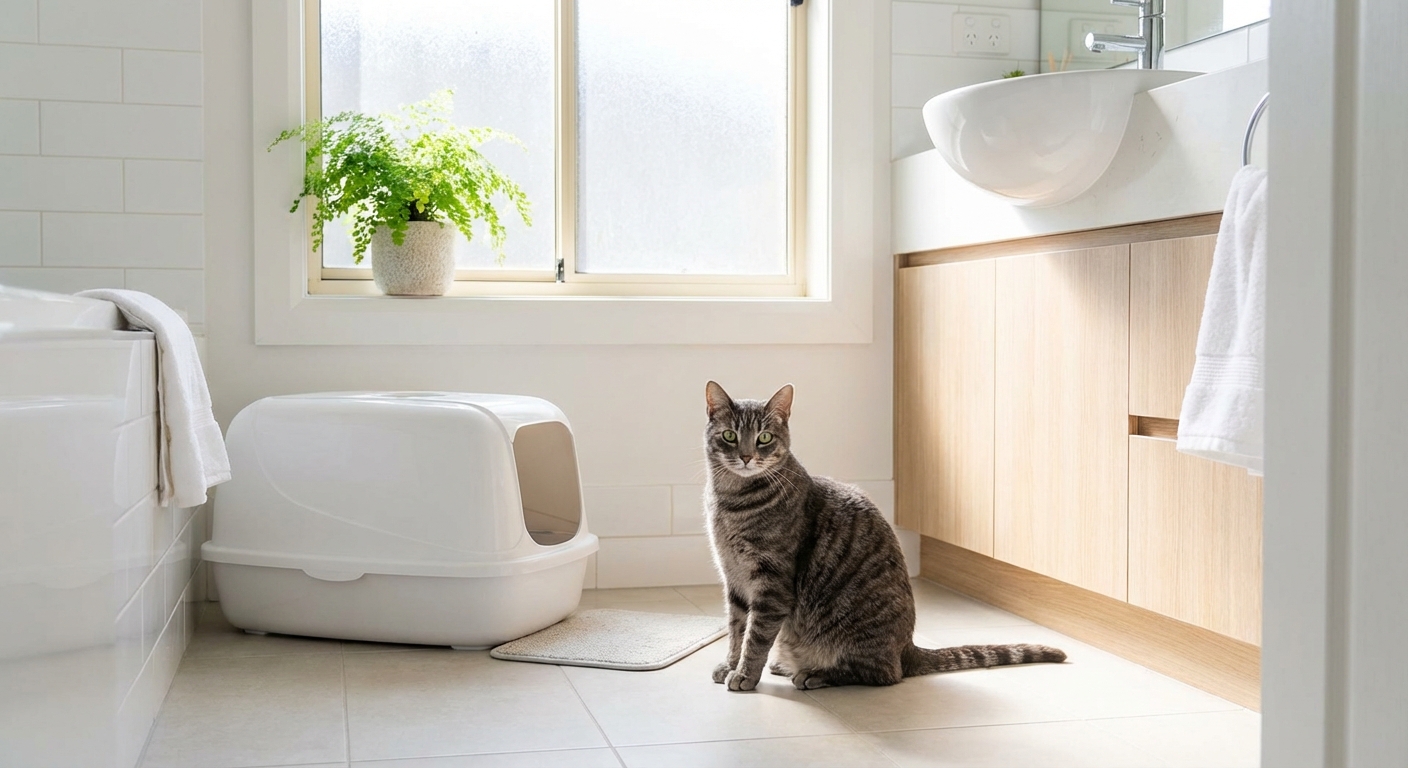
- Number of boxes: One per cat, plus one extra is a great rule of thumb.
- Low entry: For kittens, choose a box with low sides or a cut-out entrance.
- Quiet location: Keep it away from loud appliances and busy hallways.
- Unscented litter: Many kittens avoid strong fragrances.
4) A tiny bit of fiber, only with your vet’s okay
Some veterinarians recommend a small amount of fiber for mild constipation. The right choice and dose depends on your kitten’s age, weight, and diet, so it is best to call your clinic before adding anything like pumpkin or fiber supplements. If you do get approval, go slow and watch stool consistency closely.
What not to do at home
I know it is tempting to use “something from your medicine cabinet,” but kittens are small and sensitive. These are common mistakes I see in clinics.
- Do not give human laxatives unless your veterinarian specifically prescribes them.
- Do not use mineral oil by mouth. Aspiration risk is real and can cause serious lung injury.
- Do not perform enemas at home unless explicitly instructed and guided by a veterinarian. Some enema ingredients are toxic to cats.
- Do not force-feed water. This can lead to aspiration.
When to call the vet
For kittens, it is always better to be a little “too cautious” than too late. Call your veterinarian if any of the following are true:
- No stool for 24 to 48 hours depending on age and symptoms (sooner for very young or small kittens, or if there is straining)
- Any straining with pain, crying, or repeated trips to the litter box
- Vomiting, refusal to eat, or significant lethargy
- Swollen belly or obvious pain when picked up
- Blood in stool or around the anus
- You suspect your kitten ate string, ribbon, hair ties, or a toy
- Repeated straining with little or no urine
- Your kitten is very young, very small, orphaned, newly rescued, or was recently sick
Your veterinarian may check hydration, abdominal palpation, temperature, stool burden, and parasites. They may recommend safe stool softeners or laxatives such as lactulose or PEG 3350 (only if prescribed and dosed for your kitten), fluids, or other targeted care. If constipation is due to parasites, treating the underlying cause can make a big difference quickly.
Very young kitten note: Unweaned kittens may need gentle stimulation to pee and poop after meals. If you are caring for an orphaned or very young kitten and they are not passing stool, contact a veterinarian or an experienced rescue for guidance right away.
Litter box training that prevents constipation habits
Here is something families do not realize: when a kitten associates the litter box with discomfort, they may start avoiding it, which can worsen constipation. A few simple training habits can break that cycle.
Make the box easy and inviting
- Use a low-sided box for kittens.
- Keep litter depth around 1 to 2 inches, then adjust based on your kitten’s preference.
- Scoop at least once daily. Twice is even better in a busy home.
- Avoid scented litter and strong cleaners in the box area.
Use routine, not punishment
After meals and naps, gently place your kitten in the box for a minute. If they go, offer calm praise and a small reward. If they do not go, simply try again later. Never punish accidents. Punishment increases stress, and stress can slow the gut.
Kid-friendly jobs that actually help
If you have children, give them roles that support consistency without handling stool directly:
- Refilling water bowls and letting you know when they look low
- Quiet “after-nap” litter box reminders
- Helping measure kitten meals so diet stays consistent
- Using a simple checklist: ate, drank, peed, pooped, played
Daily checklist for families
Constipation prevention is mostly about small habits done consistently. Here is a simple routine that works well in real homes.
- Morning: Fresh water, scoop boxes, quick note if stool was normal
- Mealtime: Wet food at least once daily if your vet agrees, plus added water
- Play: Two short play sessions to encourage movement
- Evening: Scoop again, quick belly check for bloating, note energy level
If you are tracking stool, a healthy kitten stool is usually formed, medium-brown, and easy to scoop without being rock hard.
FAQ
How often should a kitten poop?
Many kittens poop 1 to 2 times a day, especially when they are eating multiple meals. Some healthy kittens go a little less often. What matters most is whether stool is easy to pass and your kitten is acting normal. If you see straining or pain, treat that as a concern even if it has only been a day.
Is constipation contagious?
No. But some causes behind stool problems, such as parasites, can be shared between pets. That is why kitten wellness visits, fecal testing when recommended, and a vet-guided deworming plan are so important. Also note that some kittens still need testing and follow-up even if they have had an over-the-counter dewormer.
Can stress cause constipation in kittens?
Yes. Stress can affect gut motility. Gentle routines, predictable meal times, and a quiet litter area help more than people expect.
Final encouragement
If your kitten is mildly constipated, a hydration-first approach plus a comfortable litter box setup helps many kittens quickly. And if it is not improving, your veterinarian can help safely, often with simple treatments that bring fast relief.
You are doing the right thing by paying attention. With kittens, early action is loving action.