
Learn kidney-friendly homemade meal templates for dogs, including phosphorus control, right-sized protein, omega-3s, hydration tips, and foods to avoid—plu...
Article
•
Designer Mixes
Failing Kidneys in Dogs: Secrets That Actually Help

Shari Shidate
Designer Mixes contributor
When a vet says “kidney values are up,” it can feel like the floor drops out from under you. I get it. As a veterinary assistant here in Frisco, Texas, I have watched many loving families navigate kidney disease with their dogs, and I have also seen how much better things can go when you focus on the right levers early.
Let’s talk about the practical “secrets” that are not really secrets at all. They are the evidence-based basics that protect quality of life: hydration, blood pressure control, nausea management, smart nutrition, and catching complications before they snowball.
First, what “failing kidneys” usually means
Most dogs with “failing kidneys” have chronic kidney disease (CKD), meaning the kidneys have been gradually losing function over time. Less commonly, dogs have acute kidney injury (AKI), which happens suddenly from things like toxins, severe infection, dehydration, urinary blockage, or certain medications.
Why this matters: CKD can often be slowed and symptoms can be managed for months to years. AKI can sometimes be reversible if treated quickly.
Common early signs families miss
- Drinking more water than usual and peeing more
- Weight loss or muscle loss, especially along the back end
- Pickier appetite, walking away from meals, “sniff and leave” behavior
- Nausea signs: lip smacking, drooling, gulping, licking floors
- Bad breath that smells chemical or “metallic”
If you see these, ask your vet about a urinalysis and a kidney-focused lab panel that includes SDMA (an earlier marker than creatinine in many dogs).
Secret #1: Hydration is treatment
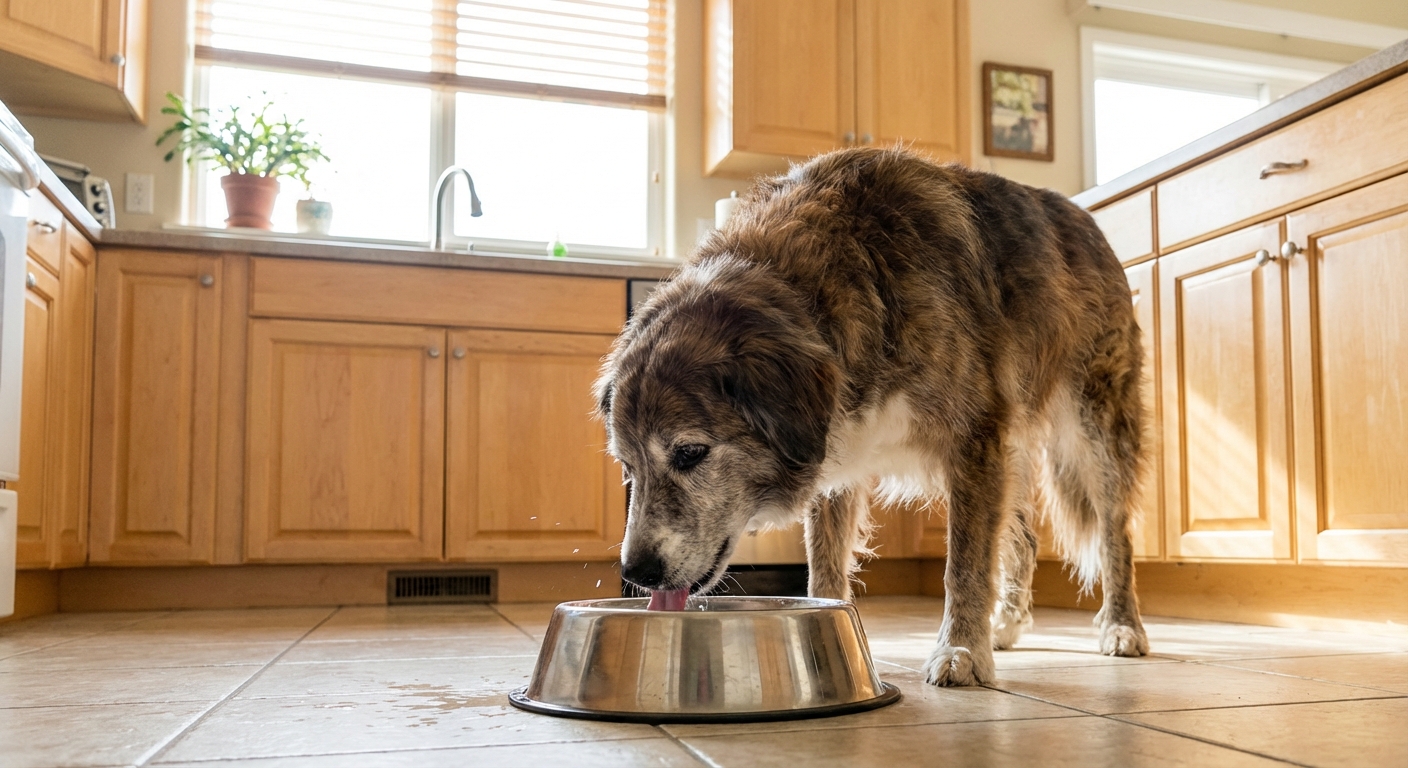
The biggest day-to-day difference maker for many kidney dogs is simply more water moving through the system. Kidneys help regulate hydration and filter waste, so when function drops, dehydration and toxin buildup can spiral quickly.
Practical hydration moves
- Switch some or all meals to wet food (or add warm water to food). Even a few tablespoons help.
- Offer multiple water stations in the house, especially near favorite resting spots.
- Flavor the water with a small splash of low-sodium broth (no onion, no garlic, no xylitol). If your dog drinks more, it is a win.
- Ask your veterinarian about subcutaneous fluids if appetite and hydration are slipping. Many families learn to do this safely at home and it can be a game changer.
Heads up: If your dog has heart disease, fluid strategies should be coordinated carefully with your vet.

Secret #2: Appetite and nausea control often come before diet perfection
Kidney dogs commonly feel nauseated due to uremic toxins, acid imbalance, and stomach irritation. If nausea is not controlled, even the best diet in the world will not matter because your dog simply will not eat enough.
What to ask your vet about
- Anti-nausea meds (often maropitant or ondansetron)
- Appetite support when needed (your vet may discuss mirtazapine or other options)
- Stomach acid reducers if indicated
- Constipation support if stools get dry or infrequent, which can worsen nausea
At home, keep meals small and frequent. Warm the food slightly to boost aroma. If your dog has “good moments,” use them to get calories in.
Secret #3: Phosphorus is the number to respect
Many people assume kidney disease is all about “low protein.” In reality, one of the most important nutritional targets is often phosphorus control, because high phosphorus is linked with faster CKD progression and makes dogs feel worse.
Practical ways to lower phosphorus
- Use a kidney-support veterinary diet if your dog will eat it. These are formulated to be lower in phosphorus and balanced for renal needs.
- If you are feeding homemade or a non-renal commercial food, ask your vet about a phosphate binder. This is commonly used when diet alone is not enough.
- Choose proteins thoughtfully. Some proteins are naturally higher in phosphorus. Your vet or a boarded nutritionist can help you select options that fit your dog’s stage.
Important: Do not add bone meal, raw bone, or high-phosphorus calcium products to a kidney dog’s diet unless specifically instructed. “More calcium” is not automatically better here.
Secret #4: Protein is nuanced, not the villain
Here is the truth I wish every family heard early: your dog still needs high-quality, highly digestible protein to maintain muscle and immune function. The goal is not “as little protein as possible.” The goal is the right amount of the right protein for your dog’s stage of disease, lab values, and body condition.
Many dogs with kidney disease lose muscle, and muscle loss is not just cosmetic. It is tied to weakness, poorer resilience, and a harder time bouncing back from setbacks.
How to make this practical
- Track weight weekly at home or at your clinic.
- Take monthly photos from the side and above to notice muscle changes.
- Ask your vet about a body condition score and muscle condition score at each visit.
Secret #5: Blood pressure and protein in the urine can quietly do damage
Two complications can accelerate kidney decline even when you are doing “everything right”:
- High blood pressure (hypertension)
- Protein loss in urine (proteinuria)
These are not always obvious at home. That is why regular monitoring matters.
What to request at checkups
- Blood pressure measurement using a calm, low-stress approach
- Urine protein:creatinine ratio (UPC) if proteinuria is suspected
If your dog needs medication (often an ACE inhibitor or similar), it can protect the kidneys and sometimes the eyes and brain too.

Secret #6: Potassium, acid balance, and anemia are treatable
Kidney disease can trigger a chain reaction in the body. The encouraging part is that many of these problems have solutions once identified.
Common treatable issues
- Low potassium can cause weakness and poor appetite. Supplementation may help when labs confirm it.
- Metabolic acidosis can contribute to muscle loss and lethargy. Your vet may recommend buffering agents if needed.
- Anemia may develop as kidney function declines, contributing to fatigue. Treatment options depend on severity and cause.
These are not “home guess” problems. They require lab work and a tailored plan, but they are absolutely worth addressing.
Secret #7: The best kidney plan is the one your dog will actually follow
In real life, the “perfect” diet that your dog refuses is not perfect. The best approach is often a stepwise, flexible plan that protects your dog’s calorie intake while improving renal support over time.
Simple transition strategy
- Start with a 25% change for a few days
- Move to 50/50 if stools and appetite stay stable
- Progress gradually to the target diet, or stay at a mix that keeps your dog eating
If you want to feed homemade, please work with your veterinarian and ideally a board-certified veterinary nutritionist. Kidney diets require careful mineral balancing, and “healthy for humans” does not always equal “safe for renal dogs.”
Red flags that should never wait
Please seek urgent veterinary care if you notice any of the following:
- Not eating for 24 hours, especially with known kidney disease
- Repeated vomiting or severe lethargy
- Collapse, severe weakness, or disorientation
- Little to no urine production, straining to urinate, or signs of pain
- Possible toxin exposure (antifreeze, lilies, grapes or raisins, human medications)
Kidney disease is serious, but it is not hopeless. When hydration, nausea control, phosphorus management, and monitoring are handled early, many dogs feel better than families expect.
At-home checklist you can start today
- Keep a simple log: water intake changes, appetite, vomiting, energy, bathroom habits
- Weigh your dog weekly and note any muscle loss
- Add moisture to meals and offer more water stations
- Schedule follow-up labs as recommended and ask what trend matters most
- Discuss nausea support if appetite is inconsistent
- Ask specifically about phosphorus, blood pressure, and urine protein
If you take only one thing from this article, let it be this: kidney care is a team sport. Your vet handles diagnostics and medication. You handle the daily routines that keep your dog comfortable and nourished. Together, that is where the real “secrets” live.