A practical, week-by-week newborn kitten care guide for pet owners—set up a safe warm nest, bottle-feed KMR correctly, stimulate pottying, track weight dai...
Article
•
Designer Mixes
Fading Kitten Syndrome: Symptoms and Solutions

Shari Shidate
Designer Mixes contributor
Fading Kitten Syndrome (often shortened to FKS) is not one single disease. It is a serious, fast-moving situation where a newborn kitten declines over hours to days and may pass away without quick support. As a veterinary assistant, I have seen how quickly a “sleepy” kitten can become an emergency. The encouraging news is that when you know what to watch for and you respond early, many kittens can be stabilized.
This article will walk you through the most common symptoms, why kittens fade, what you can safely do at home right now, and when it is time to get to a veterinarian or emergency clinic.
What “fading” looks like
Healthy newborn kittens eat, sleep, and gain weight steadily. A fading kitten typically goes from “not quite right” to very weak in a short time. The biggest red flag is a change from normal behavior, especially if the kitten stops nursing or cannot latch.
Common symptoms of Fading Kitten Syndrome
- Not nursing or weak suckle, repeatedly falling off the nipple
- Low body temperature (feels cool to the touch, especially paws, ears, and mouth)
- Lethargy, limp body tone, sleeping through feeding times
- Crying that sounds unusual: constant, high-pitched, or weak
- Weight loss or no weight gain (newborns should gain daily)
- Dehydration (dry mouth, sticky gums, weakness)
- Pale or gray gums (poor circulation or anemia)
- Labored breathing, congestion, milk bubbles from nose
- Diarrhea (often visible as a wet or dirty tail area) or severe constipation
- Vomiting (less common but very concerning in neonates)
- Separation from the litter, unable to crawl back to mom or warmth
Trust your gut: If you feel like the kitten is “slipping,” treat it as urgent. Neonates have almost no reserves.
Why kittens fade
Kittens under 4 weeks old are fragile because they cannot regulate temperature well, their immune systems are immature, and their blood sugar drops quickly when they miss meals. FKS is often triggered by one problem that quickly causes a cascade: cold leads to poor digestion, poor digestion leads to low blood sugar, and low blood sugar leads to weakness and shock.
Frequent underlying causes
- Hypothermia (too cold): one of the most common drivers of rapid decline
- Hypoglycemia (low blood sugar): from missed feedings, chilling, or illness
- Dehydration: diarrhea, inadequate milk intake, heat loss, or poor nursing
- Infection: bacterial, viral, or systemic infection; kittens can crash before obvious fever appears
- Parasites: fleas, intestinal parasites, and coccidia can cause anemia and diarrhea
- Congenital issues: cleft palate, heart defects, internal malformations
- Failure of passive transfer: did not receive enough colostrum (first milk), ideally within the first 12 hours and certainly within 24 hours
- Orphan care challenges: wrong formula, improper feeding technique, inadequate warming, or overfeeding
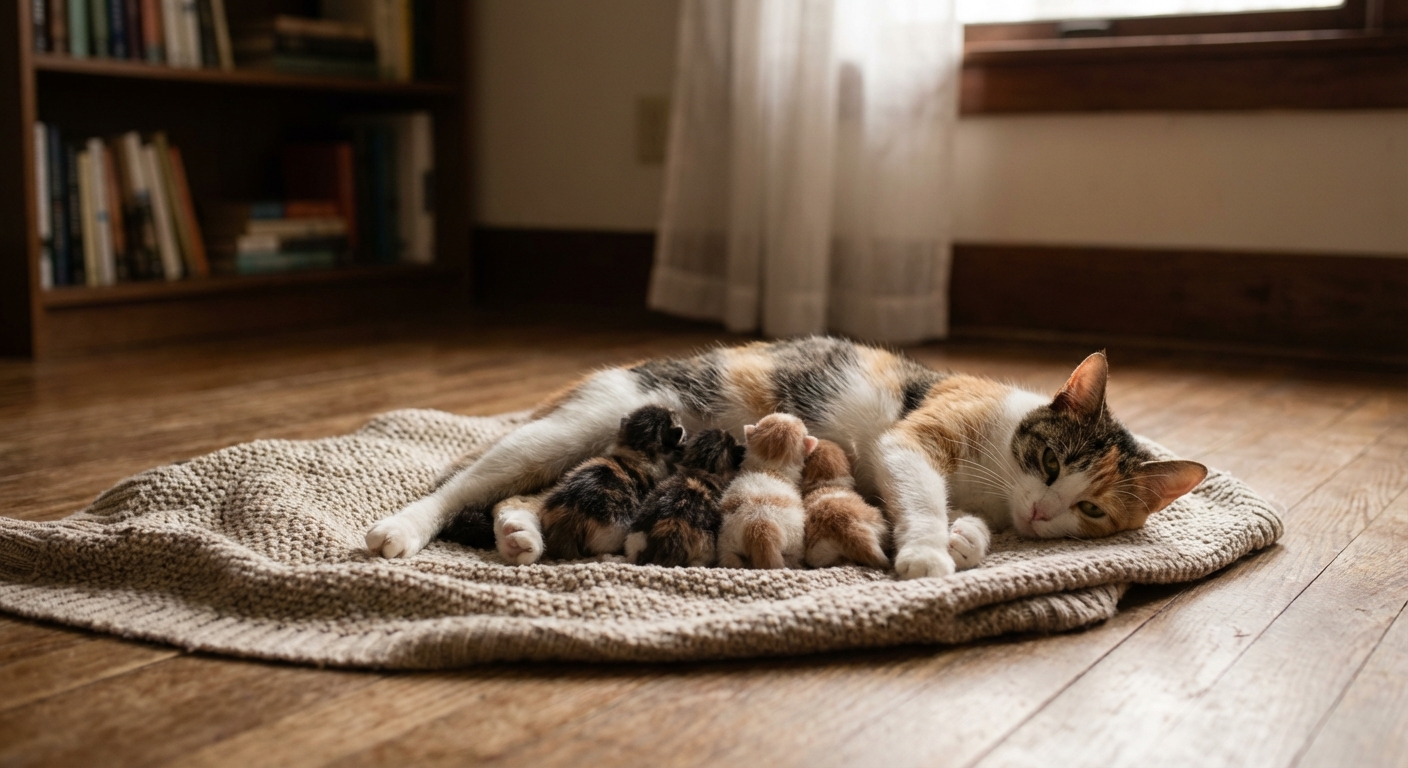
- Maternal factors: low milk supply, mastitis, rejection, stress, or poor nutrition
- Less common causes: neonatal isoerythrolysis (blood type incompatibility), typically diagnosed by a veterinarian
At-home first aid
If you suspect a kitten is fading, you can help while you arrange veterinary care. The priority order is simple:
- Warmth
- Blood sugar support
- Hydration and feeding (only when warm enough and able to swallow)
Step 1: Warm the kitten safely
Never feed a cold kitten. Cold kittens cannot digest formula well, which increases the risk of aspiration and poor gut motility (GI stasis).
- Move the kitten to a warm, quiet space away from drafts.
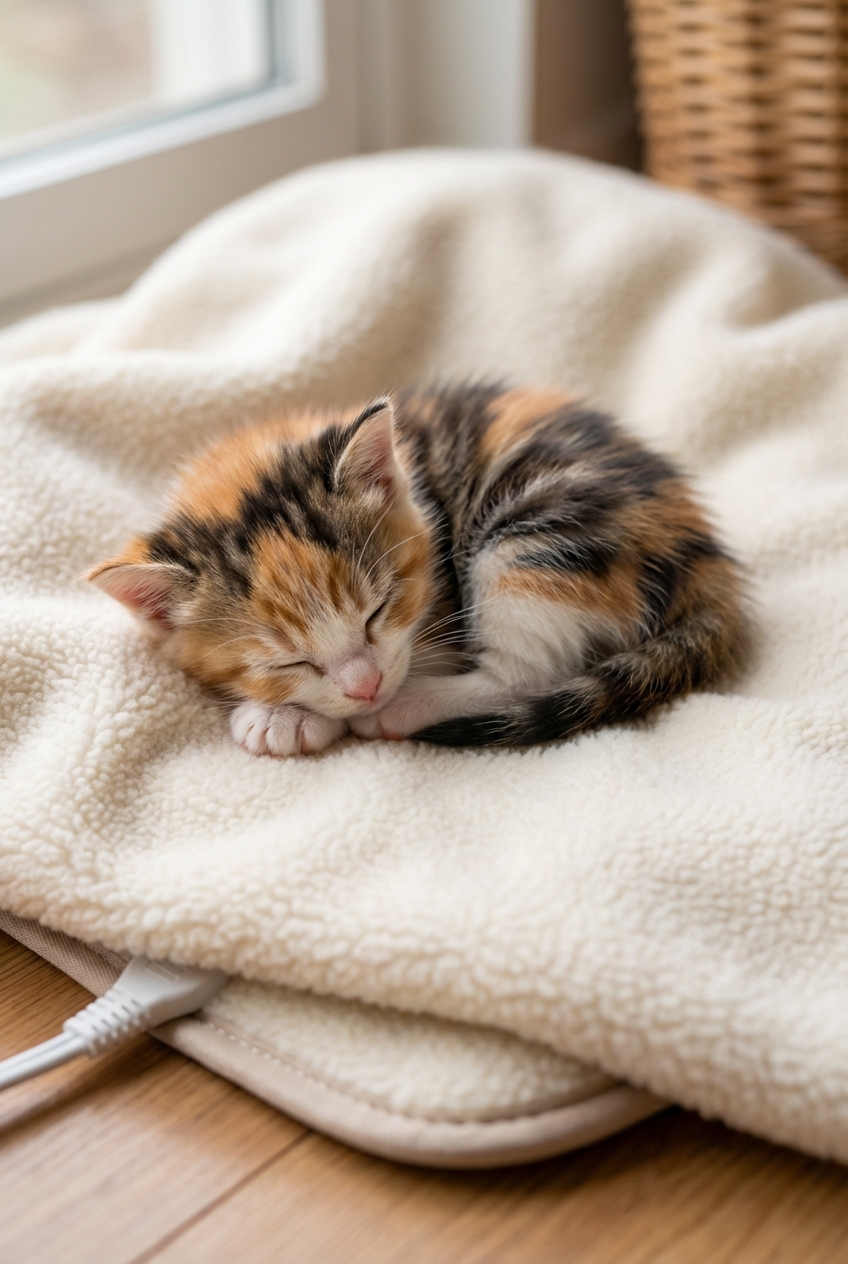
- Use a heating pad on low under half of the nesting area, or a warm water bottle wrapped in a towel.
- Burn prevention: avoid direct skin contact with heat sources. Place the heating pad outside the box or under thick layers of towel or blanket, and check the kitten’s skin often.
- Make sure the kitten can crawl away from the heat source if too warm.
- Warm gradually over about 20 to 30 minutes.
If you have a rectal thermometer and can use it safely, these are common reference ranges for neonatal rectal temperature:
- Week 1: about 97 to 99°F (36.1 to 37.2°C)
- Week 2 to 3: about 99 to 101°F (37.2 to 38.3°C)
- Week 4: about 100 to 102°F (37.8 to 38.9°C)
If you do not have a thermometer, a practical checkpoint is that the kitten’s mouth and paws should feel comfortably warm, not cool, before feeding.
If the kitten is limp, cold, or barely responsive, treat it as an emergency and call a veterinary clinic while you begin gentle warming.
Step 2: Support blood sugar (tiny amount)
If the kitten is weak and you suspect low blood sugar, you can apply a tiny smear of a sugar source to the gums while warming. This is most appropriate when you cannot reach a clinic immediately.
- Prefer corn syrup (such as Karo) or glucose or dextrose gel if available.
- Rub a small smear on the gums with a fingertip or cotton swab.
- Do not force liquid down the throat.
- Do not repeat frequently or give large amounts. Too much can worsen stomach upset.
This is a short-term bridge, not a cure. A fading kitten still needs diagnosis and supportive care.
Step 3: Feed correctly
Once the kitten is warm and more responsive:
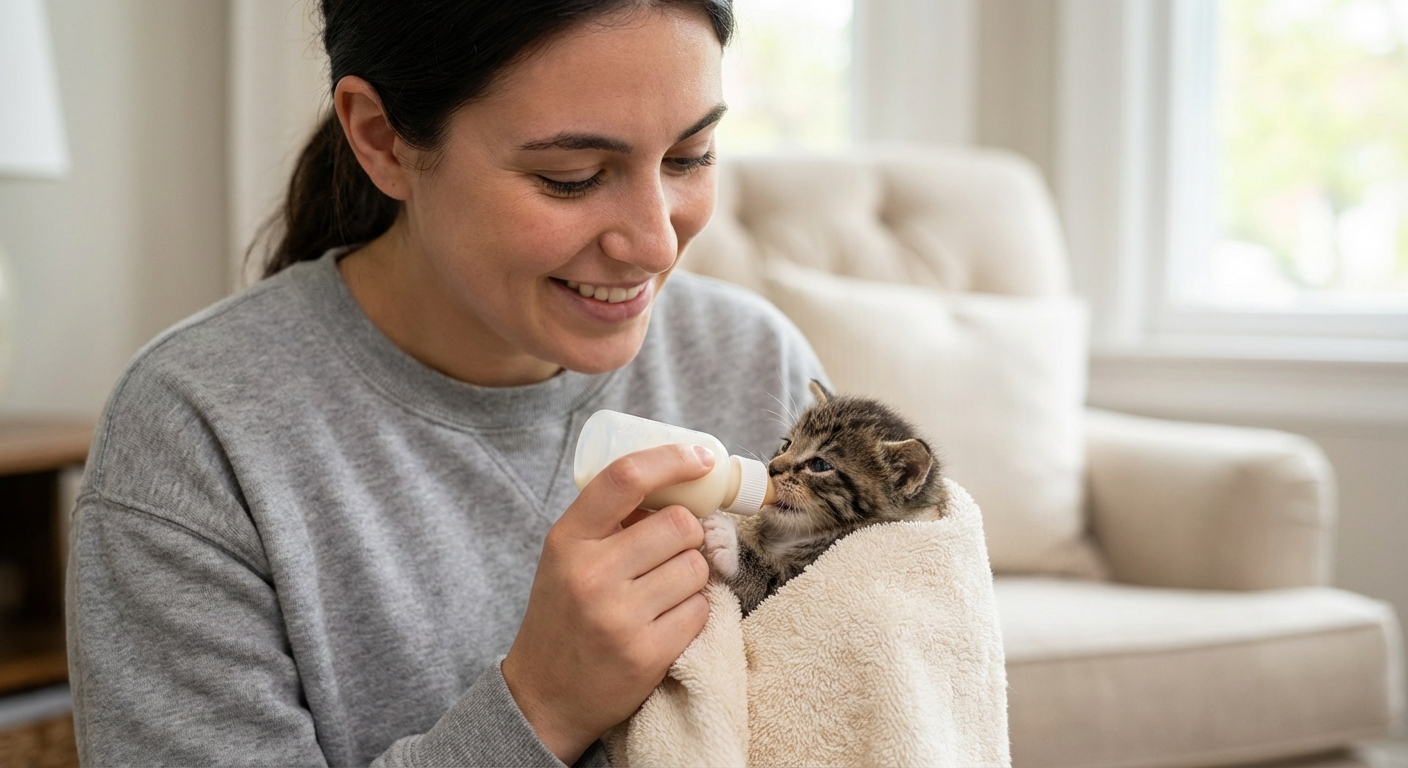
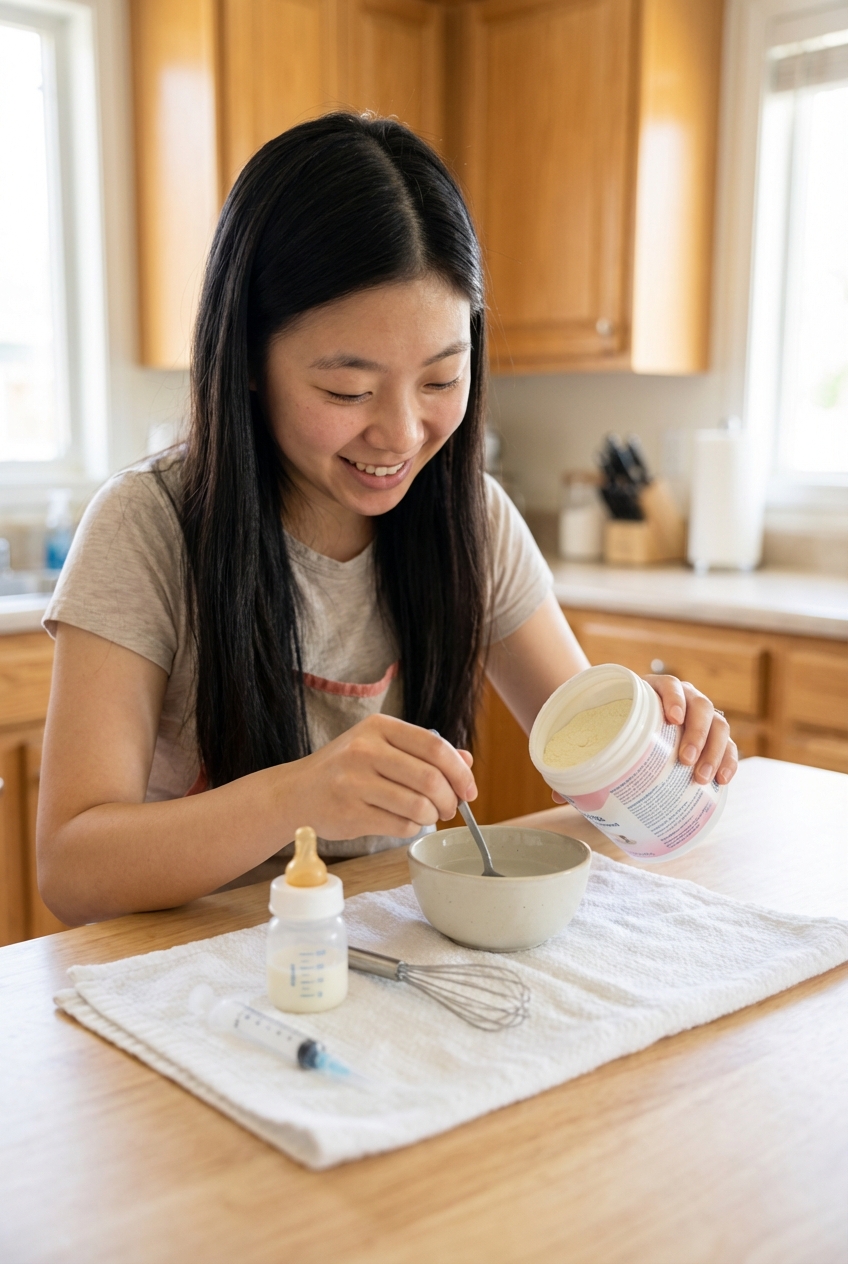
- Use a commercial kitten milk replacer (KMR). Do not use cow’s milk.
- Feed with a bottle or syringe designed for kittens.
- Keep the kitten on its belly, like it would nurse from mom. Do not feed on its back.
- After a crash, start smaller than usual: offer a small amount first, then switch to small, frequent feeds as tolerated. Overloading a stomach that is just “back online” can trigger vomiting or aspiration.
- If the kitten is too weak to swallow well, do not syringe-feed. A very weak kitten can aspirate easily. Keep warming and go to a veterinarian for safe fluids and feeding support.
- If milk comes from the nose, the kitten coughs, gags, or breathes noisily, stop immediately and seek veterinary help.
Step 4: Stimulate to pee and poop
Kittens under about 3 to 4 weeks need help eliminating. After feeding:
- Use a warm, damp cotton ball or soft tissue.
- Gently rub the genital area until the kitten urinates and, ideally, defecates.
When it is an emergency
Please do not “wait and see” if you notice any of the signs below. Neonates can decline quickly, and early intervention can be life-saving.
Emergency red flags
- Kitten is cold and not warming up
- Gasping, open-mouth breathing, or blue or gray tongue
- Milk from the nose, choking, or suspected aspiration
- Seizures or severe tremors
- Cannot swallow or cannot hold head up
- Persistent crying with refusal to nurse
- Severe diarrhea, blood in stool, or rapid dehydration
- Pale gums or sudden weakness (possible anemia, flea burden, or shock)
If milk comes from the nose: stop feeding, keep the kitten warm and upright on its belly, and head to a veterinarian urgently. Do not swing the kitten or try to “shake fluid out.”
If you are caring for a litter, bring mom and siblings if possible. What affects one kitten often affects the rest, and the clinic can help you set up a plan.
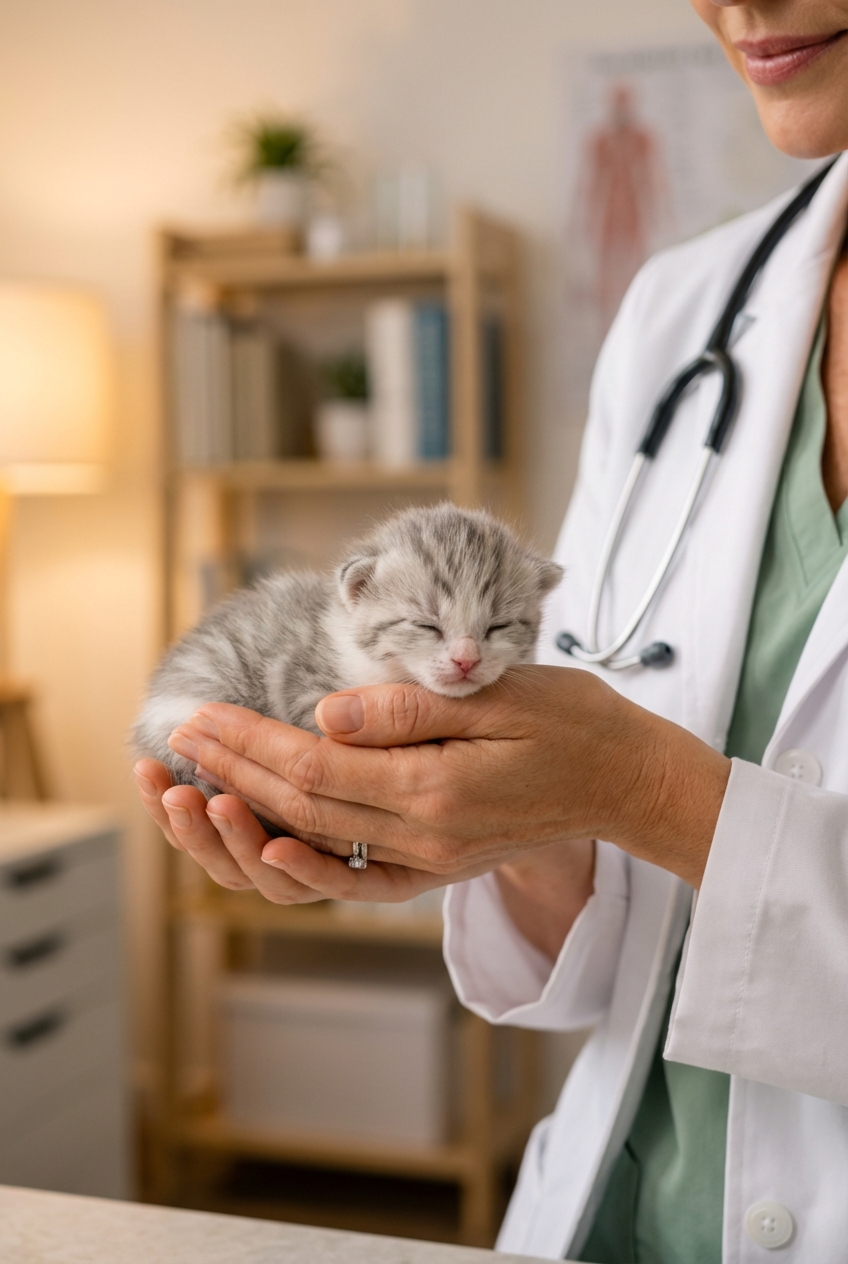
Vet diagnosis and treatment
At the clinic, the goal is to stabilize first, then investigate the underlying cause. Neonatal care often includes:
- Warming support (incubator or controlled heat)
- Blood sugar checks and dextrose support when indicated
- Fluids (often warmed, and delivered carefully to avoid overload)
- Oxygen if breathing is compromised
- Antiparasitic treatment when appropriate (fleas and worms can be devastating)
- Antibiotics if infection is suspected
- Feeding plan with precise volumes and schedule
- Screening for congenital problems, aspiration pneumonia, blood type incompatibility, or viral disease depending on age and presentation
Even when the cause is not obvious, supportive care can buy precious time.
Prevention
You cannot prevent every case of FKS, but you can dramatically reduce risk by focusing on warmth, nutrition, cleanliness, and daily monitoring.
Daily habits that help
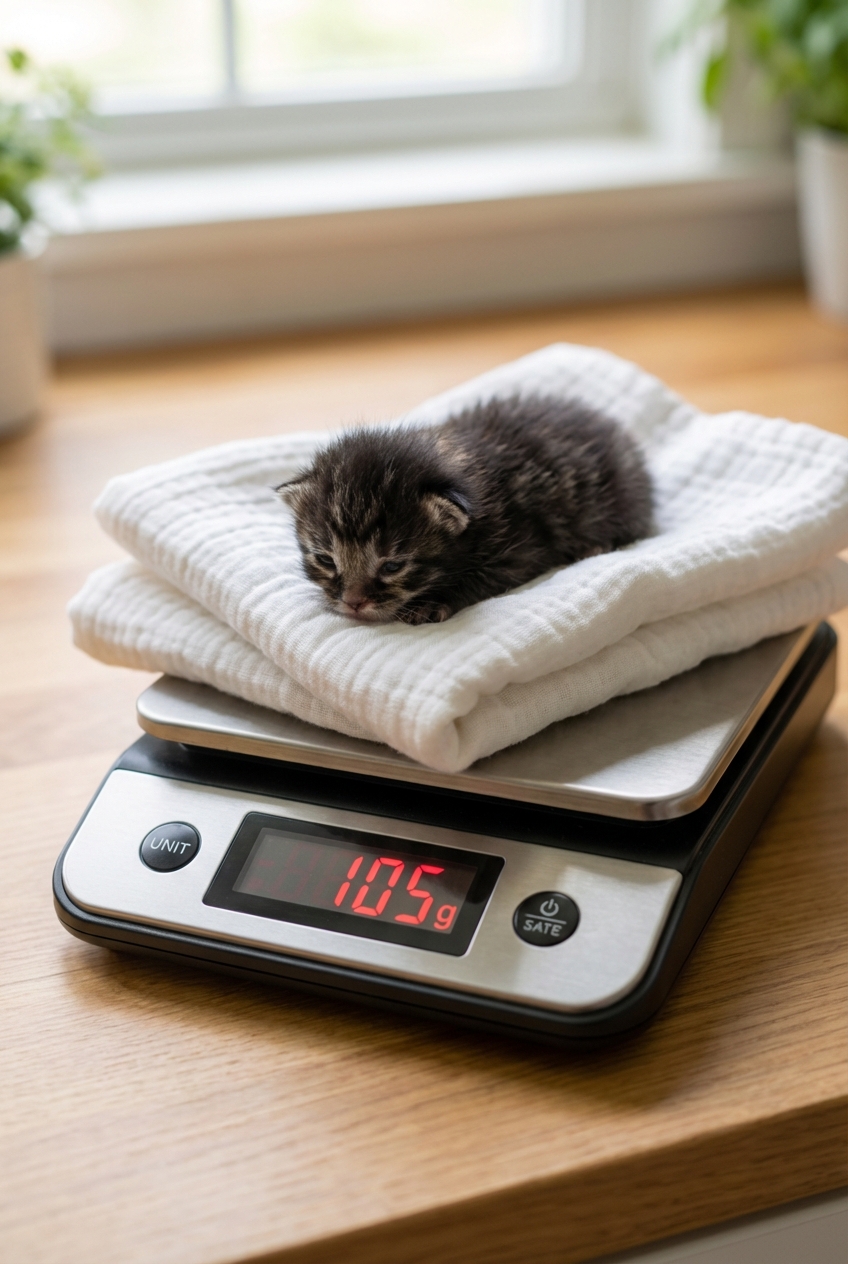
- Weigh kittens daily at the same time using a kitchen scale (grams are ideal). Many healthy kittens gain roughly 10 to 15 grams per day, but trends matter more than a single number. A plateau or drop is a warning sign.
- Keep the nest warm and dry. Young kittens need a warm environment, especially in the first two weeks.
- Check nursing: look for full, rounded bellies after feeding and quiet, satisfied sleep.
- Control fleas safely. Fleas can cause life-threatening anemia in small kittens. Ask your veterinarian for age-appropriate options. Do not apply random over-the-counter products.
- Sanitation matters: wash bedding often, keep formula tools clean, and wash hands between litters.
- Support mom cat: quality food, fresh water, low stress, and a private space.
Nest temperature targets
A warm nesting area is not a luxury for neonates, it is a medical necessity. Aim for these ambient nest temperatures:
- Week 1: about 85 to 90°F (29 to 32°C)
- Week 2: about 80 to 85°F (27 to 29°C)
- Week 3: about 75 to 80°F (24 to 27°C)
- Week 4: about 70 to 75°F (21 to 24°C)
If you are using a heating pad, keep it under half the box so kittens can move away from heat, and monitor closely to prevent burns. If kittens are piled tightly and crying, they may be cold. If they are spread out away from the heat, they may be too warm.
Caregiver checklist
If you are bottle-feeding or fostering, print or save this list. It helps you catch trouble early.
- Has each kitten eaten recently (young neonates may need feeds every 2 to 3 hours)?
- Is each kitten warm to the touch?
- Did each kitten urinate after feeding?
- Are stools happening regularly for that kitten’s age and diet? Contact a veterinarian if there is straining, a swollen belly, or no stool for 24 to 48 hours.
- Is weight trending up day to day?
- Is breathing quiet and easy?
- Any diarrhea, bloating, or milk coming from the nose?
Small steps done consistently can make a huge difference. And if you are overwhelmed, please remember that asking for help is part of good care. Local veterinarians, rescue groups, and experienced foster mentors can be wonderful allies.
If you are worried
If you are reading this because you have a struggling kitten in front of you, take a breath. Start with warmth, keep handling calm and minimal, and call a veterinarian. You are doing the right thing by looking for answers quickly.
Early action saves lives, and even when outcomes are uncertain, your care and comfort matter deeply.