Vet-assistant tips to ease dog allergy itch safely at home: rinses, oatmeal baths, omega-3s, cool compresses, and lick prevention—plus remedies to avoid an...
Article
•
Designer Mixes
Expert Home Remedies for Itchy Dogs

Shari Shidate
Designer Mixes contributor
When your dog is itchy, it is hard on everyone. You see the licking, chewing, rolling, and scratching, and you just want relief quickly. As a veterinary assistant in Frisco, Texas, I can tell you this: most cases of itchiness have a few common root causes, and the best home remedies work when you match them to the cause and keep your dog’s skin barrier healthy.
That said, there are less-common causes too, like mites (mange), ringworm, hormonal or immune-related disease, anal gland discomfort, or even nerve-related itch. This guide walks you through evidence-based, vet-friendly home care you can start today, plus clear red flags for when it is time to call your veterinarian.
Why dogs get itchy
Itch is a symptom, not a diagnosis. Common triggers include:
- Fleas and other parasites (even one flea can cause big itching in sensitive dogs)
- Environmental allergies (pollens, grasses, dust mites, molds)
- Food sensitivities (less common than environmental allergies, but real)
- Dry skin or damaged skin barrier (too-frequent bathing, harsh shampoos, winter air)
- Skin infections (bacterial or yeast, often secondary to allergies)
- Contact irritation (new detergent, carpet cleaners, lawn treatments)
Home care can help soothe and support healing, but if there is infection, parasites, or significant allergy inflammation, your dog may need prescription care to truly get comfortable.
First: a 3-minute check
Set a timer and spend about 30 seconds per step.
1) Look for fleas or flea dirt
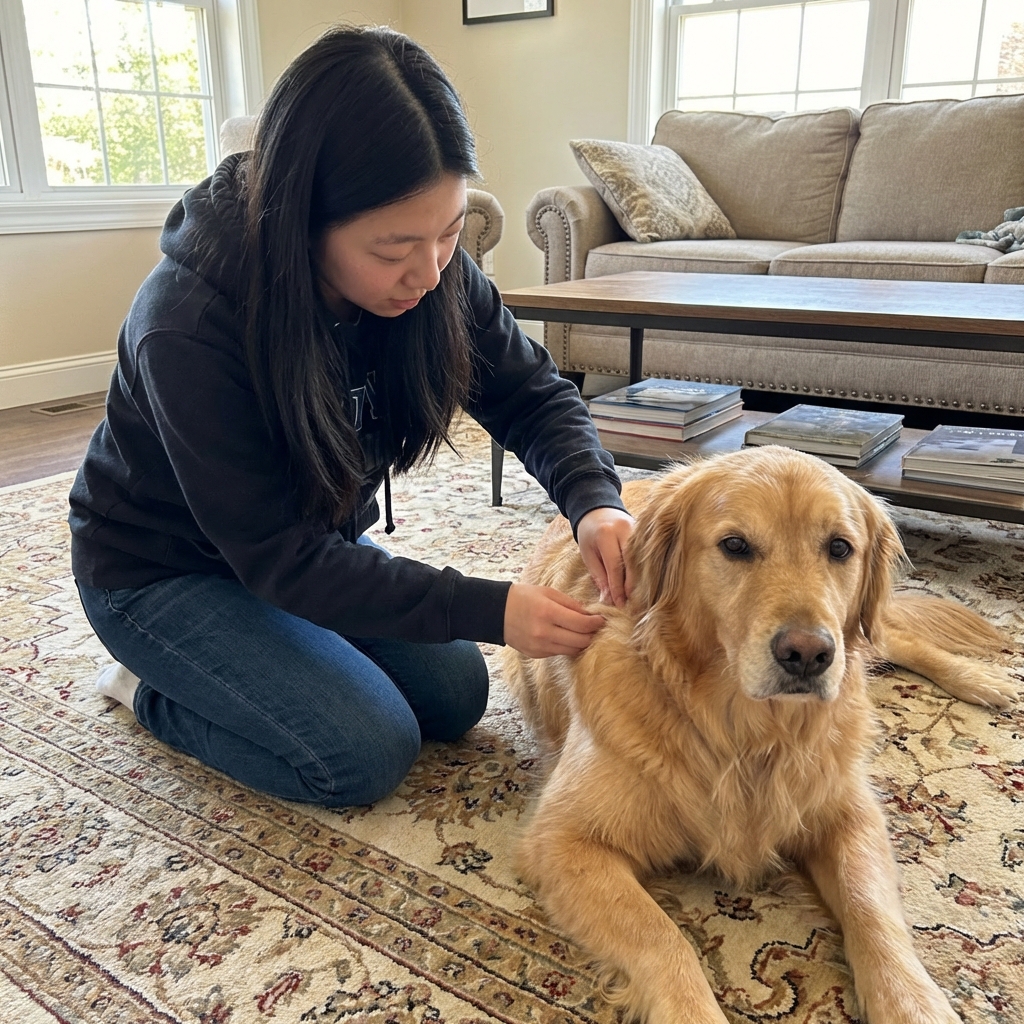
Part the hair at the base of the tail, belly, and armpits. Flea dirt looks like black pepper. If you place specks on a damp paper towel and they turn reddish-brown, that is digested blood.
2) Scan for infection clues
A musty or “corn chip” smell can be associated with yeast or bacterial overgrowth, but it is not a diagnosis. Redness, greasy coat, thickened skin, recurrent ear discomfort, pustules, scabs, oozing, or painful hot spots are all reasons to suspect infection and get veterinary guidance. Your vet may recommend skin or ear cytology to confirm what is going on.
3) Check the paws
Red, inflamed toes, constant licking, or brown saliva staining often points to allergies or yeast involvement.
4) Rate the discomfort
If your dog cannot settle, is keeping you up at night, or is breaking skin, that is not a “wait it out” situation.
Home remedies worth trying
These options are generally safe for most dogs when done correctly. Choose one or two, then reassess after 3 to 5 days.
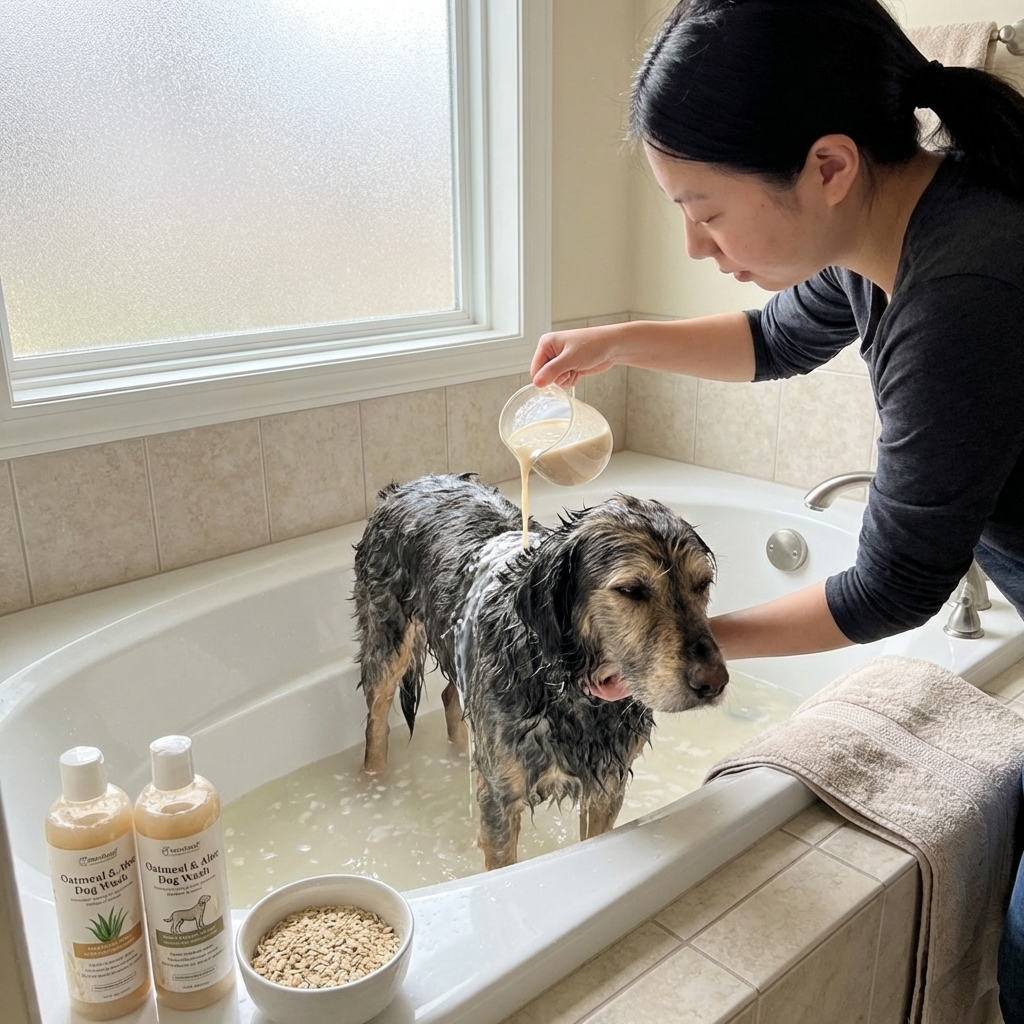
Oatmeal soak
Colloidal oatmeal helps calm inflammation and supports the skin barrier.
- Use plain colloidal oatmeal (unscented, no additives).
- Mix into a lukewarm bath and soak your dog for 10 minutes.
- Rinse lightly or not at all depending on the product directions, then towel dry.
- Repeat 2 to 3 times per week as needed.
Tip: Avoid hot water. Heat can make itching worse.
Cool compress
If your dog has one or two very itchy areas (not open wounds), a cool compress can reduce the urge to scratch.
- Use a clean washcloth with cool water.
- Hold on the area for 5 to 10 minutes.
- Repeat up to 3 times daily.
If the area is wet, oozing, or painful, skip the compress and call your veterinarian. Hot spots can worsen quickly.
Bathing that helps
For allergy-prone dogs, bathing can remove pollen and soothe skin, but over-bathing can strip oils.
- During flare-ups, bathe once weekly with a gentle, dog-specific, fragrance-free shampoo.
- Use a moisturizing conditioner made for dogs if your vet approves.
- Between baths, rinse paws and belly after outdoor time.
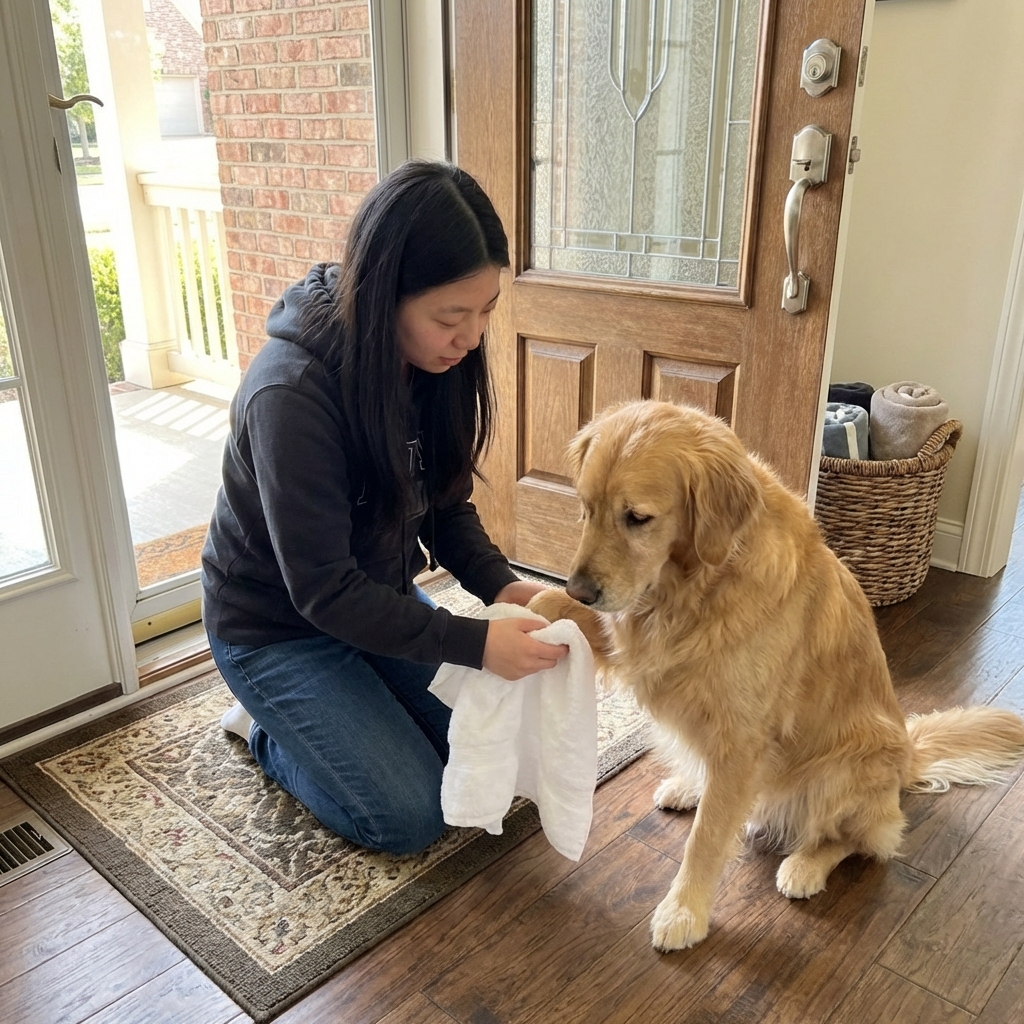
Paw rinses after outside
This is one of the simplest, most effective routines for seasonal discomfort.
- Use lukewarm water to rinse feet, between toes, and the belly.
- Dry thoroughly, especially between toes.
Moisture trapped in paws can feed yeast, so drying matters as much as rinsing.
Humidifier for dry skin
In winter or in very dry indoor air, a humidifier can reduce skin dryness. Aim for about 30% to 50% indoor humidity (some homes do better closer to 40% to 60%), and keep the unit clean to prevent mold.
Nutrition support: omega-3s
Skin is an organ, and it responds to what your dog eats. Omega-3 fatty acids (EPA and DHA) have research support and may help reduce inflammation and itching in some dogs, especially when allergies are part of the picture.
- Talk to your veterinarian about an appropriate fish oil dose for your dog’s weight and health history.
- Choose products formulated for pets or high-quality human-grade fish oil with third-party testing.
- Introduce slowly to avoid tummy upset.
If you want to add “real food” toppers, keep it simple and treat it like a treat, not a cure. Small amounts of cooked salmon or sardines in water (no salt added) can be reasonable for many dogs. Skip anything that triggers diarrhea or vomiting.
Home remedies to avoid
I know the internet loves a quick fix, but a few popular options can backfire.
- Apple cider vinegar on raw or broken skin: it can sting and worsen irritation.
- Essential oils: many are irritating or toxic to pets, and dosing is hard to do safely.
- Human anti-itch creams: some ingredients are unsafe if licked, and many dogs will lick.
- Benadryl without guidance: it is not effective for all itch, and dosing must be correct. It can also be risky with certain medical conditions and medication interactions. Ask your vet before using it.
- Human shampoos: they can disrupt your dog’s skin pH and worsen dryness.
- Human pain meds: ibuprofen, naproxen, and acetaminophen can be dangerous for dogs. Do not use them for itch discomfort.
If you suspect allergies
Reduce pollen exposure
- Wipe down coat and paws after walks.
- Wash bedding weekly in fragrance-free detergent.
- Vacuum and mop regularly, especially if your dog spends time on rugs.
Use parasite prevention year-round
Flea allergy dermatitis is one of the most common reasons for intense itch. Consistent vet-recommended flea and tick prevention can be a game-changer, even for mostly indoor pets.
Track patterns
Keep a simple itch journal for two weeks:
- Where the itch is (ears, paws, belly, back)
- Season and weather
- Any new foods or treats
- Bathing products used
- Response to each remedy
It can also help to take clear photos of rashes or spots (one close-up, one from farther back for location), and bring any shampoos, supplements, and food labels to your appointment. This makes your vet visit much more productive and can shorten the time to relief.
Food allergy note
If itching is year-round, involves ears and paws, or comes with recurring skin or ear infections, your vet may discuss food allergy as part of the workup. A true diagnosis typically requires a veterinarian-guided elimination diet trial for 8 to 12 weeks. Switching foods every few days usually just adds confusion and delays answers.
Contagious causes to keep in mind
A couple of itchy skin problems are important because they can spread to other pets, and sometimes to people.
- Sarcoptic mange (scabies): often causes intense itching and can affect humans temporarily. If multiple pets or people in the home are itchy, call your vet.
- Ringworm: can cause circular hair loss, scaling, or crusty patches and is contagious. Get veterinary advice promptly, especially in homes with kids, seniors, or immunocompromised family members.
Prevent skin damage
While you are treating the cause, preventing self-trauma can speed healing.
- Keep nails trimmed to reduce scratch damage.
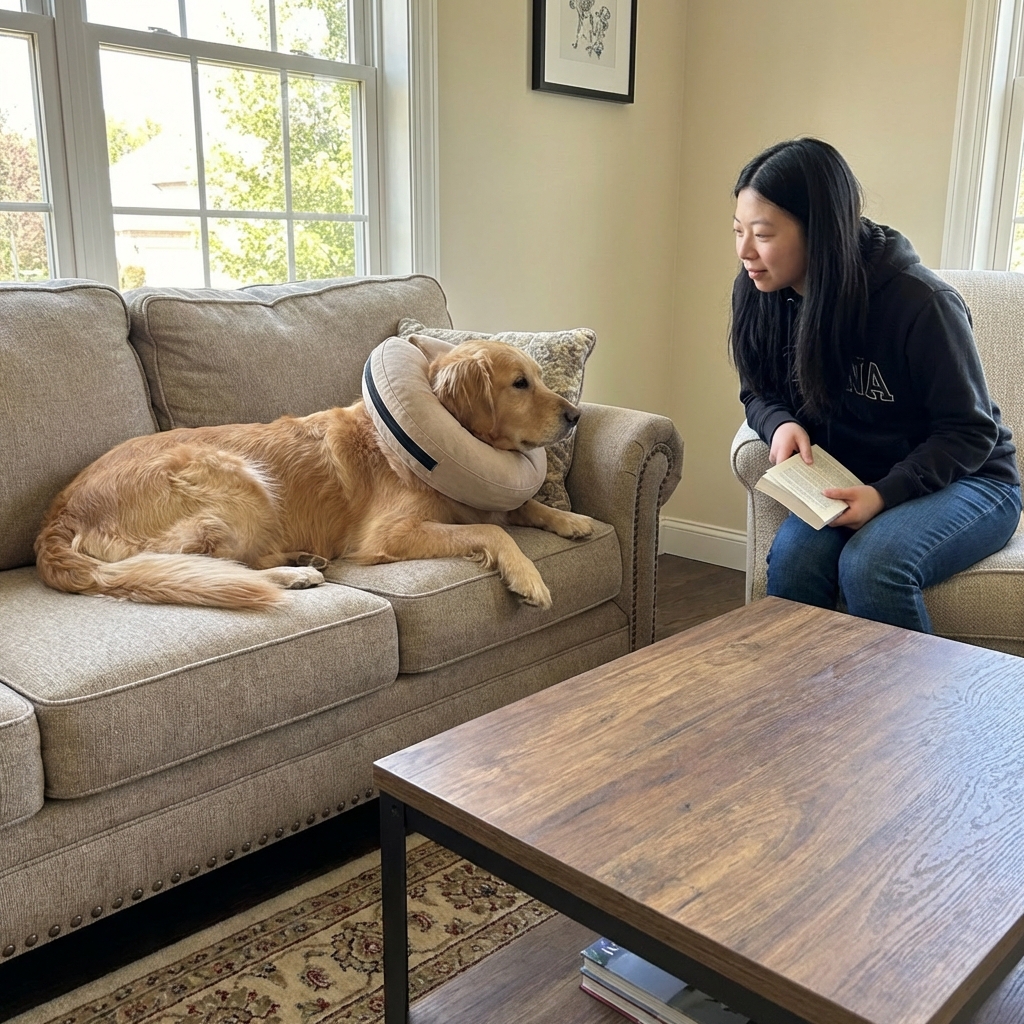
- Use an e-collar or recovery collar early if chewing is breaking skin.
- For body scratching, a clean T-shirt can help as a short-term barrier (make sure it stays dry and does not rub).
When to call the vet
Please get medical help promptly if you notice any of the following:
- Open sores, bleeding, oozing, or a rapidly spreading hot spot
- Strong odor, thick discharge, or intense redness
- Ear swelling, head shaking, or pain when you touch the ears
- Hair loss in patches, crusting, or thick “elephant skin” changes
- Discomfort that prevents sleep or normal activity
- Vomiting, diarrhea, facial swelling, hives, or trouble breathing
- Other pets or people in the home becoming itchy (think mites or ringworm)
In many cases, itching becomes a cycle: itch leads to licking and scratching, which breaks the skin barrier, which invites infection, which increases itch. Breaking that cycle early can save your dog a lot of discomfort.
A simple 7-day plan
- Day 1: Check for fleas and start consistent vet-recommended flea prevention if you are not already.
- Day 1 to 7: Rinse and dry paws after outdoor time.
- Day 2: Do a colloidal oatmeal bath or a gentle hypoallergenic bath.
- Day 2 to 7: Wash bedding once, vacuum high-traffic areas.
- Day 3 to 7: If your vet approves, begin omega-3 support and keep diet consistent.
- Any day: Use an e-collar if your dog cannot stop chewing and is breaking skin.
If your dog is not noticeably better by day 5, or if symptoms worsen at any time, it is time to schedule a vet appointment. There are excellent, safe prescription options today, and many dogs need that extra support during flare-ups.
Bottom line
The best home remedies for itchy dogs focus on three things: removing triggers, calming inflammation, and protecting the skin barrier. Start simple, go gently, and watch closely. Your dog’s skin will tell you quickly what is helping.
When in doubt, treat itch like pain. If it is persistent, intense, or causing skin damage, your veterinarian can help you get true relief instead of temporary distraction.