Dog pees when excited? Use potty-first timing, low-key greetings, door and leash management, and step-by-step calm greeting training. Plus, vet warning signs...
Article
•
Designer Mixes
Excitement Urination in Clever Dogs

Shari Shidate
Designer Mixes contributor
If your dog sprinkles a little pee when company walks in, the leash comes out, or you simply say their name in a happy voice, you are not dealing with a “bad dog.” In clinic, we often call this excitement urination, and it is a common, usually manageable behavior pattern. The goal is to reduce arousal, build steadier emotions, and prevent accidents without shame or punishment.
Good news: Many dogs improve with calm greetings, predictable routines, and positive training. If accidents start suddenly or come with other symptoms, a vet check is the right next step.
What it is (and what it is not)
Excitement urination is an involuntary urine release that happens when a dog’s emotions spike. It often shows up during greetings, play, or when the dog anticipates something fun.
This is different from:
- Housetraining gaps, where a dog urinates because they have not learned the routine or had enough opportunities to go outside.
- Submissive urination, which happens when a dog feels intimidated or anxious, often paired with cowering, tail tucked, avoiding eye contact, or rolling over.
- Medical urinary issues, like urinary tract infections, bladder stones, incontinence, diabetes, or kidney disease.
Many dogs have overlap between excitement and submission. What matters most is your plan: calm, gentle, structured.
Quick ways to tell them apart
- Excitement pattern: happens during “happy build-up” moments (door opens, leash appears), with wiggly body language and friendly approach.
- Submissive pattern: happens during pressure or perceived scolding (looming over, direct reach, loud voice), with tucked tail, lowered body, and avoidance.
- Incontinence pattern: happens during sleep or deep relaxation, or you notice dribbling with no clear trigger.
If you are not sure which pattern fits, treat it gently either way and talk with your vet, especially for adult dogs with new symptoms.
Why it happens
Excitement urination is commonly associated with immature bladder control, high arousal, and, in some dogs, lower confidence or a submissive streak. It is especially common in puppies and adolescents, but some adult dogs continue the pattern.
Common triggers
- Guests arriving or the doorbell ringing
- Owners returning home
- Getting leashed up for a walk
- Playtime revving up fast
- High-pitched voices, squealing, lots of eye contact, fast petting
- Being hovered over (especially by taller adults or excited kids)
Is this common in mixed breeds?
It can be. Some dogs, including many popular companion-breed mixes, are both very social and very sensitive. That combo can mean big feelings in a small body, especially during greetings and transitions.
Note on “Clever Dog”: If you use “Clever Dog” as a nickname for your bright, people-focused mix (or your community uses it as a catch-all), the guidance here still applies. Individual temperament matters more than the label.
When to call the vet
As a veterinary assistant, I always recommend ruling out medical causes when:
- The urination started suddenly in a previously stable adult dog
- You see increased thirst or a big increase in urine volume
- There is blood, straining, licking the vulva or penis, frequent attempts with little output, or a new or worsening strong odor
- Accidents happen during sleep or relaxation (possible incontinence)
- Your dog seems painful, lethargic, or “off”
A simple exam and a urinalysis can give you peace of mind and prevent months of frustration.
What not to do
- Do not punish or scold. It can increase fear and arousal and make submissive or excitement peeing worse.
- Do not force greetings. If a dog is already too wound up to think clearly, pushing interaction often triggers the accident.
- Do not “test” your dog by repeatedly revving them up to see if they can hold it.
- Do not rub their nose in it or use harsh tones. It does not teach bladder control and can damage trust.
Start here: calm greeting plan
This is the cornerstone for most cases, and it works best when everyone in the home follows it.
Step-by-step
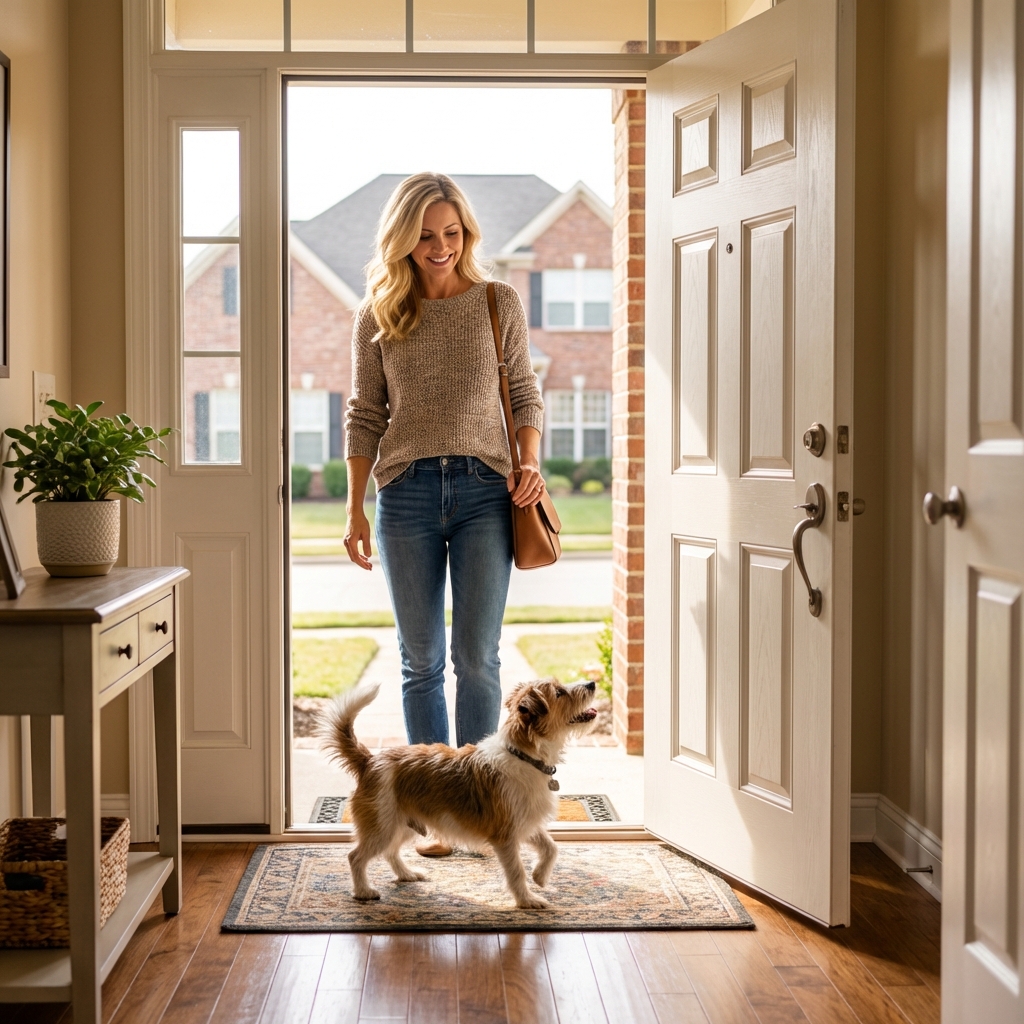
- Pre-potty before excitement. Take your dog outside before guests arrive and right before or after high-excitement moments (arrivals, walk time, playtime).
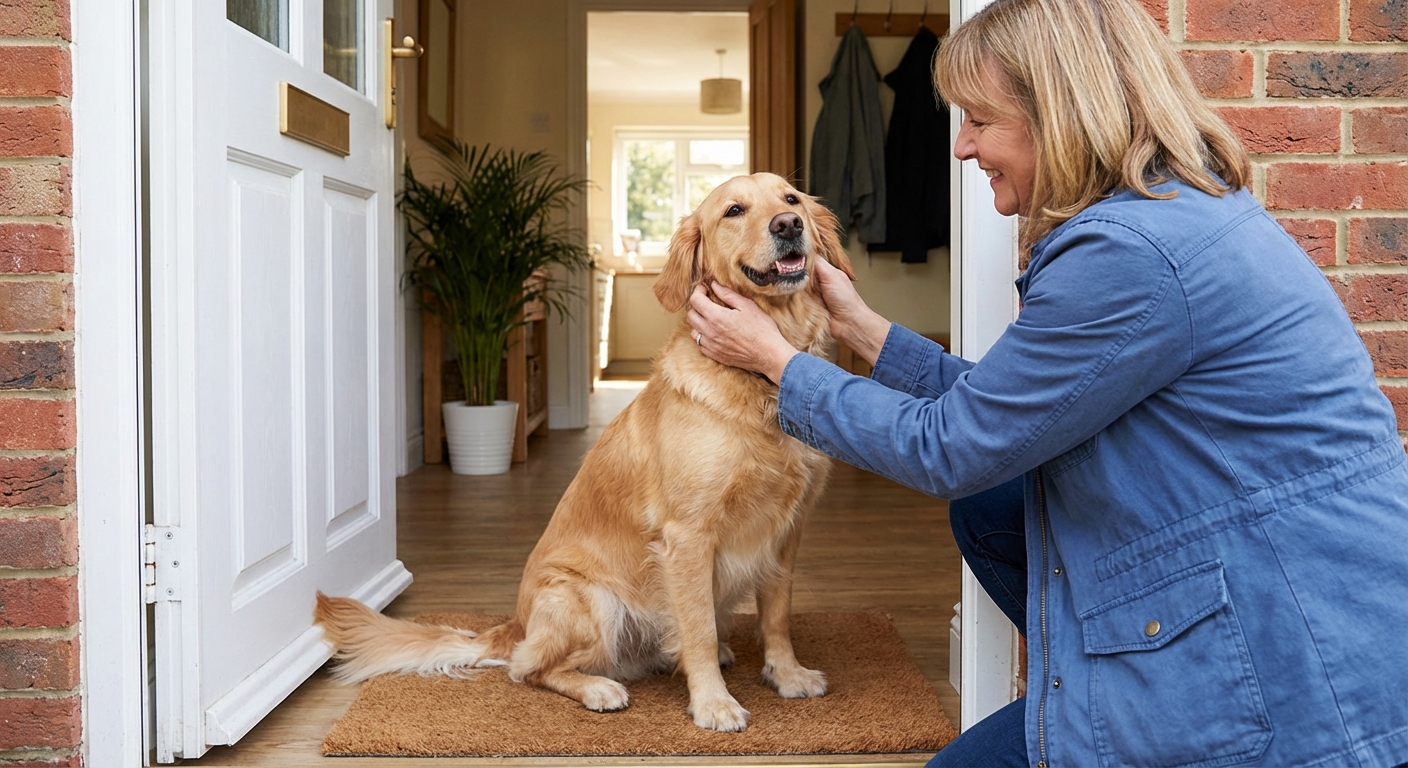
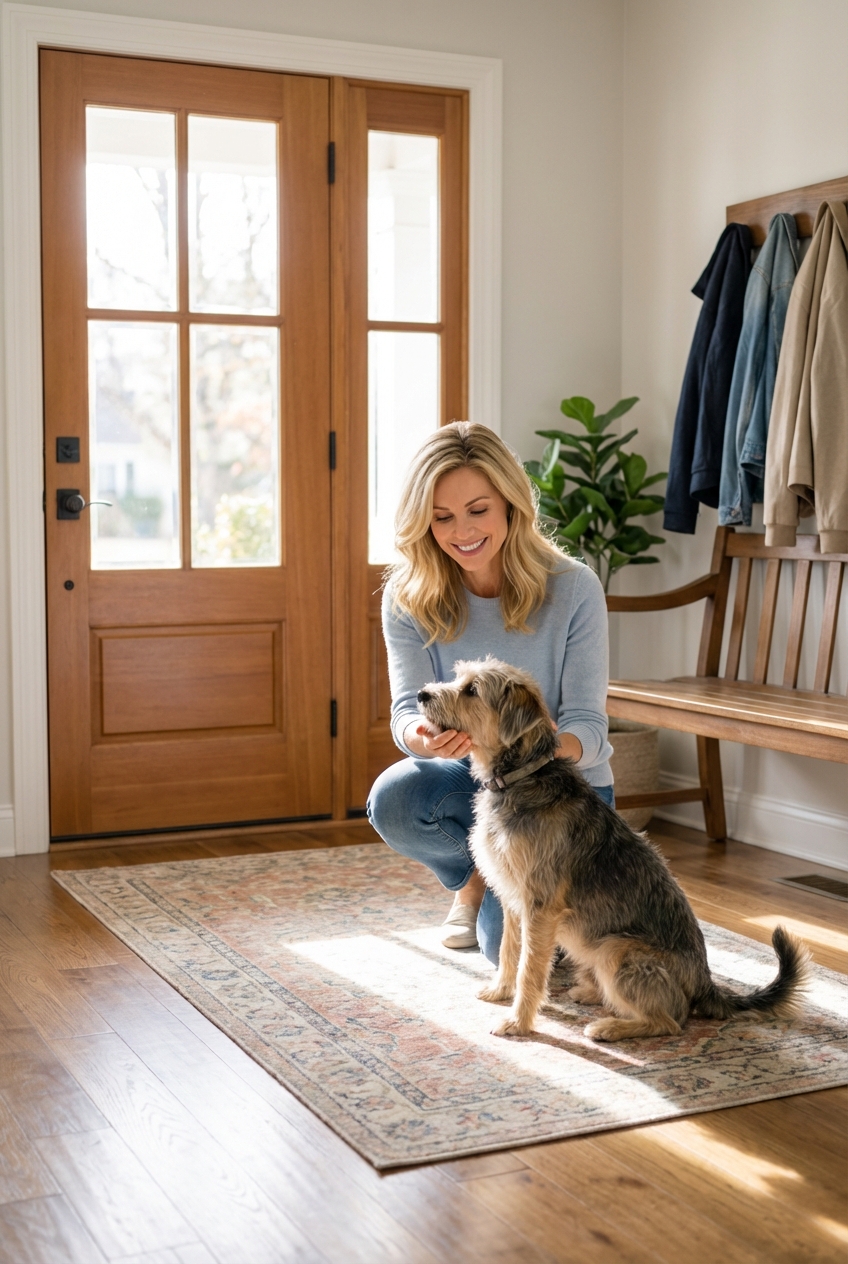
- Keep your return boring. Walk in quietly, avoid eye contact, and skip the excited voice for 1 to 3 minutes.
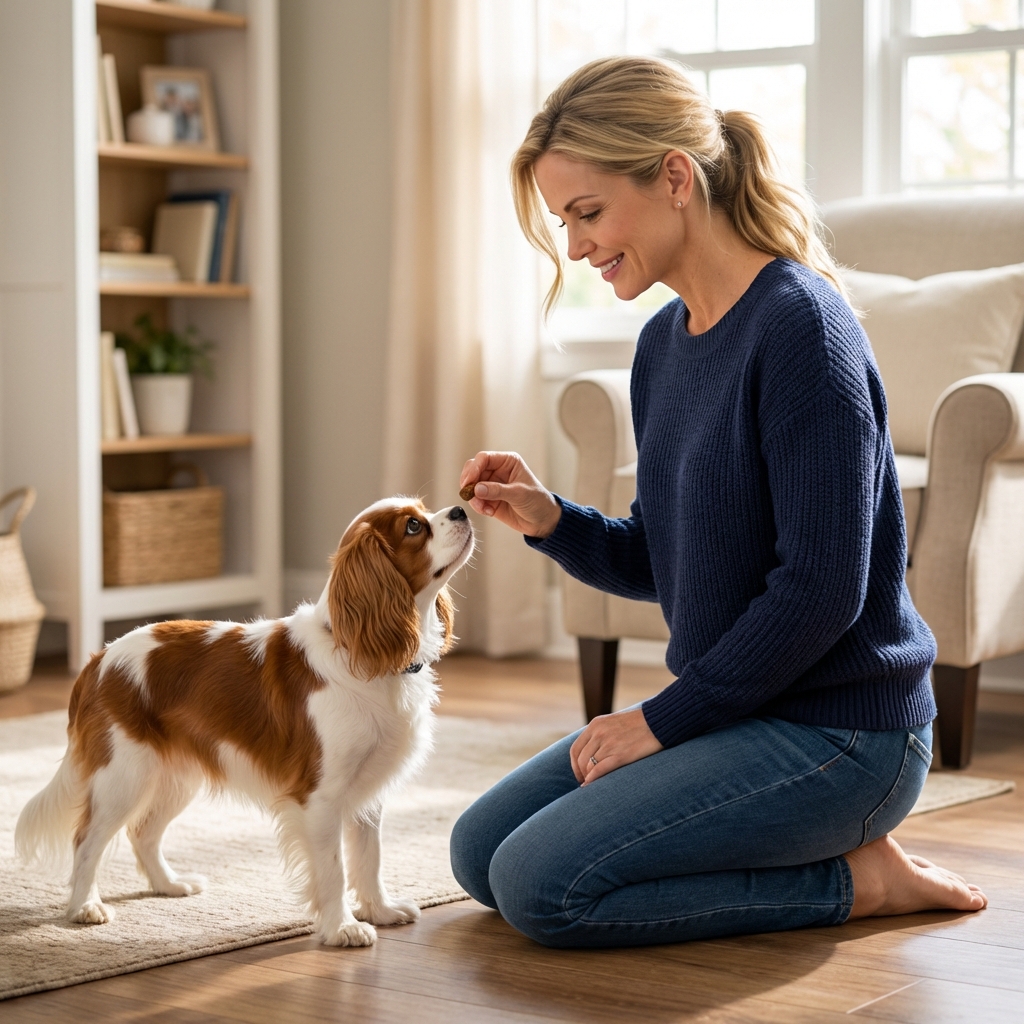
- Ask for calm behaviors. Once your dog has four paws on the floor, reward with a treat placed low and gently delivered.
- Pet calmly, low and slow. Chest or side rubs are often less stimulating than head pats.
- If your dog starts to leak, pause interaction. No drama. Simply step back, let them reset, and lead them outside.
If you want a simple mantra: quiet entry, quick potty, calm reward.
Training for body and brain
1) Teach a “go potty” cue
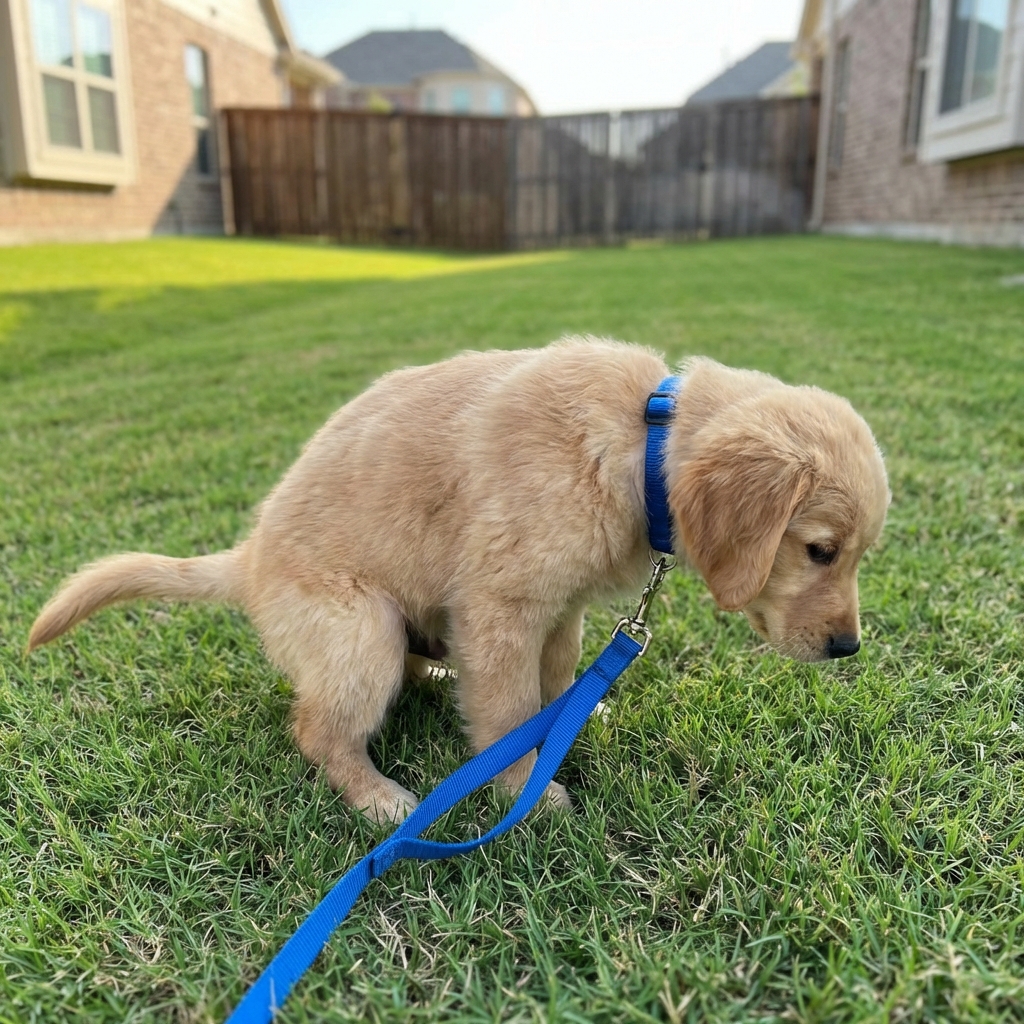
Choose a phrase like “go potty.” Say it once when your dog starts to urinate outside, then reward when they finish. Over time, you can encourage a bathroom break before exciting moments.
2) Practice mat training
A mat becomes a calm station. When the doorbell rings, your dog’s job is to go to the mat for treats. This replaces chaos with a predictable routine.
- Start when it is quiet: reward for stepping on the mat, then for sitting, then for staying.
- Add gentle distractions slowly.
- Later, practice with a friend knocking softly, then gradually increase realism.
3) Reward calm, not hype
If your dog only gets attention when they are wild, they will stay wild. Catch calm moments throughout the day and reward them.
4) Build confidence with choice-based handling
Dogs that feel safer and more in control often pee less during greetings. Invite your dog to approach instead of reaching over them. Let them sniff. Let them step away.
Also, expect that some dogs regress temporarily during adolescence, routine changes, or stressful weeks. That does not mean training failed. It means you return to basics for a bit.
Management that saves your floors
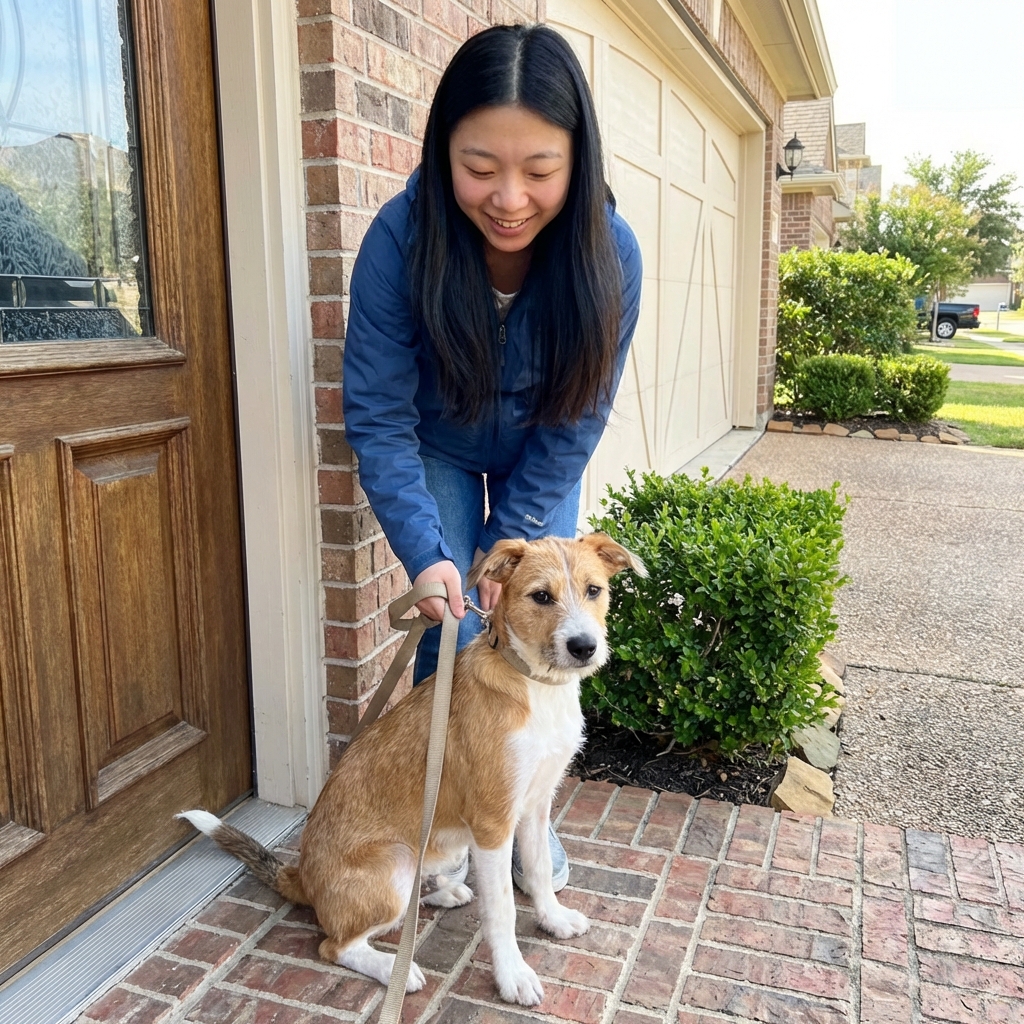
- Use a leash on greetings so your dog can be calmly guided outside without chasing or yelling.
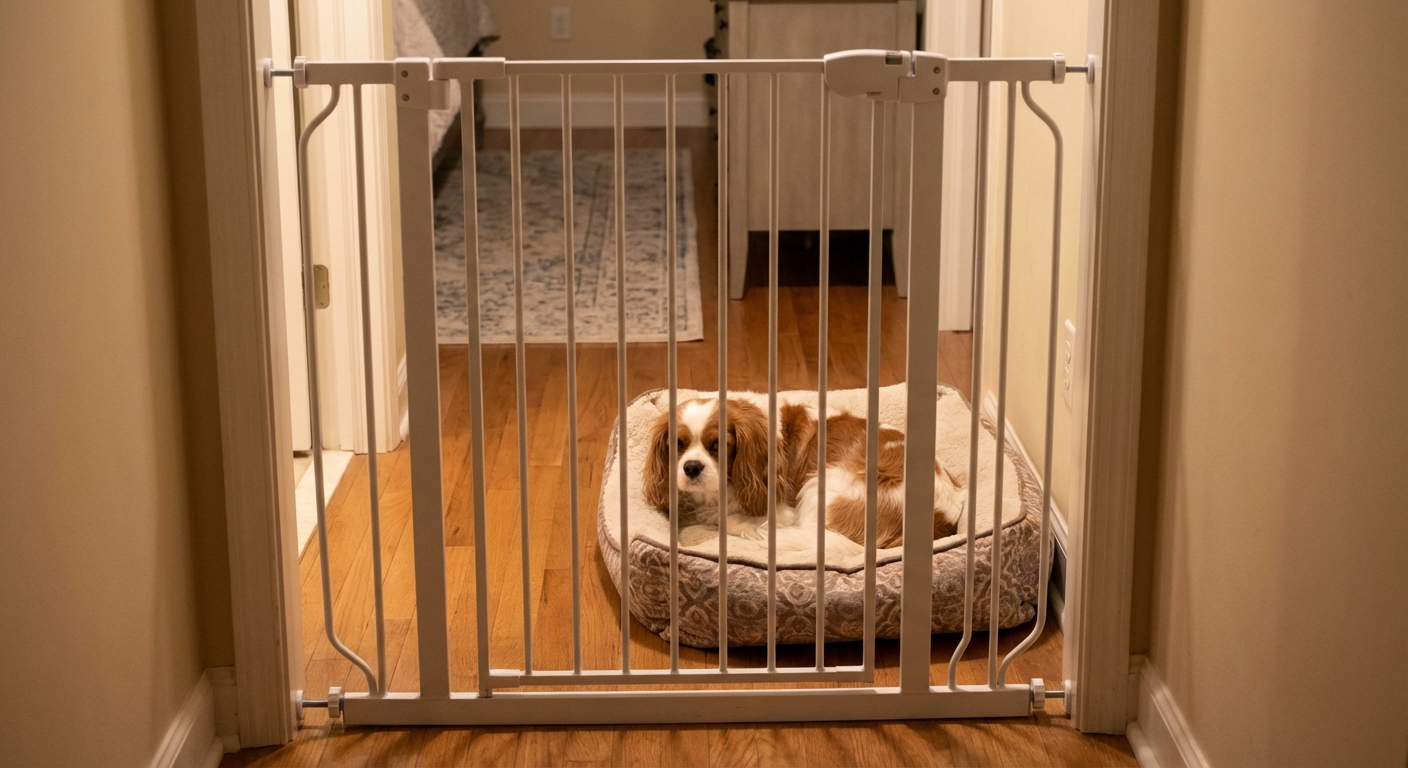
- Limit access with baby gates or an exercise pen during high-risk moments.
- Cover high-value areas temporarily with washable rugs or waterproof mats.
- Consider belly bands (for males) or dog diapers for short guest visits, but keep them clean and do not rely on them as the only strategy.
- Clean with an enzymatic cleaner so lingering odor does not encourage repeat accidents. Blot first, avoid steam cleaning until the stain is fully treated, and skip ammonia-based cleaners.
Coach visitors and kids
Many accidents happen because well-meaning people greet dogs like they greet toddlers. Give guests a simple script:
- Ignore the dog at first.
- No bending over, no face-to-face contact.
- Toss a treat on the floor away from their body.
- Pet only when the dog is calm, and keep it gentle.
For children: teach “be a tree.” Stand still, arms close, quiet voice. Always supervise kid and dog interactions, especially during doorway chaos.
Routine supports
Behavior is easier to change when your dog’s body is supported.
- Consistent potty schedule reduces “overflow” accidents. Many dogs do best with a break after waking, after meals, after play, and before greetings.
- Appropriate hydration is important, but if you notice extreme thirst, ask your vet. Do not restrict water without veterinary guidance.
- Maintain a healthy weight. Extra weight can worsen urinary issues in some dogs.
- Enrichment and exercise help reduce pent-up energy that explodes at the doorway.
How long does it take?
With consistent calm greeting routines and structured training, many families notice improvement in a few weeks, often around 2 to 6 weeks. Timeline varies based on age, severity, consistency, and whether there is an underlying medical or anxiety component. Puppies may also improve as their nervous system matures.
When to get extra help
If your dog is older, fearful, or the problem is severe, consider working with:
- A force-free trainer experienced in fear, arousal, and greeting routines
- A veterinary behaviorist if anxiety is significant
In some cases, addressing underlying anxiety can reduce accidents dramatically, but that decision should be made with your veterinarian.
A gentle reminder
Excitement peeing is usually a sign that your dog loves you and gets overwhelmed by that feeling. With calm structure, short practice sessions, and a little patience, many dogs learn that greetings can be safe, slow, and dry.