Support steadier glucose with high-protein, low-carb homemade meals. Get macro targets, safe ingredients, what to avoid, portion guidance, and 4 simple recip...
Article
•
Designer Mixes
Excessive Hunger in Cats

Shari Shidate
Designer Mixes contributor
When your cat suddenly seems hungry all the time, it can feel confusing and honestly a little alarming. Some cats are simply food-motivated, but excessive hunger (polyphagia) can also be an early clue that something medical is going on.
As a veterinary assistant in Frisco, Texas, I always tell pet parents the same thing: appetite changes are worth paying attention to, especially when they show up alongside weight loss, behavior changes, vomiting, diarrhea, or increased thirst. The goal is not to panic. The goal is to notice patterns and get the right help early.
This article is educational and not a substitute for veterinary care.
What “excessive hunger” looks like
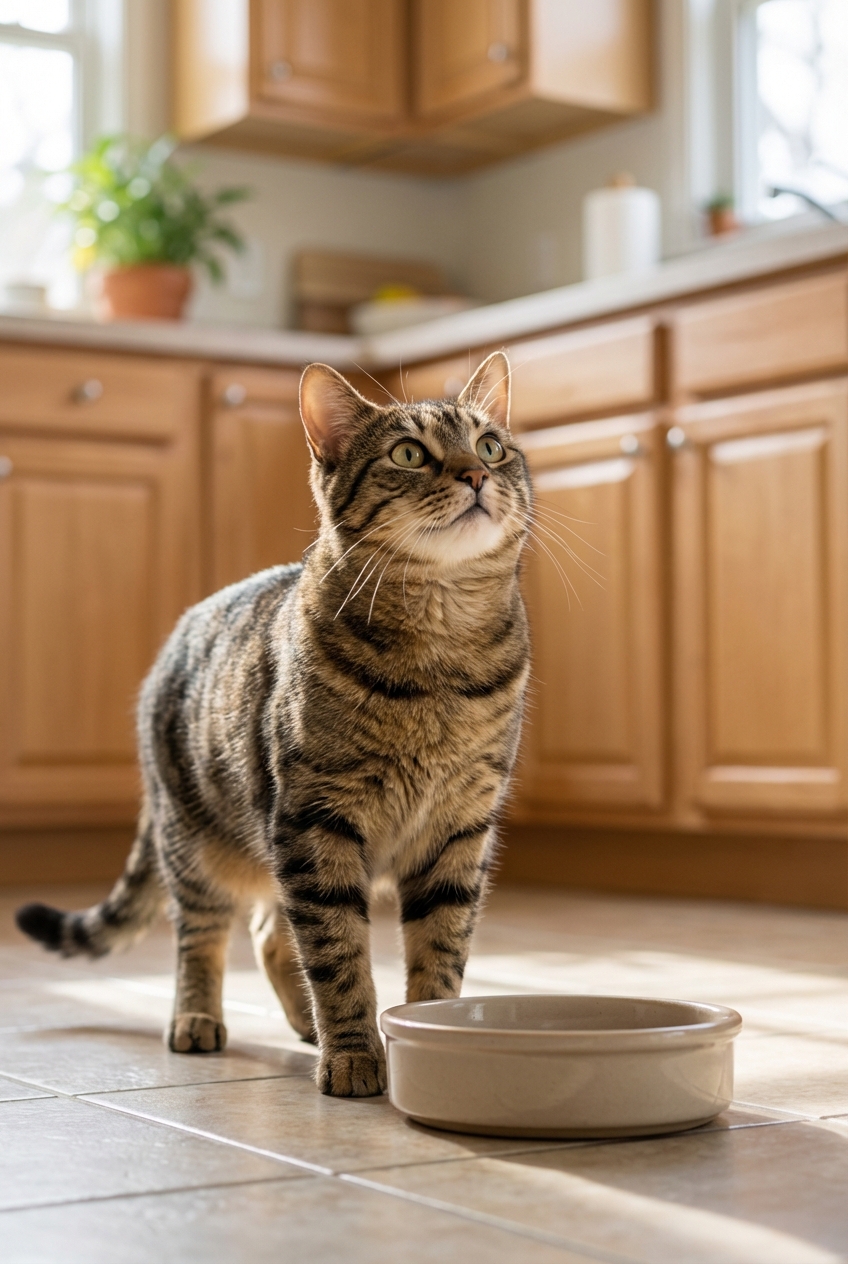
Normal appetite varies by cat, age, and lifestyle. “Excessive” usually means your cat is showing new, persistent behaviors such as:
- Begging for food far more than usual
- Acting frantic at mealtimes or vocalizing constantly
- Stealing food, jumping on counters, or chewing into bags
- Waking you up for food when that is new behavior
- Eating quickly and then searching for more right away
- Being hungry despite regular meals and treats
If you are thinking, “This is not my cat’s normal,” that instinct matters. For example, a cat who used to walk away from the bowl might suddenly finish meals and then start raiding cabinets or the trash.
Common causes of excessive hunger in cats
Excessive hunger is a symptom, not a diagnosis. Here are the most common reasons we see in clinic.
Not enough calories for your cat’s needs
Cats can be underfed unintentionally, especially if their food is being measured incorrectly, they are sharing a home with other pets who steal meals, or their calorie needs have changed. Kittens, very active cats, and cats recovering from illness often need more calories. Feeding guidelines on bags and cans are a starting point, not a perfect prescription for every cat.
Diet satisfaction and energy density
Some diets are less filling for some cats. Satiety is influenced by protein, moisture, fiber, and overall calorie density. Many cats do best with diets that prioritize animal-based protein and appropriate fat, and some benefit from veterinary diets designed for satiety or weight management. If your cat seems hungrier on a new food, it is worth reviewing the label and daily calories with your veterinarian.
Hyperthyroidism
This is one of the top medical causes in older and senior cats (often around 10+ years). An overactive thyroid can rev up metabolism, leading to increased appetite with weight loss. Other common signs include vomiting, diarrhea, restlessness, and increased vocalizing.
Diabetes mellitus
Diabetes can cause increased hunger, increased thirst, and increased urination. Some cats lose weight even though they eat more because the body cannot use glucose properly.
Intestinal parasites
More common in kittens, outdoor cats, and newly adopted cats, intestinal parasites can contribute to hunger, diarrhea, and a “pot-bellied” look. Even indoor cats can be exposed, so stool testing is important.
Digestive disease and poor assimilation
Conditions like inflammatory bowel disease (IBD) can affect how well your cat digests and assimilates nutrients. Some cats will eat more because their body is not getting what it needs. You may also see vomiting, loose stool, gassiness, or weight loss.
Medication side effects
Some medications can increase appetite. If the timing lines up with a new prescription, call your vet before changing anything.
Stress, boredom, and learned behavior
Food seeking can be emotional or environmental. Cats who are under-stimulated may “hunt” for food to self-soothe. Cats can also learn that crying or pestering works if they get rewarded with treats.
Other causes your vet may consider
These are less common, but they matter, especially when hunger is paired with weight loss or ongoing GI signs:
- Exocrine pancreatic insufficiency (EPI): rare in cats, but can cause a ravenous appetite with weight loss and large, greasy stools
- Intestinal lymphoma or other cancers: can cause weight loss with vomiting, diarrhea, or appetite changes
- Pregnancy or lactation (intact females): calorie needs can rise significantly
- Hyperadrenocorticism (Cushing’s disease): rare in cats, but increased appetite can occur

Clues it may be medical
Reach out to your veterinarian sooner rather than later if excessive hunger comes with:
- Weight loss (even mild)
- Increased thirst or bigger clumps in the litter box
- Vomiting or diarrhea
- Changes in coat quality, greasy coat, or dandruff
- Restlessness, pacing, or “wired” behavior
- Increased vocalizing, especially in older cats
- Weakness, stumbling, or changes in back legs
One detail that helps a lot: if your cat is eating more and still losing weight, do not wait it out. That usually means you should book a vet visit as soon as possible (ideally within a few days). It does not automatically mean you need an ER visit, unless other urgent signs are happening too.
How vets diagnose the cause
Your veterinarian will usually start with a thorough history and exam, then recommend tests based on your cat’s age and symptoms. Common diagnostics include:
- Weight check and body condition score to confirm trends
- Fecal testing for intestinal parasites
- Bloodwork (often includes thyroid levels in older cats)
- Urinalysis to screen for diabetes and other issues
- Blood pressure in older cats, especially if hyperthyroidism is suspected
- Imaging like ultrasound if digestive disease is on the list
If possible, bring a short log of what and how much your cat eats, plus any treats and table foods. That real-world information is incredibly useful.
Safe steps at home
1) Confirm you are feeding the right amount
Check the calorie information on the bag or can, and measure with a standard measuring cup, not a “scoop” of unknown size. If you are unsure, ask your veterinary team to calculate a daily calorie target based on your cat’s ideal weight and life stage.
2) Shift from free-feeding to meals
Many cats feel more secure with routine. Try 2 to 4 smaller meals per day. Timed feeders can help, especially for early-morning begging.
3) Increase fullness wisely
- Ask your vet if a higher-protein, moisture-rich diet would be a better fit.
- Consider adding a bit more wet food if appropriate, since moisture and protein can help some cats feel fuller.
- Avoid “filler” treats that add calories but not nutrition.
4) Use enrichment to reduce food obsession
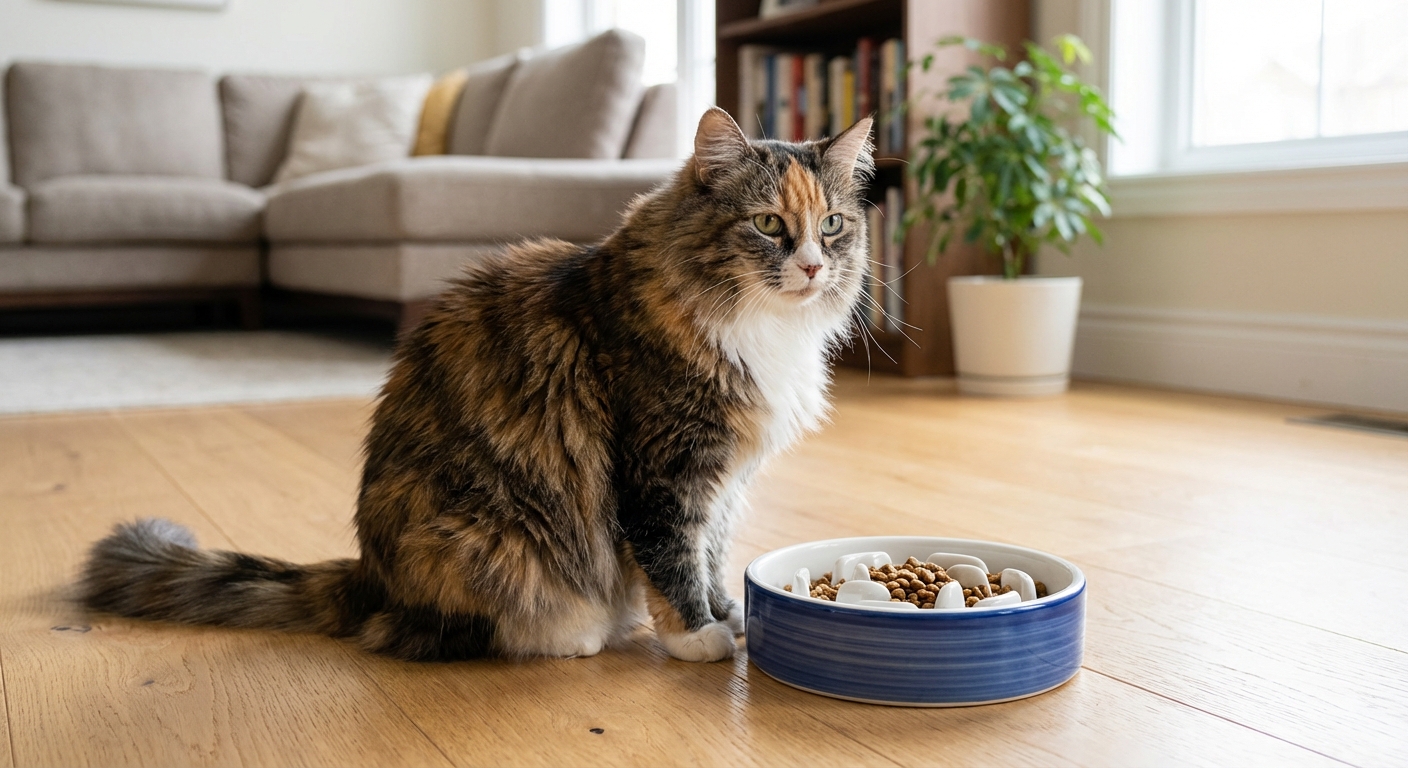
Food puzzles, treat balls (with part of the measured daily kibble), and short play sessions can redirect that hunting drive in a healthier way.
5) Do not restrict aggressively
Cats should not be put on sudden, severe calorie restriction. It can be dangerous, especially for overweight cats, because it increases the risk of hepatic lipidosis (fatty liver disease). If weight management is needed, your vet can guide a safe plan.
What not to do
- Do not assume it is “just behavior”, especially in cats over 7 years old.
- Do not change foods repeatedly week to week. Too many swaps can trigger GI upset and make patterns harder to see.
- Do not give dog dewormer or human meds without veterinary direction.
- Do not ignore weight loss, even if your cat seems energetic.
When to seek urgent care
Excessive hunger alone is usually not an emergency, but you should seek prompt veterinary care if your cat has:
- Rapid or significant weight loss
- Repeated vomiting, inability to keep food down, or signs of dehydration
- Extreme lethargy, weakness, or collapse
- Labored breathing or open-mouth breathing
- Signs of pain (hunched posture, hiding, growling when touched)
The encouraging part
Many causes of excessive hunger are very treatable once identified. Hyperthyroidism, diabetes, parasites, and many digestive problems can often be managed successfully with the right combination of nutrition, medication, and monitoring. The earlier you investigate, the better your odds of keeping your cat comfortable and thriving.
If your cat’s appetite has changed and your gut says something is off, trust that instinct and schedule a checkup. A simple exam and basic tests can provide real answers.