Learn how to support dogs with bladder stones using hydration-first homemade meals, low-purine protein options, urine pH basics, treat pitfalls, and foods to...
Article
•
Designer Mixes
Essential Treatment for Prostatitis in Dogs

Shari Shidate
Designer Mixes contributor
When a male dog suddenly seems painful, strains to defecate, or starts having urinary accidents, one often overlooked cause is prostatitis, which is inflammation (and sometimes infection) of the prostate gland. As a veterinary assistant here in Frisco, Texas, I have seen how fast prostatitis can go from “something seems off” to a true emergency if a dog becomes very sick overall or cannot pass urine.
The good news is that with prompt veterinary care, most dogs improve significantly. The key is knowing what prostatitis looks like, what treatment usually involves, and what you can do at home to support healing.
What it is and why it matters
The prostate sits near the bladder and surrounds the urethra. When it becomes inflamed, it can affect urination, bowel movements, comfort, and sometimes fertility in intact males.
One important detail: not all prostatitis is bacterial. Some cases are sterile inflammation or are secondary to other prostate problems. That is why diagnostics matter, because antibiotics are not always the right answer.
Acute vs. chronic
- Acute prostatitis often comes on quickly and can make a dog feel very sick. This form is more likely to cause fever, lethargy, and severe pain.
- Chronic prostatitis can smolder for weeks or months, sometimes with subtle signs like recurring urinary tract infections.
Both need veterinary evaluation because the prostate is deep in the body and treatment is not something you can safely “DIY” at home.
Who is most at risk
Prostatitis can happen in any male dog, but I see it most often when a few risk factors stack up:
- Intact (not neutered) males, especially middle-aged to older dogs
- Benign prostatic hyperplasia (BPH), which is prostate enlargement common in intact males
- Ascending urinary tract infections (bacteria moving up from the urinary tract)
- Immune suppression (certain diseases or medications can increase infection risk)
Need-to-know symptoms
Prostatitis symptoms can overlap with bladder infections, constipation, anal gland issues, back or orthopedic pain, and bladder stones. If you notice any of the following, call your vet.
- Straining to urinate or producing only small amounts
- Blood in urine, cloudy urine, or strong odor
- Straining to defecate, ribbon-like stools, or constipation
- Pain in the rear end or abdomen, reluctance to sit
- Fever, shivering, lethargy, decreased appetite
- Stiff gait or hind-end discomfort
- Vomiting (possible with more severe illness)
- Discharge from the penis (sometimes)
Urgent: If your dog cannot pass urine, has a swollen painful belly, collapses, or seems severely weak, treat it as an emergency. Prostate swelling and pain can contribute to severe difficulty urinating and, in rare cases, obstruction. More commonly, complete obstruction is caused by things like bladder stones or urethral plugs, but either way, inability to urinate is life-threatening.
How vets diagnose it
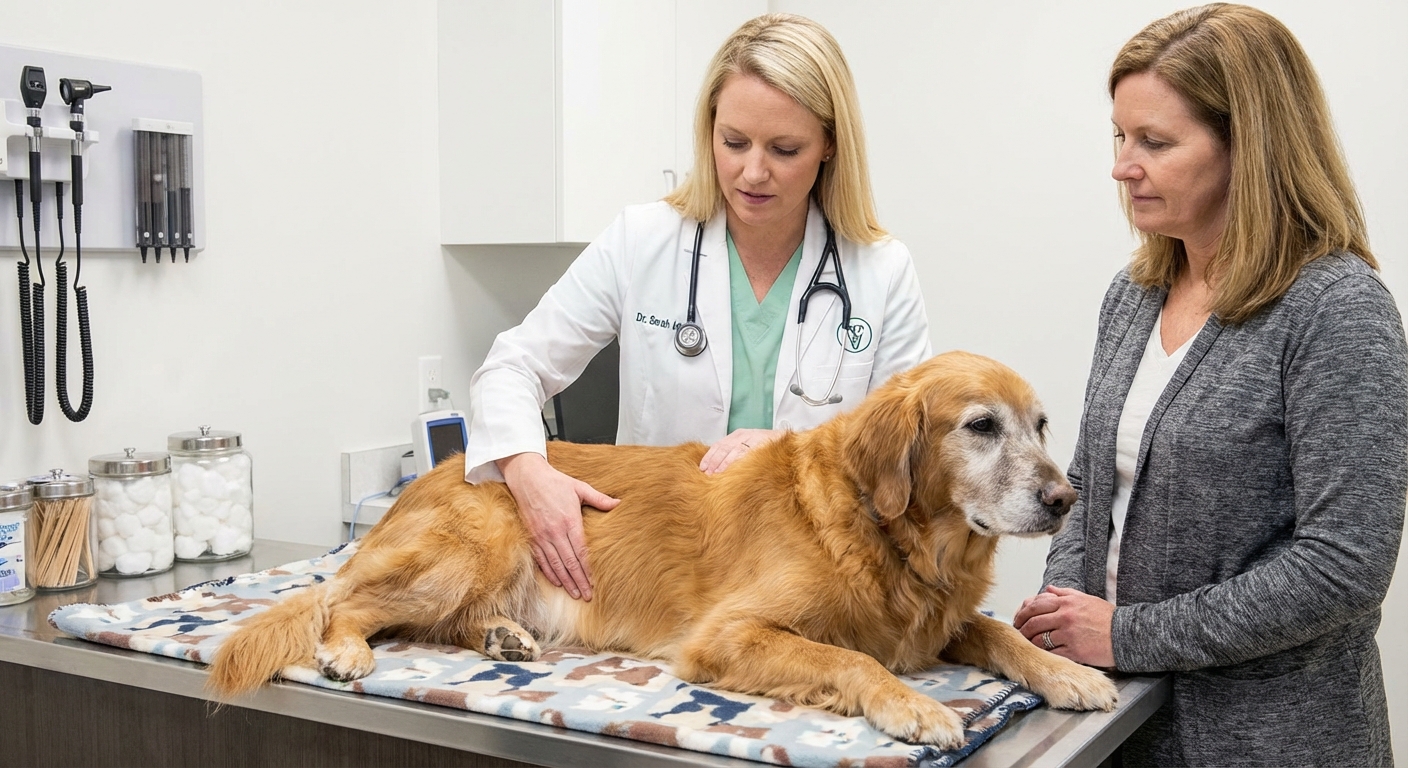
Your veterinarian will tailor diagnostics based on how stable your dog is. Common steps include:
- Physical exam and a history of symptoms and timing
- Rectal exam to assess prostate size and pain (not always possible if very painful)
- Urinalysis and urine culture to look for bacteria, blood, and inflammation
- Bloodwork to check for infection, organ stress, and dehydration
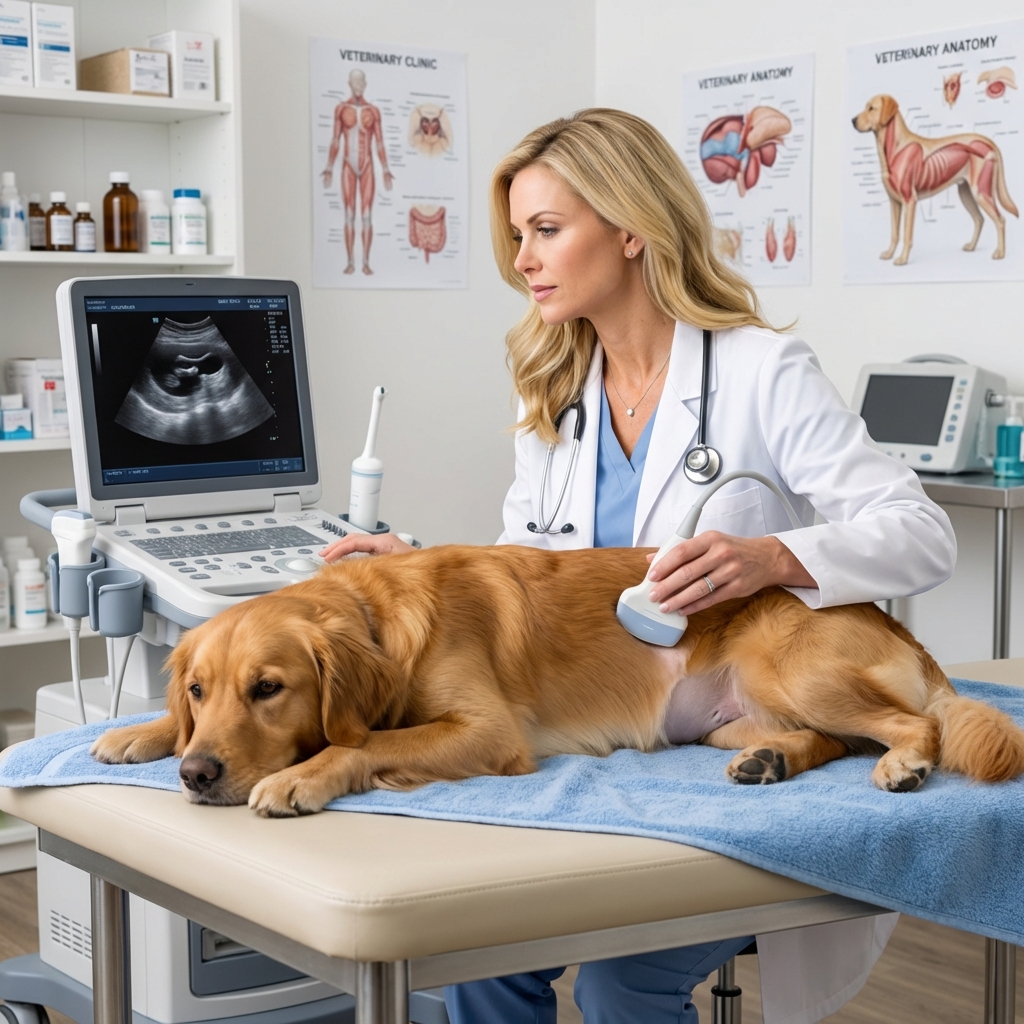
- Ultrasound to evaluate prostate size, pockets of infection, cysts, or abscesses
- Prostatic wash or fluid sampling in select cases to identify the best antibiotic
This testing matters because the prostate can be involved in several conditions, including BPH, cysts, abscesses, and tumors. Treatment changes depending on the cause, and on whether bacteria are actually involved.
Treatment basics
Effective treatment usually has a few pillars: addressing infection if present, controlling pain, supportive care, and often addressing hormones in intact dogs.
1) Antibiotics (when bacterial)
If prostatitis is bacterial, antibiotics are the main treatment. Your vet may start an antibiotic right away (especially in acute cases) and then adjust once culture results return. This is important because not all antibiotics reach the prostate well, and your vet will choose a medication and dose that fit your dog’s culture results and overall health.
- Culture-guided therapy helps avoid antibiotic resistance and reduces relapse.
- Duration is usually long, often several weeks. Stopping early is one of the biggest reasons prostatitis comes back.
2) Pain relief and inflammation control
Dogs with prostatitis can be very uncomfortable. Your veterinarian may prescribe pain medications and sometimes anti-inflammatory medication if it is safe for your dog.
- Never give human pain meds unless your vet specifically directs you. Many are dangerous for dogs.
- Tell your vet if your dog has kidney disease, liver disease, a history of stomach or intestinal ulcers, or is on other medications.
3) Fluids and supportive care
Dogs who are dehydrated, feverish, or very sick overall may need hospitalization for IV fluids, injectable medications, and close monitoring. This can be lifesaving in acute prostatitis.
4) Neutering (often recommended)
In intact male dogs, the prostate is strongly influenced by testosterone. Neutering often shrinks the prostate and reduces the chance of recurrence, especially when prostatitis is linked with benign enlargement.
Your vet will advise timing. In some dogs, neutering is recommended once the infection and inflammation are controlled and your dog is stable.
5) Abscesses, cysts, or severe complications
If ultrasound shows a prostatic abscess (a pocket of infection) or large cysts, antibiotics alone may not be enough. Treatment can include drainage procedures or surgery, depending on size and severity.
These are urgent, higher-risk cases because abscesses can rupture and lead to widespread infection (sepsis). Follow-up imaging is often needed to confirm resolution.
What to expect
Many dogs start feeling better within a few days of starting the right treatment, especially once pain is controlled. Even if your dog seems back to normal, the prostate can take longer to fully clear, which is why antibiotics (when used) often continue for weeks and follow-up testing is important.
At-home care that helps
Home care does not replace veterinary treatment, but it can support your dog’s comfort and recovery.
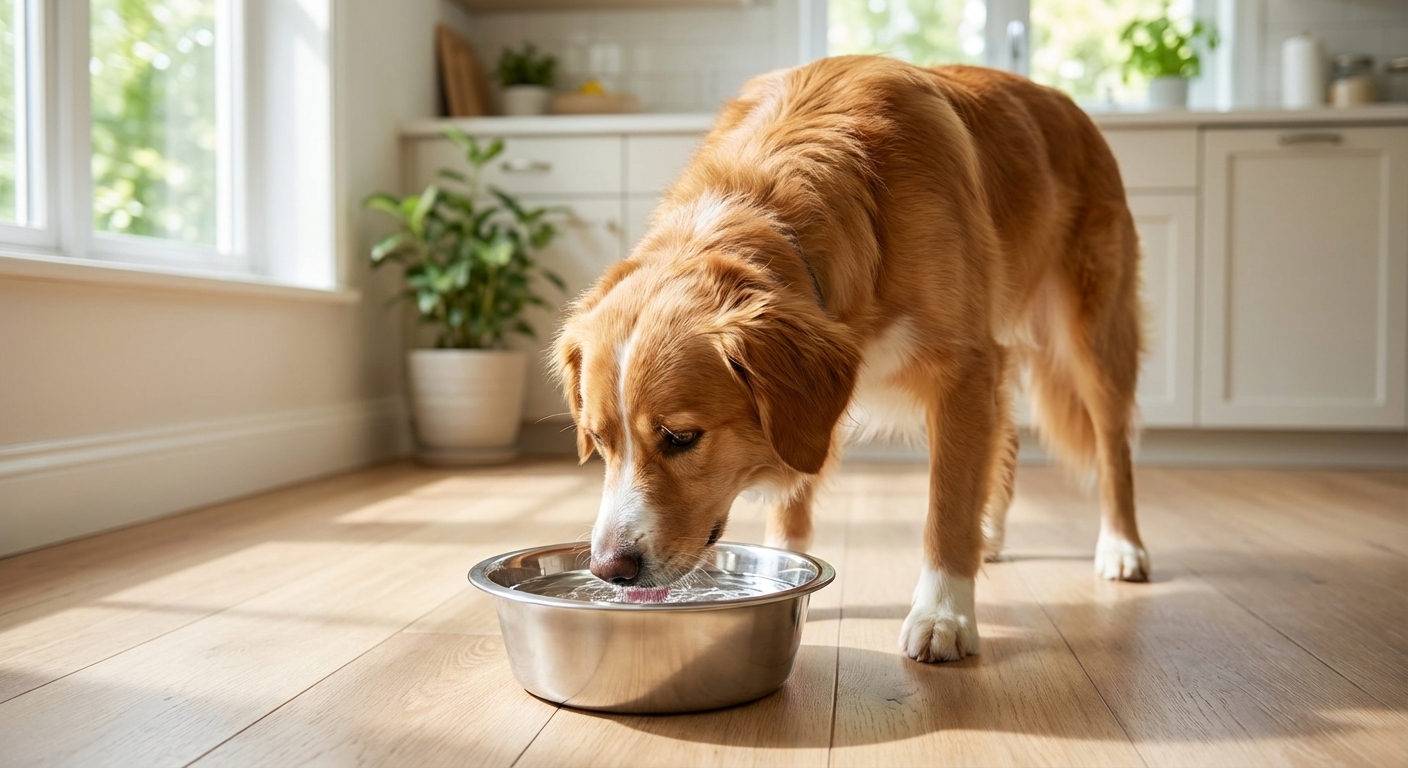
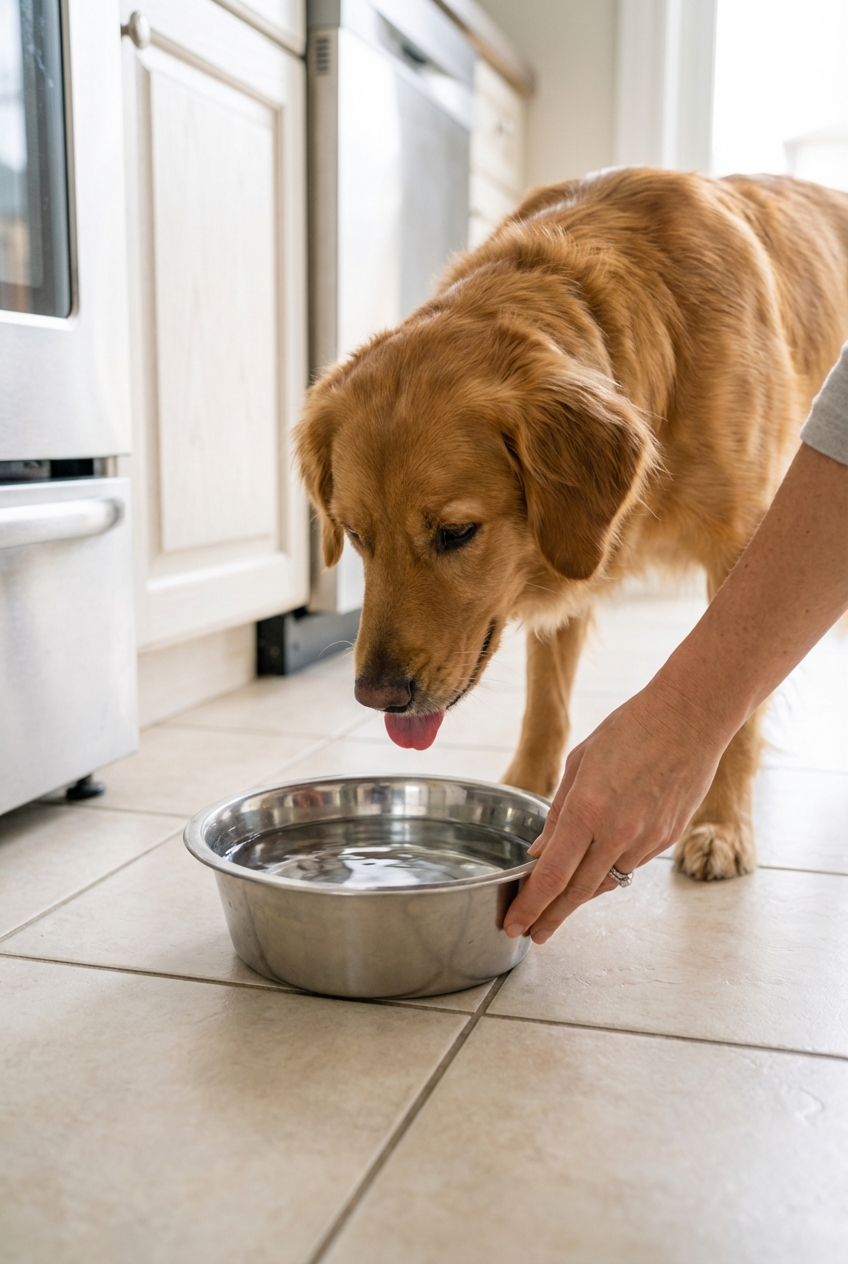
Keep him hydrated
- Offer fresh water often.
- Ask your vet if adding water to food or offering low-sodium broth is appropriate for your dog.
Make bathroom breaks easier
- Take your dog out more frequently so he does not have to hold urine.
- Use a leash and keep walks short and calm to reduce strain and stress.
Reduce pressure on the rear end
- Provide soft bedding.
- Discourage jumping or rough play until your vet clears activity.
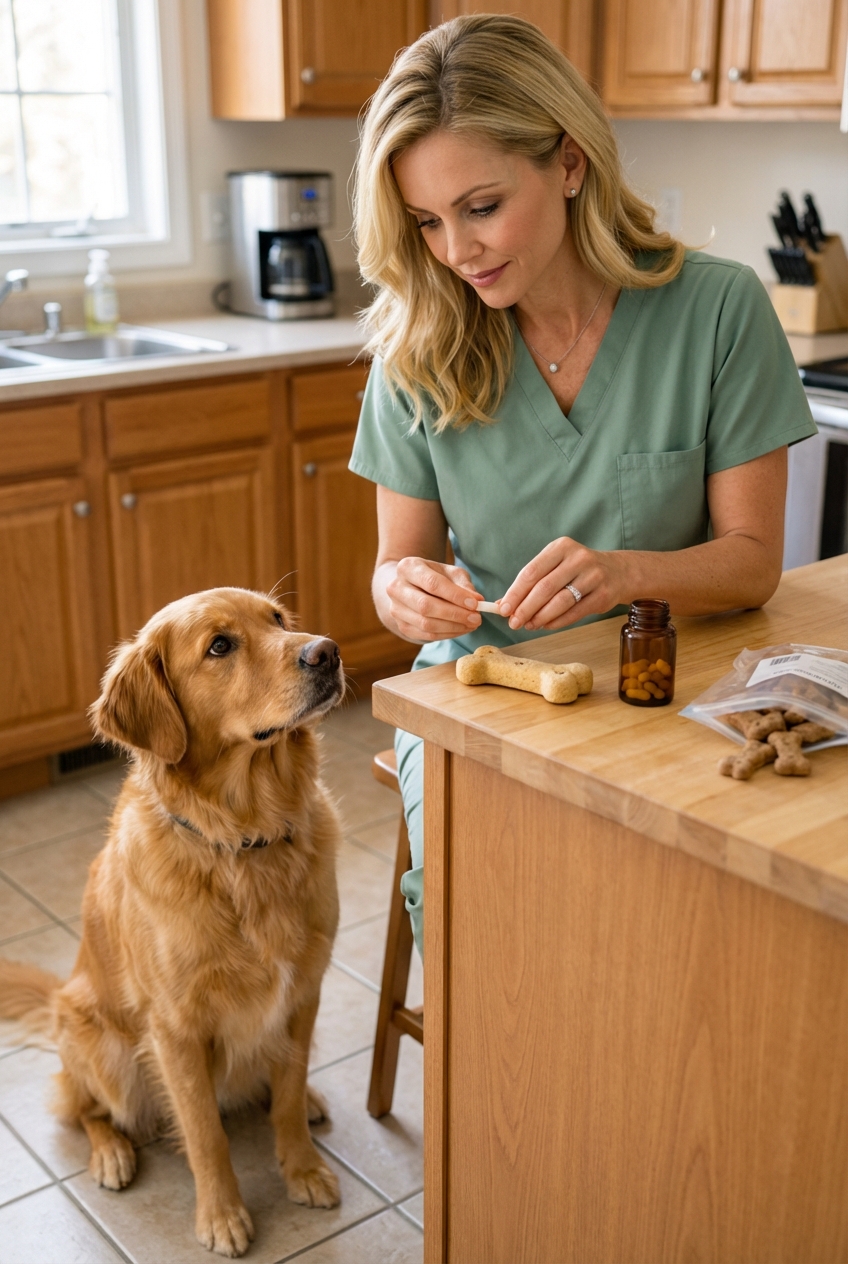
Give all medications exactly as prescribed
- Use reminders and finish the entire course.
- If vomiting, loss of appetite, or diarrhea starts after meds, call your vet promptly. Sometimes a medication change is needed.
Nutrition basics during recovery
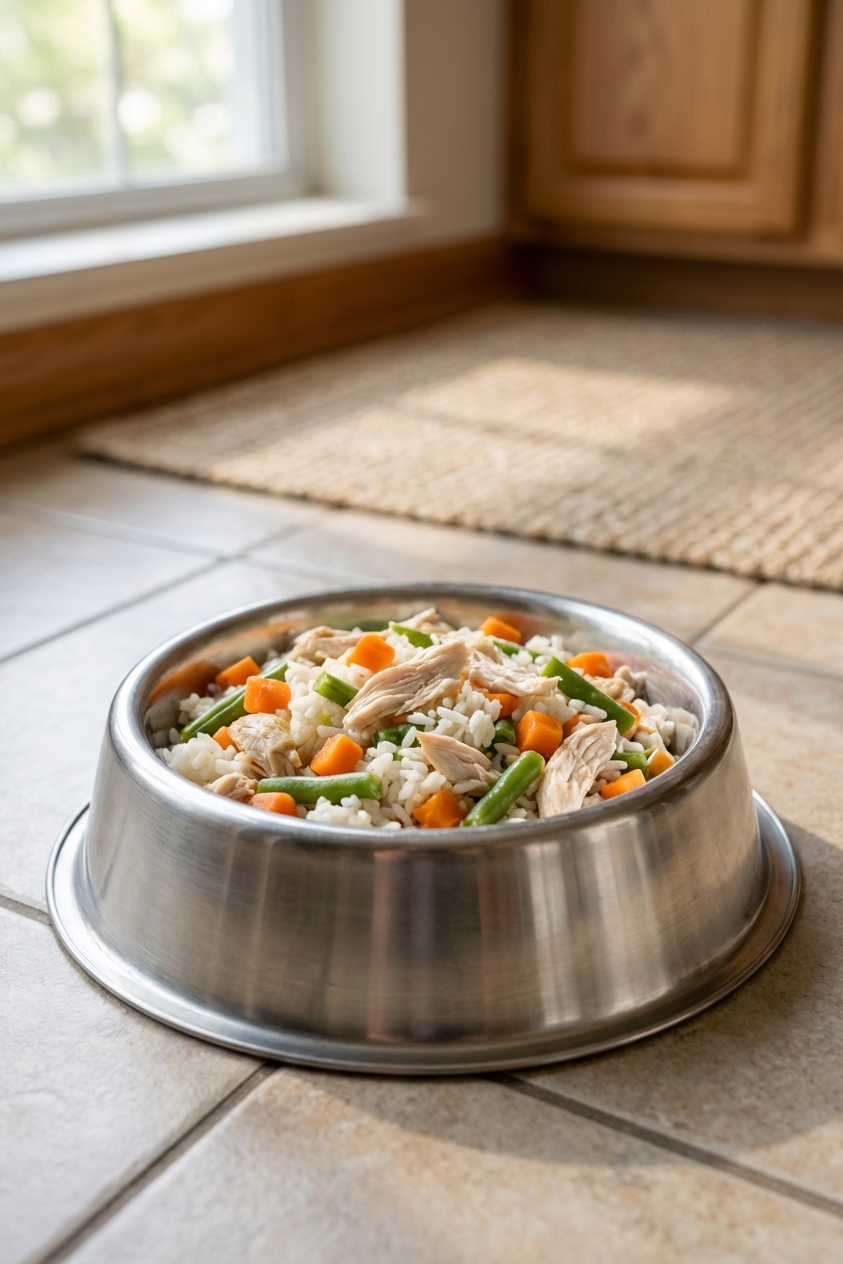
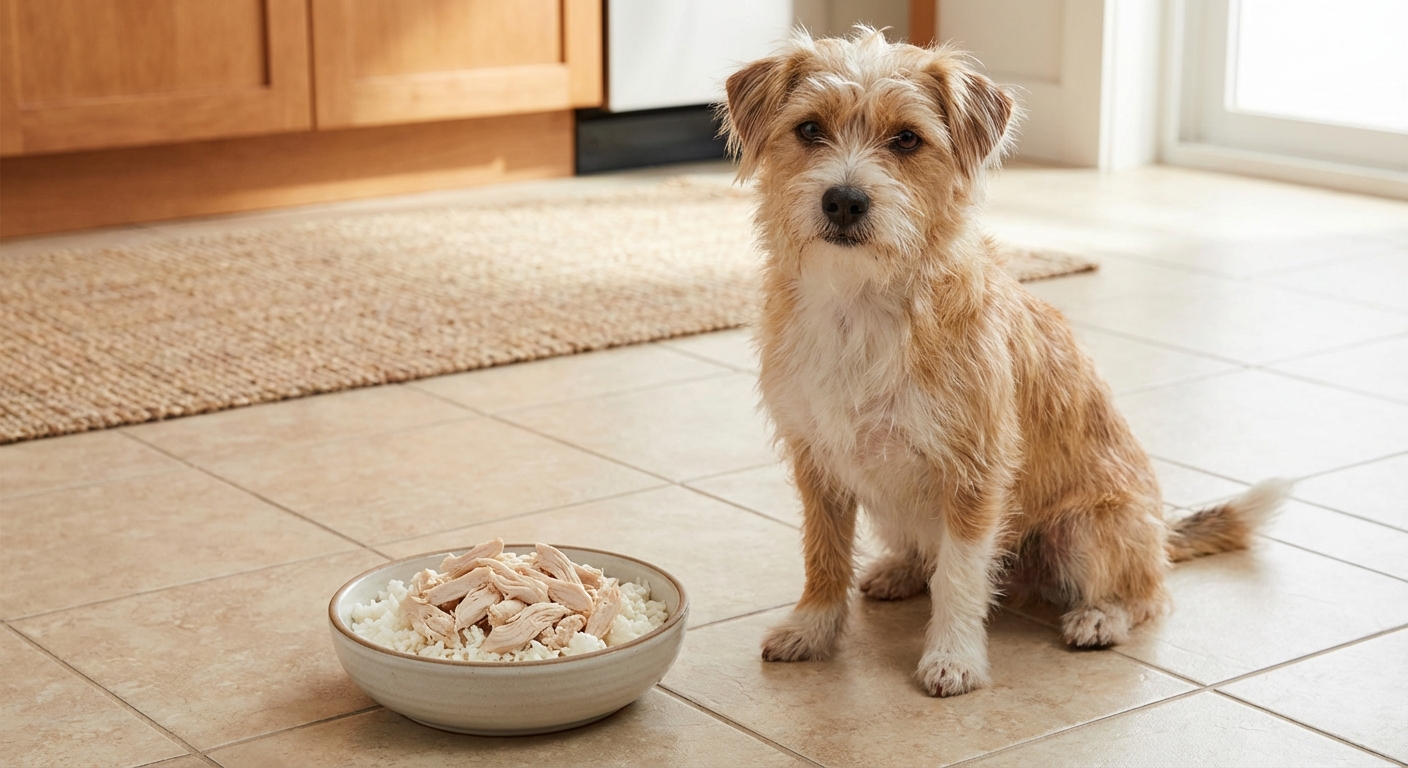
A simple, digestible diet can help if your dog has decreased appetite. If your dog is eating normally, keep the diet steady while treating the problem to avoid stomach upset. If you want to add fresh food, do it slowly and choose gentle options like lean cooked protein and cooked vegetables.
Also, skip “prostate support” supplements unless your veterinarian approves them. Some can interfere with medications or delay proper treatment.
Household safety
In typical cases, prostatitis is not contagious to people or other pets. Still, if there are urine accidents or discharge, basic hygiene helps: wash hands after cleanup, and clean soiled areas with a pet-safe disinfectant.
What to avoid
- Do not delay care if your dog is painful, feverish, or struggling to urinate.
- Do not use leftover antibiotics or stop early when your dog “seems better.”
- Do not force exercise. Heavy activity can worsen pain and inflammation.
- Do not give over-the-counter human pain relievers unless your vet instructs you to.
Follow-up and preventing relapse
Prostatitis is known for recurrence when treatment is too short or the underlying trigger remains in place.
Typical follow-up
- Recheck exam if symptoms are not improving within the timeline your vet described
- Repeat urine culture to confirm the infection is cleared (especially in chronic or recurrent cases)
- Repeat ultrasound in complicated cases
Long-term prevention
- Consider neutering if your veterinarian recommends it.
- Manage recurrent urinary tract infections promptly.
- Keep your dog at a healthy weight and encourage consistent, moderate activity once recovered.
- Schedule veterinary visits if you notice subtle repeat signs like frequent urination or straining to defecate.
When to call again
Contact your veterinarian right away if you notice:
- Worsening straining to urinate or any inability to urinate
- New fever, shaking, collapse, or extreme lethargy
- Vomiting that prevents medication from staying down
- Blood in urine that is increasing
- No improvement after a couple of days on treatment (or sooner if your vet instructed)
With prostatitis, your instincts matter. If something feels “not right,” it is absolutely okay to call and ask.
Quick takeaway
Essential treatment for prostatitis in dogs typically includes vet-guided diagnostics to confirm the cause, antibiotics when bacterial and for an adequate duration, pain control, and follow-up testing. For many intact males, neutering is an important part of preventing recurrence. The earlier you get care, the easier this condition is to treat and the better your dog will feel.