Discover which essential oils are most risky for dogs, symptoms to watch for, and what to do if exposure happens. Get practical diffuser safety tips and safe...
Article
•
Designer Mixes
Essential Oils and Cats: Safe Scents vs High-Risk Oils

Shari Shidate
Designer Mixes contributor
If you love essential oils, you are not alone. They can make a home feel calm and clean. But if you share that home with a cat, it is important to slow down and get picky about what you diffuse, spray, or dab on your own skin.
Cats are not small dogs. Their bodies process certain compounds differently, and some essential oil components can build up in a cat’s system and become toxic. As a veterinary assistant in Frisco, Texas, I have seen well-meaning pet parents accidentally make their cats sick simply by using “natural” products the way they would around people.
Quick note: This article is for education and general safety guidance. It is not a substitute for veterinary care. If you think your cat may be exposed, call your veterinarian or animal poison control.
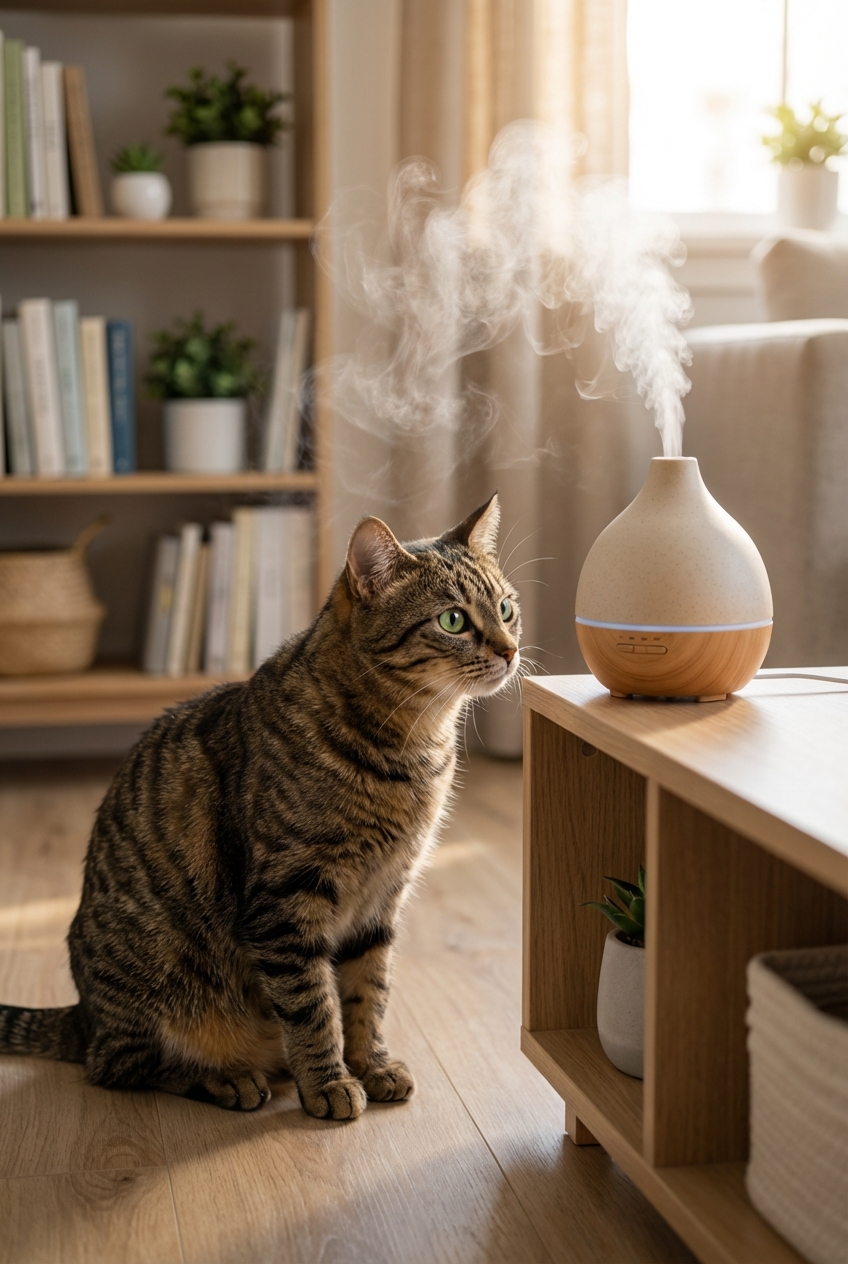
Why essential oils can be risky for cats
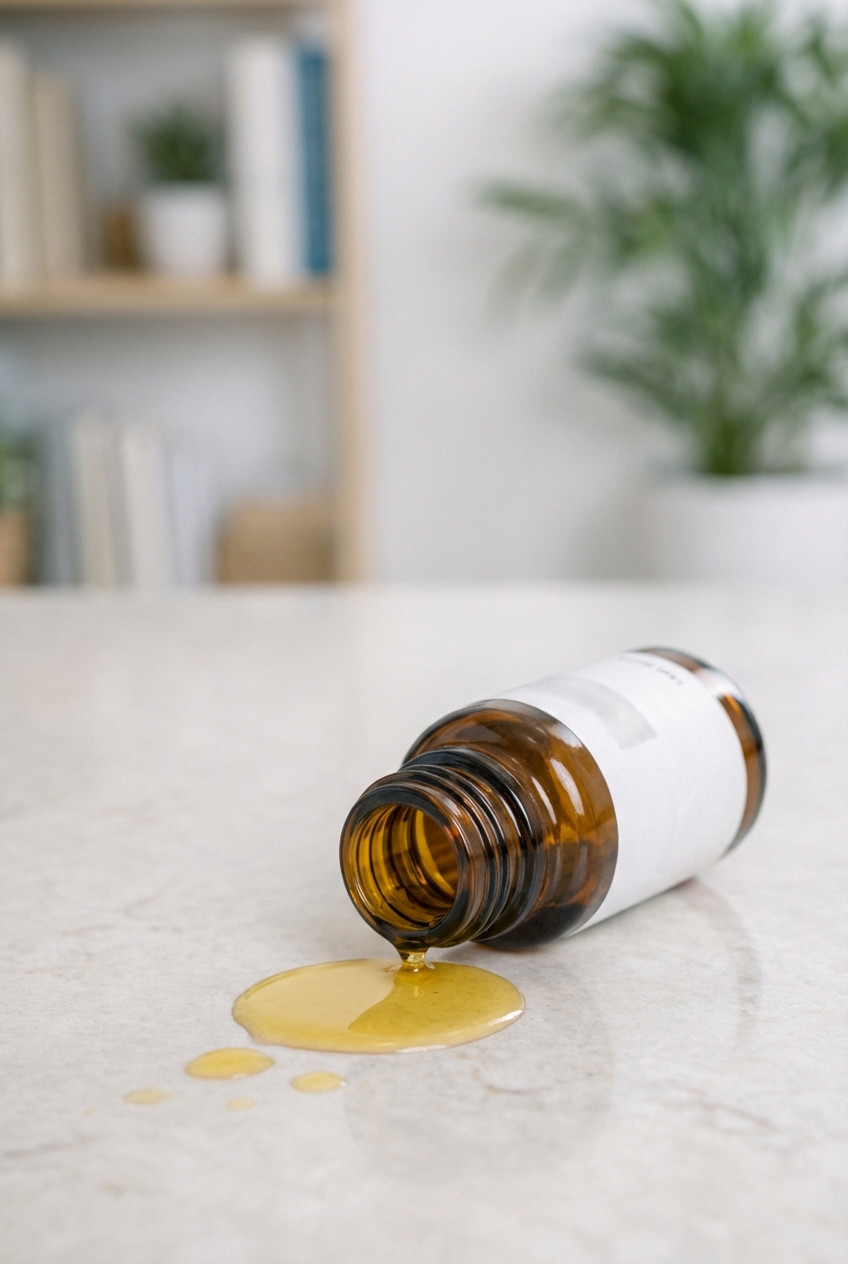
Essential oils are highly concentrated plant extracts. That potency is why they smell strong and why a small amount goes a long way. It is also why they can be dangerous.
Cats are especially sensitive to certain chemical groups found in many essential oils, including phenols and some terpenes. One big reason is that cats have reduced ability to handle certain compounds through normal liver pathways (including glucuronidation). Risk depends on the oil, the concentration, the dose, the route of exposure, and your cat’s health.
When metabolism is slow or exposure is repeated, compounds can accumulate and lead to symptoms that range from drooling and vomiting to tremors, difficulty breathing, and liver injury.
Common ways cats get exposed
- Inhalation: Diffusers, ultrasonic “humidifier-style” diffusers, scented sprays, plug-ins.
- Skin contact: Oil drips on fur, your hands after applying oils, bedding or furniture sprayed with oils.
- Ingestion: Grooming oil off their coat, licking spills, chewing on oil bottles, drinking from contaminated water.
Even if your cat never touches the bottle, airborne oils can settle on fur, paws, and whiskers. Grooming turns that exposure into ingestion.
High-risk oils to avoid around cats
Veterinary toxicology resources and animal poison control organizations consistently flag certain essential oils as higher risk for cats. These oils are more likely to cause problems with direct contact, spills, concentrated products, or prolonged diffusion, especially in smaller or poorly ventilated spaces.
Avoid using these essential oils around cats:
- Tea tree (melaleuca)
- Wintergreen (high in methyl salicylate)
- Birch (high in methyl salicylate)
- Eucalyptus
- Peppermint
- Pine
- Cinnamon
- Clove
- Oregano
- Thyme
- Pennyroyal
- Ylang ylang
- Citrus oils (lemon, lime, orange, grapefruit, bergamot)
Important note: “High-risk” does not always mean your cat will react instantly. Some cats show symptoms right away, while others develop problems after repeated, low-level exposure. It also does not mean every tiny exposure causes illness, but it does mean these oils are commonly implicated and not worth the gamble.
Are any essential oils “safe” for cats?
This is where it gets tricky, and I want to be very honest. There is no essential oil that is universally cat-safe in all forms, doses, and situations. Cats vary by age, liver health, asthma history, and sensitivity. Many veterinarians recommend avoiding diffusers entirely in cat households.
Lower concern does not mean safe
Some oils are less commonly implicated in poison control calls than the high-risk list above. You may see oils like frankincense, chamomile, lavender, or certain cedarwood products described online as “safer.” Evidence is limited, and cats can still react to these, especially with diffusion, poor ventilation, or repeated exposure.
If you are thinking, “So can I diffuse lavender?” the safest answer is: consider skipping it. If you choose to use any essential oil anyway, do it conservatively and watch your cat closely. Extra caution is needed for kittens, seniors, cats with liver disease, and cats with asthma or chronic bronchitis.
Safer scent habits in a cat home
If fragrance is part of your self-care routine, you do not necessarily have to give it up. You just want a plan that protects your cat’s lungs, skin, and liver.
Practical safety rules
- Ventilation matters most: If you use a diffuser, do it in a large room with good airflow, and keep a door open so your cat can leave.
- Keep sessions short: Avoid running a diffuser all day. Intermittent, brief use is less risky than constant exposure.
- Use less than the label suggests: Stronger is not better. Lower concentration reduces risk.
- Place it safely: Keep diffusers out of reach. Spills are a major cause of toxicity.
- Keep oils away from key areas: Do not diffuse near litter boxes, feeding stations, or favorite sleeping spots where exposure can become continuous.
- Never apply essential oils to your cat: No “flea blends,” no calming rubs, no oil in shampoo unless prescribed by a veterinarian.
- Avoid spraying bedding and furniture: Cats rub their faces and bodies on these surfaces and then groom.
- Skip oils in humidifiers: Many devices are not designed for oils, and it can create ongoing airborne exposure. (Many “diffusers” are essentially ultrasonic humidifiers, so read the device type carefully.)
- Wash hands after use: Especially before petting your cat.
If your cat has breathing issues, it is best to avoid diffusers and airborne scents entirely. Their airways are already sensitive.
Hydrosols and fragrance oils
Some readers confuse essential oils with hydrosols (aromatic waters) or fragrance oils (often synthetic). They are not the same. “Natural” on a label does not guarantee cat safety, and “fragrance oil” blends can still contain irritating or harmful ingredients. When in doubt, choose unscented.
Signs of essential oil exposure in cats
If a cat is reacting to essential oils, symptoms can start within minutes to hours, depending on the oil and the route of exposure.
Watch for these red flags
- Drooling or pawing at the mouth
- Vomiting or diarrhea
- Wobbly walking, weakness, hiding
- Tremors, twitching, seizures
- Coughing, wheezing, open-mouth breathing
- Watery eyes or nasal discharge
- Redness or irritation on the skin
- Unusual tiredness or sudden behavior changes
If you notice breathing difficulty, tremors, seizures, or collapse, treat it as an emergency.
What to do if you think your cat was exposed
If you suspect essential oil exposure, quick action matters.
Step-by-step
- Remove your cat from the area and get fresh air circulating.
- Call your veterinarian or animal poison control for guidance as soon as possible, especially if you are not sure what to do next.
- If oil is on the fur or skin: If a veterinarian or poison control advises washing, use lukewarm water and a mild liquid soap (often a small amount of gentle dish soap is used for oily contaminants). Rinse very thoroughly. Avoid getting water or soap in the eyes, mouth, or nose. Keep the process calm and brief, because bathing can be stressful for cats.
- Do not force vomiting unless a veterinarian specifically instructs you to.
Have the bottle nearby when you call so you can read the exact ingredients. Many products are blends, and the “brand name” is not enough information.
If your veterinarian is closed, contact animal poison control (fees may apply): ASPCA Animal Poison Control (US) or Pet Poison Helpline (US). If your publication allows it, consider listing the current phone numbers and website links so readers can act fast.
Cat-friendly alternatives to essential oils
If you want a home that smells fresh without increasing risk, these options are typically safer:
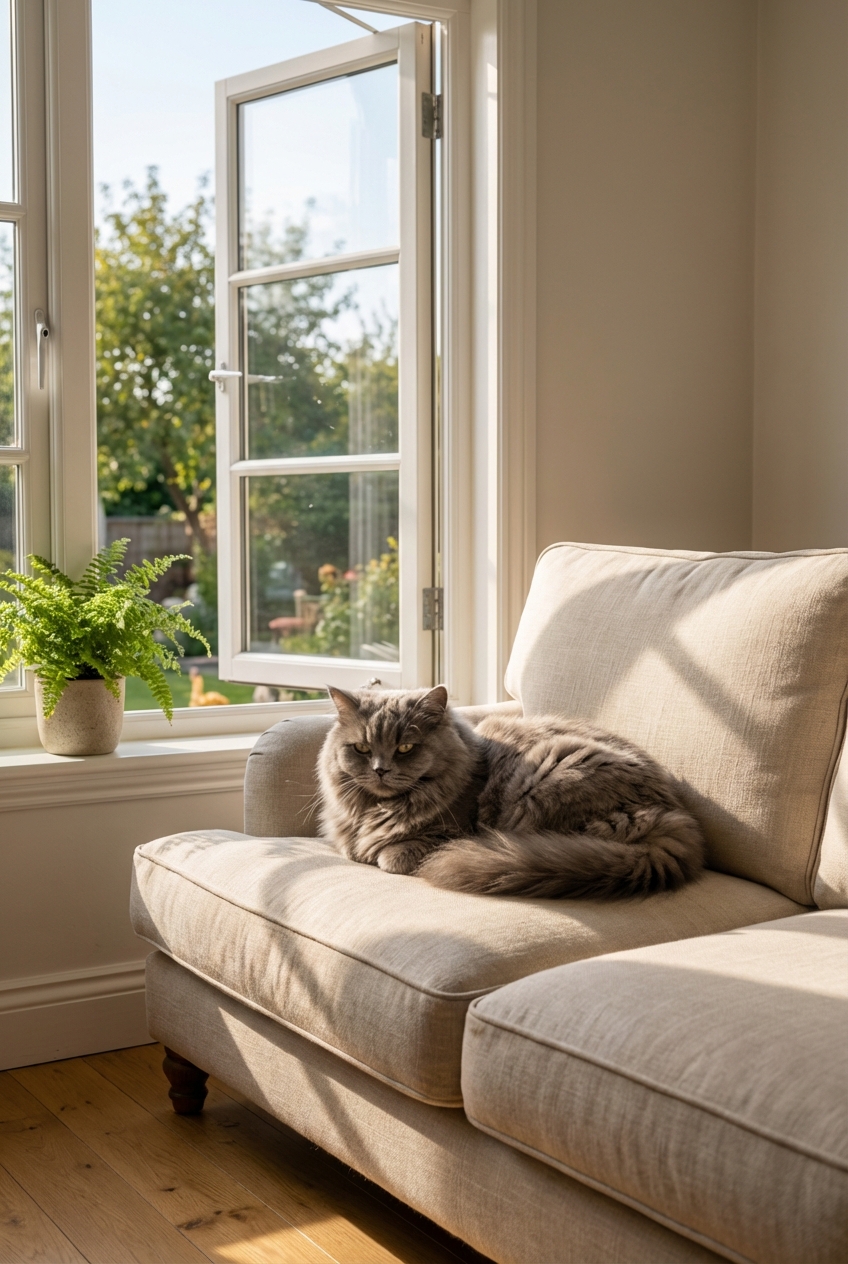
- Open windows and air exchange when weather allows.
- HEPA air purifier to reduce odors from litter, dander, and cooking.
- Unscented cleaning products and regular fabric washing.
- Baking soda for odor control in safe, cat-inaccessible areas.
- Simmer pots without essential oils: Plain water can be safer than adding oils, but ingredients like citrus peels can still be a problem if cats can access them. Keep it out of reach or skip it.
The bottom line
Essential oils can be a hidden hazard for cats because exposure is easy and the consequences can be serious. If you choose to use them, avoid high-risk oils completely, keep sessions brief, ensure your cat can leave the room, and never apply oils directly to your cat or to surfaces they rub on.
When you are unsure, your veterinarian is your best partner. “Natural” is not the same as “safe,” especially for our feline friends.