A vet assistant’s guide to feline probiotics: proven strains like SF68 and S. boulardii, safe food options, dosing tips, how long they take, and red flags ...
Article
•
Designer Mixes
Essential Diarrhea in Cats Advice

Shari Shidate
Designer Mixes contributor
Seeing diarrhea in your cat can be scary and, honestly, messy. As a veterinary assistant, I want you to know two things can be true at once: many cases resolve quickly with the right support, and some cases need fast veterinary care. The goal is to protect your cat from dehydration, figure out what is triggering the upset gut, and know when it is time to call your vet.
Quick note: This article is for education and does not replace veterinary advice. If you are worried or your cat seems unwell, call your clinic.
What counts as diarrhea
Diarrhea is stool that’s looser or more watery than your cat’s normal. Some cats will also have increased frequency, urgency, or accidents outside the litter box.
Clues that help narrow the cause
- Small bowel diarrhea: large amounts of watery stool, fewer trips, possible weight loss, vomiting may occur.
- Large bowel diarrhea: frequent small amounts, mucus, straining, and sometimes fresh red blood on or in the stool.
These patterns are not a diagnosis, but they help your vet decide what tests or treatments make sense.
Acute vs chronic
Acute diarrhea usually comes on suddenly and lasts a short time, often from diet changes, stress, or parasites. Chronic or recurring diarrhea (ongoing for weeks, or repeatedly coming back) is more likely to need a workup to look for issues like food sensitivities, inflammatory bowel disease, thyroid disease, pancreatitis, or other systemic illness.
If your cat’s diarrhea keeps returning, even if they seem mostly fine between episodes, it is worth scheduling an exam.
Common causes (and why they matter)
Diarrhea is a symptom, and the causes range from mild to serious. Most cases are linked to irritation or inflammation in the intestines, but sometimes the trigger is outside the gut (for example, hormone or organ disease).
The most common triggers I see in practice include:
- Diet changes (new food, new treats, getting into people food, rich or fatty scraps).
- Food intolerance or sensitivities.
- Parasites (roundworms, hookworms, Giardia, coccidia), especially in kittens, outdoor cats, or newly adopted cats.
- Stress (moving, new pets, boarding, changes in routine).
- Infections (viral or bacterial), more likely when the cat is young, unvaccinated, or immunocompromised.
- Inflammatory bowel disease and other chronic conditions.
- Toxins or unsafe foods, including some houseplants and human medications.
Also keep in mind a few “do not miss” causes that deserve veterinary attention, especially if your cat seems painful, is vomiting, or is not eating: foreign material (including linear foreign bodies like string), pancreatitis, hyperthyroidism (often in older cats), and cancer.
When it is an emergency
Call your vet or an emergency clinic right away if you notice any of the following:
- Kittens with diarrhea (they dehydrate fast).
- Repeated vomiting or your cat cannot keep water down.
- Large amounts of blood, black tarry stool, or severe straining.
- Signs of dehydration: tacky gums, sunken eyes, weakness, hiding, not urinating normally.
- Marked lethargy, collapse, fever, or obvious abdominal pain.
- Known toxin exposure (lilies, rodent poison, human meds like ibuprofen or acetaminophen, etc.).
- Senior cats or cats with chronic illness (kidney disease, diabetes, hyperthyroidism, and more): if diarrhea lasts more than 24 hours or your cat seems at all “off,” call your vet the same day for guidance.
Trust your instincts. If your cat is not acting like themselves, it is worth calling. A quick phone triage can prevent a much bigger problem.
What you can do at home
For a bright, alert adult cat with mild diarrhea and no red-flag symptoms, these steps are generally reasonable while you monitor closely. If you are unsure, call your vet before changing anything.
1) Prioritize hydration
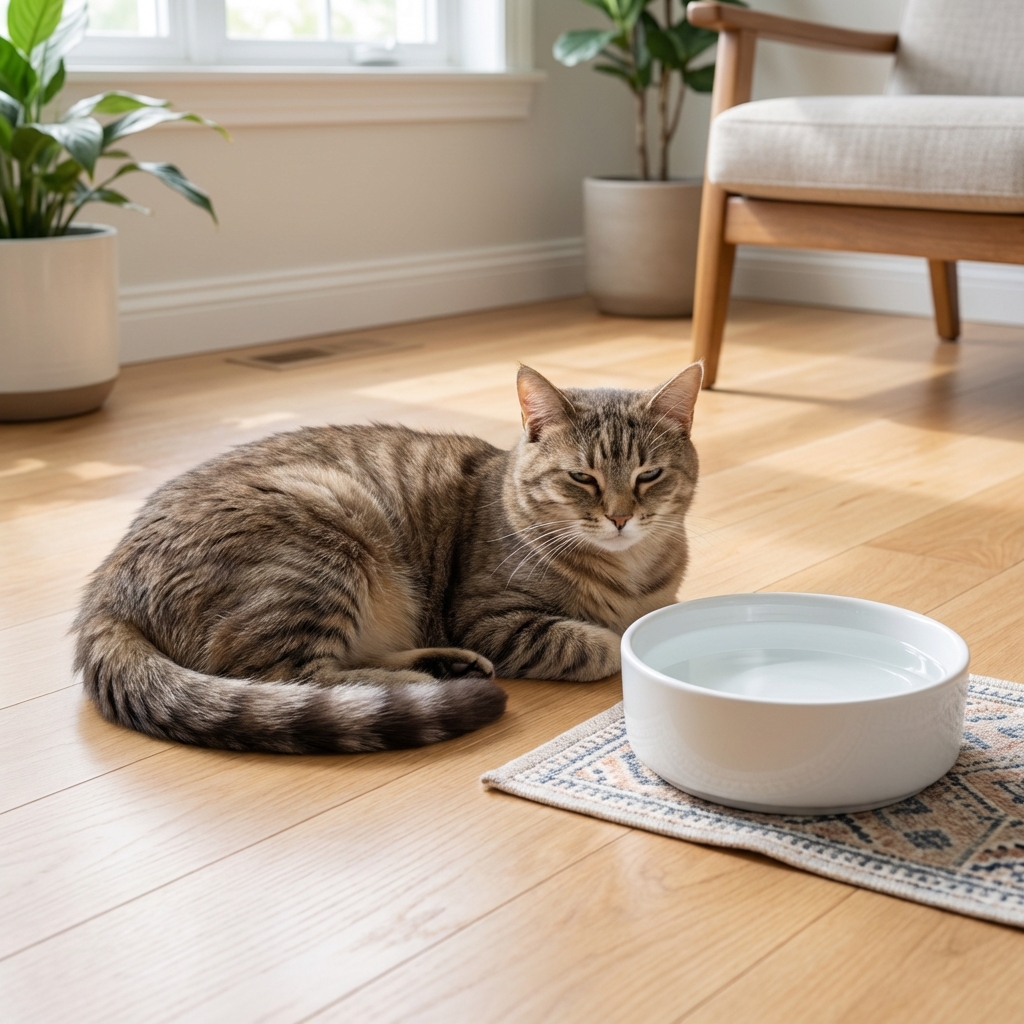
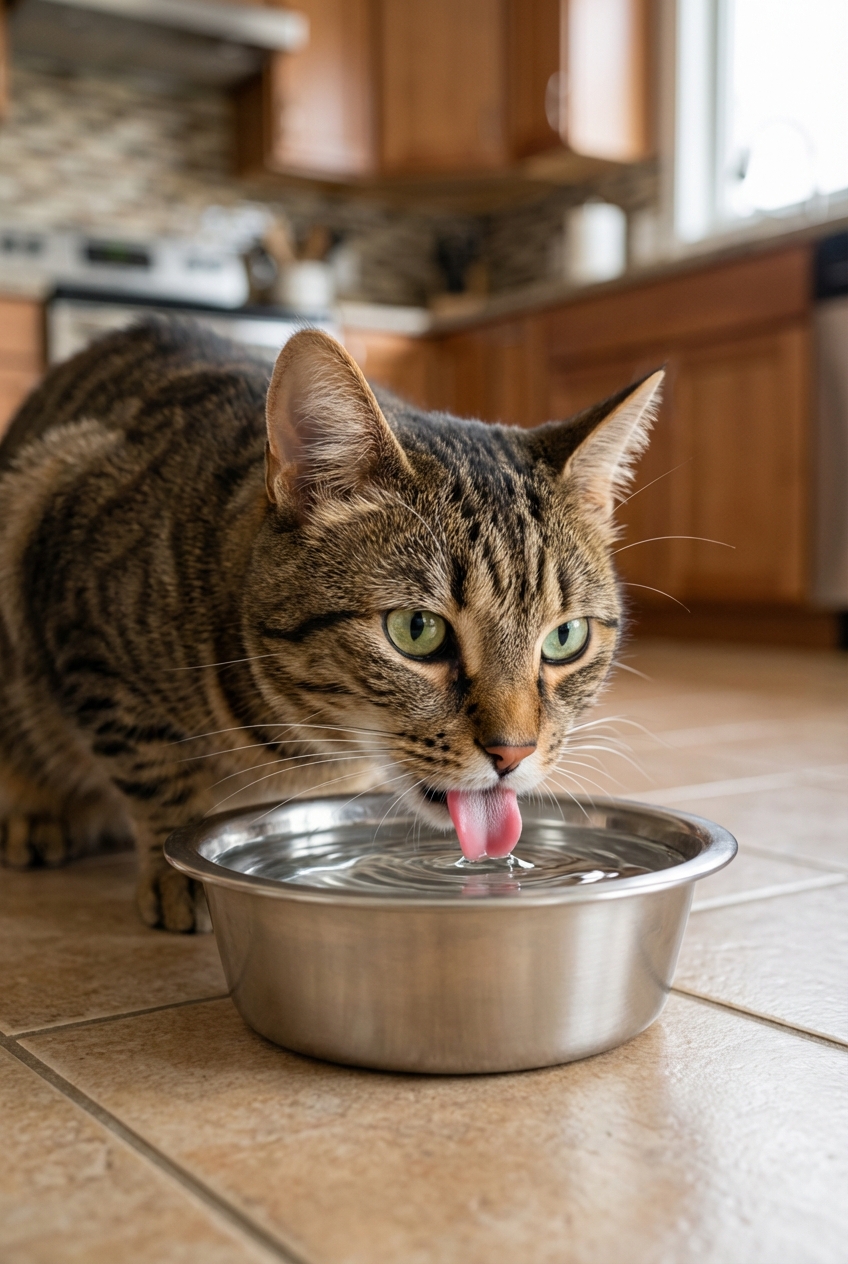
- Keep fresh water available in multiple spots.
- Consider a cat water fountain to encourage drinking.
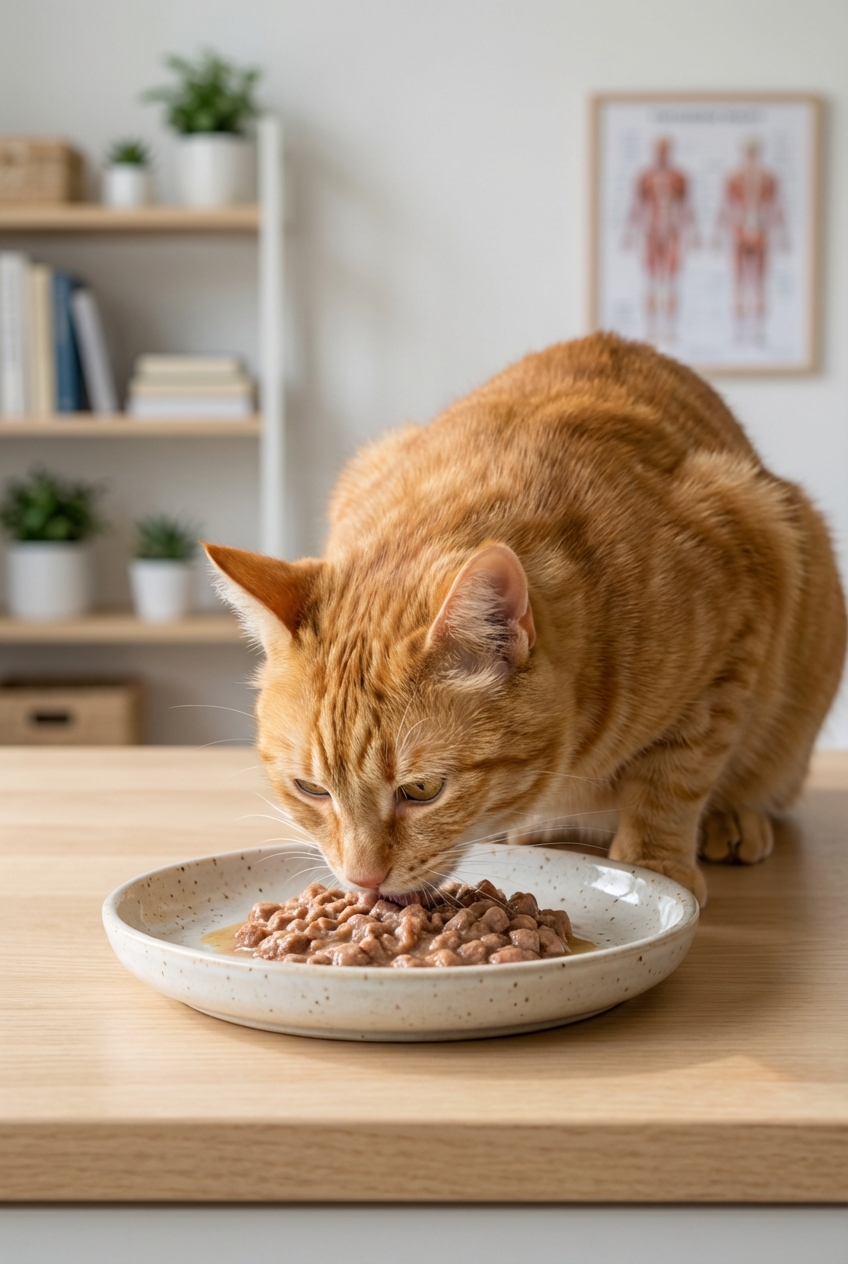
- Offer wet food if your cat normally eats it and tolerates it.
Avoid giving sports drinks or human electrolyte products unless your vet tells you to. The electrolyte balance is not designed for cats, and some products contain sweeteners or ingredients that are not appropriate. If you are ever unsure about xylitol or other additives, skip it and call your clinic.
2) Be cautious with fasting
Some dogs may be fasted briefly for stomach upset, but with cats we are more cautious. Cats, especially overweight cats, can be at risk for hepatic lipidosis if they stop eating for multiple days. That is one reason I do not recommend fasting most cats at home without veterinary guidance.
In many cases, small, frequent meals of a vet-approved bland option or GI diet is safer than withholding food. If your vet recommends a short fast for your specific cat, follow their instructions closely.
3) Use a gentle diet plan
Many vets recommend a gastrointestinal prescription diet (canned is often helpful) because it is formulated to be highly digestible and support the gut. If you do not have access immediately, ask your vet what temporary home options are appropriate for your cat.
4) Consider vet-approved probiotics
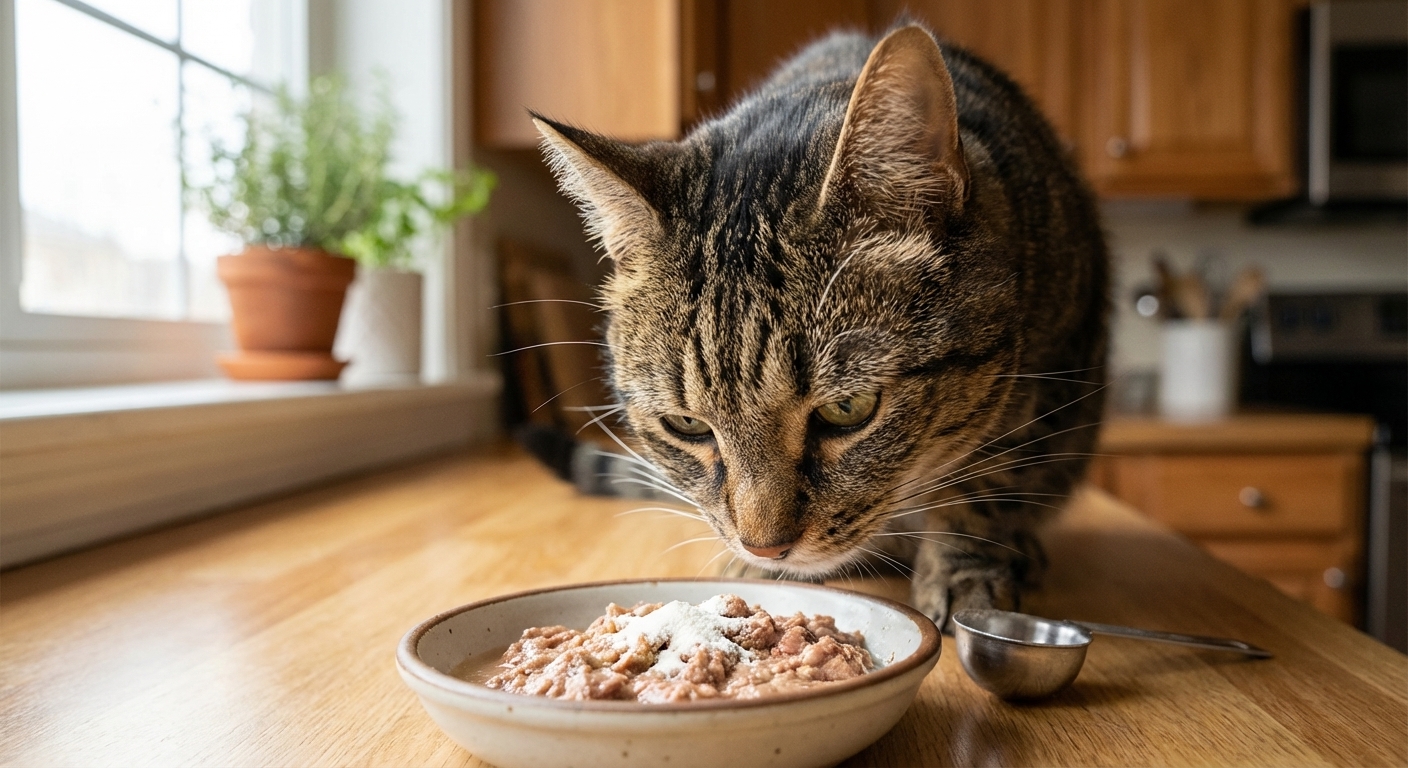
Some cats benefit from probiotics designed for pets, especially when diarrhea is stress-related or mild and short-lived. Choose a product your vet trusts and use it as directed.
5) Prevent repeat upset
- Stop new treats and table foods.
- Secure trash cans and keep counters clear.
- Reduce stress with consistent routines and quiet resting spaces.
What not to do
These mistakes can make diarrhea worse or delay needed treatment:
- Do not give human anti-diarrhea meds (like loperamide or bismuth) unless your vet specifically instructs you. Loperamide can be risky in certain situations, and bismuth products can contain salicylates and may also darken stool, which can make it harder to spot bleeding.
- Do not switch foods repeatedly trying to “find one that works.” Rapid switching can keep the gut irritated.
- Do not ignore ongoing diarrhea just because your cat is still eating. Chronic inflammation can quietly cause nutrient malabsorption and weight loss.
- Do not assume deworming is optional for kittens or newly adopted cats. Parasites are common and treatable, but they need the correct medication.
Protect other pets
If infectious diarrhea is possible (new cat, kitten, shelter history, parasites, very foul watery stool), take a few basic precautions while you arrange care:
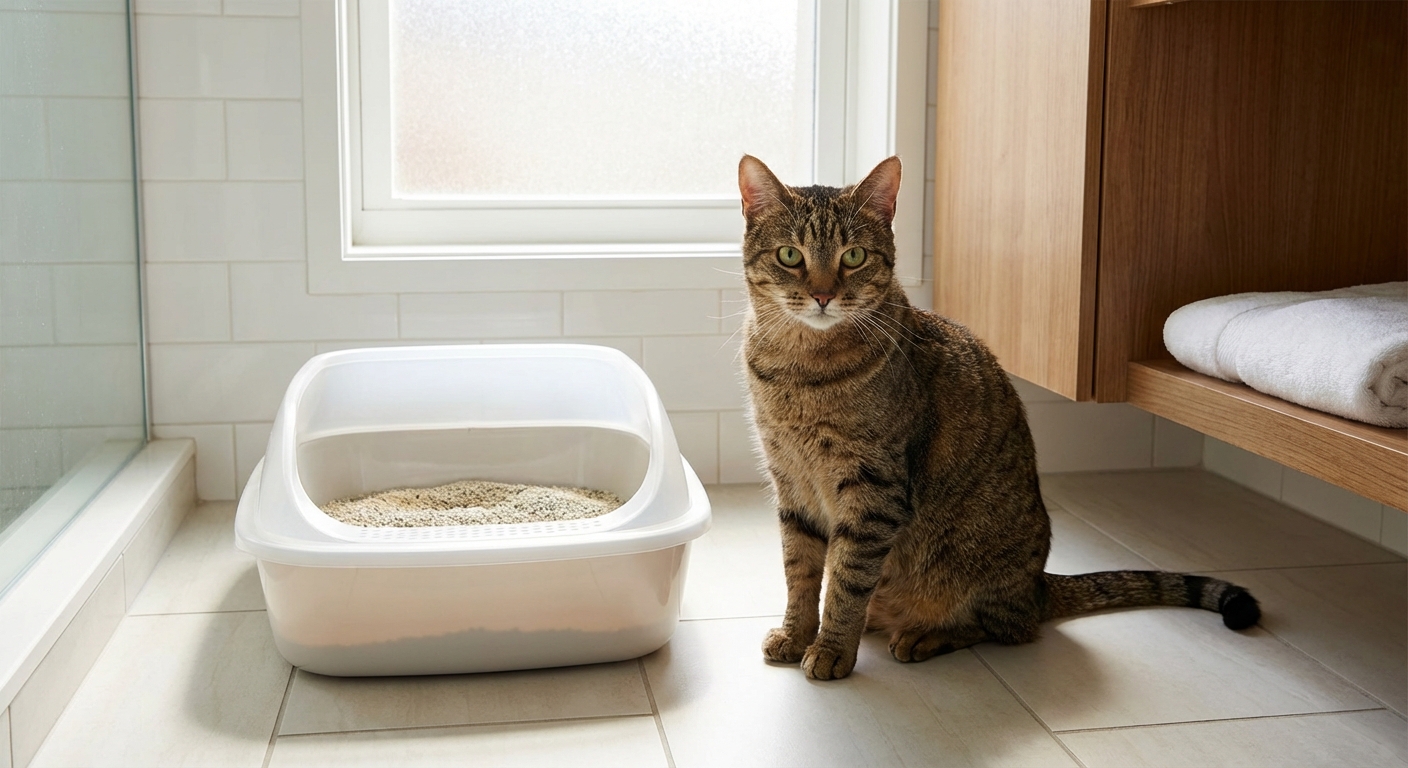
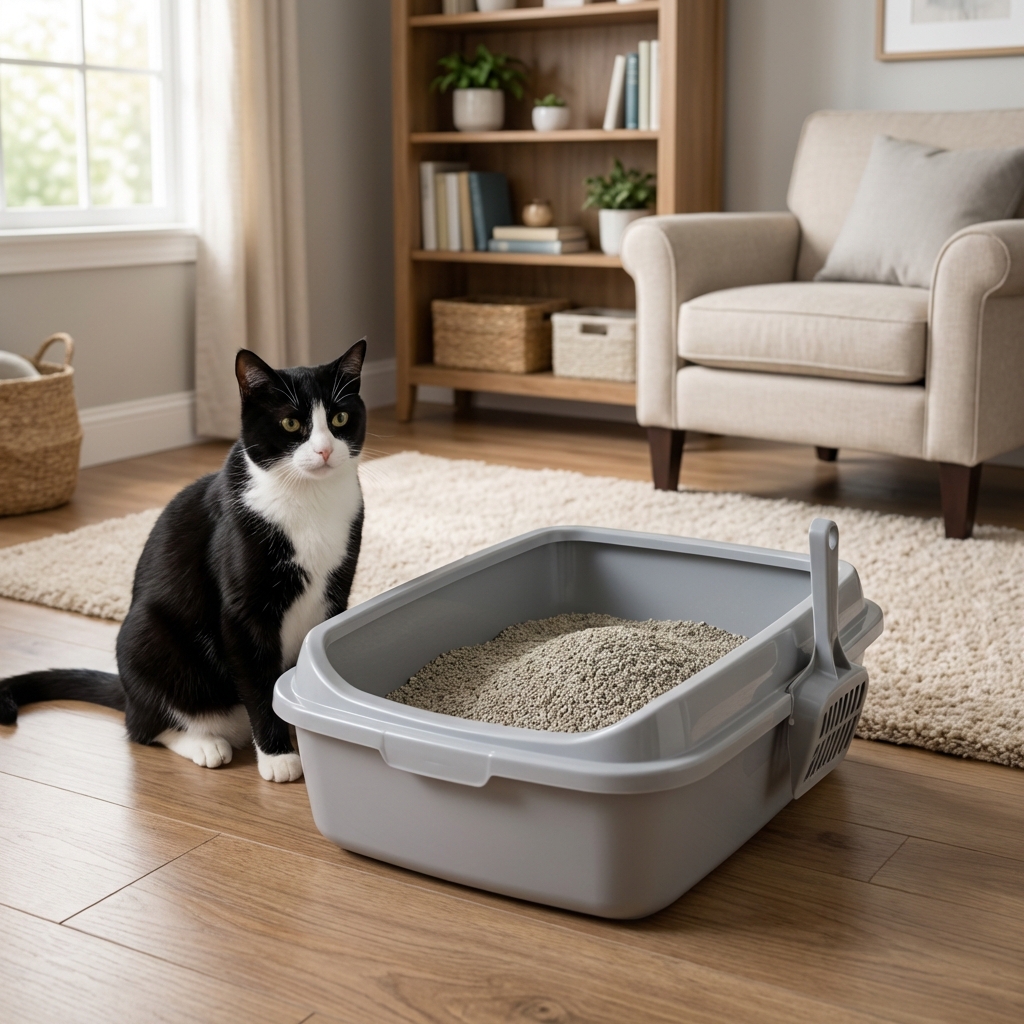
- Scoop and clean the litter box more often, and consider keeping the affected cat on a separate box if possible.
- Wash hands after handling stool or cleaning accidents.
- Limit shared items (like litter scoops) between cats until your vet has guidance.
This is especially important in multi-cat households, where parasites like Giardia can spread.
What your vet may recommend
If diarrhea is moderate to severe, persistent, or recurring, your vet may suggest:
- Fecal testing to look for parasites like Giardia and coccidia.
- Basic bloodwork to assess hydration status, infection, organ function, and inflammation.
- Diet trial with a prescription GI or hydrolyzed diet if food sensitivity is suspected.
- Medication tailored to the cause, such as antiparasitics, anti-nausea medication, B12 supplementation, or antibiotics only when truly indicated.
- Imaging (x-rays or ultrasound) if there is concern for foreign material, obstruction, or other internal disease.
A key point: diarrhea is a symptom, not a diagnosis. The right treatment depends on what is driving it.
Monitoring checklist
If you call or visit the clinic, these details are incredibly useful:
- When the diarrhea started and how many times per day.
- Stool appearance: watery vs soft, mucus, color, and whether you see blood.
- Vomiting, appetite changes, water intake, energy level.
- Any new foods, treats, chews, people foods, or trash access.
- Exposure risks: new pet, boarding, outdoor access, fleas, recent travel.
- Medications or supplements your cat takes.
If possible, bring a fresh stool sample to your appointment in a sealed bag or container. If you cannot bring it right away, many clinics recommend refrigerating the sample and bringing it within about 12 to 24 hours. When in doubt, ask your clinic what they prefer.
How to prevent flare-ups
- Transition foods slowly over 7 to 10 days whenever possible.
- Keep treats simple and limited. The more ingredients, the more potential triggers.
- Keep up with parasite prevention recommended for your cat’s lifestyle.
- Support a calm environment during changes with predictable routines and enrichment.
- Schedule checkups if diarrhea is recurring, even if it resolves each time.
Your cat’s gut health is a big part of their overall immunity, energy, and comfort. And you do not have to figure it out alone. If you are worried, reach out to your vet and advocate for your cat.