
EPI in Dogs: Symptoms, Diagnosis, and Diet Basics

As a veterinary assistant here in Frisco, Texas, I have talked with many worried pet parents who say the same thing: “My dog eats like they are starving, but they keep getting thinner.” One condition that can fit that exact story is Exocrine Pancreatic Insufficiency (EPI).
EPI is very different from pancreatitis. Pancreatitis is inflammation of the pancreas and it often causes pain and an acutely sick dog, but not every case looks the same at home. EPI, on the other hand, is a long-term digestive enzyme shortage that makes it hard for your dog to break down food and absorb nutrients. The good news is that EPI is often very manageable once you have the right diagnosis and the right feeding routine.
One more helpful clue: EPI is seen more often in certain breeds, especially German Shepherds and Rough Collies, although any dog can develop it.
Also, a quick boundary note from me: this is not a diagnosis. If EPI is on your radar, your veterinarian can confirm it with the right testing.
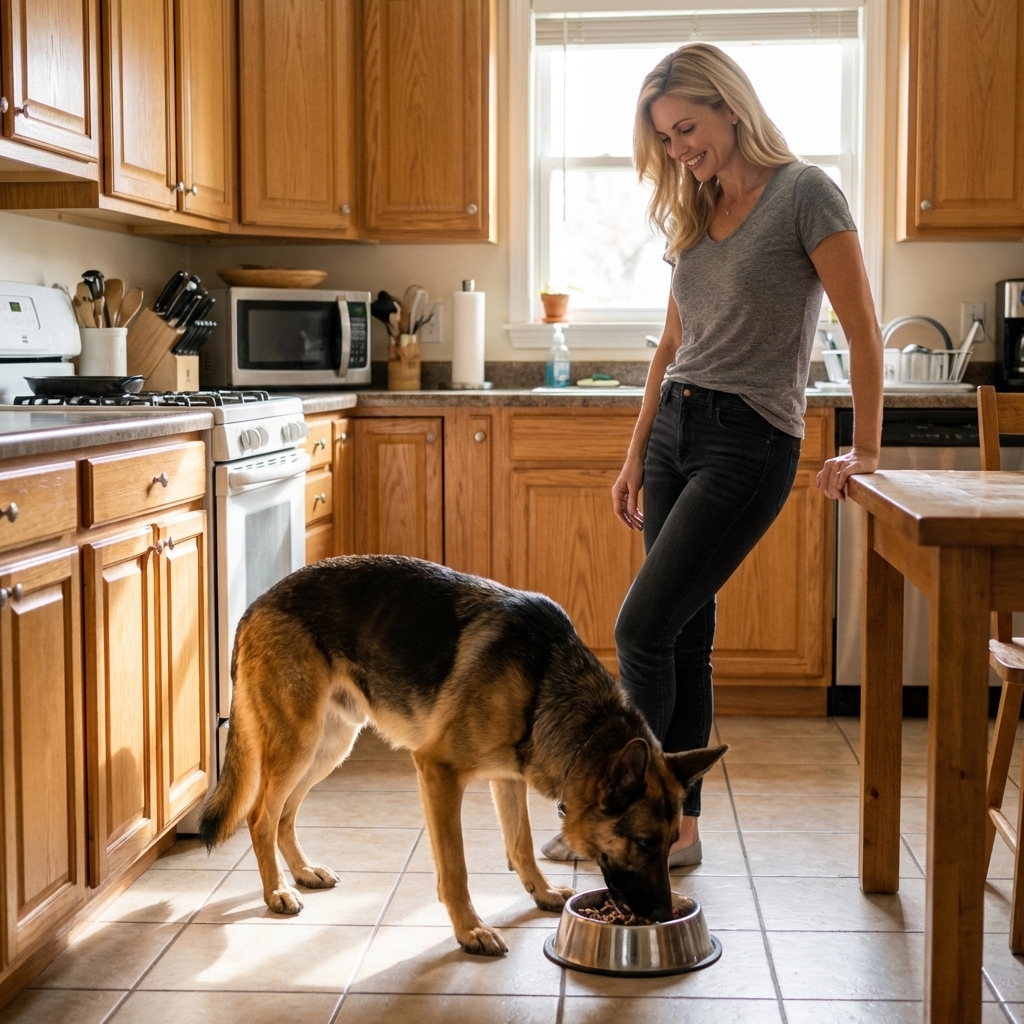
What EPI Is
Your dog’s pancreas has two main jobs:
- Endocrine function: makes hormones like insulin (blood sugar control).
- Exocrine function: makes digestive enzymes that help break down fat, protein, and carbohydrates.
In Exocrine Pancreatic Insufficiency, the pancreas is not producing enough digestive enzymes. Food may move through the gut, but your dog cannot access the calories and nutrients properly. That is why many dogs with EPI show:
- Weight loss even with a big appetite
- Large volume stools
- Poor coat quality and low energy
Many dogs act hungry because their body is essentially saying, “I am not getting what I need,” even when the food bowl is full.
Common Causes
EPI is not contagious. In dogs, it most commonly happens when the pancreas loses the cells that produce digestive enzymes. Two common medical contexts your vet may discuss are:
- Pancreatic acinar atrophy (PAA): a common underlying cause, especially in predisposed breeds.
- Chronic or repeated pancreatitis: over time, pancreatic injury can reduce enzyme production in some dogs.
The “why” matters because it can influence what else your vet monitors, but the day-to-day cornerstone of care is still enzyme replacement.
EPI vs Pancreatitis
EPI and pancreatitis both involve the pancreas, but they do not look or feel the same at home.
Pancreatitis often looks like this
- Sudden vomiting
- Abdominal pain (praying position, hunched posture)
- Not wanting to eat
- Lethargy, and sometimes diarrhea
EPI often looks like this
- Chronic diarrhea or consistently abnormal stools
- Bulky, pale, or greasy stools
- Weight loss with normal or increased appetite
- Gas, borborygmi (loud gut sounds), and stool accidents
Important note: some dogs can have both a history of pancreatitis and EPI, since repeated pancreatic injury can reduce enzyme production over time. That is one reason proper testing matters.
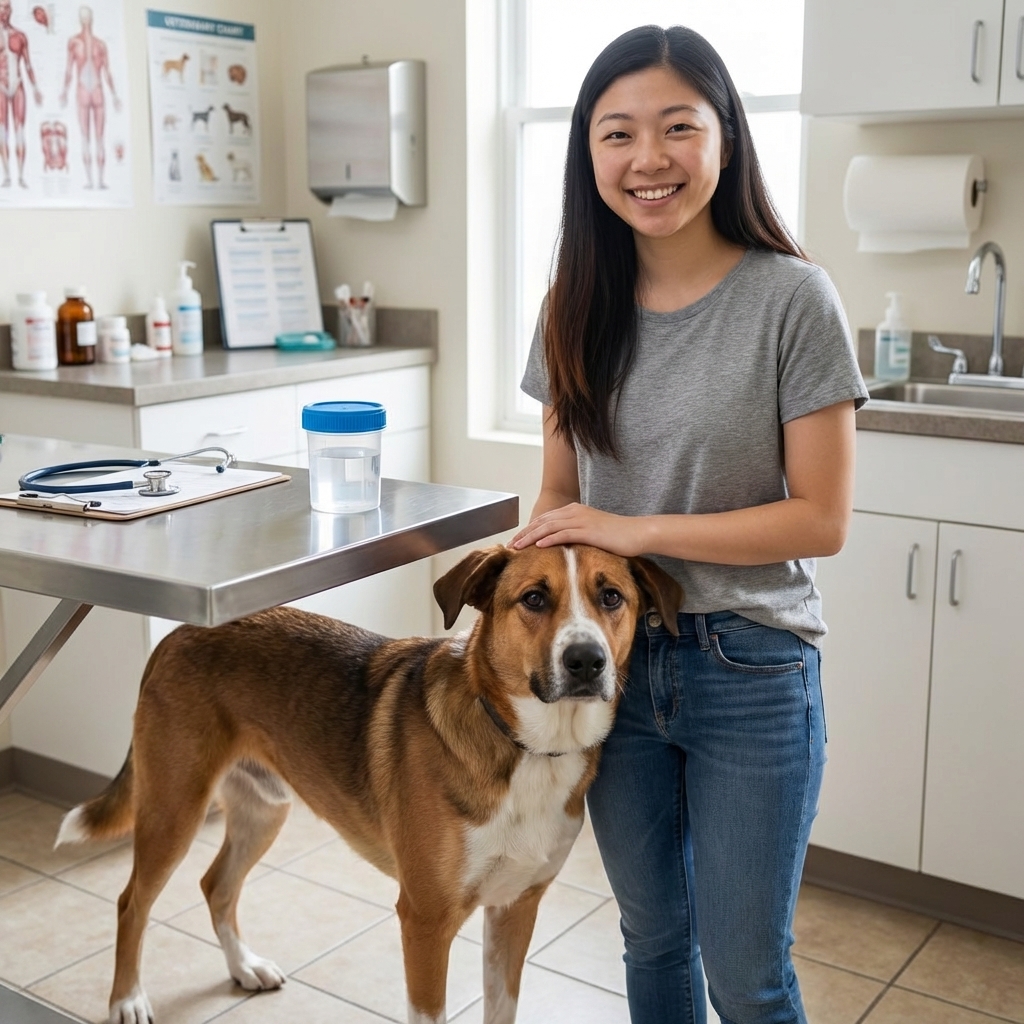
Symptoms to Watch For
EPI can be sneaky at first. Many dogs still seem bright and happy, but their digestion tells the real story. Watch for a pattern, not a single off day.
- Weight loss despite eating well
- Increased appetite (sometimes ravenous)
- Frequent stools or urgent diarrhea
- Large, pale, bulky, or greasy stools
- Flatulence and loud intestinal noises
- Dull coat, flaky skin, or poor shedding cycles
- Coprophagia (eating stool) or scavenging behavior
If you are seeing weight loss plus a greasy, bulky stool pattern, that is a very reasonable time to ask your veterinarian about EPI testing.
How Vets Diagnose EPI
EPI cannot be diagnosed by symptoms alone because other conditions can look similar, including intestinal parasites, food-responsive enteropathy, inflammatory bowel disease, diabetes mellitus, and other causes of malabsorption.
Main test: cTLI
The gold-standard diagnostic blood test for EPI in dogs is usually canine trypsin-like immunoreactivity (cTLI). It measures trypsinogen and trypsin immunoreactivity in the blood as a proxy for exocrine pancreatic function. Your veterinarian will tell you how to prepare, but it is commonly a fasted blood test.
In straightforward cases, a low cTLI supports the diagnosis. If results are borderline, your veterinarian may recommend repeating the test and pairing it with other findings (like vitamin levels and response to therapy).
Other tests your vet may recommend
- Vitamin B12 (cobalamin): low B12 is common in EPI and can worsen GI signs if not corrected.
- Folate: can help assess intestinal changes and dysbiosis patterns.
- Fecal testing: to rule out parasites or other GI contributors.
- Baseline bloodwork: to check overall health, hydration, and rule-outs.
Sometimes pet parents ask about fecal elastase testing. Some clinics use it, but in dogs and in many practices, cTLI is the most trusted and widely used confirmatory test for EPI.
Typical Treatment
EPI is typically treated with pancreatic enzyme replacement therapy, along with a diet plan tailored to your individual dog. Many dogs improve significantly once enzymes are started and meals become consistent.
Enzyme replacement
Most dogs with EPI need digestive enzymes added to every meal. These are often prescription pancreatic enzyme powders, though some dogs are managed with other veterinarian-approved forms.
- Consistency matters: enzymes need to be given with every meal and snack that contains calories.
- Timing varies: some dogs do better when enzymes are mixed into food and allowed to sit briefly before feeding, while others do fine with immediate feeding. Follow your veterinarian’s instructions.
- Expect adjustments: the dose is often adjusted based on stool quality, weight gain, and comfort.
Handling tips
Enzyme powder can be irritating for some dogs (and people).
- Mix thoroughly so it is not sitting in clumps.
- Avoid inhaling the powder when measuring it.
- If you notice lip smacking, mouth redness, or sores, call your veterinarian. A dosing or preparation change can sometimes help.
B12 support
If your dog’s B12 is low, your veterinarian may prescribe cobalamin supplementation (often oral or injections). When B12 is corrected, many dogs have better energy and GI function, and stool quality may improve.
Sometimes there are add-ons
Some dogs with EPI also have dysbiosis (sometimes described as SIBO-like changes). In those cases, your veterinarian may recommend additional support such as targeted antibiotics, probiotics, or other medications based on your dog’s specific history and response.
Diet Basics
Diet for EPI is not one-size-fits-all, so I always encourage pet parents to work closely with their veterinarian or a board-certified veterinary nutritionist. That said, there are a few evidence-based “big rocks” that tend to matter most.
1) Enzymes come first
If the pancreas is not producing enough enzymes, switching foods without enzyme therapy often leaves dogs under-digested and under-nourished. For many EPI dogs, enzymes are the non-negotiable starting point, and diet tweaks come next.
2) Fat: aim for tolerated
Pet parents often assume all pancreatic issues require a low-fat diet. That is more commonly emphasized for pancreatitis. With EPI, the goal is to find the fat level your dog can digest with enzymes while still maintaining weight and healthy energy.
- Some EPI dogs do well on moderate fat diets once stabilized.
- Others need lower fat if greasy stools persist or if pancreatitis is also a concern.
Your veterinarian will help you decide based on stool quality, weight trends, and medical history.
3) Protein: keep it highly digestible
Protein supports lean muscle, immune function, and healing. Many EPI dogs do best with diets that use highly digestible animal proteins and consistent ingredients.
- Choose a diet with a clear primary protein source.
- Make changes slowly and track stool and weight.
4) Fiber: keep it reasonable
Very high fiber can reduce overall digestibility and, in some dogs, may affect stool quality or response to enzyme therapy. Still, certain dogs benefit from specific fiber strategies. This is where individualized guidance is so valuable.
5) Meal schedule: smaller and steady
Many EPI dogs do better with smaller meals 2 to 4 times per day instead of one large meal. It can improve comfort and make it easier to match enzyme dosing to food.
What Poop Can Tell You
With EPI, stool changes are often the earliest clue that something is off. While every dog is different, common EPI stool patterns include:
- Bulky stool that seems larger than expected
- Pale or yellowish stool
- Greasy or shiny appearance
- Strong odor and frequent bowel movements
Once treatment begins, you are usually aiming for stools that are more formed, less frequent, and less greasy, along with gradual weight gain and improved coat quality.
What to Expect After Enzymes
Every dog is different, but many families see changes faster than they expect.
- Days to 2 weeks: stool volume and urgency often start improving when dosing and diet are a good match.
- Weeks: weight trend may stabilize, then slowly increase.
- 1 to 3 months: coat quality and muscle condition often take longer to visibly improve.
Rechecks matter. Your vet may want weigh-ins, body condition scoring, and repeat B12 testing to be sure the plan is truly working.
When to Call the Vet Quickly
EPI is usually chronic, but dogs with suspected EPI can still have urgent problems, especially dehydration, severe weight loss, or concurrent disease.
- Repeated vomiting
- Refusing food for more than a day, especially in a dog who is normally ravenous
- Black, tarry stool or visible blood
- Marked lethargy, weakness, or collapse
- Rapid weight loss or signs of dehydration
If you are ever unsure, it is appropriate to call your veterinary clinic and describe the stool pattern, appetite changes, and recent weight trend.
Living Well With EPI
I want to encourage you here: many dogs with EPI go on to live happy, active lives. The routine can feel intimidating at first, especially when you are learning enzymes, meal timing, and what “normal” poop should look like for your dog.
Start simple. Track weight weekly. Keep meals consistent. Give enzymes exactly as prescribed. Then adjust thoughtfully with your vet based on objective markers like stool quality and body condition.
If your dog is losing weight despite a big appetite and has bulky, greasy stools, do not assume it is “just a sensitive stomach.” Ask your veterinarian about EPI testing, because the right diagnosis can change everything.