English Bulldogs have a way of winning hearts fast. They are loyal, comical, and often happiest right next to their people. But as a veterinary assistant here in Frisco, Texas, I can tell you the other side of the story is just as important: the English Bulldog’s adorable, flat-faced look comes with real health considerations, especially around breathing and heat tolerance.
This guide separates English Bulldogs from French Bulldogs, explains what brachycephalic (short-nosed) means for daily life, and gives you practical, doable routines for skin, weight, exercise, and comfort. The goal is not perfection. It is steady, informed care and a good partnership with your veterinarian.
English Bulldog vs French Bulldog
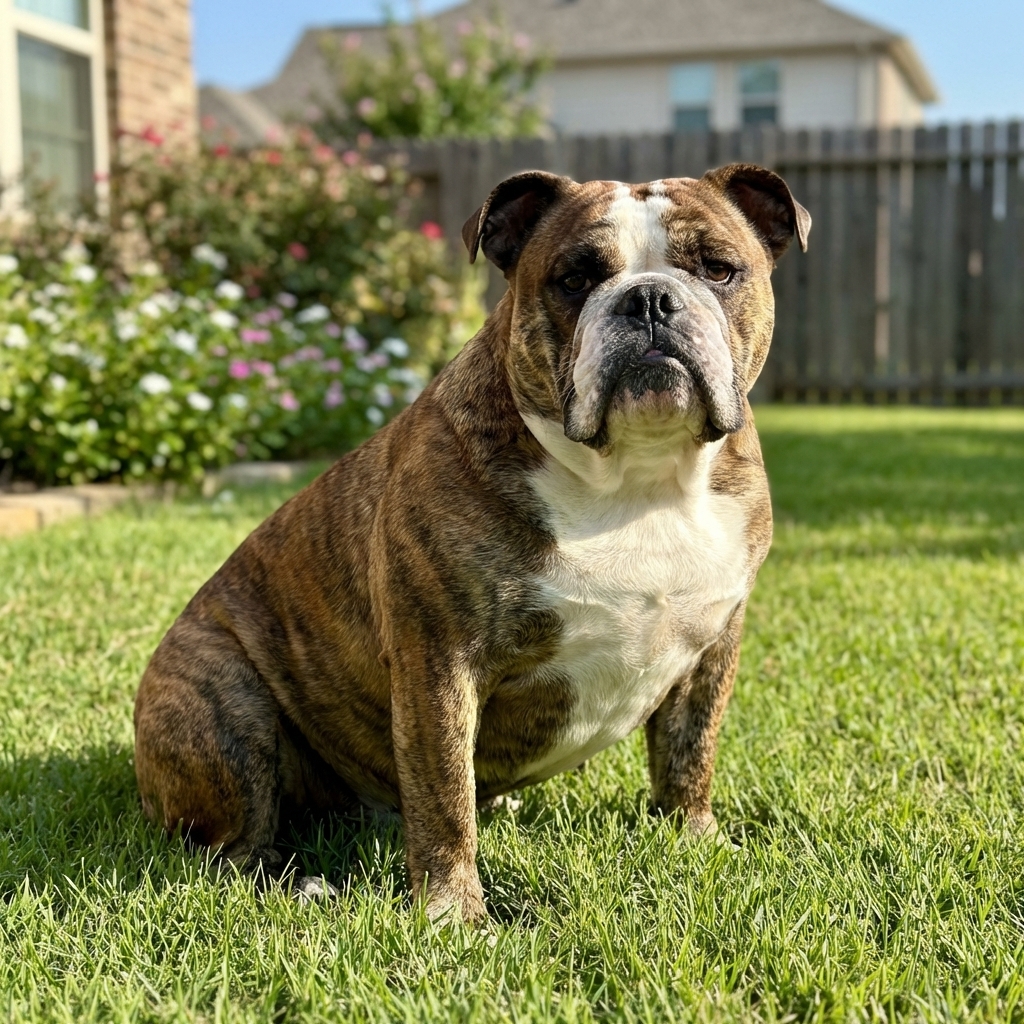
People often lump English Bulldogs and French Bulldogs together because they are both brachycephalic. They do share some risks, but their bodies and daily care needs are not identical.
The biggest practical takeaway: English Bulldogs are typically heavier and more thickly built, so heat safety, joint comfort, and weight management tend to be even more central to daily life.
Key differences
- Size and build: English Bulldogs are heavier and more thickly built. That extra body mass can make heat and weight management even more important.
- Exercise style: Many English Bulldogs do best with short, calm activity bursts rather than long walks.
- Skin folds: English Bulldogs often have deeper facial wrinkles and more skin-fold surface area that needs routine cleaning and drying.
- Breathing risk is shared: Both breeds are at risk for BOAS, but each dog is an individual. Some Frenchies struggle a lot, some English Bulldogs do, too, and some do surprisingly well with excellent conditioning and weight control.
If you are choosing between the two, it is smart to meet the parents (or ask detailed health questions if adopting), and ask your vet what to watch for in that specific line.
Temperament at home
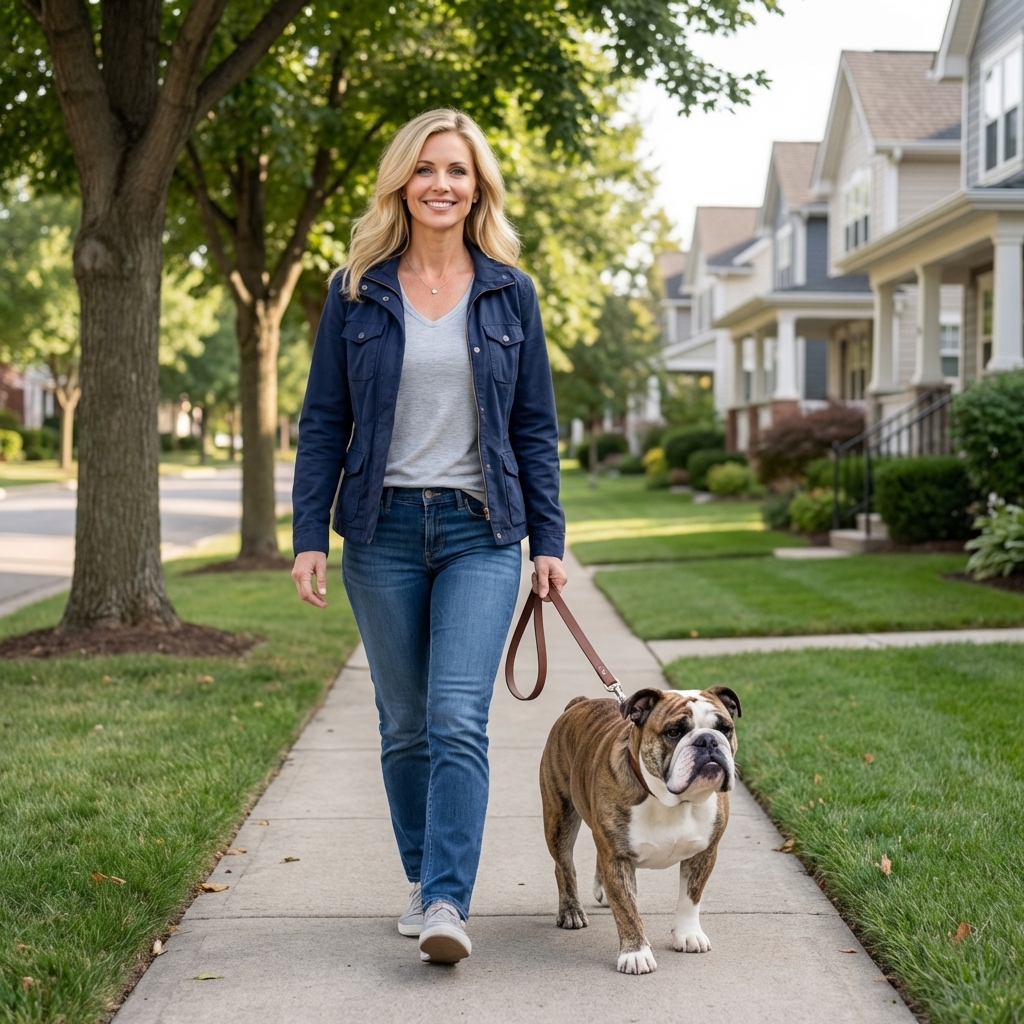
English Bulldogs are typically affectionate, people-oriented, and pleasantly predictable. Many are content with a cozy routine and do not need constant stimulation like some working breeds. That said, they are not lazy by default. They can be playful, stubborn, and surprisingly determined when food is involved.
With kids and families
English Bulldogs are often wonderful with children because they tend to be tolerant, gentle, and not overly high-strung. Still, supervision matters for any breed.
- Teach kids to avoid hugging around the neck, leaning over the dog, or touching the dog’s face folds while the dog is resting.
- Make a “cool-down spot” that is off-limits to kids so your Bulldog can rest undisturbed.
- Watch for stress signs like turning the head away, lip licking, whale eye (white of the eye showing), or trying to leave.
With other pets
Most English Bulldogs can do well with other dogs and even cats when introduced slowly. Because they can be a bit possessive of food and comfy spots, I recommend feeding separately and monitoring high-value items like chews.
Temperament is not just genetics. Daily comfort matters. A Bulldog who is too hot, struggling to breathe, or itchy from skin-fold irritation is much more likely to be grumpy.
Breathing and BOAS
BOAS stands for Brachycephalic Obstructive Airway Syndrome. It is a spectrum of upper airway issues that are common in flat-faced breeds. The shortened skull shape can affect the nostrils, soft palate, and larynx. Some Bulldogs may also have related airway differences like a smaller-than-average trachea, which can make breathing reserve even tighter.
Before we get into the details, a quick reminder: how much BOAS impacts a dog varies a lot. Two Bulldogs can look similar and have very different functional breathing.
Common BOAS features
- Stenotic nares: narrowed nostrils that limit airflow
- Elongated soft palate: tissue that can partially block the airway
- Everted laryngeal saccules: tissue pulled into the airway over time from labored breathing
- Secondary issues: chronic airway inflammation, poor heat tolerance, and sometimes gastrointestinal signs
Signs it is more than “Bulldog noises”
- Noisy breathing at rest that sounds harsh, raspy, or strained
- Snoring that is intense or worsening over time
- Needing frequent breaks on short walks
- Sleeping sitting up or with the neck extended
- Gagging, retching, or choking sounds, especially with excitement
- Blue or gray gums or tongue (this is an emergency)
- Collapsing or “melting down” on warm days (emergency)
Yes, many Bulldogs snore. But persistent noise plus poor stamina, heat intolerance, or distress signals should be taken seriously.
Why a vet partnership matters
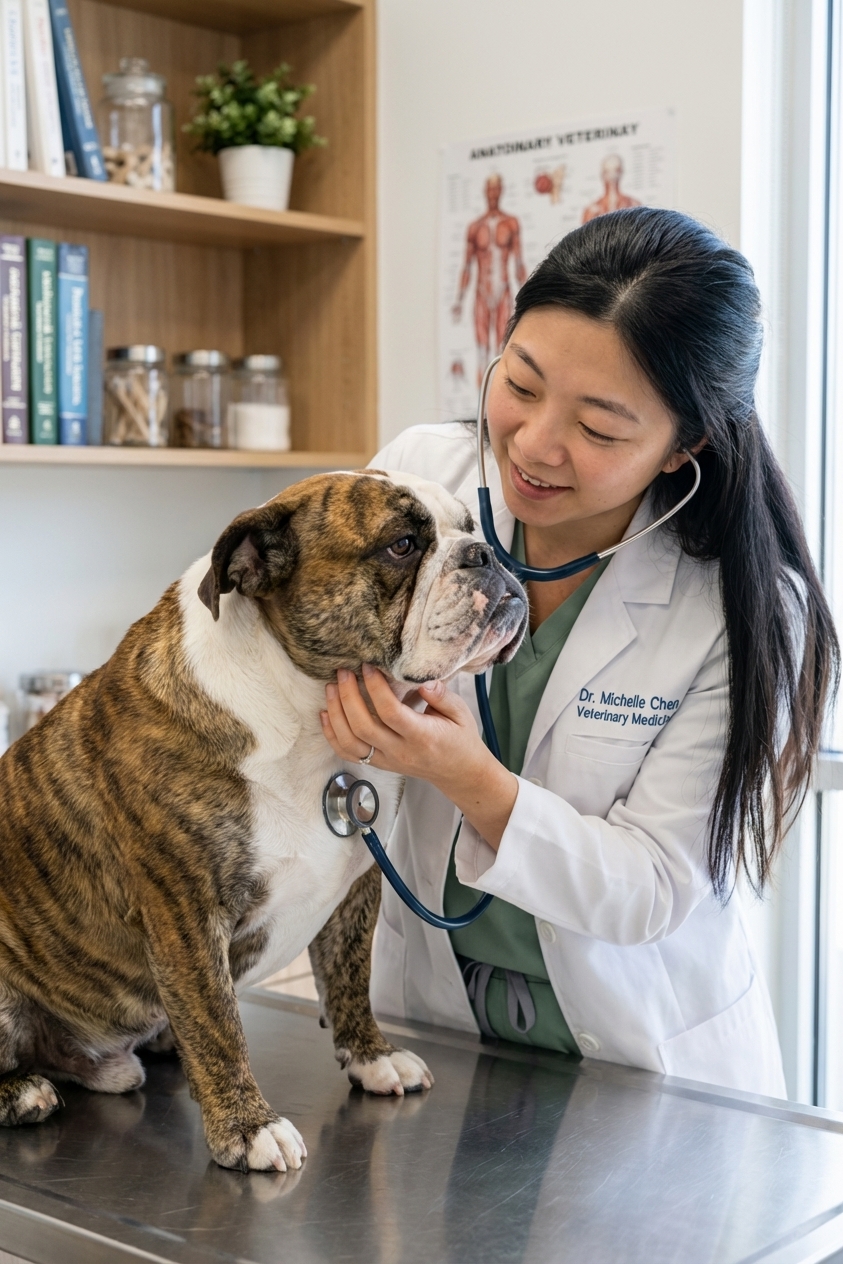
BOAS is not something you can fix with supplements or a new harness alone. Your veterinarian can:
- Evaluate breathing at rest and after gentle activity
- Check body condition and set safe weight goals
- Discuss medications if inflammation, allergies, or anxiety worsen breathing
- Refer to a surgeon if your dog is a good candidate for airway surgery (often nares and soft palate procedures)
Early evaluation can prevent a cycle where the airway gets more irritated and less functional over time. If you are ever unsure what your dog’s breathing “should” sound like, ask your vet to help you set a baseline.
Heat safety and exercise
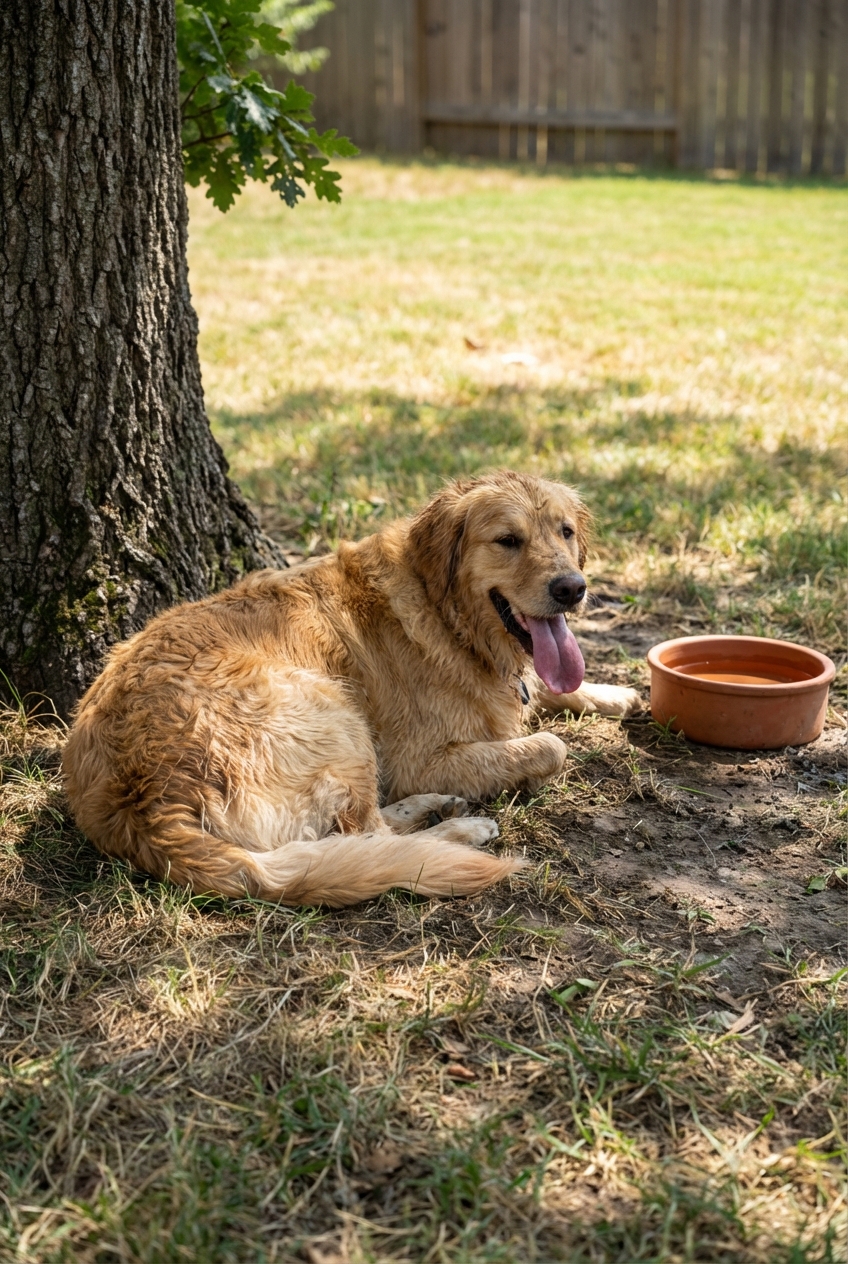
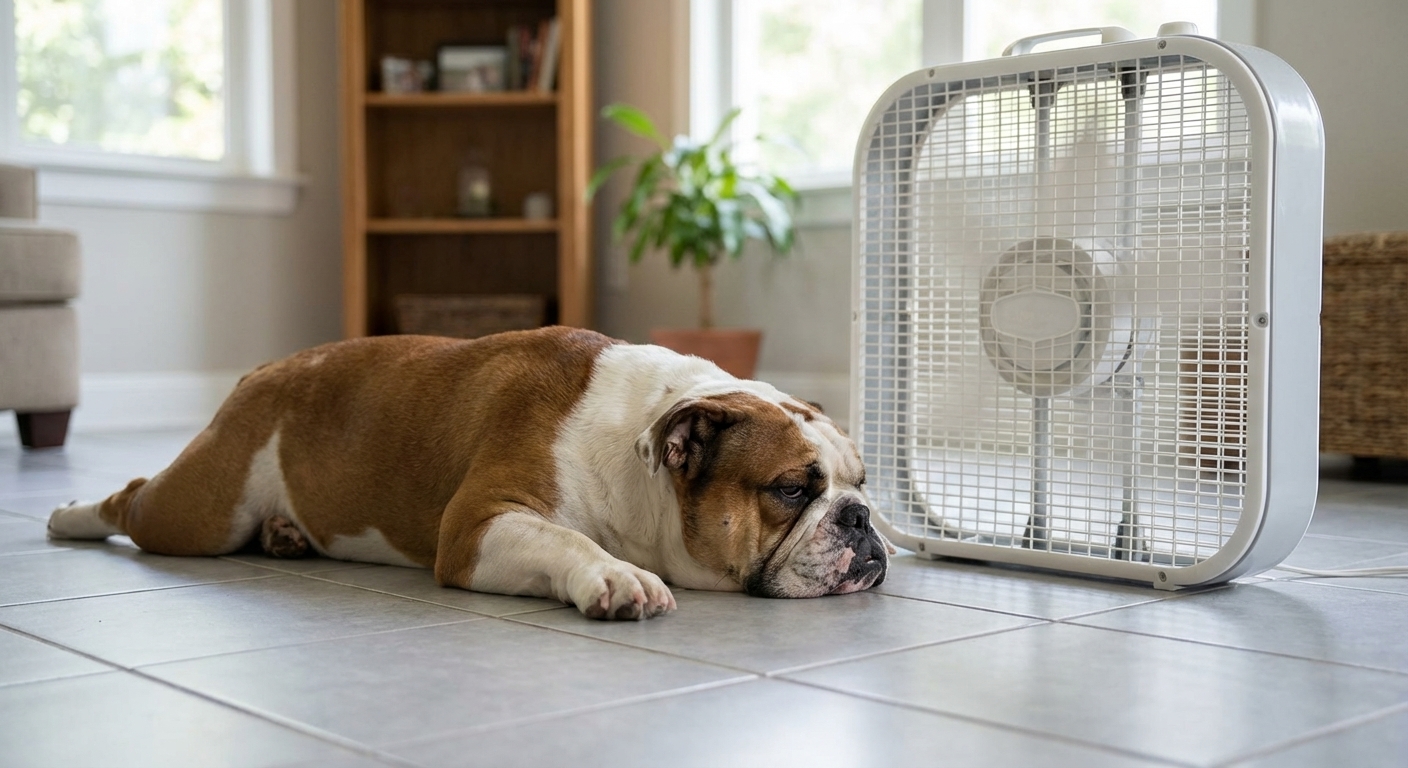
Because English Bulldogs do not cool themselves as efficiently, heat can become dangerous quickly. Panting is their main cooling tool, and BOAS can make panting less effective. Add humidity and you have a real risk.
Think of this section as your daily guardrails. Staying inside and skipping the mid-day walk is not “being overprotective” with a Bulldog. It is smart.
Safe exercise basics
- Plan walks for the coolest times: early morning and later evening.
- Keep it short: multiple brief walks are usually safer than one long outing.
- Choose shade and grass: hot pavement can burn paws and raise body temperature fast.
- Skip forced exercise: no jogging, bike runs, or long hikes for most Bulldogs.
- Use a harness: collars can increase pressure on the airway, especially when a dog pulls.
Heat warning signs
- Panicked or frantic panting
- Drooling that becomes thick or ropey
- Wobbliness, weakness, or refusing to move
- Vomiting or diarrhea during heat exposure
- Bright red gums, then pale or bluish gums
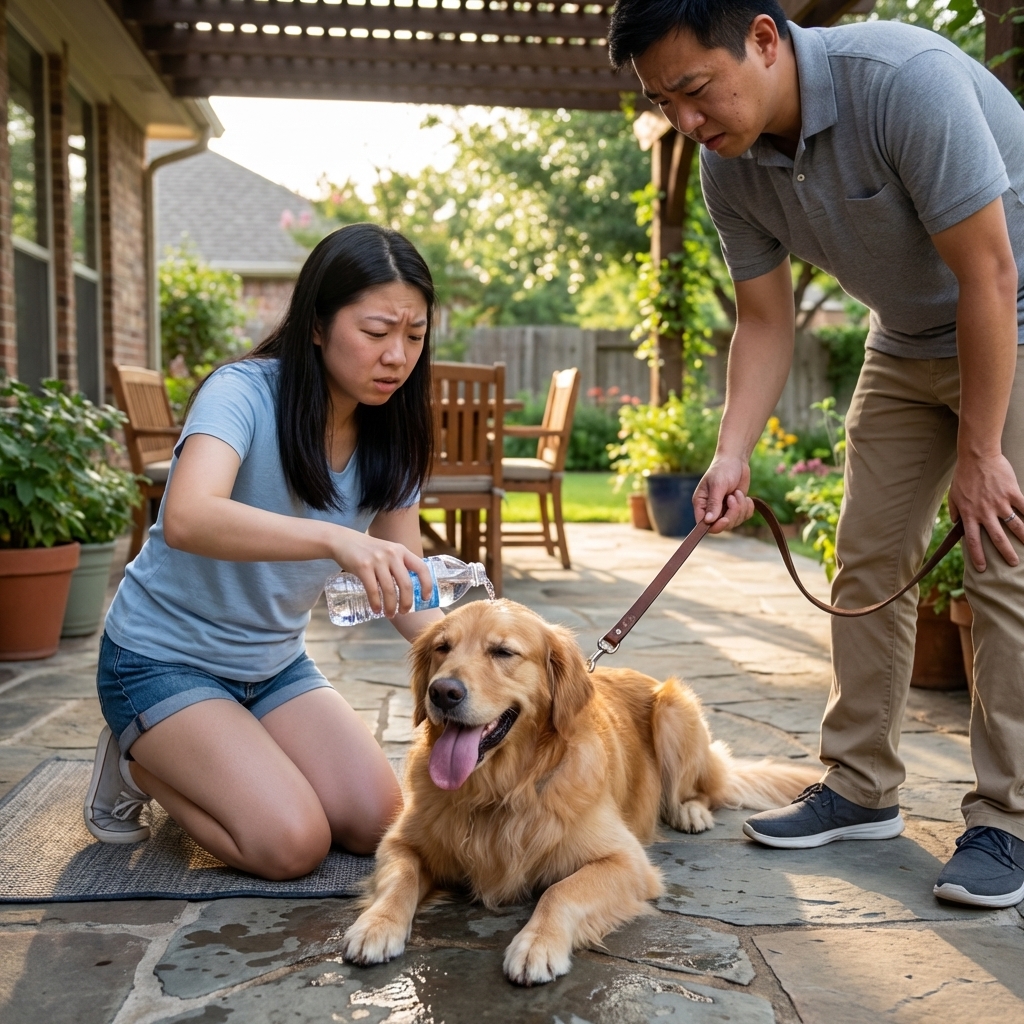
If you suspect heatstroke, it is a true emergency. Move to shade or AC, offer cool (not ice-cold) water if your dog is able to drink, and start cooling with cool or tepid water plus airflow from a fan. Avoid ice baths, which can constrict blood vessels and slow heat release. Get to an emergency vet immediately. If your team advises temperature monitoring, active cooling is typically reduced once body temperature approaches about 103°F (39.4°C) to avoid overshooting into hypothermia.
Daily care checklist
Bulldog care becomes easy when it is consistent. The biggest wins come from a few minutes a day, not a big scramble once things are infected or inflamed.
Facial wrinkles
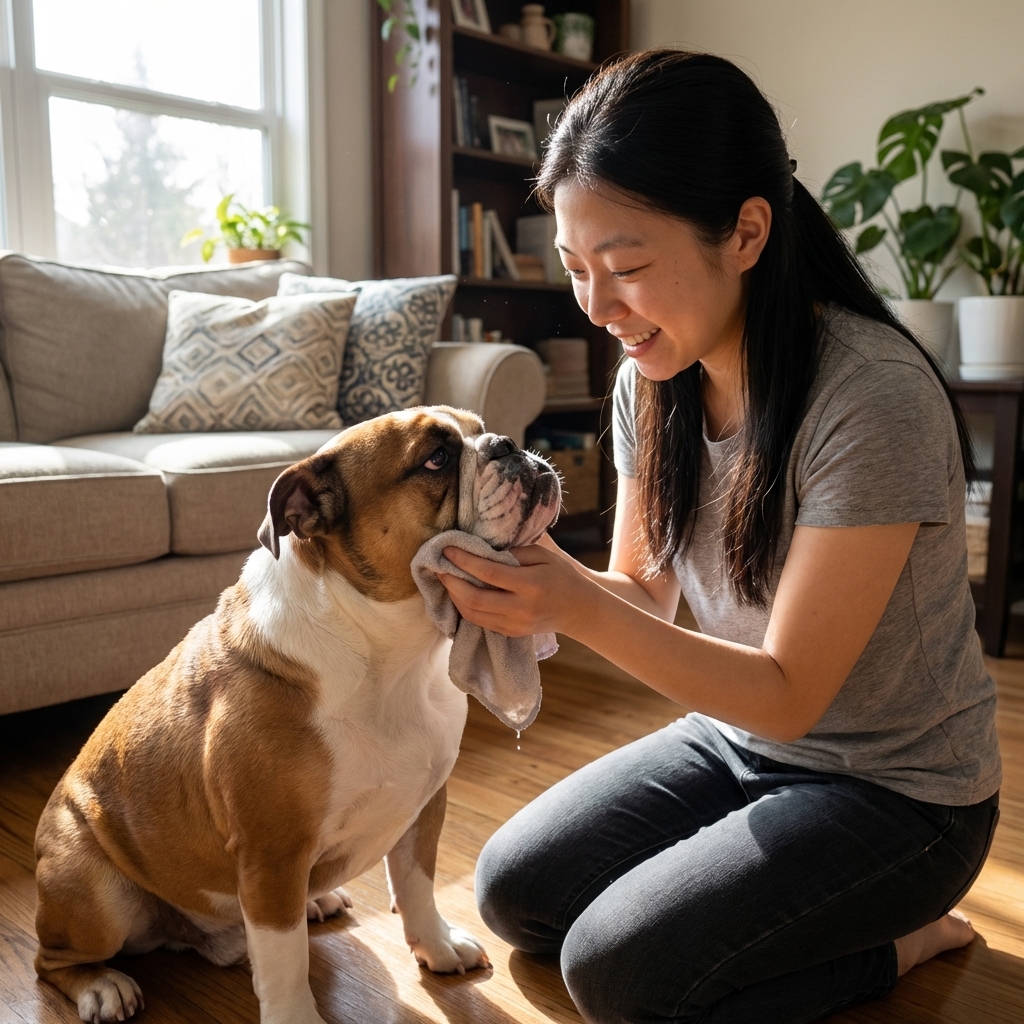
Skin folds trap moisture, saliva, food, and yeast. The goal is clean and dry.
- Frequency: daily for deep folds, every other day for mild folds. Increase during humid weather.
- How: wipe gently with a soft, damp cloth or vet-approved wipe, then pat completely dry.
- What to avoid: harsh soaps, alcohol, hydrogen peroxide, or heavily fragranced wipes.
Call your vet if you notice redness, a sour smell, brown discharge, bleeding, or your dog rubbing the face more than usual. Those are common signs of skin-fold dermatitis and infection.
Tail pocket
Some English Bulldogs have a tight or recessed tail area that can hide moisture and infection.
- Check the area regularly for odor, redness, and discharge.
- Clean and dry gently, just like facial folds.
- Ask your vet to show you how to safely lift and inspect the area.
Ears and eyes
- Ears: a light cleaning as needed. Chronic head shaking, odor, or dark wax should be checked for infection or allergies.
- Eyes: Bulldogs can be prone to issues like cherry eye and corneal ulcers. Recurrent squinting, discharge, redness, or a suddenly cloudy-looking eye deserves a vet exam.
Nails and paws
Bulldogs often dislike nail trims, and long nails change how the feet land, which can stress joints.
- Trim little and often, or use a nail grinder gradually with positive reinforcement.
- Check paw pads for cracks, especially in summer heat.
Weight control
If you take one thing from this article, let it be this: extra weight makes BOAS, joint stress, and heat intolerance worse. Bulldogs are lovable little opportunists with food, and even small daily extras add up fast.
What healthy looks like
- You should be able to feel ribs with light pressure, not dig for them.
- A visible waist is ideal when viewed from above, even on a stocky body.
- Stamina should improve with safe conditioning, not decline.
Simple strategies that work
- Measure meals: use a measuring cup or kitchen scale, not eyeballing.
- Pick low-calorie treats: tiny pieces, or use part of the daily kibble as training rewards.
- Limit people food: Bulldogs gain weight easily. If you share, share intentionally and count it.
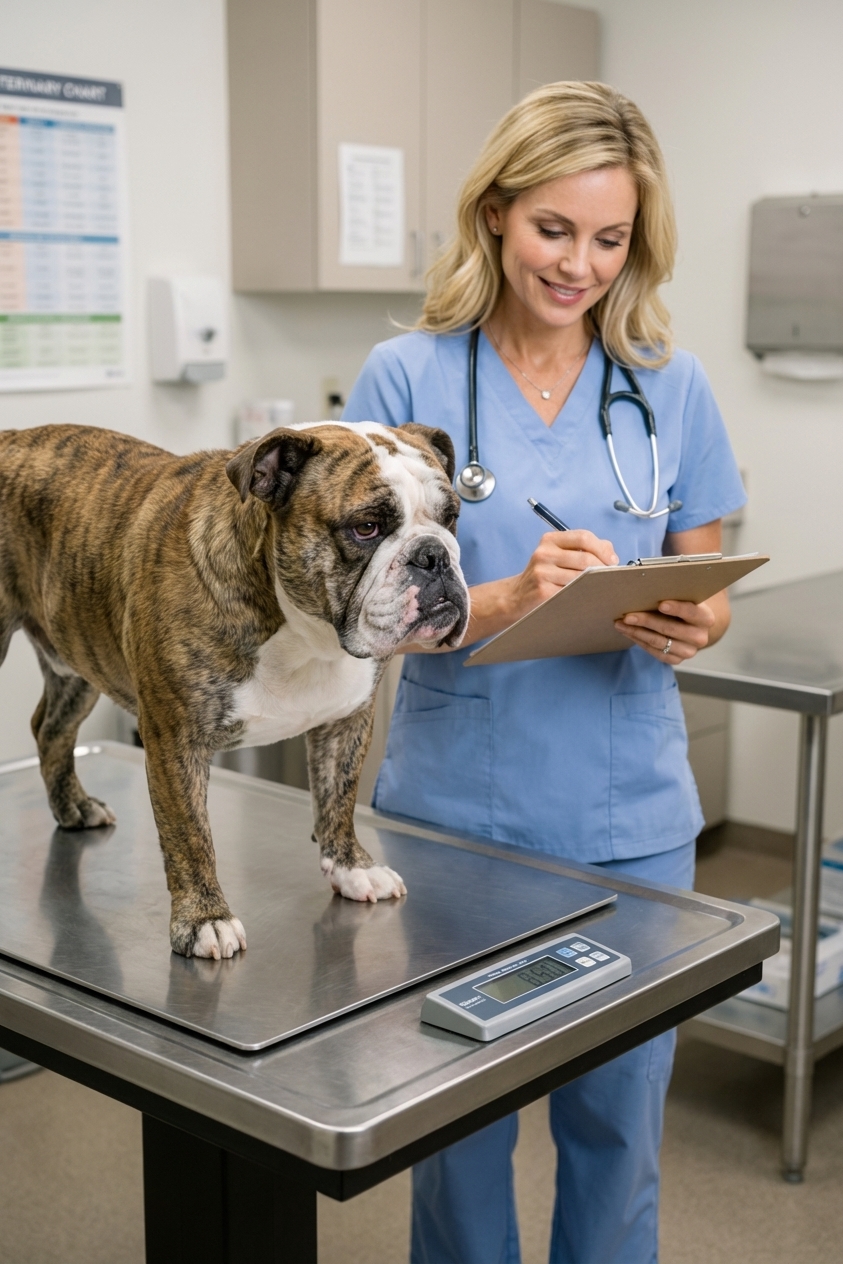
- Weigh-ins: monthly weight checks at home or at the clinic keep you ahead of the curve.
If your English Bulldog needs a weight-loss plan, ask your veterinarian for a calorie target and a timeline. Slow and steady is safer, and it protects muscle mass.
Feeding and digestion
Many brachycephalic dogs can have some combination of reflux, regurgitation, or sensitive stomachs. Air swallowing from labored breathing can contribute to gas and discomfort. Food allergies or environmental allergies may also show up as ear infections and skin irritation that makes daily life itchier and harder.
If your dog’s stomach issues and breathing issues seem to flare together, it is worth bringing up as a single conversation with your vet. Bulldogs are great at making separate problems look like one big problem.
Feeding habits that may help
- Slow down eating: try a slow feeder bowl or scatter feeding.
- Smaller meals: two to three smaller meals may be easier than one large meal.
- Ask about reflux: if your Bulldog frequently licks lips, gulps, or retches, talk to your vet.
If you are interested in adding fresh foods, go slowly and keep the diet balanced. For Bulldogs, consistency often matters as much as ingredient quality.
BOAS optimization
You cannot change your Bulldog’s skull shape, but you can improve comfort and reduce flare-ups. Here is a mini-checklist I use when talking with families:
- Keep them lean: even a few pounds can change breathing and stamina.
- Avoid heat spikes: plan walks, use shade, and keep indoor cooling reliable.
- Use a harness: especially for pullers.
- Pre-cool when needed: AC in the car before loading, cool floor time, and water breaks.
- Manage itch and inflammation: allergies and skin infections can make breathing feel harder.
- Know your dog’s baseline: if the noise, recovery time, or exercise tolerance changes, call your vet.
Other common issues
This article focuses on the daily “big rocks,” but English Bulldogs are also prone to a few other issues that are worth discussing with your veterinarian:
- Orthopedic pain and arthritis: hip or elbow dysplasia, knee issues, and early arthritis are common. Keeping nails short, staying lean, and using joint-friendly activity can make a real difference.
- Allergies (atopy): a frequent driver of recurring ear infections, paw licking, and skin flare-ups.
- Dental crowding: a short muzzle can mean crowded teeth and faster tartar buildup. Home brushing and regular dental exams help.
- Travel and car safety: Bulldogs can overheat quickly in cars. Skip air travel when possible, avoid leaving them in vehicles, and plan cool, short transitions.
When to call the vet now
Some issues can wait for a regular appointment. These should not.
- Breathing distress: open-mouth breathing at rest, blue gums, collapse, severe wheezing
- Heat illness signs: weakness, vomiting, confusion, refusal to move in warm conditions
- Eye emergencies: sudden squinting, a cloudy eye, or a red, painful-looking eye
- Skin infections: bleeding folds, pus, strong odor, or rapidly worsening redness
You know your dog best. If something feels off, it is always appropriate to call and ask.
Daily routine template
If you like having a simple plan, here is a routine many Bulldog families can realistically keep.
Every day
- Short potty walks in cooler parts of the day
- Fresh water access, cool resting area
- Quick check of facial folds and tail pocket, clean and dry as needed
- Food measured, treats counted
Weekly
- Weigh-in or body check (ribs and waist)
- Ears and paws check
- Training games for mental enrichment without overheating
Monthly
- Nail maintenance
- Review treats and portions, adjust if weight is creeping up
At each vet visit
- Discuss any changes in snoring, recovery time after play, or exercise tolerance
- Ask whether BOAS screening or an early surgical consult makes sense for your dog
A comfortable Bulldog is a happier Bulldog. Breathing, temperature, skin health, and weight all work together.