Support your dog’s final days with practical, vet-informed comfort tips at home—cozy bedding, pain and breathing warning signs, feeding and hydration hel...
Article
•
Designer Mixes
End-of-Life Care at Home: Comfort Tips and What to Expect

Shari Shidate
Designer Mixes contributor
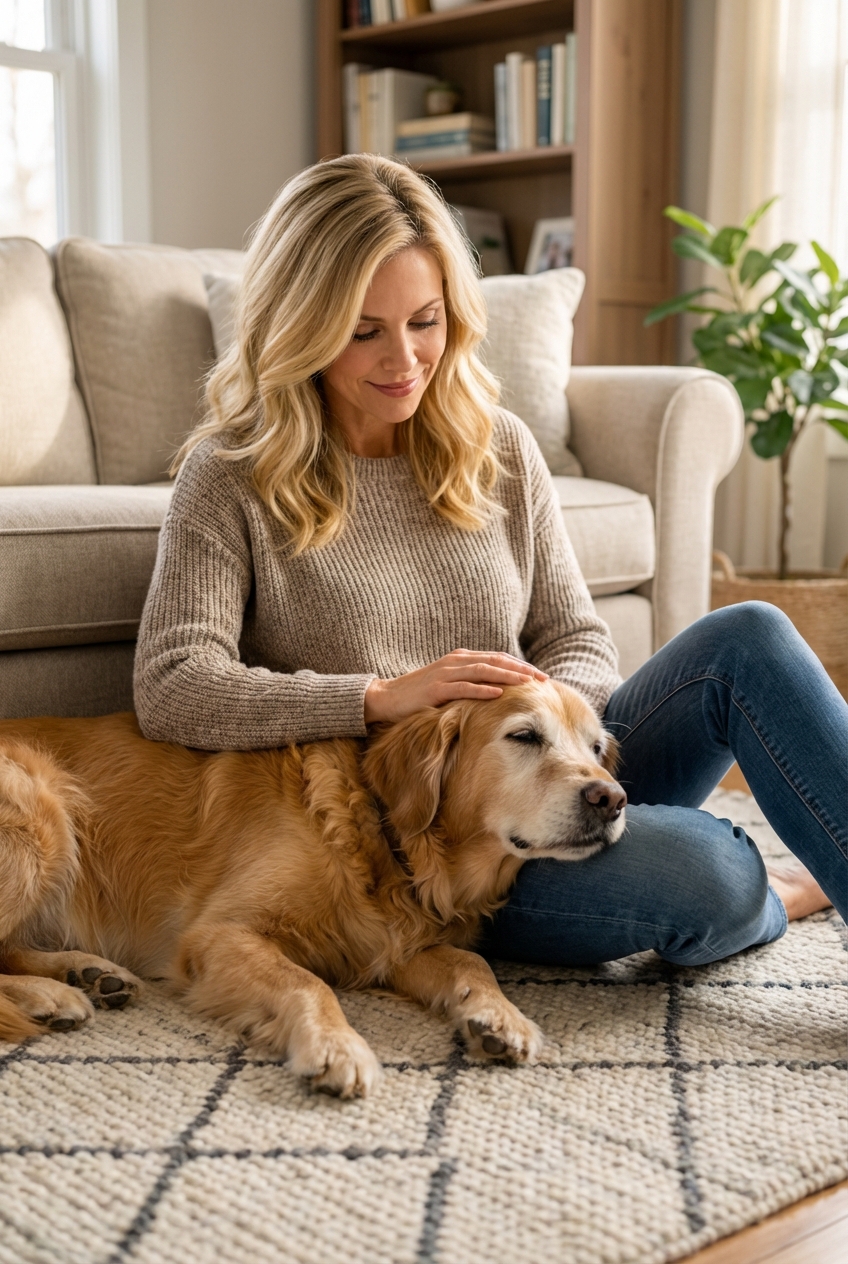
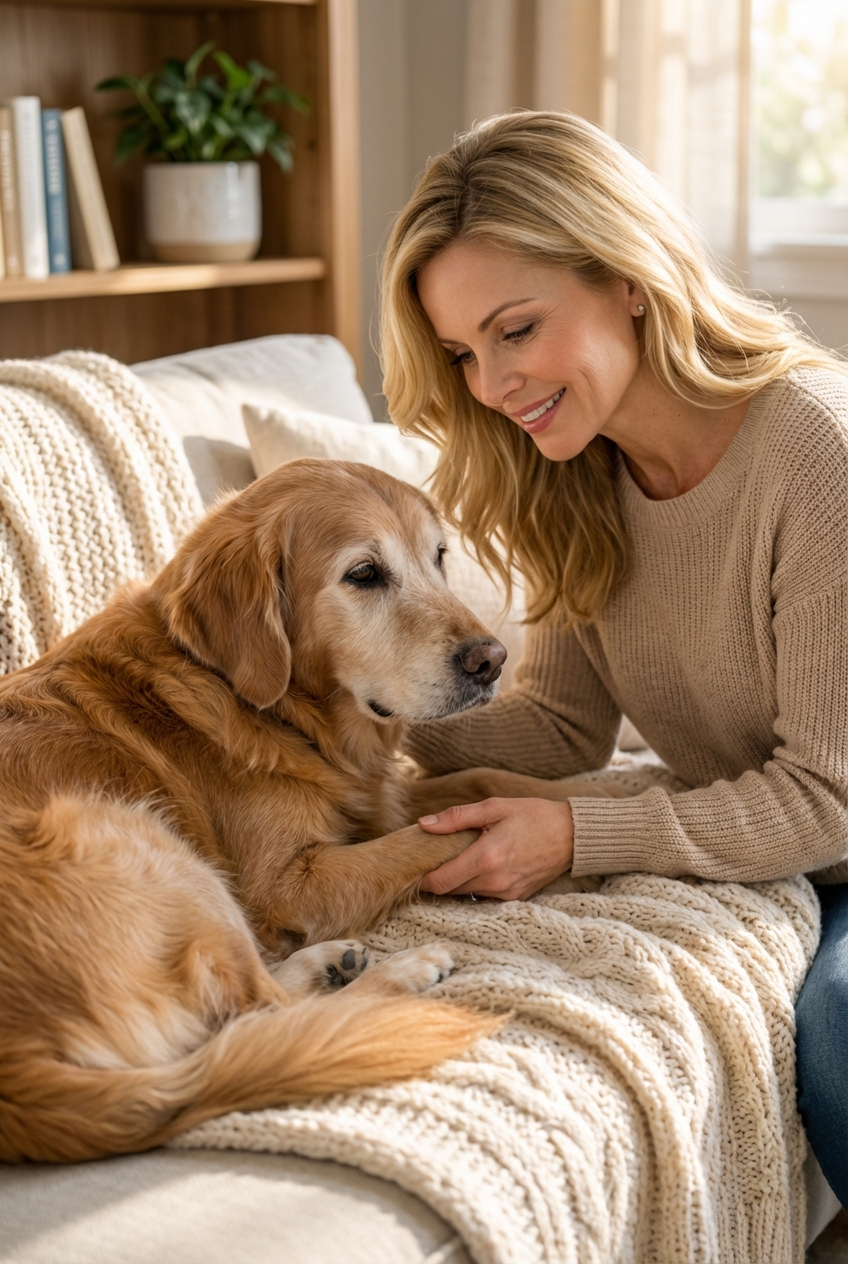
When a beloved dog is nearing the end of life, home is often the kindest place to be. Familiar scents, favorite blankets, and the people they trust most can lower stress and help them rest. As a veterinary assistant here in Frisco, Texas, I have seen how powerful simple comfort measures can be for both pets and their families.
This guide walks you through what the final days or weeks may look like, how to keep your dog comfortable at home, and when it is time to call your veterinarian. Every pet is unique, so think of this as supportive information, not a substitute for medical advice. If you live outside my area, local regulations and service options may vary, so your veterinarian is the best source for what applies where you live.
Start with a plan
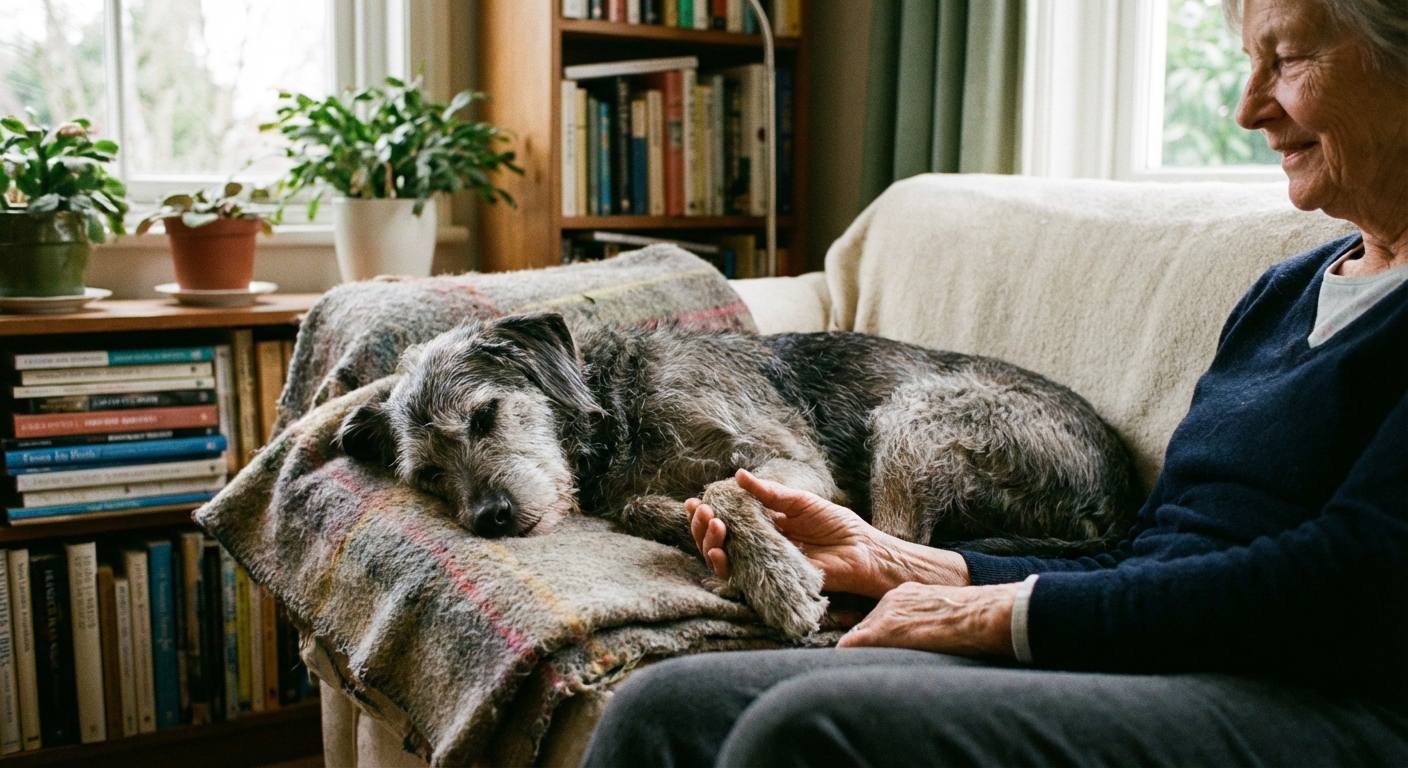
End-of-life care goes more smoothly when you have a clear plan and a veterinary team you trust. If your dog has a serious illness or is simply declining with age, ask your veterinarian about palliative care or hospice support. Many clinics can also connect you with in-home hospice and in-home euthanasia services.
Questions for your vet
- What symptoms should we expect with my dog’s condition?
- Which signs mean pain or distress, and what can we do right away at home?
- What medications are appropriate, and what side effects should I watch for?
- What is an emergency versus something we can monitor?
- What is our plan if my dog stops eating or can’t stand?
- How do I know when it might be time for euthanasia?
If possible, keep a written list of medications, dosages, and your vet’s after-hours number somewhere easy to find, like the refrigerator.
What you may notice
Not every dog follows the same timeline. Some decline gradually over weeks, while others appear stable and then change quickly. In general, families notice a mix of physical changes, energy shifts, and different social behaviors.
Common changes
- Less energy and more sleep: Many dogs rest more and have fewer “good moments” each day.
- Decreased appetite and thirst: They may eat less, become picky, or stop eating entirely.
- Mobility issues: Trouble standing, slipping on floors, weaker back legs, or reluctance to go outside.
- Changes in breathing: Faster breathing at rest, panting, or more effort with each breath.
- Nausea or digestive upset: Lip licking, drooling, vomiting, or diarrhea.
- Confusion or restlessness: Pacing, staring, getting “stuck” in corners, or needing reassurance at night.
- Accidents: Urine or stool accidents due to weakness, confusion, or decreased control.
These changes are not your failure and they are not your dog “giving up.” They are often a normal part of the body slowing down.
Comfort tips
Your goal at home is simple: reduce pain, reduce stress, and support basic needs like warmth, hydration, and gentle movement. Small adjustments can quickly improve comfort.
Set up a calm space
- Choose one main resting area: Quiet, easy to access, and close to the people they love.
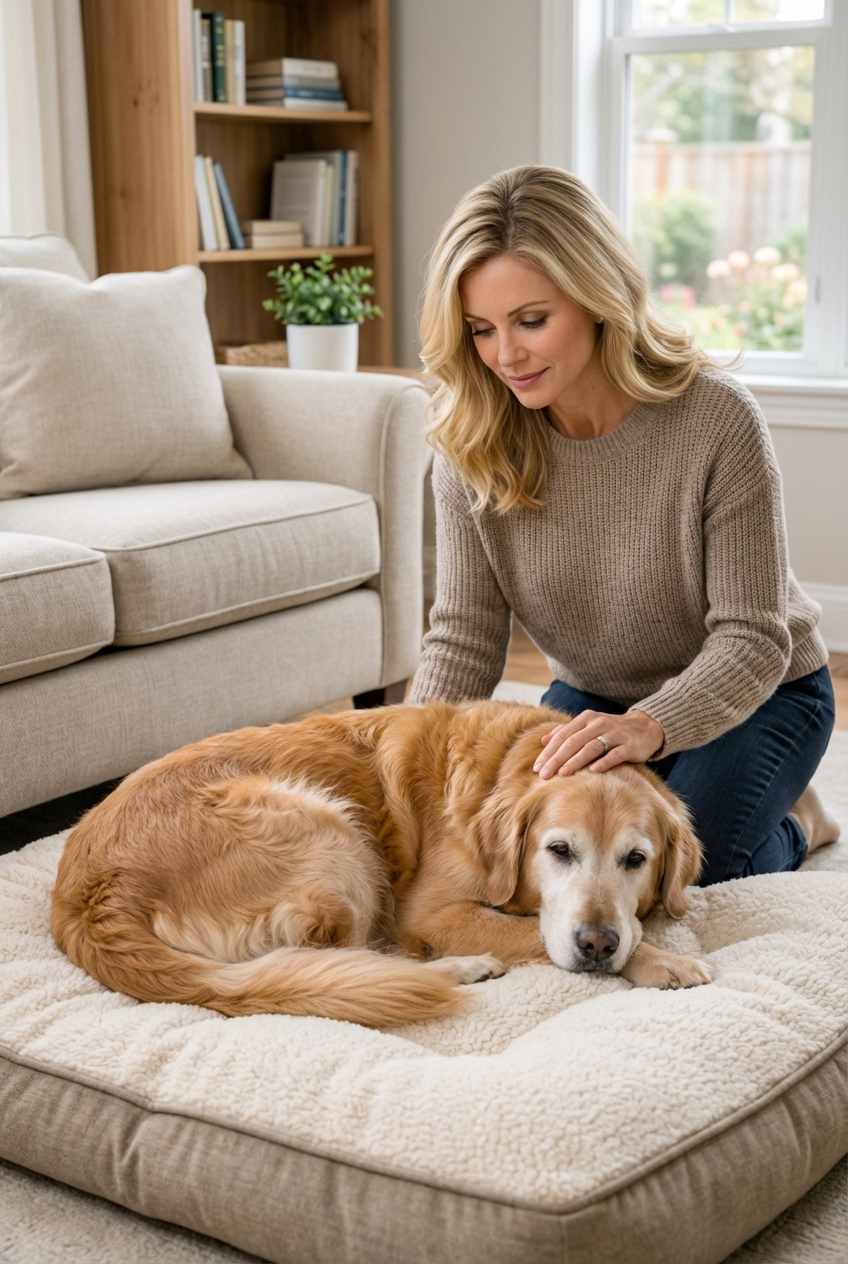
- Use supportive bedding: Thick foam, an orthopedic bed, or layered blankets can reduce pressure on sore joints.
- Keep them warm: Older and ill dogs often get cold easily. A light blanket can help. Avoid heating pads unless your vet approves and you can supervise, since burns can happen quickly. A safer option for some dogs is a microwavable heat disc or rice sock wrapped in a towel and placed near (not under) your dog, only if they can move away from it on their own.
- Soften noise and light: Gentle routines and calm environments lower anxiety.

Mobility and traction
- Add traction: Yoga mats, runners, or rugs can help prevent falls.
- Use a harness or support sling: Especially for stairs, potty trips, or getting up from a lying position.
- Try grip aids if needed: Paw grip socks or booties can help some dogs feel steadier on slick floors.
- Keep nails trimmed: Overgrown nails reduce traction and can increase joint pain.
- Consider raised bowls: A slightly elevated food and water setup can be more comfortable for dogs with neck, back, or mobility issues.
Hygiene and skin care
- Use waterproof pads: Washable or disposable pads protect bedding and make cleanup less stressful.
- Clean accidents promptly: Use warm water and a mild pet-safe cleanser to protect the skin.
- Choose wipes carefully: Pet wipes are usually the safest option. If you use baby wipes, choose alcohol-free and fragrance-free, and stop if you notice redness or irritation.
- Prevent pressure sores: If your dog is lying down most of the day, add extra padding under bony areas (hips, elbows), check skin daily, and help them shift position when tolerated.
- Ask about diapers or belly bands: For some families, these can reduce stress around accidents. Your vet can help you choose a safe fit and avoid skin irritation.
Food and water
Appetite often drops near the end. That can be heartbreaking, but it is also common. Your vet may recommend appetite stimulants, anti-nausea medications, or pain control that makes eating easier.
- Warm food slightly: Gentle warming can boost aroma and interest.
- Try small, frequent meals: A few bites at a time may be easier than a full bowl.
- Keep water easy to reach: Place bowls in multiple spots, and consider a shallow bowl if bending is hard.
- Ask before offering add-ins: Some dogs may drink more if water is flavored with a small amount of low-sodium broth, or if they can lick ice chips, but only do this if your vet says it fits your dog’s condition.
- Do not force-feed: If your dog turns away, forcing can increase stress and nausea.
If your dog is not eating for 12 to 24 hours, contact your veterinarian for guidance. Call sooner if your dog is very small, very young, has diabetes, kidney or liver disease, is vomiting, seems unusually lethargic, or you feel something is not right.
Do not syringe water into a weak or very sleepy dog unless your veterinarian has specifically instructed you, because it can increase the risk of choking or aspiration.
Medications and pain control
Pain is not always obvious. Many dogs hide it. Signs can include trembling, inability to settle, growling when touched, a “worried” facial expression, or panting at rest. Panting can be caused by pain, but it can also be anxiety, heat, or a breathing or heart issue, so it is always worth checking in with your vet.
Do not give human pain medications like ibuprofen, naproxen, or acetaminophen unless your veterinarian has specifically directed you, because many are toxic to dogs.
Medication safety
When you are tired and worried, medication routines can get confusing fast. A simple system can prevent missed doses and accidental double-dosing.
- Use a dosing chart: Write down medication name, dose, time given, and any notes (like vomiting or sleepiness).
- If a dose is missed: Call your veterinarian for advice. Do not “double up” unless you are told to.
- If your dog vomits after a dose: Ask your veterinarian whether to repeat it. Timing matters and some meds should not be repeated.
- Store medications safely: Keep them in original containers, away from kids and pets, and do not mix pills in one bag unless your vet has approved a clear system.
Quality of life
When emotions are high, it can help to track a few daily markers. Many veterinarians recommend a quality-of-life scale, often focusing on comfort, appetite, hydration, mobility, and joy or interest in life. One commonly used tool is the HHHHHMM scale (Hurt, Hunger, Hydration, Hygiene, Happiness, Mobility, More good days than bad). Your vet can help you interpret it for your dog’s situation.
Daily check-in
- Comfort: Is pain controlled most of the day?
- Breathing: Is breathing calm when resting?
- Eating and drinking: Are they taking in enough to feel okay?
- Mobility: Can they get to rest spots and potty with help?
- Hygiene: Can you keep them clean and dry without distress?
- Connection: Do they still enjoy touch, family presence, or a favorite treat?
A helpful rule many families use is: Are there more good days than hard days? If the hard days are taking over, it is time for an honest talk with your veterinarian.
Call a vet now
Some changes are part of a gentle decline, but others signal suffering or an emergency. Trust your instincts. If you are worried, it is appropriate to call.
- Labored breathing, open-mouth breathing at rest, or blue or pale gums
- Uncontrolled pain, crying out, severe restlessness, or inability to get comfortable
- Repeated vomiting, vomiting blood, or black tarry stool
- Collapse, seizures, sudden inability to stand, or severe weakness
- Large, painful belly swelling
- Uncontrolled bleeding
- Suspected toxin exposure or ingestion of a dangerous item
If your dog’s condition is terminal and worsening, these moments may also be a signal that it is time to discuss humane euthanasia.
Final hours
Some families never see the most advanced end-stage signs because they choose euthanasia earlier, based on comfort and quality of life. If your dog does pass naturally at home, families often worry they will not recognize the final stage. While every dog is different, many dogs show a combination of these signs as the body begins to shut down.
- Very little interest in food or water
- Long periods of sleep or unresponsiveness
- Changes in breathing pattern such as slower breathing, pauses, or occasional deeper breaths
- Cooler paws and limbs as circulation slows
- Accidents because the body can no longer control bladder or bowels
These signs can sometimes happen earlier too, depending on the disease process. If you are working with a veterinarian or hospice provider, let them know what you are seeing. They can help you understand whether your dog is comfortable and whether there are medications or steps that may help.
Gentle reminder: It is common for families to fear their dog will be in pain at the very end. With good palliative care and timely decisions, many pets can pass peacefully, surrounded by familiar voices and hands.
Considering euthanasia
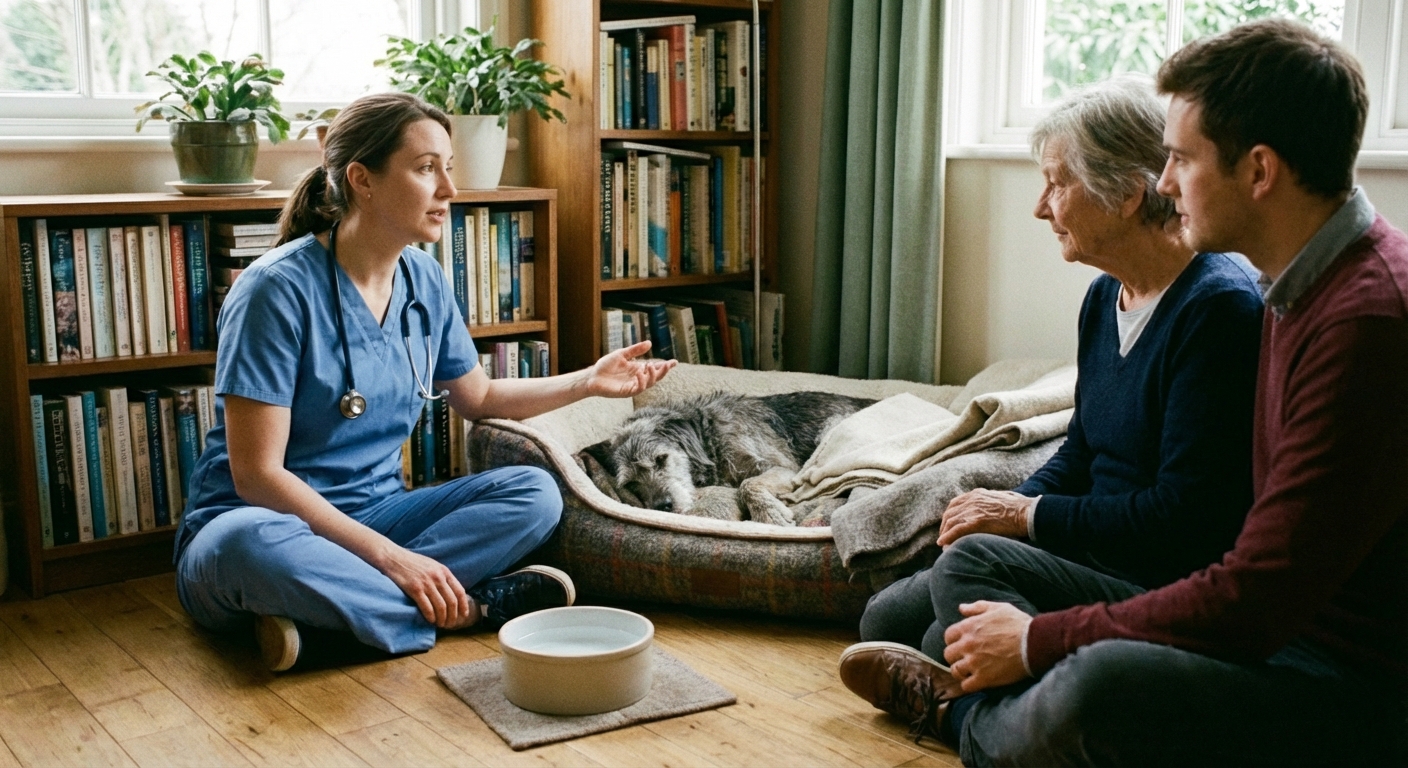
Euthanasia is a deeply personal decision, and it is also a final act of love when suffering can no longer be managed. Your veterinarian can explain what the process looks like and help you choose the right timing. Many families prefer in-home euthanasia, where a dog can remain in a favorite spot without the stress of a clinic visit.
How to prepare
- Ask about sedation and what your dog will feel, step by step.
- Decide who wants to be present and who may need to say goodbye earlier.
- Consider aftercare options ahead of time, including cremation or burial rules in your area.
- Choose a calm location at home with easy cleanup, like a blanket on the floor.
What can be normal
Many pets become very relaxed once sedation is given. After your dog has passed, it can be normal to see a deep sigh, small muscle twitches, or a brief reflex breath. Some pets also release urine or stool. These are not signs of suffering, but they can be surprising if you are not expecting them. Your veterinarian can talk you through what is happening in the moment.
Kids and other pets
Kids often understand more than we expect when we use simple, honest language. If a pet is dying, explain that their body is very sick or very old, and that you are making sure they are comfortable. Avoid confusing phrases like “put to sleep” if your child might connect it to bedtime.
Other pets may also grieve or act differently. Some become clingy, some withdraw, and some search the house. Keeping routines steady can help.
- Let children participate in gentle ways, like bringing a blanket or drawing a goodbye picture.
- Maintain regular meal and walk schedules for other pets when possible.
- If safe and appropriate, ask your vet whether allowing other pets to be present after death may help them understand the change.
Aftercare and grief
Grief is the price of love, and it can show up in surprising ways: trouble sleeping, second-guessing, numbness, or waves of sadness that hit out of nowhere. Be gentle with yourself. Most families do the best they can with the information they have, in an emotionally intense moment.
Ways to honor your dog
- Create a photo album or a small memory box with a collar tag.
- Write down a few favorite stories while they are fresh.
- Make a donation or volunteer in your dog’s name, if that feels healing.
If you are considering home burial, check local ordinances first. Rules can vary, and practical details like depth requirements and distance from water sources or utility lines matter. For many families, cremation through a veterinary clinic or a reputable pet cremation service is the simplest option.
If your grief feels overwhelming or prolonged, consider reaching out to a pet loss support hotline or counselor. Many veterinary schools and local humane societies offer free or low-cost resources.
Final note
End-of-life care at home is not about doing everything perfectly. It is about being present, reducing discomfort, and making thoughtful decisions rooted in love. If you are unsure what your dog needs next, your veterinarian can help you interpret changes and guide you through the next step with compassion.