Senior dog accidents are often medical or mobility related—not bad behavior. Learn urgent red flags, common causes (UTI, incontinence, arthritis, cognitive...
Article
•
Designer Mixes
Elderly Dog Peeing in the House

Shari Shidate
Designer Mixes contributor
If your senior dog has started peeing in the house, it is easy to feel frustrated or worried. I get it. As a veterinary assistant, I have seen this often, and the most important thing to know is that new or worsening accidents in an older dog are usually a health or mobility clue, not “spite” or stubbornness.
The good news is that many causes are treatable, and even when the issue cannot be fully cured, there are kind, practical strategies that can greatly reduce accidents and protect your dog’s comfort and dignity.
Normal aging vs a concern
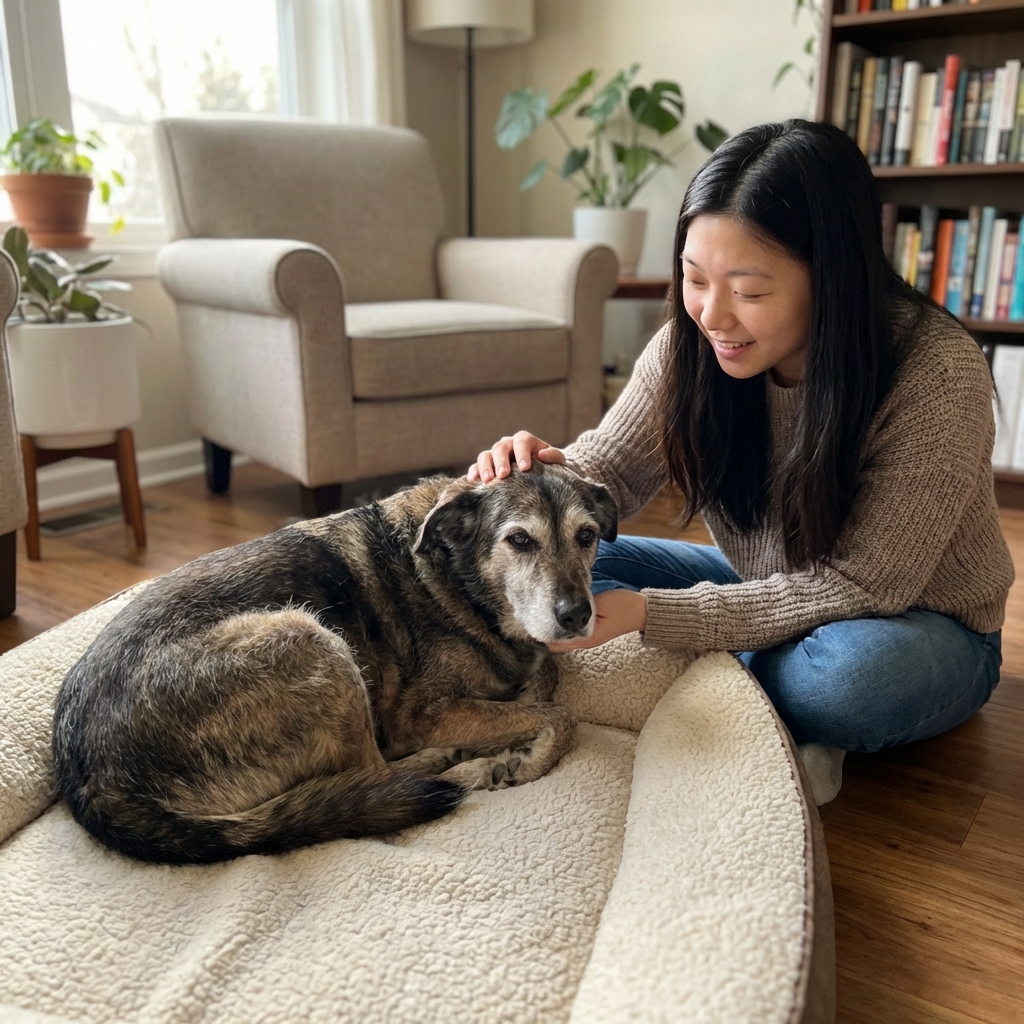
Some age-related changes can make house training harder. Older dogs may have lighter sleep, reduced bladder capacity, weaker muscles, arthritis, or slower movement. But a sudden shift from “reliable” to “frequent accidents” is not something to brush off as normal aging.
These situations deserve a vet visit:
- Accidents that start suddenly or increase quickly
- Straining to urinate, crying, or producing only small drops
- Blood in the urine
- Strong odor, cloudy urine, or licking the genital area more than usual
- Drinking much more water than normal
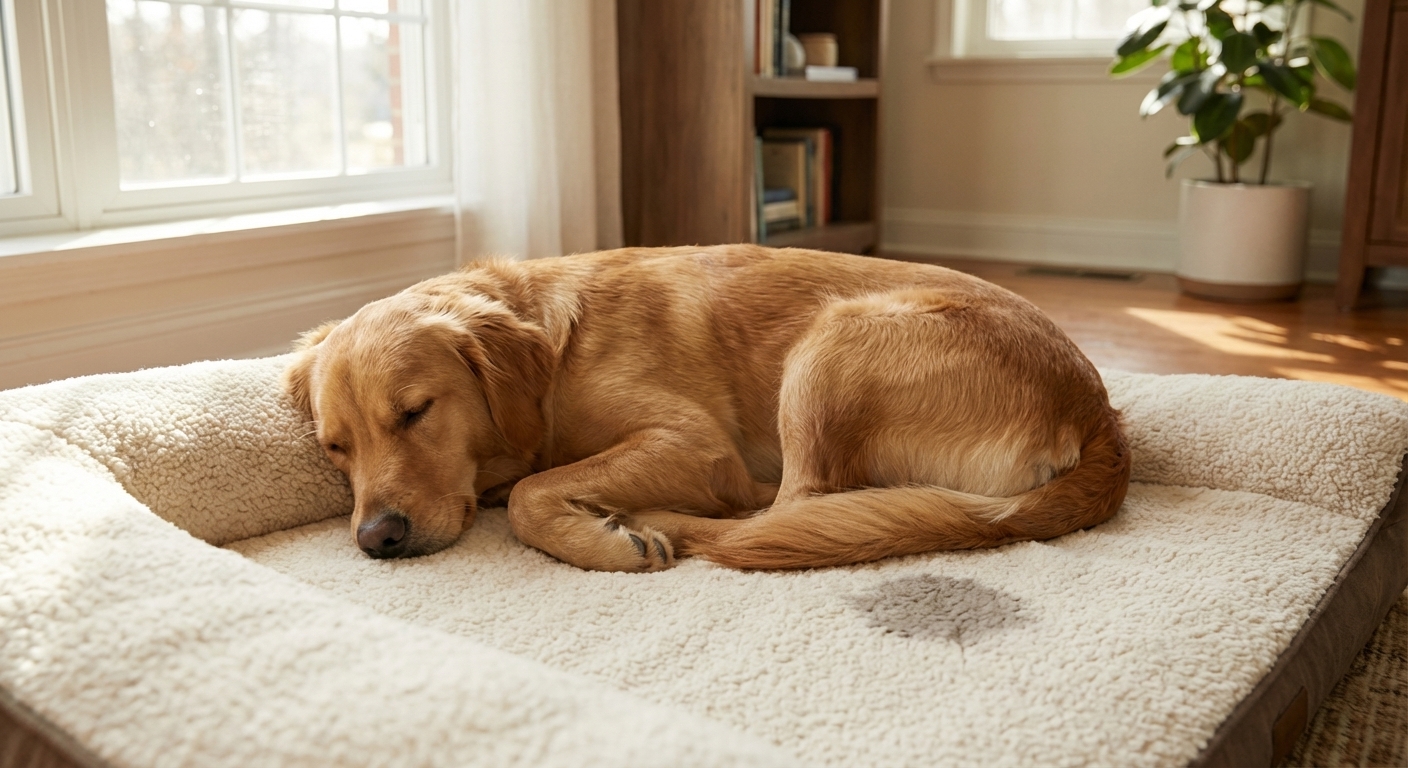
- Accidents during sleep, damp bedding, or dripping urine
- New confusion, pacing, or getting “stuck” in corners
What kind of accident is it
“Peeing in the house” can mean a few different things. Noting the pattern helps your vet narrow down causes quickly:
- Urgency accidents: often larger puddles, your dog seems like they cannot hold it, may ask to go out more
- Leaking (incontinence): damp bedding, wet spots where your dog was resting, drips without a clear squat
- Marking: small amounts on vertical surfaces or new items, sometimes triggered by stress or changes at home
Common medical reasons
Urinary tract infection (UTI)
UTIs are seen frequently in older dogs and can cause urgency, frequent small urinations, accidents, and discomfort. A urinalysis and sometimes a culture help confirm infection and choose the right antibiotic. If UTIs keep coming back, it is worth looking for an underlying reason such as stones, hormone disease, or anatomy issues.
Bladder stones or crystals
Stones can irritate the bladder and create frequent urges. Some stones require a special diet, medications, or surgery. Your vet may recommend x-rays or ultrasound.
Kidney disease
When kidneys are not concentrating urine well, dogs often drink more and urinate more. You may notice larger puddles or more frequent requests to go out. Bloodwork and urinalysis are key here.
Diabetes and hormone disorders
Diabetes mellitus often causes increased thirst and urination and may come with weight loss or increased appetite. Cushing’s disease can do this too. These are important to catch early because treatment can significantly improve quality of life.
Urinary incontinence
Some dogs leak urine, often while sleeping or resting. You might see damp bedding or a trail of drips. This is common in spayed females, but it is not limited to seniors, and it can occur in males too. There are effective prescription medications that help many dogs.
Prostate disease (intact males)
In intact male dogs, prostate enlargement, infection, or other prostate problems can contribute to urinary accidents, straining, or blood in the urine. If you have an older intact male, mention any urinary changes right away.
Pain, arthritis, or mobility limits
Sometimes the bladder is fine, but the dog cannot get to the door fast enough. Stairs, slippery floors, or cold weather can make it worse. If accidents happen more on hard days or after long naps, mobility may be the real issue.
Cognitive dysfunction
Senior dogs can become disoriented and forget routines. They may wander, stare, wake at night, or seem less responsive. House soiling can be part of this picture. Your vet may discuss prescription diets, environmental supports, and (when appropriate) medications. Some supplements are also used, but evidence varies, so it is best to pick options with your veterinarian.
Medications and diet changes
Some medications increase thirst or urination, including certain steroids and diuretics. High-sodium treats may contribute to thirst in some dogs, but a noticeable increase in drinking and peeing should still prompt a medical workup. Always tell your vet about new supplements, treats, and meds.
Behavior and environment
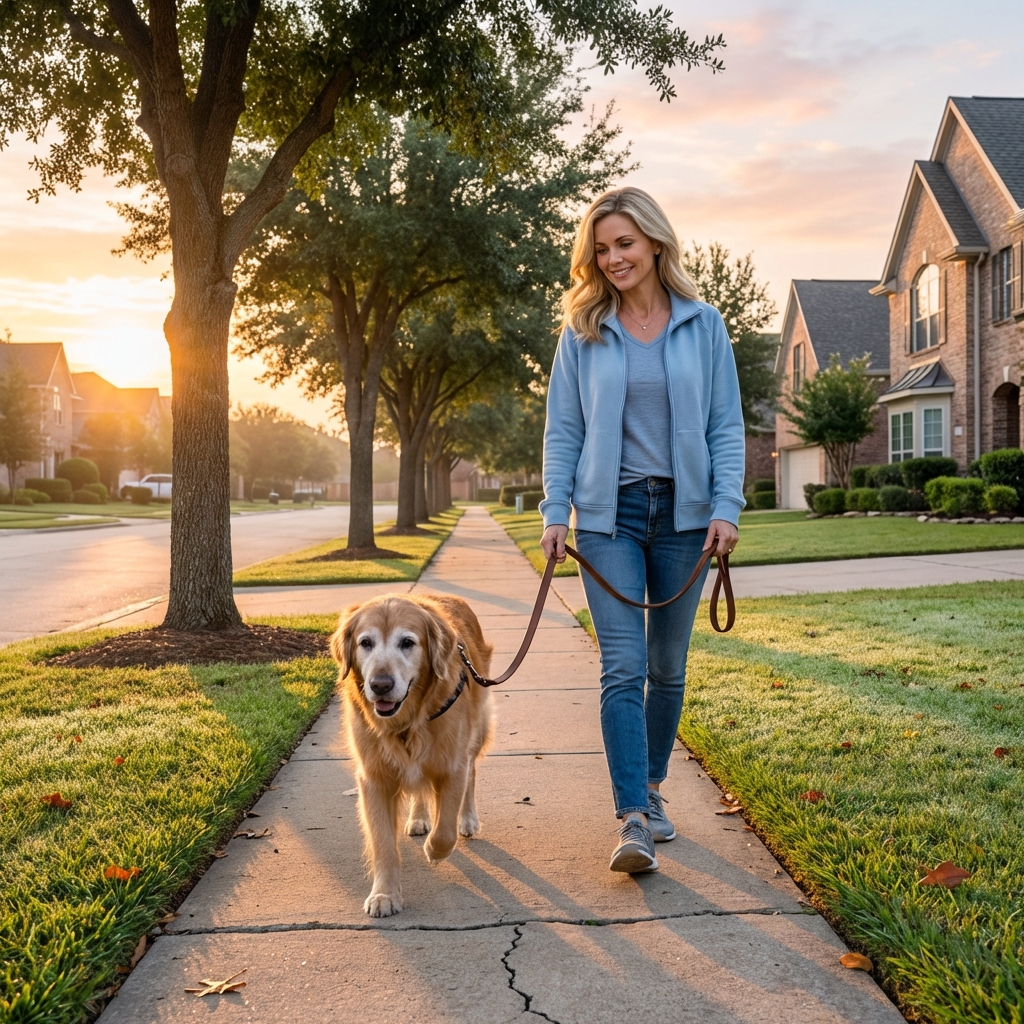
Not every accident is medical, but in older dogs, it is smart to rule out medical causes first. After that, think through what changed at home.
- Schedule changes: longer gaps between potty trips
- Stress: visitors, a new pet, moving, construction noise
- Weather: rain or cold that makes your dog avoid going out
- Access issues: blocked dog door, new baby gate, new flooring that is slippery
- Scent reminders: old urine odor can prompt repeat accidents
What your vet may do
A senior exam plus basic urine testing often gives quick, actionable answers. A typical workup may include:
- Urinalysis: checks concentration, infection signs, crystals, blood, glucose
- Urine culture: identifies the bacteria and best antibiotic when needed
- Bloodwork: screens for kidney issues, diabetes, liver changes, dehydration
- Imaging: x-rays or ultrasound for stones, masses, or anatomy concerns
- Blood pressure: sometimes recommended in seniors, especially with kidney disease
One quick note from the clinic side: if your vet asks for a urine sample, do not feel embarrassed if collecting is tricky. We can help you plan the easiest method, and in some cases we may collect a sterile sample in the hospital.
What to track for your vet
If you can, bring a few notes. Even a short log helps:
- How often your dog urinates and whether puddles are small or large
- Whether accidents happen during sleep (suggests leaking)
- Any straining, licking, odor changes, or blood
- Water intake changes (estimate or measure for a couple of days)
- Appetite, weight, energy changes
- All meds, supplements, and recent diet or treat changes
- Spay or neuter status
At-home steps
1) Reset the potty schedule
Most senior dogs do best with more frequent, predictable breaks.
- First thing in the morning
- After meals
- After naps
- Before bedtime
- One late-night trip for some dogs, especially if accidents happen overnight
If you work long hours, consider a dog walker, neighbor help, or doggy daycare a few days a week. For many families, this change often reduces accidents significantly.
2) Make the path easier
- Add rugs or runners for traction
- Use ramps instead of stairs
- Keep water, beds, and favorite resting spots on one level if possible
- Use night-lights so your dog can navigate in the dark
3) Use an enzymatic cleaner
Regular household cleaners may not fully remove urine scent. Choose an enzymatic pet urine cleaner, soak according to directions, and allow it to air dry. This helps prevent repeat accidents in the same spot.
4) Support bladder-friendly hydration
Do not restrict water unless your veterinarian specifically instructs it (for example, for a specific test or condition under close supervision). Many causes of accidents are linked to increased thirst, and restricting water can worsen dehydration and make your dog feel awful.
If your dog is drinking a lot more than usual, measure it for a few days and tell your vet. That detail can be a big diagnostic clue.
5) Use temporary tools
These are not “giving up.” They are comfort and sanity tools while you investigate the cause:
- Belly bands for males or dog diapers for females (change frequently to prevent skin irritation)
- Waterproof covers for dog beds
- Easy-to-clean confinement areas for short periods, never as punishment
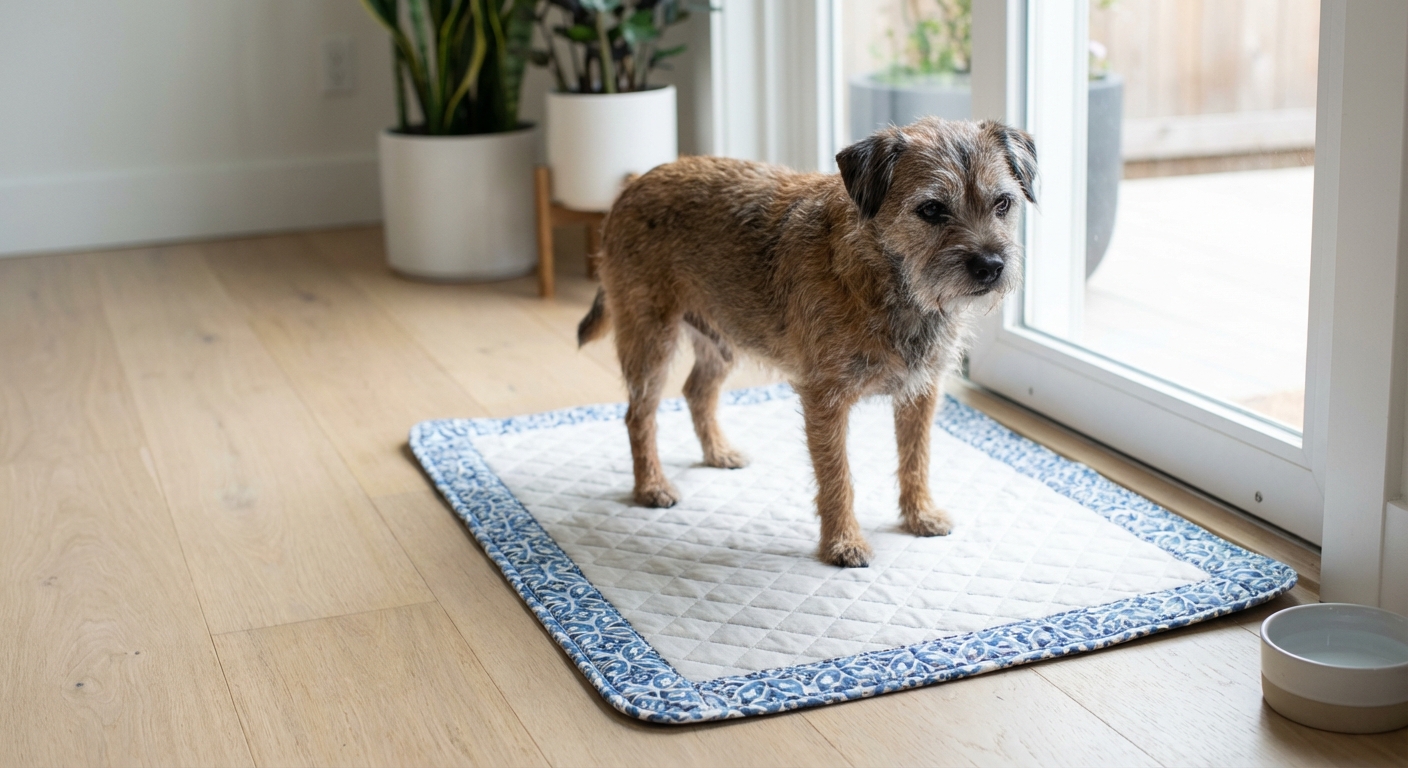
- Indoor potty options for mobility-limited dogs (real grass pads can be easier for some dogs to understand than pee pads)
When it is urgent
Please seek urgent veterinary care if your dog:
- Cannot urinate or is straining with little to no urine produced
- Has a swollen or painful abdomen
- Is very lethargic, vomiting, or acting extremely unwell
- Has repeated bloody urine or severe pain
A urinary blockage is a true emergency. It is more common in male cats, but it can occur in dogs too. Male dogs are generally at higher risk than females, and obstruction can be caused by stones, masses, or severe inflammation. If you suspect blockage, do not wait.
Kind training tips
Senior dogs learn best with calm repetition and rewards. Scolding often increases anxiety and can make accidents worse or more hidden.
- Reward immediately when your dog urinates outside, use a small treat and gentle praise
- Supervise indoors during retraining windows, use a leash or baby gate setup to keep your dog close
- Watch for cues like circling, sniffing, wandering away, or suddenly leaving the room
- Pick one potty spot outdoors and use consistent cues
If cognitive dysfunction is suspected, keep routines simple and steady. Familiar patterns reduce stress for older brains.
Nutrition basics
Food is not a quick fix for every urinary issue, but diet can support overall senior health, weight management, and inflammation control. Maintaining a lean body condition helps dogs move more easily, which can reduce “I could not get outside in time” accidents.
If your vet diagnoses stones, crystals, kidney disease, or another metabolic issue, follow their diet guidance closely. Some urinary conditions require very specific nutrient targets that are hard to DIY safely without a veterinary nutritionist.
My favorite mindset for senior dog care is this: investigate first, then support gently. When we treat the cause and make daily life easier, most families see real improvement.