
Ehrlichiosis in Dogs

As a veterinary assistant here in North Texas, I see tick questions year round, not just in summer. One tick-borne illness that deserves more attention is ehrlichiosis. It can start with vague signs like tiredness or a fever, then progress quietly, and in some dogs it becomes a serious, life-threatening disease.
The good news is that many dogs respond very well to treatment when it is caught early. In this article, I will walk you through how dogs get ehrlichiosis, the three stages, what symptoms to watch for, how vets diagnose it, what treatment usually looks like (including doxycycline), and what recovery can involve.
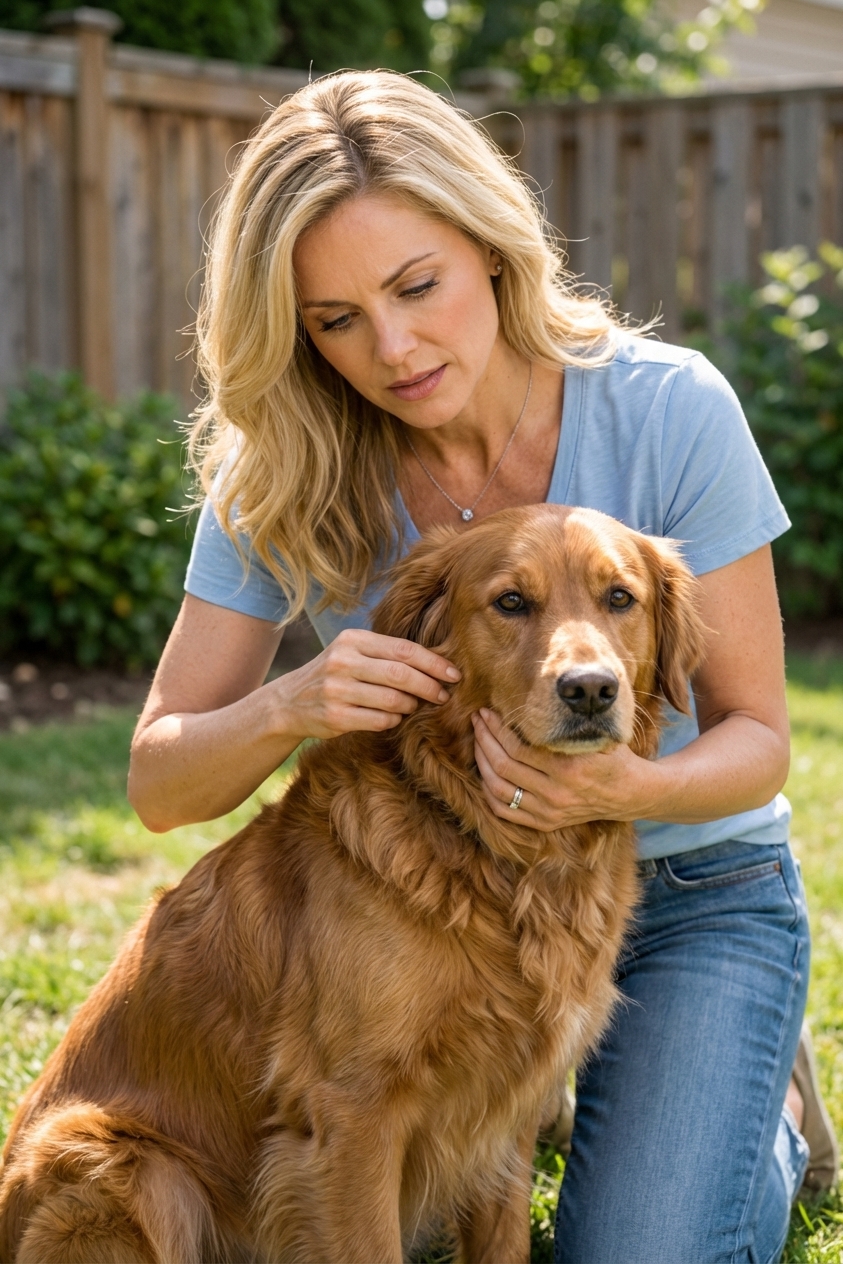
What is ehrlichiosis in dogs?
Ehrlichiosis is an infection caused by Ehrlichia bacteria. These bacteria are transmitted primarily through tick bites. Inside the body, they tend to target certain white blood cells and can disrupt normal immune function and blood cell production.
In dogs, the most common species we talk about include Ehrlichia canis and Ehrlichia ewingii. In the United States, E. canis is often linked to the brown dog tick (Rhipicephalus sanguineus). E. ewingii, which we also see in Texas, is associated with the lone star tick (Amblyomma americanum). Dogs can be exposed in yards, parks, boarding facilities, hiking areas, and anywhere ticks are present.
One thing I like to reassure people about is this: ehrlichiosis is not something dogs typically pass directly to other dogs through casual contact. The bigger concern is shared tick exposure (and, more rarely, transmission through blood transfusion).
How dogs get ehrlichiosis
Dogs get ehrlichiosis when an infected tick feeds and passes the bacteria into the bloodstream. Not every tick carries disease, and a single bite does not guarantee infection, but any tick attachment is worth taking seriously. In general, the risk of transmission increases the longer a tick is attached, so prompt removal is always a win.
Risk factors I see most often
- Outdoor time in tall grass or brush where ticks wait for passing animals
- Multi-dog homes or frequent boarding or grooming, especially if brown dog ticks are established
- Inconsistent tick prevention or missed doses
- Dogs who travel to tick-heavy regions
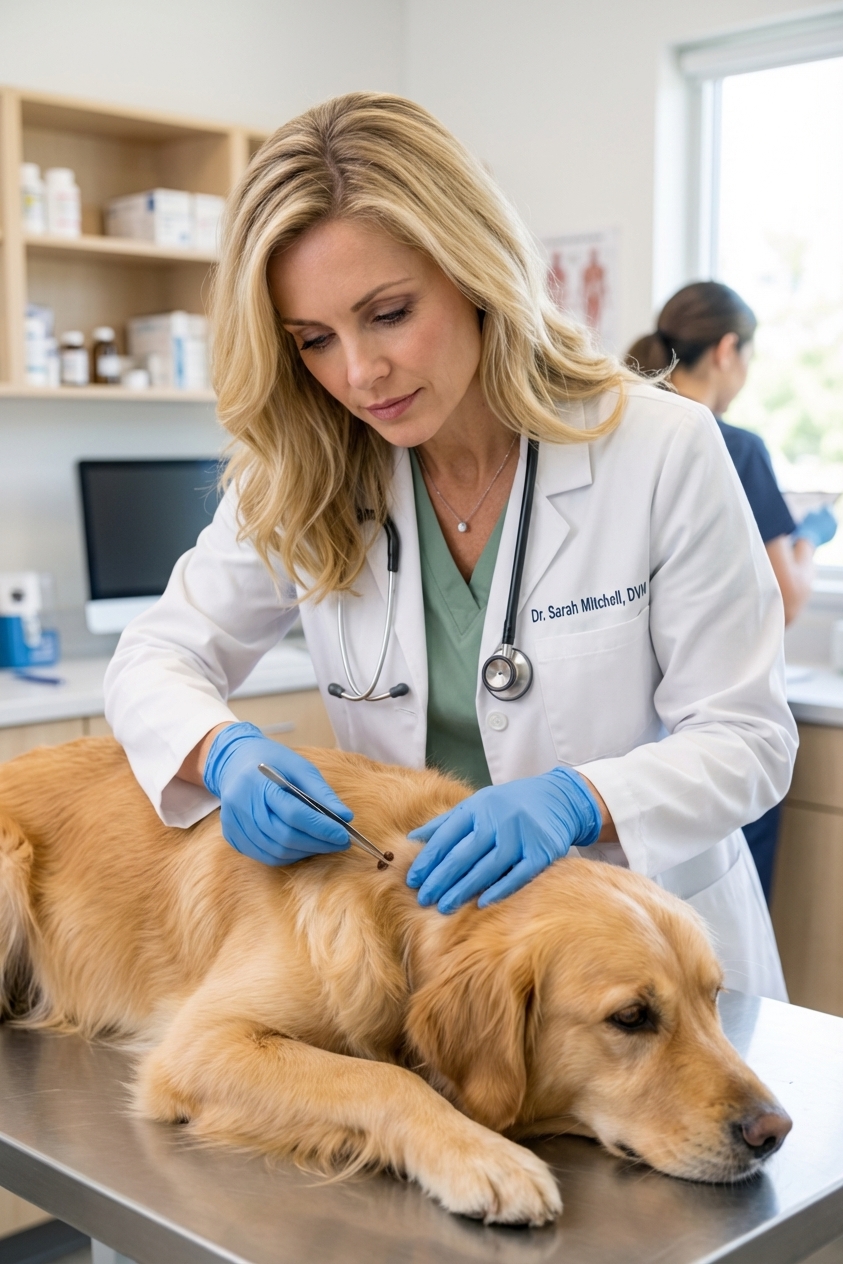
If you find a tick, remove it promptly with fine-tipped tweezers or a tick tool, grasping close to the skin and pulling straight out. Save the tick in a sealed container if you can, and note the date. That history can help your veterinarian.
The three stages
Ehrlichiosis is often described in three stages. Not all dogs progress through every stage, and some dogs may show signs that overlap.
1) Acute stage
This stage often occurs around 1 to 3 weeks after the tick bite, although timing can vary. The immune system is actively reacting, and symptoms can look like many other illnesses.
- Fever
- Lethargy or “just not themselves” behavior
- Decreased appetite
- Enlarged lymph nodes
- Stiffness or soreness
- Eye or nasal discharge in some cases
2) Subclinical stage
Some dogs move into a quieter phase where they appear normal. The infection can persist in the body at low levels. This stage can last months or longer.
This is one reason regular wellness testing matters, especially for dogs with frequent tick exposure. A dog can look fine while changes are happening in bloodwork.
3) Chronic stage
In the chronic stage, ehrlichiosis can become severe. It can suppress bone marrow function and cause serious problems with blood cell counts and bleeding.
- Weight loss
- Profound fatigue
- Pale gums (anemia)
- Easy bruising or bleeding
- Nosebleeds
- Bleeding gums
- Pinpoint red or purple spots on the skin or gums (petechiae)
- Black or bloody stool
If you notice unexplained bleeding, dark tarry stool, collapse, or extreme weakness, treat it as urgent and contact an emergency vet right away.
Symptoms to watch for
Ehrlichiosis can be tricky because early signs are not specific. I always tell owners to trust their instincts. If your dog feels “off” after tick exposure, it is worth a call.
Typical signs
- Fever
- Lethargy
- Reduced appetite
- Swollen lymph nodes
- Lameness or joint pain
- Vomiting or diarrhea sometimes
- Coughing or respiratory signs occasionally
Signs of bleeding or low platelets
- Bruising you cannot explain
- Nosebleeds
- Bleeding from the gums
- Blood in urine
- Small red spots on belly, inner thighs, or gums
How vets diagnose it
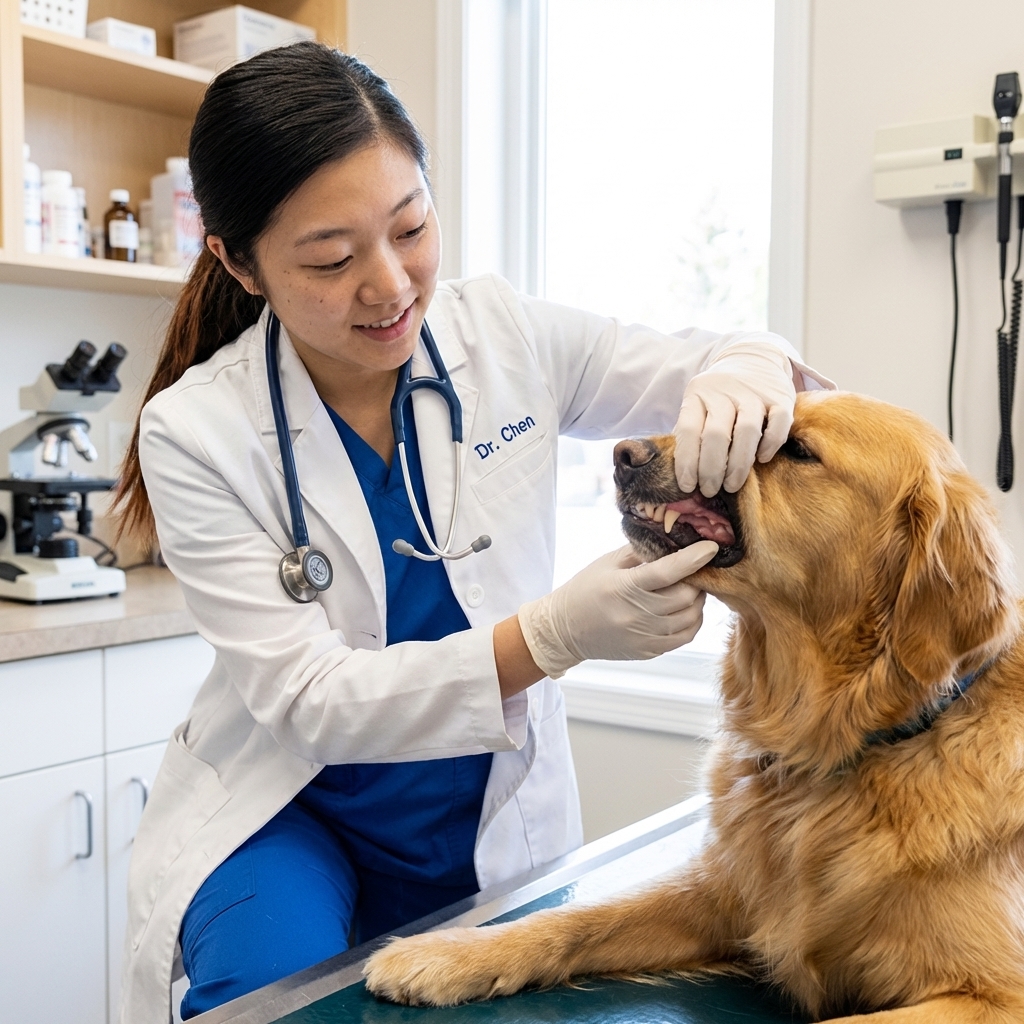
Diagnosis typically combines your dog’s history, physical exam findings, and lab tests. Because tick-borne diseases can overlap, your veterinarian may test for several infections at once. Conditions like immune-mediated disease or other infections can also cause similar signs, so testing helps us narrow things down.
Common tests
- SNAP 4Dx (or similar) screening test: Often checks for antibodies to Ehrlichia (commonly E. canis and E. ewingii, depending on the test) along with Lyme, anaplasmosis, and heartworm. A positive result suggests exposure and may support infection, but it is not always the full story. Also, very early infections can test negative before antibodies have had time to develop.
- Complete blood count (CBC): Looks for low platelets (thrombocytopenia), anemia, and changes in white blood cells. Low platelets are one of the most common findings I see with suspected ehrlichiosis, and it is a big reason we take bruising and bleeding seriously.
- Blood chemistry panel: Evaluates organ function and inflammation-related changes.
- Urinalysis: Helps assess kidney involvement and overall health status.
- PCR testing: Detects bacterial DNA in the blood and can help confirm active infection. A negative PCR does not always rule it out, especially in low-level infection or after antibiotics.
- Tick-borne disease panels: In some cases, more advanced testing helps clarify mixed infections.
Because antibodies can persist after infection, some dogs test positive on screening even when they are not currently sick. That is why symptoms and bloodwork trends matter so much.
Treatment
The standard first-line treatment for canine ehrlichiosis is the antibiotic doxycycline. Many dogs show noticeable improvement in energy and appetite within a few days, but it is still important to complete the full course.
Typical doxycycline course
- Often prescribed for about 28 days (your veterinarian will choose the exact plan)
- Given by mouth, usually once or twice daily depending on the dose
Tips for giving doxycycline
- Give with a small meal or treat unless your vet instructs otherwise, since nausea can happen.
- Offer water after dosing. Tablets or capsules can irritate the esophagus if they lodge, so avoiding “dry pilling” is important.
- Let your vet know if vomiting, severe diarrhea, refusal to eat, or trouble swallowing occurs.
Supportive care (when needed)
Dogs with significant bleeding, dehydration, severe anemia, or very low platelets may need additional treatments such as fluids, anti-nausea meds, pain control, or hospitalization. In critical cases, blood products may be required.
Your veterinarian will also talk with you about tick prevention immediately, because ongoing tick bites can lead to reinfection or a co-infection.
Recovery and long-term prognosis
Most dogs diagnosed and treated in the acute stage do very well. Recovery is usually a combination of medication, rest, and follow-up testing.
What recovery often looks like at home
- Rest: Keep activity gentle until your vet clears full exercise.
- Hydration and appetite support: Offer palatable, easy-to-digest meals if your dog is picky while recovering.
- Monitor for bleeding: Watch gums, stool, urine, and skin for any new bruising or spots.
- Tick prevention: Stay consistent, even in cooler months.
Follow-up testing
Many veterinarians recommend repeat bloodwork after treatment, especially if platelets were low or your dog was very ill. Some dogs remain antibody positive for a long time, so your vet may prioritize CBC trends and clinical improvement over a single test result.
When prognosis is more guarded
Dogs in the chronic stage, or dogs with bone marrow suppression and severe anemia or bleeding, may have a tougher road. Early diagnosis makes a real difference.
Ehrlichiosis vs Lyme vs anaplasmosis
These three are major tick-borne diseases we commonly talk about in dogs. They can overlap in symptoms, and co-infections do happen. The reason the distinction matters is that test results can mean different things depending on timing, and some dogs need extra monitoring based on which disease is suspected.
Ehrlichiosis
- Can cause low platelets and bleeding tendencies
- Often responds to doxycycline when treated promptly
- May have a subclinical phase where the dog looks normal
Lyme disease
- Most associated with the blacklegged tick in many regions
- Often causes lameness that can shift between legs, fever, and lethargy
- Some dogs are exposed and never get sick, while a smaller subset can develop kidney complications
Anaplasmosis
- Can look a lot like ehrlichiosis
- Also commonly linked with low platelets, fever, and joint pain
- Also typically treated with doxycycline
Because signs overlap, it is very common for veterinarians to test for multiple tick-borne diseases at once and interpret results alongside your dog’s CBC.
When to call your vet
If your dog has had recent tick exposure and develops any of the following, schedule a vet visit soon:
- Fever, lethargy, or decreased appetite lasting more than 24 hours
- Lameness, stiffness, or pain that is new
- Swollen lymph nodes
- Unexplained bruising or red spots on the skin
Seek urgent care if you see nosebleeds, bleeding gums, black or bloody stool, collapse, or severe weakness.
Tick prevention
Once a dog has had a tick-borne disease scare, most families become very motivated to prevent the next one. I love that, because prevention is simpler than treatment.
- Use a veterinarian-recommended tick preventive consistently.
- Do daily tick checks during peak season, especially after walks in tall grass.
- Keep grass trimmed and remove brush piles where ticks thrive.
- Ask your vet which tick-borne diseases are most common in your area.
If you are unsure which preventive is best for your dog’s lifestyle, your veterinarian can match a product to your region, household needs, and your dog’s medical history.