From “coffee ground” ear debris to nonstop scratching, learn how vets diagnose ear mites and the most effective treatments, safe ear cleaning steps, and ...
Article
•
Designer Mixes
Ear Mites in Cats: Trusted Tips

Shari Shidate
Designer Mixes contributor
Few things are as frustrating as watching your cat scratch their ears nonstop. Ear mites are one common cause, especially in kittens and in multi-pet homes. The good news is that ear mites are treatable, and with a few smart steps, you can relieve your cat’s itch and protect the rest of your household.

As a veterinary assistant here in Frisco, Texas, I have seen many ear mite cases that improved quickly once the right diagnosis and medication were in place. Below is what’s most helpful to know and what you can do next.
What ear mites are
Ear mites, most commonly Otodectes cynotis, are tiny parasites that live on the surface of the skin in the ear canal. They feed on skin debris and wax, which triggers intense itching and inflammation.
Ear mites are highly contagious between cats. They can also spread to dogs and ferrets. Humans are not typical hosts, but rarely reported cases of temporary, itchy skin bumps can happen after heavy exposure.
Quick myths and facts
- Myth: Only outdoor cats get ear mites. Fact: Indoor cats can get them from a new pet, a visiting animal, or close contact in a multi-pet home.
- Myth: Dark ear debris always means mites. Fact: Yeast, bacteria, and allergies can look similar, so confirmation matters.
- Myth: Home remedies are safer than medication. Fact: Oils and harsh products can worsen inflammation and delay real treatment.
Signs that look like ear mites
Many conditions can mimic ear mites, including bacterial or yeast infections, allergies, ear polyps, and foreign material in the ear. Still, ear mites have some classic clues:
- Intense itching and frequent head shaking
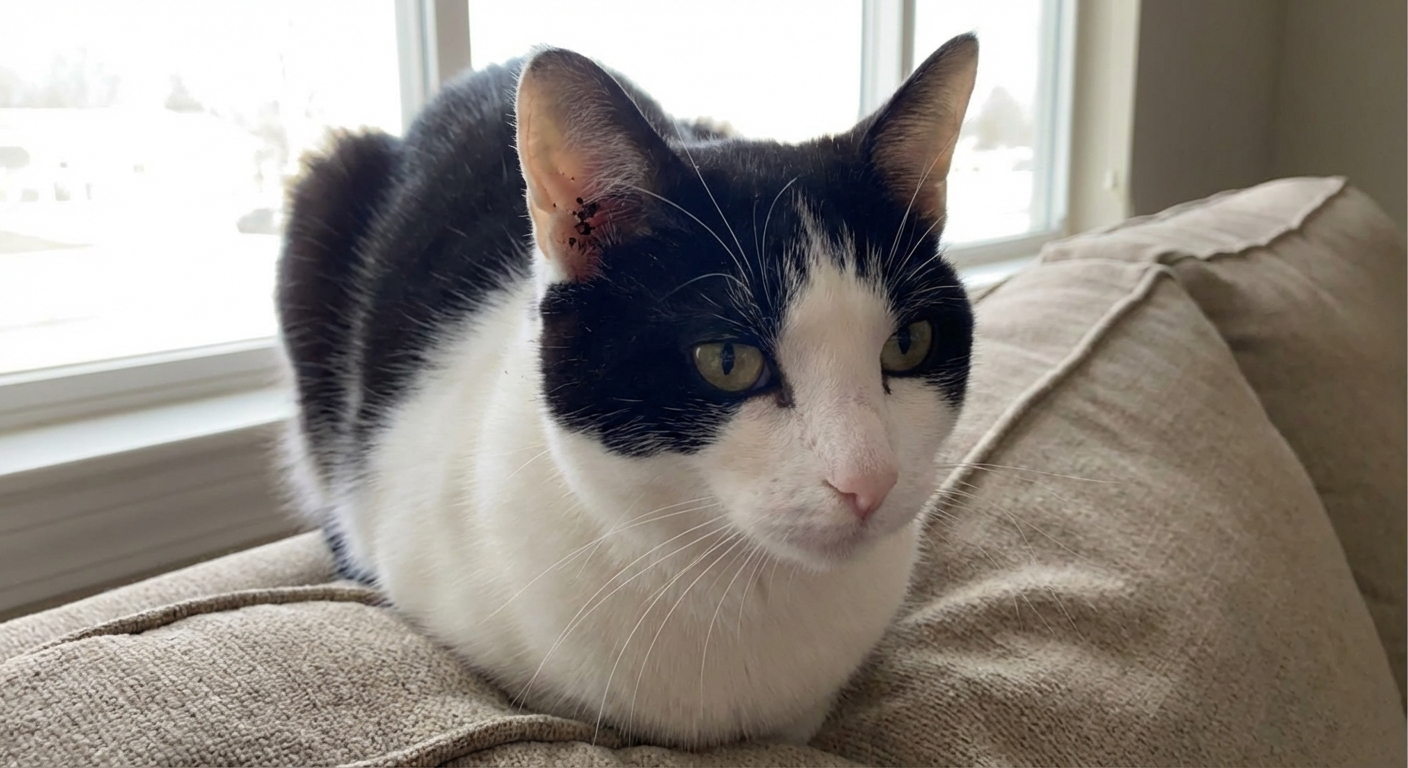
- Dark, crumbly debris that can look like coffee grounds
- Red, irritated ear canals
- Ear odor (not always, but common)
- Scratches or scabs around the ears and neck from self-trauma
If your cat’s ear looks swollen, painful to touch, or they are tilting their head, that can point to a deeper problem like a significant infection involving the middle or inner ear. If you notice head tilt, balance issues, or severe pain, those cases need veterinary care as soon as possible.
How vets confirm ear mites
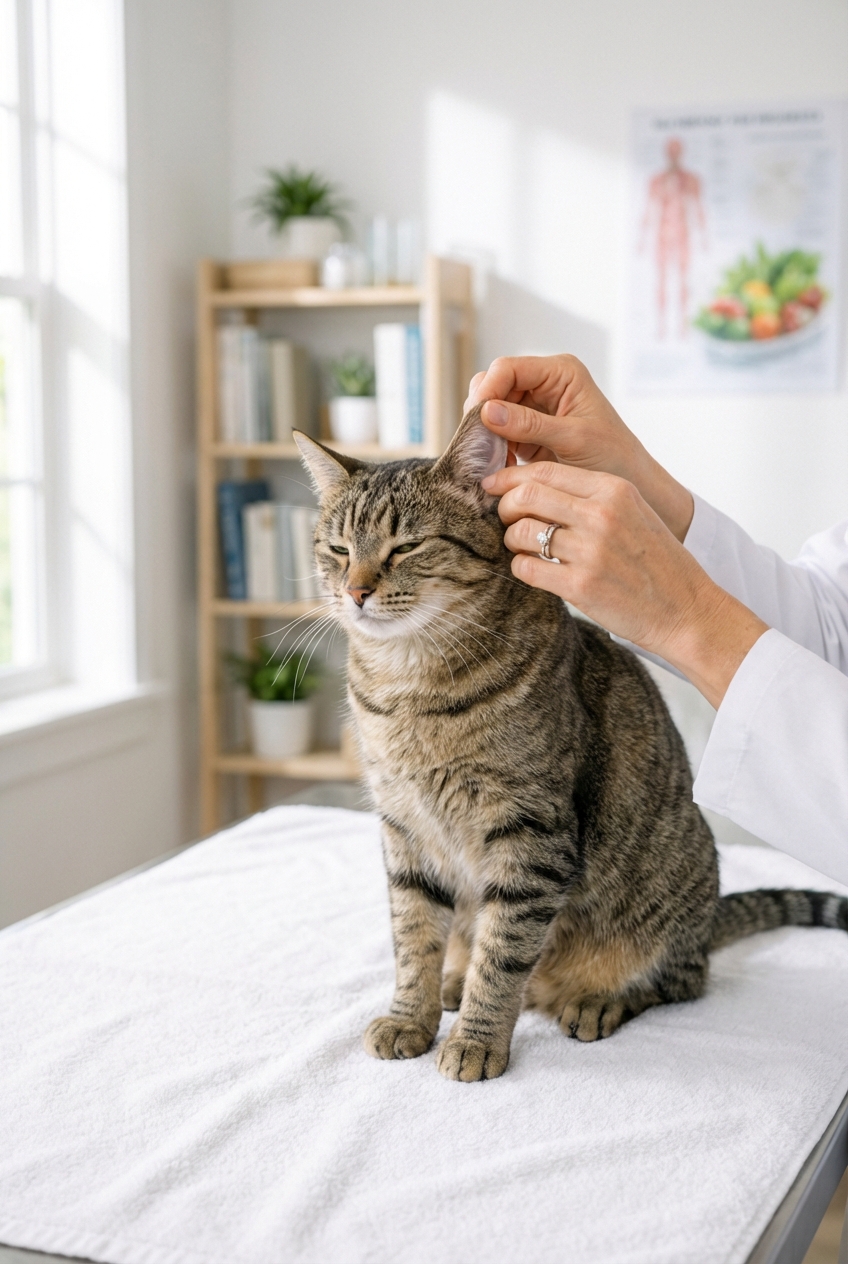
In clinic, we typically use an otoscope to look into the ear canal, then examine a sample of ear debris under a microscope. Sometimes mites are obvious, and sometimes we see eggs or mite debris instead. (In many cases, what we see looks like tiny, fast-moving white specks under the microscope.) This matters because:
- It confirms the diagnosis before you medicate.
- It helps rule out mixed infections, like yeast plus mites.
- It helps your vet choose treatments that are safe, especially if the eardrum is inflamed or compromised.
What to expect at the visit
Most appointments are straightforward. Your vet team will usually:
- Ask about itchiness, head shaking, and any new pets or exposures
- Examine the ears with an otoscope
- Check a sample under the microscope (often called ear cytology)
- Recommend treatment for mites and, if needed, medication for secondary yeast or bacteria
If the ear canal is very painful or packed with debris, your vet may discuss a gentle cleaning plan, and in some cases sedation, so the ear can be treated safely and thoroughly.
Trusted treatment options that work
The most reliable ear mite treatments are prescription parasiticides. Many modern options treat ear mites and other common parasites like fleas.
1) Prescription topical preventives
Products in the isoxazoline family and other vet-recommended topicals can be extremely effective for ear mites. These are applied to the skin, usually between the shoulder blades, and they work systemically. Benefits include:
- Often easier than daily ear drops
- Treats mites even when the ear canal is too sore to handle
- Helps protect other pets when used appropriately
Your veterinarian will choose the best option based on your cat’s age, weight, medical history, and household situation.
2) Targeted ear medications
Some cats need ear-specific therapy, especially if there is secondary infection or heavy inflammation. Your vet may prescribe ear drops that include a miticide, plus medication for yeast or bacteria if present.
3) Cleaning the ears, when appropriate
Ear cleaning can help remove debris and make treatment more effective, but it should be done carefully. If the eardrum is damaged, certain cleaners can cause serious problems. That is why I recommend letting your vet guide you on:
- Whether to clean at all
- Which cleaner is safe
- How often to clean
If you do get the green light, use a vet-approved ear cleaner and cotton balls. Skip Q-tips, which can pack debris deeper and risk injury.
What to avoid
- Do not use dog-only parasite products on cats. Some ingredients that are safe for dogs are dangerous for cats.
- A key danger to know: Avoid products containing permethrin or other pyrethroids unless your veterinarian specifically says they are cat-safe. These are common in some dog flea and tick products and can be toxic to cats.
- Do not pour oils or harsh home remedies into the ear. They can worsen inflammation, trap debris, or interfere with medications.
- Do not stop early. Even if your cat seems better, mites can persist and rebound. Finish the full treatment plan.
- Do not treat only one pet in a multi-pet household unless your veterinarian specifically advises otherwise. Ear mites spread easily, and treatment needs to be species-appropriate.
How long it takes
With the right medication, the mites themselves may be killed fairly quickly. However, the itch, debris, and inflammation can take 2 to 4 weeks to fully settle down, depending on:
- How severe the infestation is
- Whether there is a secondary bacterial or yeast infection
- How well your cat tolerates handling and medication
Recheck visits are common, especially if symptoms are lingering. A persistent itch does not always mean mites are still present. Sometimes the ear canal simply needs time to heal, or there is a second issue like allergies contributing.
Preventing repeat problems
Once mites are cleared, prevention becomes much easier than treatment.
- Use year-round parasite prevention recommended by your veterinarian.
- Limit contact with stray or unvetted animals when possible.
- Treat all in-contact pets as directed, since direct contact is the main way mites spread.
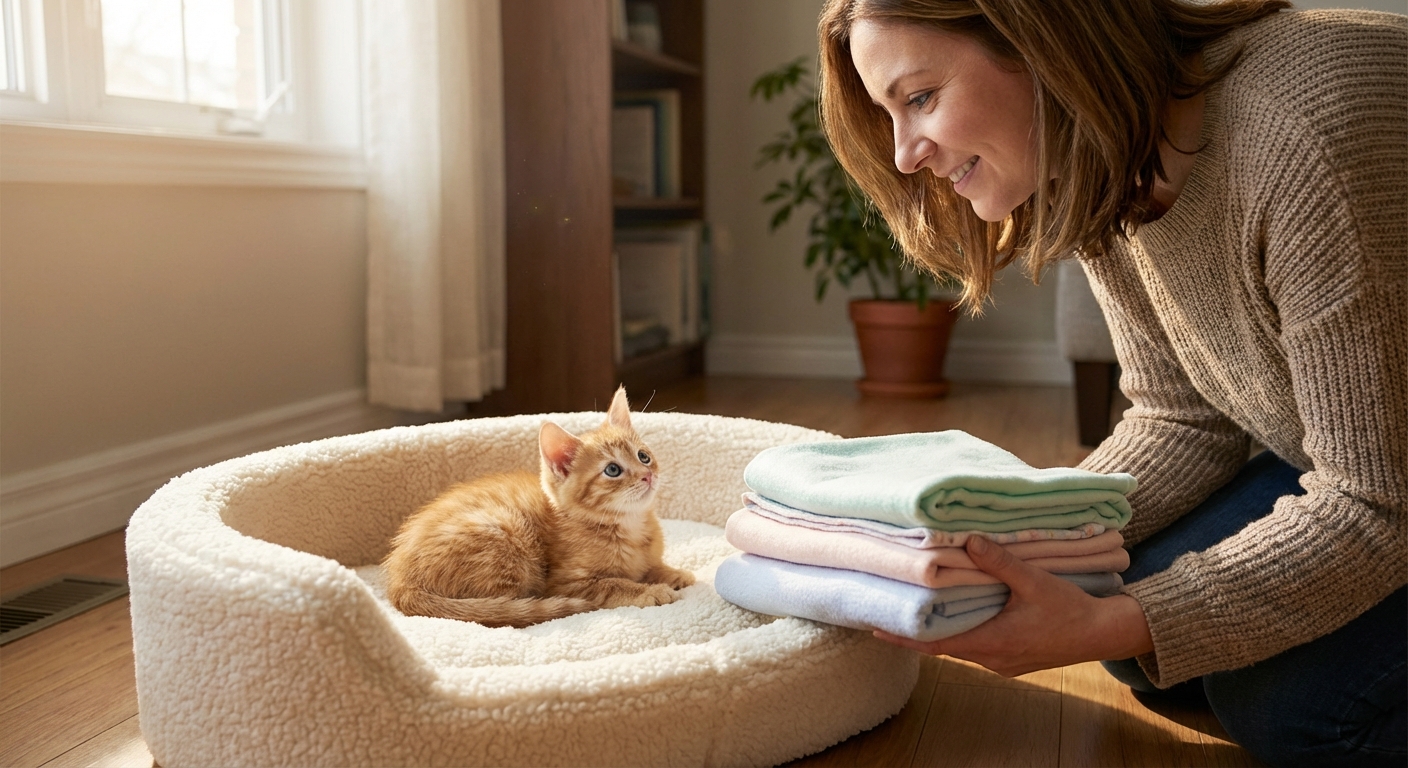
- Wash bedding and vacuum common rest areas during treatment if you can. This is supportive hygiene, but secondary to treating all pets.
- Schedule a vet visit for new pets before introducing them to your resident cat.
Call the vet right away
Please do not wait if you notice:
- Head tilt, loss of balance, or walking strangely
- Swelling, bleeding, or a strong foul odor from the ear
- Pain when you touch the ear
- Symptoms in a young kitten, senior cat, or immunocompromised cat
- No improvement within a week of treatment
Ear problems can escalate quickly, and the earlier we treat, the less discomfort your cat has to endure.
A gentle next step
If you suspect ear mites, take a quick photo of the ear debris and a short video of your cat’s scratching or head shaking. Bring those to your appointment. It helps your vet team understand what you are seeing at home.
And remember, you are not failing your cat if this pops up. Ear mites are common, contagious, and fixable. With the right treatment, your cat can get back to napping, playing, and feeling like themselves again.