Spot dog ear infection symptoms early—head shaking, odor, redness, discharge. Learn when to see a vet urgently, what exams involve, and safe cleaning, meds...
Article
•
Designer Mixes
Ear Hematoma in Dogs

Shari Shidate
Designer Mixes contributor
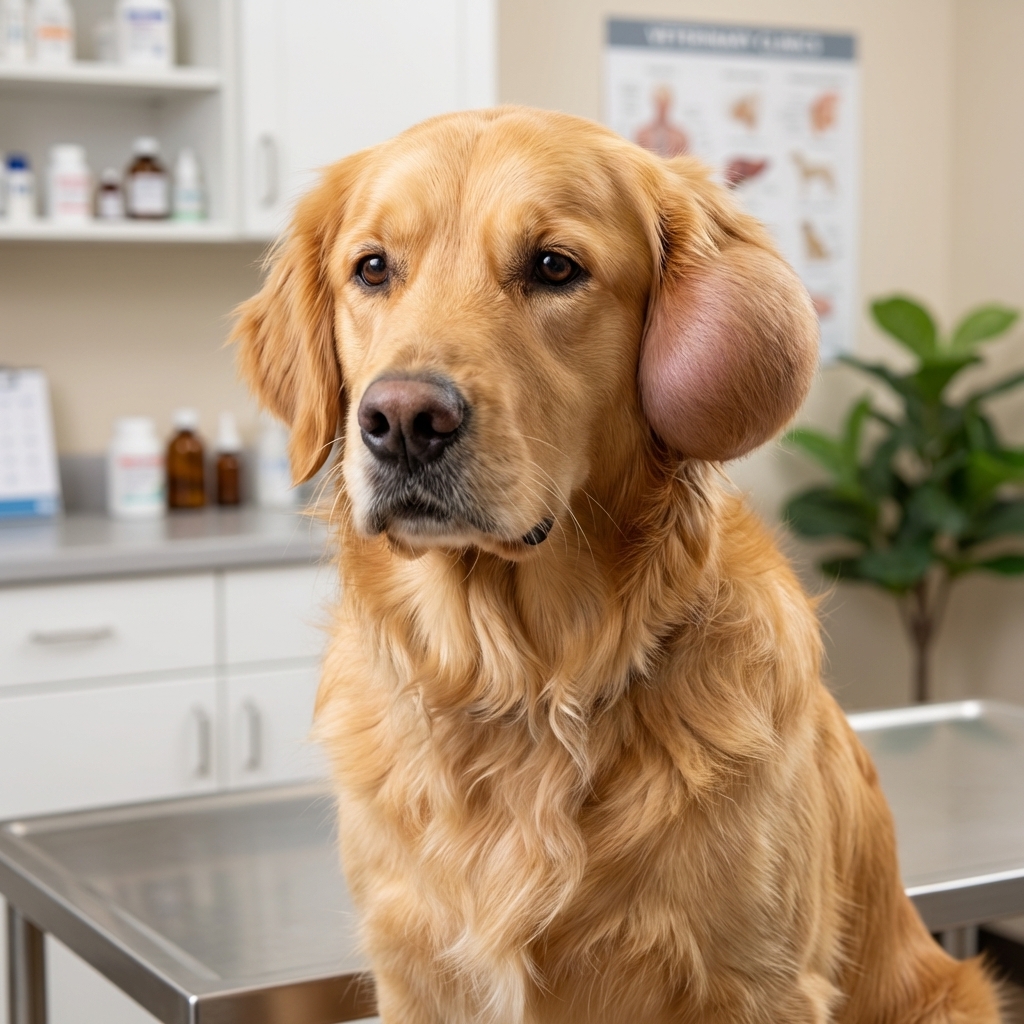
If your dog’s ear suddenly looks puffy, swollen, or like a little water balloon, it can be scary. The good news is that an ear hematoma is treatable, and most dogs recover well with the right care. The not-so-good news is that it usually means something else is going on, like an ear infection or intense itching, and that underlying problem needs attention too.
I’m Shari, a veterinary assistant in Frisco, Texas, and I’ll walk you through what an aural hematoma is, why it happens, what treatment looks like, and when you should treat this as an emergency.
Quick note: This article is general educational info and is not a substitute for an in-person veterinary exam. A swollen ear can have a few different causes, and your vet can help you sort out what is going on.
What is an aural hematoma?
An aural hematoma is a pocket of blood that forms inside the ear flap (the pinna). It happens when tiny blood vessels break and bleed between layers of tissue, creating a blood-filled swelling.
This swelling can look like:
- A soft, squishy bulge
- A firm, thickened ear flap
- A partially swollen ear, with one area ballooned
Hematomas are most common on the ear flap, but sometimes swelling can extend toward the base of the ear. They can be mildly uncomfortable or quite painful, especially if the pressure builds.
Why your dog’s ear is swollen
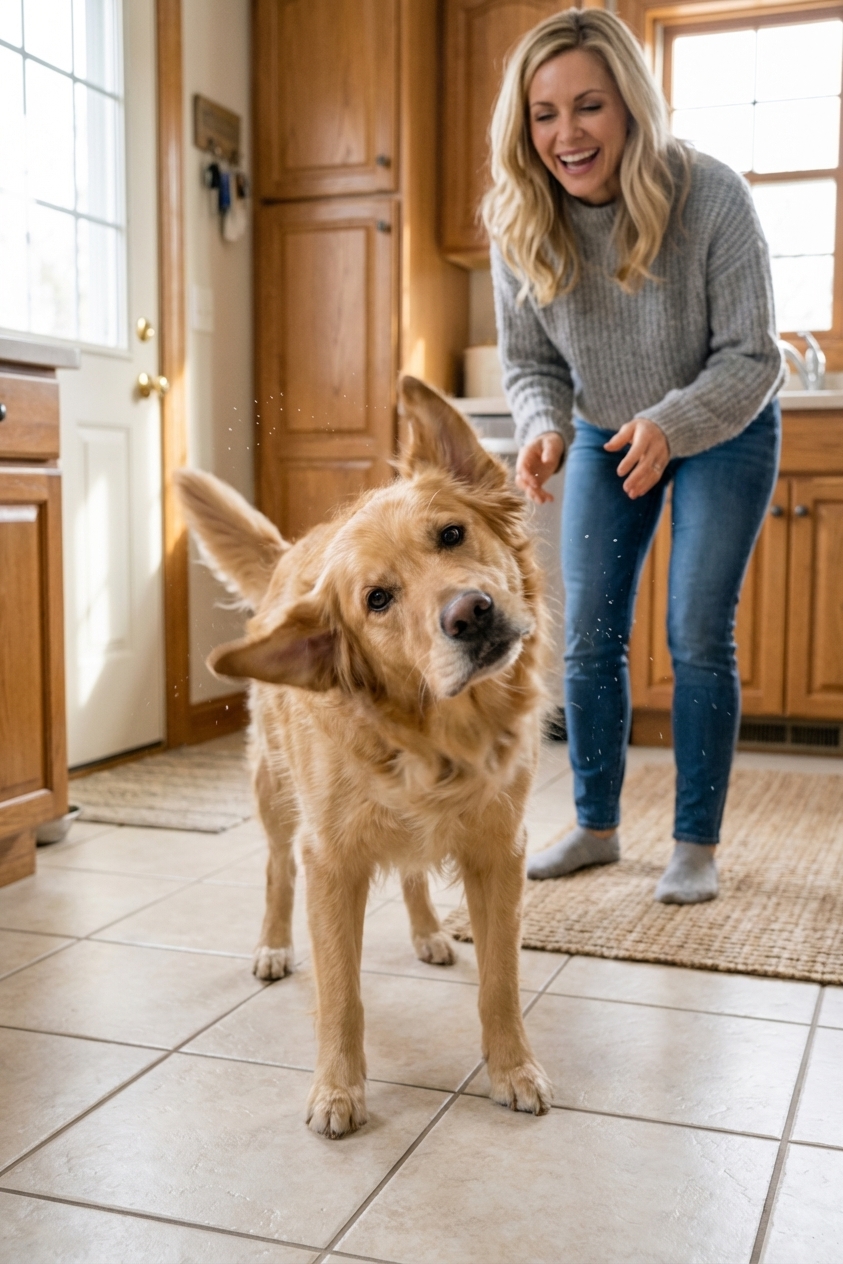
Most ear hematomas are caused by self-trauma, meaning your dog damages those tiny ear blood vessels by:
- Head shaking
- Scratching at the ear
- Rubbing the ear on the floor or furniture
Common underlying causes
In clinic, we often find a reason your dog started shaking their head in the first place. Common triggers include:
- Ear infections (yeast or bacteria, sometimes both)
- Ear mites (more common in puppies and multi-pet households, including cats, but less common in many adult dogs)
- Allergies (environmental or food-related), often causing chronic ear inflammation
- Foreign material in the ear (like a foxtail or plant debris)
- Moisture trapped in the ear canal after swimming or bathing
- Trauma (rough play, a bite, or hitting the ear)
Some dogs are also higher risk because of ear shape. Dogs with heavy, floppy ears can trap warmth and moisture more easily, which supports infection and inflammation. A few common examples include Cocker Spaniels, Basset Hounds, and Golden Retrievers.
Is an ear hematoma an emergency?
Many ear hematomas are not life-threatening, but they do deserve prompt veterinary attention because they can be painful and can permanently deform the ear if left to heal on its own. In some cases, long-term scarring can also affect ear comfort and make future ear issues harder to manage.
Go to an urgent vet or ER if:
- Your dog is crying, won’t let you touch the ear, or seems suddenly very painful
- The ear is swelling rapidly over hours
- There is active bleeding or a wound
- Your dog is lethargic, not eating, or seems “off”
- You notice severe head tilt, loss of balance, or eye flicking, which may indicate deeper ear involvement (middle or inner ear) that needs urgent evaluation
- The ear looks infected and your dog is also vomiting or very distressed
Schedule a vet visit soon if:
- The ear is mildly swollen but your dog otherwise seems okay
- Your dog has recurring ear issues or is shaking their head a lot
- The swelling has been there for a day or two and is not improving
If you are ever unsure, call your veterinary clinic. We would much rather help you triage it early than see your pup uncomfortable for days.
How vets diagnose it
An ear hematoma is often diagnosed by exam alone, but the important part is finding the why behind the shaking and scratching.
Your veterinarian may:
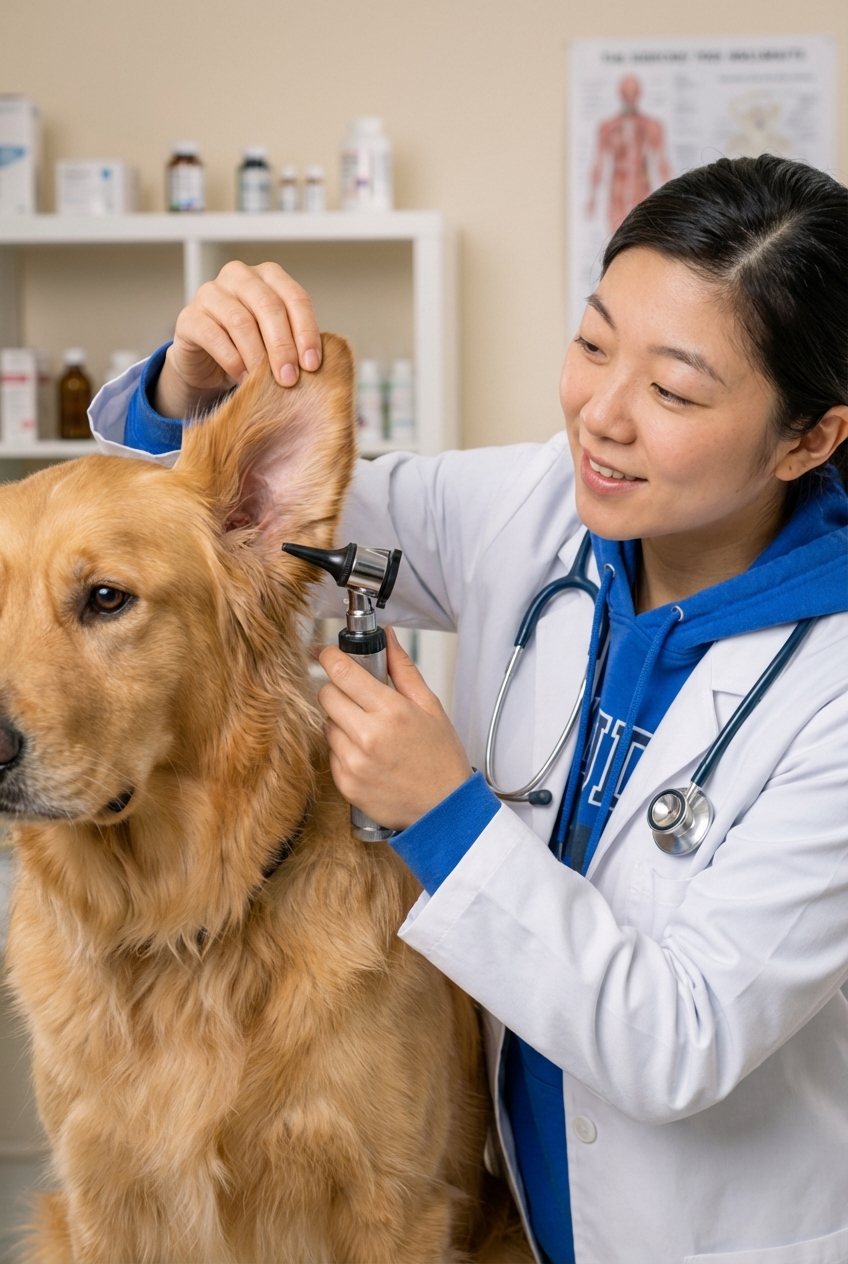
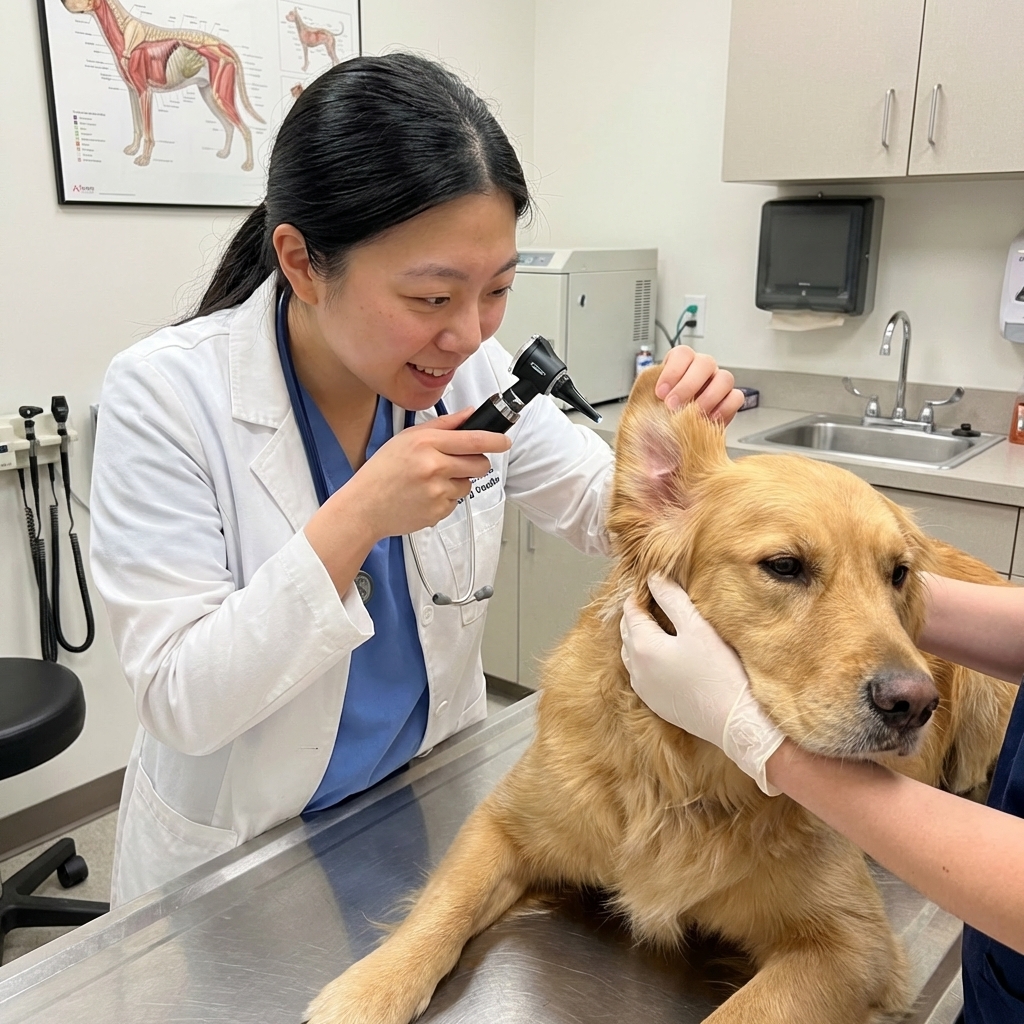
- Look down the ear canal with an otoscope to check for infection, debris, foreign material, or ear mites
- Take an ear swab and do cytology (microscope exam) to identify yeast and bacteria
- Recommend culture in stubborn or recurrent infections
- Assess allergy history if ear problems are chronic or seasonal
This matters because treating the hematoma without treating the underlying ear problem often leads to a repeat hematoma.
What else it could be
Most of the time, a balloon-like swelling of the ear flap really is an aural hematoma, but a few other problems can look similar. Your vet may also be thinking about:
- Bite wounds or other trauma with swelling under the skin
- Abscesses (pockets of infection)
- Allergic swelling (edema) that can make the ear look puffy
- Ear margin dermatitis or irritation along the edge of the ear flap
- Masses or growths (less common, but important to rule out)
This is one reason I do not love “wait and see” with a newly swollen ear. Getting the right diagnosis early can save a lot of discomfort.
Treatment options
Treatment depends on the size, how long it has been there, your dog’s comfort level, and what is happening in the ear canal. Your veterinarian will also factor in your dog’s temperament, because some treatments require sedation.
1) Medical management
Very small hematomas sometimes resolve with time, but this can take weeks and the ear may scar and crinkle into a “cauliflower ear” appearance. Your vet may also treat the underlying infection and inflammation to stop the head shaking.
In select cases, veterinarians may use medications to reduce inflammation, including an intralesional steroid injection, but success varies and recurrence is common if fluid keeps re-accumulating.
2) Needle aspiration or drainage
Your vet may drain the hematoma with a needle or small opening. This can provide fast relief, but it often refills unless something keeps the layers of the ear compressed together while healing.
Sometimes a drain is placed, such as a teat cannula or a closed-suction drain, and sometimes a compression bandage is used. This approach can work, but many dogs still recur, especially if they keep shaking their head.
Sedation note: even “simple” draining can be uncomfortable, so many dogs need sedation (or very calm restraint and good pain control) to do it safely and humanely.
3) Surgery
Surgery is often recommended for moderate to large hematomas, chronic hematomas, or hematomas that keep recurring. The goal is to:
- Remove the collected blood
- Eliminate the space where blood can re-accumulate
- Preserve as much normal ear shape as possible
There are different surgical techniques, but many involve small incisions and sutures that “tack” the ear layers together to prevent refilling while the tissues heal.
Recovery and home care
Recovery varies quite a bit by treatment type, your dog’s ear health, and how much head shaking is happening, but here is what most families can expect.
Typical recovery timeline
- First 24 to 72 hours: swelling and tenderness often improve once pressure is relieved, but your dog may be sensitive to touch
- First 1 to 2 weeks: ear looks better, but it is still healing and can re-swell if your dog shakes their head
- 2 to 3+ weeks: many surgical cases are close to fully healed, although some dogs need longer depending on technique and infection or allergy control
Common at-home instructions
- Elizabethan collar (E-collar): most dogs need a cone to prevent scratching and rubbing
- Medications: pain relief and anti-inflammatory meds as prescribed, plus ear medication if infection is present
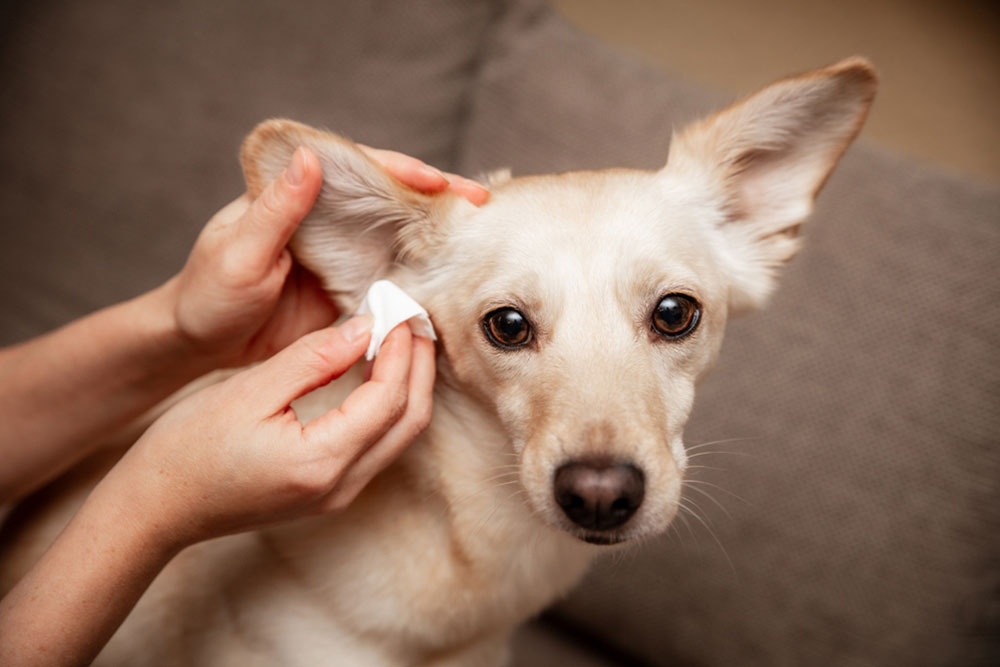
- Ear cleaning: only if your vet directs you, and only with a vet-approved cleaner
- Rechecks: follow-up visits are important, especially if sutures or drains are used
Please do not try to drain a hematoma at home. Besides being painful, it can introduce infection, worsen bleeding, or miss a deeper ear problem.
Can it come back?
Yes, ear hematomas can recur, especially if:
- The ear infection or itch trigger is not fully controlled
- Your dog is allowed to shake their head without protection early in healing
- The hematoma is drained but the ear layers are not kept compressed
If your dog has repeat ear issues, ask your veterinarian about a plan for long-term ear health and allergy management. Preventing the head shaking is one of the biggest keys to preventing hematomas.
Prevention tips
You cannot prevent every ear hematoma, but you can reduce the risk by catching ear inflammation early and keeping the ear canal healthy.
Practical prevention tips
- Act fast on early signs: head shaking, ear scratching, odor, redness, or brown discharge
- Use ear cleaners correctly: use only what your vet recommends and do not over-clean, since that can irritate the ear
- Dry ears after swimming or baths: moisture creates a friendly environment for yeast and bacteria
- Manage allergies: if your dog has chronic ear infections, talk with your vet about allergy testing, diet trials, or long-term control medications
- Routine checks at home: lift the ear flap and look for redness, swelling, or debris once or twice a week
If your dog is prone to ear infections, your veterinarian may suggest a maintenance routine, like periodic cleaning or a preventative ear product, based on your dog’s history and ear anatomy.
Quick FAQ
Will a hematoma go away on its own?
Sometimes, but it can take weeks and often leaves thickening and permanent ear deformity. Many dogs also stay uncomfortable during that time.
Is it always caused by an ear infection?
Not always. Infections and allergies are among the most common triggers because they cause intense itching and head shaking, but occasionally we do not find a clear single cause.
What does it cost to treat?
Costs vary widely by region and treatment type. Drainage is often less expensive upfront but can recur. Surgery costs more initially but is commonly the most definitive option. Your vet can give you an estimate after an exam.
Should I wait and see?
If the ear is clearly swollen, it is best to schedule a vet visit soon. Earlier treatment is usually easier, more comfortable for your dog, and may reduce the risk of the ear becoming permanently thickened.
The bottom line
An ear hematoma is a blood-filled swelling in the ear flap, usually caused by head shaking and scratching from an ear infection, allergies, or another source of irritation. Treatment can range from drainage to surgery, but the real key is also treating the underlying ear problem so it does not happen again.
If your dog’s ear is suddenly swollen, painful, or rapidly getting bigger, do not wait it out. Get your veterinarian involved so your pup can feel better quickly and heal with the best chance of keeping their ear comfortable and healthy.