Make your dog’s meals more nourishing with 18 homemade recipes for full meals and treats, plus clear safety rules, storage tips, and guidance to keep diets...
Article
•
Designer Mixes
Doxiepoo: Personality, Size, and Health

Shari Shidate
Designer Mixes contributor
The Doxiepoo is a Dachshund Poodle mix that can be hilarious, cuddly, and surprisingly clever. But this mix also comes with a very real health conversation, especially around back safety and IVDD risk that can be inherited from the Dachshund side. If you are considering a Doxiepoo or you already share your home with one, a little knowledge goes a long way in keeping this adorable pup comfortable for years.
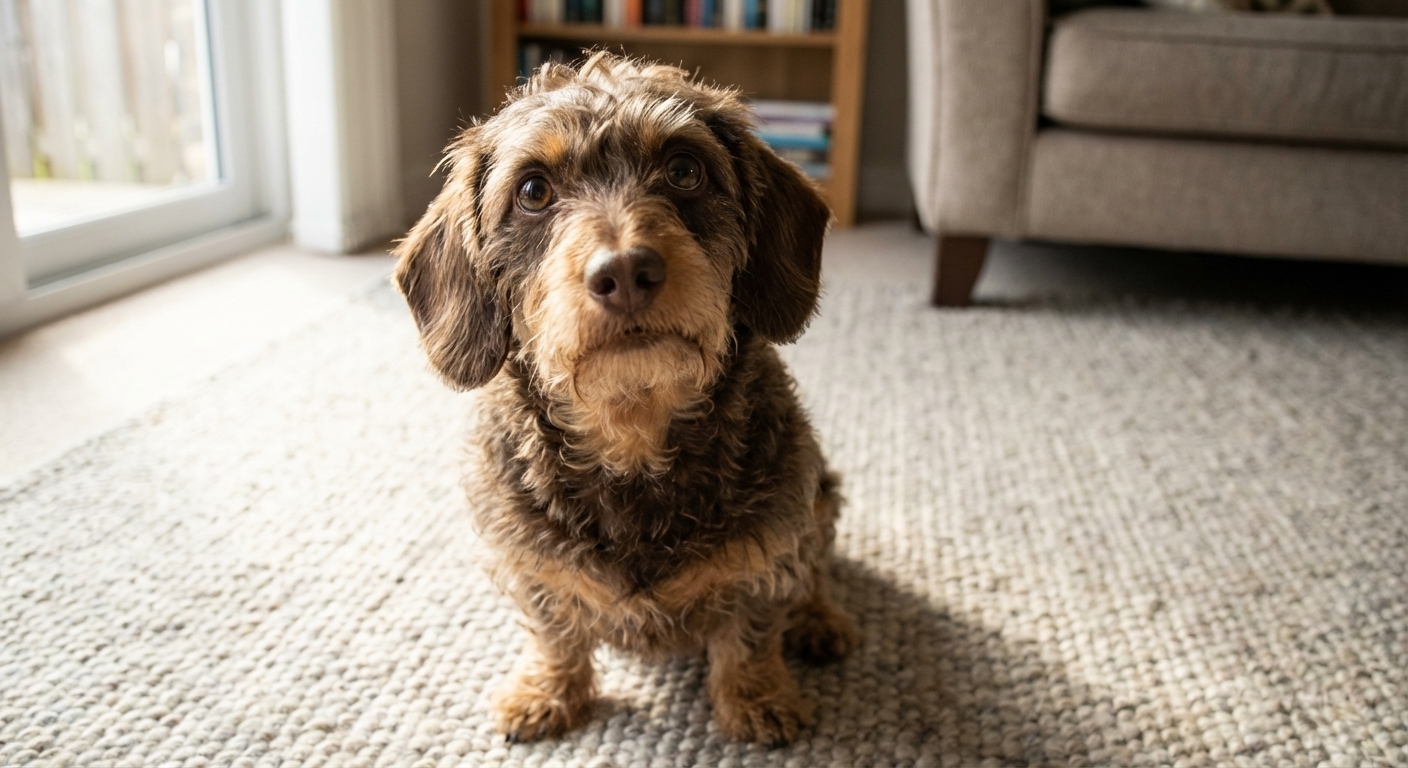
What is a Doxiepoo?
A Doxiepoo is a mixed breed dog created by pairing a Dachshund with a Poodle. Most commonly, the Poodle parent is a Miniature Poodle or Toy Poodle, but occasionally a Standard Poodle may be involved, which can change adult size significantly.
Because both parent breeds have distinct traits, Doxiepoos can vary a lot in coat type, energy level, and even body shape. Some look like a long-bodied Poodle. Others look like a fluffy Dachshund. Many fall somewhere in between.
Doxiepoo personality
In my experience as a former veterinary assistant, mixes like this tend to be delightful because you get a blend of two big personalities in one compact body. That also means you want to plan for mental stimulation, consistent training, and a little patience.
Common temperament traits
- Affectionate and people-focused: Many Doxiepoos bond closely with their person and prefer to be near you.
- Smart and quick to learn: Poodles are famously trainable, and many Doxiepoos pick up cues fast when training is reward-based.
- Alert and vocal: Dachshunds are natural watchdogs, and Poodles can be alert too. Expect barking at noises if you do not teach a quiet cue.
- Playful with a stubborn streak: The Dachshund side can bring independence. Your Doxiepoo may know exactly what you want and choose to negotiate anyway.
Kids and other pets
Many are wonderful family dogs, especially when socialized early. With kids, the main concern is handling. Long-backed dogs can be injured by being picked up incorrectly or by rough play. With other pets, early positive introductions matter, and some Doxiepoos may have a prey drive toward small animals.
Doxiepoo size and weight
Doxiepoo size depends mostly on the Poodle parent’s size, plus which Dachshund variety is in the mix (standard or miniature). Breeders may estimate adult size, but genetics can still surprise you.
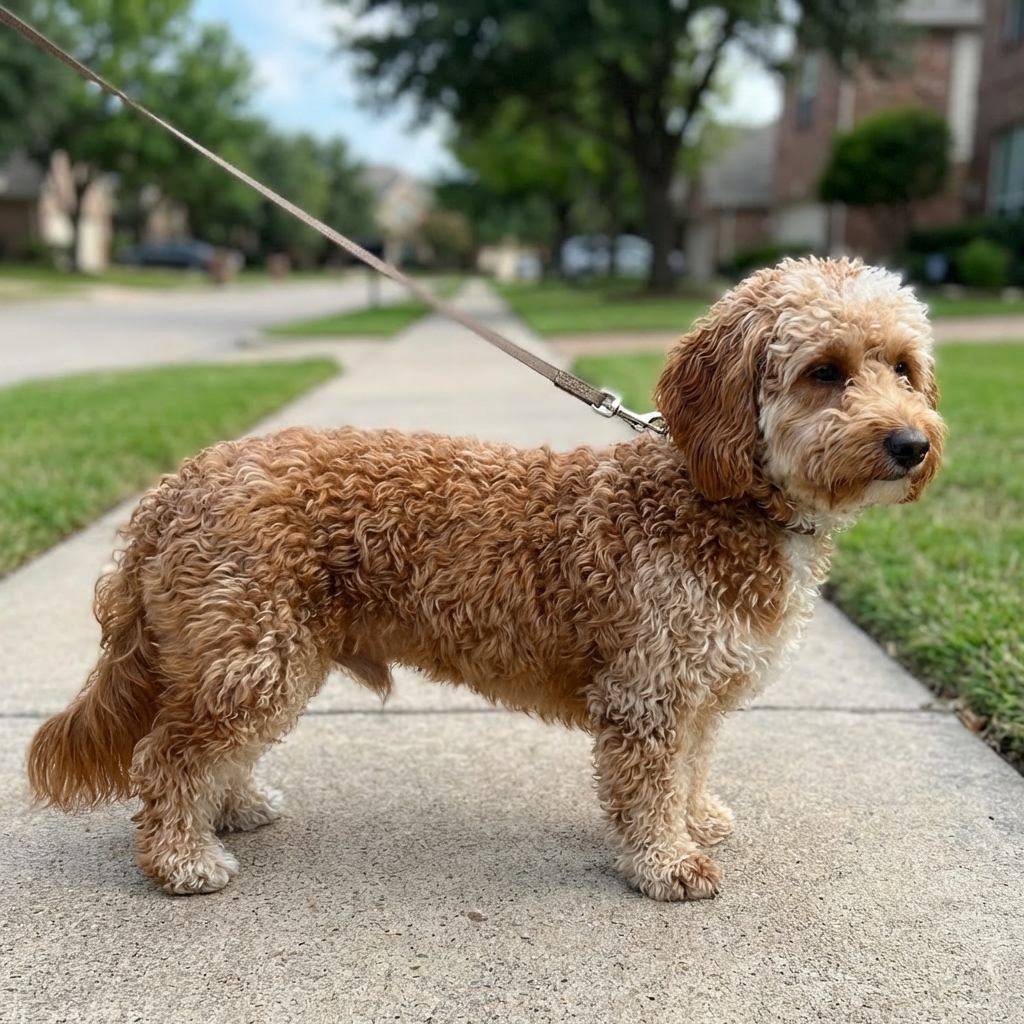
Typical size ranges
- Toy Poodle x Dachshund: often about 8 to 12 inches tall, roughly 6 to 12 pounds.
- Miniature Poodle x Dachshund: often about 10 to 15 inches tall, roughly 10 to 20 pounds.
- Standard Poodle x Dachshund (rare): can land in a medium range and vary widely, sometimes 20 to 40+ pounds depending on the parents and which traits the pup inherits.
Body shape matters as much as weight. A heavier dog with a longer back can put more mechanical stress on the spine, so keeping your Doxiepoo lean is a major health advantage.
Lifespan
Many Doxiepoos live well into their teens. A common range is around 12 to 16 years, with plenty of individual variation based on genetics, weight, dental care, and overall preventive health.
Key Doxiepoo health concerns
Mixed breed dogs can be very healthy, but they can also inherit issues from either side. The smartest approach is to assume risk is possible and focus on prevention, good body condition, and early veterinary care.
IVDD risk and back issues
Intervertebral disc disease (IVDD) is the big one to know about because Dachshunds are predisposed. A Doxiepoo with a long back or a more Dachshund-like build may be at higher risk. IVDD can range from mild pain to severe neurologic injury.
Other issues to watch for
- Patellar luxation: A common small-dog knee issue that can cause skipping or limping.
- Dental disease: Small mixes often need consistent tooth care to help prevent painful infections.
- Allergies and ear infections: Dogs with floppy ears, hair in the ear canal, and reduced airflow can be more prone to yeast or bacterial infections, especially if moisture gets trapped after baths or swimming.
- Eye problems: Poodles can carry certain inherited eye conditions, so a vet eye exam can be helpful.
- Obesity: Extra weight increases stress on the back, joints, and heart. For IVDD risk dogs, this is a big deal.
Back pain signs
- Reluctance to jump, climb stairs, or be picked up
- Crying out when moving or when touched around the neck or back
- Tight, hunched posture or a “tucked” abdomen
- Wobbly walking, dragging toes, weakness in the rear legs
- Loss of bladder or bowel control (an emergency)
If you see these signs, call your veterinarian right away. Early treatment can change outcomes.
Medical note: This article shares general education, not personal veterinary advice. Always follow your veterinarian’s guidance, especially for any pain or neurologic symptoms.
Related reading: Dachshund back problems
Exercise needs
Doxiepoos are often energetic, but their exercise plan should be back-friendly. Think consistent, low-impact movement rather than repeated jumping.
Good activities
- Leashed walks: Many do well with about 20 to 45 minutes total per day, split into 2 to 3 outings depending on age and conditioning.
- Sniff walks: Letting them explore safely is great mental enrichment without high impact.
- Food puzzles and training games: A smart dog gets tired through the brain too.
- Gentle play on flat ground: Short tug sessions or fetch with rolling toys can work well.
Use caution
- Stairs: Frequent stair use can increase mechanical stress and raise the chance of awkward slips or strain for long-backed dogs.
- Jumping off furniture: A common trigger for back injury. Use ramps or steps.
- Rough play with larger dogs: Even friendly play can lead to bad landings.
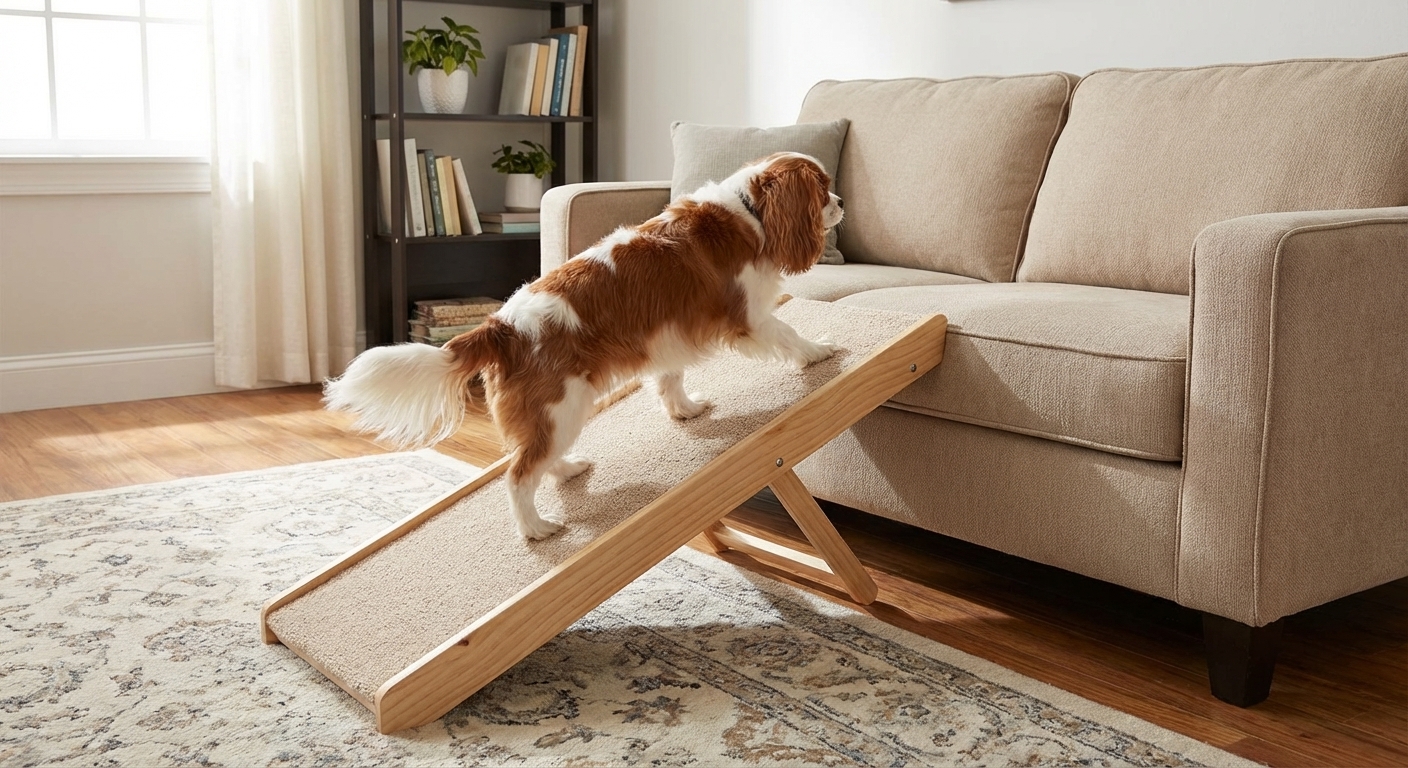
Back care basics
If your Doxiepoo has a longer spine, these habits are not overprotective. They are practical prevention.
- Keep them lean: Ask your vet what body condition score is ideal for your dog.
- Lift correctly: Support both the chest and the rear end so the spine stays level.
- Use ramps: Ramps reduce repetitive impact from jumping.
- Limit stair climbing: Use baby gates or carry them when appropriate.
- Choose a harness for walks: Harnesses reduce pressure on the neck and trachea and can make pulling easier to manage compared with a collar.
- Condition core muscles safely: Ask your vet about gentle strengthening or canine physical therapy if your dog has had back pain before.
These steps are simple, but they add up to fewer injuries over a lifetime.
Grooming and coat care
Doxiepoo coats can be straight, wavy, curly, or wiry. Grooming needs depend on which parent your dog takes after, and it can vary even within the same litter.
Coat types and what they mean
- Smoother, shorter coats: Usually easier to brush, often fewer mats, and may shed more.
- Wavy or curly coats: More likely to tangle and mat, usually need more frequent brushing and professional trims.
- Wire-type coats: Can vary widely. Some need hand-stripping, but many are clipped instead. Your groomer can guide you.
Typical grooming needs
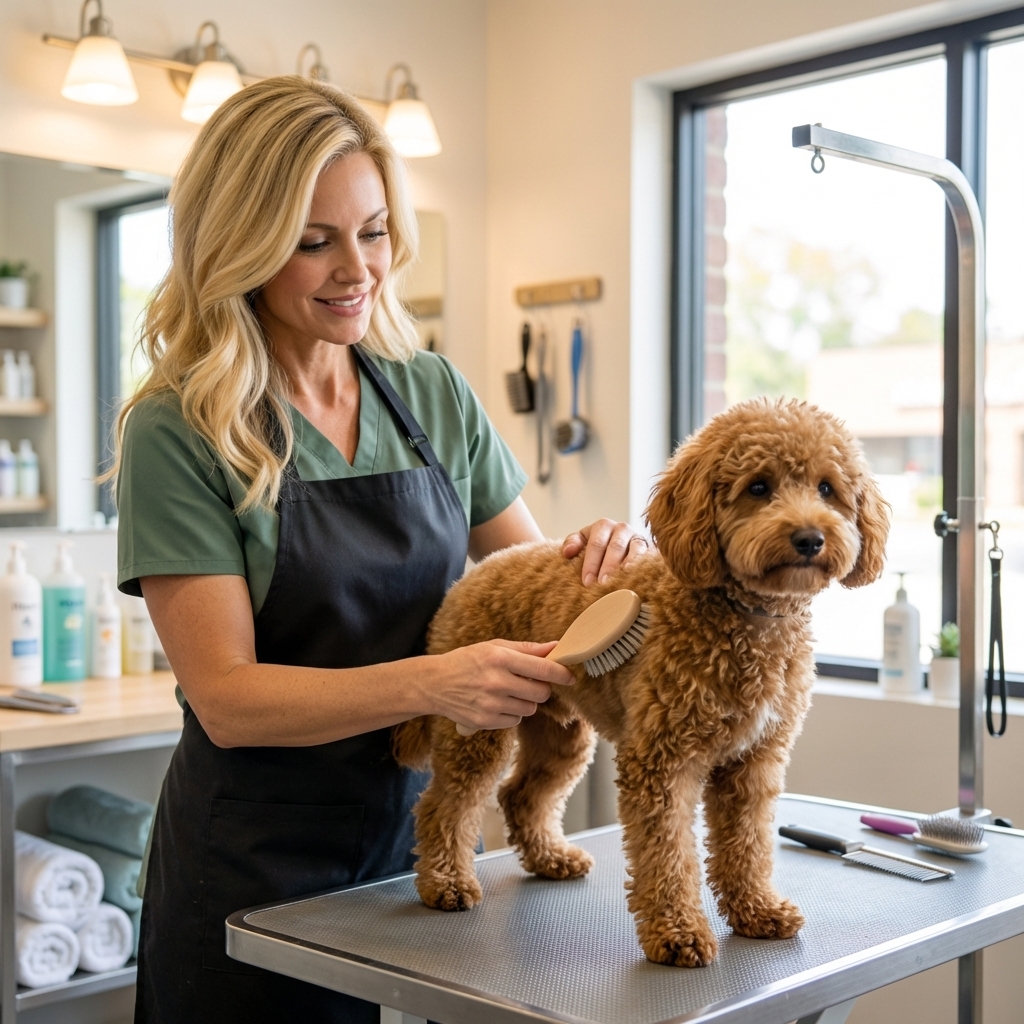
- Brushing: Wavy and curly coats often need brushing several times a week to help prevent matting.
- Professional grooming: Many Doxiepoos benefit from trims every 6 to 10 weeks, especially if the coat is curlier.
- Bathing: Often every 3 to 6 weeks, or as needed. Use a dog-safe shampoo.
- Ears: Check weekly for odor, redness, or discharge. Keep ears dry after baths. Ask your vet or groomer about safe ear-cleaning if your dog is prone to infections.
- Nails: Trim regularly. Long nails change posture and can affect gait.
- Teeth: Brush at least a few times a week. Daily is ideal for small mixes.
Shedding and allergies
Many people hope for a “hypoallergenic” Doxiepoo because of the Poodle parent, but mixes are not guaranteed hypoallergenic. Some shed very little, others shed more like a Dachshund, and plenty land in the middle. If allergies are a concern, spend time with the individual dog first and plan for regular grooming to reduce dander in the home.
Training a Doxiepoo
Training is where this mix can really shine, as long as you keep it upbeat. Poodles tend to respond beautifully to positive reinforcement, and Dachshunds do best when the reward is worth their effort.
What works
- Short sessions: 3 to 8 minutes, a few times a day.
- High-value rewards: Tiny treats, praise, and play. Rotate rewards to keep motivation high.
- Consistency: Same cues, same rules. Mixed messages create stubbornness fast.
- Gentle handling practice: Teach your dog to be comfortable with paws, ears, and being lifted safely.
Common challenges
- House training: Small dogs often need more frequent potty breaks. Use a schedule, not guesswork.
- Barking: Reward quiet, manage triggers, and provide enough mental exercise.
- Separation stress: Many Doxiepoos are very attached. Practice short departures and calm returns.
Feeding and weight
For this mix, good nutrition is not just about energy. It is also part of protecting the back and joints.
- Measure meals: Use a measuring cup or a kitchen scale so portions do not creep up.
- Set a treat budget: Treats add up quickly in small dogs. Save part of the daily kibble for training if needed.
- Ask your vet for targets: Your veterinarian can help you choose an ideal weight range and daily calories based on age and activity.
- Watch the “extras”: Chews, peanut butter, and table scraps can quietly push calories over the edge.
Finding one responsibly
Whether you adopt or buy, look for a Doxiepoo raised with health and temperament in mind.
If you are choosing a breeder
- Ask about parent health testing: For the Poodle side, that often includes eye screening and genetic testing commonly used in Poodles (your breeder should be able to tell you exactly what was run). For the Dachshund side, ask about family history of back problems and any orthopedic evaluations like patellas.
- Meet the parents when possible: Temperament and handling tolerance matter a lot in this mix.
- Look for early socialization: Puppies should be raised with gentle exposure to normal household life, grooming handling, and basic routines.
- Avoid vague answers: A responsible breeder is comfortable discussing health risks, including IVDD predisposition, and will talk about how they place puppies with the right homes.
If you are adopting
- Ask about back history: Any pain episodes, mobility limits, or prior imaging are useful details.
- Consider pet insurance early: It is easiest to enroll before any conditions are noted in the medical record.
- Plan a vet visit soon: A baseline exam, weight plan, and dental check set you up for success.
Is a Doxiepoo right for you?
A Doxiepoo can be a wonderful companion if you want a small dog with personality, brains, and lots of affection. The tradeoff is that you may need to be extra mindful about back safety, grooming, and consistent training.
If you already have one, the best thing you can do today is simple: keep them lean, use a harness, prevent furniture jumping with ramps, and call your veterinarian quickly if you ever notice back pain or weakness.
Healthy habits done consistently are what protect a long-backed dog most. You do not have to be perfect. You just have to be proactive.