
dogs
Browse articles in dogs on Designer Mixes
Why Is My Dog Rubbing His Butt on the Floor?
When a dog “scoots” its rear end across the carpet, it can look silly, but it is usually your dog’s way of saying: something back there feels itchy, full, irritated, or painful . As a veterinary assistant in a clinical setting, I can tell you scooting is one of the most common concerns pet parents...
Read more →Chagas Disease in Dogs
Chagas disease is a serious, sometimes silent infection that can affect a dog’s heart. It is caused by a parasite called Trypanosoma cruzi , most often spread by “kissing bugs” (triatomine bugs). If you live in the southern United States, including Texas, this is a topic worth knowing about because...
Read more →How to Do the Heimlich on a Dog
Choking is one of those emergencies that feels like it happens in slow motion. One second your dog is chewing a treat, the next they are panicking, silent, and struggling to breathe. As a veterinary assistant, I can tell you this with confidence: knowing what to do in the first minute can make a...
Read more →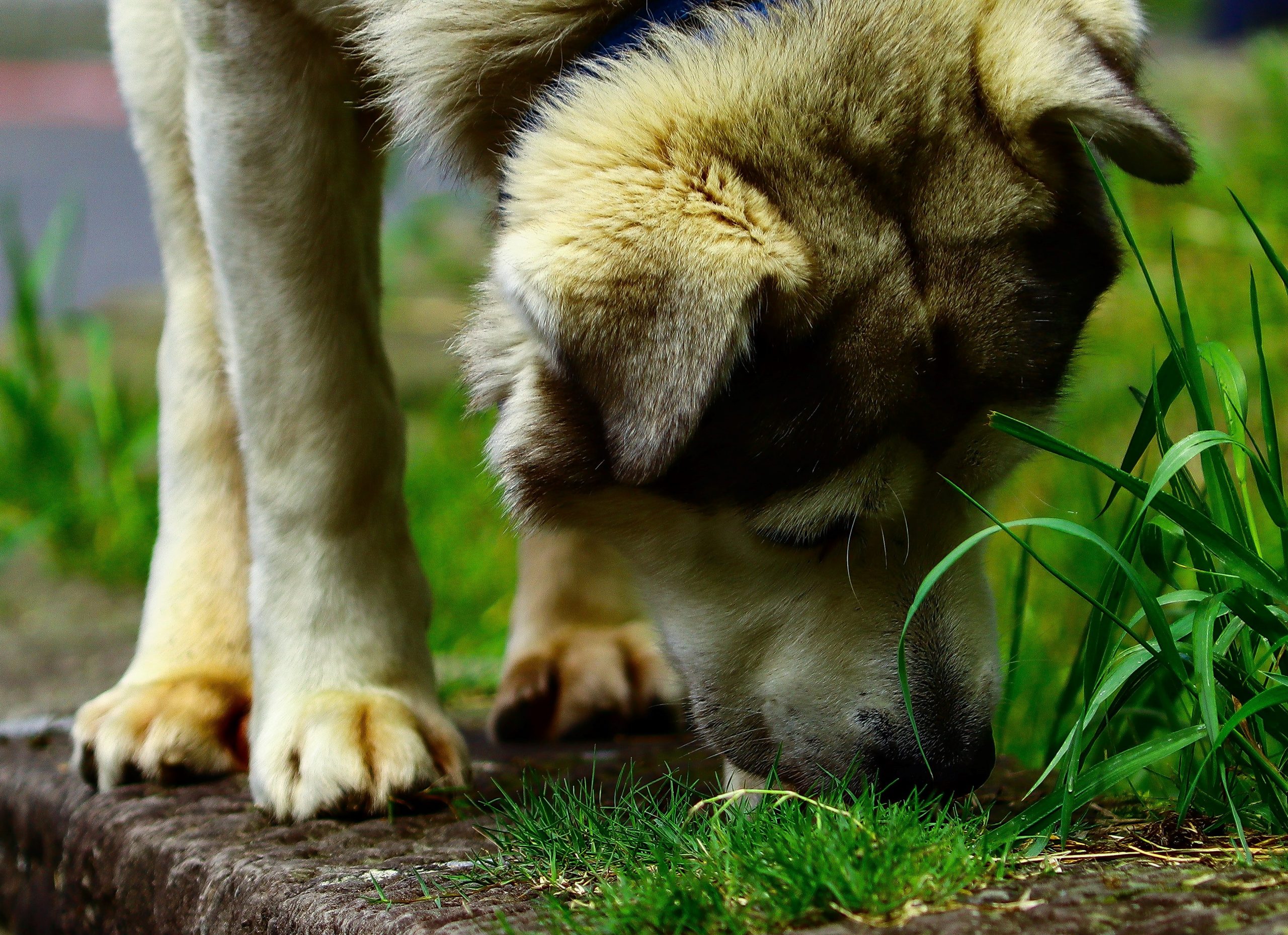
Why Dogs Eat Grass
As a veterinary assistant here in Frisco, Texas, I hear this question all the time: “Why is my dog eating grass?” The good news is that for many dogs, occasional grazing is normal. The more important question is whether it is safe , whether it is becoming frequent, and whether it is paired with...
Read more →My Dog’s Lymph Nodes Are Swollen
Finding a new lump on your dog can make your stomach drop. I get it. As a veterinary assistant, I have seen how quickly worry spirals when someone notices swelling under the jaw, in front of the shoulders, or behind the knees. The good news is that swollen lymph nodes are not a diagnosis . They are...
Read more →Benadryl Dosage for a 10 lb Dog
As a veterinary assistant in Frisco, Texas, I hear this question all the time: “How much Benadryl can I give my 10 lb dog?” Benadryl can be helpful in certain situations, but dosing needs to be careful, and it is not the right choice for every dog or every “itch.” Important: This article is general...
Read more →What to Do If Your Dog Has a Fever
Seeing your dog feel hot, lethargic, and not quite themselves can be scary. The good news is that many fevers are manageable when you stay calm, confirm the temperature the right way, and know when to call your veterinarian. As a veterinary assistant, I always tell pet parents the same thing: a...
Read more →What To Do If A Dog Eats Chicken Bones
As a veterinary assistant here in Frisco, Texas, I can tell you this happens more often than you would think: a dog grabs chicken bones from the trash, a plate, or the sidewalk and swallows before you can blink. It is scary, but you are not powerless. The goal is to stay calm, avoid the most common...
Read more →Stomach Ache in Dogs: Trusted Causes and Solutions
When your dog has a stomach ache, it can feel urgent and confusing. One minute they are fine, and the next they are drooling, refusing food, or asking to go outside over and over. The good news is that many tummy troubles are mild and short-lived. The important part is knowing what you can safely...
Read more →What Vegetables Can a Puppy Eat
As a veterinary assistant here in Frisco, Texas, I get this question all the time: which vegetables are actually safe for puppies , and how do you serve them without causing tummy trouble? The good news is that many veggies can be a wonderful, whole-food topper or training treat for a growing pup...
Read more →Daily Puppy Stomach Ache Facts & Insights
Puppy tummies are sensitive on a good day. Add in growth spurts, curiosity, a brand-new environment, and a habit of tasting the world, and it is no surprise that many families deal with what feels like a daily puppy stomach ache or daily stomach upset. As a veterinary assistant here in Frisco,...
Read more →Killing Fleas on Puppies
Hi, I’m Shari Shidate, a veterinary assistant in Frisco, Texas. If you have a puppy with fleas, I want you to take a deep breath: this is common, fixable, and you can do it safely. The key is using puppy-appropriate products, treating the environment , and knowing when to call your veterinarian....
Read more →Canine Hot Spot Treatment Tips
Hot spots can show up fast and look alarming, especially on fluffy mixed breeds where irritated skin hides under a thick coat. As a veterinary assistant here in Frisco, Texas, I have seen how quickly a small itch can turn into a wet, painful patch when dogs lick, chew, and scratch nonstop. The good...
Read more →Tick Removal for Dogs: The Secrets That Actually Work
Finding a tick on your dog can make your stomach drop. I get it. In Texas, ticks are part of life for many families, and they can carry illnesses that affect both pets and people. The good news is this: removing a tick safely is usually quick and simple when you know what to do, and what not to do....
Read more →Can Dogs Be Constipated?
Yes, dogs absolutely can get constipated, and it is not uncommon . In my work as a veterinary assistant, I see it most often after a change in routine, a diet shift, too many bones or chews, or when a dog is not drinking enough water. The good news is that mild constipation is often manageable at...
Read more →Bladder Stones in Dogs
When a dog is straining to urinate , having accidents, or licking their genital area nonstop, it is easy to feel worried and helpless. As a veterinary assistant, I can tell you this with confidence: bladder stones are fairly common in small animal practice (especially in certain breeds and life...
Read more →Older Dog Peeing in the House: Must-Know Tips
When an older dog starts peeing in the house, it can feel confusing and even a little heartbreaking. Please know this: in senior dogs, indoor accidents are very often a medical issue, a mobility issue, or a routine issue, not “bad behavior.” The good news is that once you identify the cause, you...
Read more →How Chocolate Is Bad for Dogs
Chocolate is one of the most common “people foods” that can turn into a veterinary emergency for dogs. Dogs process certain chocolate compounds much more slowly than we do, so amounts that seem small can still cause problems, especially in small dogs or when the chocolate is dark or used for...
Read more →How to Treat Canine Diarrhea
Diarrhea is one of the most common reasons pet parents call a veterinary clinic, and I get it. It is messy, stressful, and it can feel urgent. The reassuring news is that many mild cases clear up quickly with the right at-home support. The important part is knowing when it is safe to try home care...
Read more →Cushing’s in Dogs: Symptoms and Care Answers
If your dog suddenly seems thirsty all the time, asks to go outside more often, or looks like their body shape is changing (like a pot-bellied appearance) even without a clear diet change, it is completely normal to wonder: Is this Cushing’s disease? As a veterinary assistant, I have seen how...
Read more →