Learn how to support dogs with bladder stones using hydration-first homemade meals, low-purine protein options, urine pH basics, treat pitfalls, and foods to...
Article
•
Designer Mixes
Dogs With Kidney Stones

Shari Shidate
Designer Mixes contributor
Kidney stones in dogs can feel scary, especially when they show up out of nowhere with pain, blood in the urine, or repeated urinary infections. The good news is that many dogs do very well once we identify the type of stone, treat the immediate problem, and put a long-term prevention plan in place.
As a veterinary assistant, I like to remind families of one key truth: “kidney stone” is not one diagnosis. Different minerals form different stones, and the best care depends on what your dog is making and why.
Quick note: This article is for general education. Your dog’s best plan depends on the stone type, stone location, and any other health conditions (like chronic kidney disease or heart disease), so follow your veterinarian’s guidance for your specific dog.
What kidney stones are
Kidney stones (nephroliths) are mineral deposits that form in the kidney. Some stones stay in the kidney and never cause trouble. Others can contribute to infection, inflammation, or pain. Stones can also move from the kidney into the ureter (the tube that drains the kidney), which can create a dangerous blockage.
Dogs can also form stones in the bladder (uroliths). Bladder stones are generally more common than true kidney stones, but the symptoms can overlap, and some dogs have both.
Why kidney stones matter
Stones are not just “rocks.” They can:
- Trigger urinary tract infections (UTIs) or form because of UTIs (especially certain stone types).
- Cause blood in the urine and inflammation.
- Contribute to pain in the abdomen or back area.
- Obstruct urine flow if a stone lodges in the ureter, which can quickly damage the kidney and may lead to serious, body-wide illness.
Common stone types
The stone type guides everything: diet, medications, and monitoring. Your veterinarian may suspect a type based on urine testing and imaging, but the most reliable answer comes from analyzing a retrieved stone.
Struvite (magnesium ammonium phosphate)
- Often associated with UTIs caused by urease-producing bacteria.
- Many struvite stones can be dissolved with a therapeutic diet plus appropriate antibiotics when infection is present.
- Less commonly, sterile struvite can occur. That is one reason your vet may emphasize culture and follow-up testing.
- If your dog is dissolving stones, your veterinarian will typically recommend repeat imaging on a schedule to confirm the stone is shrinking and to confirm resolution.
Calcium oxalate
- These stones do not dissolve with diet.
- Diet and medication are used to reduce recurrence risk, and removal is considered if stones are causing problems or obstruction risk.
Urate
- More common in certain breeds and in dogs with liver shunts or other liver issues.
- May respond to diet changes and sometimes medication (your vet will guide this based on the individual dog).
Cystine
- Linked to a genetic issue with amino acid transport in the kidneys.
- May need specific diet changes and medications.
Your veterinarian may also mention less common stones, including calcium phosphate or mixed stones.
Signs and symptoms
Some dogs with kidney stones have no outward signs. Others show symptoms that look like a UTI or bladder stone.
- Blood in urine
- Frequent urination or straining
- Accidents in the house
- Discomfort when urinating
- Reduced appetite or nausea
- Lethargy
- Abdominal or back pain
- Fever (can occur with infection)
Emergency signs: If your dog cannot pass urine, is vomiting repeatedly, seems very painful, or suddenly becomes weak, seek emergency veterinary care. A ureteral obstruction can rapidly damage a kidney. The urgency can vary depending on whether one or both ureters are affected and your dog’s baseline kidney function, but it should always be treated as time-sensitive.
How vets diagnose stones
Most dogs need a combination of testing to understand what is happening and how urgent it is.
Urinalysis
Checks urine concentration, pH, blood, protein, and crystals. Crystals can offer clues, but crystals alone do not confirm stones.
Urine culture
Especially important if struvite stones are suspected or there are signs of infection. Treating the correct bacteria with the correct antibiotic matters.
Bloodwork
Evaluates kidney values and overall health and can look for clues that point toward underlying metabolic issues.
Imaging
- X-rays: Some stones are visible (radiopaque), others are not.
- Ultrasound: Excellent for identifying kidney stones and assessing the kidney tissue.
- Advanced imaging: In complex cases, your vet may recommend CT scans and or contrast studies to map a stone’s location and assess the urinary tract in more detail.
Treatment options
Treatment depends on the stone type, size, location (kidney, ureter, bladder), whether there is infection, and whether urine flow is obstructed.
Medical management
- Therapeutic diet to dissolve certain stones (most commonly struvite) or to help prevent recurrence.
- Antibiotics when a urine culture confirms infection. Your veterinarian will guide duration, and in some cases treatment continues until follow-up testing and imaging support that the infection and stone issue are truly resolved.
- Pain control and anti-nausea medications if needed.
- Hydration plan to dilute urine and lower mineral concentration.
Stone removal
Removal may be recommended when stones cannot be dissolved, when they cause persistent issues, or when obstruction risk is high. Options vary by case and location and may include surgical or minimally invasive approaches.
Depending on where the stone is, your veterinarian may mention options like cystoscopy (for some lower urinary stones), ureteroscopy (in select cases), or referral-only procedures designed to restore urine flow.
Obstruction care
If a stone blocks a ureter or prevents urine flow, this is an emergency. The goal is to restore drainage quickly and protect kidney function. In specialty settings, that can include procedures such as ureteral stents or a subcutaneous ureteral bypass (SUB) device when appropriate.
If your veterinarian recommends a specialized procedure or referral, it is not “extra.” It is often the safest way to protect kidney tissue and prevent permanent damage.
Home care and prevention
Once the immediate crisis is handled, prevention becomes the real win. Most prevention plans focus on three pillars: hydration, diet strategy, and monitoring.
1) Hydration
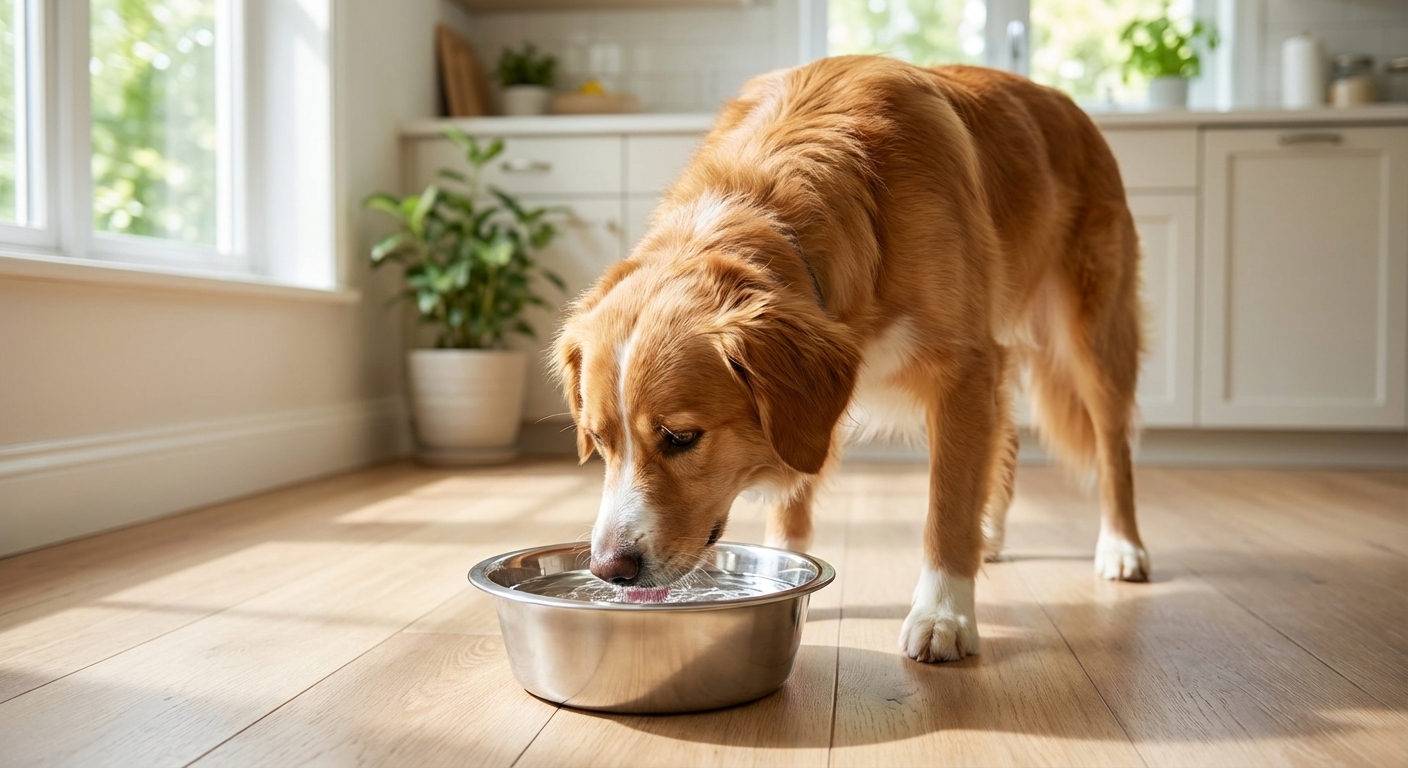
Dilute urine lowers mineral concentration and reduces the chance that minerals will clump together. Try:
- Switching to canned food or adding water to meals (if your veterinarian approves).
- Multiple water stations around the house.
- Water flavoring with a small amount of low-sodium broth (check with your vet if your dog has heart disease, kidney disease, or is on a therapeutic diet).
- Frequent potty breaks to support overall urinary tract health and comfort, especially for dogs who also struggle with bladder issues or UTIs.
2) Diet
This is where well-meaning owners can accidentally make things worse. A diet that helps one stone type may increase risk for another. Your veterinarian may recommend a prescription urinary diet based on your dog’s stone risk.
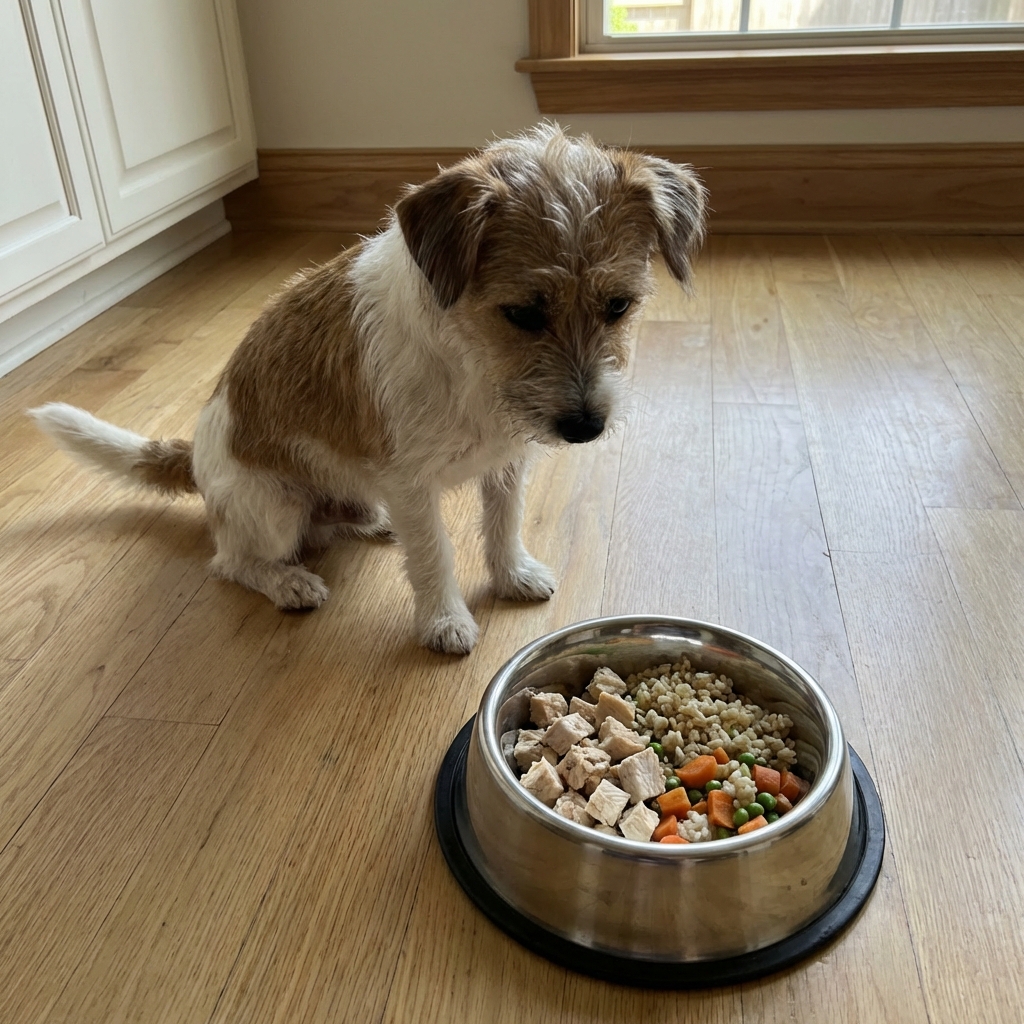
If you are interested in fresh or homemade options, I truly love how empowering that can feel, but with kidney stones it needs to be carefully formulated. Work with your veterinarian and ideally a board-certified veterinary nutritionist so the recipe supports the correct urine pH, mineral balance, and overall nutrition for your dog’s life stage.
3) Monitoring
- Recheck urinalysis as recommended.
- Urine culture if symptoms return or if your dog is prone to infection.
- Follow-up imaging to monitor existing stones or confirm dissolution when a dissolve plan is used.
- Stone analysis for any stone passed or removed, when possible.
Many stone types can recur, which is why long-term follow-up is so important. The goal is to catch small changes early, before they become big problems.
Helping a dog pass a stone
Some small stones may pass on their own, but you should not try to “force” passage at home. Instead:
- Follow your veterinarian’s guidance on hydration and medications.
- Monitor urination and comfort closely.
- If your dog passes a stone, try to collect it (your clinic can tell you how) and request analysis. Knowing the stone type helps prevent the next one.
Risk factors and breeds
Any dog can develop stones, but risk can be influenced by:
- Genetics and breed predispositions
- Chronic or recurrent UTIs
- Low water intake or consistently concentrated urine
- Dietary mineral balance and urine pH
- Underlying liver disease (for some urate cases)
Breed patterns are not destiny, but they can provide clues. For example, urate stones are classically associated with Dalmatians and can also be seen in some Bulldogs, cystine stones are seen more often in certain lines of breeds such as Newfoundlands and Dachshunds, and calcium oxalate stones are common in many small breeds. Your veterinarian can tell you what patterns apply to your dog and which risks matter most.
If your dog has had stones before, consider them “stone-prone” until proven otherwise. Prevention and monitoring are worth it.
Questions to ask your vet
- Do we know the stone type, or how can we confirm it?
- Is there a UTI and did we do a urine culture?
- Are the stones in the kidney, bladder, or ureter, and does location change urgency?
- Is my dog at risk for obstruction?
- What is our recheck schedule for urine and imaging?
- Which diet is best for my dog’s stone type, and what treats are safe?
- How much should my dog be drinking, and how can we encourage more water intake?
Takeaway
Kidney stones are manageable, but they are not a one-size-fits-all condition. When you partner with your veterinarian, confirm the stone type, and commit to hydration plus a targeted nutrition plan, many dogs go on to live comfortable, active lives.
If you are feeling overwhelmed, take it one step at a time. Start with the basics: keep urine flowing, keep infections under control, and keep up with rechecks. Those small, consistent actions add up to big protection for your dog’s kidneys.