Vet-assistant guide to supportive “caring food” for dog diarrhea: bland chicken and rice, pumpkin for fiber, probiotics, hydration, safe portions, and re...
Article
•
Designer Mixes
Dogs With Diarrhea Treatment Guide

Shari Shidate
Designer Mixes contributor
Diarrhea is one of the most common reasons dog parents call a veterinary clinic, and I get it. It is messy, stressful, and it can feel urgent. The reassuring news is that many cases are mild and short-lived, especially when you respond quickly with the right at-home care. The important part is knowing when to treat at home and when to head straight to your veterinarian.
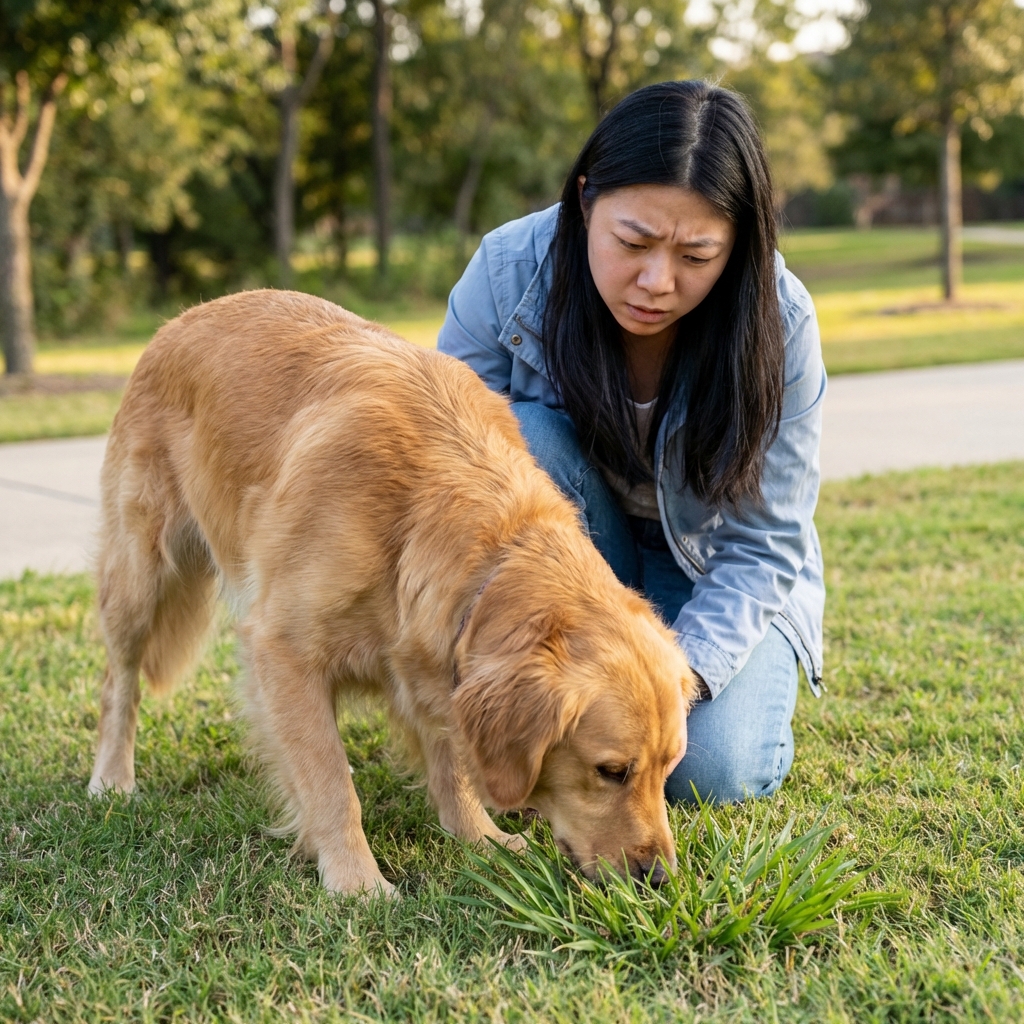
This guide walks you through safe, evidence-based steps for puppies, adult dogs, and seniors, plus red flags that should never wait.
First, a quick safety check
Before you try home treatment, do a fast assessment. Diarrhea becomes dangerous when it leads to dehydration or when it is caused by something more serious like parasites, pancreatitis, a toxin, or an intestinal blockage.
Contact your vet today or go to an emergency clinic if you notice:
- Blood in the stool (bright red) or black, tarry stool (can mean digested blood)
- Repeated vomiting, retching, or your dog can’t keep water down
- Severe lethargy, collapse, weakness, or pale gums
- Signs of dehydration (tacky gums, sunken eyes, skin tenting, very little urine)
- Abdominal pain, bloated belly, or praying posture
- Diarrhea in a puppy (especially under 6 months) lasting more than 6 to 12 hours (puppies can dehydrate quickly)
- Persistent diarrhea in a senior (more than 24 hours) or diarrhea in a frail senior, especially if appetite or energy is off
- Diarrhea in a dog with chronic illness (kidney disease, diabetes, Cushing’s, IBD, cancer)
- Possible toxin exposure (trash, human meds, rodent bait, xylitol, grapes/raisins, compost)
- Suspected foreign object (toy pieces, socks, corn cobs, bones) or straining with very little stool
If none of these apply and your dog is bright, alert, drinking, and otherwise acting normal, you can often start with gentle supportive care at home while keeping a close eye on hydration and stool changes.
Why dogs get diarrhea
Diarrhea is a symptom, not a diagnosis. Common causes include:
- Dietary indiscretion (trash, table scraps, sudden diet change, rich treats)
- Parasites (giardia, roundworms, hookworms, whipworms)
- Infections (viral or bacterial, sometimes from contaminated water)
- Higher bacterial exposure risk (raw diets and raw treats can increase risk for some dogs and households)
- Food intolerance or allergy
- Stress (boarding, moving, visitors, fireworks)
- Pancreatitis (often after a fatty meal)
- Medication effects, especially antibiotics and some NSAIDs
- Chronic GI disease (IBD, exocrine pancreatic insufficiency)
At-home treatment for mild diarrhea
For a healthy adult dog with mild diarrhea and no red flags, your goals are simple: support hydration, rest the gut, and reintroduce food gently.
Step 1: Hydration first
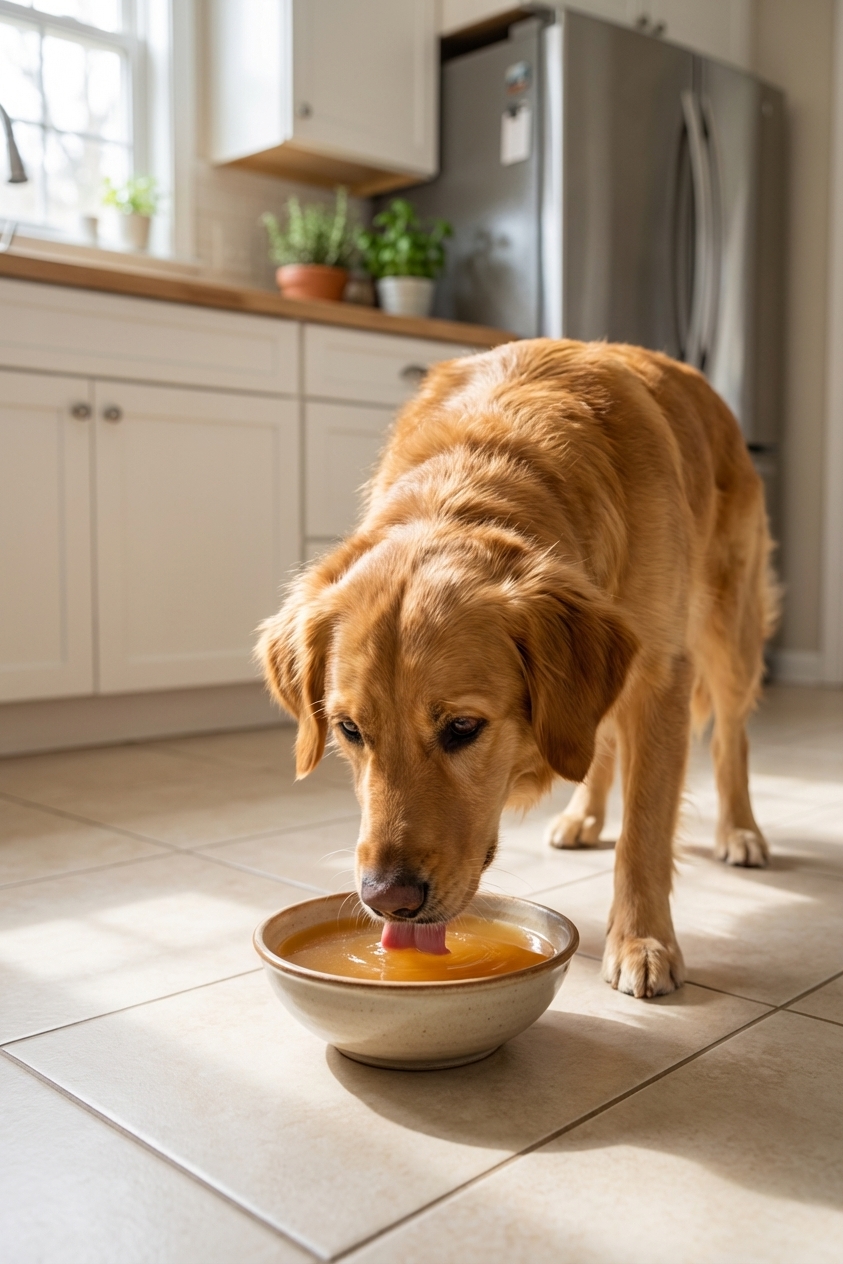
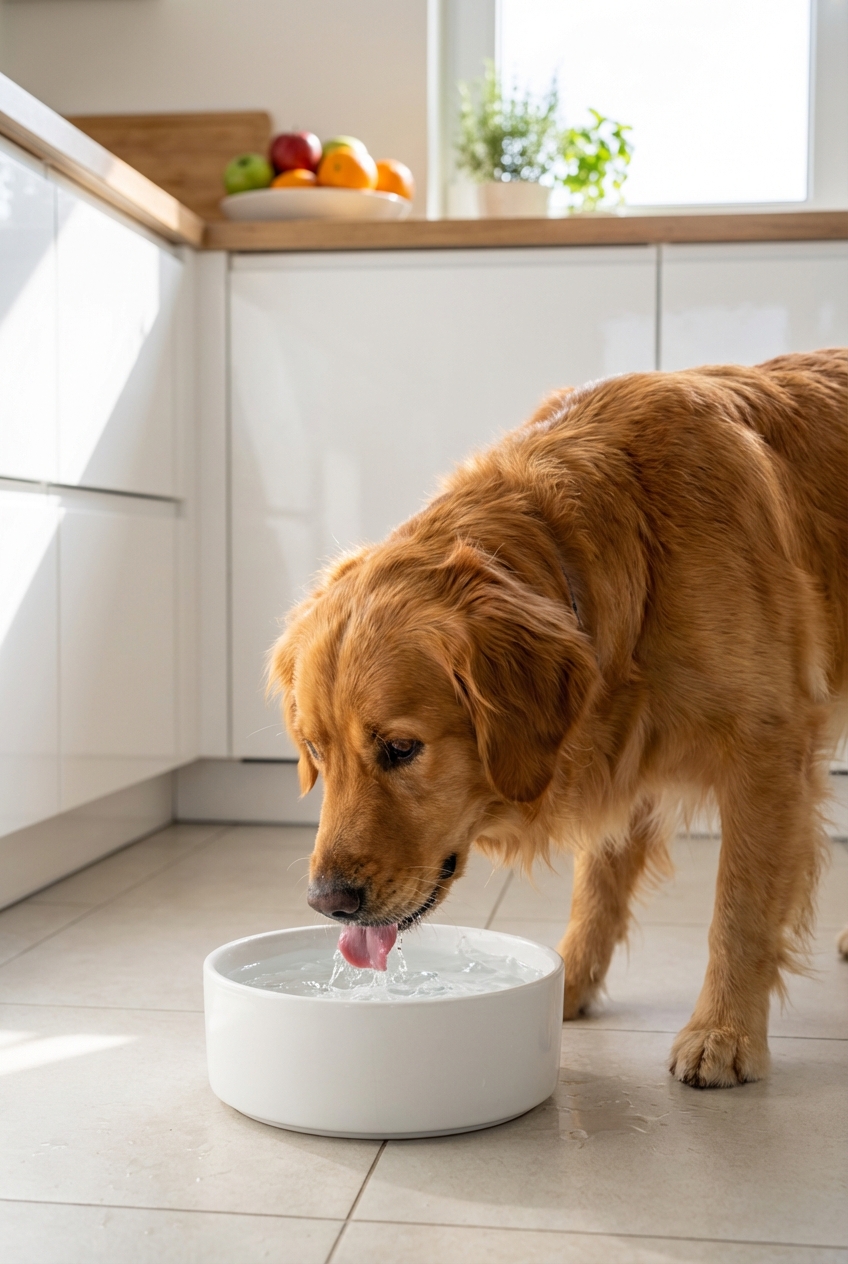
Water is non-negotiable. Diarrhea pulls fluid and electrolytes out of the body.
- Offer fresh water and wash bowls daily.
- Encourage small, frequent drinks if your dog is hesitant.
- Ask your veterinarian if an oral electrolyte solution is appropriate for your dog’s size and health status.
- If you can, monitor urination (normal frequency and volume is a reassuring sign). Some families also find it helpful to weigh daily during a GI upset, especially for small dogs.
Step 2: Food break or not
Some veterinarians recommend a short food break for certain adult dogs, while others prefer skipping the fast and going straight to a bland or veterinary GI diet. If your dog is stable and not vomiting, a common approach is 8 to 12 hours without food while continuing water. If you are unsure, you can start small bland meals instead and check in with your vet.
- Do not fast puppies, toy breeds prone to low blood sugar, or dogs with diabetes without veterinary guidance.
- If your dog is vomiting, worsening, or seems painful, do not try to “wait it out” at home.
Step 3: Bland, low-fat meals
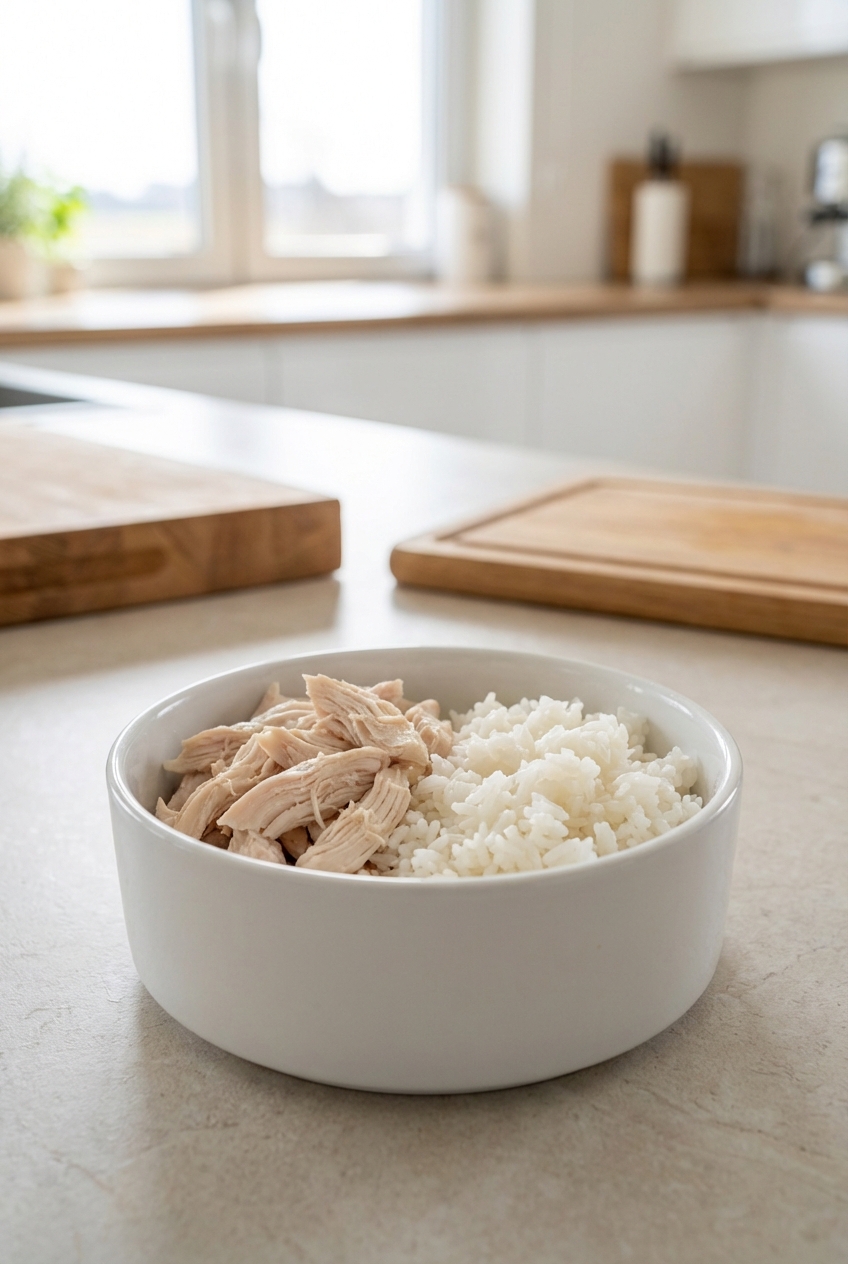
After the short break (or right away if fasting is not appropriate), feed small meals of a bland diet for 2 to 3 days.
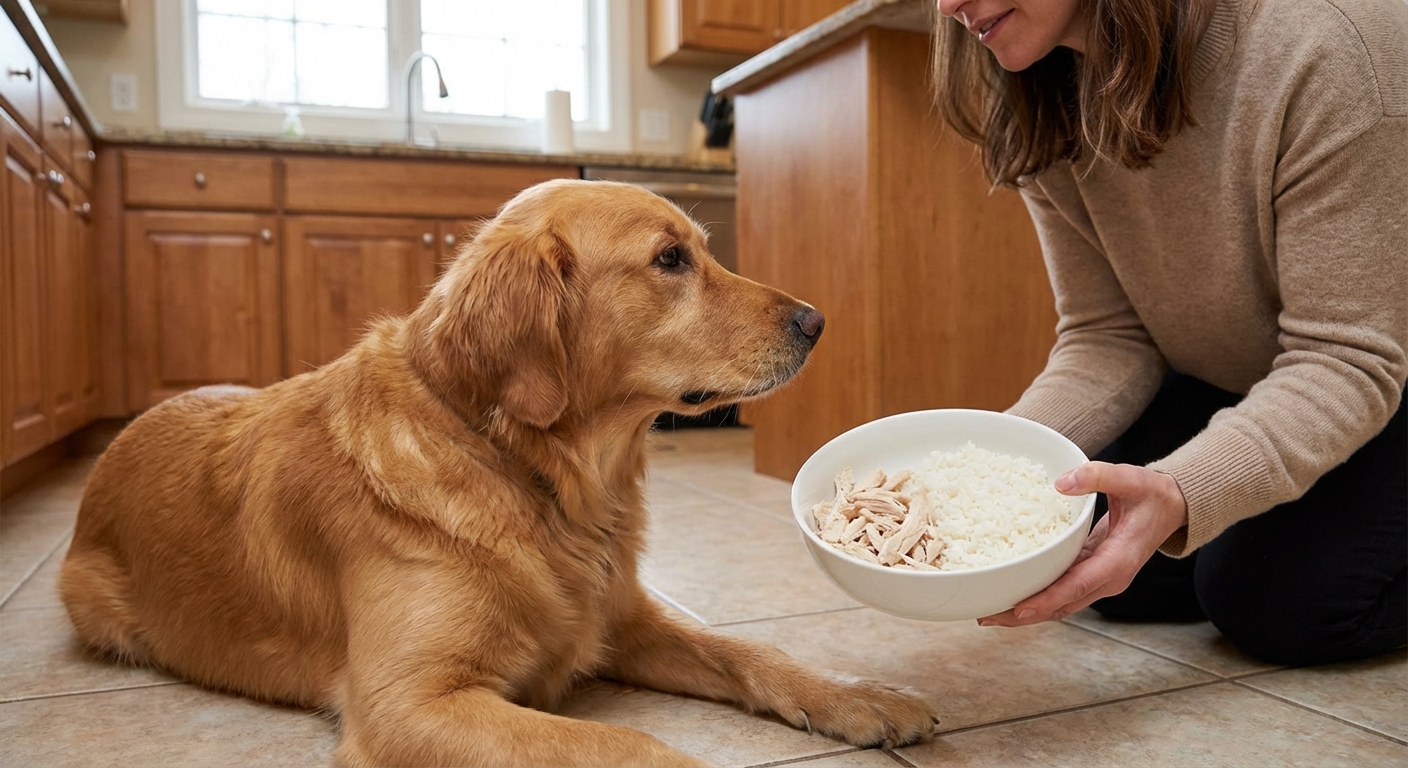
- Lean protein: boiled skinless chicken breast or extra-lean ground turkey
- Easy carb: plain white rice
A helpful starting mix is 2 parts rice to 1 part lean protein (for example, 2 tablespoons rice plus 1 tablespoon chicken). Start with small portions every 4 to 6 hours. If stools firm up, gradually increase portion size. When things look normal for 24 to 48 hours, transition slowly back to the regular diet over 3 to 5 days.
Step 4: What not to feed
When the gut is irritated, “just a little” of the wrong food can keep diarrhea going.
- Avoid fatty foods (bacon, sausage, greasy leftovers)
- Avoid dairy (many dogs are lactose intolerant)
- Skip rich treats, bully sticks, pig ears, and new chews until your dog is back to normal
- Avoid sudden diet changes other than the short-term bland or veterinary GI plan
Step 5: Fiber support
Soluble fiber can help bind stool for some dogs, but dosing matters.
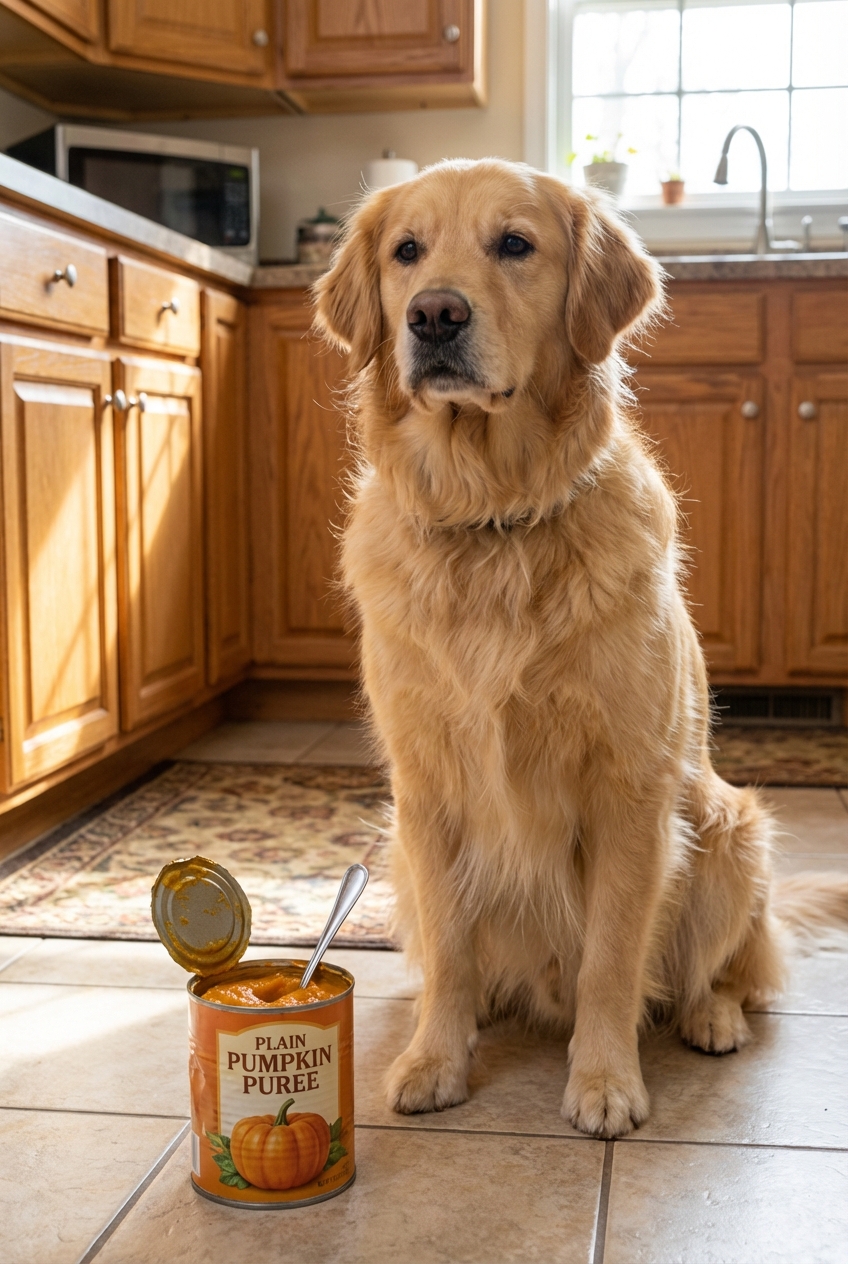
- Plain canned pumpkin (not pie filling) is commonly used. Too much can worsen diarrhea, so ask your vet for a dose based on your dog’s weight.
Step 6: Probiotics
Veterinary probiotics may help shorten diarrhea in some dogs, especially stress diarrhea or antibiotic-associated diarrhea. Evidence varies by strain and product, so choose a product made for pets and follow label directions (or your vet’s recommendations).
Step 7: Rest and routine
Keep exercise gentle, reduce excitement, and stick to a calm routine. Stress really can change gut motility.
If you have multiple dogs
Diarrhea can be infectious depending on the cause. Pick up stool promptly, clean soiled areas, avoid shared water bowls for the day, and consider separating dogs if more than one has GI signs.
Puppies: extra caution
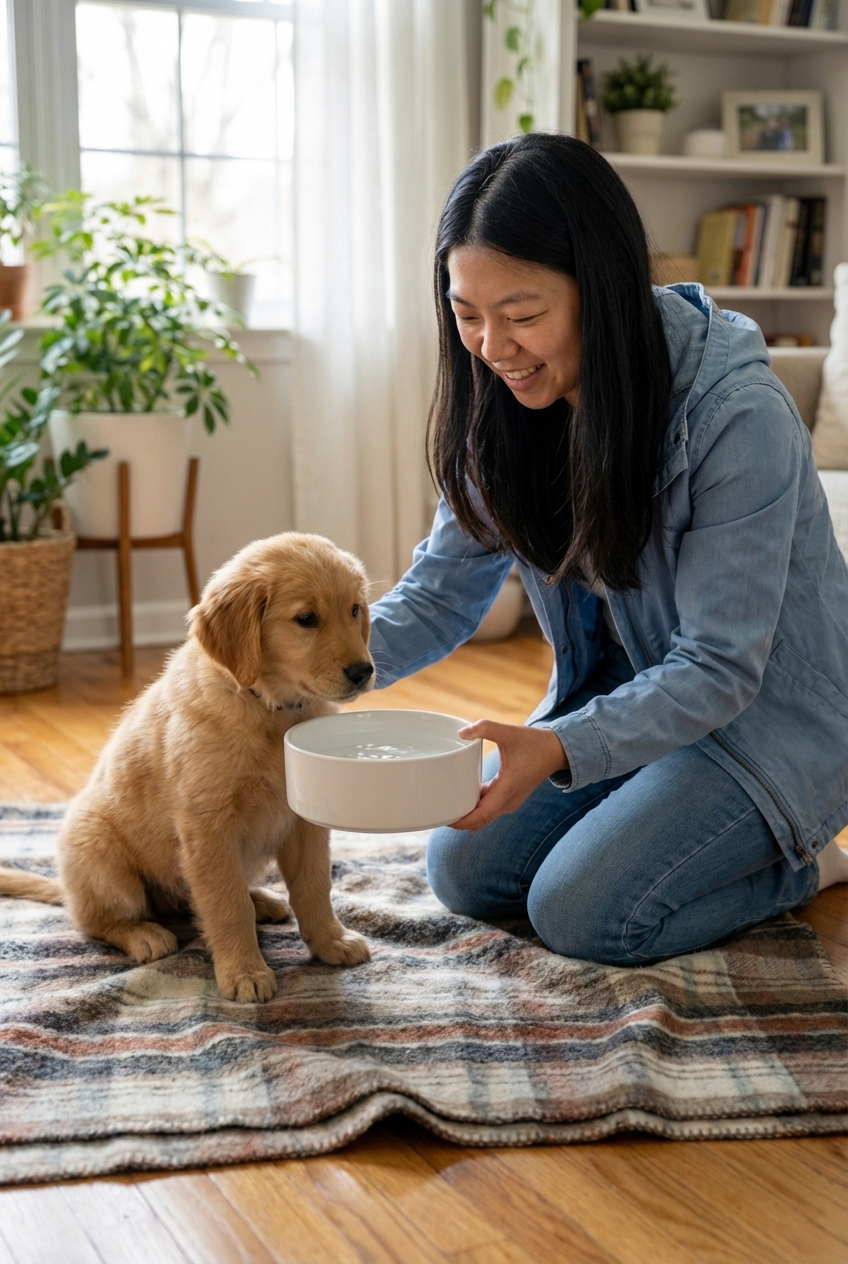
Puppies can dehydrate fast, and parasites are very common. If your puppy has diarrhea, especially with vomiting, low energy, or poor appetite, it is safest to involve your veterinarian early.
What you can do right away
- Offer water frequently and monitor for dehydration.
- Bring a fresh stool sample to your appointment. Parasite testing is often step one.
- Do not give over-the-counter anti-diarrheal medications unless your veterinarian tells you to.
If your puppy is not vaccinated yet, contagious diseases like parvovirus must be ruled out quickly.
Adult dogs: what to track
If your adult dog seems okay overall, tracking details helps you and your vet make better decisions.
- Frequency: how many times in 24 hours
- Appearance: watery, pudding-like, mucus, blood, black and tarry
- Appetite and energy: normal, slightly off, or clearly unwell
- New foods: treats, chews, rawhide alternatives, people food
- Exposure: dog parks, boarding, puddles/creeks, new pets
- Medications: antibiotics, NSAIDs, supplements
If diarrhea lasts longer than 24 to 48 hours even with bland diet, it is time to call your veterinarian.
Senior dogs: higher risk
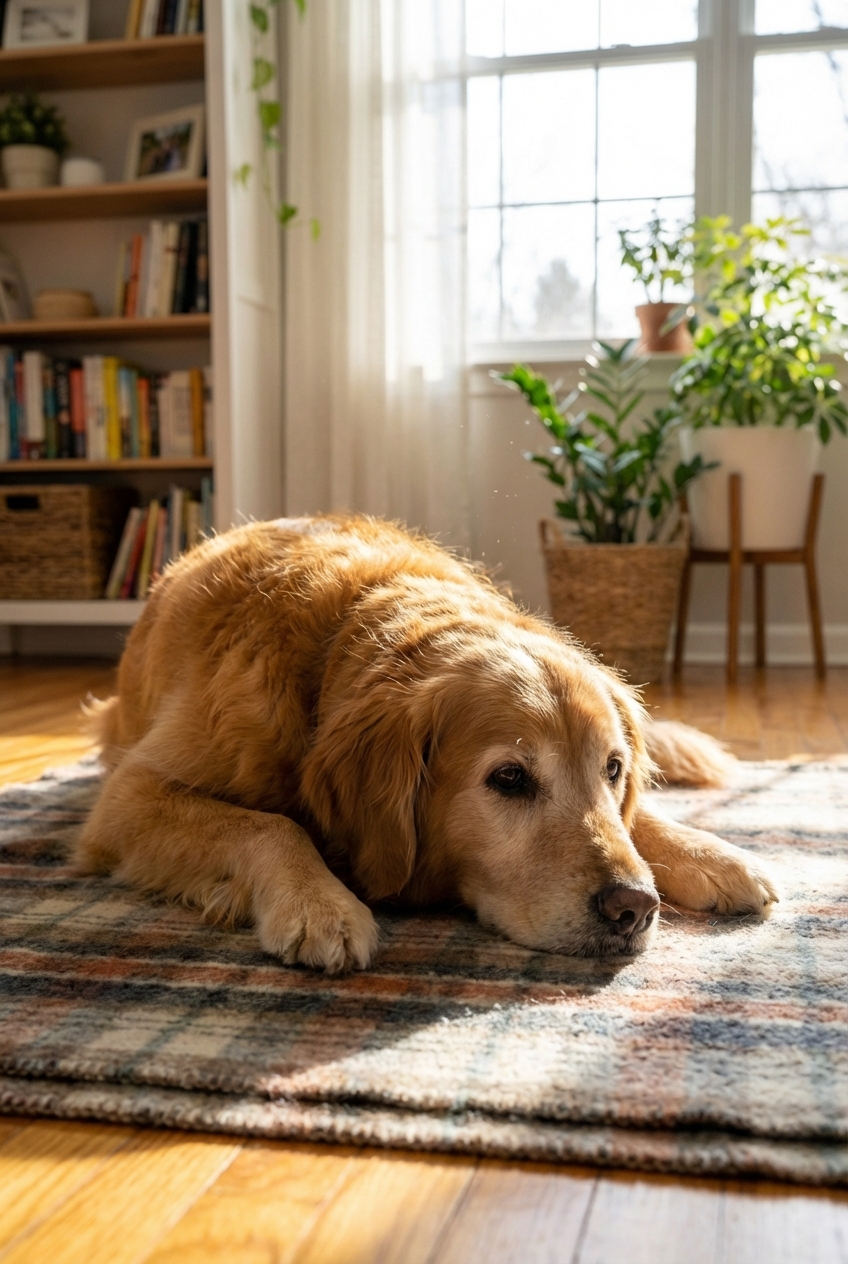
Senior dogs often have less physiologic reserve and may have underlying issues that show up as diarrhea. Even “mild” diarrhea can destabilize them faster.
Call your vet sooner if your dog is older and:
- Has any chronic disease history
- Is on long-term medications
- Is losing weight, drinking more than usual, or has recurring GI upset
- Seems “not quite right,” even if the diarrhea looks mild
Your veterinarian may recommend bloodwork, fecal testing, a pancreatic test, diet trials, or imaging depending on the full picture.
Medications and remedies to avoid
It is very tempting to reach for human medications, but some can be risky for dogs or can mask a serious problem.
- Do not give human anti-diarrheals unless your veterinarian approves.
- Loperamide (Imodium) can be dangerous in some situations, including MDR1-sensitive breeds (many herding breeds) and if there is a risk of toxin ingestion or an intestinal blockage. Use only under veterinary direction.
- Avoid bismuth products if your dog could have bleeding (they can darken stool and complicate assessment).
- Never give human pain relievers like ibuprofen or naproxen. They can cause life-threatening GI ulcers and kidney injury.
When in doubt, call your vet clinic. A quick phone conversation often prevents bigger problems later.
When diarrhea becomes chronic
If diarrhea keeps coming back, lasts more than 2 to 3 weeks, or is paired with weight loss, poor appetite, excessive gas, or skin and ear issues, it is time to look deeper.
Even if your dog seems fine otherwise, recurring diarrhea often deserves fecal testing (and sometimes deworming recommendations) based on lifestyle and risk. Common next steps include fecal PCR or parasite testing, diet trials with a veterinary therapeutic diet, bloodwork, B12 and folate levels, and sometimes ultrasound. Chronic diarrhea is very treatable, but it requires the right diagnosis.
How to prevent flare-ups
- Transition foods slowly over 7 to 10 days.
- Keep treats simple and limit rich, fatty snacks.
- Parasite prevention year-round, as recommended by your veterinarian.
- Reduce scavenging by using a basket muzzle for chronic “garbage hunters” if needed.
- Support gut health with a consistent diet and vet-approved probiotics during stressful events.
Many mild diarrhea cases improve within 24 to 48 hours with hydration, a bland diet, and rest. If your gut says something is off, trust it and call your veterinarian.
Quick checklist
- Red flags? If yes, go to the vet now.
- Hydrate and monitor gum moisture, urination, and energy.
- Bland, low-fat meals in small portions (try a 2:1 rice-to-protein mix).
- Probiotics made for dogs may help.
- Call your vet if diarrhea persists beyond 24 to 48 hours, if your dog worsens at any point, or if it returns repeatedly.