Coprophagia is common but fixable. Learn why dogs eat poop, when to call the vet, health risks, and a practical plan: quick cleanup, leash control, “leave ...
Article
•
Designer Mixes
Dogs Who Eat Poop

Shari Shidate
Designer Mixes contributor
Coprophagia is the not-so-fancy term for a very common behavior: dogs eating poop (stool). If you are dealing with it right now, please know two things. First, you are not alone. Second, most cases can improve a lot with a step-by-step plan that targets the cause and removes the opportunity.
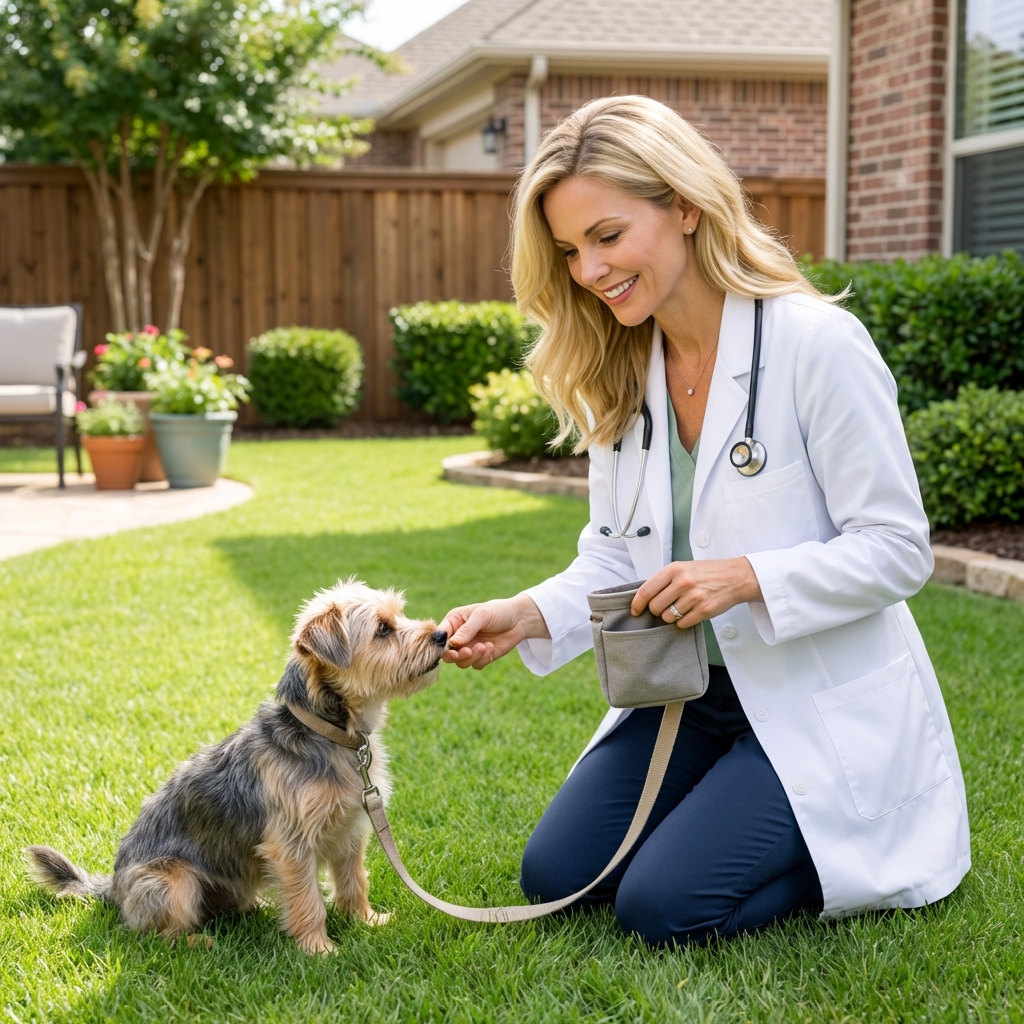
As a veterinary assistant in Frisco, Texas, I have talked with many families who feel embarrassed or frustrated by this habit. The good news is that coprophagia is usually more “fixable” than people think, especially when you approach it like a health and behavior puzzle.
A quick real-life example I see often: a dog does fine on walks, but the minute they are let into the backyard alone, they speed-eat any poop they can find. That is not “badness.” It is a learned shortcut that works for them, and it is exactly the kind of pattern we can change with management plus training.
Quick facts you can trust
- It is common. In one widely cited veterinary behavior study, about 16 percent of dogs were classified as coprophagic, and roughly one in four had eaten feces at least once. (These numbers vary by study and population, but the takeaway is the same: this is not rare.)
- It can be normal in some contexts. Mother dogs may eat puppies’ poop to keep the nest clean. Some puppies explore poop during teething and early exploration stages.
- It is not always a nutrition deficiency. While diet can play a role, many dogs eat poop because of opportunity, habit, anxiety, boredom, or because it is interesting to them.
- It can be a health risk. Poop can carry parasites and harmful bacteria. The risk depends on whose poop it is, your dog’s overall health, and what organisms are present.
Why dogs eat poop
Coprophagia usually has more than one contributor. Here are the most common causes we see in real life.
1) It smells like “food” to your dog
Dogs experience the world through scent. If poop contains undigested fat, protein, or certain additives, it can be more appealing. This is one reason some dogs target cat poop. Cat diets can be richer, and what comes out the other end may be especially tempting to dogs.
2) They learned the habit
Once a dog discovers poop, the behavior can become self-reinforcing. If your dog finds poop in the yard and eats it, the “reward” happens instantly. This is why management is such a big deal.
3) Stress, boredom, or confinement
Dogs who spend long hours alone, dogs with limited enrichment, and dogs who are anxious can develop repetitive behaviors, including eating poop. Dogs in multi-dog homes may also eat poop to “clean up” quickly or compete for resources.
4) Medical or digestive issues
Sometimes coprophagia is a clue that something else is going on. Conditions that can increase hunger, change digestion, or affect nutrient absorption may contribute, including:
- Intestinal parasites
- Exocrine pancreatic insufficiency (EPI)
- Inflammatory bowel disease or chronic GI upset
- Diabetes mellitus
- Cushing’s disease (hyperadrenocorticism)
- Medications that increase appetite, including steroids
5) Diet mismatch
A diet that does not agree with your dog can lead to larger, smellier poop or more undigested material. Some dogs do better with higher digestibility, appropriate fiber levels, and a diet that supports a healthy gut microbiome.
Step-by-step plan to stop poop eating
These steps work best when you do them together. If you only try one thing, start with management and cleanup. It is the fastest way to reduce success and break the loop.
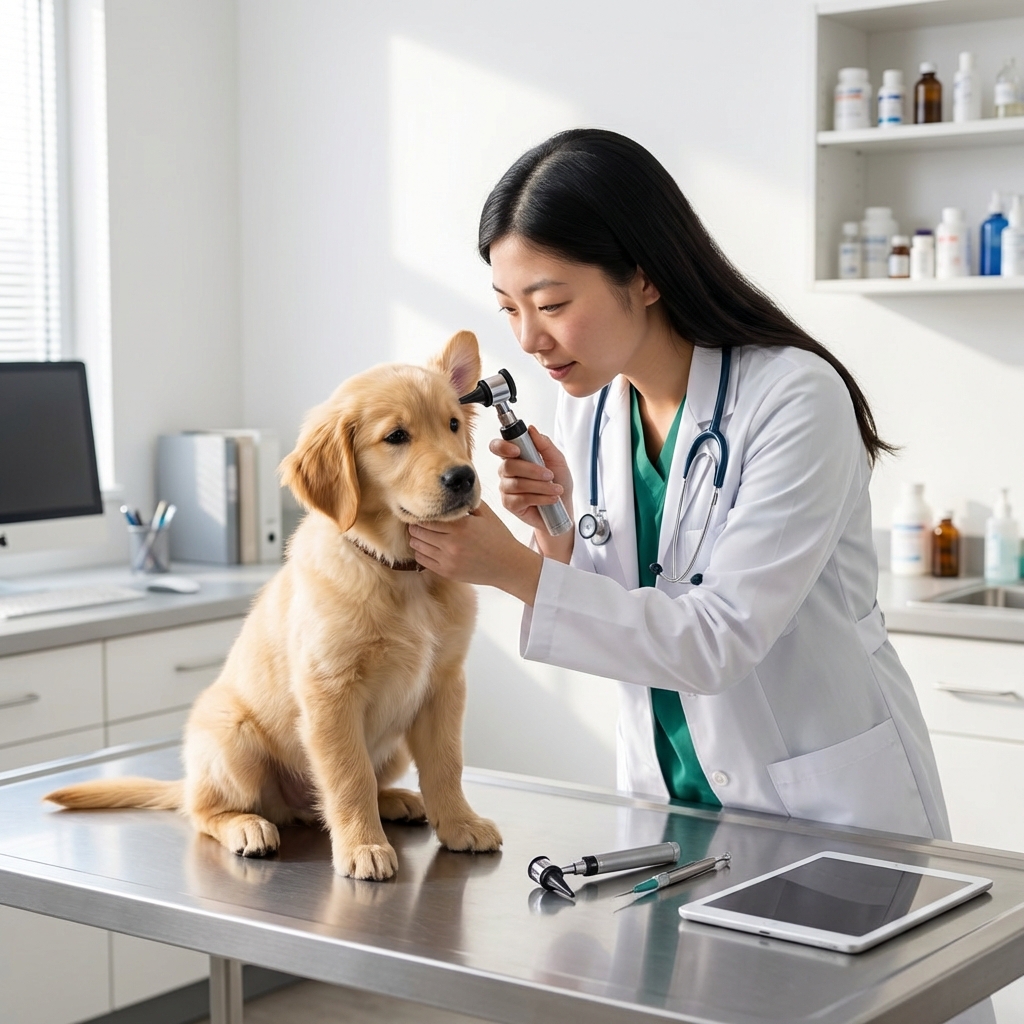
Step 1: Rule out a medical trigger
Schedule a vet visit if your dog is suddenly eating poop, eating it compulsively, losing weight, having diarrhea, vomiting, increased thirst, or acting unusually hungry.
- Bring a fresh poop sample for parasite testing.
- Ask if your dog’s diet, treats, or medications could be increasing appetite or causing GI changes.
- If symptoms suggest it, your vet may recommend bloodwork or additional GI testing.
Step 2: Stop access, starting today
Think of this as setting your dog up for success.
- Scoop the yard daily and ideally immediately after your dog goes.
- Go out with your dog for potty breaks so you can intervene quickly.
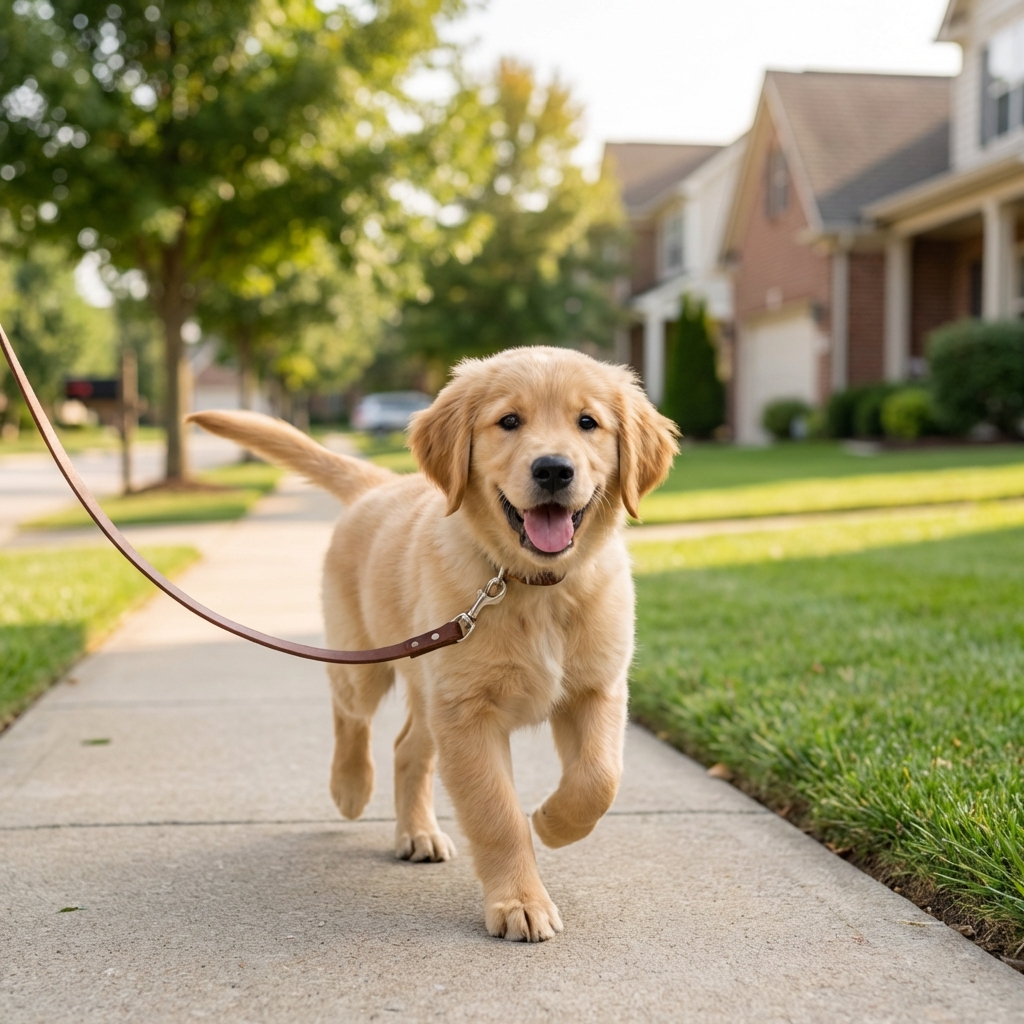
- Use a leash in the yard temporarily if needed.
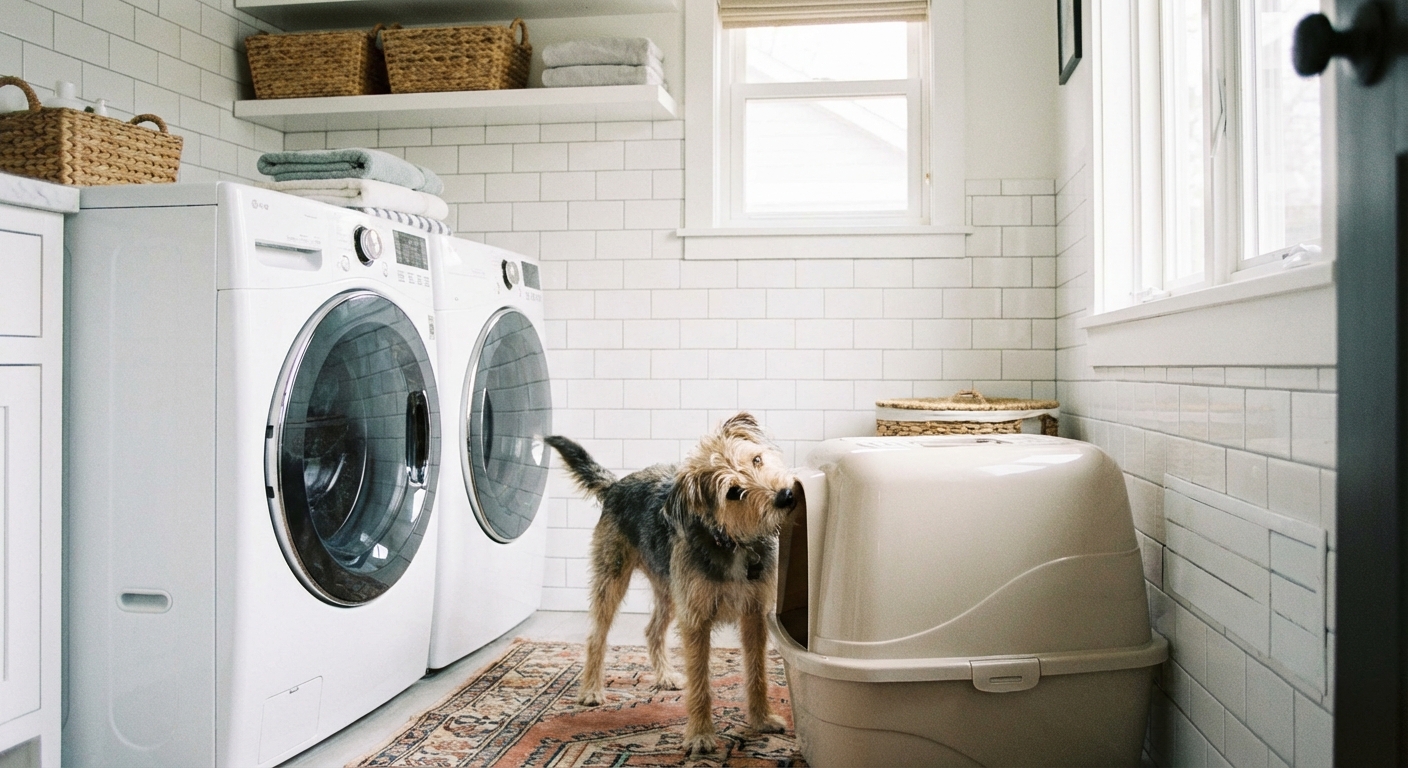
- Block the litter box with a baby gate or place it in a cat-only area if your dog targets cat poop.
- Consider a basket muzzle for walks if your dog scavenges. A properly fitted basket muzzle should still allow panting and drinking, and it should be introduced gradually with positive conditioning.
Step 3: Teach a strong “leave it” and “drop it”
Training matters because poop eating often happens on walks, at parks, or during quick yard moments.
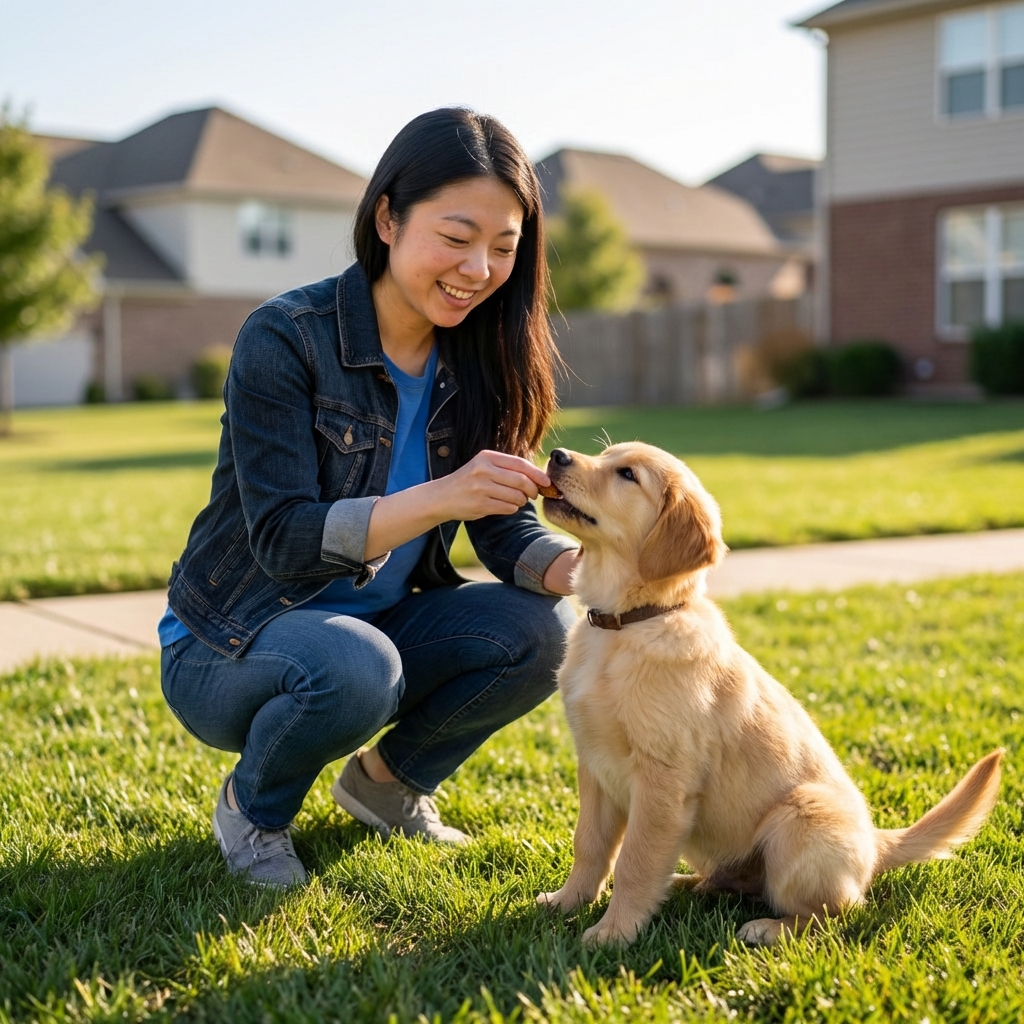
- Start indoors with treats and low distraction.
- Reward fast when your dog chooses you instead of the item.
- Practice daily for short sessions. Consistency beats long sessions.
Step 4: Interrupt and redirect
If your dog heads toward poop, calmly interrupt with a cue like “this way” and move away. Then reward for following you. Avoid yelling. Big reactions can accidentally turn it into an attention game for some dogs.
Step 5: Improve gut health and digestibility
This is where a thoughtful nutrition plan can help, especially for dogs with soft poop, gassiness, or frequent GI upset.
- Choose a highly digestible diet with a protein source your dog tolerates well.
- Discuss probiotics with your veterinarian, especially after antibiotics or for dogs with chronic stool issues.
- Evaluate treats. Very rich treats can worsen poop quality and odor.
- Slow diet changes over 7 to 14 days to avoid GI flare-ups.
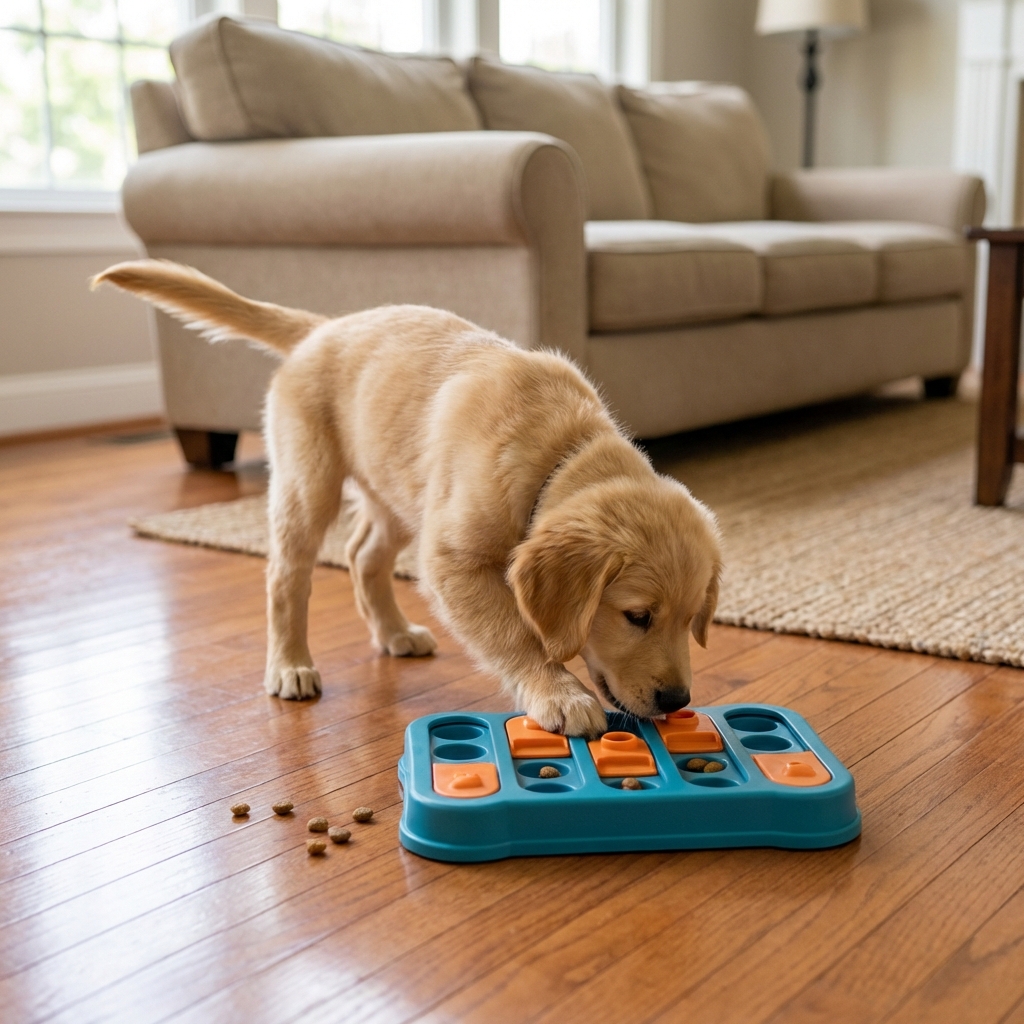
Step 6: Add enrichment to reduce boredom and stress
A tired dog is less likely to self-entertain by scavenging.
- Food puzzles or snuffle mats
- Frozen enrichment toys with vet-approved fillings
- Training games that build impulse control
- More sniff walks and decompression time
Step 7: Consider vet-approved deterrents if needed
Some families try stool deterrent supplements that aim to make poop taste unpleasant. Results are inconsistent, and they work best when paired with cleanup and training. Also note a practical detail: some products are given to the pet who produces the poop, not the dog who eats it, so in multi-pet homes you may need a plan that fits your household. Ask your vet which options are appropriate and safe for your dog.
Is it dangerous when a dog eats poop?
Sometimes it is mostly gross. Sometimes it is risky. Here is a practical way to think about it.
Higher risk scenarios
- Eating unknown dogs’ poop at parks or on sidewalks
- Eating poop from animals that may carry parasites, including cats and wildlife
- Eating poop when your dog is immunocompromised or very young
- Multi-dog homes where one dog has parasites or chronic diarrhea
A quick nuance about parasites
Many intestinal parasites are species-specific, so not every parasite from another animal will infect your dog. The bigger concerns are ingesting infective eggs or cysts (such as roundworms or Giardia) and exposure to bacterial contamination. Your vet can help you assess risk based on your dog’s prevention plan and local parasite patterns.
What to watch for after an incident
- Vomiting, diarrhea, lethargy
- Coughing or gagging if they swallowed something else with the poop
- New itching or scooting that could suggest parasites
If your dog frequently eats poop, talk with your veterinarian about a regular parasite prevention plan and appropriate fecal testing frequency.
Cleanup and hygiene
If your dog sneaks poop, you do not need to panic, but basic hygiene is smart.
- Offer water afterward and keep an eye out for GI signs over the next 24 to 72 hours.
- Wipe their mouth if they are messy, and wash your hands after handling toys or drool.
- Dental care helps. Brushing teeth and using vet-approved dental chews can reduce bacteria and stink, even though it will not “cure” coprophagia by itself.
- Call your vet if your dog ate poop from an unknown animal, has diarrhea or vomiting, seems painful, or is not on consistent parasite prevention.
Puppies vs adults
Puppies may dabble in poop during exploration. Adults who suddenly start eating poop deserve a closer look for medical triggers and changes in routine.
- What progress looks like: fewer “successful” attempts, quicker response to “leave it,” and less frantic scanning on walks.
- How long it can take: many families see improvement within 1 to 3 weeks when cleanup and supervision are consistent, but changing a long-standing habit can take longer. The goal is to prevent practice while you build better habits.
Common myths
“My dog eats poop because they are being dominant.”
This is a popular myth. Coprophagia is typically driven by opportunity, reinforcement, stress, or GI and diet factors, not dominance.
“Punishment will fix it.”
Punishment often backfires. Dogs do not reliably connect a correction delivered later to something they did minutes ago, so it does not teach the right lesson. It can also increase anxiety or teach your dog to hide the behavior and do it faster. Focus on management, training, and health.
“They must be missing vitamins.”
Sometimes diet quality matters, but many dogs on balanced diets still eat poop. It is more productive to improve digestibility, reduce access, and strengthen training cues.
When to call your vet
- Sudden onset of poop eating in an adult dog
- Weight loss, ravenous appetite, or increased thirst
- Chronic soft poop or diarrhea
- Vomiting or abdominal discomfort
- Eating poop plus non-food items (rocks, socks, sticks)
Most poop-eating cases improve when you treat it like a two-part problem: health plus habit. Remove the opportunity, support digestion, and reward the choices you want to see.
You can absolutely make progress here. Start with daily cleanup and supervision or a leash for potty time, then layer in training and a check-in with your veterinarian. Small steps add up quickly, and your dog can learn a better routine.