Worried about a vomiting dog? Learn when vomiting is an emergency, how to offer small sips safely, and the best bland foods (chicken/rice, turkey, pumpkin, e...
Article
•
Designer Mixes
Dogs Puking Yellow: What It Means and What to Do

Shari Shidate
Designer Mixes contributor
Seeing your dog throw up yellow liquid is unsettling, especially when it happens out of the blue. The good news is that yellow vomit is often bile, and many cases are tied to meal timing or a mildly irritated stomach. The concern is that sometimes it can signal something more serious.
As a veterinary assistant here in Frisco, Texas, I always tell pet parents this: the color is a clue, but your dog’s overall behavior, appetite, and energy matter even more.
Quick clarity: Vomiting is active (heaving, abdominal effort). Regurgitation is more passive (food or fluid comes back up without much effort). If you suspect regurgitation, that can point to different issues, so let your vet know.
What yellow vomit usually is
Most yellow vomit is bile, a digestive fluid made by the liver and stored in the gallbladder. Bile is released through the bile duct into the duodenum, the first part of the small intestine, where it helps digest fats.
When the stomach is empty or the GI tract is irritated, bile can sometimes reflux backward into the stomach and then come up as vomit. If your dog vomits and the fluid is bright yellow or yellow-green and watery or foamy, bile is a common culprit.
Common reasons dogs puke yellow
1) Empty stomach or bile reflux pattern
One of the most common patterns I see is vomiting yellow foam in the morning or late at night, especially if your dog goes a long stretch between meals. Many veterinarians call this bilious vomiting syndrome (or a bile reflux pattern).
- Often happens on an empty stomach
- Dog may act hungry right after
- May improve quickly after a small meal
Important note: The exact cause is not always just “time between meals.” It can involve reflux, motility, and stomach irritation. If it keeps happening, it is worth a vet check to rule out underlying GI disease.
2) Eating grass or something irritating
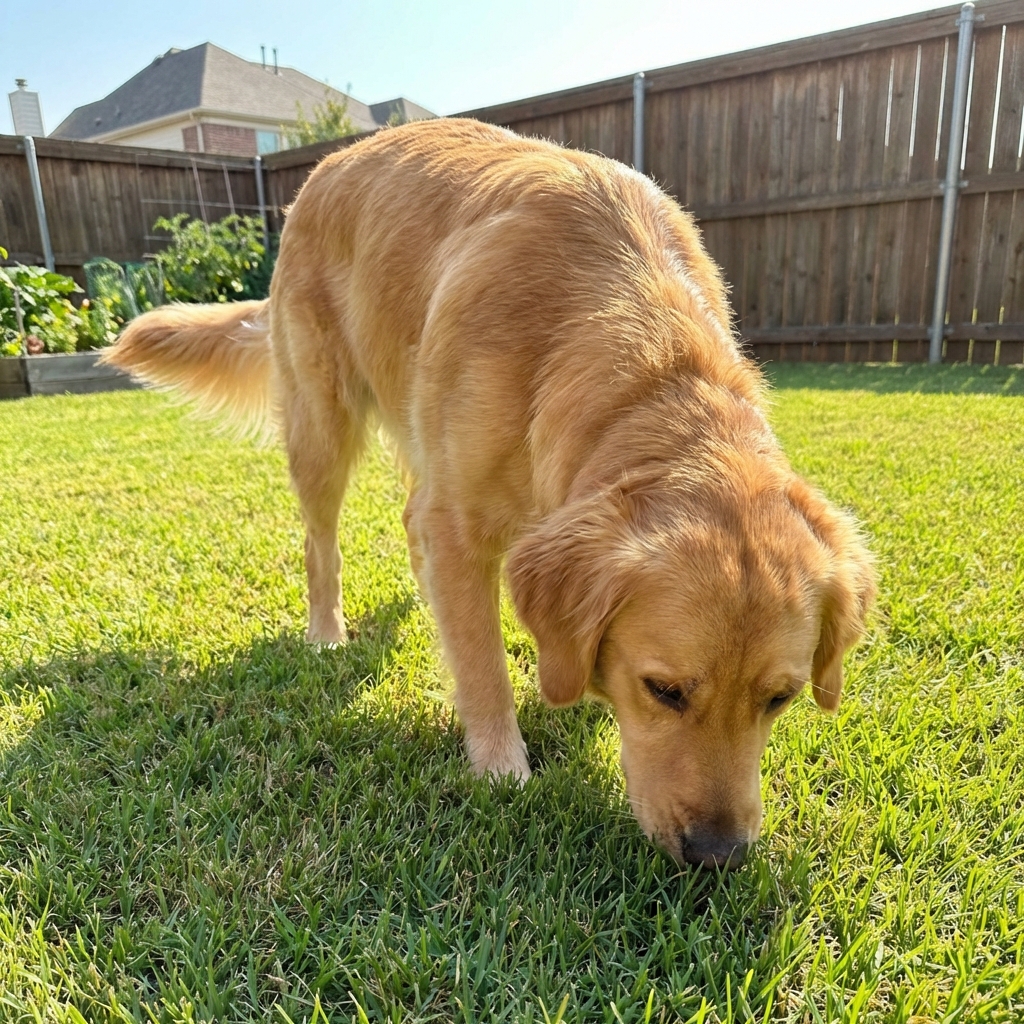
Dogs sometimes nibble grass, lick floors, or get into something mildly irritating. That can trigger a quick vomit, and if the stomach is mostly empty, it looks yellow.
3) Diet change, rich treats, or fatty foods
A sudden diet switch, new treats, table scraps, or greasy foods can irritate the stomach and trigger vomiting. Some dogs also have sensitive GI systems and respond to even small changes.
4) Motion sickness or stress
Car rides, boarding, visitors, storms, and schedule changes can all upset the stomach. Stress vomiting can be yellow, especially if your dog has not eaten.
5) Parasites or infection
Intestinal parasites and some infections can cause vomiting, diarrhea, appetite changes, and weight loss. Yellow vomit can show up as part of the bigger GI picture.
6) Pancreatitis
Pancreatitis is a painful inflammation of the pancreas and can be triggered by fatty foods, though it can occur for other reasons too. Vomiting may be frequent and your dog may look miserable.
7) Foreign body or blockage
If a dog swallows a toy, sock, corn cob, or other object, vomiting can start and may become persistent. This can become an emergency fast.
8) Liver or gallbladder disease
Less commonly, bile-colored vomiting may be connected to liver or gallbladder issues, especially if you also see lethargy, loss of appetite, or yellowing of the gums or eyes.
Quick triage: when to worry
Use this behavior-based checklist to help decide what to do next.
Usually safe to monitor at home (for now)
- Vomited once or twice and then stops
- Energy is normal or close to normal
- Drinking water and willing to eat later
- No abdominal pain, no bloating
- No blood in vomit and no black, tarry stool
Call your vet today
- Vomiting repeats more than 2 to 3 times in 24 hours
- Diarrhea is present, especially if watery
- Your dog seems nauseated (lip licking, drooling, swallowing a lot)
- Refuses food for more than one meal, or appetite is clearly off
- Vomiting started after a known diet change, trash raid, new chew, or possible toxin exposure
Emergency vet now
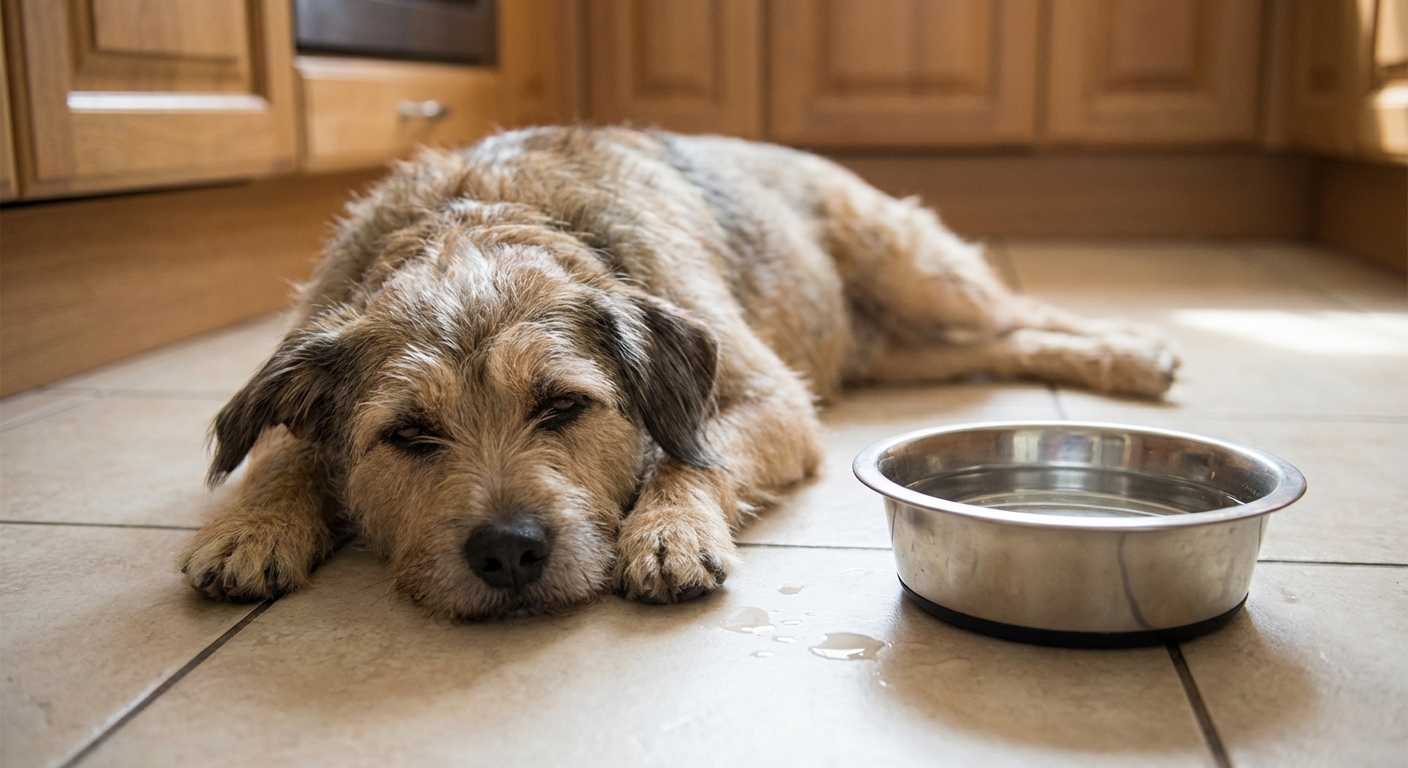
- Repeated vomiting and cannot keep water down
- Severe lethargy, collapse, or pale gums
- Bloated abdomen, unproductive retching, or obvious pain (this can be bloat or GDV)
- Blood in vomit, or vomit that looks like coffee grounds
- Suspected foreign body (missing toy, sock, bone fragments)
- Puppy, senior, or medically fragile dog vomiting (they dehydrate faster)
Dehydration signs you can spot
- Tacky or dry gums
- Sunken-looking eyes
- Reduced urination or very dark urine
Toxin red flags
If vomiting follows possible access to xylitol (sugar-free gum or candy), chocolate, grapes or raisins, human medications, rodent bait, or illicit substances, treat it as urgent. Call your vet or an emergency clinic right away.
If your gut says “this is not my dog’s normal,” trust that. Behavior changes often tell us more than the color of the vomit.

What to do at home
Step 1: Pause and observe
Before offering anything, check:
- How many times did your dog vomit?
- Is your dog bright and alert or tired and withdrawn?
- Any diarrhea, straining, or accidents?
- Any access to toys, socks, strings, trash, compost, or human meds?
Step 2: Water, but in small amounts
If your dog seems otherwise okay, offer small sips of water. A big bowl can lead to gulping and another vomit. You can also offer ice chips if your dog tends to drink too fast.
Step 3: Food strategy depends on the pattern
If vomiting happens on an empty stomach (often morning bile):
- Try a small bedtime snack and see if morning vomiting improves.
- Split daily food into 3 to 4 smaller meals for a week.
If your dog’s stomach seems irritated but they are stable and bright:
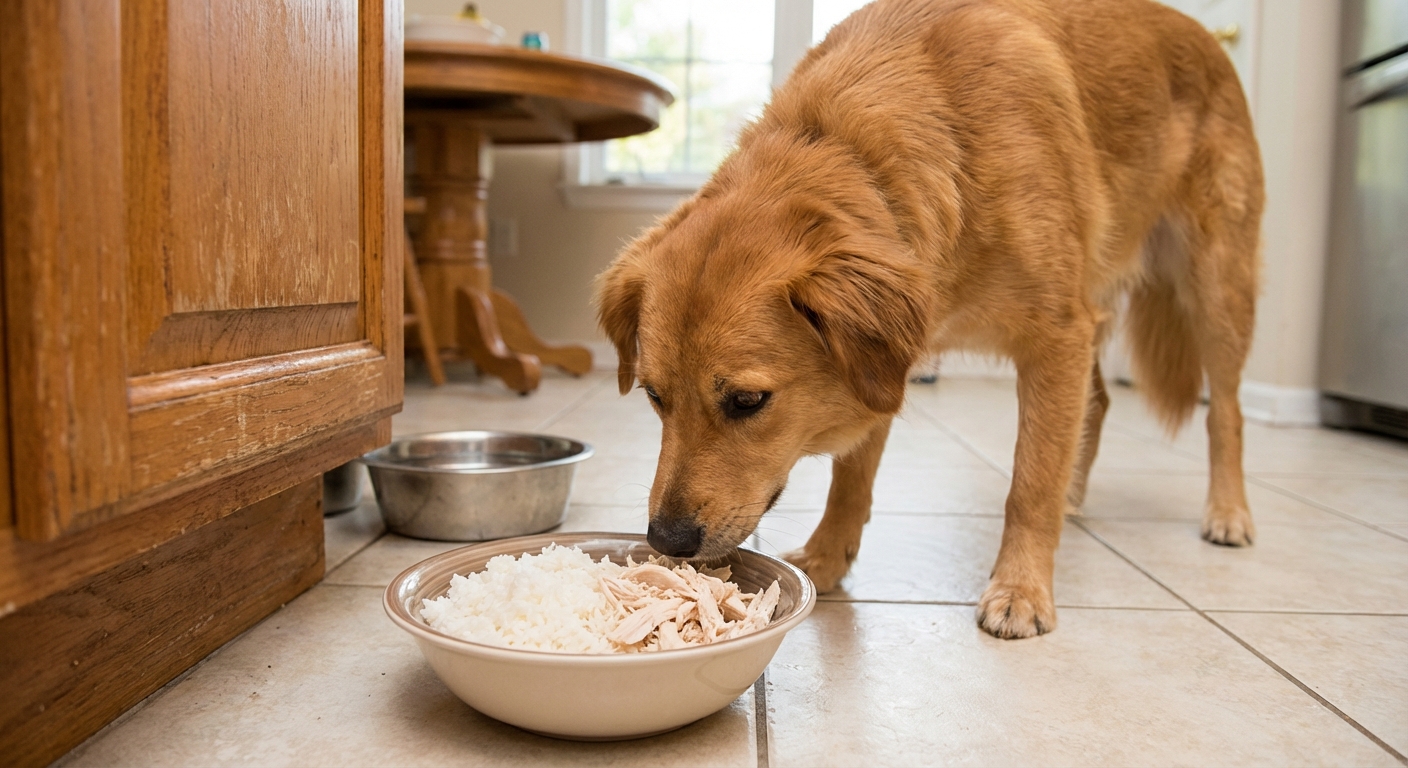
- Consider a short bland-food phase (your vet can guide you). Common options include plain cooked chicken and white rice, or a veterinary GI diet.
- Avoid rich treats, chews, and table scraps during the reset.
About fasting: Some vets may recommend briefly withholding food in select cases, but do not fast puppies, toy breeds, diabetics, or dogs with other medical conditions unless your veterinarian specifically advises it.
Step 4: Watch poop like it is a health report
Stool changes help your vet narrow down the cause. Note:
- Color (black or tarry is urgent)
- Mucus or blood
- Frequency and urgency
Step 5: Do not self-medicate with human meds
Please avoid giving Pepto-Bismol, ibuprofen, or other human medications unless your veterinarian explicitly directs you. For example, Pepto-Bismol can be risky because salicylates may cause toxicity in some dogs, and it can also turn stool black, which may mask bleeding. Your vet can tell you what is appropriate for your dog.
If this keeps happening: prevention plan
Make meals more frequent
For dogs that vomit yellow foam between meals, simply shortening fasting time can help. Many dogs do better with breakfast, dinner, and a small bedtime snack.
Choose gentle, digestible nutrition
A consistent, high-quality diet helps many sensitive stomach dogs. If you want to add toppers, do it slowly and keep them limited. As a general safety rule, treats and toppers should make up no more than about 10% of daily calories unless your veterinarian or a veterinary nutritionist helps you balance the whole diet.
Slow down fast eaters
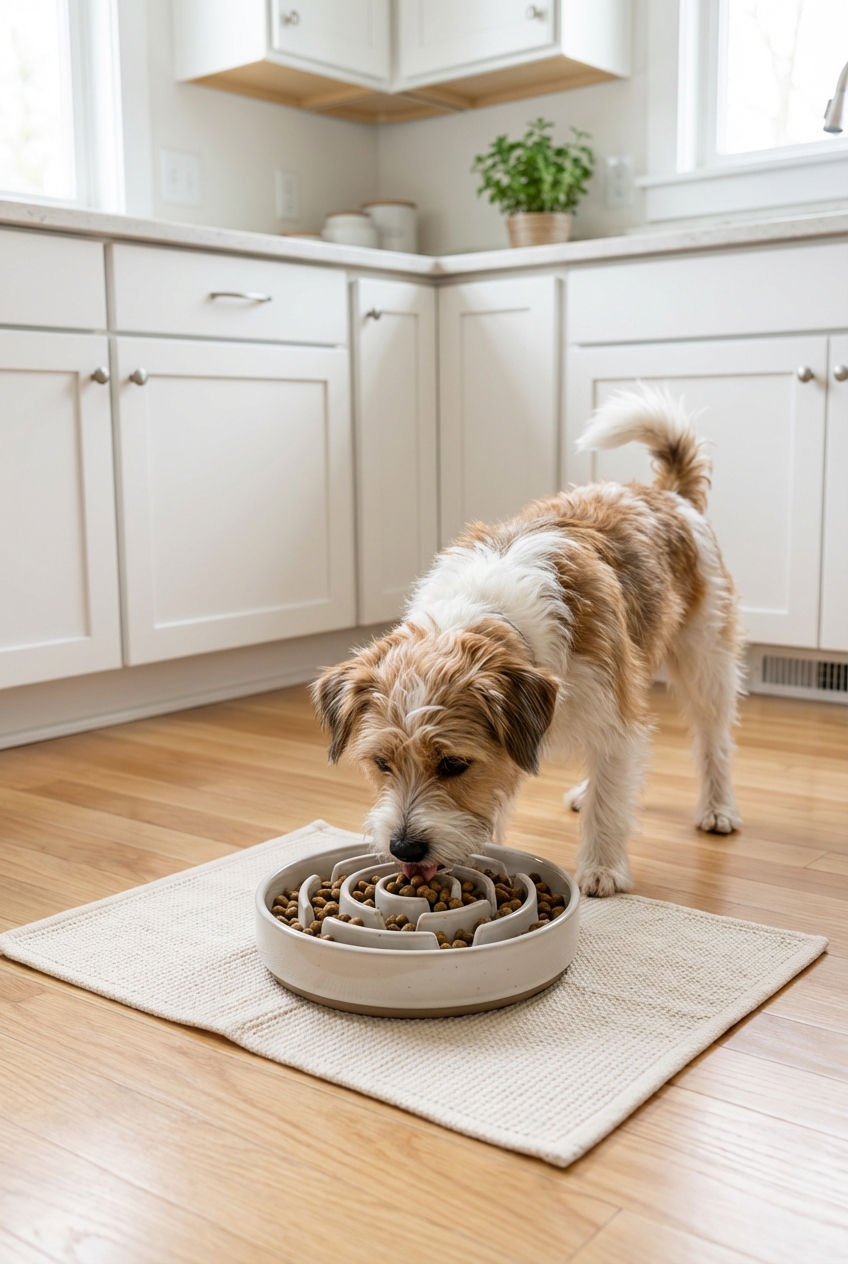
Gulping air and food can trigger nausea. Try a slow feeder bowl, puzzle toy, or spreading kibble on a lick mat.
Reduce access to “danger snacks”
Trash cans, kids’ rooms (socks), yard debris, and certain chews are frequent triggers for vomiting and blockages.
What your vet may do
If you come in for repeated yellow vomiting, your veterinarian may recommend:
- A physical exam and abdominal palpation
- Fecal testing for parasites
- Bloodwork to assess hydration, infection, liver and pancreas markers
- X-rays or ultrasound if a foreign body or pancreatitis is suspected
- Anti-nausea medication, fluids, and a GI-friendly diet plan
Bring details if you can: when it happens, how often, photos of vomit or stool (yes, really), and what your dog ate in the last 48 hours.
FAQ
Why is my dog puking yellow in the morning only?
This is a classic empty-stomach or bile reflux pattern. A small bedtime snack and more frequent meals often help, but if it continues, check in with your veterinarian to rule out underlying GI disease.
My dog vomited yellow foam once and is acting normal. Should I worry?
One isolated episode in an otherwise normal, bright dog is often okay to monitor. If it repeats, if your dog will not eat, or if there are other symptoms like diarrhea or pain, call your vet.
Is yellow vomit always bile?
Usually, but not always. Sometimes it is partially digested food mixed with stomach fluid. The bigger picture is frequency, hydration, and behavior.
The bottom line
Yellow vomit is commonly bile, and many dogs improve with simple changes like smaller, more frequent meals and avoiding rich foods. But repeated vomiting, behavior changes, or any signs of pain or dehydration deserve prompt veterinary attention.
If you are unsure, it is always okay to call your vet and describe what you are seeing. You are not overreacting. You are advocating for your dog.