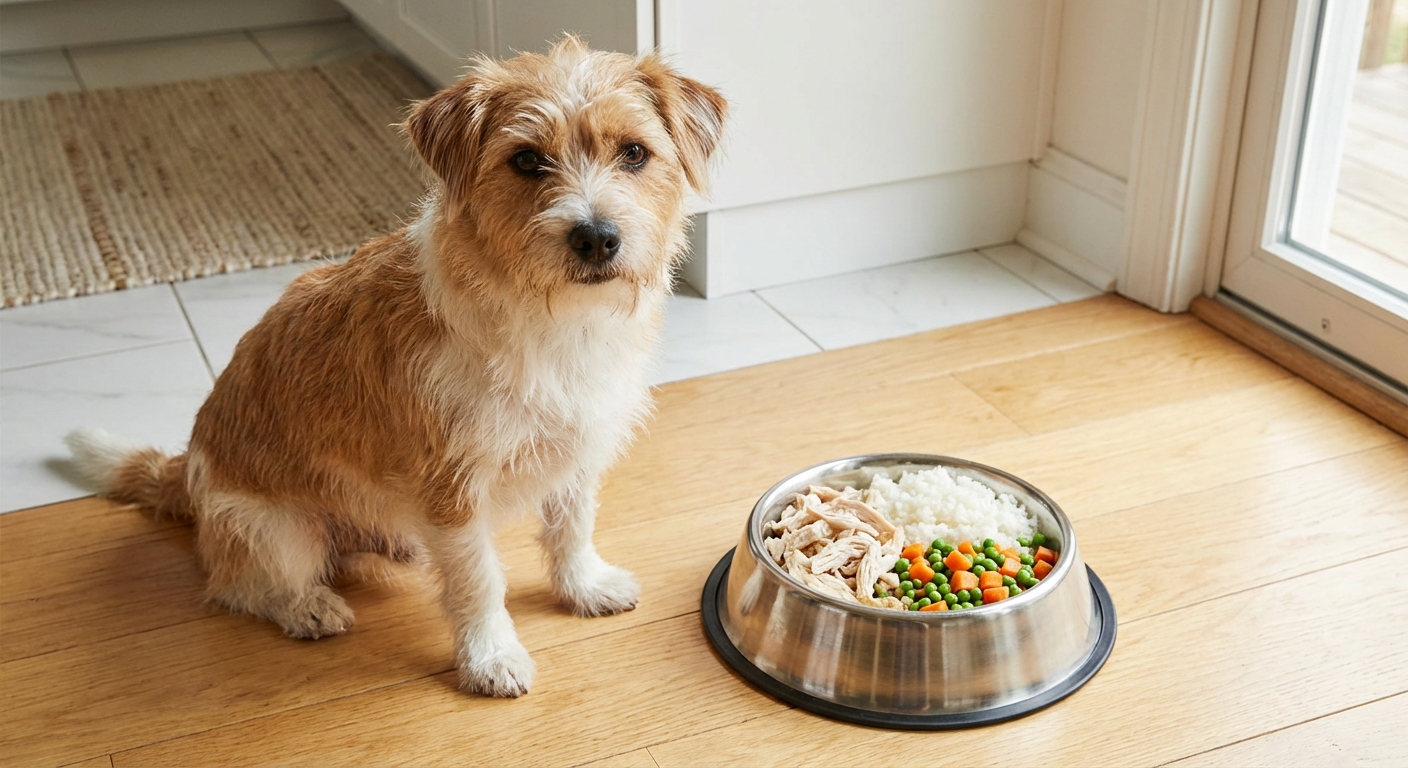
Support your dog’s heart with a vet-smart homemade diet. Learn how to manage sodium, keep weight and muscle stable, choose safe ingredients, and discuss su...
Article
•
Designer Mixes
Dogs Congestive Heart Failure Help & Care

Shari Shidate
Designer Mixes contributor
Hearing the words congestive heart failure (CHF) in your dog can feel scary and overwhelming. I have been there with clients in clinic, and I want you to know something important right away: many dogs with CHF can still have good quality of life with the right medications, home care routines, and quick action when symptoms change.
This guide walks you through what CHF means, what to watch for, what your veterinarian may recommend, and how to care for your dog at home in a calm, evidence-based way.
Medical note: This article is educational and is not a substitute for veterinary care. If your dog is struggling to breathe or seems suddenly worse, contact a veterinarian or emergency clinic right away.
What CHF is
Congestive heart failure happens when the heart cannot keep up with the body’s needs. That can be because it cannot pump effectively and or cannot relax and fill normally. When the heart falls behind, fluid can back up and build up where it should not, most commonly in the lungs (breathing trouble) or in the abdomen (a swollen, pot-bellied look and discomfort).
CHF is not one single disease. It is often the end result of an underlying heart problem such as:
- Mitral valve disease (very common in small and medium dogs)
- Dilated cardiomyopathy (more common in large breeds)
- Congenital heart issues (present from birth, less common)
Your veterinarian’s goal is to reduce fluid congestion, support heart function, and help your dog breathe comfortably while maintaining a happy daily routine.
Signs to watch for
CHF can start subtly. Many families first notice something that feels like normal aging. Trust your instincts and track changes.
- Coughing, especially at night, early morning, or after excitement (important: cough is common in CHF, but it is also common with non-heart problems like chronic bronchitis or collapsing trachea)
- Fast breathing or working harder to breathe (belly effort, flared nostrils)
- Decreased stamina on walks, more rest breaks
- Restlessness at night, pacing, trouble getting comfortable
- Reduced appetite or nausea
- Fainting or collapse (this is urgent)
- Swollen belly (fluid), or unexplained weight gain
- Weight loss and muscle loss over time
If your dog is struggling to breathe, has blue or gray gums, collapses, or cannot settle, treat it as an emergency.
How vets diagnose CHF
Diagnosing CHF is a combination of medical history, exam, and imaging. Your veterinarian may recommend:
- Chest X-rays to look for fluid in the lungs and heart enlargement
- Echocardiogram (heart ultrasound) to identify the underlying heart disease and measure function
- ECG if abnormal rhythm is suspected
- Bloodwork and urinalysis to evaluate kidney function and overall health before and during therapy
- NT-proBNP (in some cases) to help assess whether symptoms are likely heart-related
These tests help your veterinary team choose the safest medication plan and set a baseline for future rechecks.
Common CHF meds
Medication plans vary by the type of heart disease, severity, and your dog’s other health conditions. Your veterinarian may use a combination of medications to control fluid and support the heart.
Diuretics
Furosemide is the diuretic many dogs start with. It helps remove excess fluid so your dog can breathe more easily. Because it increases urination and can affect electrolytes and kidney values, follow-up labwork matters.
Some dogs may be switched to torsemide instead of furosemide, or have another diuretic added (such as hydrochlorothiazide) if fluid is difficult to control. Your vet will guide this, because stronger diuresis can also raise the risk of dehydration or kidney stress.
Pimobendan
Pimobendan helps the heart pump more effectively and can also help blood vessels relax. For many dogs with mitral valve disease (MMVD) or dilated cardiomyopathy (DCM), it is a cornerstone medication.
ACE inhibitors
Medications like enalapril or benazepril may be used to reduce hormone effects that can worsen heart disease. Monitoring kidney values and blood pressure is important.
Spironolactone
Spironolactone is often used as an add-on medication. It provides mild diuretic effects and helps block aldosterone, a hormone that can contribute to fluid retention and progression of heart disease.
Anti-arrhythmics
If your dog has an abnormal heart rhythm, your veterinarian or cardiologist may prescribe rhythm-specific medications.
Important: Never start, stop, or change heart medications without guidance. Small changes can make a big difference.
Helpful home monitoring
One of the most helpful things you can do at home is monitor breathing when your dog is fully asleep or very relaxed. This gives your vet actionable information.
1) Sleeping respiratory rate
- Count breaths for 30 seconds and multiply by 2.
- Track it in a notes app or calendar.
- A consistent upward trend matters even more than one number.
As a general reference, many stable dogs sleep at under about 30 breaths per minute, but there are exceptions. Ask your veterinarian what SRR range is normal for your dog, and what number means you should call.
2) Weight, appetite, energy
- Weigh your dog regularly if possible.
- Note appetite changes, vomiting, diarrhea, or refusal to eat.
- Track energy on walks and recovery time after activity.
3) Cough log
Write down when coughing happens (night, morning, after exercise), how often, and whether it is worsening. This helps your vet sort out CHF changes from airway disease, collapsing trachea, or other conditions that can overlap.
4) Side effects to report
Call your vet if you notice:
- Big increases in thirst or urination beyond what you were told to expect
- Vomiting, diarrhea, or refusing food
- Weakness, stumbling, new confusion, or sudden lethargy
- Resting breathing rate rising compared to your dog’s baseline
Food and lifestyle
Food and daily routine cannot cure CHF, but they can support comfort and reduce extra strain on the body.
Reasonable sodium
Sodium can contribute to fluid retention, but the ideal level depends on your dog’s stage of disease, appetite, and medication plan. Many dogs do well with a moderate sodium approach. Your vet may also recommend a therapeutic cardiac diet, especially in more advanced disease.
- Avoid salty human foods like deli meats, bacon, chips, and heavily salted broths.
- Use treats strategically. Choose lower-sodium options and keep treats small.
- If feeding homemade, work with a veterinary nutritionist so the diet is complete and balanced.
Lean and strong
Extra weight increases the workload on the heart and lungs. On the flip side, some CHF dogs lose muscle over time. Your goal is lean and strong, not thin.
Gentle exercise
Most stable CHF dogs do better with short, calm walks rather than intense play. Let your dog set the pace, and avoid overheating. In hot or humid weather, heat can be a real trigger for breathing distress, so stick to cooler times of day and keep walks calm.
Supplements
Some supplements are sometimes used in heart patients, but they should be chosen with your veterinarian to avoid interactions or false expectations.
Rechecks and what to expect
CHF care usually includes rechecks, especially after medication changes. Early on, rechecks may be closer together. Once stable, your vet may space them out.
Common recheck items include:
- Breathing rate review and symptom update
- Kidney values and electrolytes (especially on diuretics and ACE inhibitors)
- Blood pressure checks
- Repeat chest X-rays or an echocardiogram when indicated
Right-sided CHF
Not all CHF looks the same. Some dogs develop more right-sided congestion, where fluid builds up in the abdomen (ascites) rather than the lungs. If your dog’s belly becomes distended or uncomfortable, your vet may discuss medications and, in some cases, removing fluid with a controlled procedure (abdominocentesis). Do not try to manage this at home.
When it is urgent
Go to an emergency vet right away if you notice:
- Open-mouth breathing or obvious struggle to breathe
- Gums or tongue that look blue, gray, or very pale
- Collapse, fainting, or severe weakness
- Distended abdomen that appears suddenly, especially with lethargy
- Inability to rest or settle due to breathing discomfort
Tip: bring your medication list (including doses) and your recent sleeping respiratory rate notes to the ER. It saves time and reduces stress.
Prognosis basics
Prognosis varies widely based on the underlying heart disease, stage, and how your dog responds to treatment. Some dogs stabilize and do well for months to even years. Others have a more fragile course. The best way to get a realistic outlook for your dog is to ask your veterinarian (or a cardiologist) what stage your dog is in and what milestones to watch for.
Living well with CHF
Great CHF care usually looks like a steady rhythm:
- Medications on schedule, using phone alarms or a pill organizer
- Regular rechecks with bloodwork, blood pressure, and imaging as recommended
- Tracking at home (breathing, cough, weight)
- Low-stress days with gentle activity and plenty of rest
- Fast response when symptoms change
And please do not underestimate the power of comfort. Soft bedding, easy access to water, minimizing stairs, and keeping your dog cool and calm can make day-to-day life noticeably better.
Questions for your vet
- What is my dog’s underlying heart disease diagnosis?
- What sleeping respiratory rate range is normal for my dog?
- What symptoms mean I should call you the same day?
- How often should we recheck kidney values and electrolytes?
- Should my dog be on a specific cardiac diet or sodium range?
- Is a cardiology referral recommended right now?
A gentle note
CHF is serious, but you are not powerless. The best outcomes I see come from families who stay observant, follow the plan, and ask questions early. If you take one action step today, let it be this: start tracking your dog’s sleeping breathing rate and write down any cough patterns. Those two simple habits can help your veterinary team make quicker, safer decisions.