A practical 24–72 hour diet and hydration plan for mild dog diarrhea, with bland food options, safe add-ons like probiotics, foods to avoid, and clear red ...
Article
•
Designer Mixes
Dogs and Diarrhea Behavior Guide

Shari Shidate
Designer Mixes contributor
Diarrhea is one of the most common reasons pet parents call the clinic, and I get it. It is messy, stressful, and it can feel urgent quickly. The good news is that most mild cases resolve with a calm plan and close observation. The key is knowing what your dog’s body is telling you, what behaviors to watch for, and when it is time to stop Googling and head to the veterinarian.
What diarrhea means
Diarrhea is not a diagnosis by itself. It is a symptom that the intestinal tract is irritated, inflamed, moving too quickly, or not absorbing water normally. It can happen from something simple like a sudden treat, or something more serious like parasites or pancreatitis.
Two patterns you can spot at home
- Small intestinal diarrhea: larger-volume stool, often soft to watery, fewer trips, may include weight loss or vomiting.
- Large intestinal diarrhea: frequent urgent trips, small amounts, mucus (a slippery, jelly-like coating), straining, fresh red blood sometimes, and accidents inside can happen because urgency is high.
That pattern helps your vet narrow down the cause, so it is worth noticing.
Common triggers (and what to do)
In Frisco, I see the same core culprits over and over. Here are the big ones and the simple actions you can take right away.
Diet changes and garbage gut
Sudden food switches, rich chews, table scraps, and scavenging can overwhelm the gut. If your dog got into something, diarrhea can show up within hours to a day.
- Stop all treats and chews temporarily.
- Stick with one simple diet plan for a few days.
- Call your vet if you suspect a toxin, spoiled food, or a foreign object.
Stress and excitement
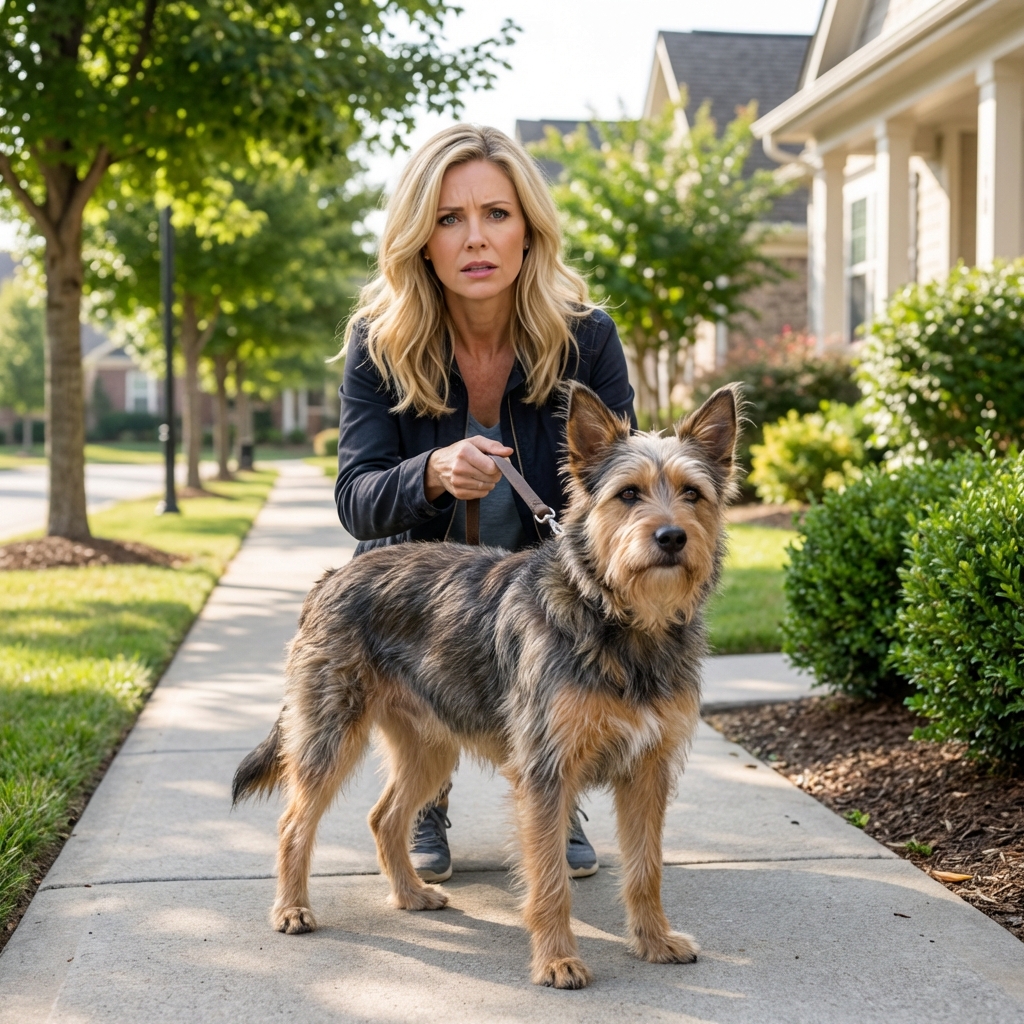
Boarding, visitors, storms, travel, new pets, or schedule changes can trigger gut upset. Stress diarrhea is real, and it often comes with restlessness and clingy behavior.
- Keep routine steady: same feeding times, calm walks, quiet rest periods.
- Offer frequent potty breaks so urgency does not lead to accidents.
Parasites
Giardia and intestinal worms can cause soft stool, mucus, and recurring bouts that seem to improve and then return. Puppies are especially vulnerable.
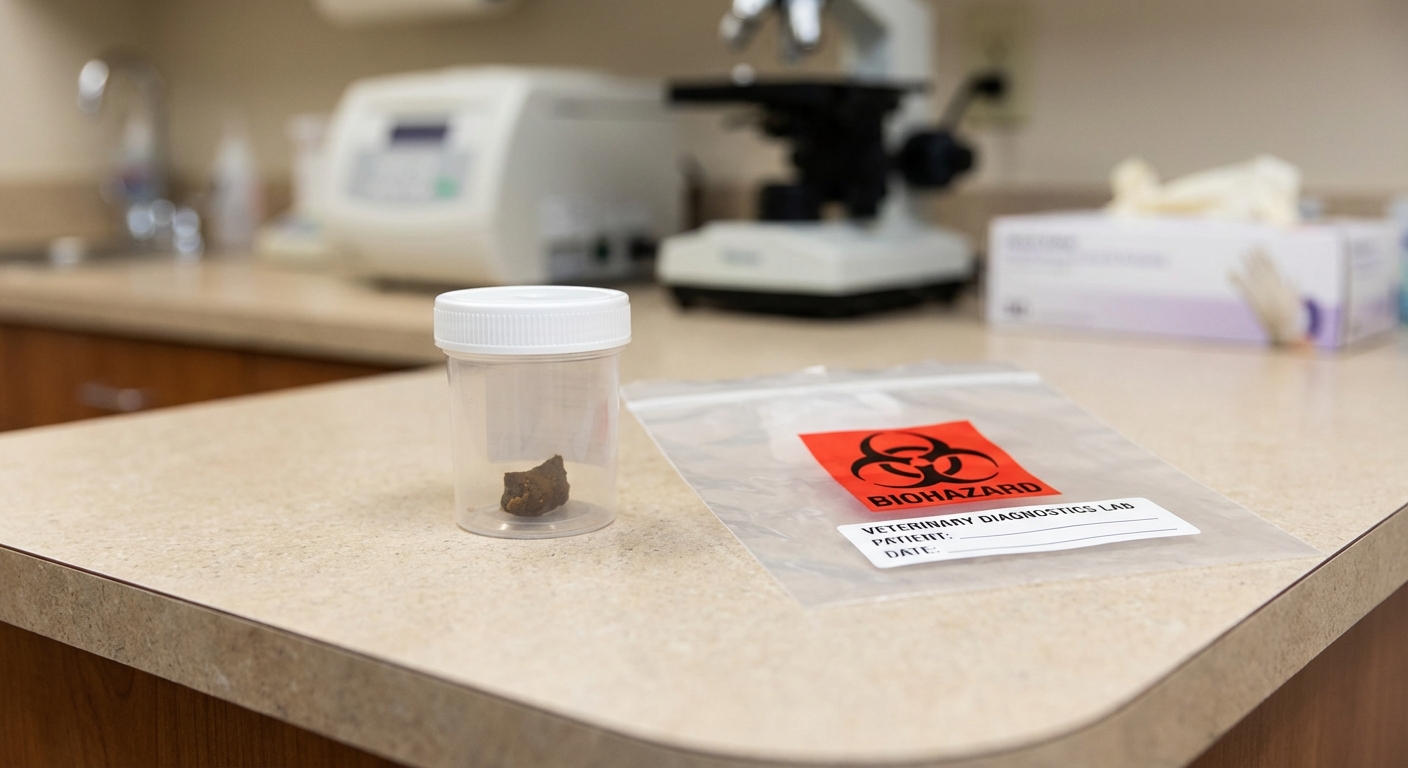
- Bring a fresh stool sample to your vet if diarrhea lasts more than 24 to 48 hours or keeps coming back.
- Keep picking up stool promptly to reduce reinfection risk.
Infections and inflammation
Bacterial imbalance in the gut (sometimes called dysbiosis), viral illness, or inflammatory bowel disease can cause more significant symptoms like vomiting, lethargy, and poor appetite. These are diagnoses your veterinarian sorts out based on the exam and testing.
- Do not start leftover antibiotics at home. It can make things worse and complicate testing.
- Schedule an exam if your dog seems off in any other way.
Medication side effects
Some dogs get diarrhea from antibiotics, NSAIDs, or new supplements.
- Call your vet before stopping prescription meds, but report the diarrhea quickly.
- Ask whether a probiotic is appropriate while on antibiotics.
Behavior clues
Your dog’s behavior is often the most useful early-warning system. Here is what I tell families to look for.
Okay to monitor briefly
- Normal energy
- Bright, alert, wants to eat
- Drinking water
- One or two loose stools with no blood
Call your vet
- Repeated vomiting or cannot keep water down
- Marked lethargy, hiding, or weakness
- Refusing food for more than one meal, especially in small dogs or puppies
- Pain signals: hunched posture, trembling, tense belly, crying when picked up
- Accidents and urgency that are unusual for your dog (can suggest large bowel inflammation)
- Black, tarry stool (dark, sticky stool that can indicate digested blood)
- Fresh blood that is more than a small streak, or persists beyond one episode
- Very large amounts of watery diarrhea, even without blood (fluid loss can add up quickly), especially in small dogs
Go in urgently
Please seek urgent veterinary care if you notice:
- Pale gums, collapse, or severe weakness
- Bloody diarrhea with vomiting or severe lethargy
- Swollen belly, unproductive retching (trying to vomit but nothing comes up), or signs of bloat
- Known ingestion of toxins (xylitol, rodent bait, grapes/raisins, medications)
- Possible foreign body: repeated vomiting, loss of appetite, painful abdomen
- Puppy or unvaccinated dog with diarrhea (parvovirus risk)
At-home care for mild diarrhea
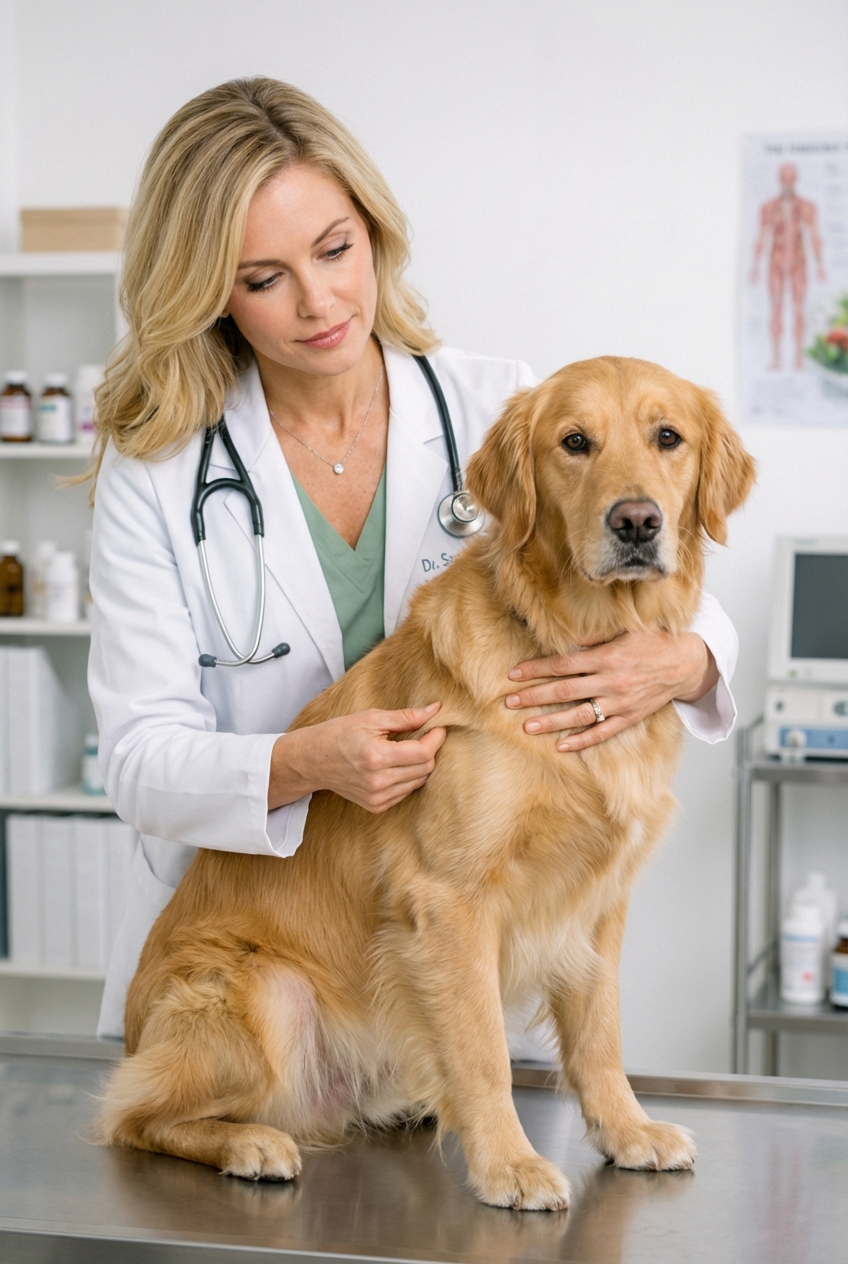
If your dog is acting normal and the diarrhea is mild, supportive care can help the gut reset. Always tailor this to your dog’s history, and call your vet first if your pet is a puppy, senior, pregnant, or has chronic disease.
1) Hydration first
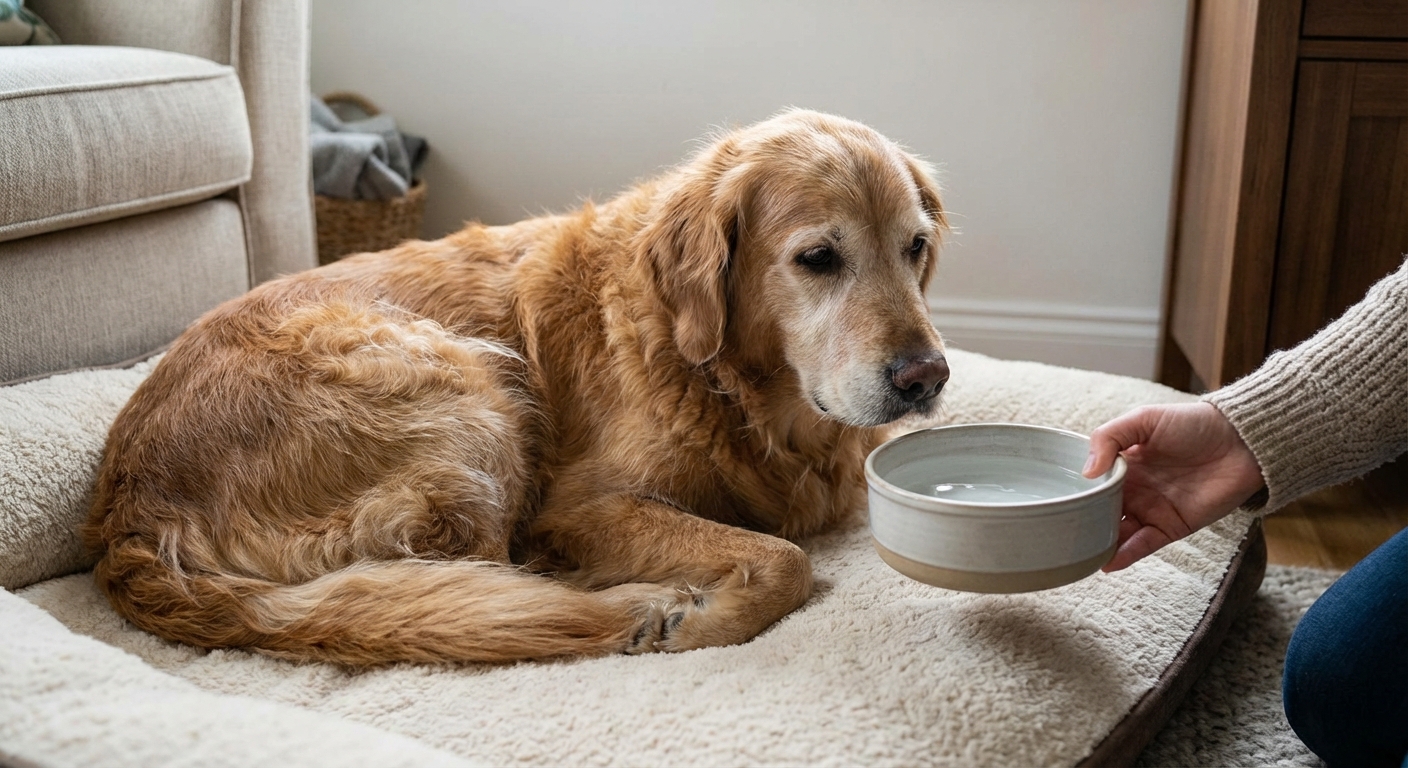
Diarrhea pulls water and electrolytes out of the body. Encourage drinking. If your dog refuses water or vomits it back up, that is a vet visit.
- Offer fresh water often.
- Ask your vet if an oral electrolyte solution is appropriate for your dog. Many human sports drinks have too much sugar or sodium, and products containing xylitol are toxic to dogs.
2) Quick dehydration check at home
You can do a rough check while you decide what to do next:
- Gums: they should feel moist, not tacky or dry.
- Skin tent: gently lift the skin over the shoulder blades and let go. It should snap back quickly in a well-hydrated dog.
These are not perfect tests, especially in puppies, seniors, and very thin or overweight dogs. If you are worried, call.
3) A short bland diet
For many dogs, a bland diet for 1 to 3 days helps stools firm up. This is short-term only because chicken and rice is not complete nutrition.
- Boiled skinless chicken breast with white rice
- Lean ground turkey with white rice
- Veterinary gastrointestinal diets if you have them on hand
Feed small portions more frequently. Once stools improve, transition back to the regular diet slowly over several days to avoid a relapse.
4) Probiotics can help
Veterinary probiotics can support the gut microbiome during mild diarrhea or after a diet slip. Use products made for dogs, and follow label dosing.
5) Avoid risky home medications
Do not give human anti-diarrhea medications unless your veterinarian specifically instructs you to. Some can be dangerous in herding breeds with the MDR1 mutation (for example, Collies, Australian Shepherds, and Shetland Sheepdogs), in small dogs, or if there is an infection or toxin involved.
How long is too long?
A practical rule of thumb:
- One isolated loose stool with normal behavior: monitor.
- Diarrhea lasting more than 24 to 48 hours: call your vet.
- Recurrent episodes (on and off for weeks): schedule an exam and bring a stool sample.
Puppies and toy breeds can dehydrate quickly, so the timeline is shorter for them. When in doubt, I would rather you call early than wait until your dog is worn out.
What your vet may recommend
Depending on your dog’s age, symptoms, and exam findings, your vet may suggest:
- Fecal testing (including Giardia screening)
- Parvovirus testing for puppies or unvaccinated dogs
- De-worming when indicated
- Supportive medications like anti-nausea meds, gut protectants, or prescription diets
- Bloodwork to check hydration status and organ function
- X-rays or ultrasound if a foreign body or pancreatitis is suspected
What to bring to the appointment
- A fresh stool sample: ideally from the same day, in a clean bag or container.
- Photos of the stool if you cannot collect a sample (color matters).
- A timeline: when it started, how often, and any vomiting.
- A list of foods, treats, chews, supplements, and medications given recently.
Prevention that works
The goal is fewer emergencies and a calmer gut day-to-day. These are my favorite evidence-based habits:
- Transition foods slowly over 7 to 10 days.
- Limit rich treats and introduce new chews one at a time.
- Keep trash secured and supervise outdoor time if your dog scavenges.
- Stay current on parasite prevention and routine fecal checks.
- Reduce stress with routine, enrichment, and predictable potty breaks.
- Know your dog’s normal: stool frequency, consistency, and energy level.
If you take one thing from this guide, let it be this: your dog’s gut health is closely tied to routine, diet consistency, and early action. Small changes, done steadily, make a big difference.