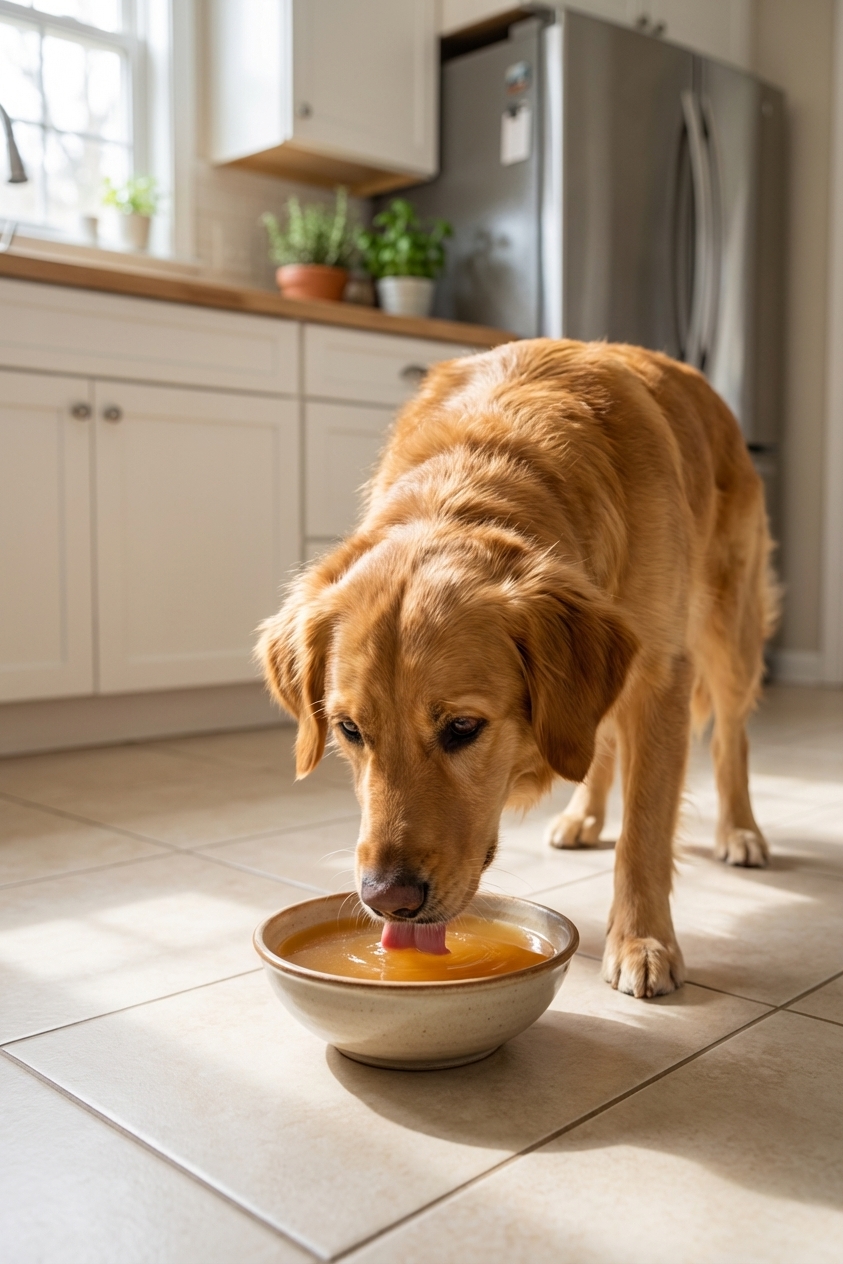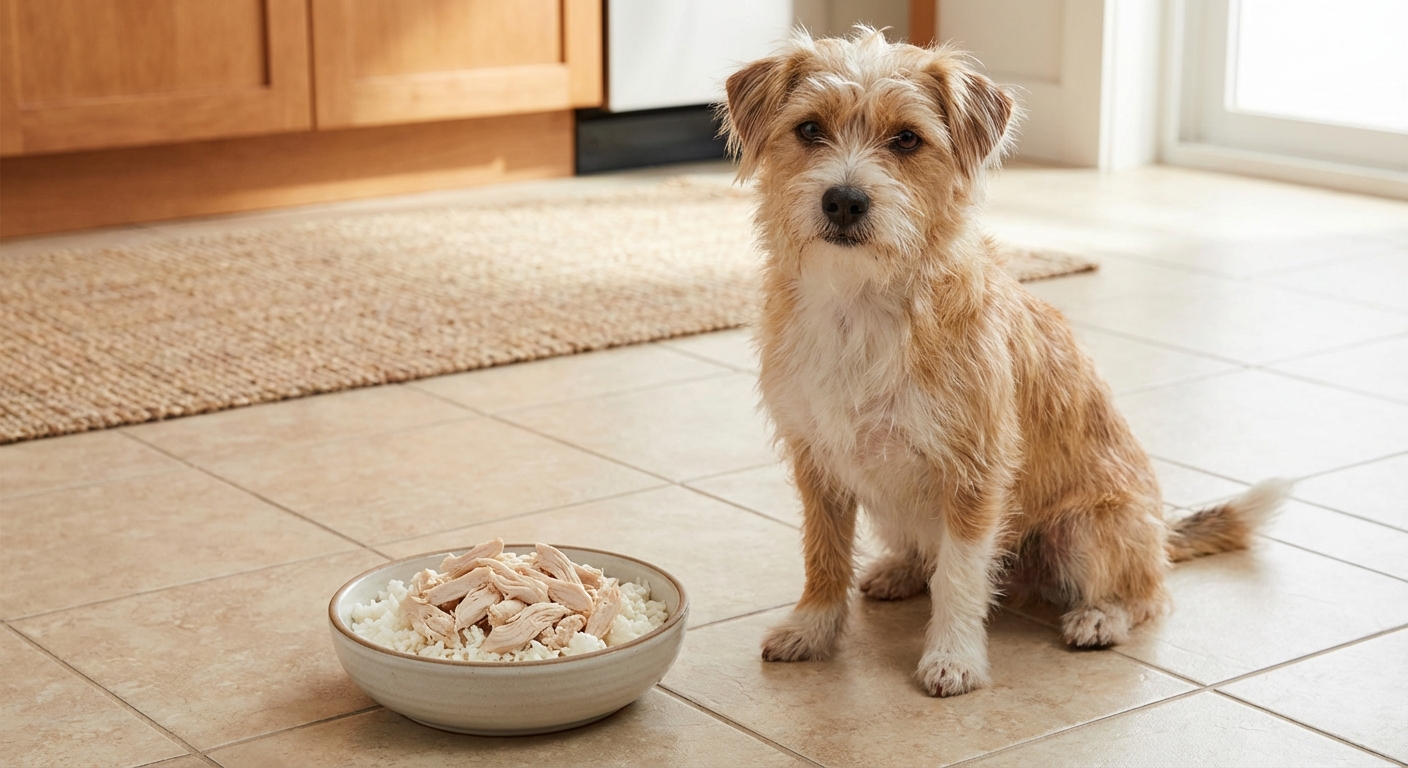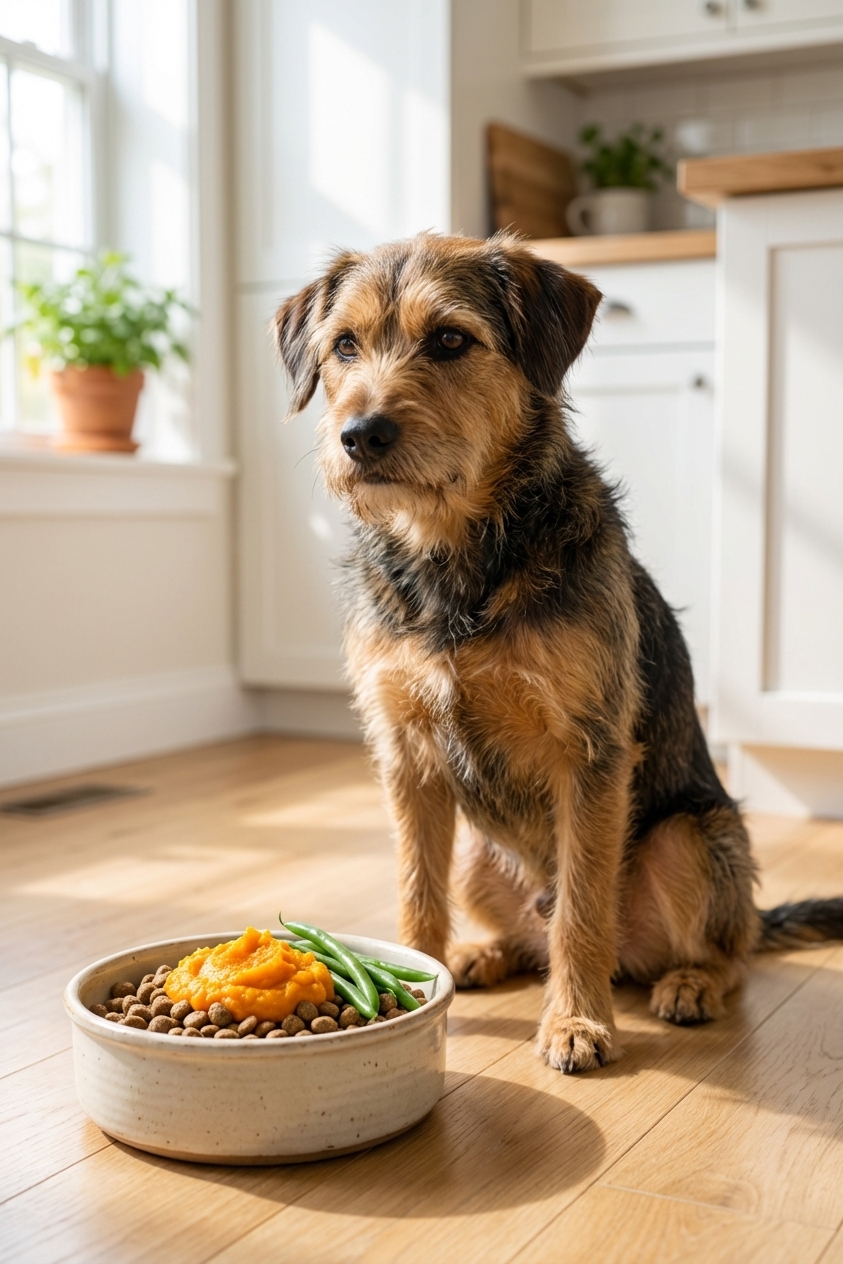
Make meals more tempting and nutritious with simple dog food toppers: bone broth, cooked eggs, sardines, pumpkin, and steamed veggies—plus portions, storag...
Article
•
Designer Mixes
Dogs and Cold Weather Care

Shari Shidate
Designer Mixes contributor
Cold snaps can feel exciting for us, but they can be genuinely hard on dogs. As a veterinary assistant here in North Texas, I see the same winter issues every year: chapped paws from de-icers, upset stomachs after eating snow or ice melt, flare-ups of arthritis, and pets that get cold faster than their families expect. Around here, the weather can swing fast, and those sudden freezes can catch people off guard.
The good news is that most cold weather problems are preventable with a few simple habits. Let’s walk through what your dog actually needs when temperatures drop, plus exactly when to call your vet.
How cold is too cold?
There is no single “safe temperature” for every dog. Cold tolerance depends on body size, coat type, body fat, age, health conditions, and even what your dog is used to.
That said, many family dogs need extra caution around 32°F (0°C), especially if it is windy or wet. Below about 20°F (-6°C), the risk of cold stress rises quickly for a lot of dogs. Treat these as general guardrails, not hard rules.
Dogs who need more help
- Small dogs and lean dogs (they lose body heat quickly)
- Puppies and senior dogs (they regulate temperature less efficiently)
- Short-coated breeds and dogs with thin fur
- Brachycephalic dogs (like Pugs and Bulldogs) who may struggle with efficient breathing and exercise tolerance
- Dogs with arthritis, heart disease, kidney disease, diabetes, or Cushing’s disease
- Dogs who are wet from rain, snow, or a bath (wet fur pulls heat away from the body)
If your dog is shivering, lifting paws, slowing down, or acting reluctant to walk, that is your dog telling you it is too cold.
Hypothermia and frostbite
These conditions are not just “extreme cold” problems. Wind, wet fur, and long exposure can raise risk quickly.
Possible hypothermia signs
- Shivering that does not stop
- Lethargy, weakness, or slowing down on a short walk
- Stiff muscles, reluctance to move
- Incoordination or acting disoriented
- Slow, shallow breathing or a slow heart rate (late sign)
- Pale or blue gums, collapse, or unresponsiveness (emergency)
Possible frostbite signs
- Very cold ears, tail tip, or paws
- Skin that looks pale, gray, or bluish
- Swelling, pain, blisters, or blackened tissue later on
If you suspect hypothermia or frostbite, call your veterinarian or an emergency clinic right away. Move your dog indoors and warm them gradually. Towel-dry wet fur, wrap in warm (not hot) blankets, and keep them in a comfortably warm room. If your dog is fully awake and able to swallow normally, you can offer a small amount of warm water. Avoid hot water bottles directly on skin, heating pads, or rubbing the area aggressively, as this can worsen tissue damage.
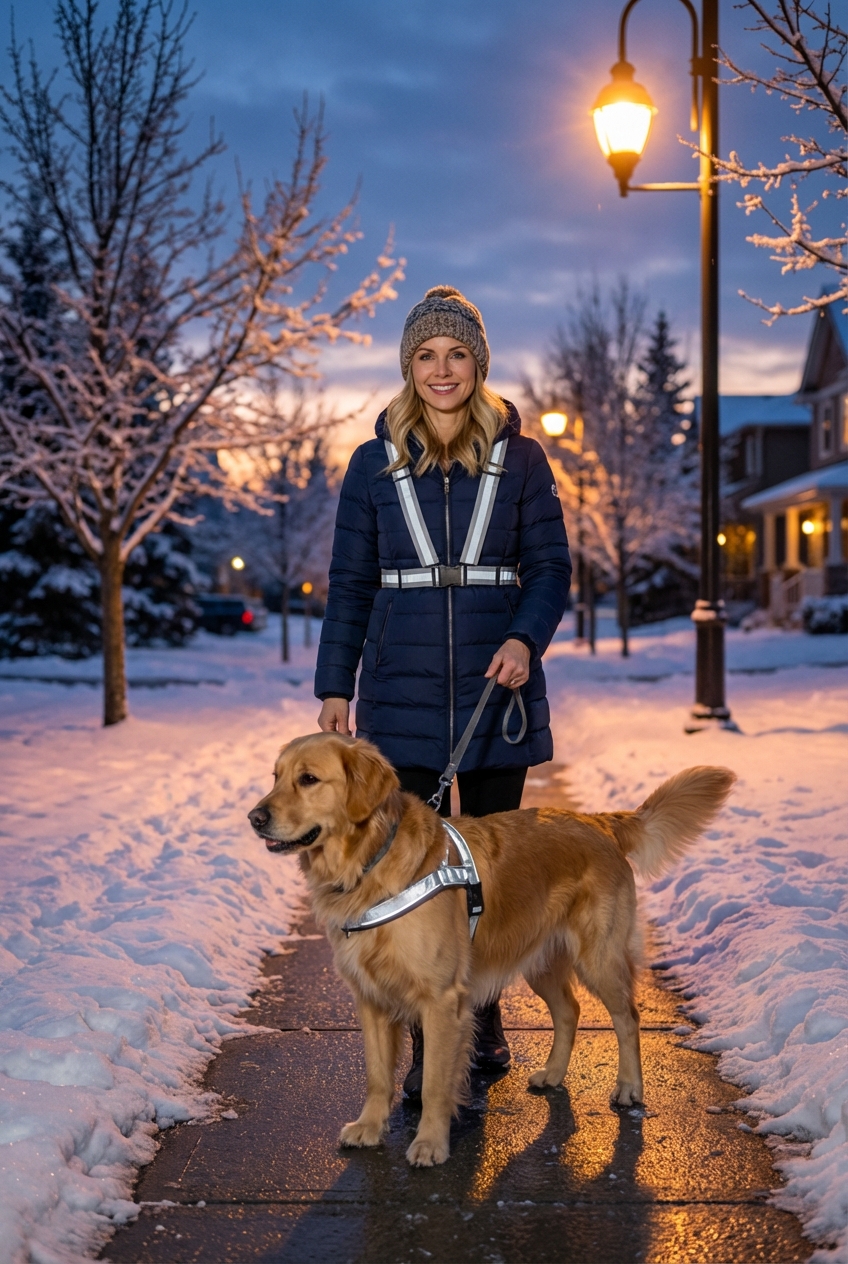
Winter walks
Cold weather does not mean your dog has to stop exercising. It means we adjust.
Simple upgrades
- Choose the warmest part of the day when possible.
- Keep walks shorter and add an extra potty break instead of one long outing.
- Warm up gently for dogs with arthritis with a slow start before faster walking.
- Use a reflective leash or light because winter days are darker.
- Skip thin ice on ponds and lakes. Dogs can fall through quickly.
Paw protection
Paws take the biggest hit in winter. Ice can cut the pads, and de-icing chemicals can irritate skin or cause chemical burns. Dogs also lick their feet, which can turn a paw problem into a stomach problem.
How to protect paws
- Boots are excellent for many dogs, especially in icy neighborhoods. Practice indoors first with short sessions and treats.
- If boots are a no-go, use a paw balm before walks to reduce cracking and irritation.
- Trim fur between paw pads to help prevent ice balls from forming.
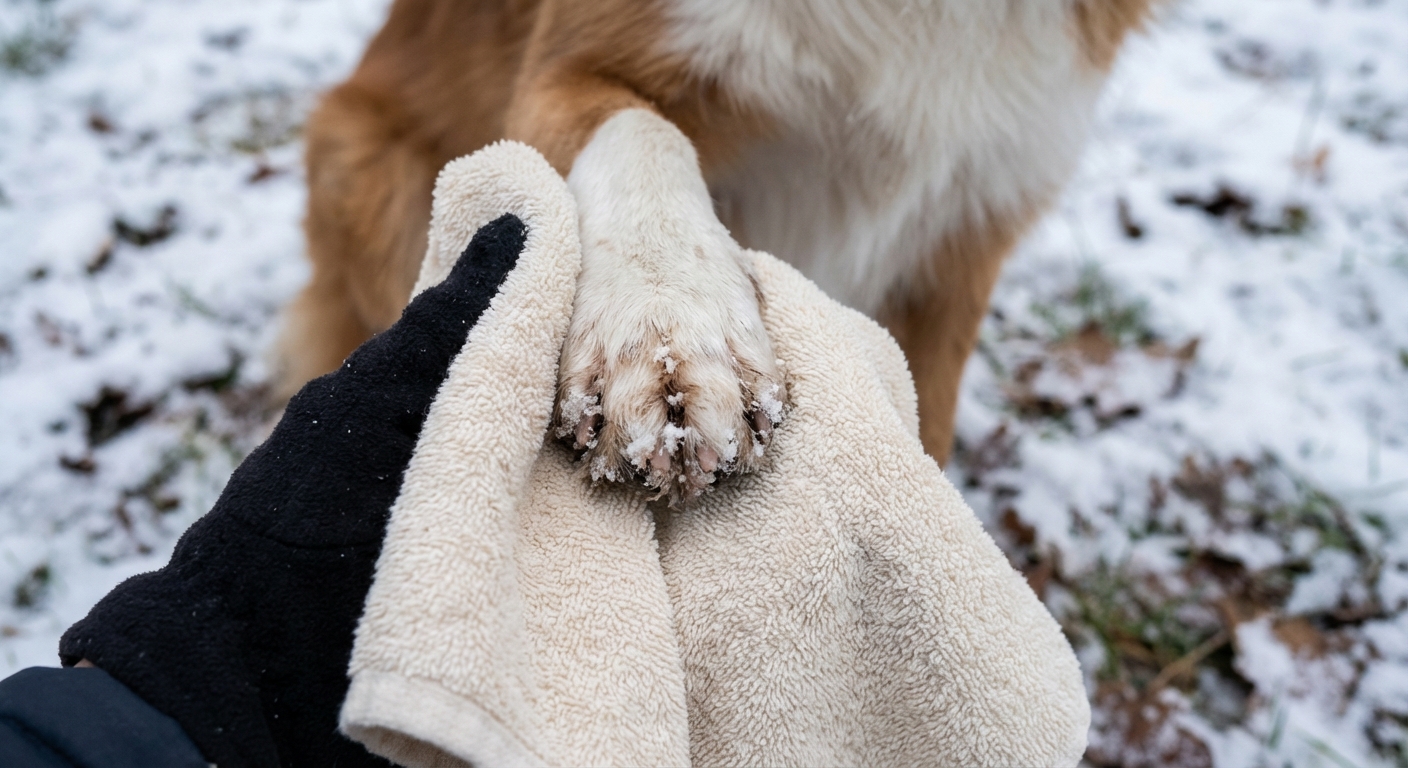
- Quick wipe and dry after walks, especially paws and belly.
What to check after a walk
- Look between toes and around nail beds for redness, swelling, or ice balls.
- Check pads for cracks, bleeding, or raw spots.
- Watch for limping, repeated licking, or “tiptoe” walking.
- Chemical irritation often looks like redness, tenderness, or shiny raw skin.
Ice melt safety
Look for “pet safer” de-icers, but know that “pet safe” does not mean “safe to eat.” Many products are still irritating to paws and stomachs. Avoid products that contain ethylene glycol. Even “safer” chloride salts can irritate skin and cause drooling, vomiting, and diarrhea if licked in larger amounts.
If you suspect your dog has licked ice melt or is drooling, vomiting, acting wobbly, or seems painful, contact your veterinarian or ASPCA Animal Poison Control.
Coats and indoor warmth
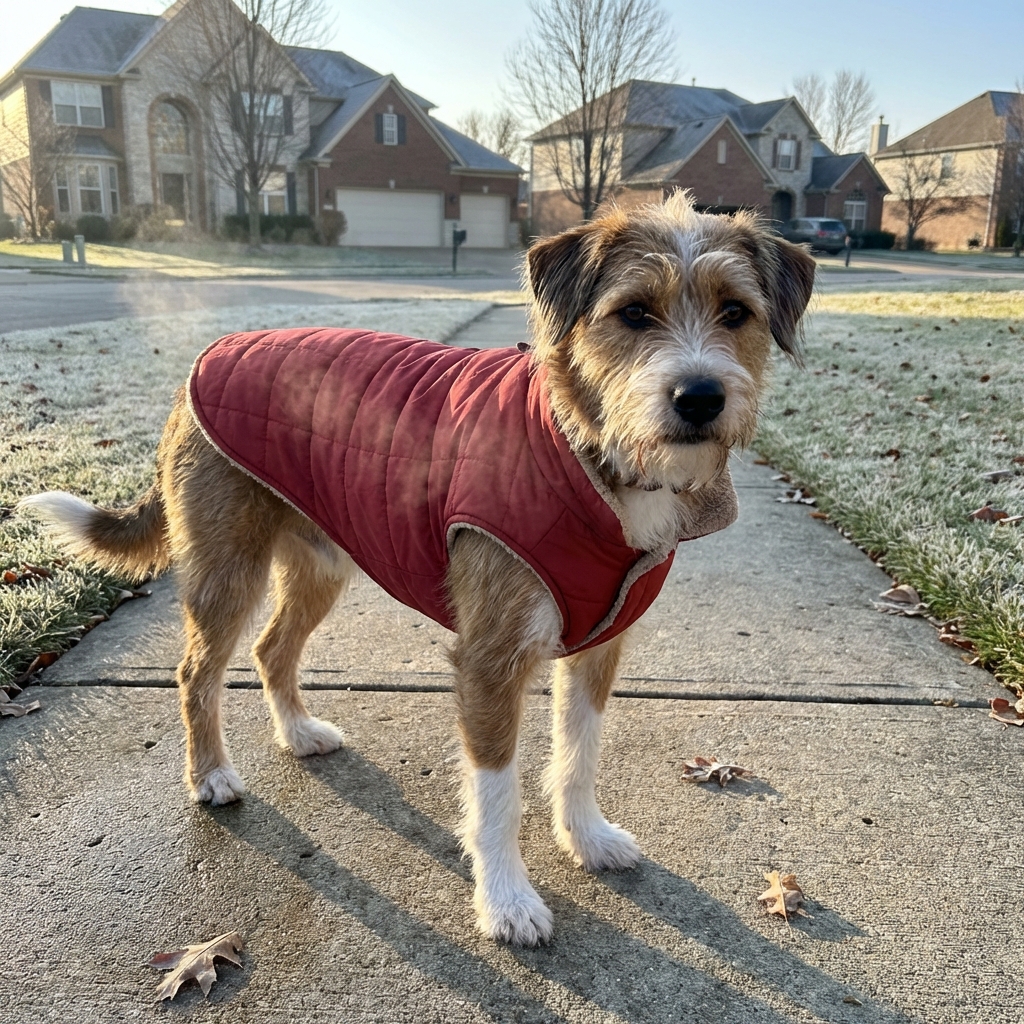
Some dogs truly benefit from a coat in cold weather. A properly fitted coat should cover the chest and core, allow full shoulder movement, and stay dry. For rainy cold days, a water-resistant outer layer helps prevent the deep chill that comes from wet fur.
At home
- Provide a warm sleeping spot away from drafts, ideally with a raised bed or thick padding.
- Senior dogs often do best with extra cushioning for joints.
- Avoid space heater hazards such as cords that can be chewed or heaters placed too close to bedding.
- Never leave a dog in a cold car. Cars get cold fast, and temperatures can become unsafe quickly.
Outdoor dogs
If your dog lives outdoors, cold snaps are a serious risk. In North Texas, sudden freezes and wind can make an “okay” setup unsafe quickly. If at all possible, bring your dog inside during hard freezes.
If a dog must be outside
- Provide an insulated, dry shelter that blocks wind, with bedding that stays dry.
- Keep water available and check bowls for freezing.
- Increase checks and limit time outdoors during the coldest hours.
- Watch closely for shivering, lethargy, and paw lifting. These are early warnings.
Food and water
Many dogs burn a little more energy staying warm, especially if they are active outside. Others become less active and may need fewer calories. The right plan depends on your dog’s body condition and activity level.
Practical tips
- Keep fresh water available. Indoor heating can be dehydrating.
- Do not rely on snow for hydration, and discourage snow eating, especially near sidewalks and driveways where ice melt can collect.
- If your dog is more active in winter, ask your vet if a small calorie increase makes sense.
- If your dog is less active, monitor weight and consider trimming treats first.
If you like adding wholesome “real food” toppers, stick with simple, dog-safe options like a spoon of plain cooked chicken, a little pumpkin, or some warm low-sodium broth over food. Small additions can improve hydration and appetite without unbalancing the diet.
Grooming basics
That fluffy winter look is not always the healthiest choice. Mats can trap moisture against the skin and make dogs colder. A clean, brushed coat insulates better than a matted coat.
What helps
- Brush regularly to prevent mats, especially behind ears, under collars, and in “armpits.”
- Dry thoroughly after baths or rainy walks. Pay attention to paws, belly, and between toes.
- Skip shaving double-coated breeds unless your veterinarian recommends it for a medical reason. Their coat structure helps with temperature regulation.
Home hazards
Antifreeze is an emergency
Ethylene glycol antifreeze can be deadly, even in small amounts. It has a sweet taste that attracts pets. If you suspect exposure, treat it as an emergency and seek immediate veterinary care.
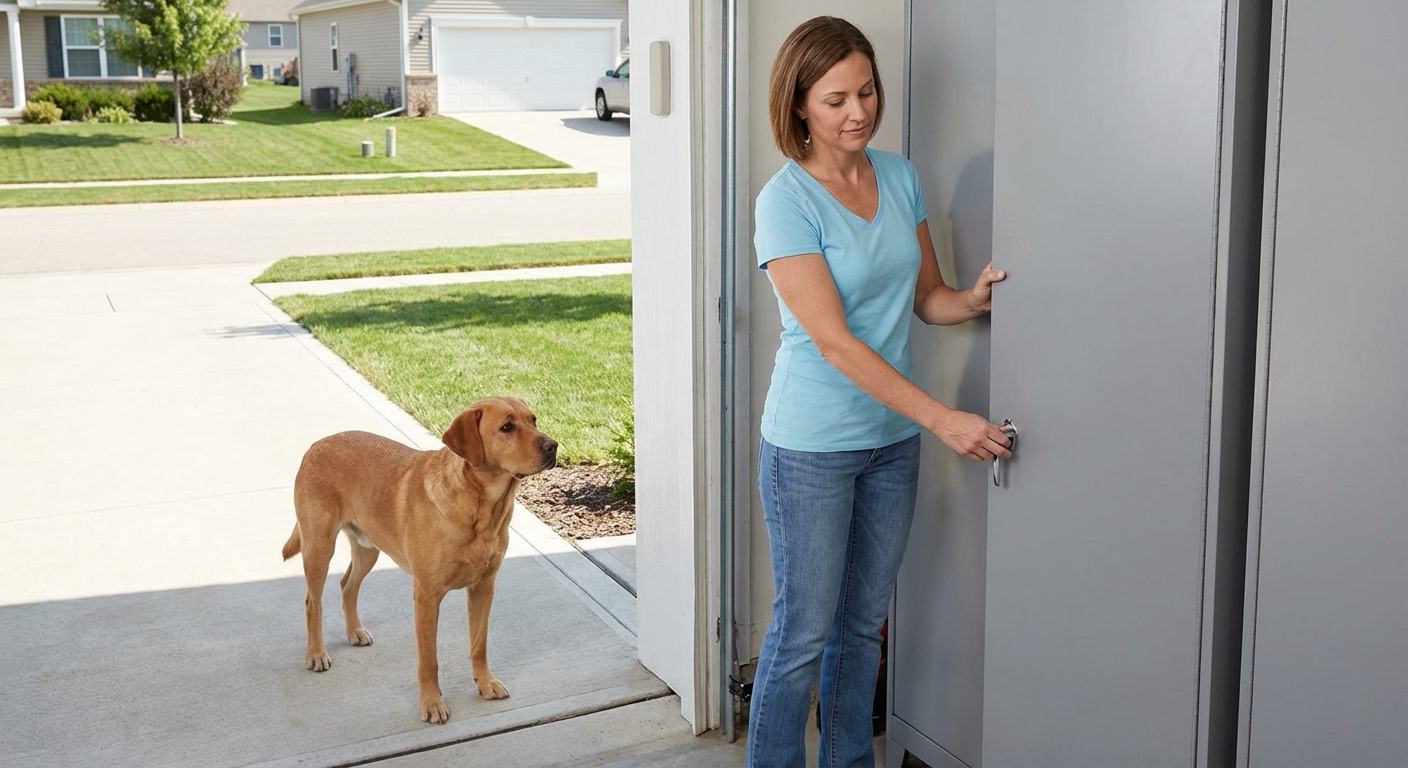
Garage and yard risks
- Antifreeze drips in the driveway or garage
- Rodenticides used during colder months
- Heaters and cords
- Ice melt stored where pets can chew the bag
Winter ID reminder
Storms and cold snaps can mean more lost pets. Make sure your dog has current ID tags and a registered microchip. If your dog wears a coat, check that the collar and tags are still visible and that nothing is rubbing.
When to call the vet
Trust your instincts. If your dog seems “off” after cold exposure, it is better to ask than to wait.
- Persistent shivering, lethargy, weakness, or acting disoriented
- Incoordination, slow breathing, or a slow heart rate
- Pale or blue gums
- Vomiting, drooling, or pawing at the mouth after a walk (possible toxin exposure)
- Limping, swollen paws, cracked pads, or bleeding
- Sudden worsening of arthritis pain or inability to get up comfortably
- Any suspected antifreeze exposure
If arthritis flares up in cold weather, call your vet about safe options. Do not give human pain medications unless your veterinarian specifically instructs you to, because several are dangerous for dogs.
Warmth, paw care, and smart walk choices prevent most winter problems. Small changes now can spare your dog a lot of pain later.
Quick checklist
- Shorter walks in very cold, windy, or wet weather
- Coat for dogs that shiver or have thin fur
- Paw protection, then wipe, inspect, and dry after every outing
- Fresh water available, do not rely on snow
- Warm, draft-free sleeping spot with padding
- Antifreeze and ice melt stored securely
- Tags on, microchip info up to date
If you take just one step today, make it this: wipe, inspect, and dry your dog’s paws after winter walks. It is simple, it prevents irritation, and it reduces the chance your dog will lick something that upsets their stomach.