Chocolate can be toxic to dogs. Use this step-by-step guide to assess risk by type and amount, spot symptoms early, avoid unsafe home remedies, and know when...
Article
•
Designer Mixes
Dogs and Chocolate: Symptoms, What to Do, and Prevention

Shari Shidate
Designer Mixes contributor
Chocolate and dogs do not mix. Even though it feels like a “fun” treat to share, chocolate contains compounds that dogs process very differently than people do. In the veterinary world, chocolate ingestion is a common and preventable emergency, especially around holidays, parties, and family movie nights. ASPCA Animal Poison Control also routinely lists chocolate among the top pet toxins they receive calls about.
If your dog got into chocolate, take a breath. In many cases, quick action makes a big difference. Below, I will walk you through what symptoms to watch for, why some chocolate is more dangerous than others, what to do right now, and how to keep it from happening again.
Note: This article is for education and is not a substitute for veterinary care. If you are worried, call your veterinarian, an emergency clinic, or a pet poison hotline.
Why chocolate is toxic
Chocolate is made from cacao, which contains methylxanthines, mainly theobromine and a smaller amount of caffeine. People metabolize these faster than dogs. Dogs break them down slowly, so the compounds can build up and overstimulate the nervous system and heart.
Chocolate toxicity can cause:
- GI irritation (vomiting, diarrhea, abdominal pain)
- Central nervous system stimulation (restlessness, tremors, seizures)
- Heart effects (rapid heart rate, abnormal rhythms)
- Dehydration from vomiting, diarrhea, and panting
Chocolate risk by type
Not all chocolate is equally dangerous. Generally, the darker and more concentrated the chocolate, the more theobromine it contains.
Higher risk
- Baking chocolate (very concentrated)
- Cacao nibs
- Dark chocolate
Moderate risk
- Milk chocolate
- Chocolate chips (can vary by brand and cocoa percentage)
Lower risk (still not safe)
- White chocolate (low theobromine, but high fat and sugar, which can still cause vomiting and diarrhea and may contribute to pancreatitis)
Important: “Chocolate candy” can also include other hazards like xylitol (sometimes labeled as “birch sugar”), raisins, macadamia nuts, alcohol, and extra caffeine. Wrappers and foil can also cause intestinal blockage. Check the label if you have it. Xylitol is extremely dangerous to dogs.
Symptoms to watch for
Symptoms often start within 2 to 12 hours, but can show up later, sometimes up to 24 hours, depending on the amount eaten, your dog’s size, and what else was in the stomach.
Early or mild signs
- Vomiting
- Diarrhea
- Excessive thirst
- Restlessness, pacing
- Panting
More serious signs
- Fast heart rate
- Hyperactivity and agitation
- Muscle tremors
- Weakness or wobbliness
- Elevated body temperature
Emergency signs
- Seizures
- Collapse
- Severe tremors that will not stop
- Abnormal heart rhythm (may look like fainting or sudden weakness)
If you notice tremors, seizures, collapse, or severe lethargy, treat it as an emergency and go to an ER veterinary hospital now.
What to do right now
Time matters, and the safest plan is based on your dog’s weight, what type of chocolate, and how much was eaten.
1) Gather details
- Your dog’s weight
- The type of chocolate (dark, milk, baking, chips, brownies, etc.)
- The amount eaten (ounces, number of squares, size of bar, number of cookies)
- The time it happened (best estimate)
- Any ingredients on the label, especially xylitol, raisins, nuts, alcohol, caffeine
2) Call for help
Contact your veterinarian, an emergency veterinary hospital, or a pet poison hotline. They can calculate risk based on the estimated mg per kg theobromine exposure and your dog’s details, then tell you what to do next. If you use a hotline, be prepared for a consultation fee.
If you want a reputable, case-specific tool, ask your veterinarian or poison professional if they recommend using a trusted chocolate toxicity calculator, such as resources associated with veterinary poison control services, rather than relying on social media charts.
3) Avoid home fixes
Do not give hydrogen peroxide, salt, oils, milk, or any “detox” tricks unless your vet specifically instructs you. Inducing vomiting incorrectly can cause aspiration pneumonia or make things worse in certain dogs (brachycephalic breeds, dogs with seizure history, dogs already showing neurologic symptoms).
Also avoid feeding a large meal to “soak it up.” It can complicate vomiting instructions and does not neutralize the toxin. Follow professional guidance about food and water.
4) Be ready to go in
If your vet recommends an exam, bring:
- The packaging or a photo of the label (ingredients, cocoa percentage)
- Your best estimate of how much was eaten
- The time of ingestion
- Any new symptoms you have noticed
5) What treatment may include
Depending on the situation, your vet may recommend:
- Decontamination (inducing vomiting if safe, activated charcoal)
- Repeat activated charcoal in some cases (theobromine can recirculate)
- IV fluids to support hydration and help the body clear toxins
- Heart monitoring for arrhythmias
- Medications to control tremors, agitation, nausea, or seizures
The good news is that many dogs do very well with prompt treatment.
How much is too much?
There is no universal safe amount because toxicity depends on theobromine dose, which varies widely by chocolate type and recipe. A small dog can get very sick from what looks like a small amount, especially if it is dark or baking chocolate.
As a practical rule: if your dog ate any dark chocolate, baking chocolate, cocoa powder, or an unknown amount, it is worth calling immediately. If your dog ate milk chocolate, you still want to call, especially for small dogs or large quantities.
If you are debating whether it “counts,” it counts. Call and get a quick, weight-based answer.
Common accident scenarios
Chocolate poisonings often happen during happy moments, not neglect. Here are a few real-life scenarios I see over and over:
- Holiday candy bowls left on a coffee table
- Kids’ backpacks with candy stashed inside
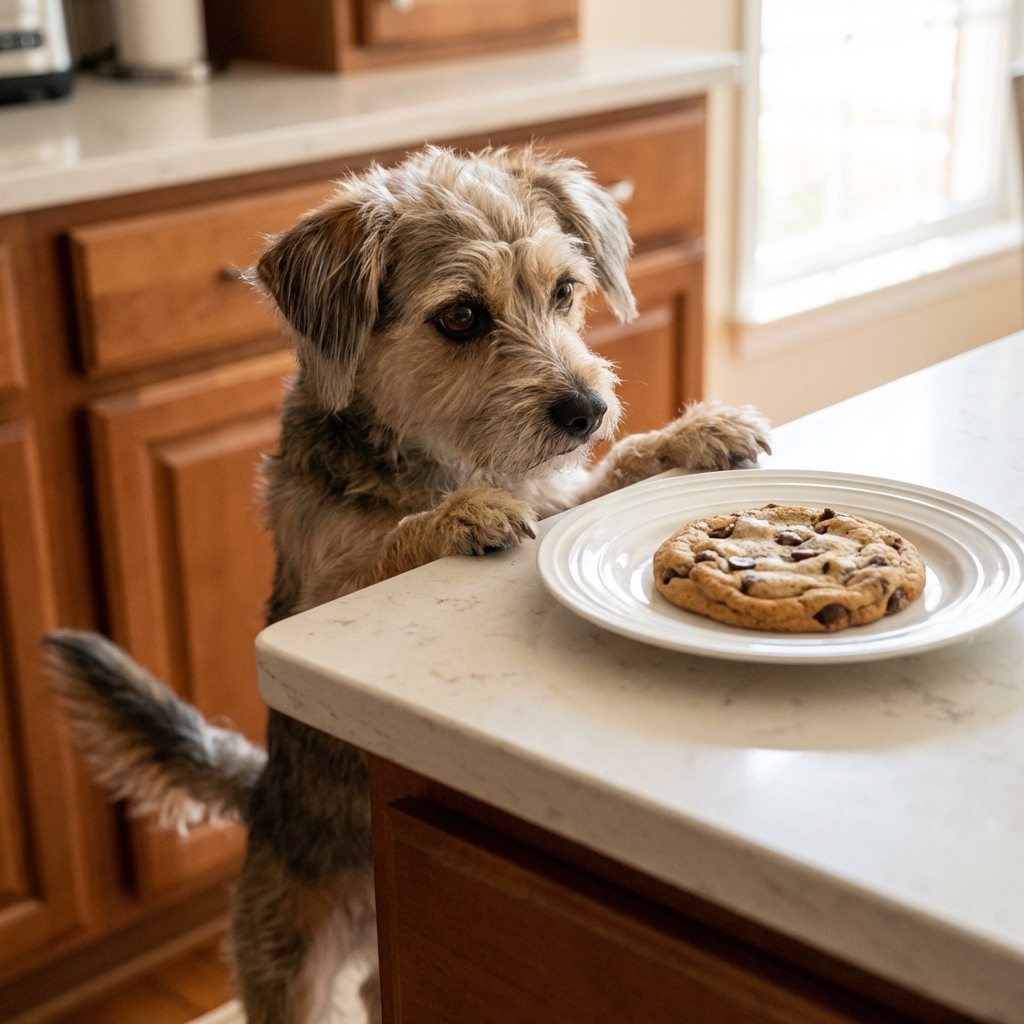
- Brownies on the counter cooling (dogs are expert counter-surfers)
- Gift boxes of assorted chocolates under a tree
- Trash raids after a party
Prevention that works
Prevention is not about perfection. It is about setting up the house so your dog cannot make a dangerous choice.
High-impact tips
- Store chocolate high and behind a door (a pantry or cabinet, not just “out of reach”)
- Use a lidded trash can or keep trash behind a closed door
- Teach “leave it” and “drop it” with daily practice using safe treats
- Party-proof your home by clearing tables before guests arrive
- Ask visitors not to feed your dog people food unless you approve it
Dog-safe treat swaps
If you want that special-treat moment, choose dog-safe options instead of chocolate:
- Small pieces of apple (no seeds)
- Blueberries
- Banana slices
- A spoon of plain yogurt (if your dog tolerates dairy)
- Dog treats made with carob (carob is not chocolate and does not contain theobromine)
When to go to the ER
Skip the wait-and-see approach and go now if:
- Your dog ate baking chocolate, cocoa powder, or cacao nibs
- Your dog is small and ate an unknown amount
- You see tremors, seizures, collapse, or extreme agitation
- Your dog has heart disease, is very young, or is a senior
- The chocolate product may contain xylitol or raisins
If you are unsure, call on the way. Most clinics would rather talk you through it early than see a crisis later.
Quick FAQ
My dog ate chocolate but seems fine. Can I just monitor?
Maybe, but do not guess. Call your vet with the details. Some dogs look normal early on, then worsen as theobromine absorbs.
Is chocolate poisoning fatal?
It can be, especially with high doses or delayed treatment. With quick care, many dogs recover fully.
What about chocolate ice cream?
It still contains cocoa, plus a lot of sugar and fat. It can cause GI upset, and in some dogs may trigger pancreatitis.
Final encouragement
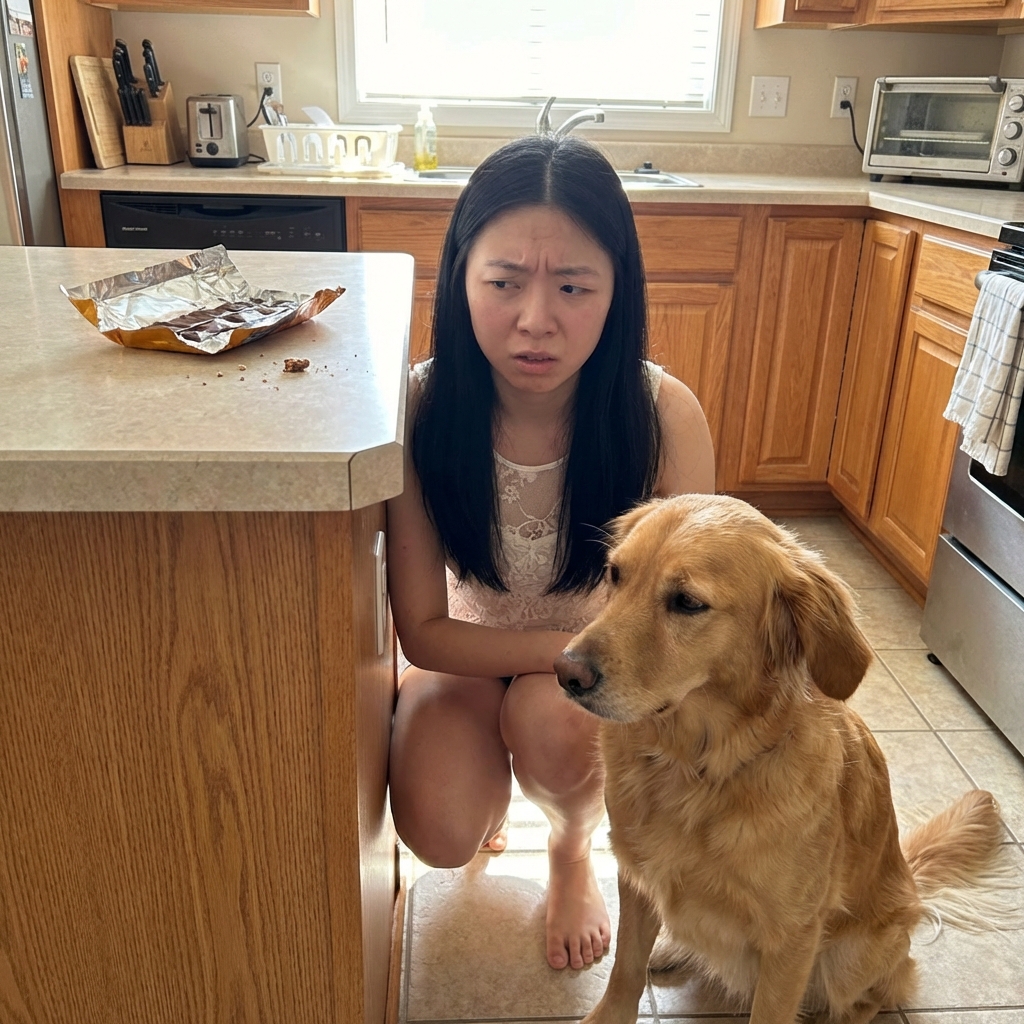
If your dog got into chocolate, you are not a bad pet parent. Dogs are fast, curious, and motivated by smell. The best next step is a calm, informed response and a quick call for professional guidance.
And moving forward, a few small home tweaks can prevent this from ever happening again.