Understand canine cognitive dysfunction (dog dementia): early DISHAA signs, what mimics CCD, how vets diagnose it, and practical treatment, diet, routine, an...
Article
•
Designer Mixes
Doggie Dementia: Overview & Care

Shari Shidate
Designer Mixes contributor
When a sweet senior dog starts pacing at night, getting stuck behind furniture, or staring into space, it can feel scary and confusing. Many families assume it is just old age, but there is a name for many of these changes: Canine Cognitive Dysfunction (CCD), often called doggie dementia.
As a veterinary assistant here in Frisco, Texas, I want you to know two things. First, you are not alone. Second, while CCD is not something we can cure, many dogs can improve with the right support. A thoughtful plan can reduce anxiety, improve sleep, and help your dog stay comfortable and safe. That plan usually includes veterinary care, home adjustments, enrichment, and nutrition tailored to the aging brain.
Important note: This article is educational, not a diagnosis. Your veterinarian will help confirm what is going on and build the best plan for your dog.
What is CCD?
Canine Cognitive Dysfunction (CCD) is a progressive, age-related decline in brain function. It is often compared to Alzheimer’s disease in people because some signs can look similar, but it is not the same disease.
CCD is most common in senior dogs, and risk increases with age. Many dogs show subtle early signs that are easy to miss, especially when changes happen gradually.
What may be happening
There is still a lot to learn, but age-related changes in the brain may involve oxidative damage, inflammation, and shifts in brain signaling chemicals. For most families, the takeaway is simple: CCD tends to respond best to a combination approach that supports the body and the brain, rather than one single fix.
Common signs: DISHAA
Veterinary teams often group CCD signs into the DISHAA acronym. Not every dog has every sign, and symptoms can fluctuate day to day.
- D: Disorientation (seems lost in familiar rooms, gets stuck in corners, stares at walls)
- I: Interactions changed (less social, clingier, irritable, does not greet as usual)
- S: Sleep-wake changes (restless at night, sleeps more during the day)
- H: House soiling (accidents despite being previously well housetrained)
- A: Activity changes (pacing, wandering, reduced play, repetitive behaviors)
- A: Anxiety (new fears, separation distress, increased vocalizing)
Important: These signs can also occur with pain, arthritis, vision or hearing loss, urinary tract infections, kidney disease, endocrine conditions, medication side effects, or other neurologic disease. That is why a vet visit is step one.
When to see the vet
If you notice changes that persist for more than a week or two, schedule an exam. If your dog suddenly seems confused or different, call sooner. Sudden changes deserve prompt attention because they can point to infections, toxin exposure, pain, or other urgent issues.
Urgent red flags
Seek urgent veterinary care (same day or emergency) if you see any of the following:
- Seizures, collapse, or fainting
- Sudden inability to walk, severe weakness, or severe wobbliness
- Head tilt, rapid eye movements, or sudden loss of balance
- Severe pain, crying out, or a tense painful abdomen
- Not eating or drinking, repeated vomiting, or severe diarrhea
- Suspected toxin exposure (including human medications, THC products, xylitol, rodent bait)
- Sudden, extreme disorientation or agitation that is not settling
What your veterinarian may do
- History and behavior review (bring notes and videos if you can)
- Physical and neurologic exam
- Basic lab work such as bloodwork and urinalysis to rule out common medical causes
- Blood pressure check and sometimes additional testing based on symptoms
- Discussion of treatment options to support sleep, anxiety, pain, and cognition
Even when CCD is the likely diagnosis, the best care plans start by identifying what else is going on. Many senior dogs have more than one issue at the same time, like arthritis plus cognitive decline.
Daily care at home
Dogs with CCD do best with predictability. Think fewer surprises, clearer cues, and safer spaces. Small adjustments can reduce anxiety and help your dog feel more confident.
1) Keep routines steady
- Feed, walk, and give medications at the same times daily.
- Use consistent words for cues and keep them simple.
- Avoid rearranging furniture when possible.
2) Make the home safer
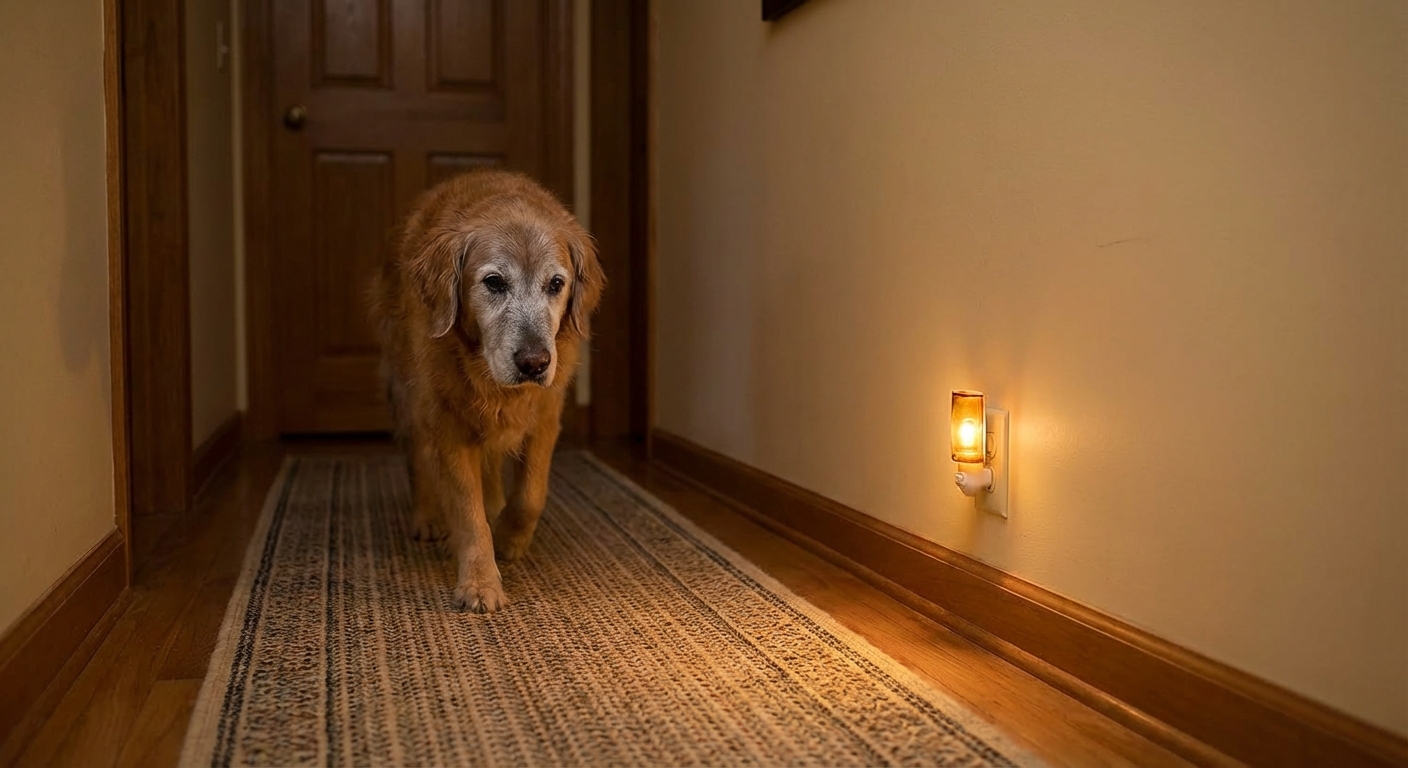
- Use night lights in hallways and near water bowls.
- Add non-slip rugs or runners for traction, especially if arthritis is present.
- Block off stairs or hazardous areas with baby gates.
- Provide a few easy-to-access resting spots so your dog can settle without wandering.
3) House soiling: respond kindly
Accidents are not bad behavior. They are a sign something has changed, whether that change is cognitive, physical, or medical.
- Increase potty breaks, especially after meals and before bedtime.
- Consider a consistent potty route and cue.
- Use washable pads if needed, and clean accidents with an enzymatic cleaner.
- Ask your veterinarian to rule out a UTI, kidney issues, diabetes, or incontinence.
4) Night pacing: set up for success
- Try a gated safe room or exercise pen with a familiar bed, water, and a night light.
- Use waterproof bedding or washable layers to reduce stress if accidents happen overnight.
- Keep floors clear and add traction to reduce slips.
- Ask your vet about pain control, anxiety support, or sleep aids when appropriate.
5) Wandering safety
- Make sure your dog wears an ID tag and consider microchipping if not already done.
- Keep doors and gates secured, especially during busy household times.
Enrichment
We want to keep the brain engaged, but we also want to prevent frustration. Short, successful sessions are better than long ones.
Easy ideas
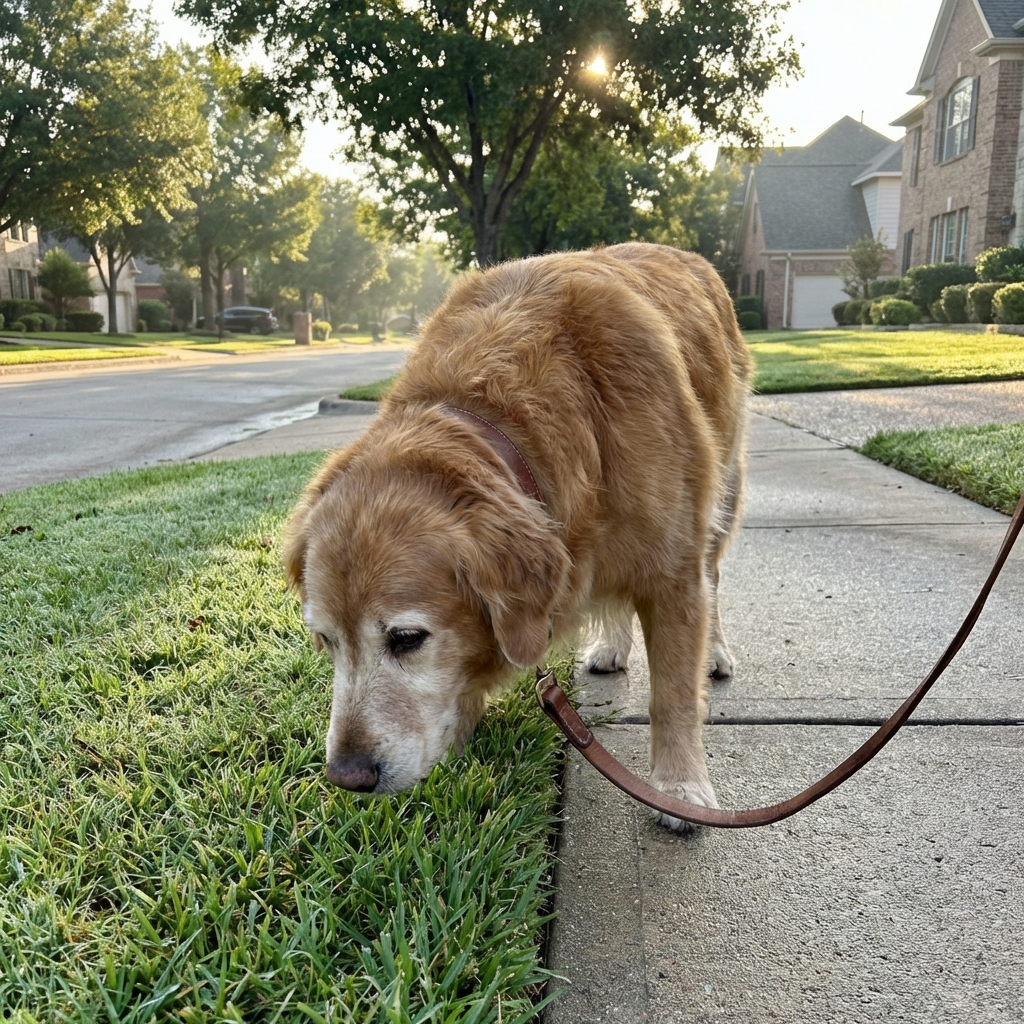
- Sniff walks: slow walks where your dog can stop and smell.
- Food puzzles set to an easy level, or a snuffle mat.
- Find it games: toss a few treats nearby and let your dog search.
- Gentle training refreshers: simple cues like touch or sit using rewards.
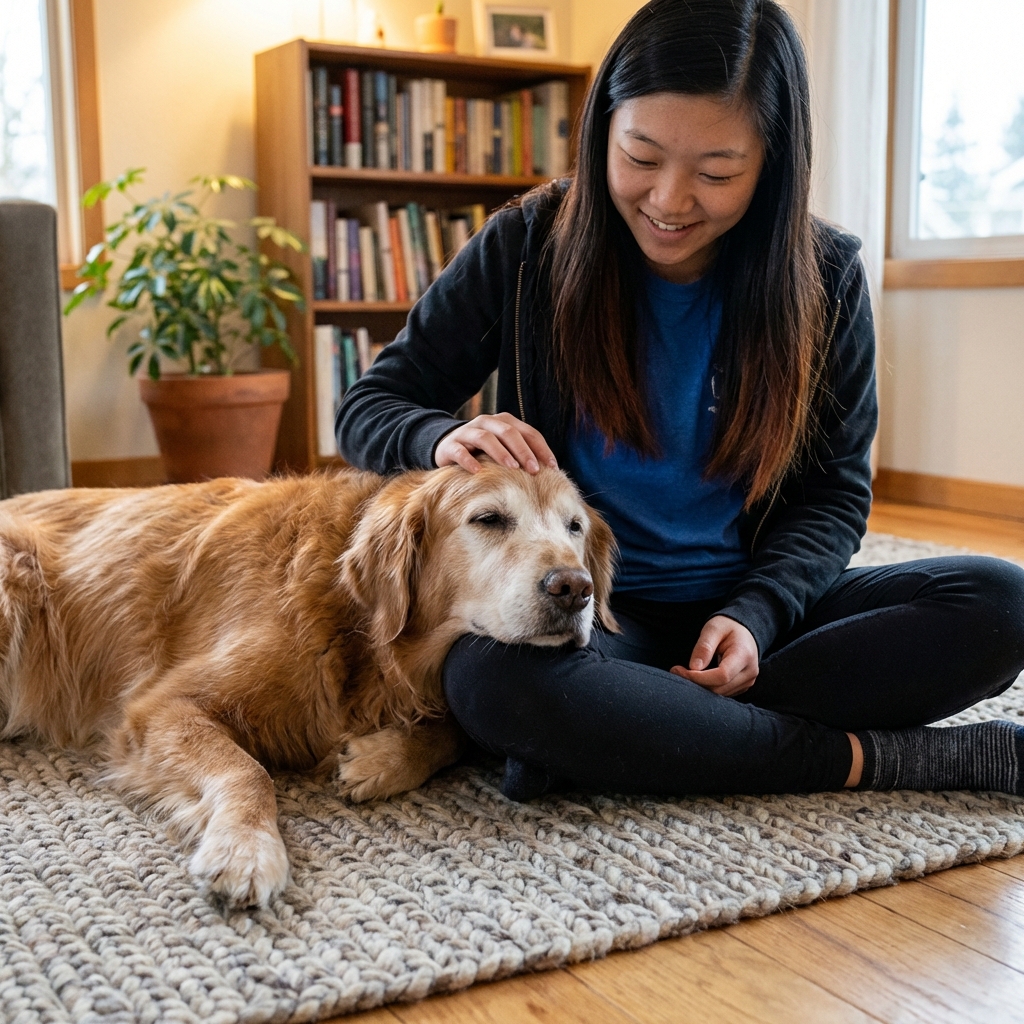
- Massage and grooming: calming touch can reduce stress.
If your dog seems more anxious after an activity, scale back. With CCD, we aim for calm confidence.
Nutrition
Food cannot fix CCD, but nutrition can support overall health and may help the brain cope with aging. Many veterinarians recommend diets formulated for cognitive support, and some dogs benefit from carefully chosen supplements.
A quick caution: Evidence and effectiveness can vary by ingredient, product quality, and dose. Senior dogs often have other conditions (like kidney disease or pancreatitis) that change what is safe. Please use your vet as your guide.
What to ask your vet about
- Omega-3 fatty acids (DHA and EPA) for brain and inflammation support
- Antioxidants (such as vitamin E and other compounds) to support aging tissues
- MCTs (medium-chain triglycerides) in certain veterinary diets or formulations, which may provide an alternative energy source for the brain in some dogs
- Joint support if mobility pain is contributing to restlessness or sleep issues
If you are considering homemade or partly homemade food, please do it in a balanced way. Senior dogs still need the right levels of protein, calcium, and key vitamins. A veterinary nutritionist can help you build a plan that supports cognition and keeps meals complete and safe.
Action step: Bring a list of everything your dog eats, including treats and supplements, to your next vet visit. It helps your team make safer recommendations and avoid ingredient overlap.
Medications and supplements
Your veterinarian may recommend prescription options, supplements, or behavior strategies depending on your dog’s symptoms. Some dogs need support for anxiety, sleep disturbances, or underlying pain. Others benefit most from environmental changes and a consistent routine.
One commonly discussed prescription option for CCD is selegiline, which may improve signs in some dogs. Vets may also use other medications case by case to support sleep, anxiety, or restlessness. Your veterinarian will help weigh benefits, risks, and interactions with your dog’s current health and medications.
Track symptoms weekly
CCD can be slow and subtle. A quick weekly check-in helps you notice patterns, celebrate small wins, and share clear information with your vet.
- How many nights did your dog pace or wake you?
- Any accidents, and what time of day?
- Any episodes of getting stuck or seeming lost?
- Appetite changes?
- New vocalizing, clinginess, or irritability?
- Any changes in mobility or signs of pain?
Videos are incredibly helpful. A 20-second clip of pacing or confusion can communicate more than a long explanation.
Quality of life
Living with doggie dementia can be emotional. Your dog may look the same, but behave differently, and that can feel like a loss. Please be gentle with yourself.
Quality of life often improves when families focus on:
- Comfort (pain control, soft bedding, predictable routines)
- Connection (calm attention, simple enrichment, familiar voices)
- Safety (home modifications and supervision when needed)
- Support (regular veterinary check-ins and honest conversations)
If you are ever unsure whether your dog is having more bad days than good, ask your veterinarian for a quality-of-life assessment tool. It can help you make decisions from a place of clarity and compassion.
Quick takeaways
- CCD is real and common in senior dogs, and early signs are often subtle.
- DISHAA signs help you recognize patterns: disorientation, interaction changes, sleep changes, house soiling, activity changes, anxiety.
- Always rule out medical causes first, especially with sudden behavior changes.
- Many dogs can improve with a plan that includes routine, safety upgrades, gentle enrichment, and vet-guided nutrition and medications.
- Track symptoms weekly and share videos with your vet for better support.