Dog Years to Human Years Chart by Breed Size

If you have ever looked at your dog and thought, “Wait, how old are you really?”, you’re not alone. As a veterinary assistant here in Frisco, Texas, I hear this question all the time. The old “1 dog year = 7 human years” shortcut is easy, but it isn’t very accurate, especially once you factor in breed size.
In this guide, you’ll get updated, vet-informed age conversions, plus quick charts for small, medium, large, and giant dogs. Bookmark the quick-reference table and come back anytime you need it.

Why the 7:1 rule is outdated
Dogs mature fast in the first couple of years, then the pace changes. That’s why the 7:1 rule oversimplifies what’s really happening biologically. Modern veterinary guidance recognizes two big truths:
- The first year of a dog’s life equals a lot more than 7 human years because puppies develop rapidly.
- Breed size matters because larger dogs tend to age faster after early adulthood.
So instead of one flat ratio, we use size-based charts and newer research-backed formulas to estimate “human-equivalent” age.
The updated formula
Researchers have proposed a more modern conversion based on DNA methylation patterns, which are markers linked with aging. One widely cited formula from the dog methylome work is:
Human-equivalent age ≈ 16 × ln(dog age in years) + 31What does “ln” mean? It’s the natural logarithm, a math function that makes the curve steep early in life and slower later on.
Important notes: This formula is commonly attributed to the 2020 DNA methylation study listed in Sources. The model was built from methylation data that included Labrador Retrievers and was calibrated using comparisons that also included wolves. That context helps explain why it’s a helpful big-picture estimate, but not a perfect, universal fit for every breed or body size.
It also isn’t intended for newborn puppies since ln(0) is undefined. And because the curve was not designed as a practical puppy-by-puppy growth tracker, it has limited validation in very young puppies in everyday pet use. In day-to-day life, most families will get a more practical answer from breed-size charts, which is what we’ll use below.
Why large breeds age faster
Large and giant dogs tend to have shorter lifespans and show age-related changes sooner than small dogs. Vets don’t have a single “one size fits all” explanation, but these factors are commonly discussed in veterinary medicine and research:
- Faster growth and higher metabolic demands during development can increase wear on the body over time.
- Orthopedic stress is higher on joints and connective tissues as body mass increases.
- Higher risk of some age-related conditions (for example, arthritis or certain heart issues) can shift a dog into a senior-care stage earlier.
That’s why a 7-year-old Chihuahua is often “middle-aged,” while a 7-year-old Great Dane is typically considered a senior.

Dog years to human years table
If you want one simple table to save and reference, start here. Then scroll down for the separate charts by size.
Quick table (by size)
Size guide: Small (0 to 20 lb), Medium (21 to 50 lb), Large (51 to 90 lb), Giant (91 lb and up).
How these numbers were built: There isn’t one universal veterinary standard for “human-equivalent age.” The numbers below are a synthesized estimate built to match commonly published size-based age charts (including AKC guidance) and typical veterinary life-stage patterns.
To make it transparent and reproducible, here’s the simple rule behind the table:
- Small and medium: Year 1 = 15, Year 2 = 24, then add about 4 human years per dog year (small), or about 5 then 4 then 5 in a repeating pattern that averages slightly faster than small (medium).
- Large: Year 1 = 14, Year 2 = 22, then add 9, 7, 7 for Years 3 to 5, then add about 7 per year through Year 8, then slow to about 5 per year after that.
- Giant: Year 1 = 12, Year 2 = 20, then add about 8 then 7 per year through Year 10, then add about 5 per year after that.
Different organizations and clinics may publish slightly different conversions, so use these as a helpful reference, not an exact measurement.
Why do giant breeds sometimes look “younger” early on? Giant dogs can be slower to finish maturing physically and mentally, so early-year comparisons can feel counterintuitive. The bigger difference shows up later. As they move through adulthood, giant breeds tend to transition into the senior stage sooner and gain “human years” faster than small dogs.
| Dog age | Small | Medium | Large | Giant |
|---|---|---|---|---|
| 1 | 15 | 15 | 14 | 12 |
| 2 | 24 | 24 | 22 | 20 |
| 3 | 28 | 28 | 31 | 28 |
| 4 | 32 | 32 | 38 | 35 |
| 5 | 36 | 36 | 45 | 42 |
| 6 | 40 | 42 | 52 | 49 |
| 7 | 44 | 47 | 59 | 56 |
| 8 | 48 | 51 | 66 | 63 |
| 9 | 52 | 56 | 71 | 68 |
| 10 | 56 | 60 | 75 | 73 |
| 11 | 60 | 65 | 80 | 78 |
| 12 | 64 | 69 | 85 | 83 |
| 13 | 68 | 74 | 90 | 88 |
| 14 | 72 | 78 | 95 | 93 |
| 15 | 76 | 83 | 100 | 98 |
Tip: If your dog’s a mixed breed, use their adult weight and overall frame as your best clue. If your dog is still growing, your veterinarian can help you estimate their likely size range.
Quick reminder: “Human-equivalent age” is a communication tool. It doesn’t mean every organ system ages at the same rate.
Life stages by size
If the charts feel abstract, this helps translate them into everyday life. These ranges are approximate, and large and giant dogs often hit the later stages earlier.
- Puppy: birth to about 6 to 12 months
- Adolescent: about 6 to 18 months (often later for large and giant breeds)
- Adult: roughly 1 to 6 years
- Mature: roughly 6 to 9 years (earlier for large and giant dogs)
- Senior: often 8 plus for small dogs, around 7 plus for many medium dogs, and 5 to 6 plus for many large and giant dogs
Small breed chart
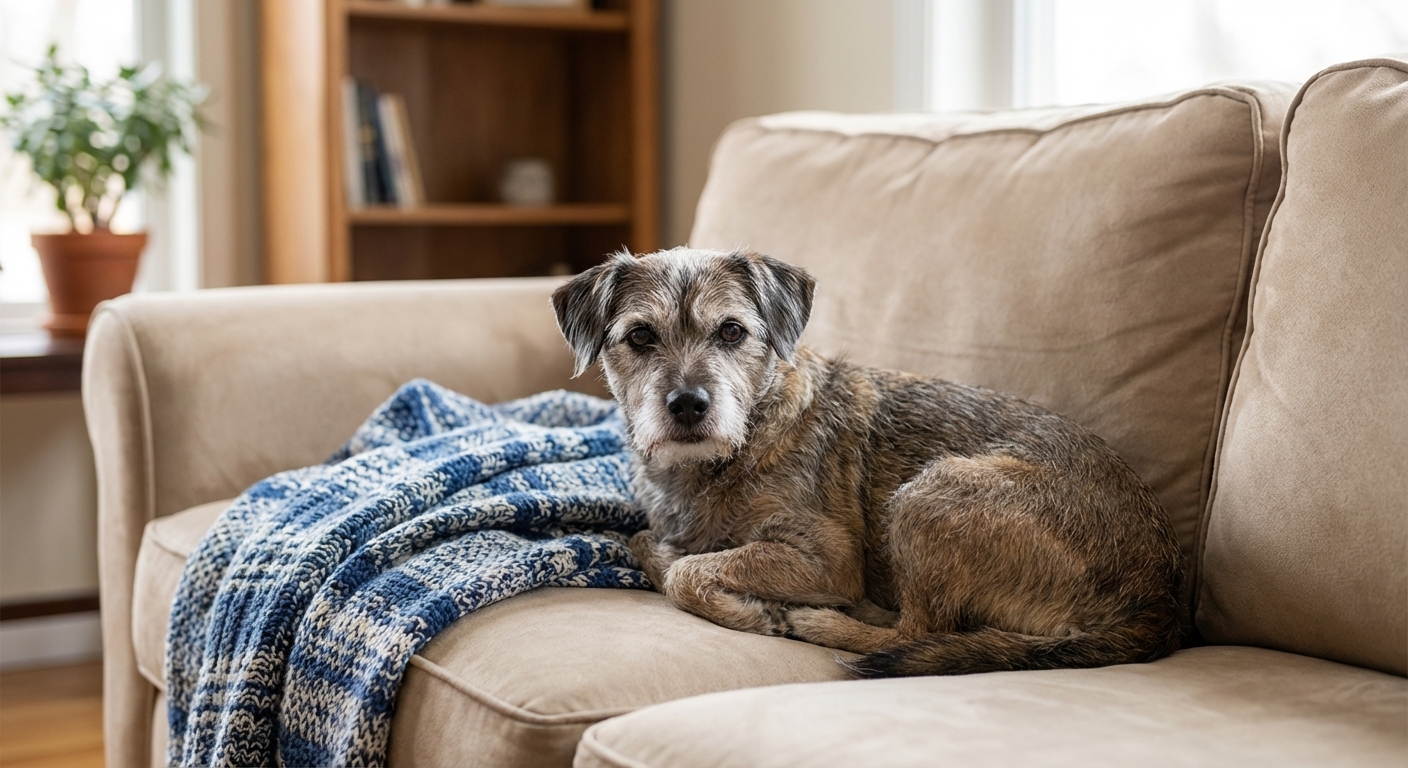
Small (0 to 20 lb): Small dogs usually live longer and age more slowly after early adulthood. Many small breeds stay spry well into their teens with good dental care, lean body condition, and regular preventive visits.
| Dog age | Human-equivalent |
|---|---|
| 1 | 15 |
| 2 | 24 |
| 3 | 28 |
| 4 | 32 |
| 5 | 36 |
| 6 | 40 |
| 7 | 44 |
| 8 | 48 |
| 9 | 52 |
| 10 | 56 |
| 11 | 60 |
| 12 | 64 |
| 13 | 68 |
| 14 | 72 |
| 15 | 76 |
Medium breed chart
Medium (21 to 50 lb): Medium dogs are often a happy middle ground. They age a bit faster than small dogs as seniors, but many remain active for years with joint support, consistent exercise, and weight management.
| Dog age | Human-equivalent |
|---|---|
| 1 | 15 |
| 2 | 24 |
| 3 | 28 |
| 4 | 32 |
| 5 | 36 |
| 6 | 42 |
| 7 | 47 |
| 8 | 51 |
| 9 | 56 |
| 10 | 60 |
| 11 | 65 |
| 12 | 69 |
| 13 | 74 |
| 14 | 78 |
| 15 | 83 |
Large breed chart
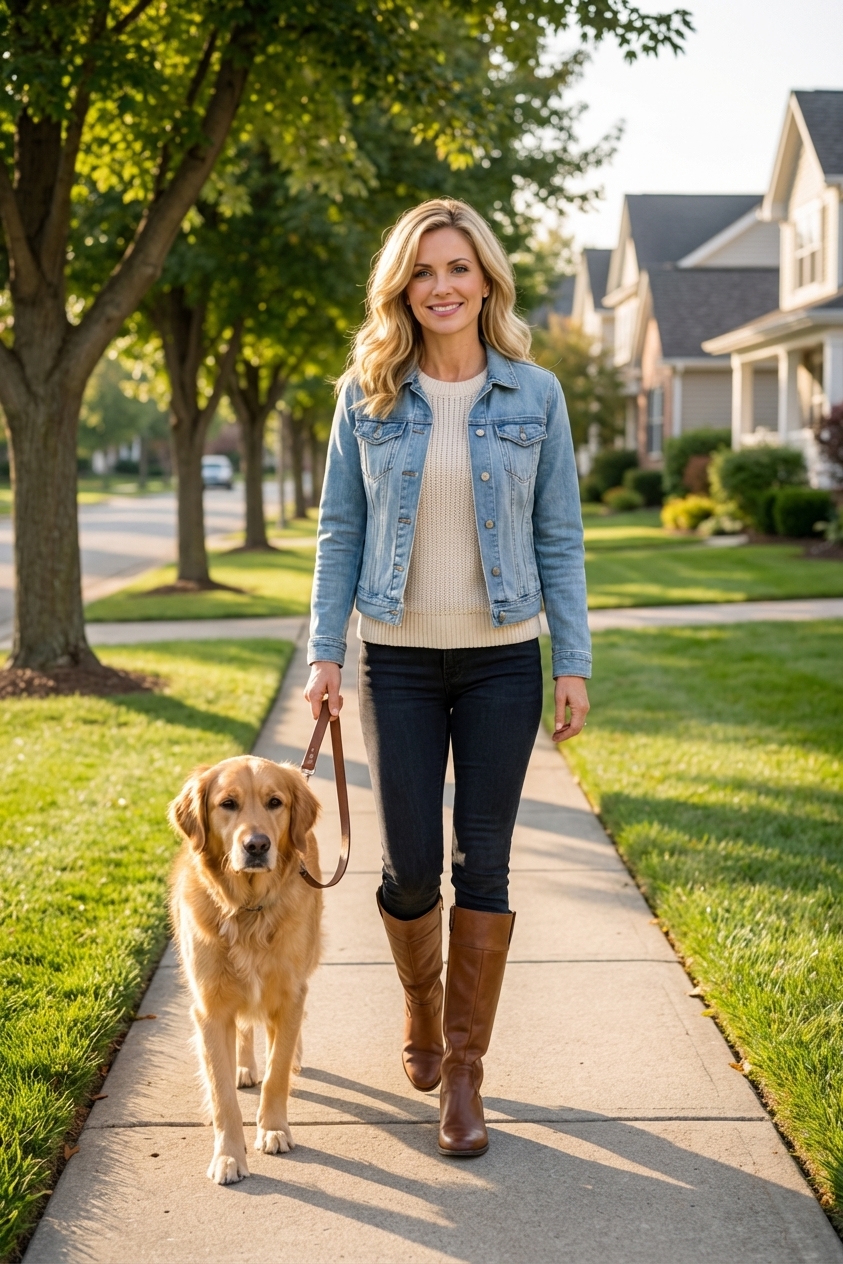
Large (51 to 90 lb): Large dogs tend to enter their senior years earlier. That doesn’t mean they can’t live a wonderful, vibrant life. It just means you’ll want to be proactive sooner with joint health, heart health, and regular lab work as recommended by your vet.
| Dog age | Human-equivalent |
|---|---|
| 1 | 14 |
| 2 | 22 |
| 3 | 31 |
| 4 | 38 |
| 5 | 45 |
| 6 | 52 |
| 7 | 59 |
| 8 | 66 |
| 9 | 71 |
| 10 | 75 |
| 11 | 80 |
| 12 | 85 |
| 13 | 90 |
| 14 | 95 |
| 15 | 100 |
Giant breed chart
Giant (91 lb and up): Giant breeds are special souls, and they often age the quickest in the later adult years. If you have a Great Dane, Mastiff, Saint Bernard, or another giant breed, talk with your veterinarian about when to begin senior screening. For many giant dogs, that conversation starts earlier than people expect.
| Dog age | Human-equivalent |
|---|---|
| 1 | 12 |
| 2 | 20 |
| 3 | 28 |
| 4 | 35 |
| 5 | 42 |
| 6 | 49 |
| 7 | 56 |
| 8 | 63 |
| 9 | 68 |
| 10 | 73 |
| 11 | 78 |
| 12 | 83 |
| 13 | 88 |
| 14 | 93 |
| 15 | 98 |
Mixed breeds
With designer mixes and mixed breeds, the best “size category” is usually based on adult body weight and overall frame.
- If your dog is a small mix that stays at 0 to 20 lb, use the small chart.
- If your dog is around 21 to 50 lb, the medium chart tends to fit best.
- If your dog is solidly built and 51 to 90 lb, use the large chart.
- If your dog is a true giant (91 lb and up with a large frame), use the giant chart.
When you’re on the borderline, it’s okay to treat the human-age number as a range rather than one exact answer.
Senior milestones
The most helpful part of converting dog years to human years is knowing when to adjust care. Here are practical milestones I recommend owners keep in mind.
Middle age
- Prioritize a lean body condition. Extra weight is one of the biggest drivers of earlier joint pain.
- Ask your vet about baseline bloodwork if it isn’t already part of your routine.
- Stay consistent with dental care. Periodontal disease is linked with systemic inflammation and may be associated with wider health issues over time.
Senior stage
- Schedule regular wellness visits, often every 6 months for many seniors, depending on your vet’s guidance.
- Watch for subtle changes: drinking more water, slowing down on walks, stiffness after naps, new lumps, or changes in appetite.
- Consider lifestyle upgrades: rugs for traction, orthopedic beds, and shorter, more frequent walks.
Aging isn’t a disease, but it is a season of life where small changes in routine can make a big difference in comfort and longevity.
FAQs
Is the chart exact?
No. These are best used as estimates. Genetics, body condition, diet, exercise, and preventive care can all shift how a dog ages.
What about teenage dogs?
Most dogs hit that adolescent stage between 6 and 18 months, often later for large and giant breeds. Even though they look bigger, their brains are still developing. Training, structure, and consistency really pay off during this window.
Do spayed or neutered dogs age differently?
Spay and neuter status can influence health risks in certain breeds and sizes, but it doesn’t create a simple “older or younger” conversion. For personalized guidance, talk with your veterinarian about your dog’s breed, size, and lifestyle.
Sources
- Wang, T., Ma, J., Hogan, A. N., et al. (2020). Quantitative translation of dog-to-human aging by conserved remodeling of the DNA methylome. Cell Systems. https://doi.org/10.1016/j.cels.2020.06.006
- American Animal Hospital Association (AAHA). Canine Life Stage Guidelines. https://www.aaha.org/aaha-guidelines/life-stage-canine-2019/
- American Kennel Club (AKC). Dog Age Chart: Dog Years to Human Years. https://www.akc.org/expert-advice/health/how-to-calculate-dog-years-to-human-years/
Takeaway
If you remember one thing, make it this: dogs don’t age on a flat 7:1 scale. The best estimate comes from using a chart based on breed size and then adjusting care based on what you see in your individual dog.
If you want, keep the quick-reference table bookmarked and check it when you plan wellness visits, adjust food and exercise, or shop for senior-support products.