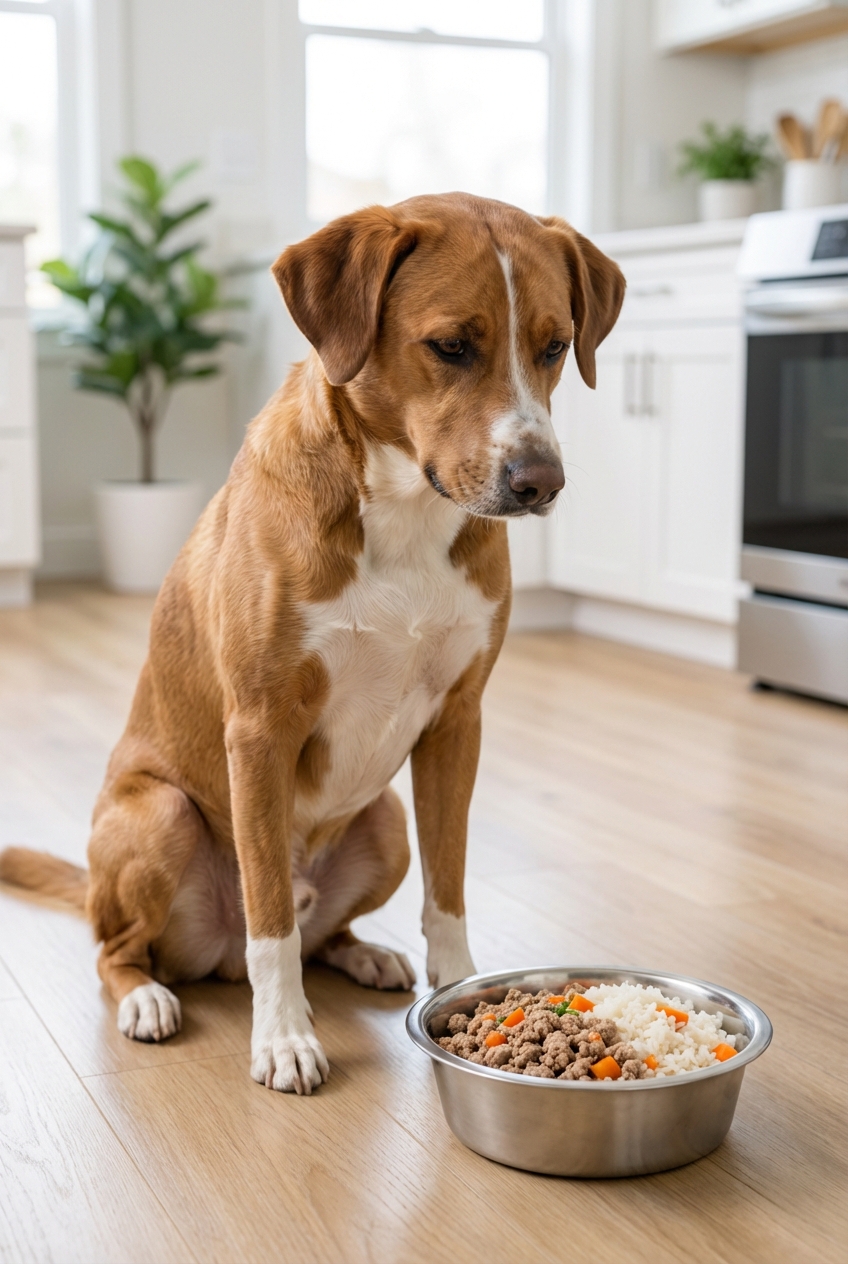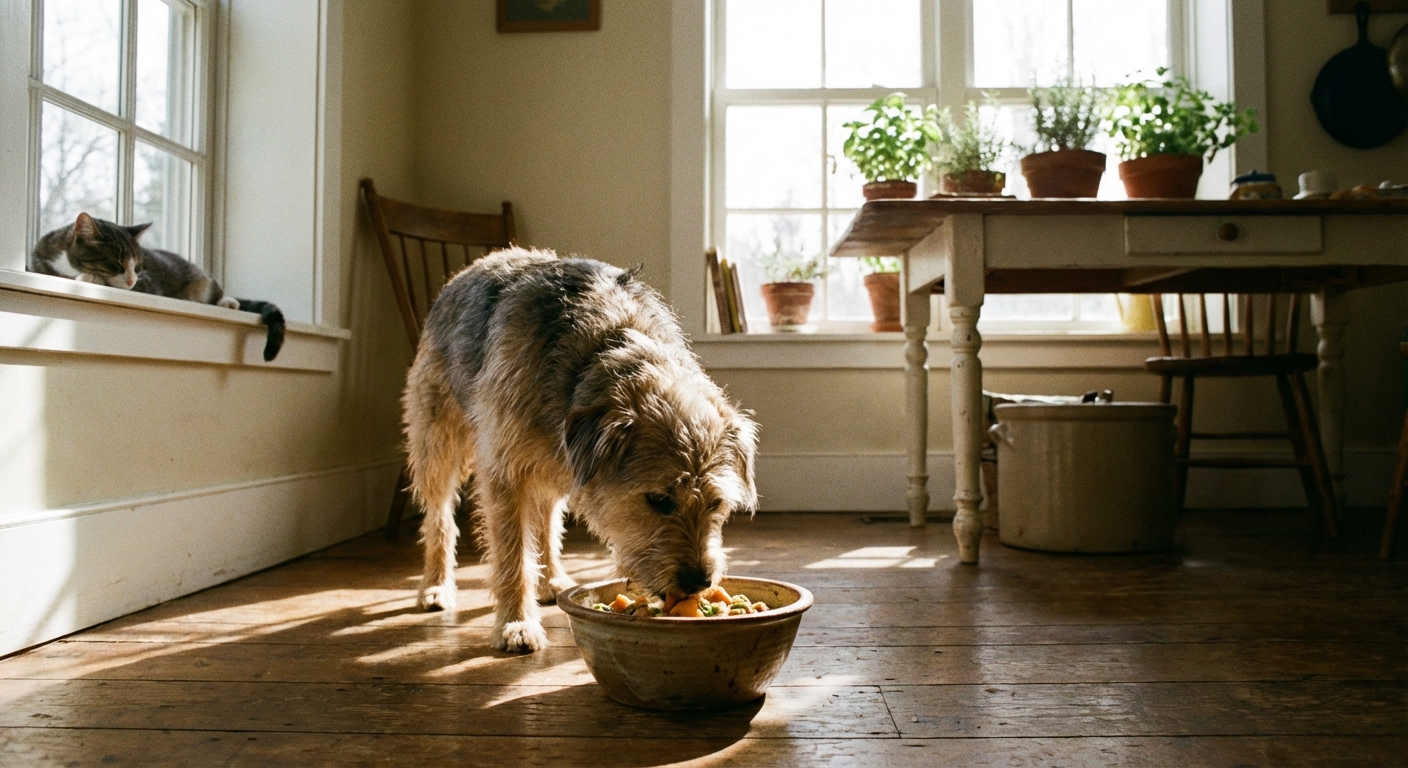
Learn liver-friendly homemade dog food strategies: when to restrict copper, pick digestible proteins and gentle carbs, what ingredients to avoid, and simple ...
Article
•
Designer Mixes
Dog With High Liver Enzymes: Insights & Help

Shari Shidate
Designer Mixes contributor
If your dog’s bloodwork shows high liver enzymes, it can feel scary and confusing. I get it. As a veterinary assistant here in Frisco, Texas, I’ve sat with many worried families who assumed it automatically meant liver failure. The good news is that elevated liver enzymes are often a clue, not a final diagnosis. They tell us the liver may be irritated or that enzymes are increasing in the bloodstream, but we still have to find the why.
This page will help you understand what high liver enzymes can mean, what tests your vet may recommend, what you can do at home, and when to treat it as an emergency.
What “high liver enzymes” means
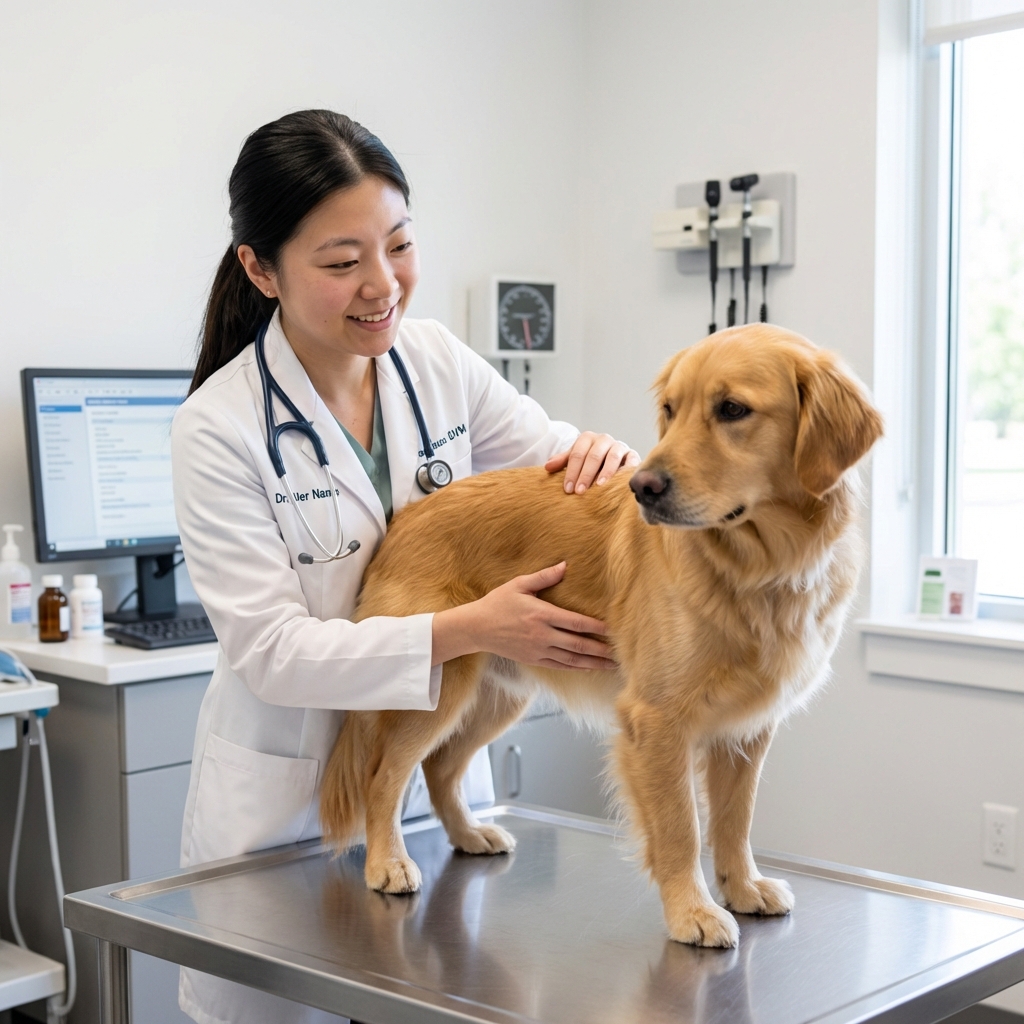
When your vet says your dog has high liver enzymes, they are usually talking about a few common values on a chemistry panel:
- ALT (alanine aminotransferase): Often rises when liver cells are irritated or damaged. It is fairly liver-specific in dogs.
- AST (aspartate aminotransferase): Can come from liver, but also from muscle. If AST is high, your vet may consider muscle injury too.
- ALP (alkaline phosphatase): Can increase with liver or gallbladder issues, but also with steroids (medications or the body’s own cortisol).
- GGT (gamma-glutamyl transferase): Often points toward bile duct or gallbladder involvement.
- Bilirubin: Not an enzyme, but an important clue. High bilirubin can show up as yellowing of the gums, eyes, or skin.
One important point: enzymes show irritation, not liver function. To assess function, vets look at things like bile acids, albumin, glucose, cholesterol, urea (BUN), and clotting ability. That is why “high enzymes” can be mild and manageable in some dogs, and serious in others.
Another common confusion point: ALP can be elevated in growing puppies because of a bone-related ALP source. Your veterinarian will interpret this based on age, history, and the rest of the panel.
How high is high?
“High” can mean very different things. A mild elevation might simply be something your vet monitors and rechecks, especially if your dog feels normal. A higher elevation, a fast upward trend, or abnormal results in bilirubin or liver function markers can change how urgent the next steps are.
Reference ranges vary by lab, so the most helpful questions are: how far above normal are the values, and are they trending up, down, or staying stable?
Common reasons liver enzymes rise
There is no single cause. Think of high liver enzymes as a smoke alarm. The alarm is real, but we still have to find where the smoke is coming from.
1) Diet-related stress and inflammation
Very fatty meals, pancreatitis, chronic obesity, and ongoing GI upset can be associated with enzyme changes in some dogs. Diet is not always the direct cause, but your vet may still talk about nutrition because the liver and digestion are closely connected.
2) Medications and supplements
Some drugs are known to elevate liver enzymes in certain dogs, especially:
- Long-term or high-dose steroids (prednisone and similar), including steroid-associated vacuolar hepatopathy patterns in some dogs
- Phenobarbital and other seizure medications
- Some NSAIDs (pain medications), depending on the dog and dose
- Unregulated supplements or products that may contain contaminants or unexpected ingredients
Never stop a prescribed medication on your own. Call your veterinarian and ask whether the dose, product, or monitoring plan should change.
3) Endocrine disease
Hormonal conditions can elevate enzymes, especially ALP. Two common examples:
- Cushing’s disease (hyperadrenocorticism)
- Diabetes
4) Gallbladder or bile flow problems
When bile does not flow normally, liver values can rise. Your vet may discuss gallbladder inflammation, sludge, or a gallbladder mucocele (a serious condition where thickened bile can obstruct outflow).
5) Infections and inflammation
Depending on your region and your dog’s lifestyle, your vet may consider infectious or inflammatory causes such as:
- Leptospirosis (can affect liver and kidneys and is zoonotic, meaning it can spread to people)
- Tick-borne illness (some can affect liver values indirectly)
- Cholangitis or hepatitis (inflammation of bile ducts or liver)
6) Toxins
Some toxins can injure the liver quickly. Examples include certain mushrooms (including amatoxin types), blue-green algae (cyanobacteria), xylitol-containing products, sago palm, aflatoxins (mold toxins), and human medications like acetaminophen. If you suspect toxin exposure, treat it as an emergency and contact a veterinarian or poison hotline right away.
7) Copper-associated liver disease (certain breeds)
Some breeds can accumulate excess copper in the liver over time, which may lead to chronic hepatitis. Your vet may discuss this if your dog is predisposed or if trends in bloodwork and imaging suggest it.
8) Congenital issues (like liver shunts)
Some dogs are born with abnormal blood flow around the liver (portosystemic shunts). These cases often involve additional clues beyond enzymes alone, and bile acids testing and ultrasound are common next steps.
9) Tumors or spread from other cancers
Liver masses can be benign or malignant, and the liver is also a place other cancers can spread. Imaging helps your vet evaluate this possibility.
10) Age-related changes and mild elevations
Especially in older dogs, mild enzyme elevations sometimes show up without major symptoms. That does not mean “ignore it”, but it may mean your vet focuses on trend monitoring and smart next-step testing.
Signs the liver may be struggling
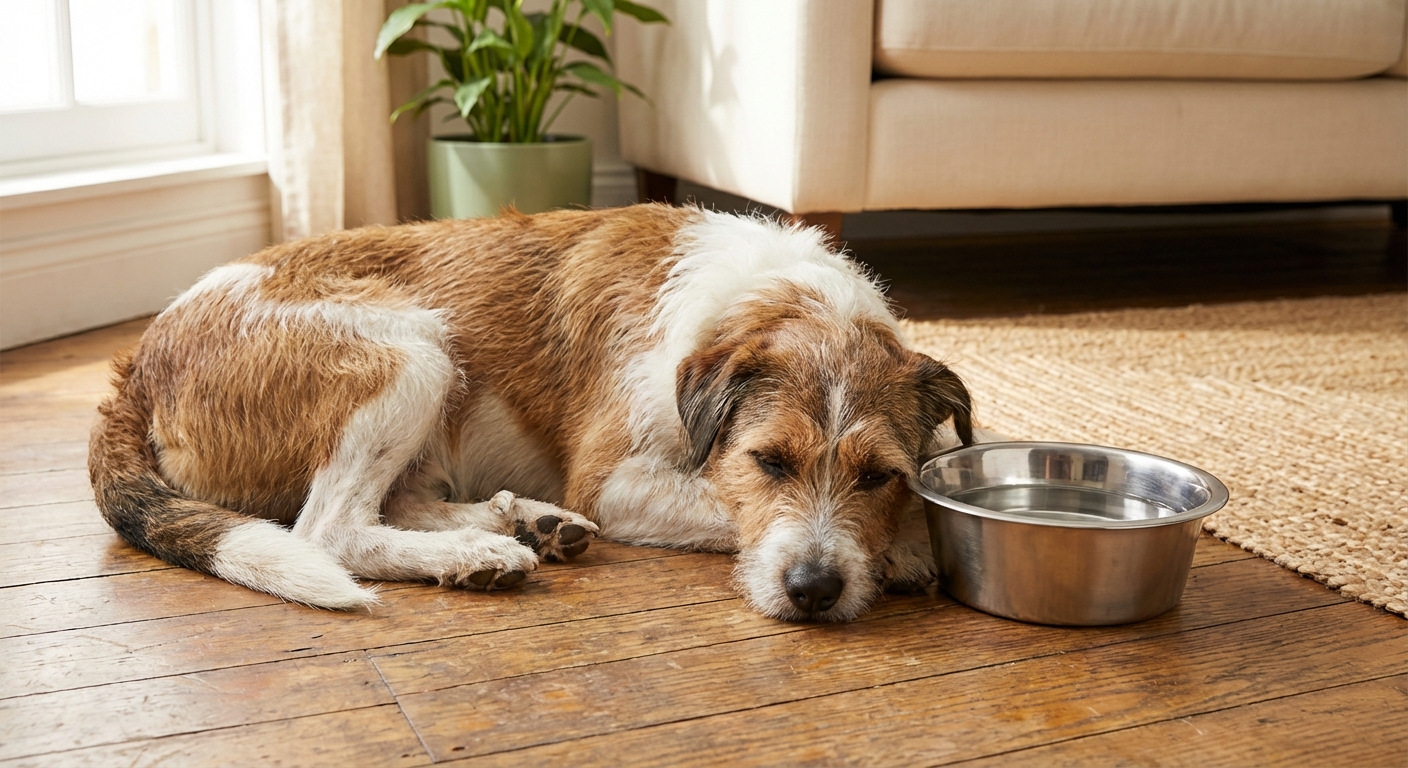
Some dogs with high enzymes feel totally normal. Others show clear symptoms. Contact your veterinarian if you notice:
- Low appetite or refusing meals
- Vomiting or diarrhea
- Lethargy or weakness
- Increased thirst and urination
- Weight loss
- Pot-bellied appearance (sometimes seen with Cushing’s or fluid buildup)
- Yellow gums, eyes, or skin (jaundice)
- Behavior changes, disorientation, pressing head against walls (possible hepatic encephalopathy)
- Bleeding or bruising easily (clotting issues can occur with advanced liver disease)
When it is an emergency
Please seek urgent veterinary care (ER if needed) if your dog has:
- Yellowing of eyes or gums
- Repeated vomiting, especially with weakness
- A swollen painful belly, or “praying position” that can suggest abdominal pain
- Collapse, severe lethargy, or trouble breathing
- Seizures, confusion, or unusual neurologic behavior
- Known or suspected ingestion of a toxin
The liver is resilient, but acute injury can become life-threatening quickly if a toxin, infection, or gallbladder obstruction is involved.
What your vet may do next
Because elevated enzymes are a sign, not a final answer, most vets take a stepwise approach. Depending on your dog’s symptoms, age, and which values are high, your veterinarian may recommend:
Recheck bloodwork
Sometimes the first step is simply to repeat a chemistry panel in 2 to 4 weeks, especially if the elevation is mild and your dog feels well. Trends matter. A steady rise is more concerning than a one-time mild bump.
Urinalysis
Urine testing helps evaluate hydration, kidney involvement, infection, and sometimes bilirubin handling.
Bile acids test
This test gives more information about liver function and bile flow. It is commonly used when enzymes are high, when a congenital issue is possible, or when your vet wants a clearer function snapshot.
Abdominal ultrasound
An ultrasound is one of the most useful next steps. It can evaluate the liver texture, bile ducts, gallbladder, and surrounding organs (especially the pancreas).
Testing for underlying diseases
Your vet may recommend endocrine testing (such as for Cushing’s), infectious disease tests (such as leptospirosis), or other targeted diagnostics based on your dog’s full picture.
Biopsy or needle aspirate (in select cases)
If imaging suggests significant liver disease, your veterinarian may refer you to an internist for sampling. It can help determine inflammation, copper accumulation, scarring, or cancer. Your vet will weigh benefits and risks, including clotting ability.

Supportive care that may help
Many dogs benefit from a combination of treating the root cause and supporting the liver while it recovers. Your vet may suggest:
Liver-support supplements
- SAMe (S-adenosylmethionine): Supports liver cell repair and antioxidant pathways.
- Silybin or milk thistle: Antioxidant support and commonly used in veterinary liver care.
- Vitamin E: Sometimes used for oxidative stress, but it should be dosed carefully.
- Ursodiol (a prescription): Supports bile flow in certain cholestatic conditions.
Not every dog needs every product, and quality matters. Always confirm dosing with your veterinarian, especially if your dog is on other medications.
Diet adjustments
Nutrition is one of the most practical ways you can support your dog day-to-day, but it should be individualized. Your veterinarian may recommend a prescription liver diet in some cases, especially when there is evidence of reduced liver function.
For many dogs with mild to moderate enzyme elevations, vets often focus on a highly digestible, appropriately formulated diet and avoiding very high-fat extras. The goal is to support overall digestion and metabolism while you and your vet work up the underlying cause.
Weight management
If your dog is overweight, slow, steady weight loss can improve metabolic strain and may help enzyme levels over time. Avoid rapid weight loss, which can create its own health problems.
Hydration and gut support
Good hydration supports circulation to the liver. In some dogs, your vet may discuss probiotics or GI support, since the gut-liver connection is real and important.
Home care checklist
Here are actions that are generally safe and helpful while you work with your veterinarian on the next steps:
- Bring all labels to your appointment: medications, supplements, chews, flea and tick products, and even “natural” powders.
- Stop table scraps and high-fat treats for now, especially if vomiting, diarrhea, or pancreatitis is a concern.
- Ask before switching treats: in many dogs, simple treats (like small bites of a bland, low-fat option) are easier on the system, but confirm with your vet first, especially if your dog has pancreatitis history or diagnosed liver dysfunction (including hepatic encephalopathy).
- Track symptoms: appetite, water intake, energy, vomiting or diarrhea frequency, and stool color.
- Ask about recheck timing: many cases improve with time, but your vet will want proof on repeat labs.
- Prevent exposure: store toxins securely and supervise outdoors to reduce risk of mushroom ingestion.
If you remember one thing: do not panic, but do not delay. High liver enzymes deserve attention, and most dogs do best with a calm, step-by-step plan.
Homemade food and liver health
I’m a big believer in using food as part of healing, but with liver concerns we have to be extra thoughtful and medically grounded. The liver is involved in protein metabolism, fat digestion, vitamin storage, and detox pathways, so a “one size fits all” homemade recipe can miss the mark.
When homemade can help
For some dogs, carefully planned homemade meals using high-quality ingredients can improve digestibility and make it easier to control fat content and treat ingredients. Even a partial shift can be helpful, as long as the overall diet remains complete and balanced.
When you need extra guidance
If your dog has confirmed liver dysfunction, copper-associated disease, shunting, hepatic encephalopathy, or clotting concerns, the diet may need to be customized for:
- Protein type and amount
- Copper content
- Sodium level (if fluid retention is an issue)
- Specific vitamin and mineral balance
Ask your vet about a referral to a board-certified veterinary nutritionist. This is especially valuable if you want to feed homemade long-term.

Questions to ask your vet
- Which enzymes are elevated, and by how much?
- Is this mild, moderate, or severe based on your lab’s ranges and my dog’s history?
- Do the results suggest liver irritation, bile flow issues, or something outside the liver?
- Are there any red flags in bilirubin, albumin, glucose, cholesterol, or clotting values?
- Should we do bile acids, ultrasound, or infectious disease testing?
- Could current medications be contributing?
- What diet do you recommend right now?
- When should we recheck labs, and what change would worry you?
Hopeful outlook
The liver is one of the most resilient organs in the body. Many dogs with elevated enzymes improve significantly once the underlying cause is found and addressed, especially when we catch it early. You are already doing the right thing by paying attention and learning what questions to ask.
If you’d like, I can help you create a simple vet-friendly tracking sheet for symptoms and food, so your next appointment feels more organized and less overwhelming.