A vet assistant explains how omega-3s (EPA and DHA) support dogs’ skin, coat, joints, and some heart conditions—plus how to dose by weight, read labels, ...
Article
•
Designer Mixes
Dog With Dry Skin: Step-by-Step Care

Shari Shidate
Designer Mixes contributor
Dry, flaky skin is a very common reason pet parents tell me, “My dog won’t stop itching.” And while it can be something simple like winter air or too many baths, it can also be your dog’s first clue that something deeper is going on, like allergies, parasites, infection, or a nutrition gap.
This step-by-step overview will help you spot what’s normal versus concerning, what you can safely do at home, and when it’s time to bring your dog in to see your veterinarian.
What dry skin looks like (and what it can feel like)
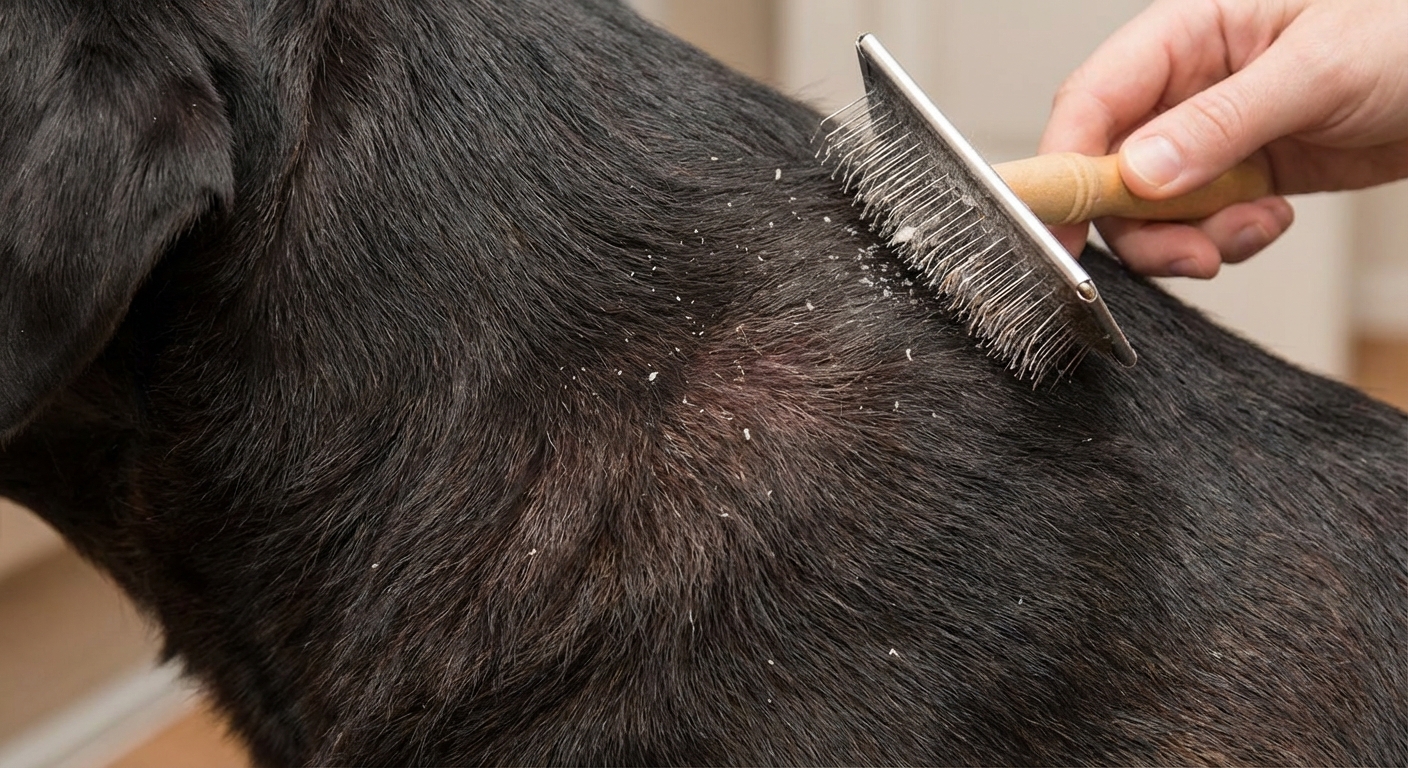
Dry skin is not just “a little dandruff.” You may notice one or more of these signs:
- White flakes in the coat or on bedding
- Itching, chewing paws, rubbing face on carpet
- Dull coat, increased shedding, or brittle fur
- Redness, bumps, scabs, or thickened skin
- Greasy, smelly patches (infection can coexist with dry, flaky areas)
If your dog’s skin is dry and inflamed, smelly, oozing, or painful, treat that as a “seek care sooner” signal. Skin issues can escalate quickly once the skin barrier is damaged.
Step 1: Check for red flags first
Home care is great for mild dryness, but it’s not the right first step for every dog. Contact your veterinarian promptly if you see:
- Open sores, bleeding, or pus
- A strong “yeasty” or rotten odor
- Hair loss in patches or symmetrical thinning
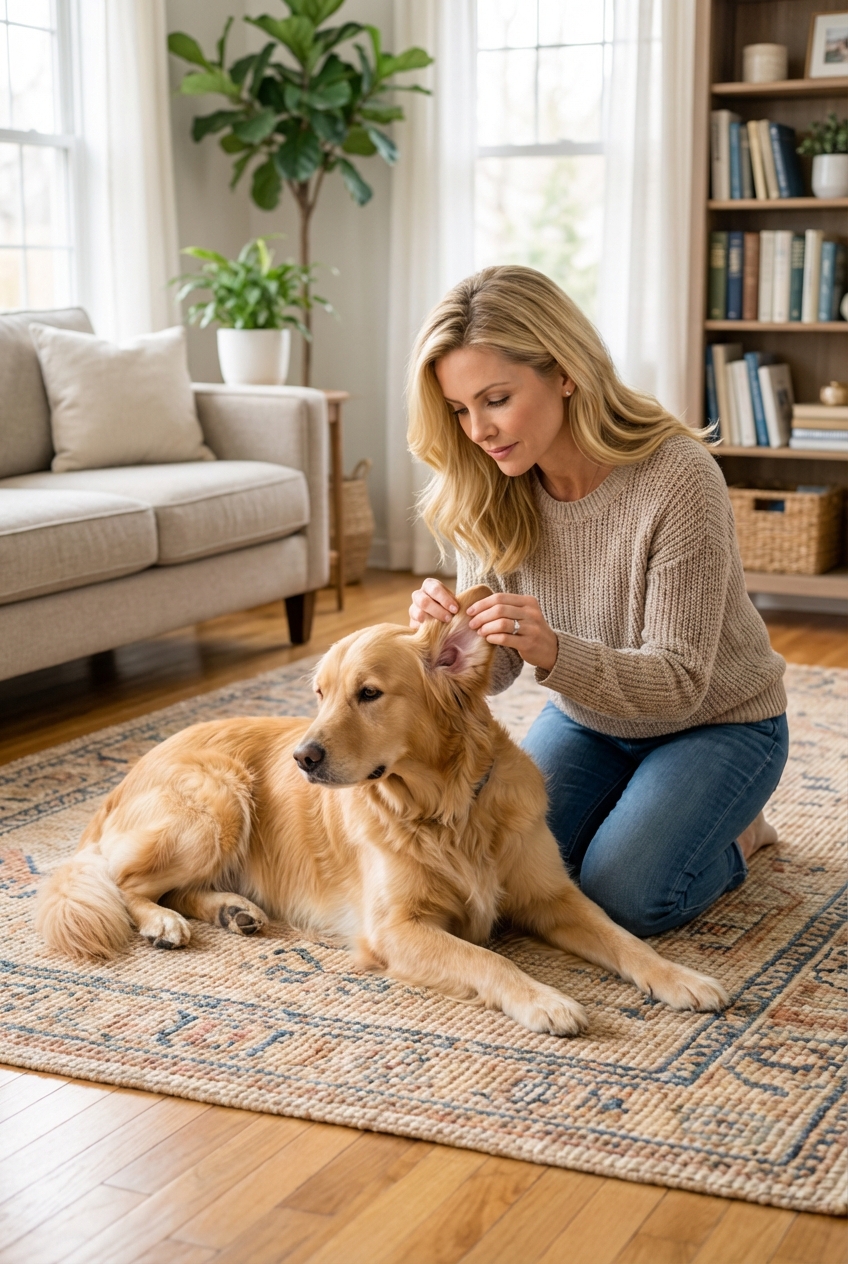
- Head shaking, ear redness, or dark ear debris (often linked to allergies or yeast)
- Intense itching that disrupts sleep
- Dry skin plus vomiting, diarrhea, or weight loss
- Fleas or flea dirt (black specks that turn red or rusty when moistened on a white paper towel)
These signs can indicate infection, mites, allergic dermatitis, endocrine disease (like hypothyroidism or Cushing’s disease), or other medical issues that need targeted treatment. Patchy hair loss with crusting can also be caused by ringworm, which can spread to people and other pets, so it is another reason to check in with your veterinarian sooner.
Step 2: Do a quick “whole dog” skin and coat check
Take 2 to 3 minutes and look at a few key zones:
- Back near the tail: common flea hotspot
- Armpits and groin: allergy and yeast hotspots
- Paws: licking and reddish-brown staining can suggest allergies or yeast
- Ears: recurring ear problems often travel with skin allergies
- Belly: redness or bumps can point to contact or environmental allergies
Write down what you see and where you see it. Location patterns help your veterinarian narrow causes faster.
Step 3: Consider the most common causes
1) Dry air, too many baths, or harsh grooming products
Indoor heat and frequent bathing can strip oils from the coat and disrupt the skin barrier. Human shampoo, heavily scented products, or “degreasing” shampoos are especially drying.
2) Parasites (fleas, mites) even if you do not see them
Some dogs react to a single flea bite. Mites can be microscopic and still cause major itchiness and skin damage. If your dog is not on reliable flea and tick prevention, put this high on the list.
3) Allergies (environmental or food)
Allergies often show up as itching, paw licking, ear infections, redness, and recurrent skin issues. Many dogs with allergies have “dry skin,” but the root cause is inflammation, not a lack of moisturizer.
Food allergies happen, but environmental allergies are more common in many dogs. If food allergy is on the table, the most useful next step is typically a strict veterinarian-guided diet trial, usually for 8 to 12 weeks, with no extra treats or flavored medications unless your veterinarian approves them.
4) Yeast or bacterial skin infection
Infections commonly occur after itching and scratching compromise the skin. A musty odor, greasy feel, redness, and discomfort are common clues.
5) Nutrition gaps or poor-quality fats
Skin and coat health are closely tied to protein quality, essential fatty acids (especially omega-3s), and overall diet balance. If your dog’s coat is dull and flaky, diet deserves a thoughtful look.
6) Hormonal or internal medical causes
When you see symmetrical thinning, recurring skin infections, changes in thirst or appetite, or a “different than usual” coat texture, it is worth discussing medical causes with your veterinarian. Conditions like hypothyroidism and Cushing’s disease can show up through the skin.
Step 4: Build a simple at-home care plan (for mild dry skin)
If your dog’s skin is mildly flaky without significant redness, odor, or sores, you can try these gentle, evidence-based steps for 2 to 4 weeks while monitoring closely.
Improve hydration and humidity
- Encourage water intake. Adding a little warm water to meals is a simple option for many dogs.
- If your veterinarian says it is appropriate for your dog, you can add a small amount of low-sodium broth. Skip this if your dog needs sodium restriction, has a sensitive stomach, or you are working through possible food allergy triggers.
- Use a humidifier in the room where your dog sleeps, especially in winter.
Adjust bathing and grooming
- Bathe only as often as needed. Many dogs do well with less frequent baths.
- Use a dog-specific, fragrance-free, moisturizing shampoo (ask your veterinarian if your dog has a history of infections).
- Rinse extremely well. Residue can irritate skin and increase flaking.
- Brush regularly to distribute natural oils and lift dead skin. Be gentle if your dog is itchy.
If you want a topical “boost,” ask your veterinarian about dog-safe leave-on conditioners, sprays, or oatmeal-based products. Avoid DIY vinegar, baking soda, or essential oil mixes, which can irritate skin and make the problem harder to sort out.
Support the skin barrier with nutrition
Skin is built from the inside out. Focus on these basics:
- High-quality protein: your dog needs adequate amino acids to maintain healthy skin and coat.
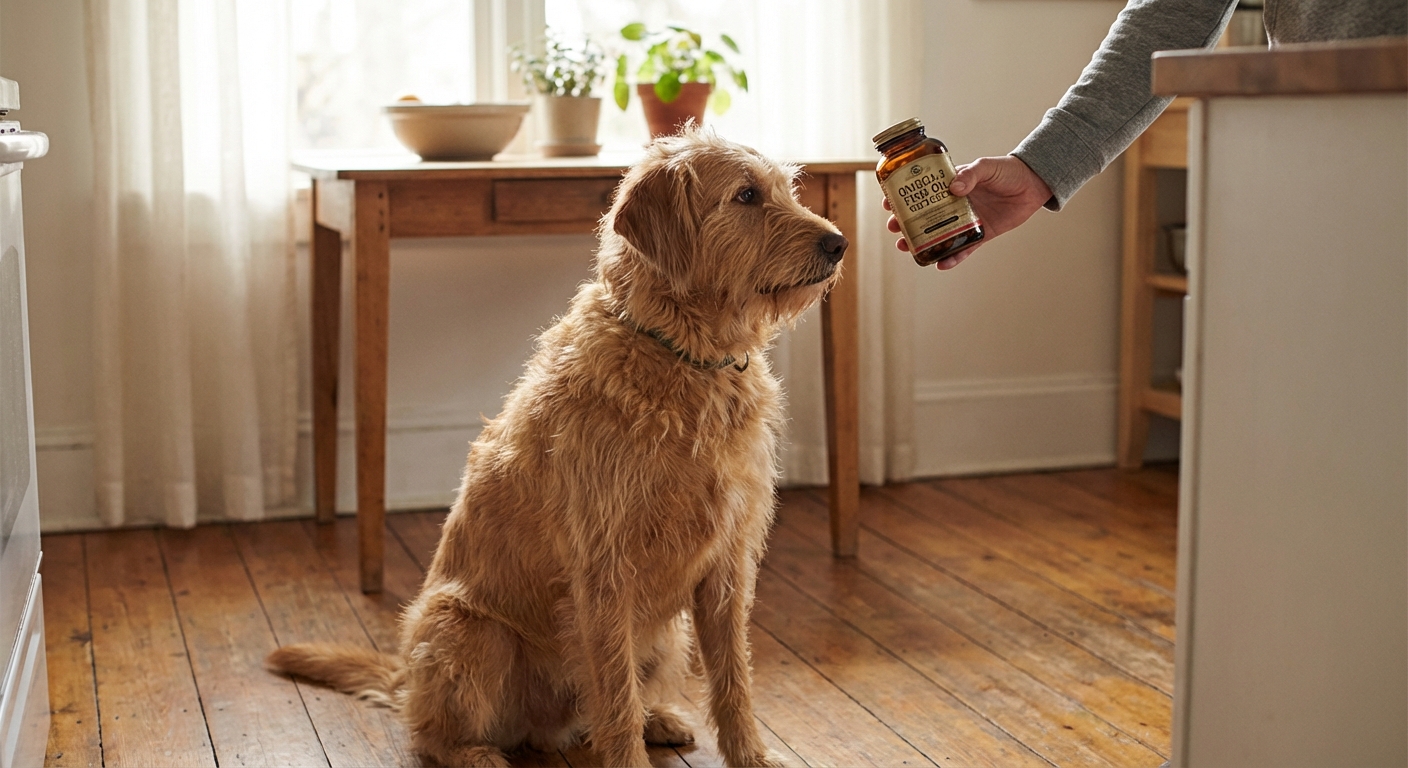
- Omega-3 fatty acids: fish oil can help reduce inflammation and improve coat quality over time. Ask your veterinarian for the right dose for your dog’s weight and health conditions.
- Whole-food add-ins (optional): small additions like cooked egg or a bit of sardine (packed in water, no salt added) can help some dogs. Keep portions modest and count the calories.
Important safety note: richer add-ins and oils are not a fit for every dog. Use extra caution (or skip them) if your dog has a history of pancreatitis, needs a low-fat diet, has fat-sensitive GI disease, has food allergies, or is on a sodium-restricted plan. When in doubt, check with your veterinarian first.
If you are moving toward homemade or fresh foods, go slow. For some dogs, even a small shift toward more moisture and higher-quality fats can support the coat, but nutritional completeness still matters most. If you want to feed fully homemade long-term, ask your veterinarian about a recipe that is formulated to meet AAFCO Dog Food Nutrient Profiles (or that has passed an AAFCO feeding trial), or one created by a board-certified veterinary nutritionist.
Help the itch without making skin worse
- Keep nails trimmed to reduce skin damage from scratching.
- Wipe paws and belly after outdoor time during high pollen seasons.
- Prevent licking hot spots by using an e-collar if needed until you can see your veterinarian.
Step 5: Know what not to do
These common “quick fixes” can backfire:
- Do not use human dandruff shampoo unless your veterinarian instructs you. Many formulas are too harsh for dogs.
- Do not apply essential oils to your dog’s skin. Many are irritating, and some are toxic to pets.
- Do not start multiple new supplements at once. If something causes stomach upset or itch, you will not know the culprit.
- Do not ignore parasites. “Indoor dog” does not equal “no fleas.”
Step 6: When to see the vet and what to expect
If symptoms persist longer than 2 to 4 weeks, or worsen at any point, schedule a veterinary visit. Chronic itching and dry skin usually need a diagnosis, not just moisturizers.
Your veterinarian may recommend:
- Skin cytology (a quick microscope check for yeast and bacteria)
- Skin scraping to check for mites
- Flea control trial if prevention is inconsistent
- Medicated shampoos or topical therapies
- Allergy management plan, including a strict diet trial if food allergy concerns are on the list
- Bloodwork if endocrine disease is suspected
- Fungal testing if ringworm is a concern
The goal is to break the itch-scratch cycle and restore the skin barrier. Once that happens, many dogs feel better fast.
A simple 7-day checklist you can start today
- Day 1: Do a full coat check. Note where flakes and itch are worst.
- Day 2: Confirm your flea and tick prevention is current.
- Day 3: Reduce bathing frequency. Switch to fragrance-free dog shampoo if needed.
- Day 4: Add a humidity boost (humidifier or reduce indoor dryness).
- Day 5: Review diet quality. Consider discussing omega-3s with your veterinarian.
- Day 6: Wipe paws after outdoor time. Keep nails trimmed.
- Day 7: Re-check skin and itch level. If no improvement or worse, schedule a veterinary visit.
If your dog’s skin could talk, it would ask for two things first: less inflammation and better barrier support. With the right plan, dry skin is often very manageable.
Quick FAQ
Is dandruff always a sign of something serious?
No. Mild flaking can be seasonal or grooming-related. Persistent flakes with itch, redness, odor, or hair loss should be evaluated.
Can diet really affect dry skin?
Yes. Protein quality, essential fatty acids, and overall balance matter. Skin is a fast “report card” for nutrition, but it can also reflect allergies and infection.
How long until I see improvement?
With simple environmental changes, you might see improvement within 1 to 2 weeks. Nutrition-related coat changes often take 4 to 8 weeks. Infections and allergies need targeted care, so timelines vary.