Help your dog feel better with gentle homemade meals for sensitive stomachs. Learn a 3-ingredient bland reset, easy recipes, transition steps, and what signs...
Article
•
Designer Mixes
Dog Weight Loss and Behavior: Causes and What to Do

Shari Shidate
Designer Mixes contributor
Unplanned weight loss in dogs can look like a “good thing” at first, especially if your pup used to be a little chunky. But as a veterinary assistant here in Frisco, Texas, I can tell you this is one of those signs you never want to ignore, especially when it comes with behavior changes like hiding, pacing, irritability, or suddenly seeming off.
Quick note: This guide is educational and not a substitute for an exam and diagnosis from your veterinarian.
Weight loss is a symptom, not a diagnosis. The goal of this guide is to help you connect the dots between weight loss and behavior, understand common causes, and know what to track and when to call your vet.
What weight loss is concerning?
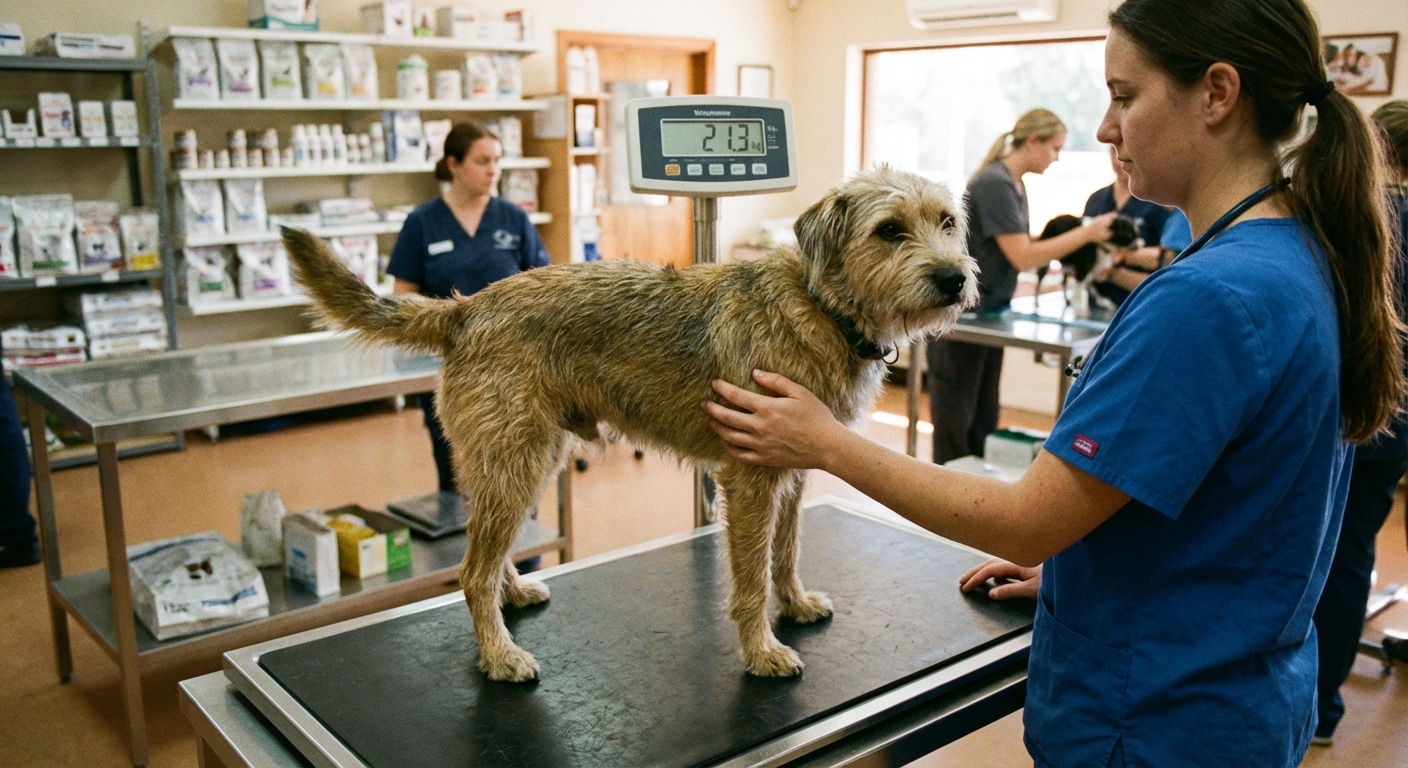
A small fluctuation can happen with changes in activity, weather, or appetite. What we worry about is weight loss that is unintentional, persistent, or paired with other signs.
- Rule of thumb: Call your vet soon if your dog loses about 5% of body weight over a month without trying.
- More urgent: Call your vet promptly (same day if possible) if your dog loses 10% or more, loses weight rapidly, refuses food, seems weak, or has vomiting, diarrhea, coughing, or labored breathing.
Earlier is better for puppies, seniors, toy breeds, and dogs with chronic conditions (like kidney disease, diabetes, or heart disease). They can get into trouble faster.
Quick example: A 40 lb dog losing 2 lb can be meaningful, especially if it happens quickly or comes with new behaviors.
Why weight loss affects behavior
When dogs lose weight from illness or stress, their bodies are often dealing with one or more of these problems:
- Pain or nausea: Pain can make dogs withdrawn or snappy. Nausea can cause lip licking, gulping, drooling, or food avoidance.
- Hormonal shifts: Conditions like diabetes or Addison’s disease can affect energy, mood, and daily routines.
- Hunger and nutrient deficits: If calories are not being absorbed well, dogs can seem restless, food obsessed, or anxious.
- Inflammation and infection: Ongoing inflammation can lead to fatigue, irritability, and reduced interest in play.
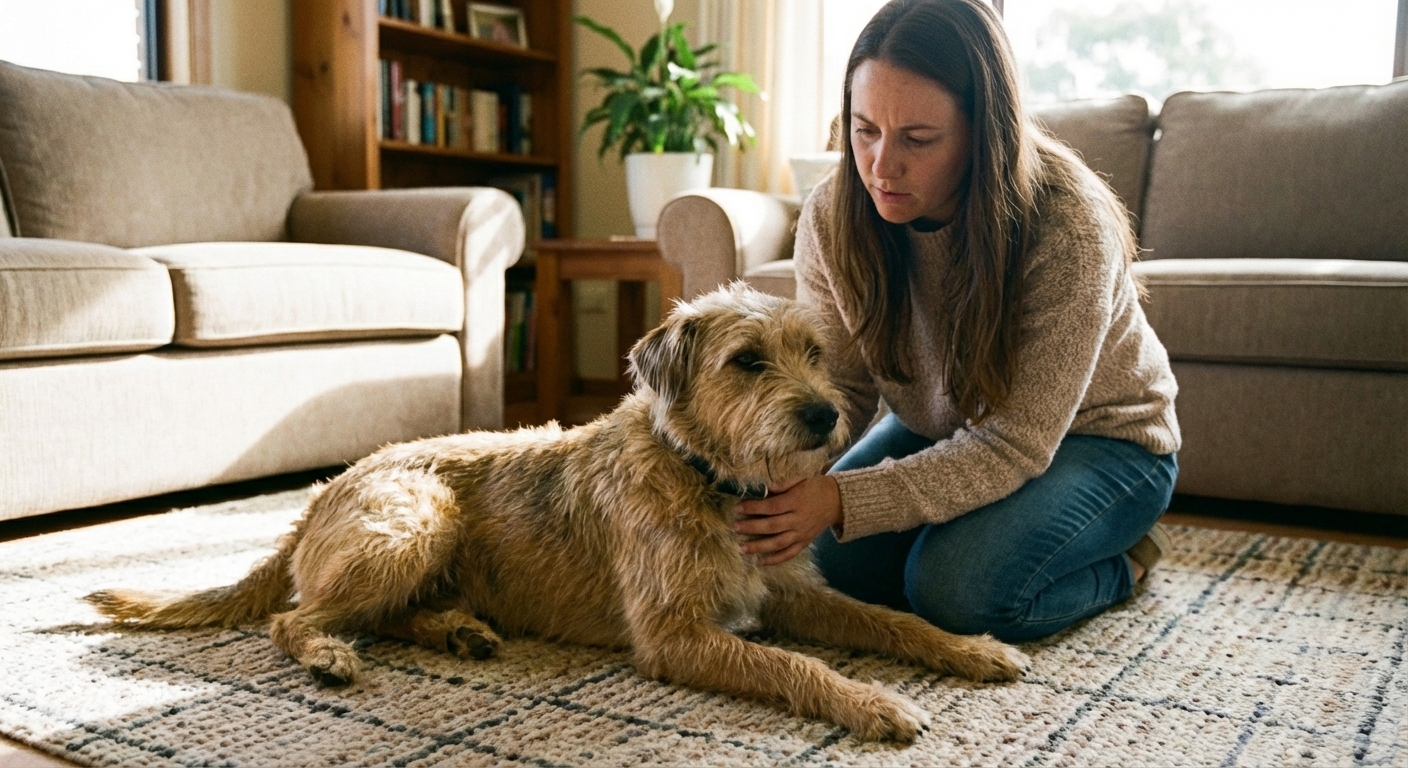
Common causes and behavior clues
Here are patterns I often see in clinics, along with behavior changes that may show up at home. Your vet will help confirm the real cause.
Dental disease
Dogs can lose weight simply because eating hurts. You might notice slower eating, dropping kibble, chewing on one side, or backing away from the bowl.
- Behavior clues: irritability when touched near the face, reduced toy chewing, pawing at the mouth
- Other signs: bad breath, red gums, tartar buildup, drooling
GI issues (parasites, intolerance, IBD, EPI)
If the gut is inflamed or infected, dogs may eat but not absorb nutrients well. IBD stands for inflammatory bowel disease. Another less common but important cause is exocrine pancreatic insufficiency (EPI), where dogs cannot digest food properly.
- Behavior clues: restlessness at night, frequent asking to go out, licking floors, “praying position” (front down, rear up)
- Other signs: diarrhea, mucus in stool, vomiting, gas, loud stomach sounds
- Often seen with EPI: weight loss despite a big appetite, large pale or greasy stools
Diabetes
Diabetes often causes weight loss even when appetite is big. The body cannot use glucose properly.
- Behavior clues: increased hunger, crankiness between meals, fatigue on walks
- Other signs: drinking more, urinating more, accidents in the house
Kidney disease
Kidney issues can reduce appetite and cause nausea, leading to weight loss and a subdued demeanor.
- Behavior clues: hiding, sleeping more, less interest in family time
- Other signs: increased thirst, vomiting, and breath that can smell like ammonia (not always)
Liver disease
Liver problems can affect appetite, digestion, and energy. Some dogs act quiet and withdrawn. Others seem restless because they feel unwell.
- Behavior clues: low energy, increased irritability, less interest in walks or play
- Other signs: vomiting, diarrhea, yellow tint to gums or whites of the eyes, belly discomfort
Heart disease
Some dogs with heart disease lose weight over time because they tire easily and do not feel like eating normally.
- Behavior clues: slowing down on walks, avoiding activity, sleeping more
- Other signs: cough (often worse at night), fast or labored breathing, fainting episodes, swollen belly
Thyroid and endocrine issues
True hyperthyroidism is rare in dogs and is most often linked to thyroid tumors (thyroid carcinoma). Dogs more commonly have hypothyroidism, which typically causes weight gain, not loss. So if your dog is losing weight with behavior changes, your vet may look more broadly at endocrine causes (like diabetes or Addison’s) and decide which thyroid tests make sense.
- Behavior clues: lethargy, agitation, routine changes, appetite changes
- Best next step: ask your vet which endocrine tests fit your dog’s symptoms
Cancer
Cancer can cause muscle loss, reduced appetite, nausea, and fatigue. Behavior shifts can be subtle at first.
- Behavior clues: less social, less playful, new clinginess, reluctance to jump or climb stairs
- Other signs: new lumps, pale gums, chronic cough, unexplained bleeding
Pain (arthritis, back pain, injury)
Pain changes everything: appetite, sleep, mood, willingness to walk.
- Behavior clues: snapping when handled, avoiding stairs, slow to rise, grumpy personality change
- Other signs: panting at rest, trembling, limping
Stress and anxiety
Major changes like a move, new pet, new baby, construction noise, or schedule shifts can reduce appetite and increase pacing or reactivity.
- Behavior clues: pacing, whining, licking paws, destructive chewing, separation distress
- Other signs: picky eating, sudden refusal of meals, digestive upset
Not enough calories (or the wrong diet)
Sometimes the cause is simple: a new food that is less calorie-dense, another pet stealing meals, a senior dog that needs a more digestible diet, or an intact male who is too distracted to eat normally when roaming instincts kick in.
- Behavior clues: food seeking, scavenging, waking you up early for breakfast
- Other signs: visible ribs or hip bones, reduced muscle over the back and thighs
Medication side effects
Some medications can reduce appetite, cause nausea, or change thirst and urination, which can contribute to weight loss. If your dog started a new med or supplement in the past few weeks, mention it.
- Behavior clues: new anxiety, restlessness, sleep changes, seeming “off” after dosing
- Other signs: appetite changes, vomiting, diarrhea
Most common pairings I hear from owners: weight loss + drinking more (think diabetes or kidney disease), weight loss + diarrhea (think parasites, food intolerance, IBD, sometimes EPI), weight loss + “grumpy” (think pain or nausea), weight loss + slowing down (think pain, heart disease, chronic illness).
Intentional weight loss plans
If your dog is on a vet-supervised weight loss plan, mild behavior changes can happen, especially early on:
- Begging and food focus as calorie intake adjusts
- Increased energy after a few weeks if extra weight was limiting movement
- Temporary irritability if treats changed suddenly
Healthy weight loss should be gradual. Many vets aim for about 1% to 2% of body weight per week, depending on your dog’s size and health status.
If your dog seems miserable, frantic around food, or is losing weight too quickly, it is time to adjust the plan with your veterinary team.
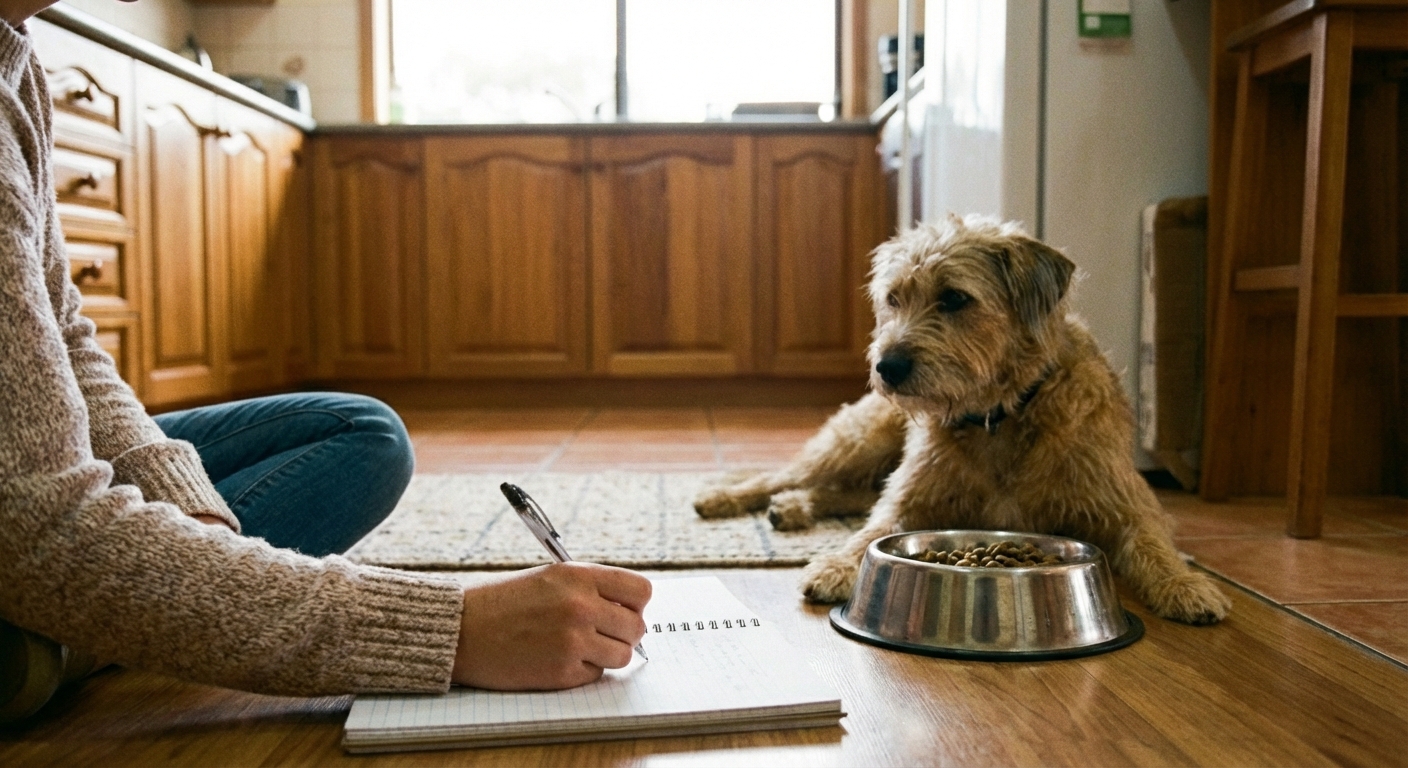
What to track at home
Bring real data to your appointment. It speeds up diagnosis and can reduce the number of repeat visits.
- Weekly weight: same scale, same time of day if possible
- How to weigh at home: weigh yourself, then weigh yourself holding your dog, then subtract (or use a baby scale for small dogs)
- Body and muscle changes: do ribs and hip bones feel more prominent? is there muscle loss over the back, hips, or thighs?
- Appetite notes: how much eaten, how fast, any food refusal
- Water intake: noticeably more or less than usual
- Bathroom habits: stool consistency, frequency, accidents, straining
- Behavior shifts: hiding, clinginess, sleep changes, aggression, pacing
- Diet details: brand, flavor, treats, chews, table scraps, supplements
- Bonus if you can: bring recent weights from past visits and a short video of any concerning behaviors (pacing, coughing, strange swallowing, etc.)
At the vet: common tests
Your vet will tailor testing to your dog’s age, history, and exam findings, but common starting points include:
- Full physical exam with body condition and muscle condition scoring
- Bloodwork (CBC and chemistry) to check organs, infection, anemia, hydration
- Urinalysis for kidney health, diabetes clues, infection
- Fecal testing for parasites and sometimes giardia
- X-rays or ultrasound if pain, masses, heart concerns, or GI disease is suspected
- Specific endocrine tests when diabetes or Addison’s disease is on the list
If you feel anxious about “how many tests,” tell your vet. We can often prioritize a smart first round and build from there based on results.
Action steps today
1) Do a gentle nose-to-tail check
Look for mouth pain, broken teeth, new lumps, tenderness, or limping. Keep it calm and stop if your dog seems uncomfortable.
2) Make meals easier to eat
If your dog is struggling with kibble, ask your vet if you can temporarily use:
- Warm water or low-sodium broth to soften food
- A canned version of the same diet
- Smaller, more frequent meals
3) Protect the gut
Sudden diet changes can worsen nausea and diarrhea. If weight loss is happening, do not jump foods repeatedly trying to “find something they like.” Pick one plan and work with your vet.
4) Reduce stress where you can
- Keep routines predictable
- Offer quiet rest areas
- Add gentle enrichment: sniff walks, food puzzles, short training sessions
5) Avoid common mistakes
- Do not start human pain meds. Many are toxic to dogs.
- Do not rely on appetite stimulants without finding the cause.
- Do not assume picky is a personality trait if weight is dropping.
When to get urgent care
Go to an emergency clinic now if weight loss is paired with:
- Collapse, severe weakness, or pale gums
- Repeated vomiting or vomiting with blood
- Black, tarry stool or blood in stool
- Labored breathing
- Bloated abdomen with retching or heavy drooling
- Not eating and acting unwell (especially with lethargy, vomiting, diarrhea, or belly pain)
If your dog has not eaten for about a day, or for a shorter window in very small dogs or puppies, contact a vet urgently for guidance. If there are other symptoms on top of that, do not wait.
If you are ever torn between watching and going in, call your vet or an emergency clinic and describe the symptoms. That call can be the difference between catching something early and chasing it later.
A gentle closing note
I know this topic can feel scary. The encouraging news is that many causes of weight loss are treatable, especially when caught early. Trust your instincts, track a few key details, and let your veterinary team help you get your dog feeling comfortable, nourished, and steady again.