Discover a new lump on your dog’s back? Follow calm, vet-smart steps: check size and skin changes, rule out ticks, prevent licking, know urgent signs, and ...
Article
•
Designer Mixes
Dog Warts (Papillomas): Causes, Treatment, and When to Worry

Shari Shidate
Designer Mixes contributor
If you have ever found a new bump on your dog, I know how fast your mind can jump to worst case scenarios. The good news is that some wart-like bumps on dogs are benign papillomas, especially the classic mouth warts we see in puppies and young dogs. Still, not every “wart” is a papilloma. In older dogs in particular, other benign growths (and occasionally more serious tumors) can look very similar, so it is worth taking new lumps seriously.
In this guide, I will walk you through what canine papillomas are, what they look like, how they spread, what to do at home, and the red flags that mean it is time to book an exam.
What are dog warts (papillomas)?
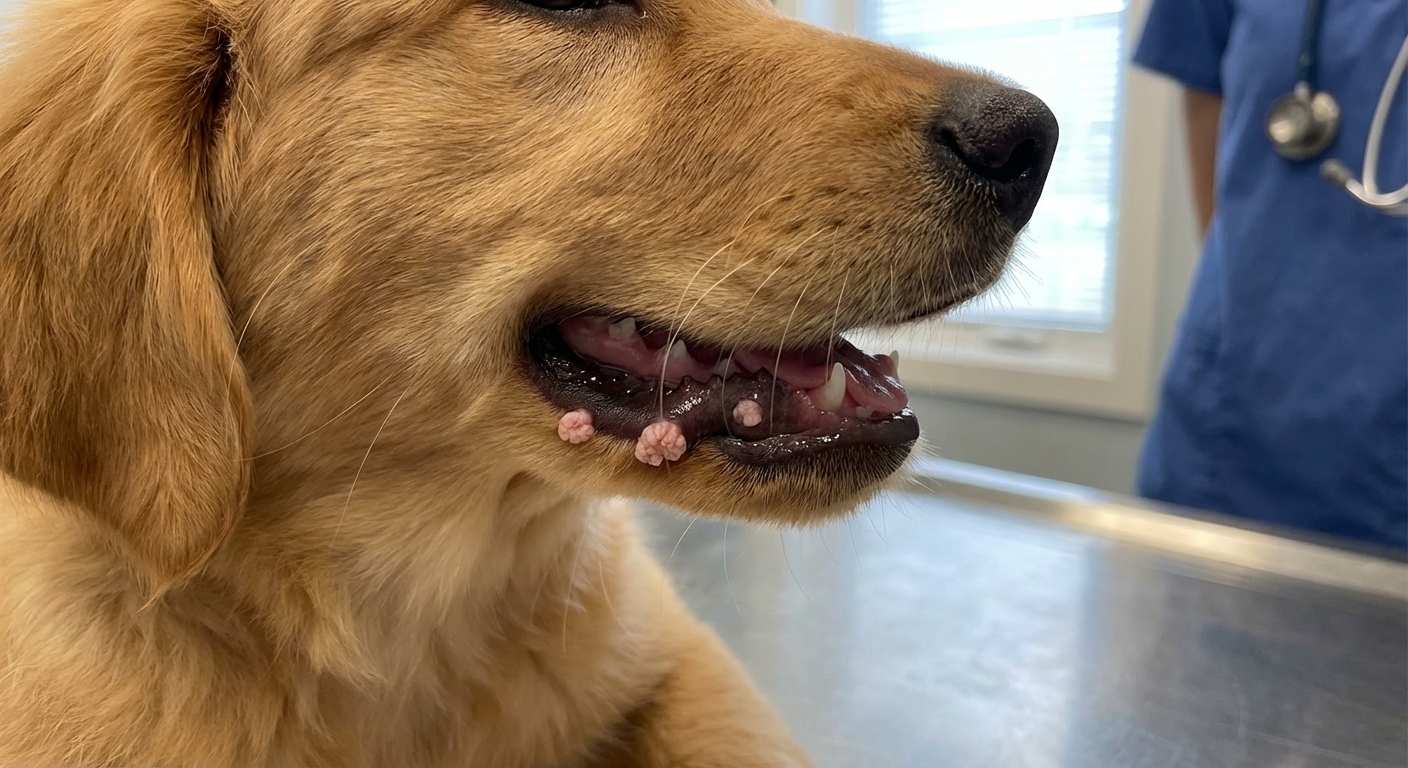
In dogs, the word “wart” is often used for many different bumps. A true papilloma is a wart-like growth usually caused by a virus in the papillomavirus family. The condition is often called canine viral papillomatosis.
These viral papillomas are typically:
- Benign (not cancer)
- Contagious to other dogs in many cases
- Self-limiting, meaning they often resolve once the immune system catches up
Papillomas are especially common around the mouth, lips, and face, but they can also show up on the skin, eyelids, feet, or genital area depending on the virus type and the dog.
What causes papillomas in dogs?
Papillomas are caused by infection with canine papillomavirus (CPV). There are multiple CPV types, and they can cause slightly different patterns (for example, primarily oral vs primarily skin lesions).
Dogs typically pick up the virus through:
- Direct contact with an infected dog (play, mouth contact, grooming)
- Shared objects like toys, bowls, leashes, or grooming tools
- Small breaks in the skin or irritated mucous membranes, which give the virus an entry point
After exposure, there is usually an incubation period of weeks to a couple of months before you notice visible warts (often around 1 to 2 months, but it can vary).
Types and common locations
Oral papillomas
These are the classic contagious puppy warts. They often look like small cauliflower clusters on the lips, gums, or inside the mouth. They may cause drooling, bad breath, or reluctance to chew if irritated.
Cutaneous (skin) papillomas
These can appear on the face, eyelids, legs, feet, or other areas. They may be single or multiple and can be flatter or more raised depending on location and virus type.
Other wart-like growths (not viral)
Older dogs commonly develop non-viral, wart-like benign growths such as sebaceous adenomas or skin tags. They are often harmless, but you still want an exam if anything is new, changing, or bothersome.
How do dog warts spread?
Canine papillomavirus spreads primarily dog-to-dog. Papillomaviruses are largely species-specific, and CPV is not known to infect humans, so the zoonotic risk is considered extremely low.
Practical steps to reduce spread
- Pause dog park and daycare while warts are present, especially with oral papillomas.
- Do not share toys, bowls, or grooming tools with other dogs.
- Wash bedding and sanitize frequently handled items.
- Separate from immunocompromised dogs (dogs on chemotherapy, high-dose steroids, or with significant chronic disease).
Contagiousness generally drops after lesions resolve. A practical rule is to treat your dog as contagious until the warts have fully gone away, and ask your veterinarian when it is safe to resume group play.
What do papillomas look like?
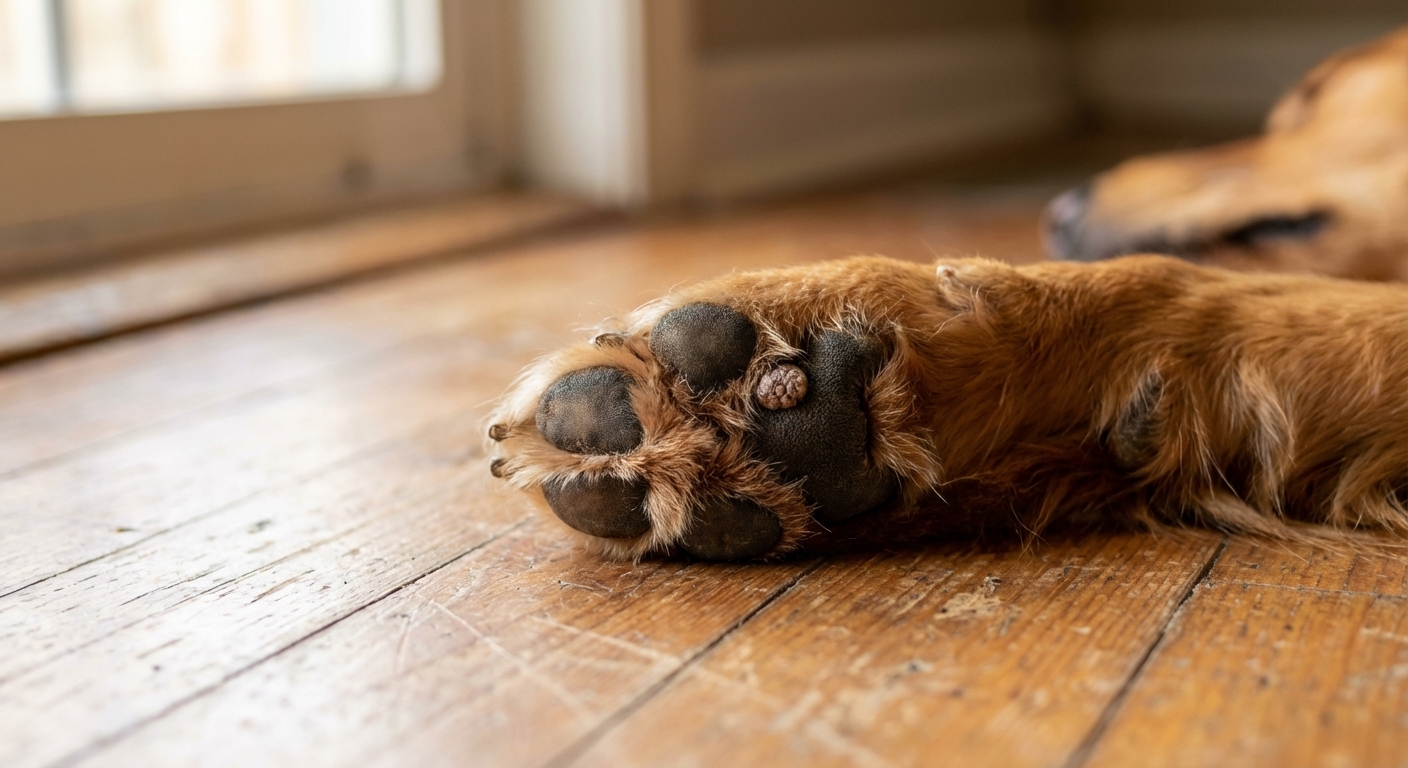
Papillomas have a few classic appearances, but they can vary.
Common papilloma descriptions
- Cauliflower-like surface texture, especially in the mouth
- Small, pale pink to gray bumps
- On a tiny stalk or broader-based
- Single or clustered like little “grapes”
Oral papillomas may bleed if bumped, and they can cause drooling, bad breath, or reluctance to chew if they are irritated.
Wart or something else?
This is where being careful really matters. Many skin growths can look “wart-ish” at first glance.
Other common possibilities
- Sebaceous adenoma: usually a benign, wart-like, cauliflower bump on older dogs.
- Histiocytoma: a common benign tumor in young dogs that can be red, round, and fast-growing.
- Skin tag: soft, floppy growth, often in friction areas.
- Follicular cyst: a firm bump that can rupture and ooze.
- Mast cell tumor: can mimic almost anything, including a wart, and needs prompt evaluation.
- Squamous cell carcinoma or melanoma: more concerning tumors that can appear as raised, ulcerated, pigmented, or non-healing lesions.
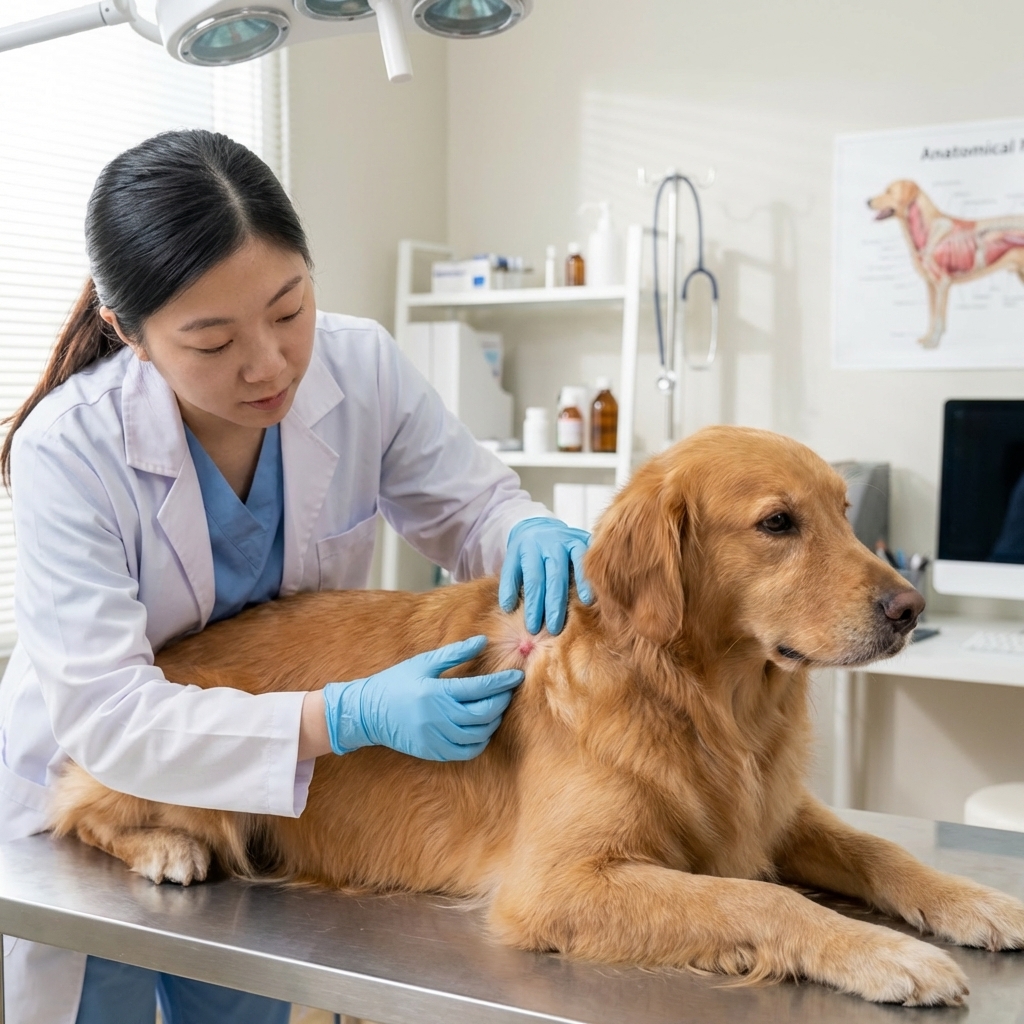
Important: You cannot reliably diagnose a wart at home by appearance alone. Your veterinarian can often identify a classic papilloma by exam, but sometimes testing is needed. A fine needle aspirate is very useful for many lumps, but some wart-like lesions (including papillomas) can be nondiagnostic on FNA and may require a biopsy for confirmation.
Which dogs are most prone?
In my experience as a veterinary assistant, the dogs we most often see with classic viral papillomas fall into a few groups:
- Puppies and young dogs: their immune systems are still learning.
- Dogs with weakened immune function: from illness, medications like steroids, or certain chronic conditions.
- Highly social dogs: daycare, dog parks, training classes, multi-dog households.
Older dogs can absolutely get papillomas, but when an older dog develops new “warts,” we also think about other benign growths and tumors that can mimic warts. That is one reason exams are so helpful.
Do papillomas go away on their own?
Many do. In otherwise healthy young dogs, papillomas often resolve spontaneously as the immune system mounts a response.
Typical timeline
- Appear and multiply over several weeks
- Stabilize for a period
- Shrink and disappear over 1 to 3 months in many cases
If the warts are worsening at any point, or if they are not improving by around 3 months, schedule a veterinary exam. Some cases take longer, and a small number become persistent, especially in immunocompromised dogs.
When should you treat dog warts?
Not every papilloma needs active treatment. Many dogs do well with watchful waiting, especially if the warts are small and not causing problems. Treatment becomes more important when warts are:
- Painful or interfering with eating, chewing, blinking, or walking
- Bleeding repeatedly or getting infected
- Rapidly growing or changing
- Persisting beyond the usual window (often more than 2 to 3 months, or worsening at any time)
- In an immunocompromised dog
Vet treatment options
Your veterinarian will choose a plan based on location, number of warts, your dog’s overall health, and whether the growth truly looks like a papilloma.
Common vet-managed options
- Monitoring: documenting size and number with photos and rechecks.
- Surgical removal: helpful for a single bothersome wart or one that is repeatedly traumatized.
- Cryotherapy (freezing): used for select lesions, depending on equipment and location.
- Laser removal: sometimes used when warts are numerous or in tricky areas.
- Biopsy: recommended if the appearance is atypical, the dog is older, the lesion is pigmented, ulcerated, or non-healing.
In certain stubborn cases, veterinarians may discuss additional therapies. These are case-by-case and depend on current evidence, your dog’s immune status, and the clinician’s experience. The most important step is confirming what the growth actually is before trying to “treat a wart” that might not be a wart.
What you can do at home
Helpful at-home steps
- Take a clear weekly photo with a coin for scale. This helps you track change without guessing.
- Prevent chewing and trauma if the wart is getting irritated. An e-collar may be needed temporarily.
- Keep the area clean and dry. If your vet recommends it, you may use a gentle pet-safe cleansing routine.
- Support immune health with basics: good sleep, stress reduction, parasite control, and balanced nutrition.
If it bleeds
- Apply gentle pressure with clean gauze or a soft cloth for several minutes.
- Prevent licking (e-collar helps).
- Call your vet if bleeding is heavy, keeps restarting, or the area looks swollen, painful, or infected.
Please avoid these common mistakes
- Do not cut, tie off, or “pop” a wart at home. You can cause bleeding, infection, and significant pain.
- Do not use human wart removers (salicylic acid, freezing kits, caustic chemicals). Dogs can lick them, and many are not safe for pets.
- Be cautious with supplements: avoid starting over-the-counter “immune boosters” without veterinary guidance. Some products interact with medications or are not appropriate for certain conditions.
- Do not assume it is harmless if it is changing quickly, ulcerated, or your dog seems uncomfortable.
When to worry
Here are the signs that should move a bump from “watch it” to “book the appointment,” and sometimes “go today.”
Call your veterinarian soon if you notice:
- Rapid growth over days to a couple of weeks
- Ulceration, open sores, or persistent crusting
- Bleeding without obvious trauma, or frequent bleeding
- Dark pigment (black, very dark brown), especially in oral growths
- Firm attachment to deeper tissue or irregular borders
- Swollen lymph nodes (under jaw, in front of shoulders, behind knees)
- Bad odor, discharge, or pus
- Pain, limping, trouble chewing, or squinting
- Weight loss, lethargy, decreased appetite
- Any new lump in an older dog should be evaluated, even if it “looks like a wart.”
If you take only one thing from this page, let it be this: a quick vet exam and the right test (sometimes FNA, sometimes biopsy) can save you weeks of worry and can catch the uncommon but serious look-alikes early.
What to expect at the vet
Most appointments start with a full skin and oral exam, plus questions about timeline and changes. Depending on what your veterinarian sees, they may recommend:
- Fine needle aspirate: quick sampling of cells with a small needle (very helpful for many lumps, though not always definitive for every wart-like lesion).
- Cytology: looking at cells under a microscope.
- Biopsy: removing a small piece or the whole lesion for a definitive diagnosis.
If it is a classic papilloma, your vet may recommend monitoring unless your dog is uncomfortable or the wart is in a high-friction area.
Quick FAQ
Are dog papillomas contagious to humans?
Papillomaviruses are largely species-specific. Canine papillomavirus is not known to infect humans, and the risk to people is considered extremely low.
Can my dog still play with other dogs?
It is safest to limit contact while warts are present, especially mouth warts, because the virus spreads through contact and shared items. Once the lesions fully resolve, ask your vet when it is reasonable to resume group play.
Why does my puppy have multiple mouth warts?
Puppies often develop clusters because their immune system is still maturing, and oral tissues can be easily irritated during play and chewing.
Will a wart fall off?
As papillomas regress, they can shrink, dry up, and disappear. If one suddenly becomes raw, painful, or bleeds, have it checked rather than assuming it is “just falling off.”
A simple plan for today
- Step 1: Take a clear photo and note the date, size, and location.
- Step 2: Prevent licking, chewing, and rough play that irritates the spot.
- Step 3: Avoid human wart products and at-home removal attempts.
- Step 4: Schedule a vet visit if you see red flags, if your dog is older, or if it is not improving within about 3 months (or is worsening at any time).
You are doing the right thing by paying attention. Many papillomas are manageable and temporary, and when they are not, getting an expert set of eyes on the lump is the fastest path to peace of mind.