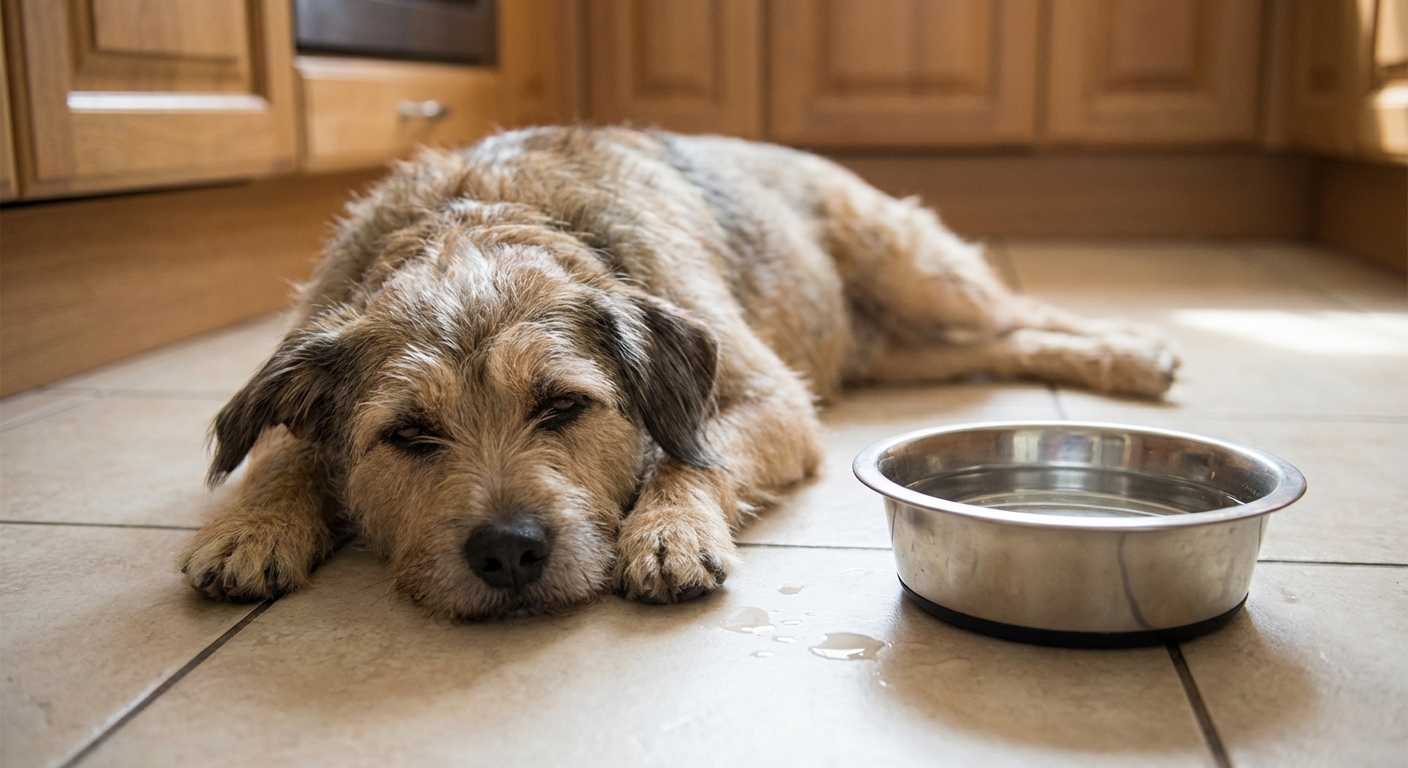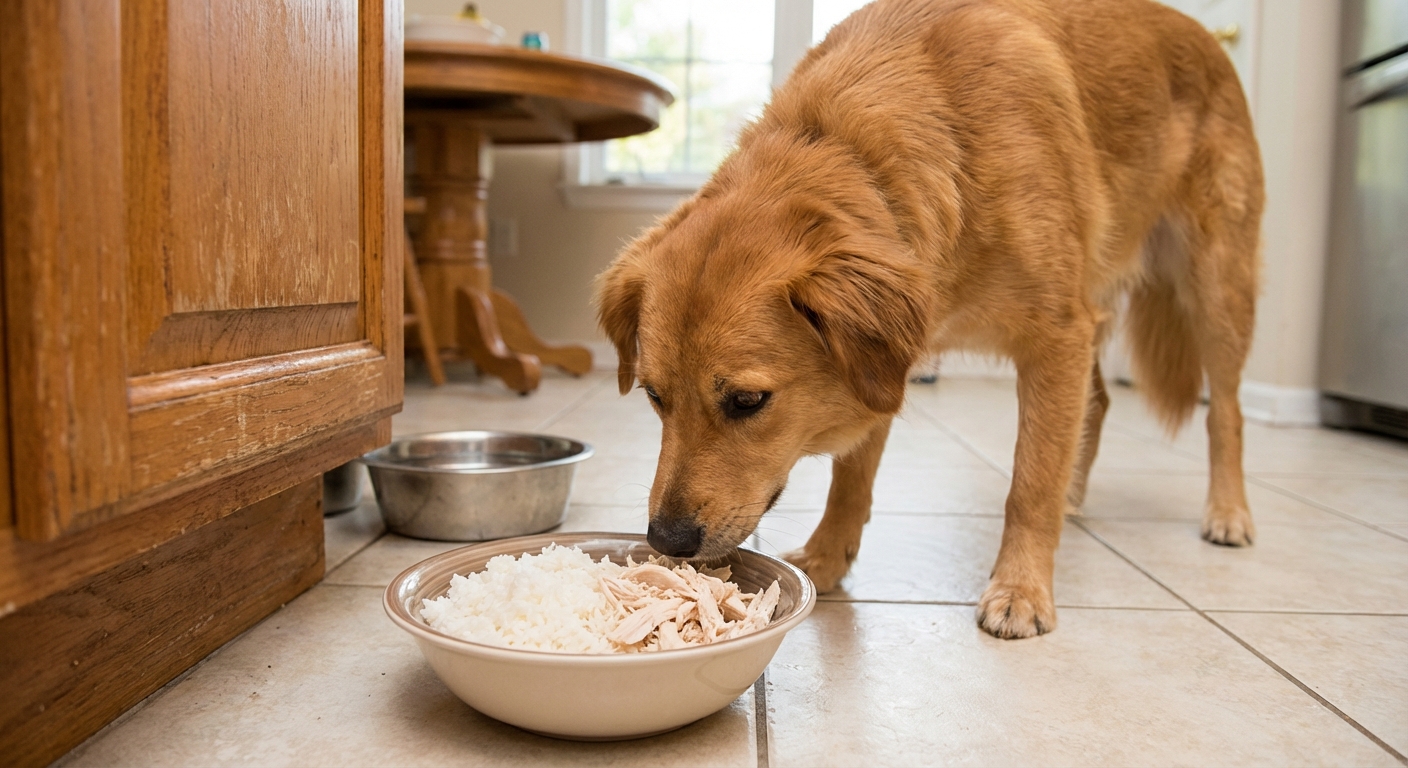
Vet-informed guide to a short-term bland diet for dogs: chicken and rice 1:2 ratio, daily cup ranges by weight, how many meals to split into, and red flags t...
Article
•
Designer Mixes
Dog Vomiting Yellow Mucus: What It Means and What to Do

Shari Shidate
Designer Mixes contributor
If you have ever watched your dog retch and bring up yellow, foamy mucus, you know it is alarming. The good news is that this specific type of vomit is often linked to bile, and many cases are manageable once you understand the likely triggers. The not-so-good news is that sometimes yellow vomit is your dog’s early warning system for a bigger problem that needs veterinary care.
As a veterinary assistant in Frisco, Texas, I always tell pet parents this: the color matters, but the whole story matters more. How often it’s happening, your dog’s energy level, appetite, stool, and belly comfort are what guide the next step.
What yellow mucus vomit usually is
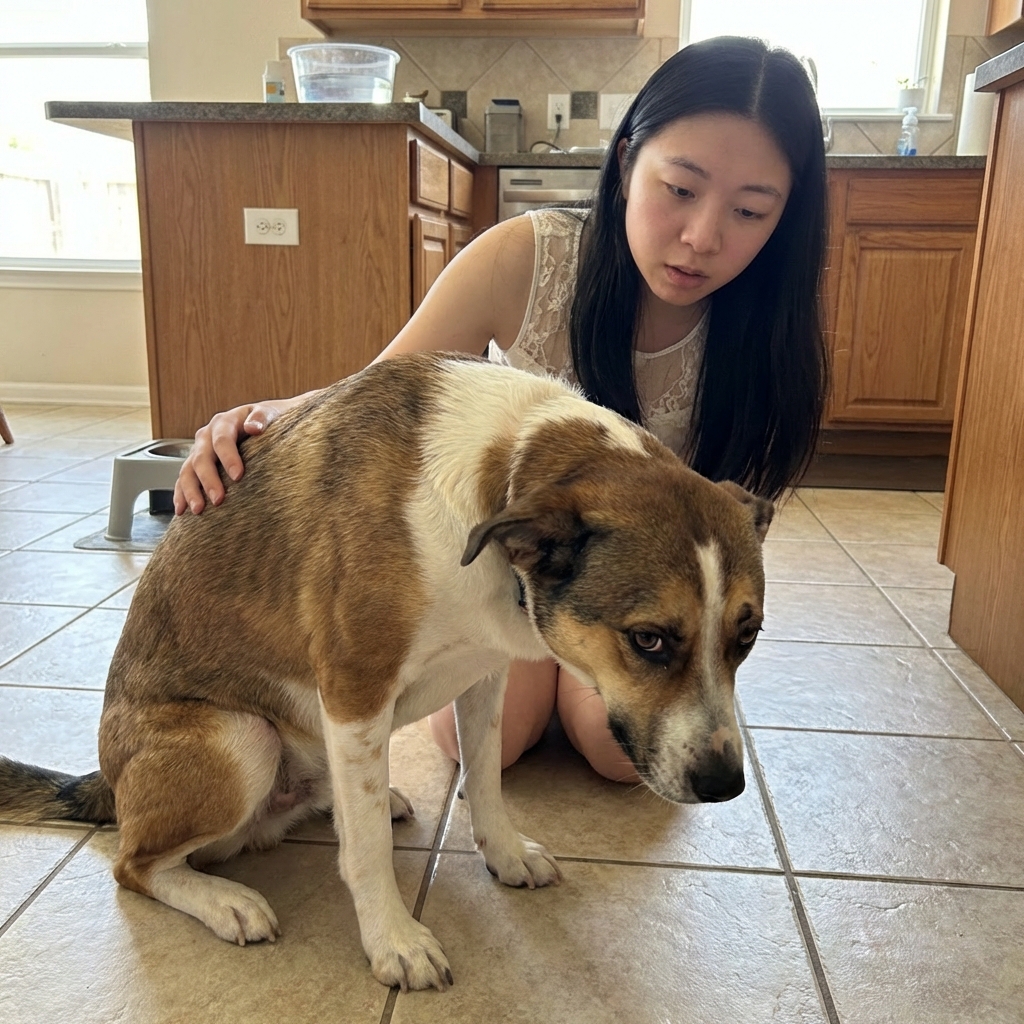
Yellow vomit is most commonly a mix of stomach fluid, mucus, and bile. Bile is a digestive fluid made by the liver and stored in the gallbladder. It is normally released into the small intestine to help digest fats. When the stomach is empty or irritated, bile can move backward into the stomach and trigger vomiting.
Quick note on terms: Pet owners often hear labels like bilious vomiting syndrome, reflux, gastritis, or delayed gastric emptying. The wording varies, but the goal is the same: your vet will look for the underlying reason your dog is nauseated instead of assuming it is always just an “empty stomach” issue.
Typical look
- Yellow or yellow-green fluid
- Foamy or mucousy texture
- Often happens early morning or when a dog has gone a long time without food
Vomit or regurgitation?
This is a common mix-up, and it matters.
- Vomiting usually includes nausea, drooling, belly contractions, and retching before anything comes up.
- Regurgitation is more passive. Food or liquid comes up without much warning or retching, and it may look tube-shaped.
If you suspect regurgitation (especially if it is frequent), call your vet. The causes and risks can be different than vomiting.
Common causes and patterns vets watch for
1) Empty stomach pattern
This is one of the most common scenarios: your dog vomits yellow foam, then acts mostly normal afterward. It can happen when a dog’s stomach sits empty too long and becomes irritated.
Clue: It occurs on a predictable schedule, often early morning or late night.
2) Grass and outdoor snacking
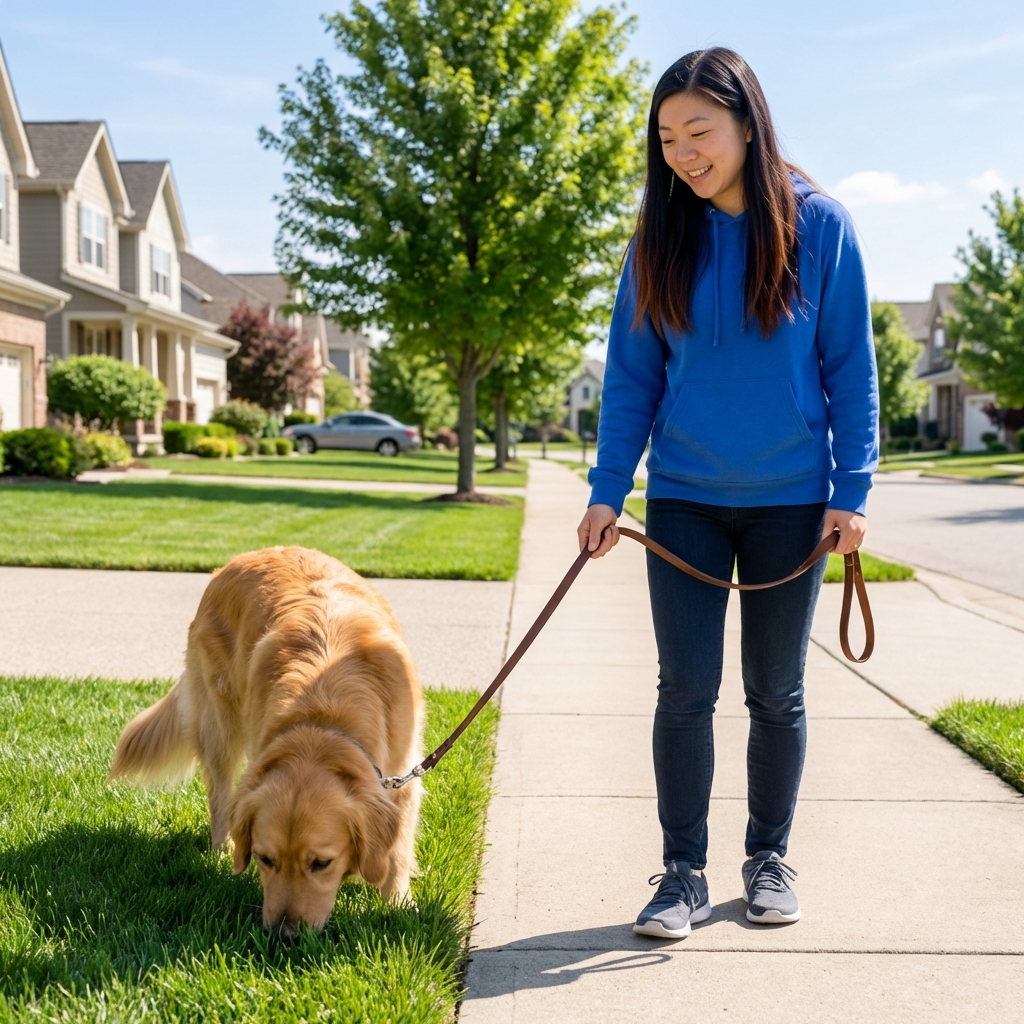
Many dogs nibble grass, leaves, or mystery items on walks. That rough material can irritate the stomach lining and trigger vomiting. Also, some dogs eat grass because they already feel nauseated, so the grass is not always the true cause.
Clue: Vomit may contain bits of grass, and the episode follows outdoor time.
3) Dietary triggers and rich treats
Sudden diet changes, fatty table foods, new treats, and chews can all cause stomach upset. Some dogs are especially sensitive to fat and will vomit yellow fluid when their GI tract is inflamed.
Clue: The vomiting starts after a new food, new bag of food, or a weekend of extra treats.
4) Motion sickness or stress nausea
Car rides, boarding, loud events, and household changes can trigger nausea and bile vomiting.
Clue: Timing matches travel, visitors, fireworks, storms, or separation.
5) Parasites or GI infection
Intestinal parasites (especially in puppies) and GI infections can cause vomiting with mucus. Sometimes bile shows up simply because the stomach is empty from poor appetite.
Clue: Diarrhea, poor appetite, weight loss, or multiple pets in the home feeling “off.”
6) Pancreatitis or other inflammation
Pancreatitis can cause significant nausea, vomiting (sometimes yellow), belly pain, and lethargy. It is often associated with high-fat foods, but it can happen even without an obvious trigger.
Clue: A painful abdomen, hunched posture, refusing food, repeated vomiting.
7) Foreign body (something stuck)
If a dog swallows a toy piece, sock, corn cob, or bone fragment, vomiting can start as food and later become yellow fluid as the stomach empties but nausea continues.
Clue: Repeated vomiting, inability to keep water down, drooling, restlessness, or a history of chewing and swallowing items.
When it is urgent
Please seek urgent veterinary care (ER or same-day appointment) if you notice any of the following:
- Multiple vomiting episodes in a day, vomiting that keeps going, or vomiting that is getting worse
- Can’t keep water down or vomits immediately after drinking
- Lethargy, collapse, weakness, or your dog seems “not themselves”
- Blood in vomit (red streaks or coffee-ground appearance)
- Severe diarrhea, black/tarry stool, or signs of dehydration
- Belly pain, a tense abdomen, or a “praying position” (front end down, rear end up)
- Bloated abdomen or unproductive retching (possible bloat, which is a true emergency)
- Puppies, toy breeds, seniors, or dogs with chronic illness (they can dehydrate and destabilize faster)
- Possible ingestion of toxins (xylitol, grapes/raisins, chocolate, medications, rodent poison)
If your gut is telling you it is not “simple nausea,” trust that instinct. In clinic, we would always rather check a dog early than treat a crisis later.
What you can do at home
If your adult dog has vomited yellow mucus once and otherwise seems bright, comfortable, and interested in life, these gentle steps are often reasonable while you monitor closely.
Important: Do not fast puppies, toy breeds, diabetic dogs, or dogs with other medical conditions without veterinary direction. They can be at higher risk for low blood sugar and dehydration.
Step 1: Offer small amounts of water
Offer a few sips and then wait about 15 minutes. If your dog keeps water down, continue small amounts every 15 minutes for the next 1 to 2 hours before offering more freely. For some dogs, ice chips or small spoonfuls of water are easier on the stomach.
If your dog gulps and vomits again, remove the bowl and call your vet.
Step 2: Short food break, then bland food
Many veterinarians recommend a brief rest period for the stomach, then a bland diet. Timing varies, so call your vet if you are unsure.
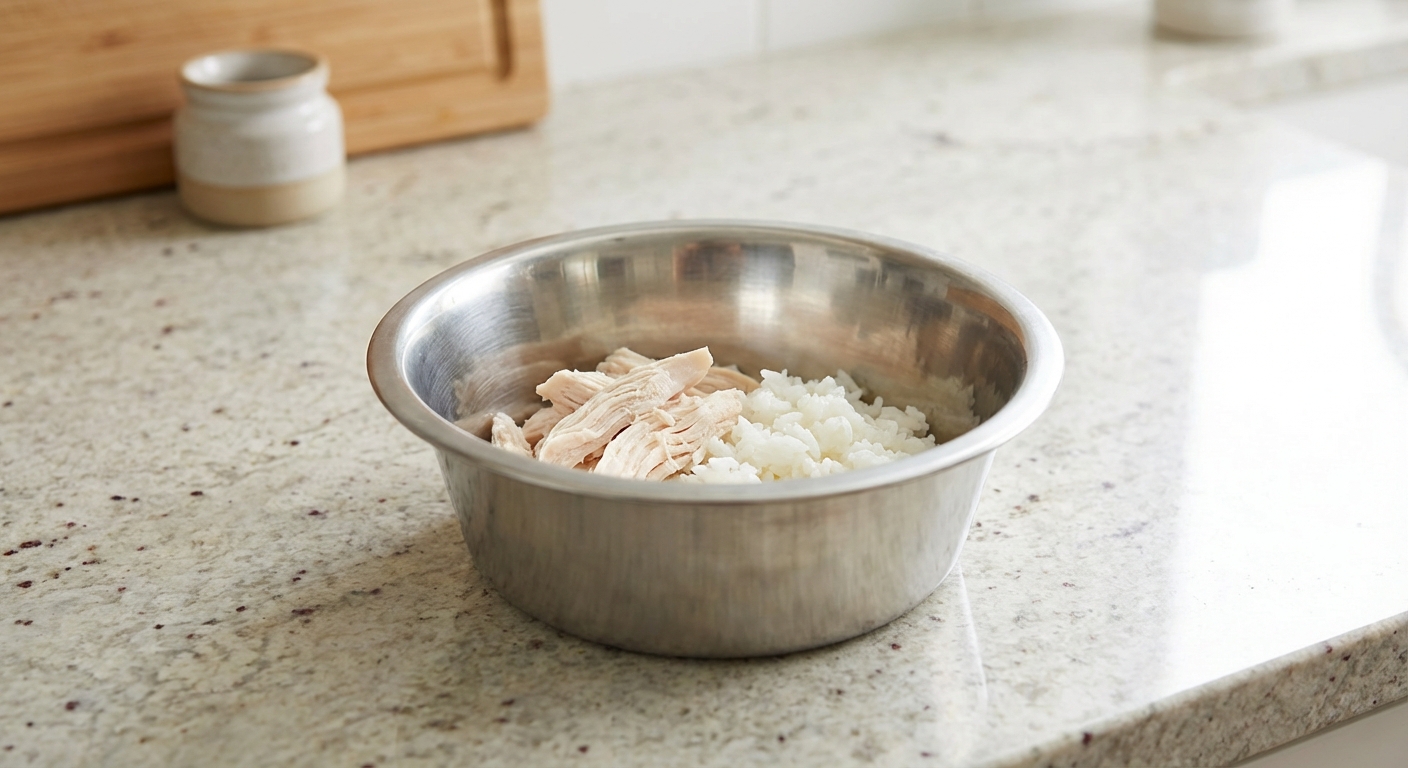
- Bland options often include boiled skinless chicken and plain white rice, or a veterinary GI diet.
- Feed small portions and increase gradually if no vomiting returns.
As a general guide, many dogs stay on a bland diet for 24 to 48 hours, then transition back to regular food slowly over a few days. If vomiting returns at any point, stop and call your veterinarian.
Step 3: Avoid common mistakes
- No fatty foods (bacon, sausage, greasy leftovers)
- No new treats or chews
- No people medications unless your veterinarian specifically instructs you
Step 4: Track patterns
These details help your veterinarian make faster, smarter decisions:
- Time of day it happens
- How many times
- What it looked like (foam, food, grass, blood)
- Diet changes, new treats, scavenging, travel, stress
- Stool quality and frequency
How to help prevent it
Smaller, more frequent meals
If vomiting is happening on an empty stomach, one of the most effective changes is adding a small bedtime snack or splitting meals into 3 feedings per day.
Keep treats consistent and lower fat
Choose treats with simpler ingredients and keep them predictable. Sudden treat variety is a sneaky cause of upset stomachs.
Vet-approved gut support
Some dogs benefit from probiotics or GI-support diets. Your veterinarian can help you pick a reputable product and the right dose for your dog’s size and symptoms.
Reduce scavenging
Use a leash in tempting areas, practice “leave it,” and consider a basket muzzle for committed scavengers. (It is not a punishment. It is a safety tool.)
What your vet may check
If vomiting is recurring, your vet will focus on finding the cause, not just stopping the symptom. Depending on your dog’s exam and history, that may include:
- Fecal testing for parasites
- Bloodwork to check hydration, liver values, kidney values, pancreas markers, and electrolytes
- X-rays or ultrasound if a foreign body, pancreatitis, or other disease is suspected
- Anti-nausea medication and stomach protectants when appropriate
- Diet trial or longer-term feeding plan if reflux or food sensitivity is likely
If vomiting is frequent or your dog seems generally unwell, your vet may also want to rule out issues like liver or gallbladder disease, kidney disease, Addison’s disease, or GI ulceration.
Bring a photo of the vomit if you can. It sounds odd, but it helps more than you might think.
Quick FAQ
Is yellow vomit always bile?
Often, yes. But yellow vomit can also be stomach fluid mixed with small amounts of partially digested food or mucus. The bigger question is why it’s happening.
My dog vomits yellow foam in the morning but is fine after. Is that serious?
It can fit an empty stomach pattern like bilious vomiting syndrome. Still, it should not be ignored if it becomes frequent. Recurrent vomiting is never “normal,” even if your dog seems okay afterward.
Can I switch to homemade food to help?
For some dogs, a carefully balanced homemade plan can reduce trigger ingredients and improve digestion, but it should be done thoughtfully. If you are considering homemade, talk with your veterinarian or a board-certified veterinary nutritionist, especially if vomiting is frequent or your dog has other health issues.
The bottom line
Yellow mucus vomit is often a sign of bile mixed with stomach fluid, especially when the stomach is empty. Many dogs improve with simple adjustments like smaller meals, a bedtime snack, and avoiding fatty treats. But if vomiting repeats, your dog seems painful or lethargic, or you see blood or dehydration, it is time to call your vet promptly. You know your dog best, and you do not have to figure this out alone.